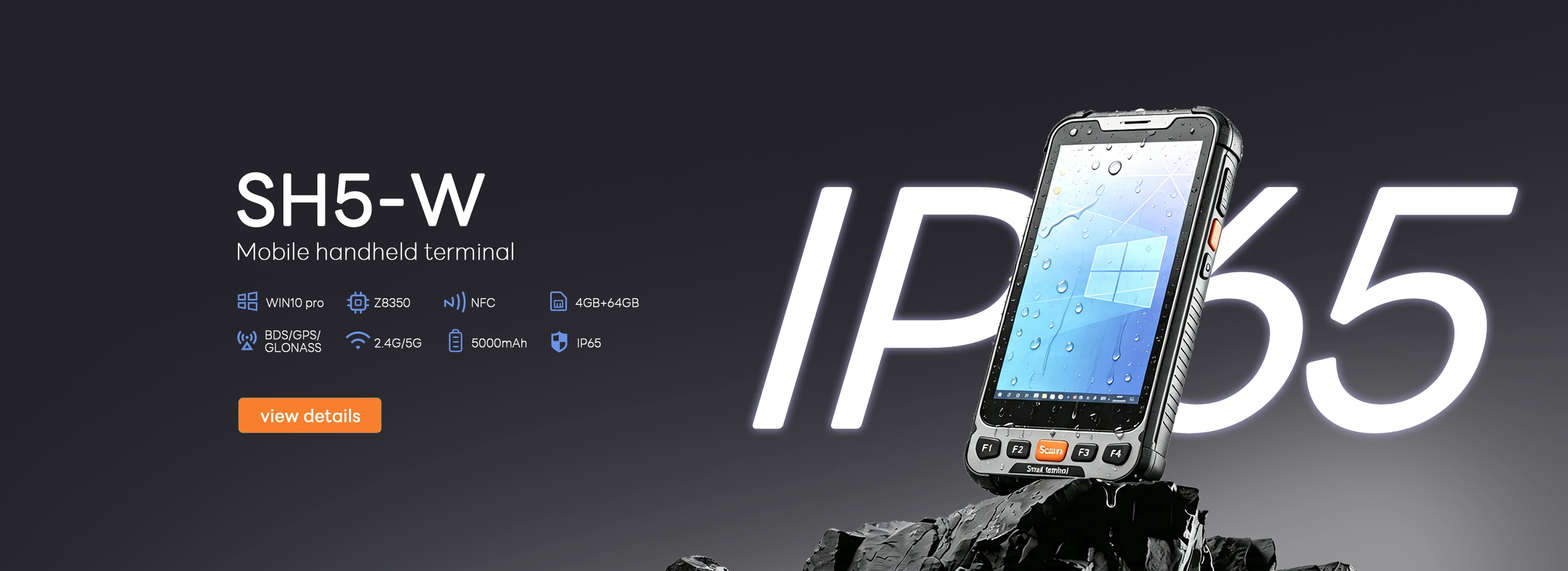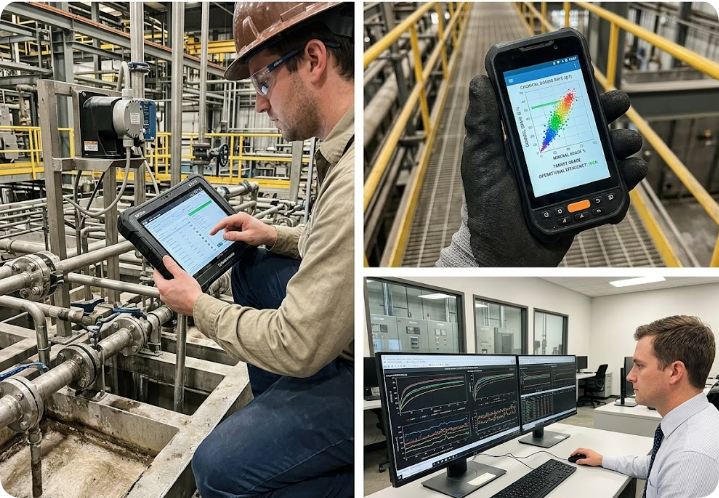
Figure 1: Safe ground operations at a zero-emission gate. A ground crew member uses a HOTUS SH5‑W ATEX‑rated PDA to read a cryogenic mass flow meter during liquid hydrogen transfer.
"Commercial liquid hydrogen aircraft are transitioning rapidly from experimental concepts to physical runway realities. With aerospace pioneers flight-testing regional prototypes, the infrastructure focus has shifted to the ground. Fueling these aircraft is an engineering challenge. Hydrogen becomes liquid only at cryogenic temperatures below -253°C, and a minute 2% volumetric overfill can lead to dynamic pressure spikes capable of bursting an onboard fuel tank. Yet, legacy airport bunkering logs still rely on paper cards and manual sight-glass readings. Ground teams need an intrinsically safe, ATEX-certified Windows PDA that interfaces with digital mass flow meters, calculates variable fluid density in real time, and logs absolute fuel weights alongside precise GPS tracking and digital crew signatures. In hydrogen aviation, an overfueling error isn't just wasted product—it is a critical flight safety risk. Your handheld computer is the metering authority."
Hydrogen Aircraft Ground LH2 Bunkering Security: Ensuring Cryogenic Mass Flow Precision via ATEX-Certified Rugged Tablets
Insights by HOTUS Technology Aviation Safety Division | Cryogenic Infrastructure Series | June 2026
The global commercial aviation sector is heavily prioritizing liquid hydrogen ($\text{LH}_2$) technology as a viable pathway toward absolute decarbonization. With clean regional commuter airliners scheduled to enter commercial operations over the coming years, airports face the immediate task of building safe, efficient ground bunkering networks.
Managing liquid hydrogen requires deep cryogenic handling protocols. Unlike conventional Jet-A fuel, $\text{LH}_2$ must be maintained at an extreme temperature of $-253^\circ\text{C}$ to remain in its liquid state. Furthermore, its physical density is highly sensitive to minor variations in ambient pressure and localized temperature gradients. Measuring fuel volumes alone is insufficient for flight planning. Ground crews must determine the precise delivered mass ($\text{kg}$) to accurately calculate energy density and prevent hazardous over-pressurization inside the aircraft's vacuum-insulated fuel tanks.
The Physical Challenges of Cryogenic Liquid Hydrogen Fluid Transfer
The physics of a high-pressure $\text{LH}_2$ bunkering cycle are highly dynamic. A closed-loop cryogenic pump transfers the liquid from a heavily insulated stationary airport storage tank through insulated vacuum-jacketed lines into the aircraft's fuel bay. A high-precision Coriolis mass flow meter measures the delivered fuel mass.
However, as liquid hydrogen travels through lines, localized boil-off gas ($\text{GH}_2$) creates two-phase flow conditions, altering the fluid density instantly. To monitor these changes, operators must evaluate initial tank pressure, dynamic fluid density, and final mass totalization concurrently. Manual logs and analog dials cannot capture or track these volatile, fast-moving variables.
Relying on paper logs creates significant compliance vulnerabilities. Regulatory bodies such as the European union Aviation Safety Agency (EASA) and the Federal Aviation Administration (FAA) mandate digital, tamper-proof audit trails for alternative fuel infrastructure. Handwritten sheets fail to provide the verified data continuity needed to satisfy modern aviation quality management standards.
Deploying the HOTUS SH5-W Intrinsically Safe PDA for Real-Time Bunkering Diagnostics
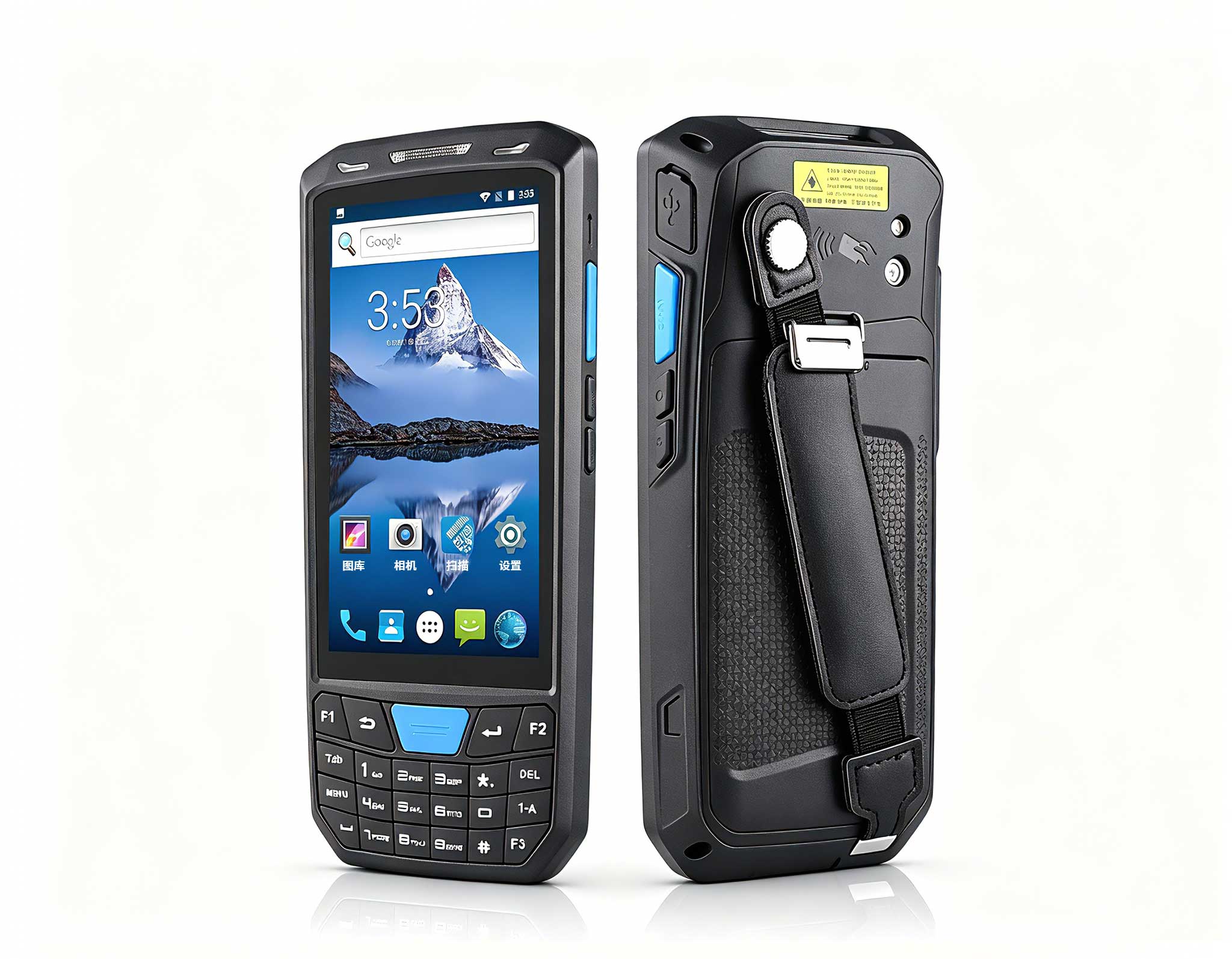
To resolve data entry gaps at the fueling panel, the Hotus SH5-W Windows rugged handheld gives ground personnel a computing platform certified for explosive atmospheres. Built with an explosion-proof, intrinsically safe design that prevents electrical sparking, the SH5-W carries full ATEX Zone 1/21 certification, making it safe for environments where fugitive hydrogen vapors may accumulate.
The SH5-W interfaces directly with cryogenic mass flow meters and dispenser SCADA systems via low-latency industrial Bluetooth or secure, isolated serial connections. The mobile device streamlines critical fueling workflows on the ramp:
- Live Telemetry Tracking: Continuously reading mass flow rates, line temperature adjustments, and totalized mass delivery.
- Instrument Verification: Scanning integrated QR codes on Coriolis flow meters to confirm active calibration status before starting fuel transfer.
- Data Logging Validation: Storing unique airframe tail numbers, GPS coordinates, and photographic verification of the fueling link.
- Dual-Sign-Off Protocols: Requiring both the flight pilot and the ground refueling lead to sign off digitally on the touch interface.
Upon completing the fueling cycle, the SH5-W compiles the data into an encrypted, tamper-proof digital manifest. The device generates an on-screen QR code containing the full transfer profile, which flight crews can scan directly into the aircraft's flight management system (FMS) to verify weight and balance metrics. Concurrently, the record uploads to a central airport operations database via secure hangar networks.
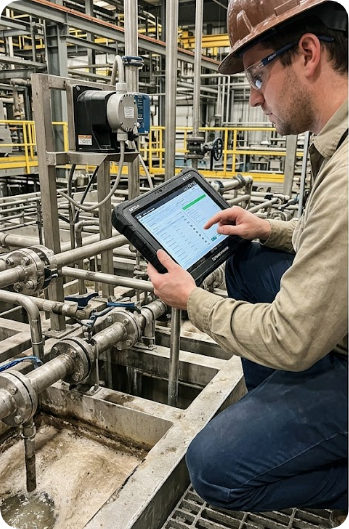
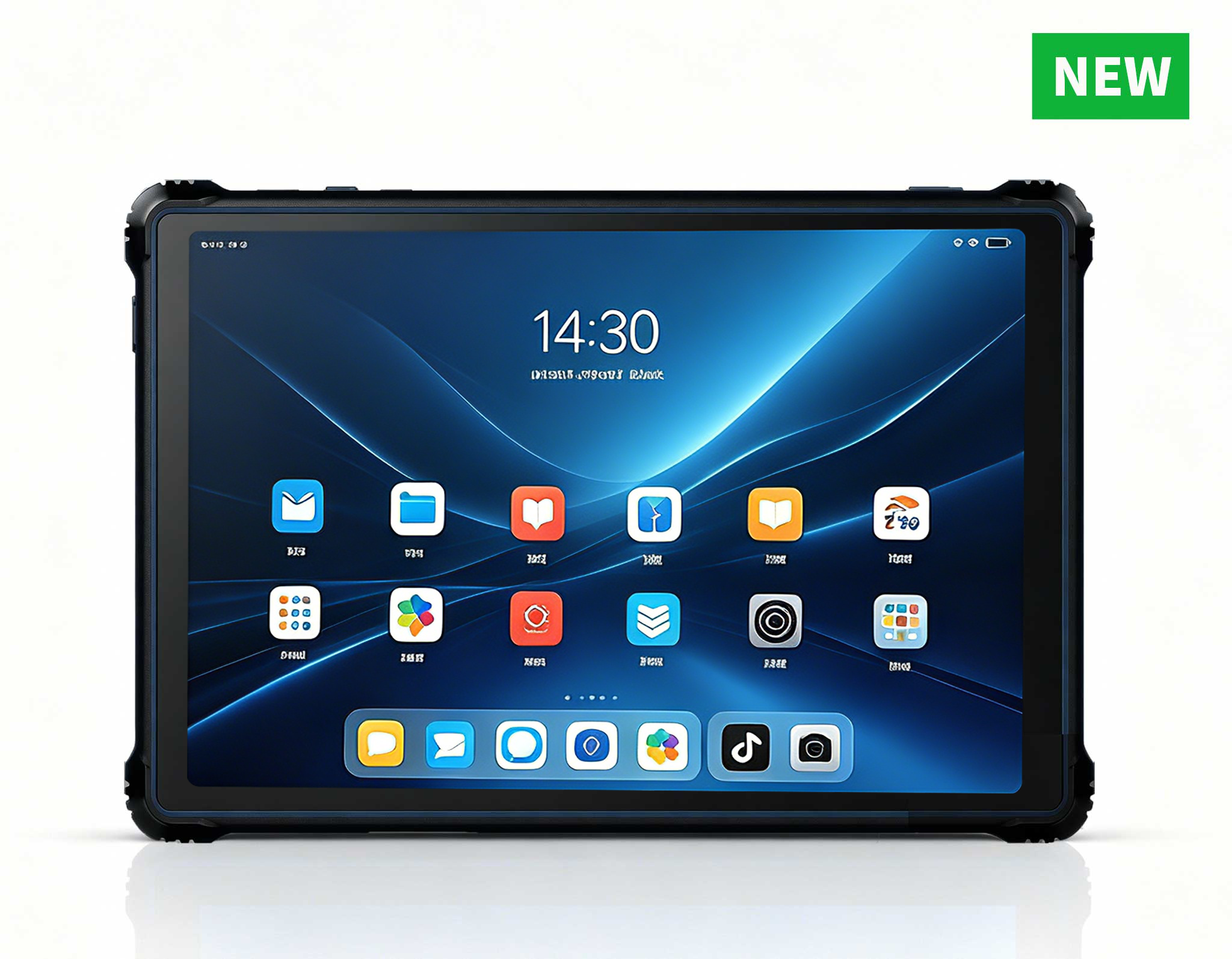
Figure 2: Independent safety verification. The HOTUS SH6 rugged tablet operates as a secondary quality control monitor, paired with an ultrasonic clamp-on meter to verify primary flow data.
Figure 4 illustrates a field application during a pre-flight fueling sequence. The ground operator uses the HOTUS SH5-W PDA to monitor the dispenser panel, allowing the captain to quickly review the absolute mass total and sign off on the fuel manifest using a rugged stylus.
Cross-Verification via the HOTUS SH6 Rugged Handheld Platform
To ensure accuracy across safety-critical infrastructure, quality control teams use the Hotus SH6 Windows rugged handheld as a secondary cross-check tool. The rugged device links with temporary external clamp-on ultrasonic meters, allowing inspectors to run independent fluid velocity checks across the vacuum lines.
As detailed in Figure 5, the SH6 interface provides a side-by-side comparative layout, showing primary Coriolis output metrics next to external ultrasonic datasets. If the variance matches predefined engineering tolerances, the device displays a green verification badge, confirming that both instruments are properly aligned and free of drift.
Financial and Safety Accountability in Hydrogen Supply Chains
As hydrogen commercial flight operations scale up, efficient fuel management becomes critical. Because high-purity green hydrogen carries high production costs, small metering discrepancies can cause noticeable financial friction over hundreds of annual flights. More importantly, mass calculation errors directly reduce aircraft safety margins. Transparent, unalterable digital logs provide a reliable method to verify fuel delivery and resolve billing variations.
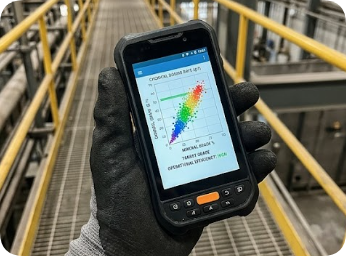
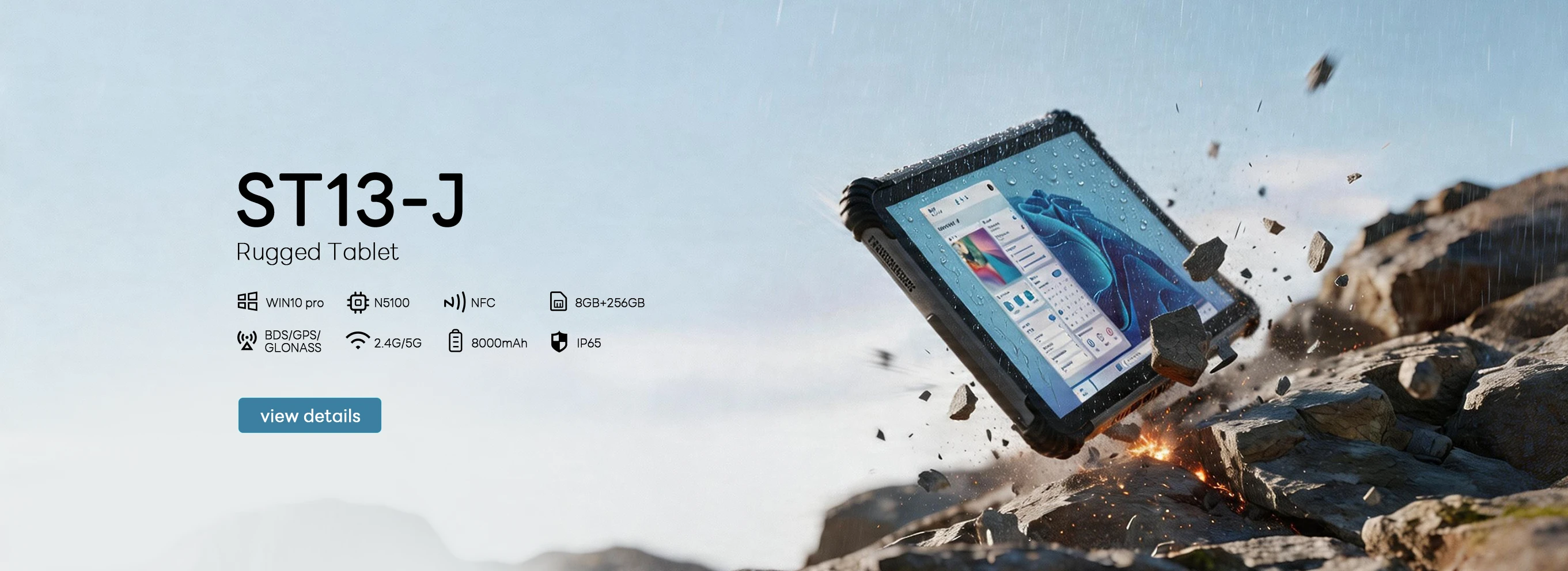
Figure 3: Centralized network analytics. The ST13-J rugged enterprise dashboard provides airline dispatchers with clear, cross-verified fuel data across a regional fleet.
Validated Operational Performance in Active Aerospace Testing Programs
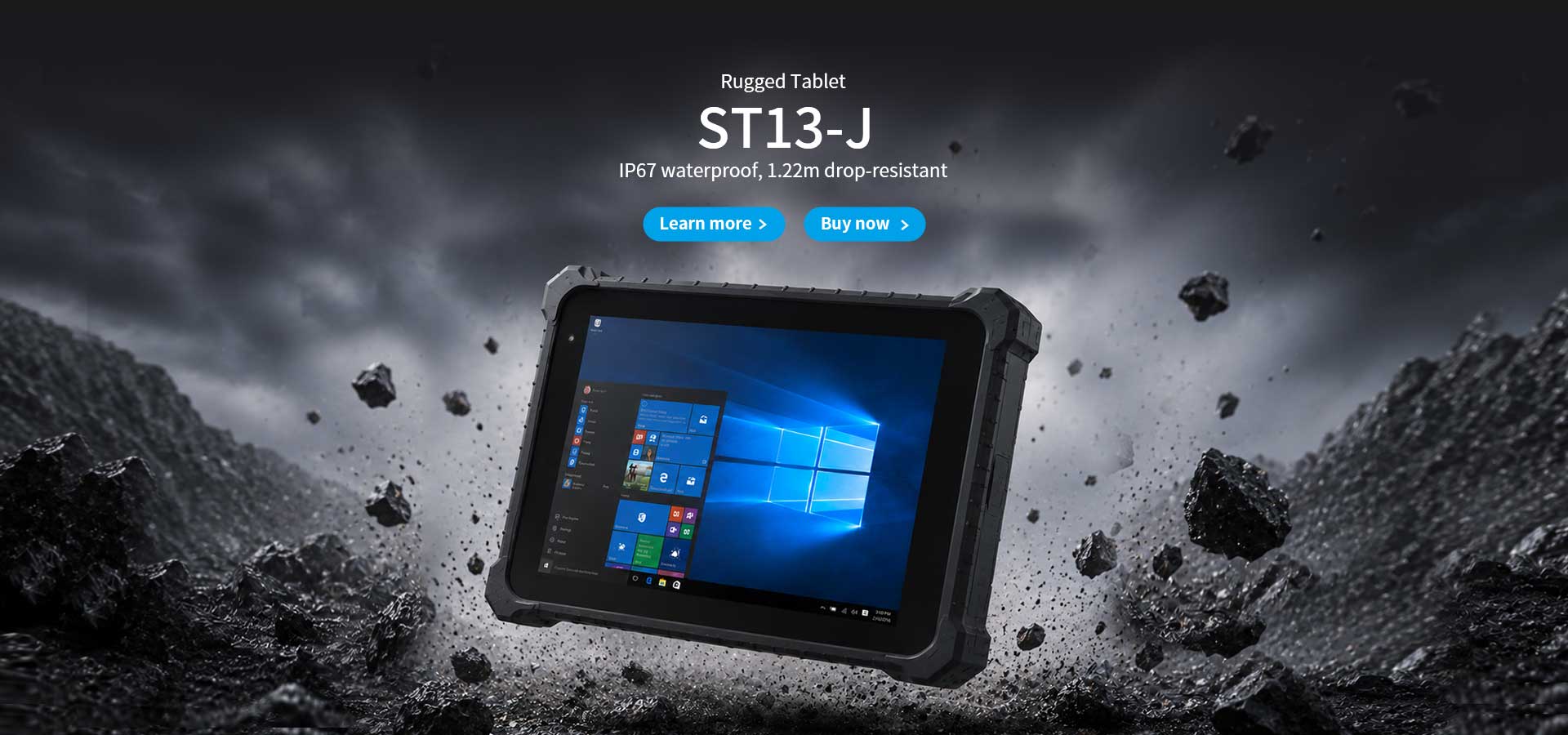
The real-world value of digitized fueling oversight was proven during a commercial aerospace validation initiative involving two hydrogen-powered testbed aircraft. The ground infrastructure utilized 20 HOTUS SH5-W ATEX-certified PDAs for ramp operations, 10 SH6 handheld devices for verification checks, and centralized ST13-J display systems for flight dispatch oversight.
Over a trial window spanning more than 200 scheduled fueling runs, the automated tracking framework maintained clean operational records with zero data logging disputes or safety incidents. The system allowed engineering teams to monitor density trends across different batches of liquid hydrogen, correlating fuel stability directly with in-flight fuel cell efficiency.
The project manager noted that the digital deployment paid for itself by preventing a potential tank overfill event. The handheld unit identified an anomalous gas-pocket variation that would have confused a standard manual volumetric gauge, automatically pausing the transfer before internal tank pressures reached hazardous levels.
Figure 6 illustrates the central management portal running on the ST13-J platform. Operations managers can review historical fleet fueling cycles, track average fueling speeds, evaluate density fluctuations, and verify pilot signatures, ensuring full regulatory compliance across all ground operations.
Transitioning to Modern Cryogenic Bunkering Standards
Cryogenic hydrogen fueling requires specialized ground support systems. Paper tracking methods cannot provide real-time fluid analysis, lack instant overfill alarm systems, and do not provide verifiable audit trails. Adopting explosion-proof, intrinsically safe Windows handheld computers with direct mass flow telemetry integration ensures that your ground operations remain safe, precise, and fully compliant with international aviation standards.
Need to secure your airport's liquid hydrogen bunkering operations against overfill risks and compliance gaps?
Contact HOTUS Technology Today
to consult with our aerospace integration engineers, request evaluation units for the SH5-W ATEX handheld PDA, or review wide-area fleet management setups using our SH6 and ST13-J computing lines.