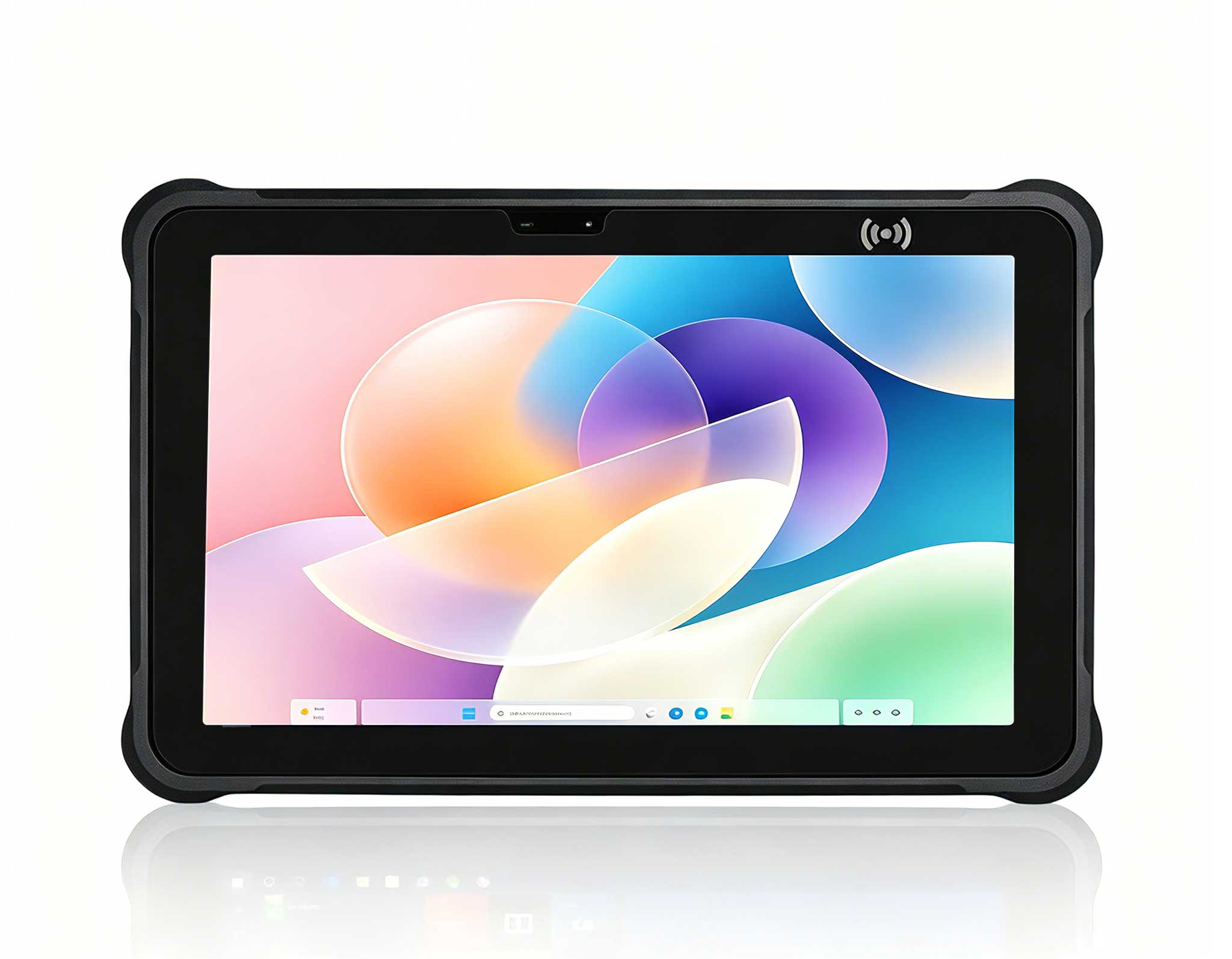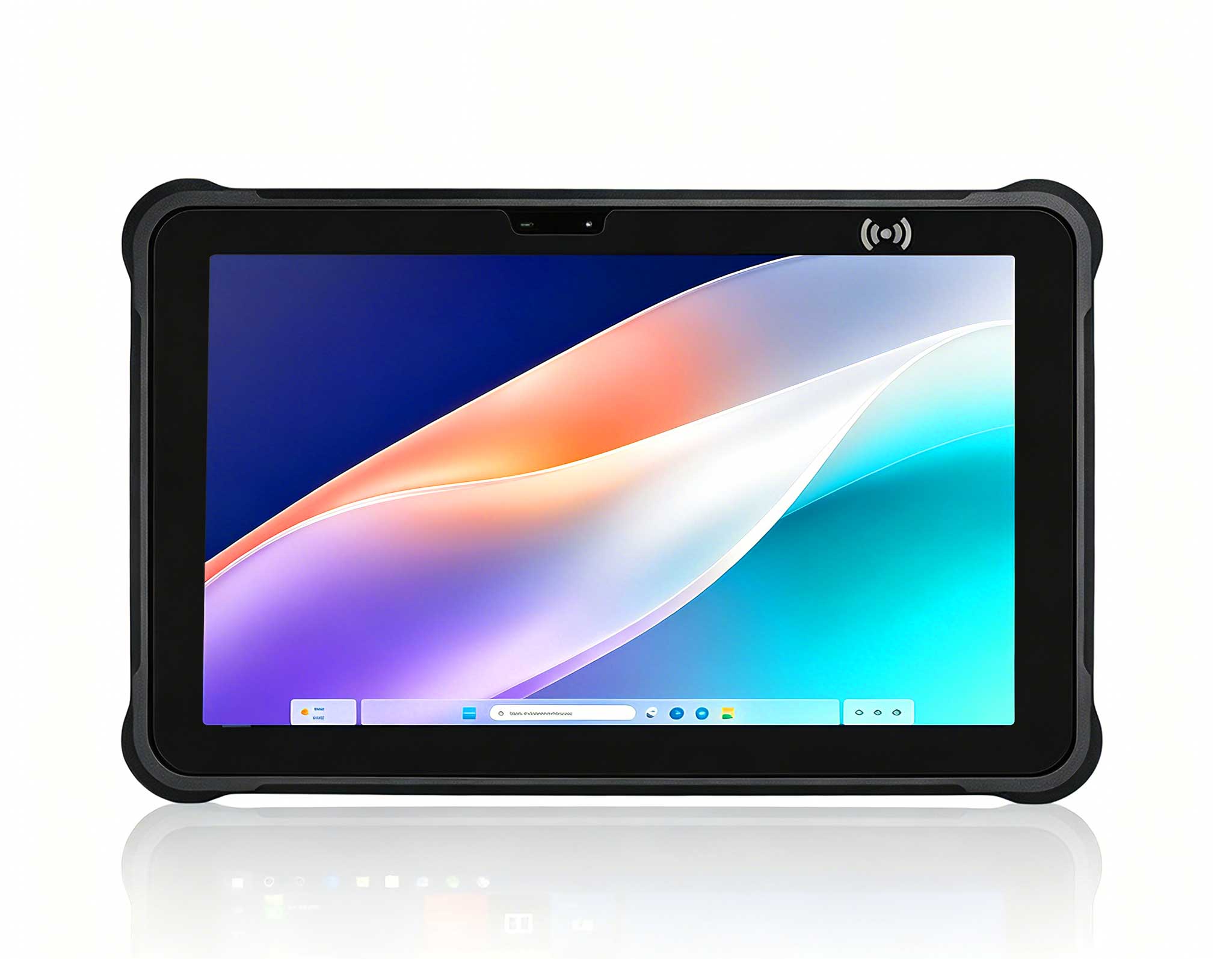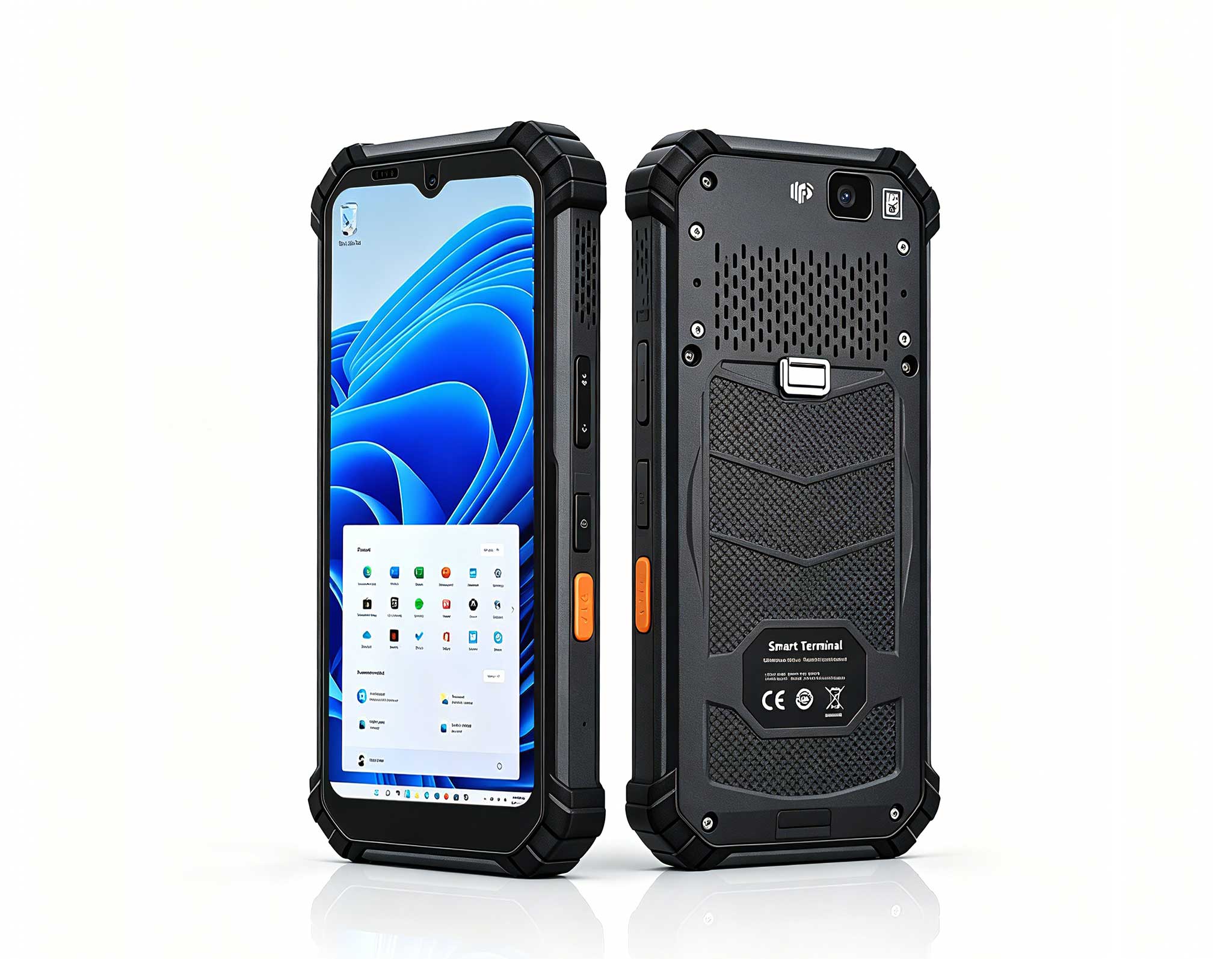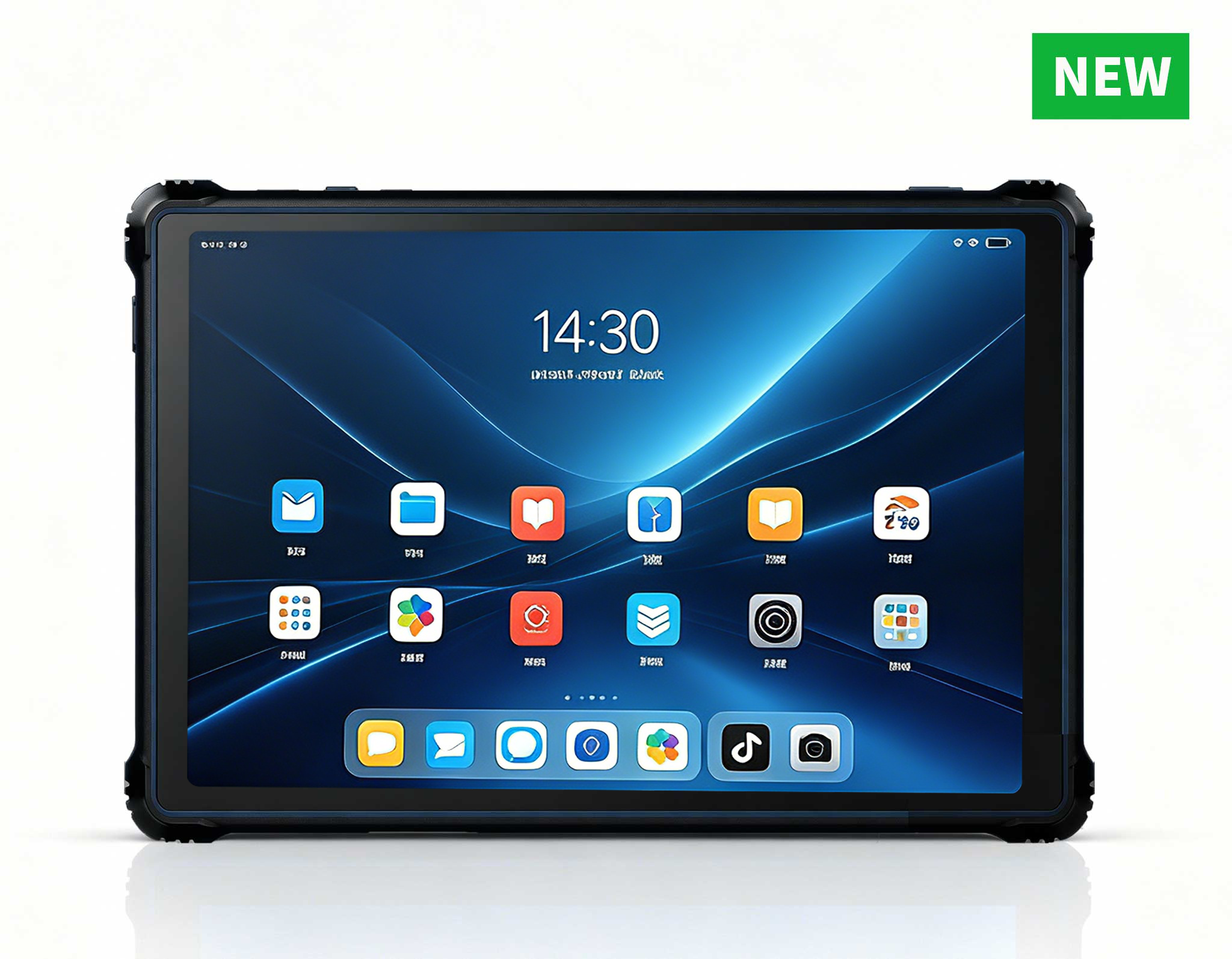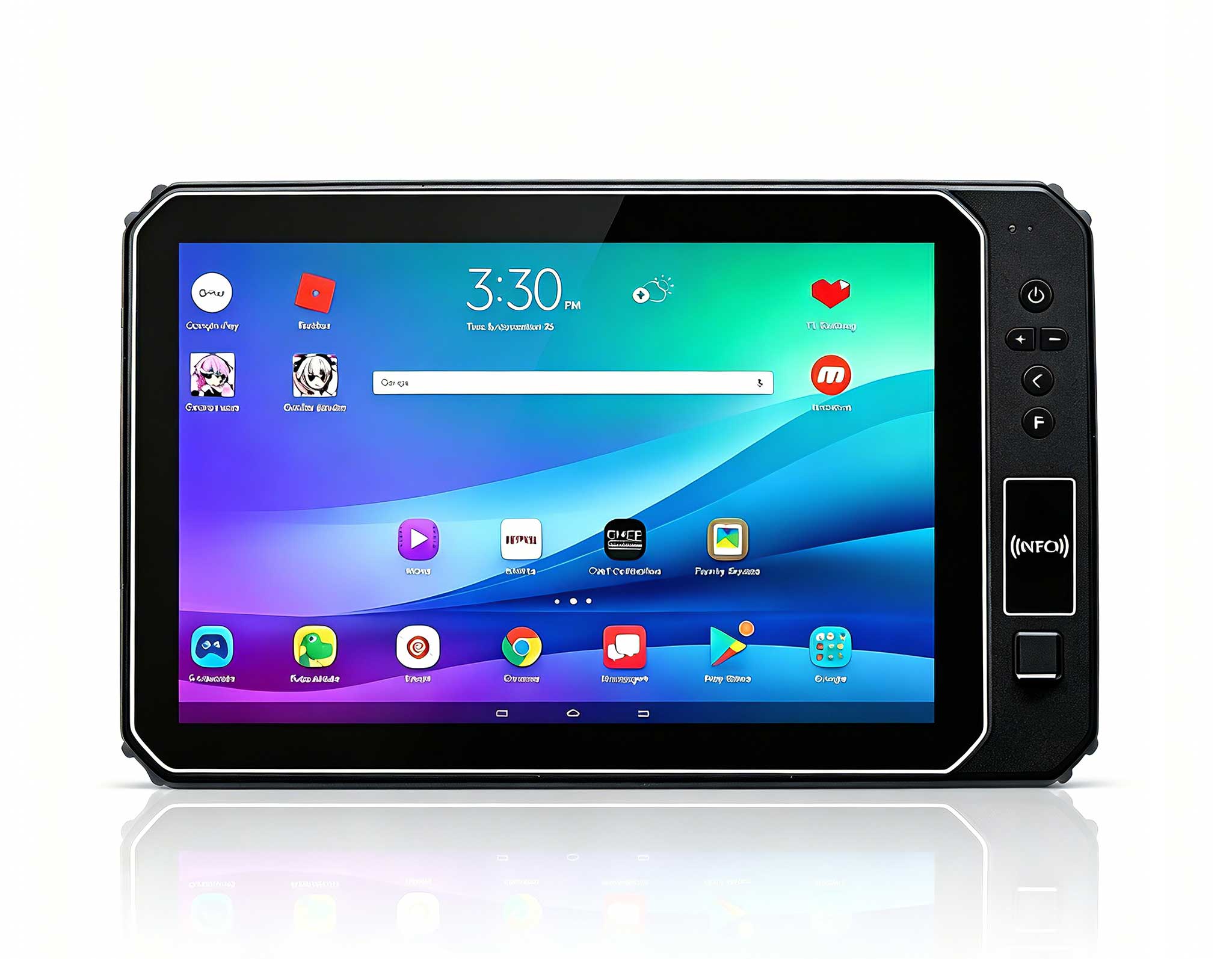
Figure 1: High-precision aerospace quality control. A thermal protection system technician scans an advanced ablative panel assembly using a HOTUS ST11‑U rugged Windows tablet integrated with an infrared NDT module.
"A prominent commercial reusable space launch operator suffered a catastrophic orbital vehicle loss during atmospheric reentry last season. The subsequent mishap investigation revealed that the critical bond line verification for a structural ablative panel had been tracked exclusively via handwritten paper charts. The documentation completely lacked raw thermographic imagery, quantified thermal decay metrics, or secure, verified digital operator identification signatures. For an airframe slamming into the upper atmosphere at speeds exceeding Mach 25, a microscopic substrate disbond isn't a minor material quality issue—it is an immediate, catastrophic loss-of-vehicle event. Aerospace assembly lines require specialized high-temperature computing hardware paired with infrared thermography sensors to map panel interfaces, measure sub-surface temperature differentials, and archive high-resolution NDT data alongside absolute technician credentials. In the commercial aerospace industry, your tracking node is the definitive barrier against structural atmospheric breakups."
Spacecraft Reentry Thermal Protection Systems: Eliminating Ablative Panel Disbonds via Advanced Rugged Tablets
Insights by HOTUS Technology Aerospace Quality Assurance Group | Non-Destructive Testing Series | June 2026
The modern commercial aerospace market is expanding at an extraordinary pace, characterized by the regular reuse of medium-and heavy-lift orbital launch systems, crew transfer capsules, and down-mass cargo vehicles. Every return profile subjects an airframe to aerodynamic friction and localized plasma environments that push surface temperatures well past $2,000^\circ\text{C}$. To protect the structural aluminum-lithium or carbon-composite hulls underneath, these vehicles depend completely on advanced Thermal Protection Systems (TPS). This engineering layer typically consists of specialized phenolic-impregnated carbon ablator (PICA) or ceramic-matrix composite panels bonded to the vehicle frame via high-temperature silicone adhesive layers.
Any hidden structural variation within these interface zones—whether a micro-void, an adhesive disbond, or substrate delamination—poses a critical flight risk. Under the extreme thermal gradients and high acoustic loads experienced during reentry, trapped pockets of moisture or air expand violently. This expansion causes rapid panel separation, exposing the vehicle's structural frame directly to concentrated plasma streams and leading to rapid structural failure.
The Technical Pitfalls of Manual Inspection and Paper Log Mapping
Aerospace technicians traditionally evaluate structural TPS adhesive layers through non-destructive pulsed infrared thermography. This process involves passing a controlled flash heat source over the exterior of an ablative panel while monitoring the surface cooling signature using an infrared sensor. Because internal air gaps insulate the surface and slow down heat dissipation, sub-surface voids show up as localized thermal anomalies (hot spots) during cooling.
Once an irregularity is spotted, legacy cleanroom protocols often involve mapping the flaw manually onto a paper blueprint of the vehicle frame. This handwritten tracking approach introduces significant positioning errors. Writing down an anomaly as "mid-center region, panel 14" provides loose reference zones rather than precise coordinates.
When repair teams return to execute localized resin injections later, they must re-locate the hidden void within a wide radius. More importantly, physical log sheets cannot store the actual infrared image or thermal decay data, making it impossible for quality managers to independently confirm the exact scale, depth, and severity of the structural flaw.
Deploying the HOTUS ST11-U 10.1″ Rugged Tablet for Real-Time NDT Thermography
To eliminate measurement uncertainty within highly controlled integration facilities, the Hotus ST11-U 10.1″ Windows rugged tablet functions as an active edge-computing system on the cleanroom floor. Boasting a sealed, particle-free chassis design that meets strict aerospace cleanroom standards, the ST11-U connects directly with advanced thermographic lenses and digital imaging equipment.
The ST11-U converts raw thermal data into precise digital maps on-site. Refined inspection workflows follow a standardized digital protocol:
- Digital Alignment Grids: Projecting localized reference grids directly over the real-time panel imagery on the high-resolution touch display.
- Automated Void Quantification: Processing localized thermal decay curves instantly to estimate the precise depth and surface area of sub-surface disbonds.
- Spatial Model Synchronization: Mapping identified anomalies directly onto the spacecraft's native 3D CAD mesh file.
- Traceable Component Validation: Logging unique component serial numbers via barcode capture, linked to verified cryptographic technician signatures.
The resulting inspection data structure can be archived directly into a secure, ledger-backed engineering database. This digital record allows secondary validation teams to pull up exact target coordinates, review the baseline thermal signature, and apply precise composite repairs with high positioning accuracy.
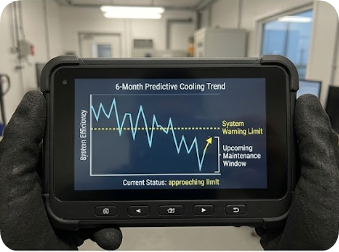
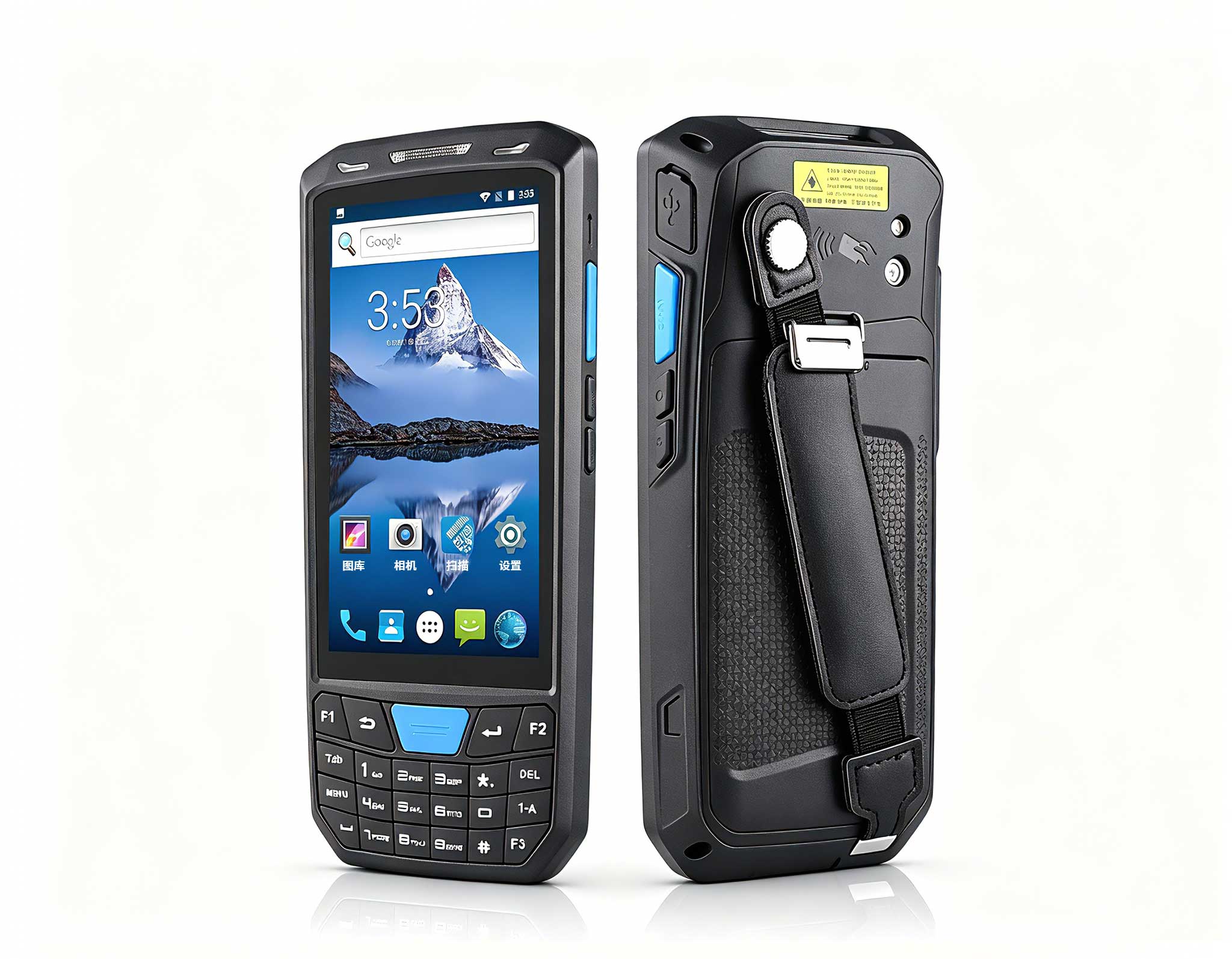
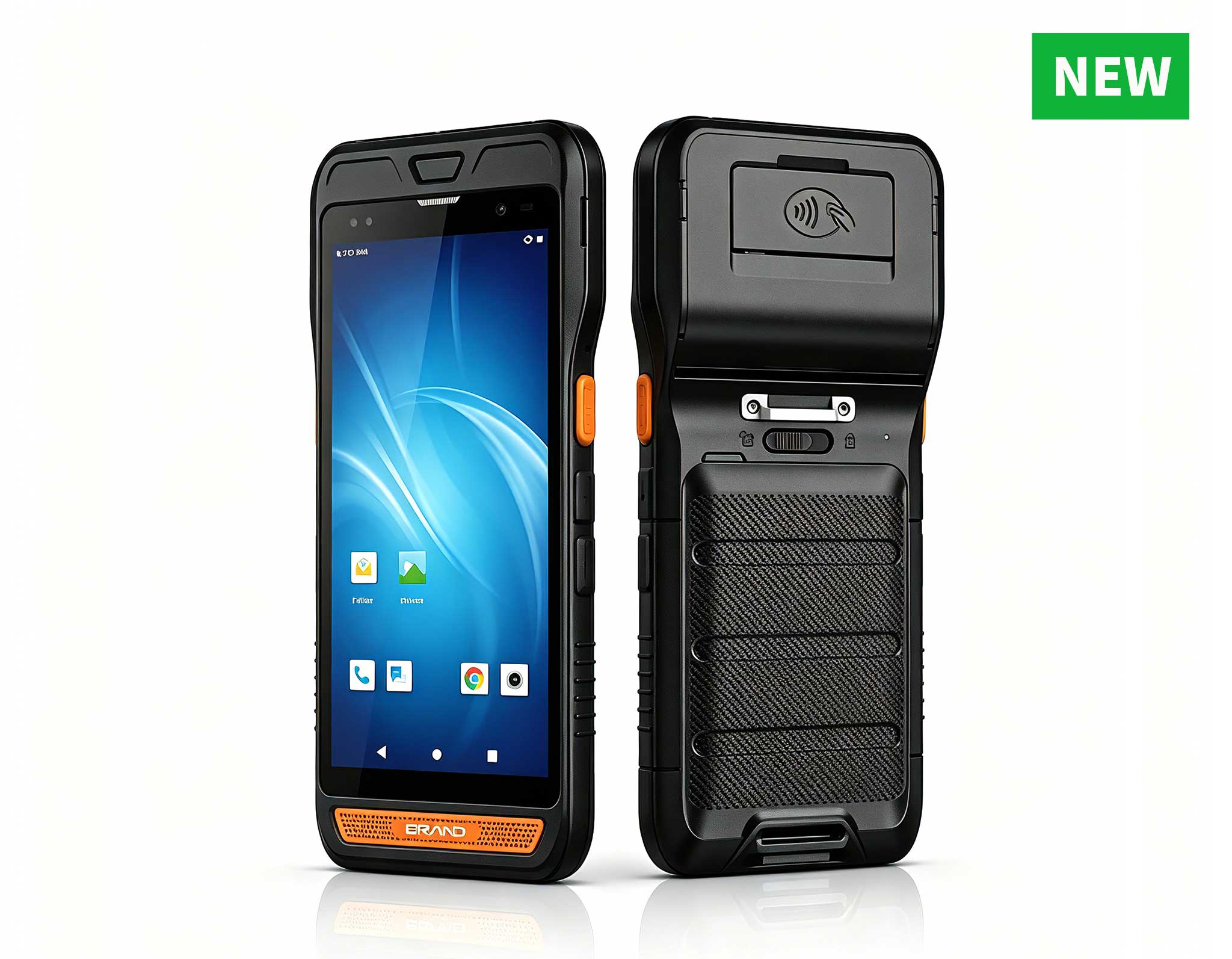
Figure 2: Mobile thermographic analysis. The HOTUS SH5-W handheld processes a localized panel scan, automatically circling a sub-surface void and displaying estimated sizing metrics.
Figure 4 demonstrates a cleanroom integration sequence where a spacecraft nose-cone subassembly undergoes non-destructive evaluation. Using the stand-mounted HOTUS ST11-U tablet interface, the operator can continuously track thermal signatures, verifying that the internal bonding agent is uniform and free of defects.
Systemic Vehicle Evaluation via the HOTUS SH5-W and ST13-J Computing Ecosystems
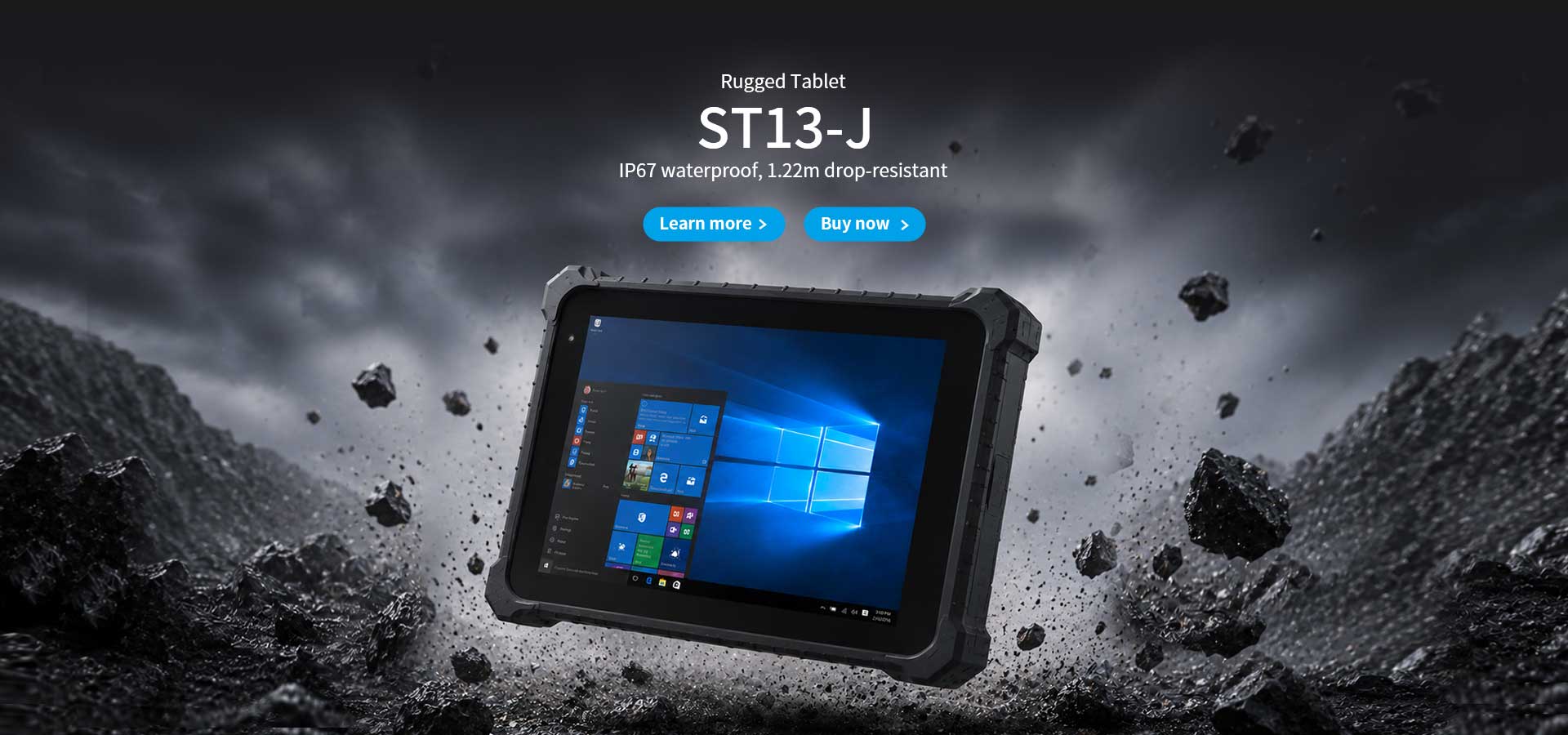
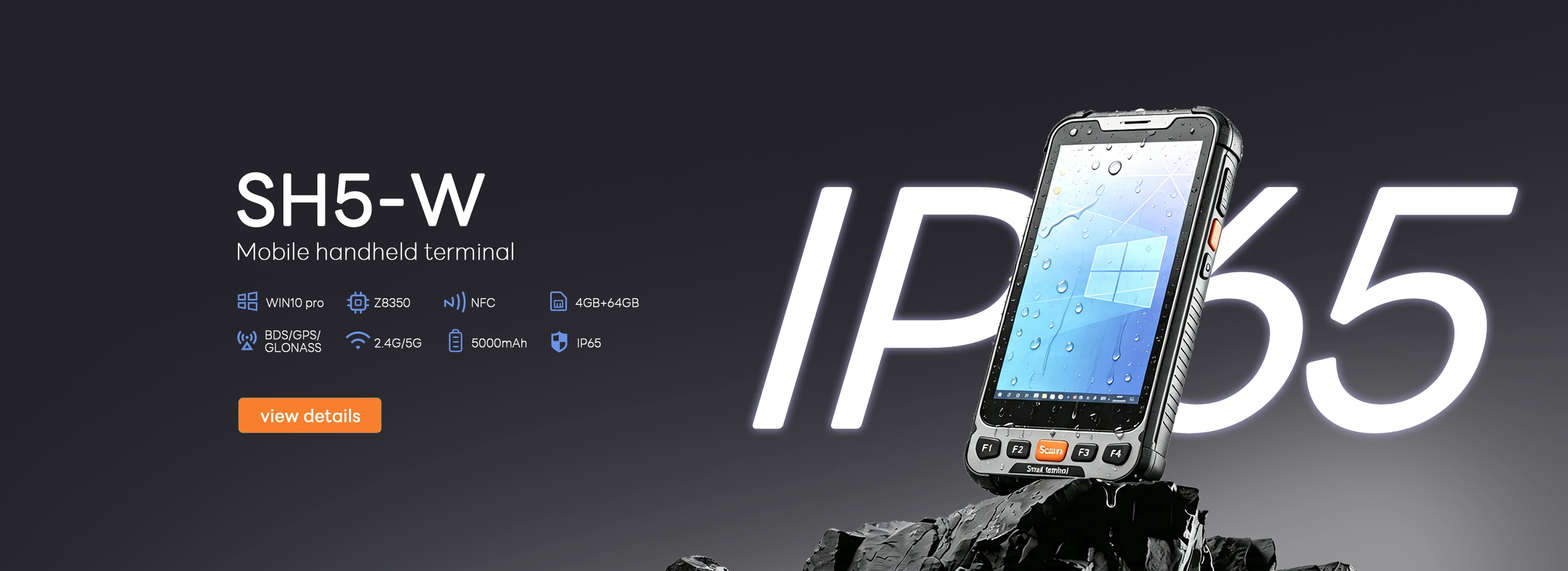
Managing multi-panel airframe safety requires linking individual component scans into an integrated manufacturing overview. The highly portable Hotus SH5-W Windows rugged handheld allows field inspectors to move easily around scaffolding arrays, running verification checks on localized hull repairs.
As highlighted in Figure 5, the SH5-W application provides explicit defect sizing breakdowns directly over the active thermal map. Tapping the warning area shows detailed metrics, such as: Area: 0.8 cm² | Depth Estimate: 0.5 mm, giving repair crews the exact data needed to plan targeted resin injection steps.
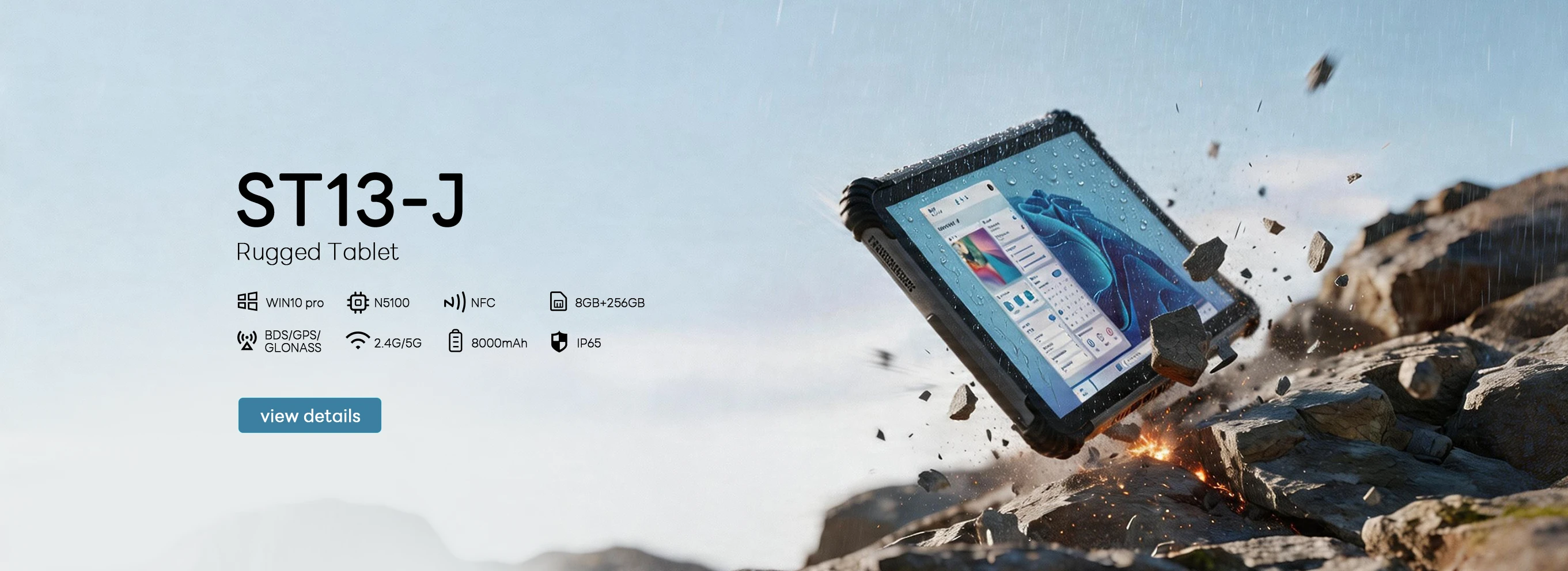
At the plant management level, the Hotus ST13-J 13.3″ Windows rugged tablet aggregates NDT logs into a central tracking dashboard. The platform displays an interactive, color-coded 3D model of the vehicle airframe, giving mission directors an intuitive tool to evaluate structural flight readiness before final integration.

Figure 3: Fleet manufacturing oversight. The ST13-J command tablet gives aerospace quality assurance managers real-time structural health visibility across multiple production lines.
Field Validation: Enhancing Flight Safety in Active Rocket Production Lines
The practical advantage of transitioning to an integrated digital NDT environment is demonstrated by a prominent commercial space launch provider managing multiple reusable spacecraft builds simultaneously. The vehicle assembly division phased out paper tracking protocols, deploying 20 HOTUS ST11-U infrared thermography tablets, 30 SH5-W handheld tools, and 15 ST13-J monitoring dashboards across their production facilities.
During the initial year of deployment, the automated digital framework flagged three deep bond line anomalies that had been completely missed by standard visual inspections and tap tests. The automated thermal decay software identified localized heat-retention variations caused by thin air gaps underneath the primary composite layer.
Production engineers used the stored 3D coordinate logs to locate and repair the voids before the structures were approved for vehicle assembly. The manufacturer estimates that catching these sub-surface flaws prevented a structural panel failure during subsequent atmospheric return runs, protecting a major hardware asset and avoiding millions of dollars in potential mission loss.
As illustrated in Figure 6, when the ST13-J central command interface highlights a component warning, quality managers can instantly audit the full structural repair history with a single tap. The terminal displays verified calibration records, pre- and post-repair thermography plots, and technician sign-offs, helping teams streamline flight readiness reviews.
Transitioning to Modern Aerospace Quality Standards
High-durability thermal panels represent a critical layer of defense for protecting reusable spacecraft during atmospheric reentry. Manual paper mapping cannot deliver the data precision or traceability needed to verify complex adhesive bonds, leaving critical components vulnerable to subsurface failures. Using industrial, high-temperature Windows computing systems with direct infrared sensor integration, spatial CAD mapping, and secure asset logging provides the precision required to keep aerospace manufacturing safe, repeatable, and flight-certified.
Looking to enhance your thermal protection assembly lines against bonding defects and quality tracking gaps?
Contact HOTUS Technology Today
to consult with our aerospace integration engineers, request evaluation units for the ST11-U infrared tablet platform, or review wide-area facility data configurations with our SH5-W and ST13-J hardware series.