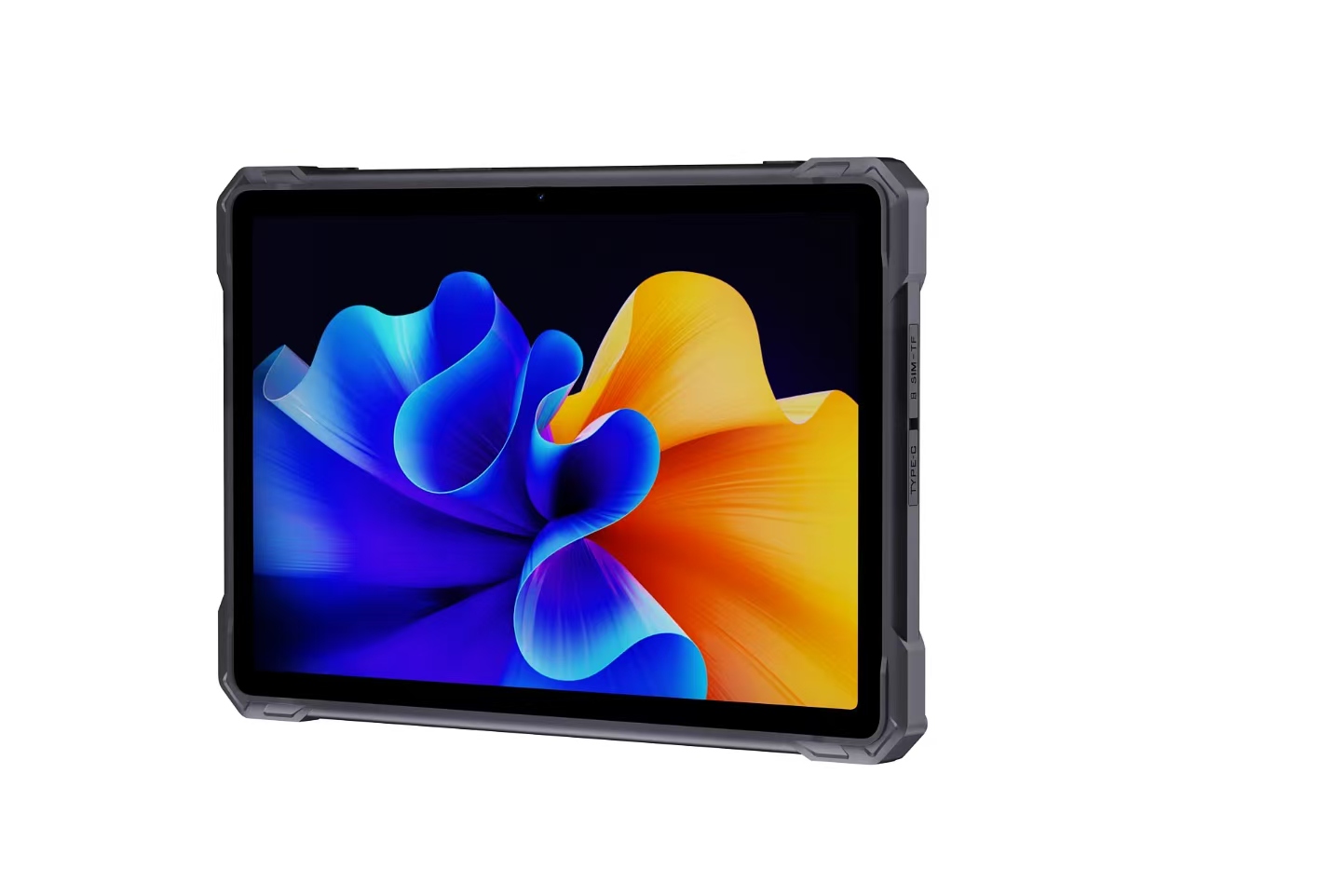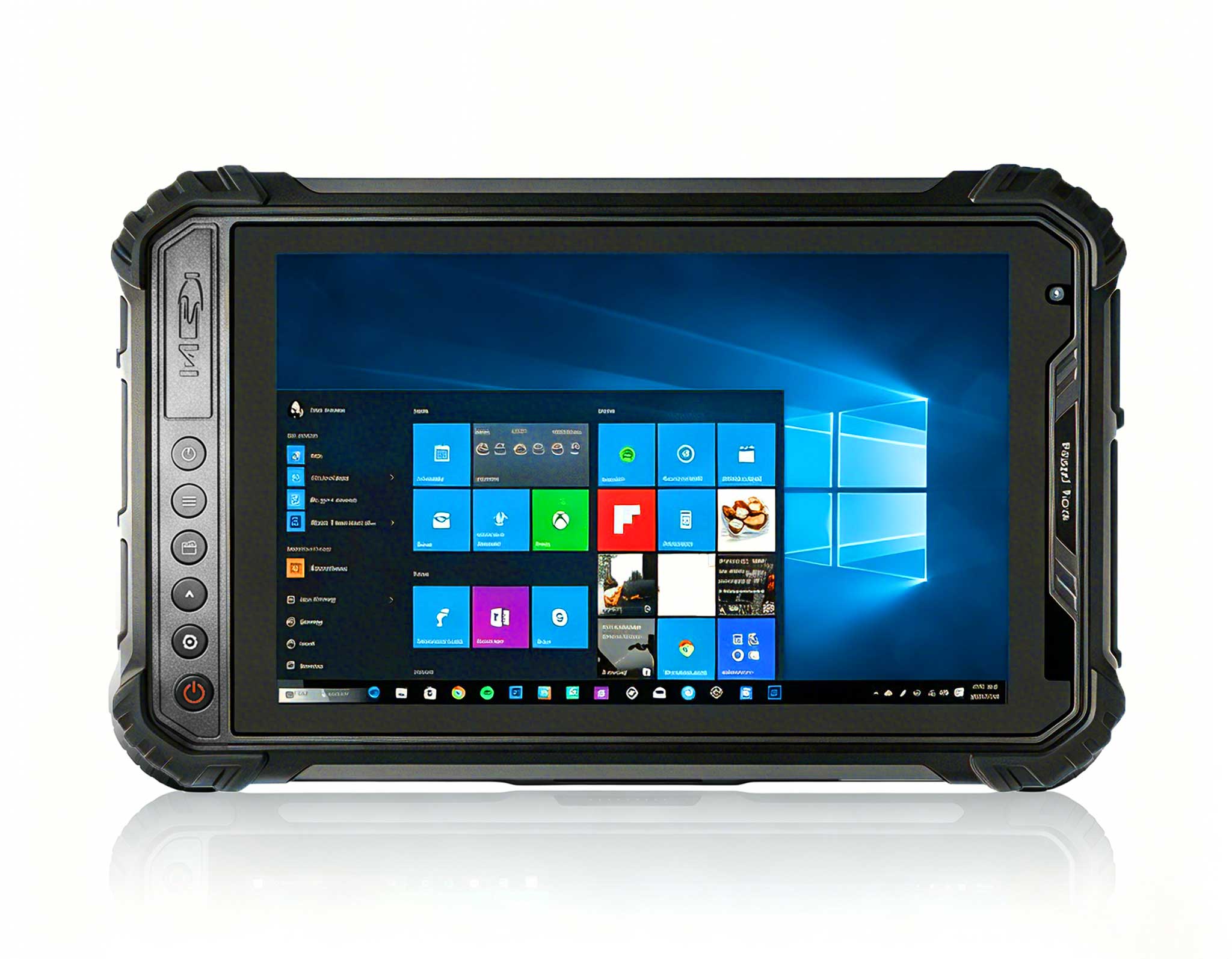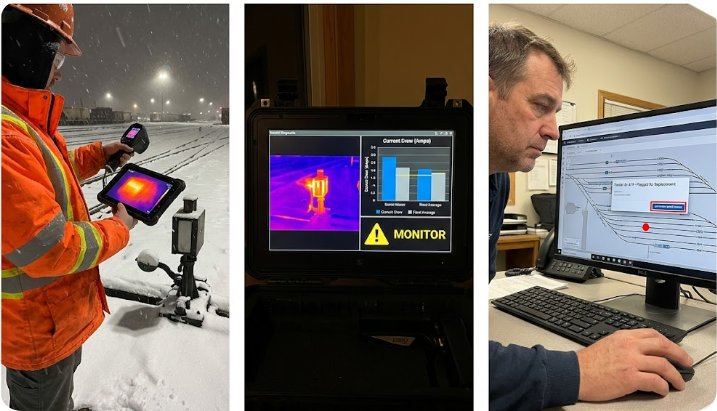
A rail technician uses a HOTUS ST11‑U rugged Windows tablet to log surface temperatures of a railway switch heater before the winter season.
Last winter, a major commuter railway canceled over 300 trains because switch heaters failed. The heaters had been checked – but the inspection was a visual scan and a paper log. A heater element that draws 10% more current than its neighbors is a ticking time bomb. You need a high‑temperature Windows tablet that connects to an IR camera, logs each heater’s surface temperature and current draw, and flags any heater running hotter than the average by 20°C. In winter rail operations, a failed switch heater is not a maintenance issue – it's a cascade of delays that ruins thousands of commutes. Your tablet is the winter reliability insurance.
Preventing Railway Switch Heater Burnout: Rugged Tablets for Winter Rail Reliability
By HOTUS Technology | May 2026
Every winter, transit authorities face the same high-stakes challenge. Heavy snowstorms and sub-zero temperatures threaten track infrastructure, relying entirely on critical track switch heaters to keep points clear and traffic moving. When these components fail, frozen switches paralyze the network, bringing commuter rail corridors to a sudden halt. The resulting service disruptions cause a cascade of delays, stranded passengers, and millions of dollars in emergency maintenance fees, regulatory penalties, and lost commuter trust.
Traditional pre-winter maintenance relies heavily on visual inspections and manual paperwork. Technicians walk the tracks, verify that a heater is turned on, and note "OK" on a clipboard. However, visual scans cannot detect internal electrical imbalance or localized resistance degradation. An element drawing excessive current will run dangerously hot and burn out prematurely, yet it looks identical to a healthy unit. Relying on basic spot-checking with standard handheld IR thermometers frequently misses localized hotspots near terminal connections or buried heating segments, leaving hidden flaws undetected until a winter storm causes a critical failure.
To eliminate these blind spots, modern rail infrastructure teams are shifting toward predictive maintenance powered by specialized hardware. Deploying industrial Windows field terminals with integrated thermal imaging allows maintenance crews to convert invisible thermal footprints and electrical telemetry into actionable, cloud-synchronized data before the first snowfall hits the tracks.
Advanced Thermal and Telemetry Logging in Sub-Zero Rail Environments
The field-ready Hotus ST11‑U 10.1″ Windows rugged tablet is specifically engineered to overcome the harsh conditions of winter rail yard inspections. Featuring a specialized low-temperature battery architecture rated to operate reliably down to -20°C, the device ensures consistent performance without power drops or sudden shutdowns. Its high-brightness, anti-glare display maintains perfect readability under direct, high-reflection snow glare, enabling field teams to work efficiently during extended outdoor shifts.
During a standard pre-season track inspection, the field technician follows a streamlined digital workflow:
- Scans the active switch heater assembly to capture a high-resolution, full-frame thermal profile.
- Utilizes onboard diagnostic software to instantly compare the unit's surface temperature against real-time fleet averages for that specific transit line.
- Automatically triggers a system alert if any heater element registers an anomaly greater than 20°C above the calculated baseline.
- Captures and pairs exact electrical current draw data directly from an optional Bluetooth-connected digital clamp meter.
The data architecture logs each thermal image alongside automated GPS coordinates and precise asset identification tags. By organizing data into a unified digital history, the system tracks subtle temperature trends across seasons. For example, a heating element that operated at 120°C last winter but rises to 130°C under identical ambient conditions this year indicates clear internal degradation. This early warning permits targeted replacements long before the component reaches its absolute failure threshold.
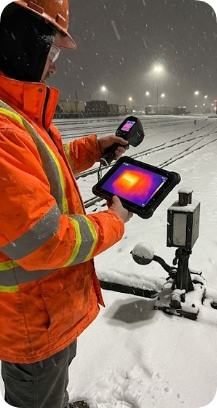
The SH5‑W handheld displays a live current reading and a thermal image of a switch heater, highlighting a 15°C hotspot near the terminal block.
Scaling Infrastructure Inspections from Pocket Handhelds to Centralized Dashboards
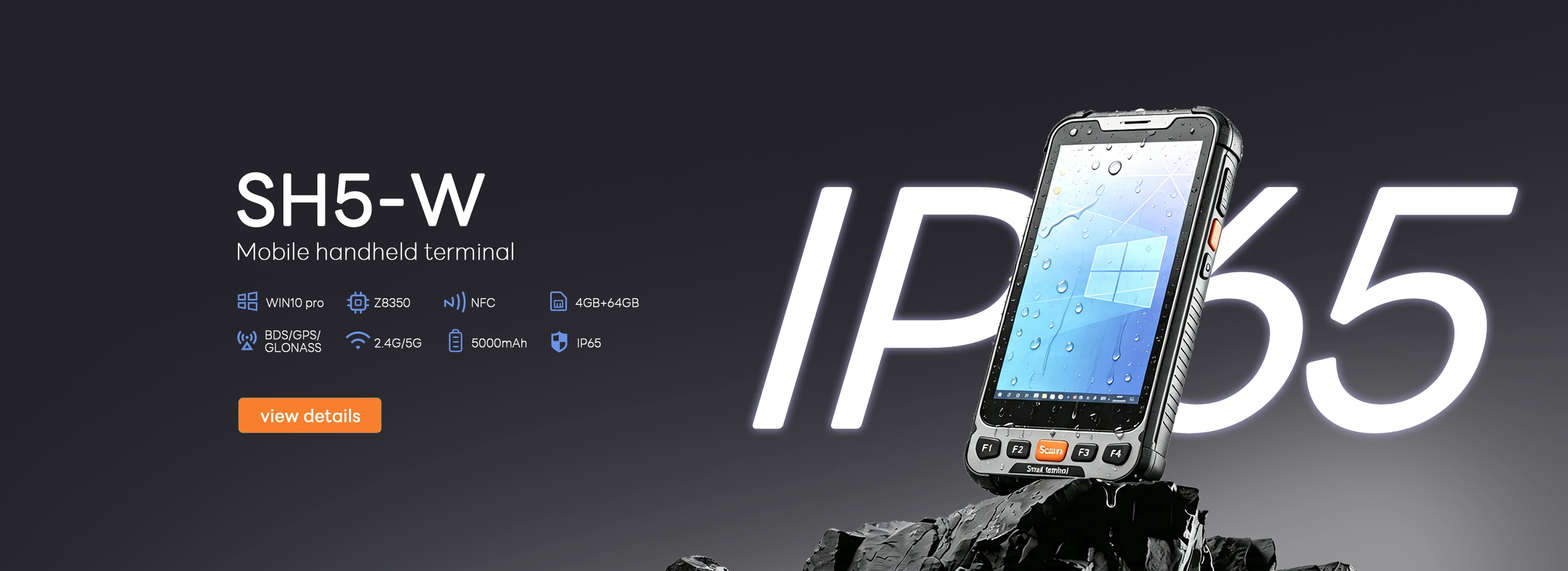
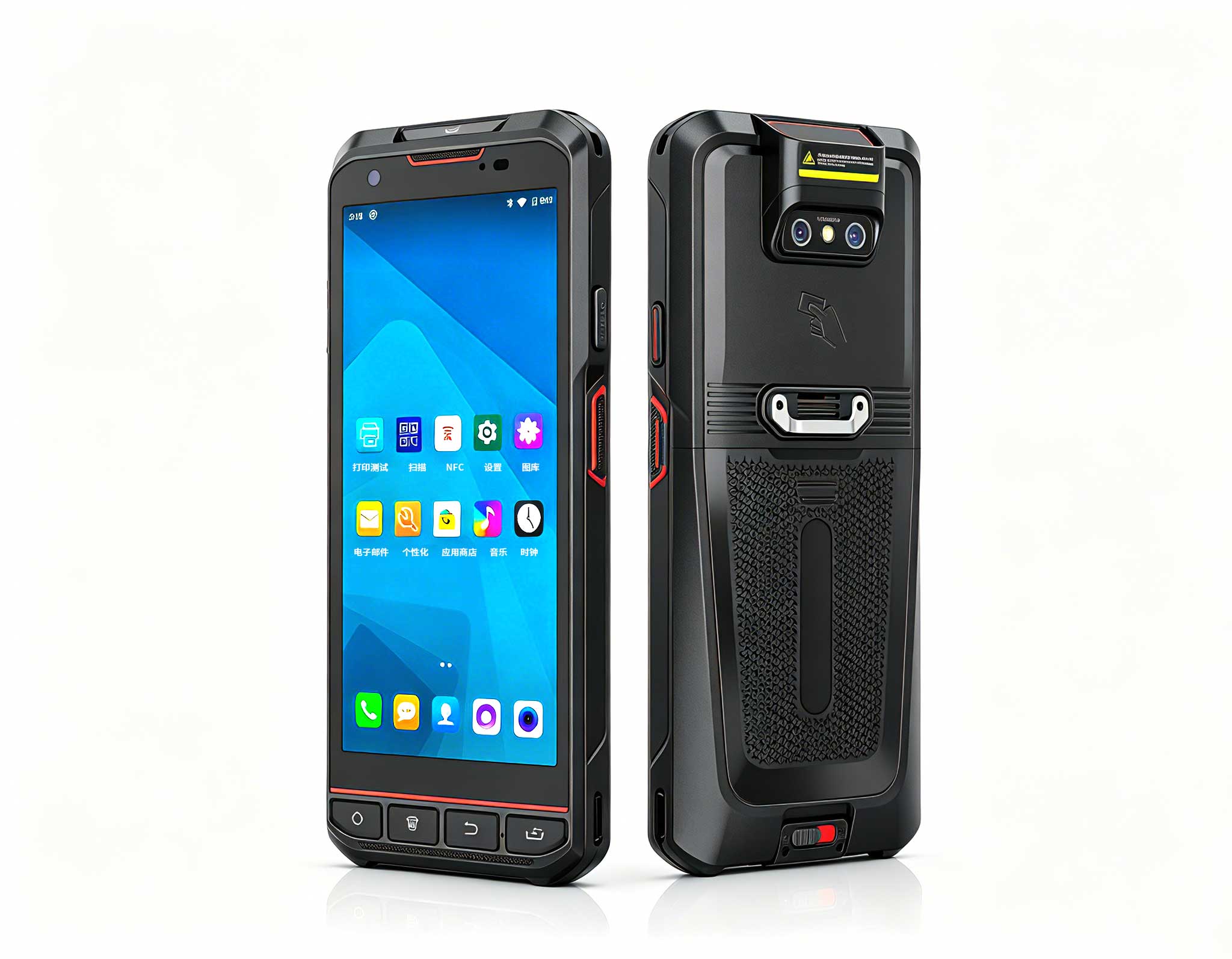
For mobile teams requiring maximum portability along vast track networks, the ultra-compact Hotus SH5‑W Windows rugged handheld delivers full field computing power in a form factor small enough for a standard tool pouch. Equipped with integrated wireless connectivity, it links seamlessly with Bluetooth diagnostic tools to log electrical loads and pinpoint structural resistance anomalies, providing track walkers with a lightweight yet rugged asset management solution.
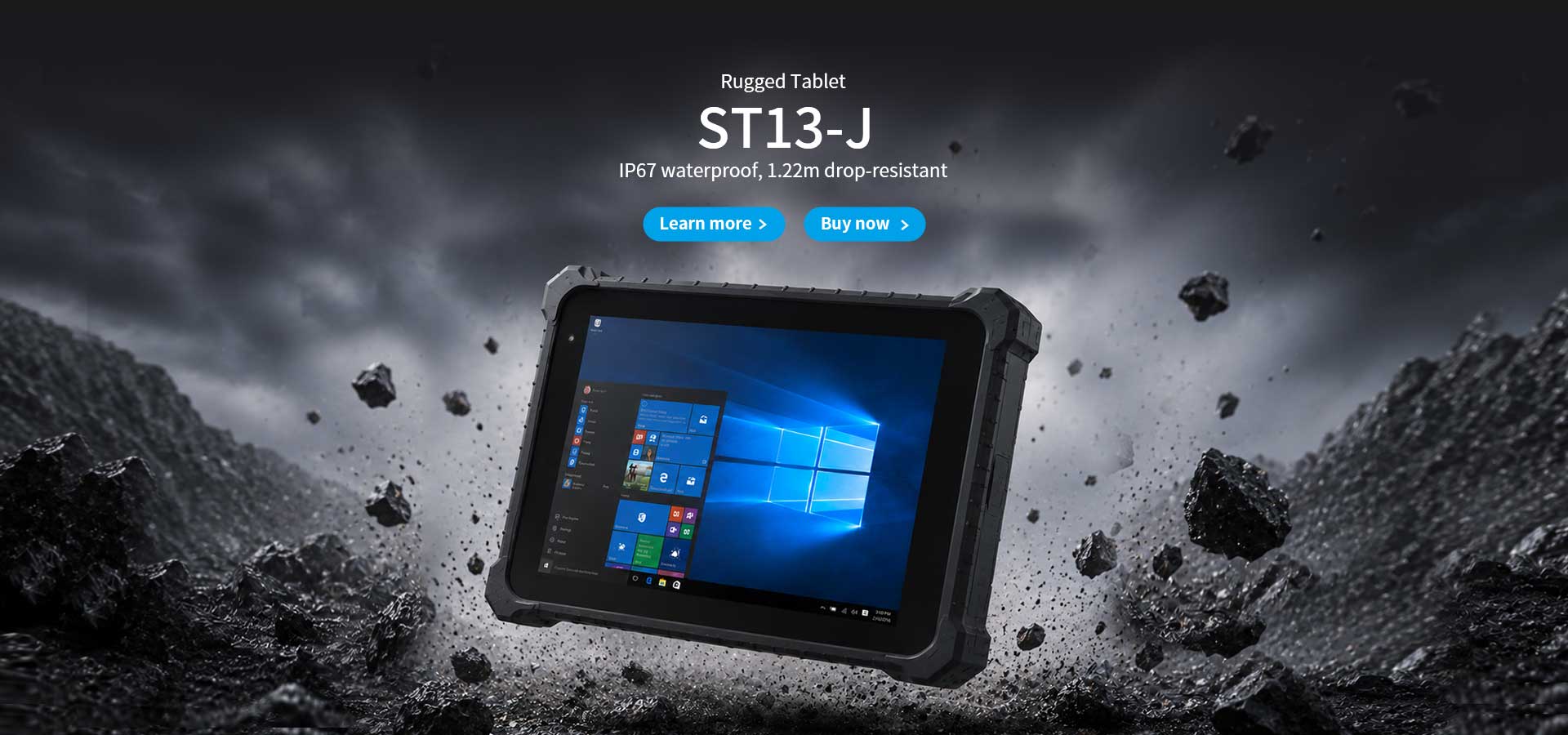
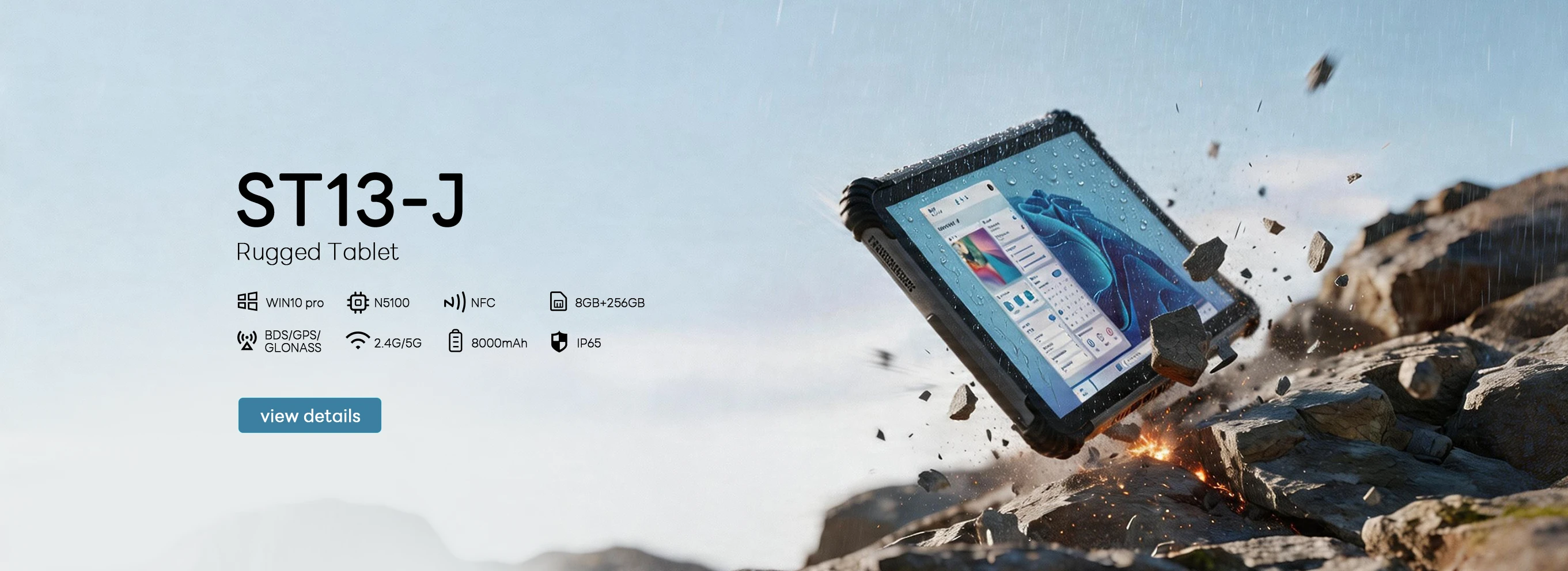
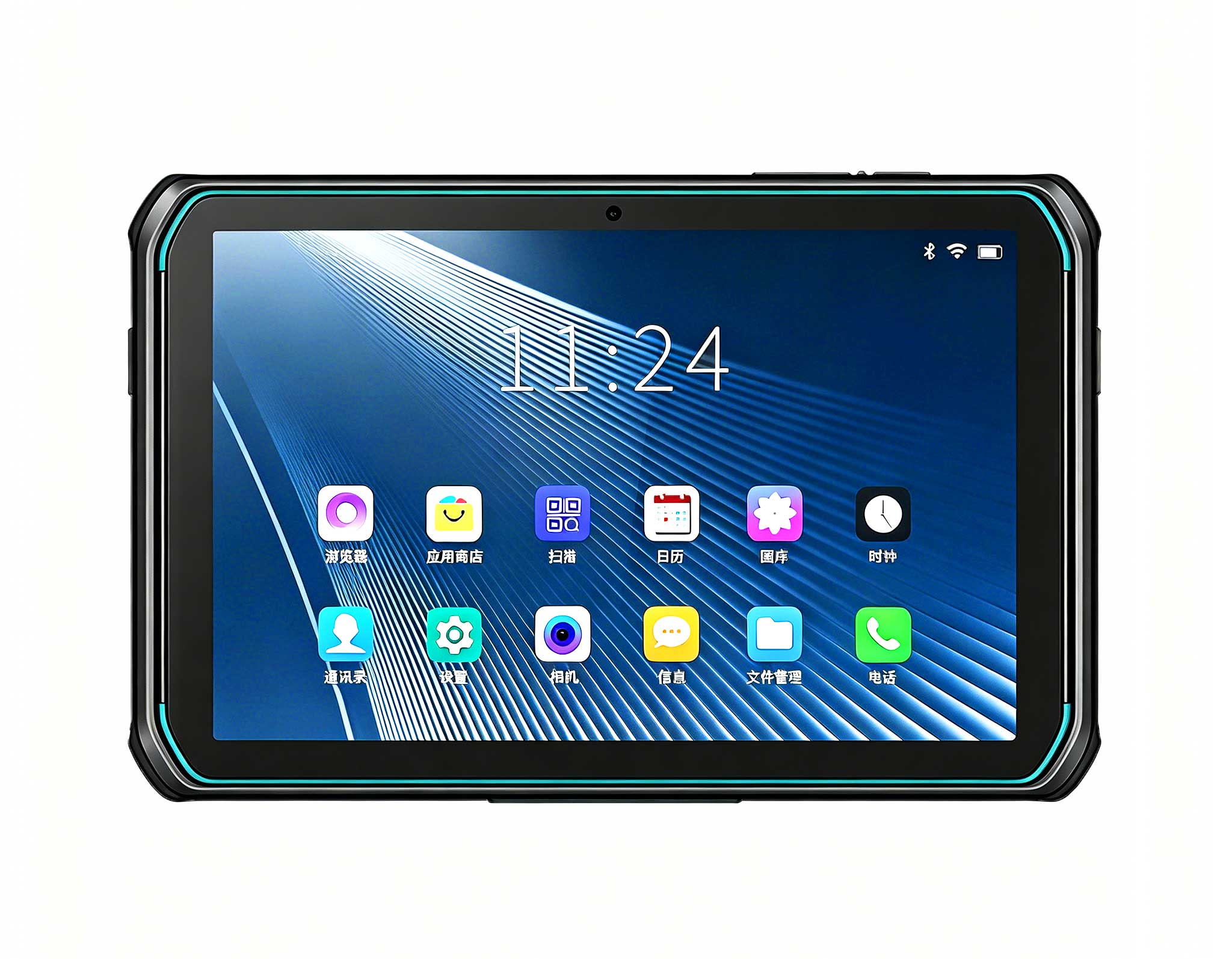
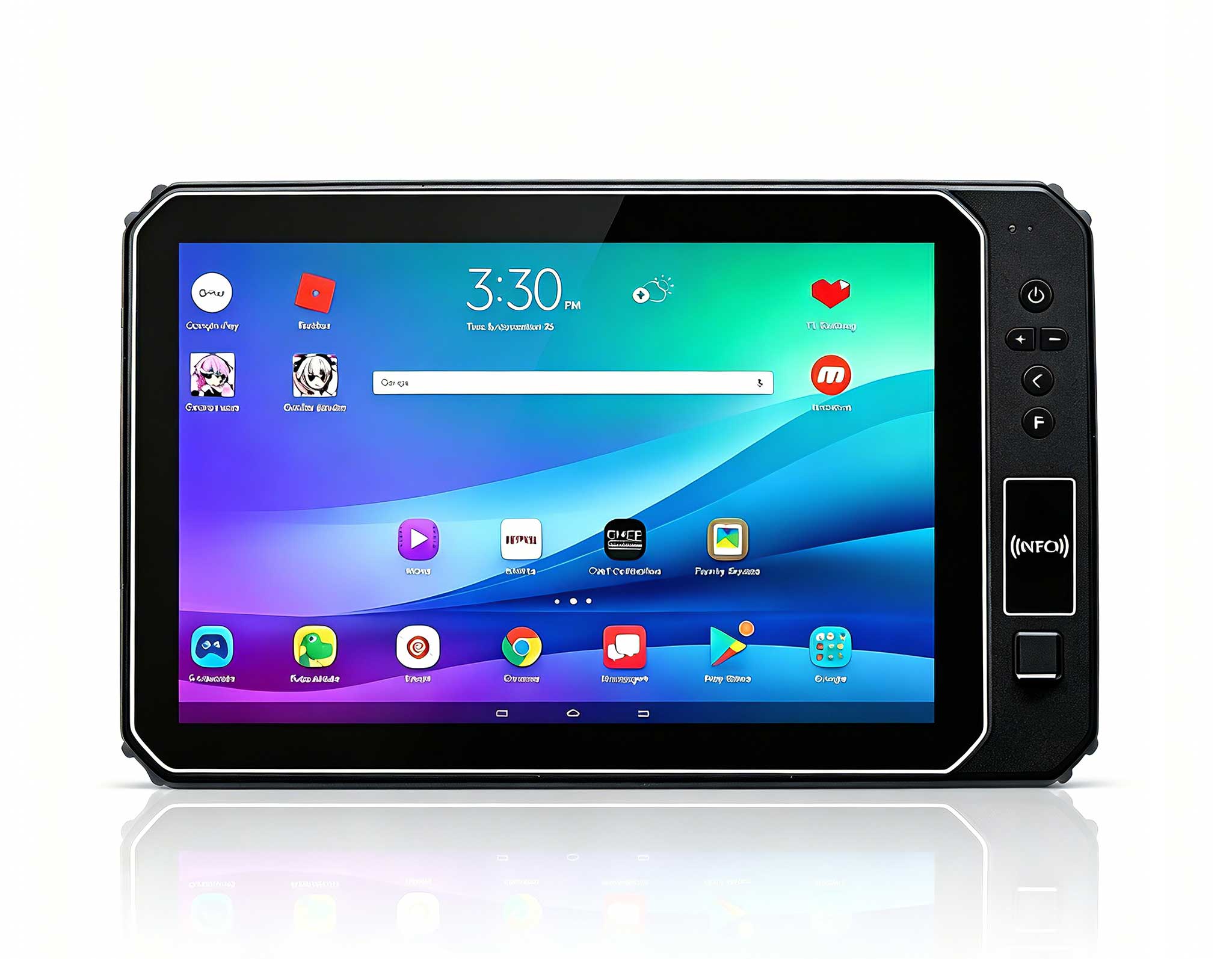
At the management level, data collected from the field feeds directly into the larger Hotus ST13‑J 13.3″ Windows rugged tablet. Serving as a robust fleet command center, this high-performance device maps out entire rail yards with real-time, color-coded health indicators. A switch heater displaying abnormal thermal trends automatically changes to red, instantly generating a preventive maintenance work order so hardware can be swapped out before severe winter weather disrupts service.
Proven Winter Performance: Real-World Rail Analytics
The financial and operational value of replacing manual checklists with an integrated, rugged hardware ecosystem is demonstrated by recent transit deployments. A major metropolitan commuter rail operator managing 500 active track switch heaters upgraded their field operations by deploying a synchronized fleet of 30 ST11-U thermal inspection devices, 20 SH5-W current-logging handhelds, and 15 large-format ST13-J management dashboards.
During their annual pre-winter diagnostic sweep, this data-driven approach flagged 12 specific switch heaters operating between 25°C and 35°C above the standard fleet baseline. Subsequent physical overhauls confirmed that all 12 units suffered from severe internal coil corrosion and broken terminal insulation. Replacing these compromised elements prior to the first major blizzard resulted in zero switch-related track delays throughout the winter season. Concurrently, a neighboring rail system utilizing traditional visual inspections experienced 8 catastrophic heater failures during the same storms, resulting in more than 120 canceled trains and severe network-wide delays.
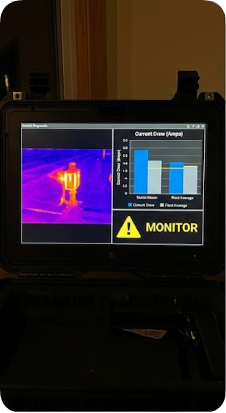
The ST13‑J dashboard displays a map of a rail yard with switch heaters color‑coded green, yellow, and red – a red heater is flagged for replacement before winter.
Securing Infrastructure Resilience with Industrial Grade Hardware
Protecting critical rail infrastructure against unpredictable winter weather demands durable, high-specification equipment capable of bridging the gap between field telemetry and centralized asset tracking. Operators can review the full lineup of enterprise-grade hardware by exploring the primary portfolio of Rugged Tablets to evaluate device options optimized for demanding industrial environments.
Transitioning from reactive maintenance to an organized, predictive infrastructure workflow minimizes unplanned downtime and protects network throughput. Implementing specialized field terminals like the ST11-U, SH5-W, and ST13-J equips transit authorities with the precise, high-definition data insight required to keep rail corridors open, safe, and fully operational through the toughest winter conditions.
Ready to Modernize Your Track Maintenance Fleet?
Contact HOTUS Technology today to consult with our applications engineering team, request specialized ST11-U field trial units, or schedule a comprehensive system demonstration of our rugged handhelds and central dashboard platforms.