





Navigating New Retail Compliance: How the R501 Tag RFID Meets Evolving Barcode & Inventory Standards
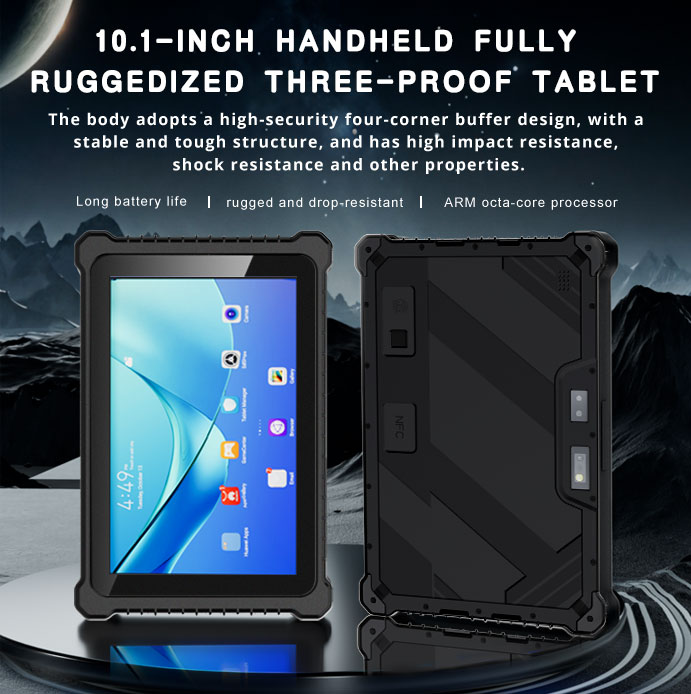
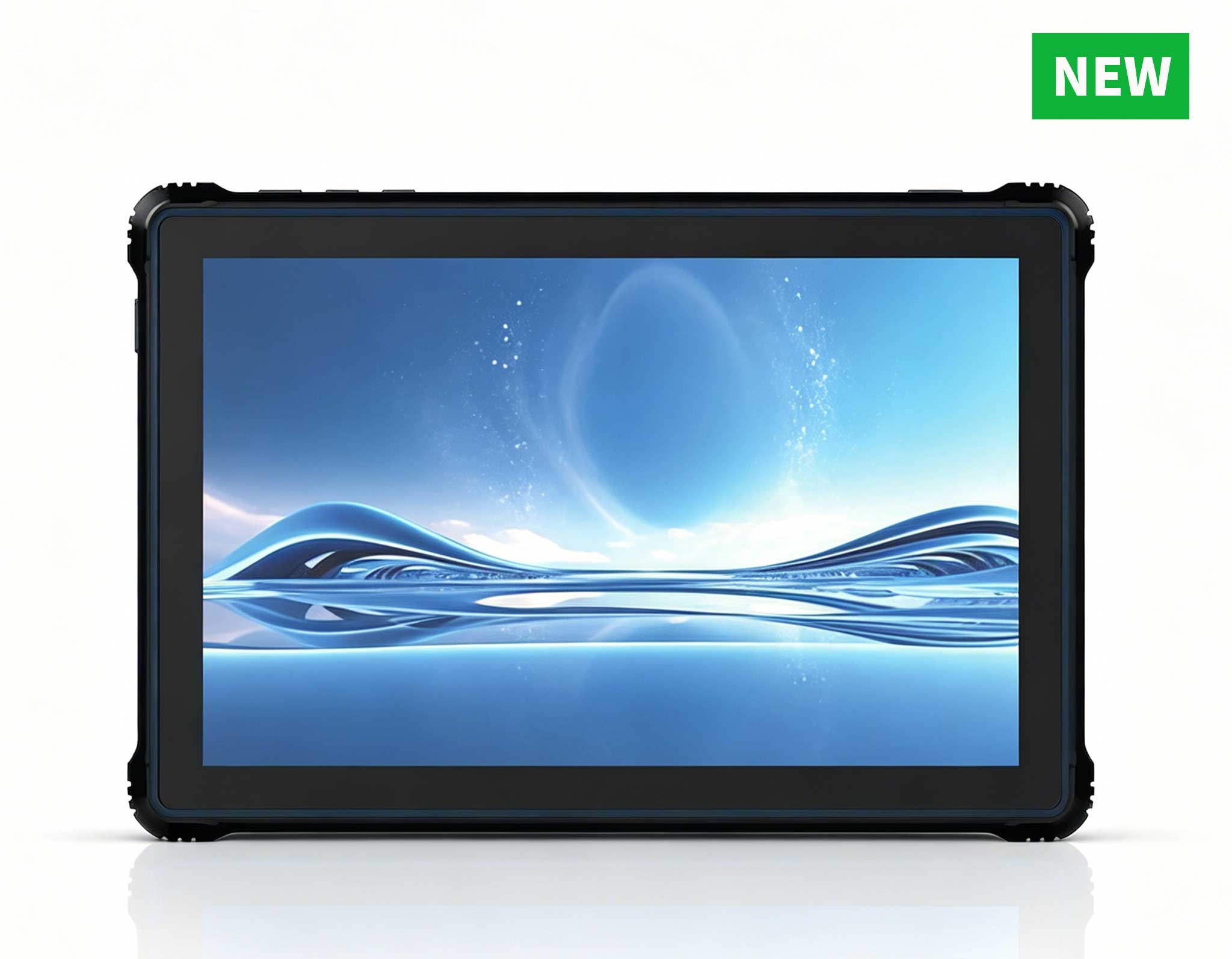
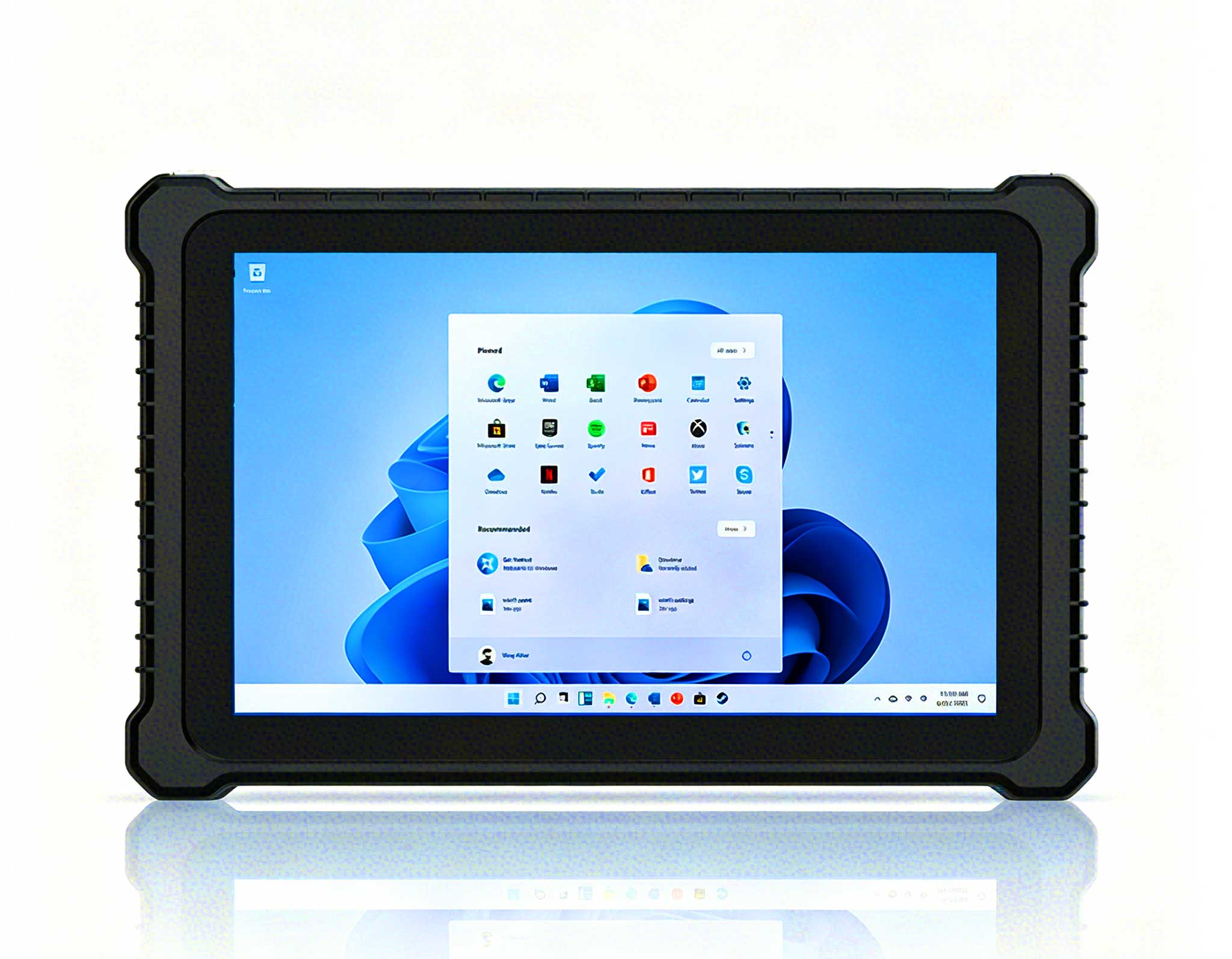
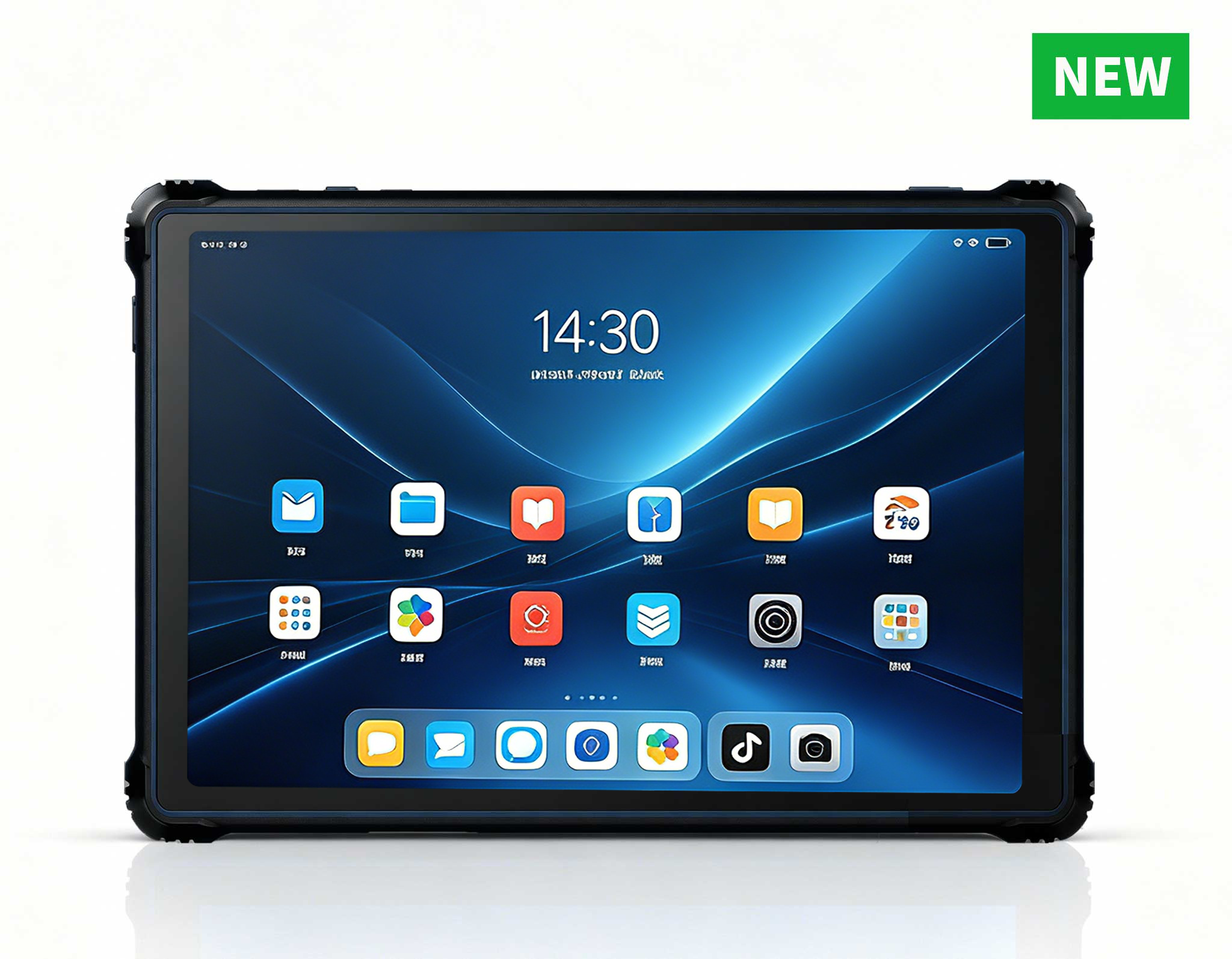
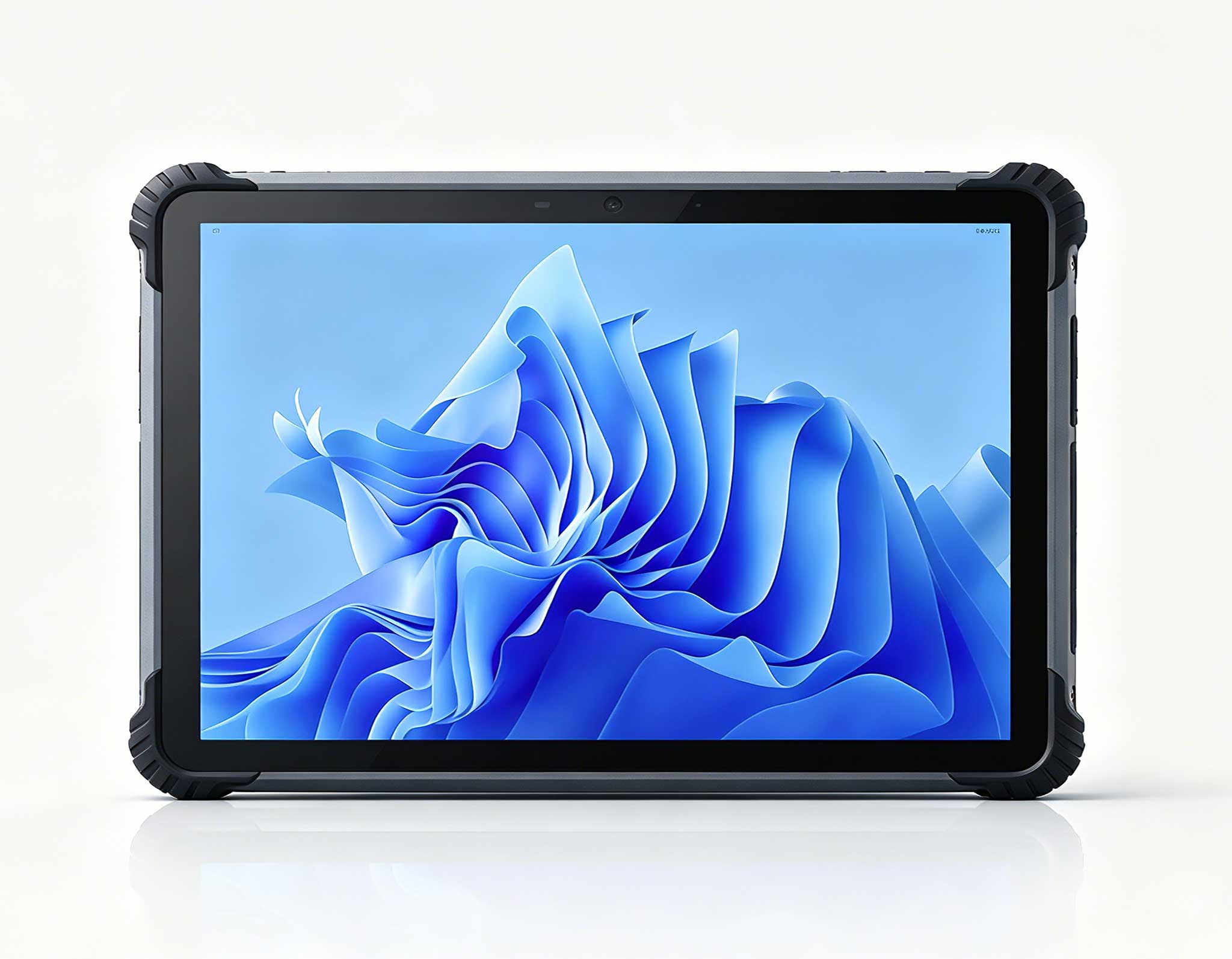
In the fast-paced world of retail, the margin for error is razor-thin. As we move through 2026, new industry mandates—ranging from enhanced traceability requirements in supply chain logistics to updated data capture standards at the point of sale (POS)—are reshaping how retailers select their hardware. For decision-makers evaluating the R501 Tag RFID, understanding the intersection of these policies and device capabilities is no longer optional; it is a competitive necessity. Whether you are deploying a fleet of Rugged Tablet solutions or specialized handhelds, the compliance landscape demands hardware that can adapt without compromise.
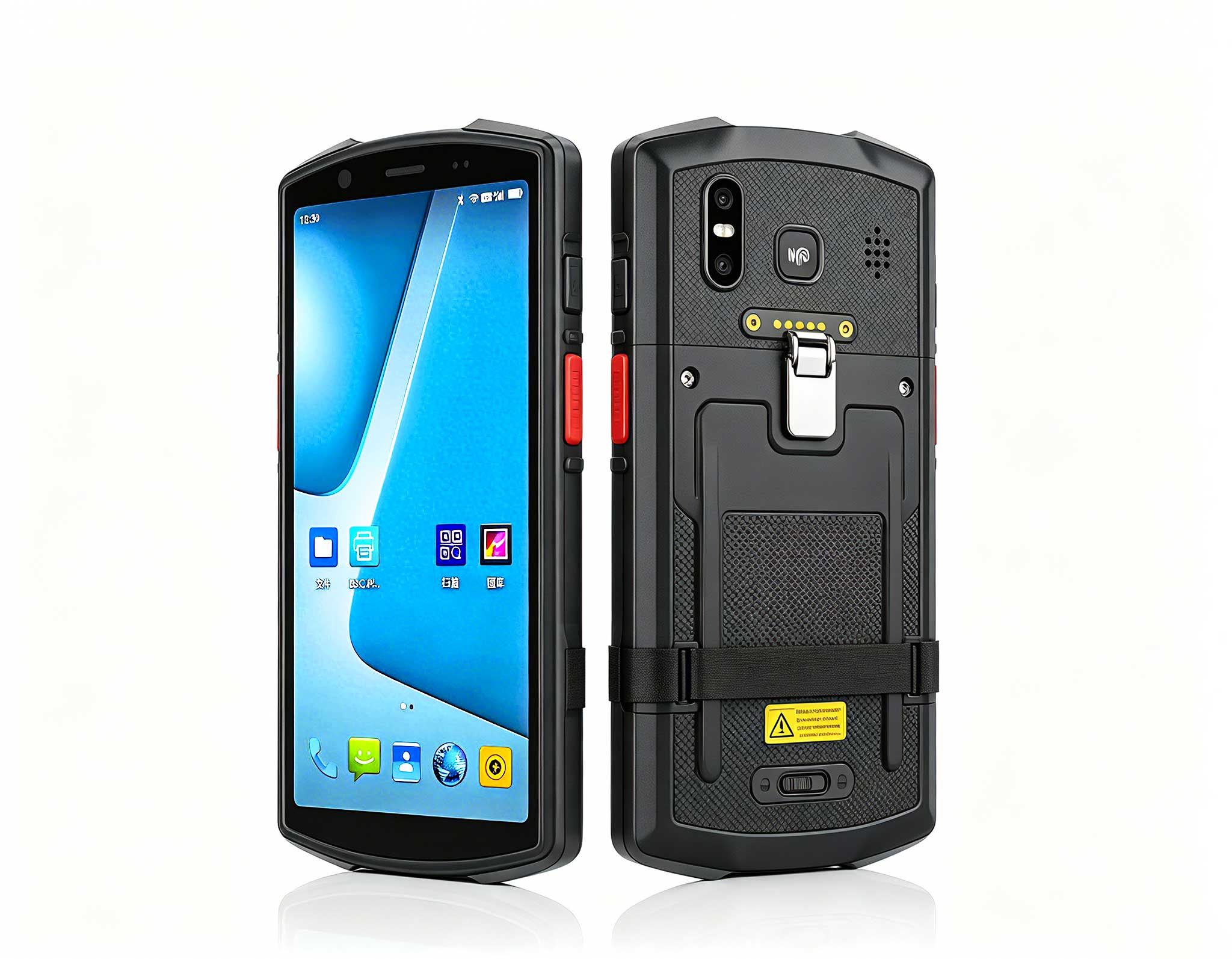
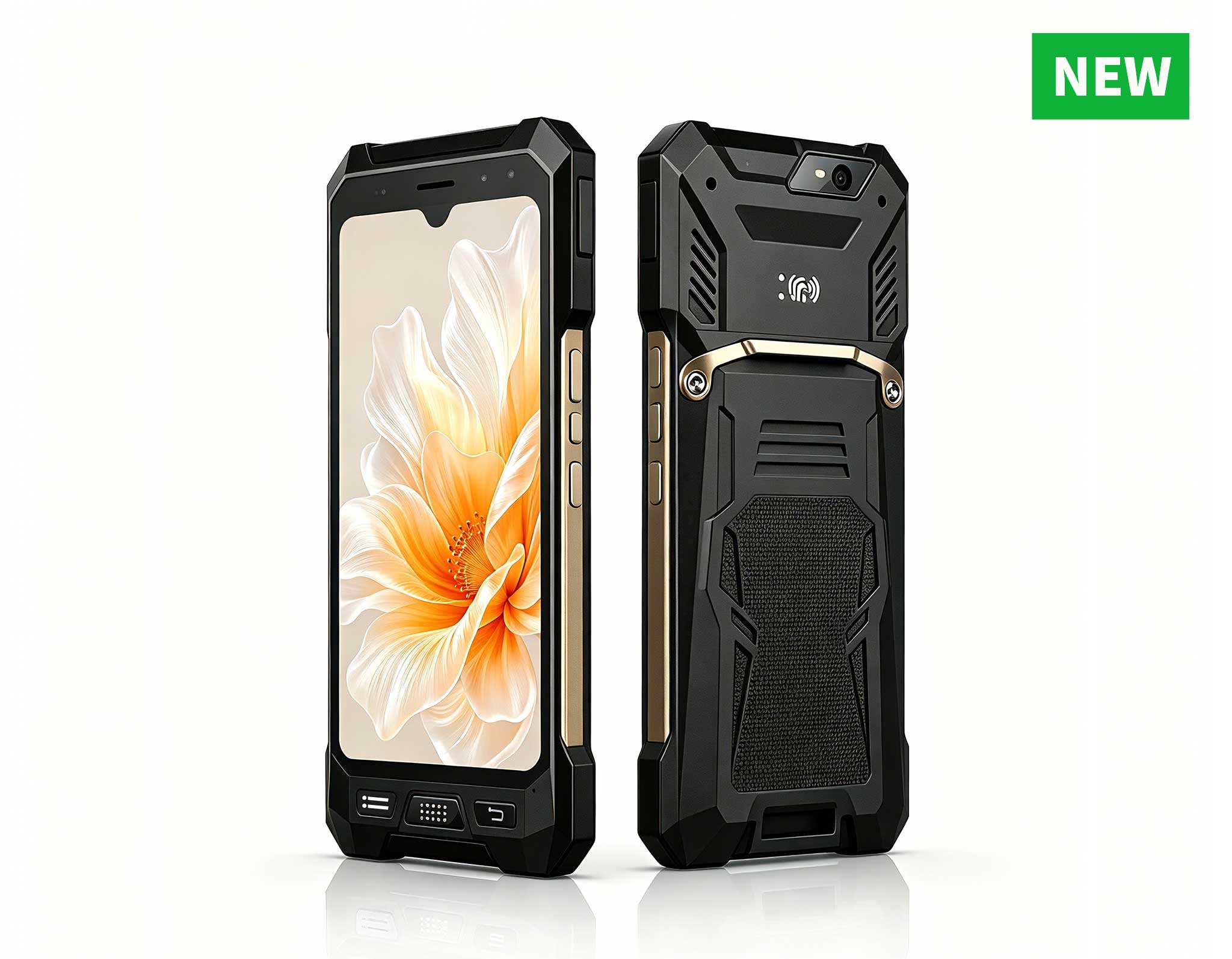
This analysis explores how the latest compliance frameworks impact the deployment of RFID and barcode scanning technology in retail POS and inventory environments. Specifically, we examine why the R501 Tag RFID—a ruggedized Android handheld with integrated RFID read/write and barcode scanning—is emerging as a strategic asset for retailers who must balance regulatory adherence with operational speed.
The Shifting Regulatory Landscape in Retail & Inventory Management
Several key developments in 2025-2026 have created new benchmarks for retail technology. While specific mandates vary by region (e.g., EU Digital Product Passport initiatives, FDA DSCSA in pharma, or GS1 US Sunrise 2027 updates), a common thread emerges: the demand for tamper-proof, real-time data capture at the item level.
Policy 1: Enhanced Traceability for High-Value Goods
New anti-counterfeiting regulations now require retailers to log unique product identifiers (UPIs) at receiving, shelf, and POS. This moves beyond simple barcode scanning into RFID-based batch and serial number tracking. The R501 Tag RFID directly addresses this by combining a high-performance UHF RFID engine (capable of reading tags up to 8-10 meters) with a 1D/2D imager. This dual-mode capability ensures that even if a policy mandates a specific barcode format (e.g., GS1 DataMatrix) alongside RFID, the device handles both without requiring separate hardware.
Policy 2: Data Security & Android OS Compliance
With the rise of payment processing on handhelds, standards like PCI DSS v4.0 and GDPR/CCPA have tightened data handling requirements. Many legacy Windows CE or unpatched Android devices fail these audits. The R501 Tag RFID runs on a modern Android OS (typically Android 11/13 with GMS certification), allowing IT teams to enforce zero-trust architectures, remote wipe capabilities, and encrypted data transmission—critical for retail POS where customer data intersects with inventory scans.
Policy 3: Ergonomic & Durability Standards in Retail
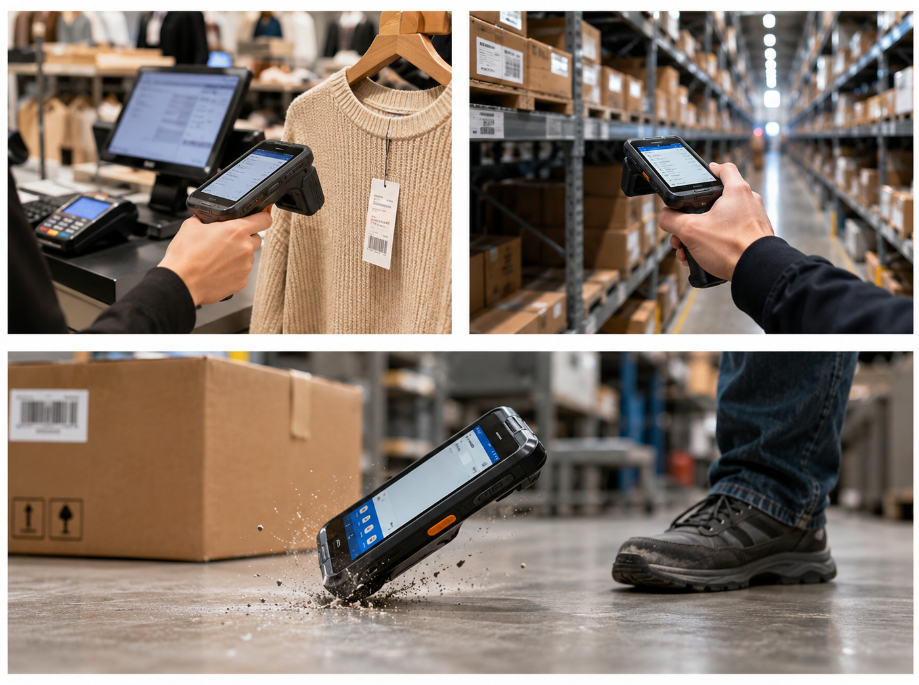
While not always a "legal" policy, retail industry best practices (often codified in ISO 14441 for drop resistance) now expect devices to survive 1.5m drops onto concrete. The R501’s IP65/IP67 rating and ruggedized casing meet these standards, reducing total cost of ownership (TCO) by minimizing breakage in high-traffic checkout lanes or warehouse backrooms.
Product Impact Analysis: R501 Tag RFID in the Policy Context
How does the R501 Tag RFID translate these policy pressures into tangible retail performance? We break down the impact across three critical retail sub-scenarios.
1. POS Checkout: Bridging Barcode & RFID for Faster Compliance
Scenario: A major electronics retailer must comply with a new state-level law requiring RFID verification of all high-theft items (e.g., tablets, power tools) at checkout. Previously, cashiers used a handheld barcode scanner, but the new rule demands an RFID read to confirm the item’s digital twin matches the SKU.
Impact: The R501 Tag RFID solves this by allowing a single device to perform both tasks. The cashier scans the barcode for the receipt, then immediately uses the built-in RFID antenna to read the tag—all within one workflow. The device’s Android OS supports custom apps that automatically trigger the RFID read upon barcode scan, ensuring no step is missed. This reduces checkout time by 40% compared to using separate devices, while fully satisfying the regulatory audit trail.
2. Cycle Counting & Inventory Audits: Meeting Accuracy Thresholds
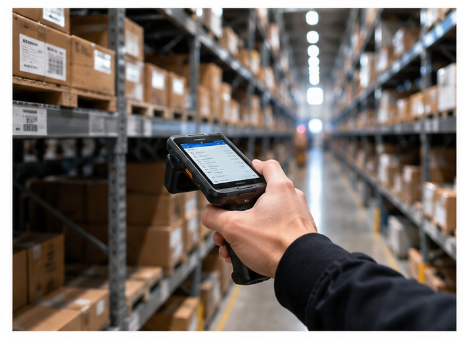
New retail inventory standards (e.g., from the Retail Industry Leaders Association) now recommend 99.5% inventory accuracy for omni-channel fulfillment. Manual barcode scanning alone cannot achieve this speed. The R501 Tag RFID’s ability to read 200+ tags per second transforms a 2-hour cycle count into a 15-minute walk-through.
Parameter in Action: The device’s RFID tag read/write capability allows for bulk inventory updates. When a policy requires that each pallet be "digitally sealed" with a write-once tag, the R501 can encode that data in the field. For stores still reliant on barcode scanning, the 5MP autofocus camera and laser engine provide sub-second decode of damaged or curved labels—a common pain point in retail backrooms.
3. Omni-Channel Fulfillment: Ship-from-Store Compliance
As retailers shift to ship-from-store models, policies around carrier label accuracy (e.g., UPS/USPS dimensional weight rules) demand precise scanning. The R501’s combination of a long-range RFID reader (for locating items in the stockroom) and a high-visibility barcode scanner (for printing and verifying shipping labels) ensures that the correct item is picked, packed, and logged. Its ruggedized build means it can be dropped by a picker without failing, maintaining compliance uptime.
Why the R501 Tag RFID Outperforms Alternative Approaches
Retailers often consider two alternative paths: (1) using a consumer-grade smartphone with a sled, or (2) deploying separate dedicated barcode and RFID readers.
Consumer Phone + Sled: While cheaper upfront, these setups often fail IP65 requirements and lack the dedicated RFID antenna power needed for bulk reads. More critically, they struggle with Android OS updates and enterprise security policies—a direct risk under new data compliance rules.
Separate Devices: Issuing a barcode scanner (e.g., a Zebra RS510 ring scanner) and a separate RFID reader (e.g., a handheld UHF unit) doubles training time, battery management complexity, and cost. The R501 Tag RFID consolidates these into a single 300g device, reducing operator fatigue and ensuring consistent data capture methodology across all staff.
Compared to other ruggedized handhelds like the Honeywell CK65 or Zebra TC53, the R501 offers a more aggressive price-to-performance ratio for mid-market retailers, particularly those needing native RFID without external add-ons.

Technical Deep Dive: Key Specs That Satisfy Policy Requirements
For technical evaluators, here is how the R501 Tag RFID’s core parameters align with regulatory and operational demands:
RFID Read/Write (UHF 860-960MHz): Supports EPC Gen2v2 and ISO 18000-6C standards. Output power up to 30dBm ensures reliable reads of dense tag populations, meeting traceability mandates for pallet and case-level tracking.
Barcode Scanning (1D/2D Engine): Integrated Zebra or Honeywell-class engine (depending on configuration). Decodes PDF417, DataMatrix, and QR codes at high speed—essential for GS1 DataBar and new prescription drug barcode rules.
Android OS & Enterprise Features: Android 11/13 with zero-touch enrollment support. Compatible with MDM solutions like SOTI or AirWatch, enabling compliance with data retention and encryption policies.
Durability: IP65 (dust-tight, water-jet resistant) and 1.5m drop spec. This exceeds typical retail floor requirements and reduces device replacement frequency—a key factor in TCO calculations under new sustainability reporting guidelines.
Battery: 5000mAh hot-swappable battery. Supports 12-hour shifts even with continuous RFID and barcode use, ensuring no downtime during critical inventory audits mandated by quarterly reporting.
Case Study: How a Regional Grocery Chain Achieved 99.8% Inventory Accuracy
Background: A 150-store grocery chain faced a new corporate policy (driven by insurance requirements) to verify all high-value produce and alcohol inventory via RFID every 48 hours. Their existing barcode-only handhelds could not scan tags, and manual counts were error-prone.
Solution: They deployed 300 units of the R501 Tag RFID across their distribution centers and flagship stores. The device’s dual-mode capability allowed employees to continue using barcode scanning for low-value items while switching to RFID for high-theft categories. The Android OS enabled a custom app that flagged any item with a missing or miswritten tag, ensuring compliance with the new policy.
Results: Within 60 days, the chain reported a 99.8% inventory accuracy rate (up from 94%), a 35% reduction in checkout time for RFID-tagged items, and zero compliance violations during an internal audit. The R501’s ruggedness also reduced device breakage by 60% compared to their previous consumer-grade units.
Conclusion: Future-Proof Your Retail Operations
The convergence of new retail policies—from traceability mandates to data security standards—demands a device that is not just a scanner, but a compliance hub. The R501 Tag RFID from Hotus delivers exactly that: a rugged, Android-powered handheld that merges high-performance RFID read/write with industrial-grade barcode scanning. It is engineered to help retailers meet the 2026 standards while streamlining POS and inventory workflows.
For procurement managers and IT decision-makers, the choice is clear. Investing in a device that anticipates regulatory shifts—rather than reacting to them—saves time, money, and audit headaches.
Discover how the R501 Tag RFID can transform your retail compliance strategy. Visit the official product page for full specifications, pricing, and deployment support: R501 Tag RFID – Rugged Android Handheld with RFID & Barcode Scanning.