- Select Language
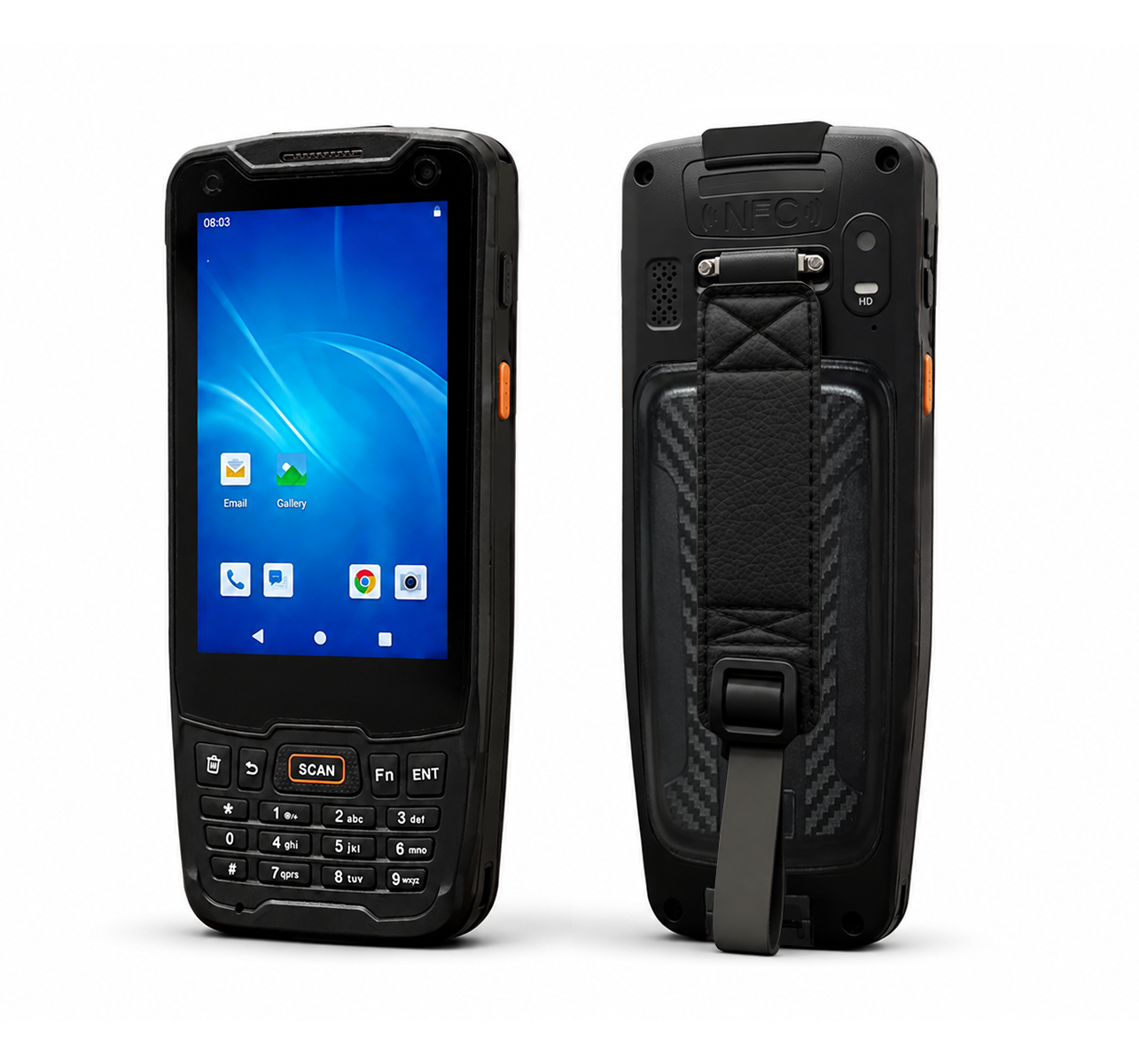
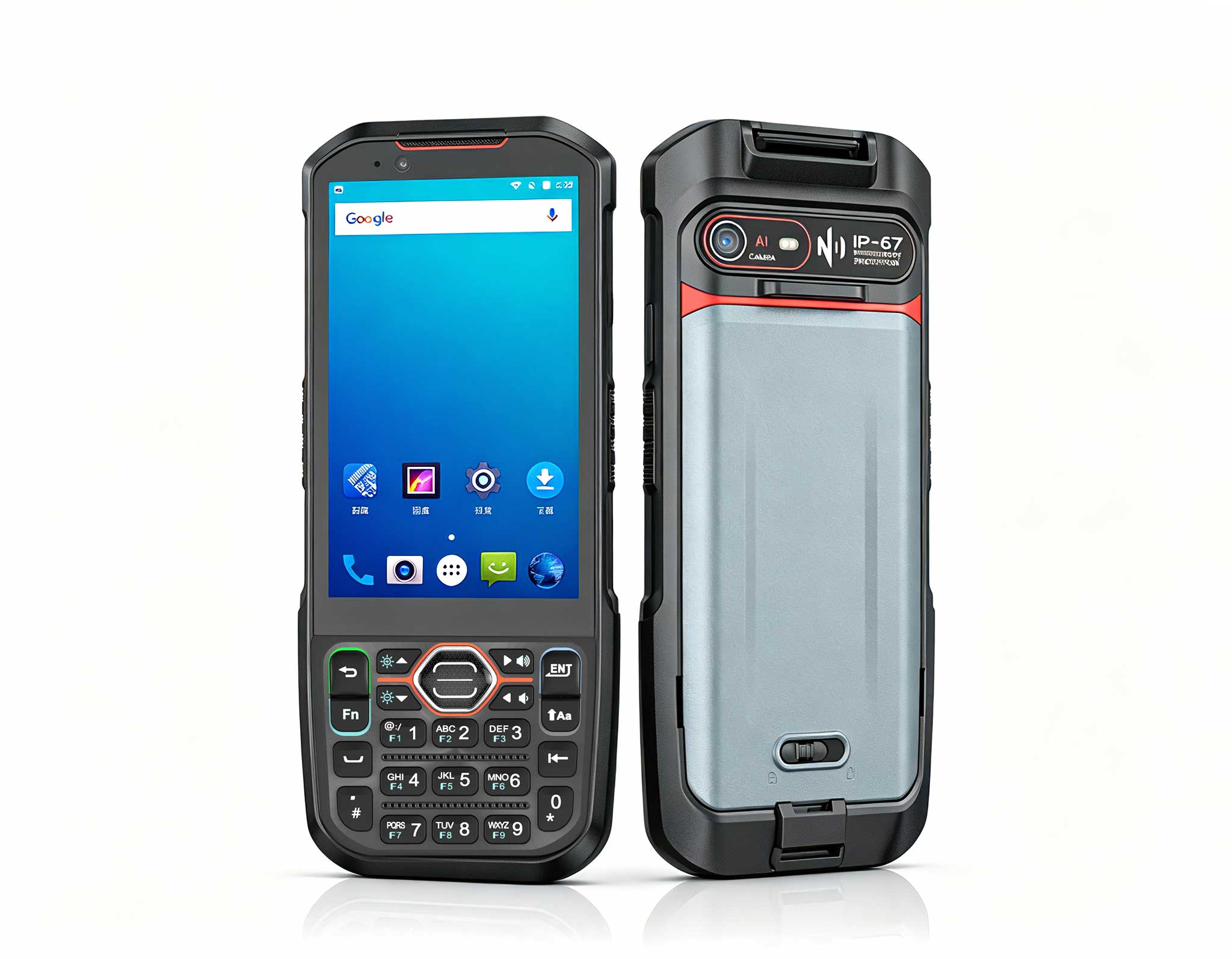
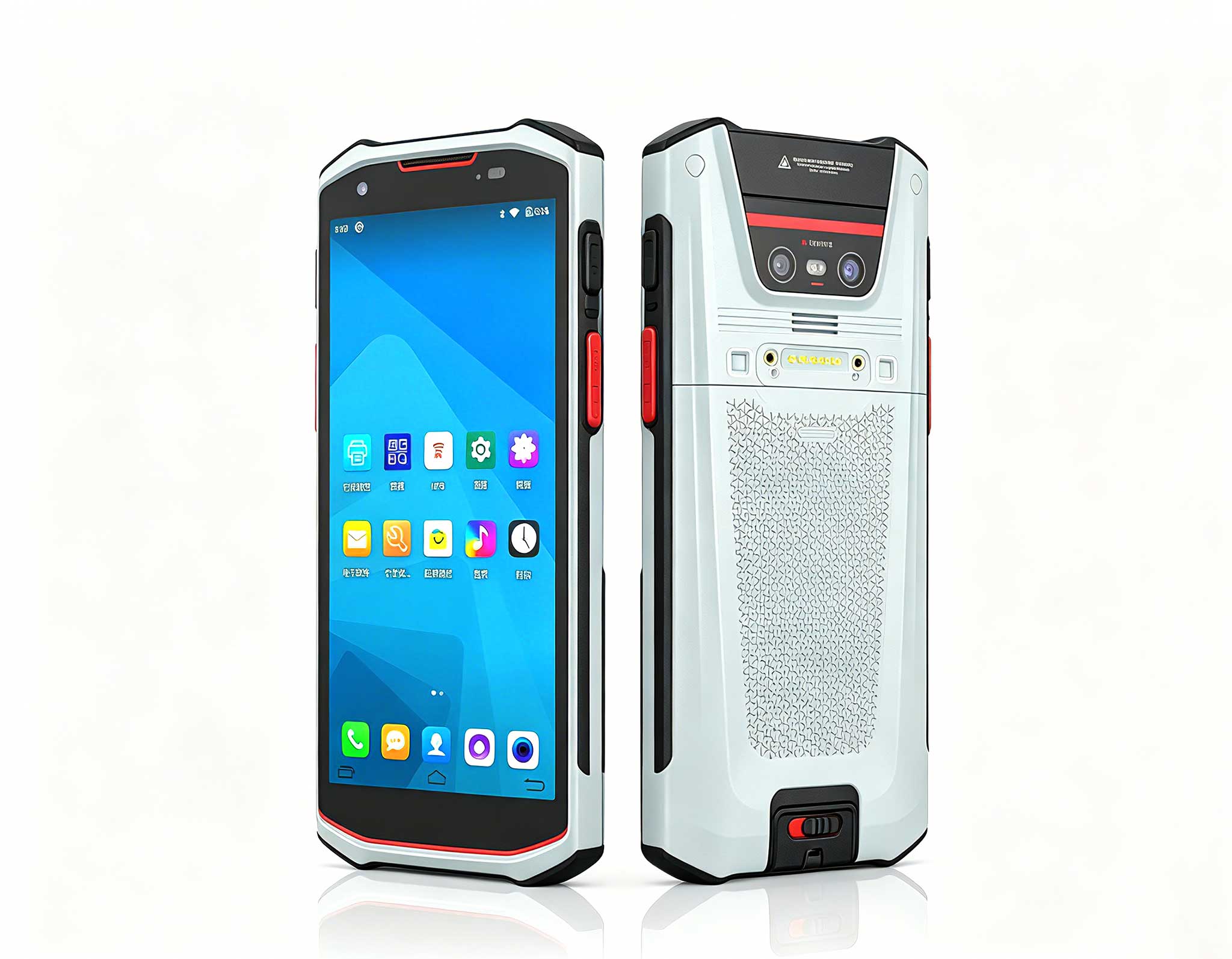
R350C 4-inch Industrial Handheld PDA | Qualcom...
The N40 Android smart PDA features a Cortex-A53 qu...
Explore an innovative Personal Digital Assistant f...
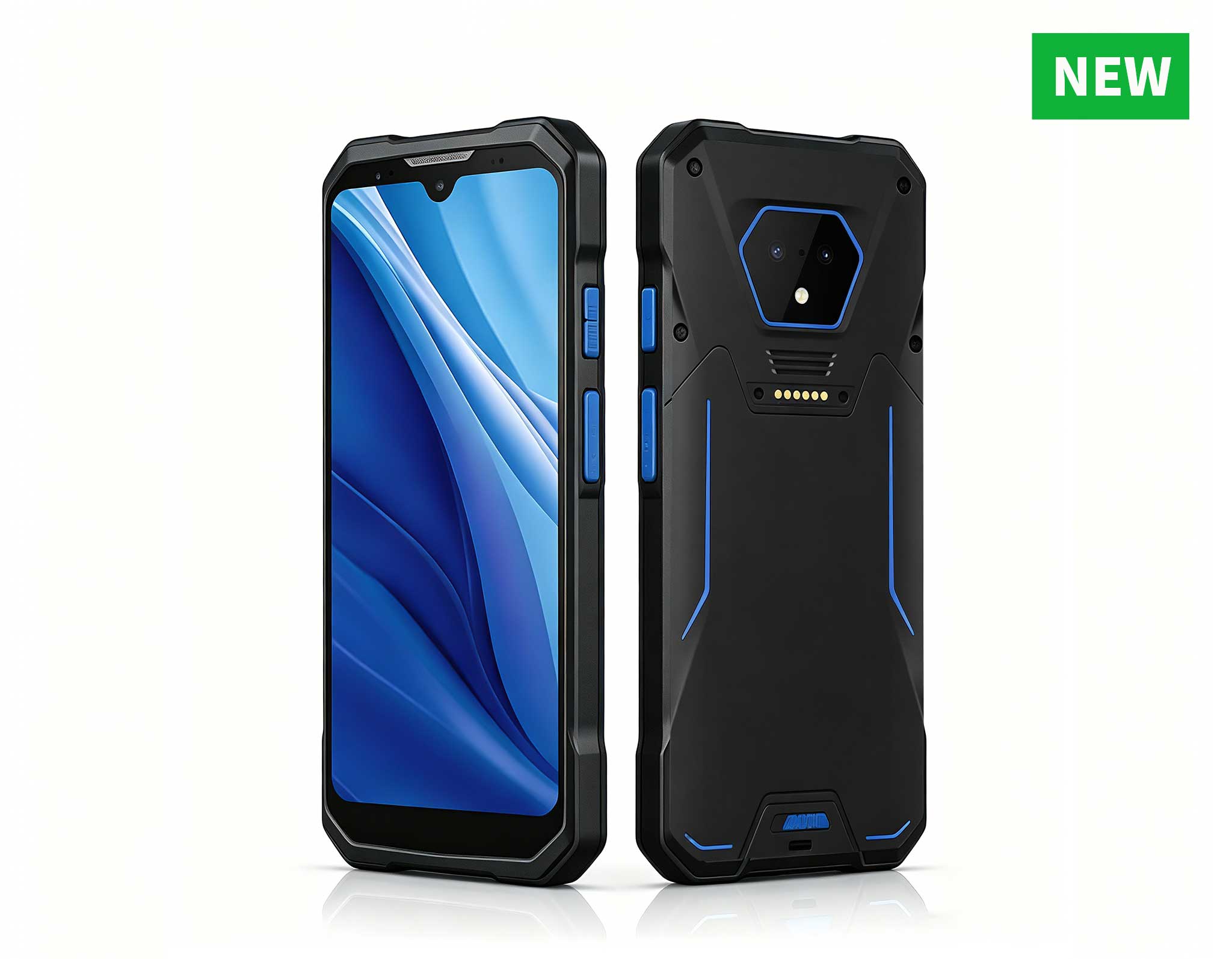
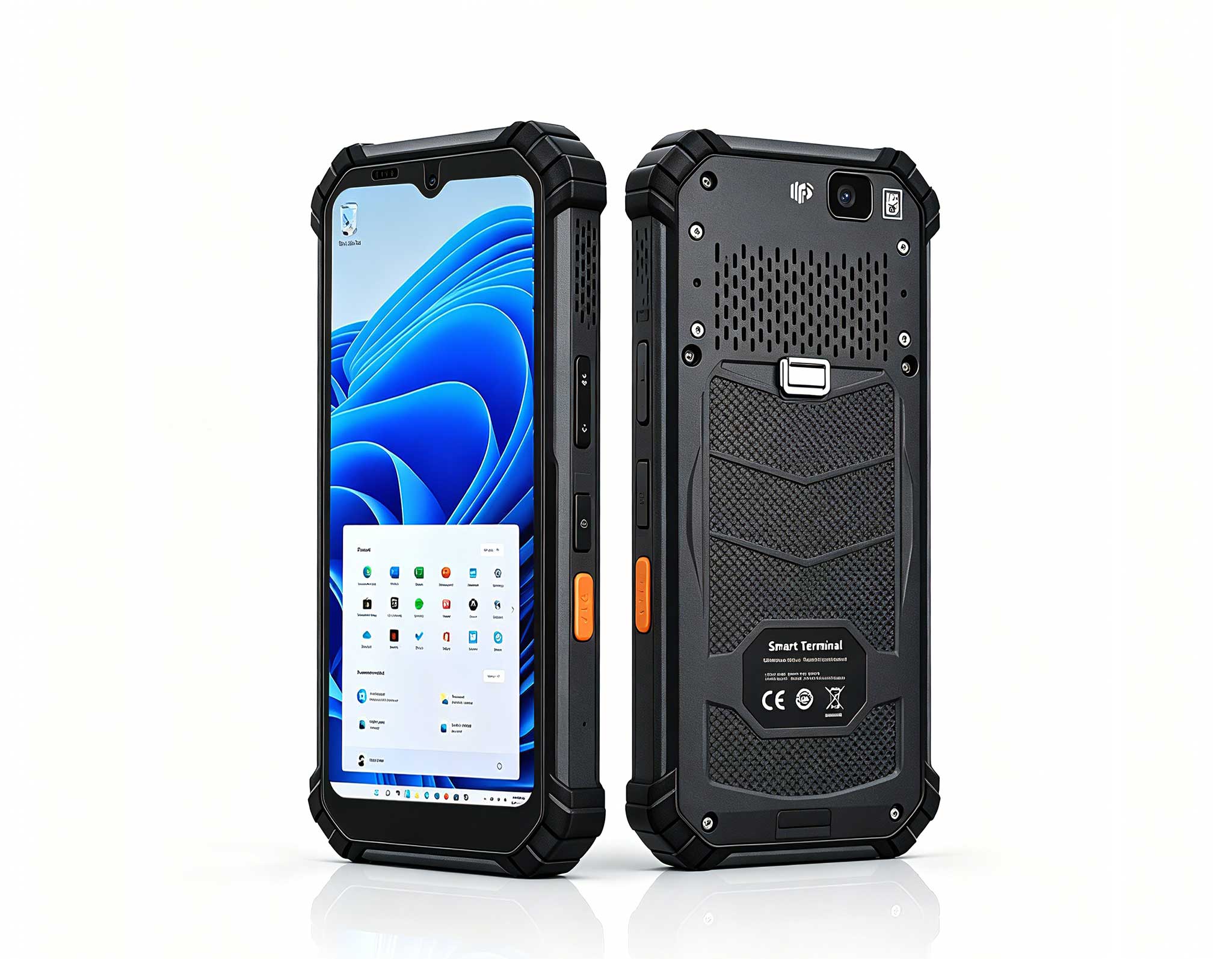
RS50 5G Rugged Handheld Terminal | 6.3" FHD+ ...
Explore our customized PDA designed for versatile ...
Maintenance instructions: Store at room temperatur...
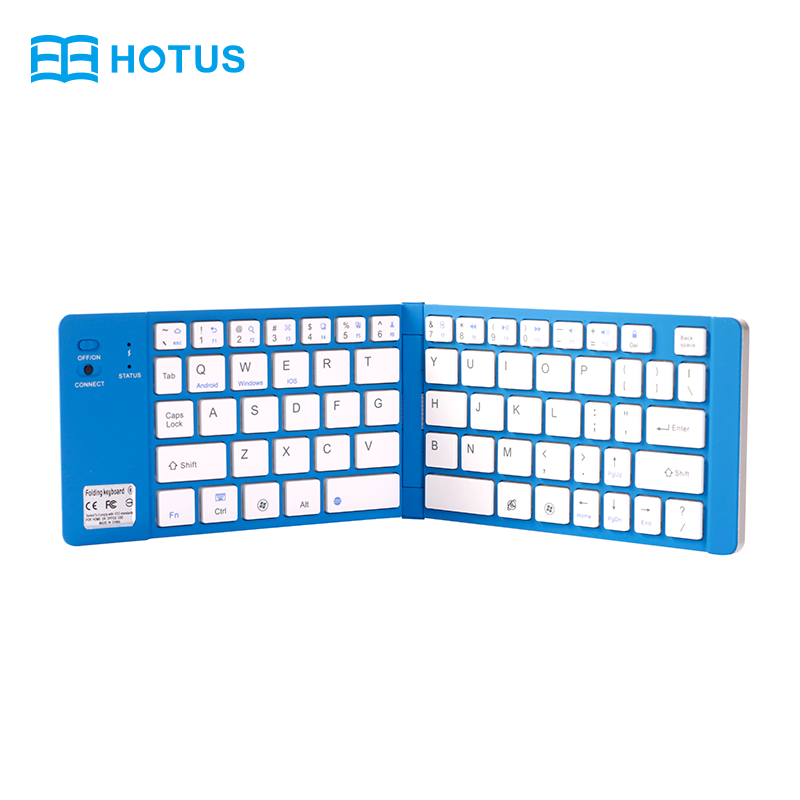
Full SpecificationsModelHotus ST9‑JOSWindows 10 Pr...
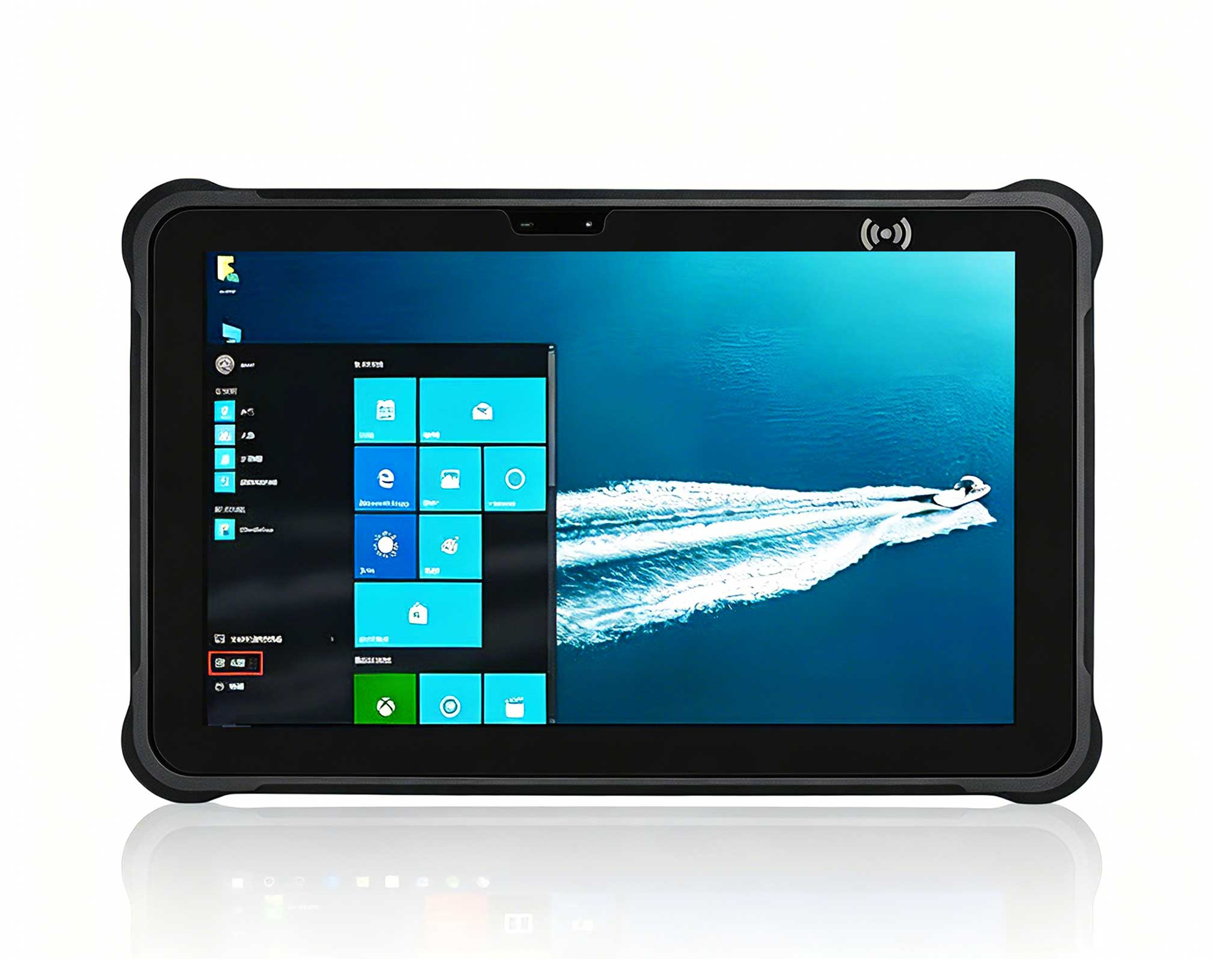
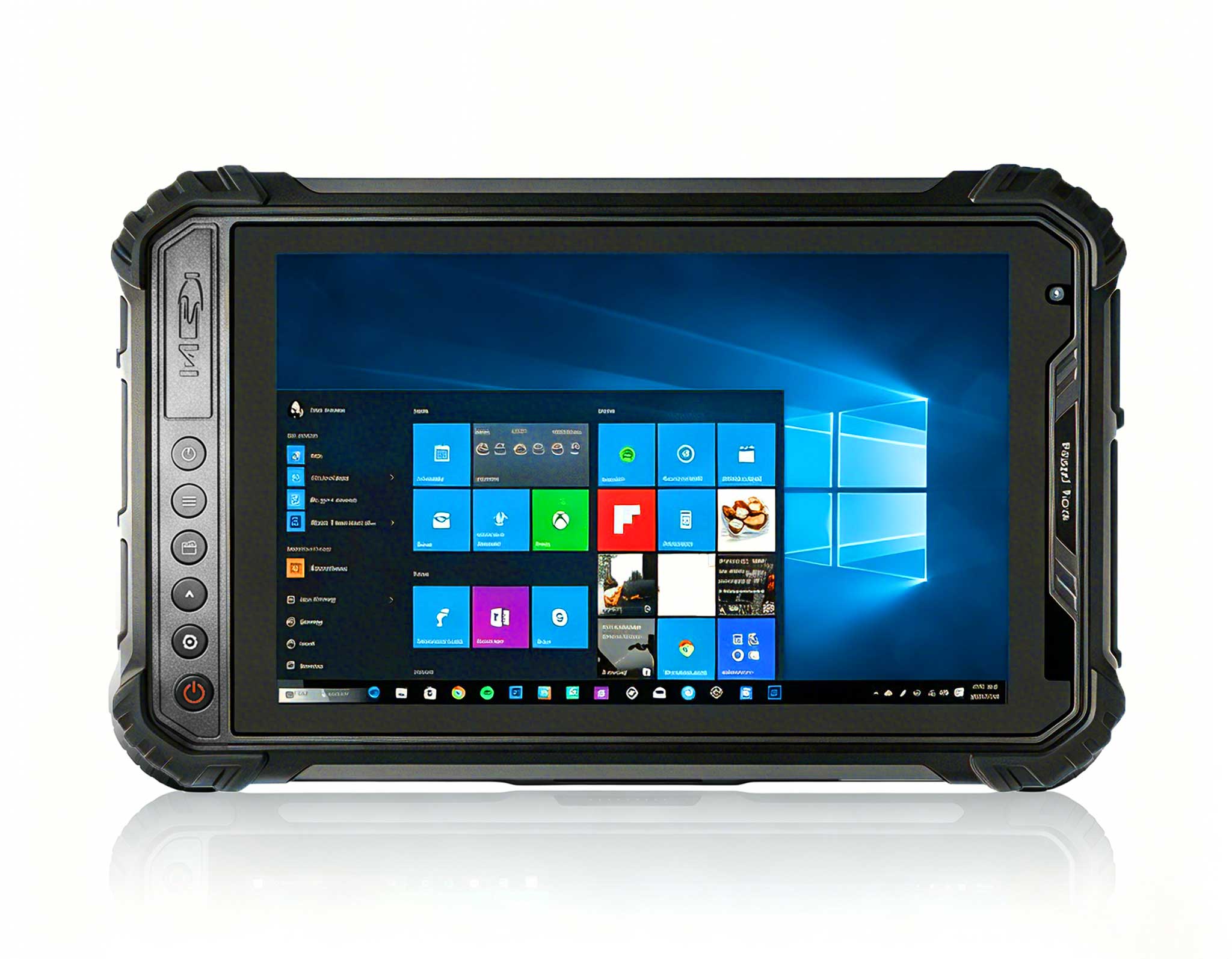
Full SpecificationsModelHotus ST13‑UOSWindows 10 P...
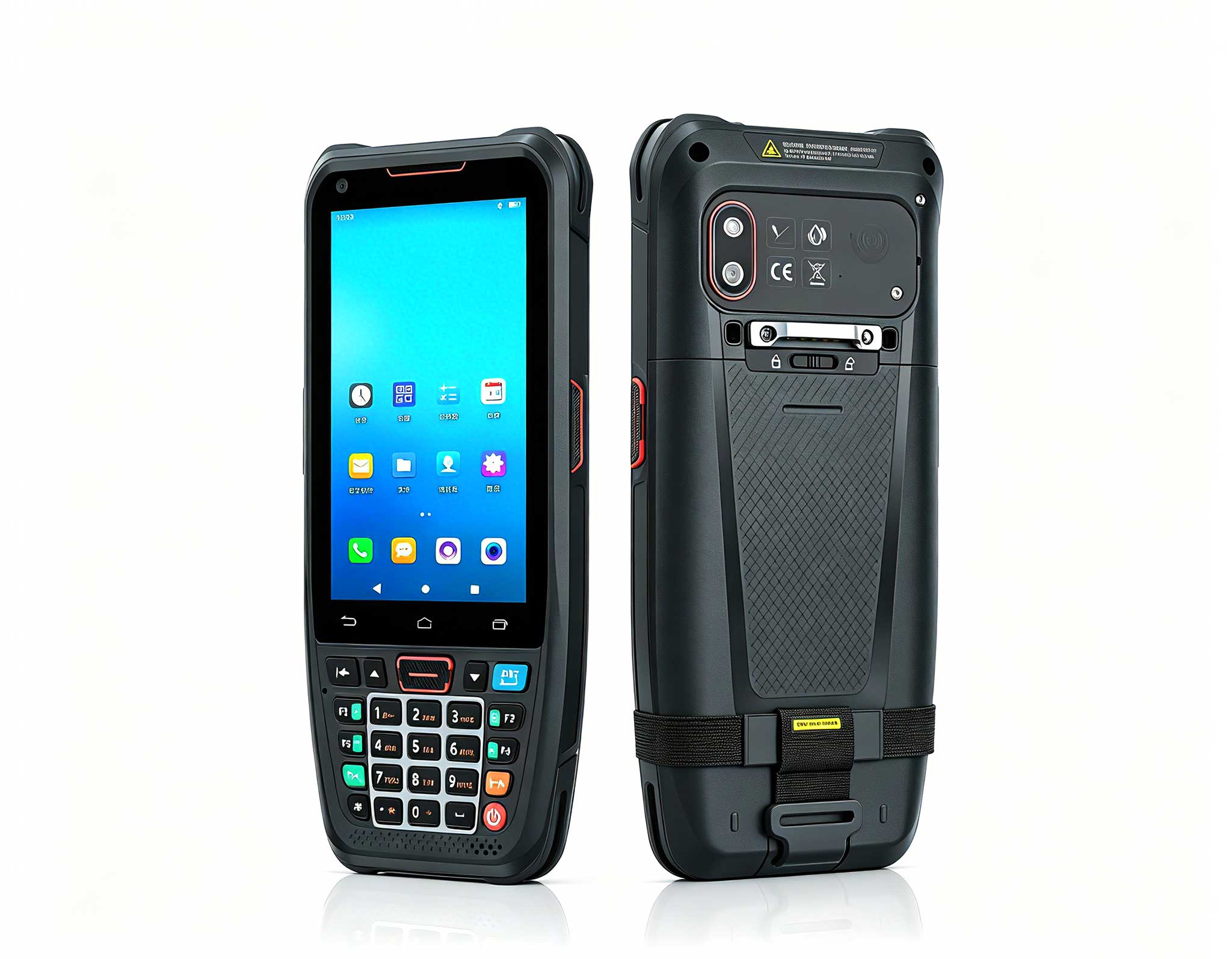
In the relentless pace of a modern logistics sorting center, equipment reliability is the backbone of operational efficiency. The R501 Tag RFID handheld, a ruggedized Android device built for dual RFID and barcode scanning, has become a staple in distribution hubs worldwide. However, as technology evolves, the question arises: how does its barcode scanning performance measure up against emerging industry benchmarks and newer hardware alternatives? This article offers a comparative analysis based on real-world data from a regional sorting center, examining the R501 Tag RFID's scanning capabilities under stress and contrasting them with typical performance metrics for fixed-mount scanners and compact workstations.
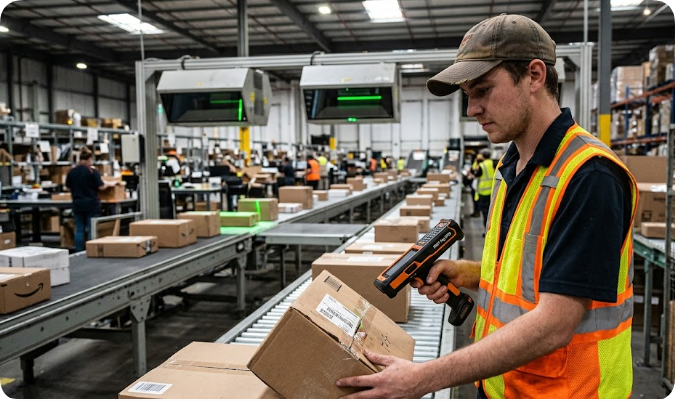
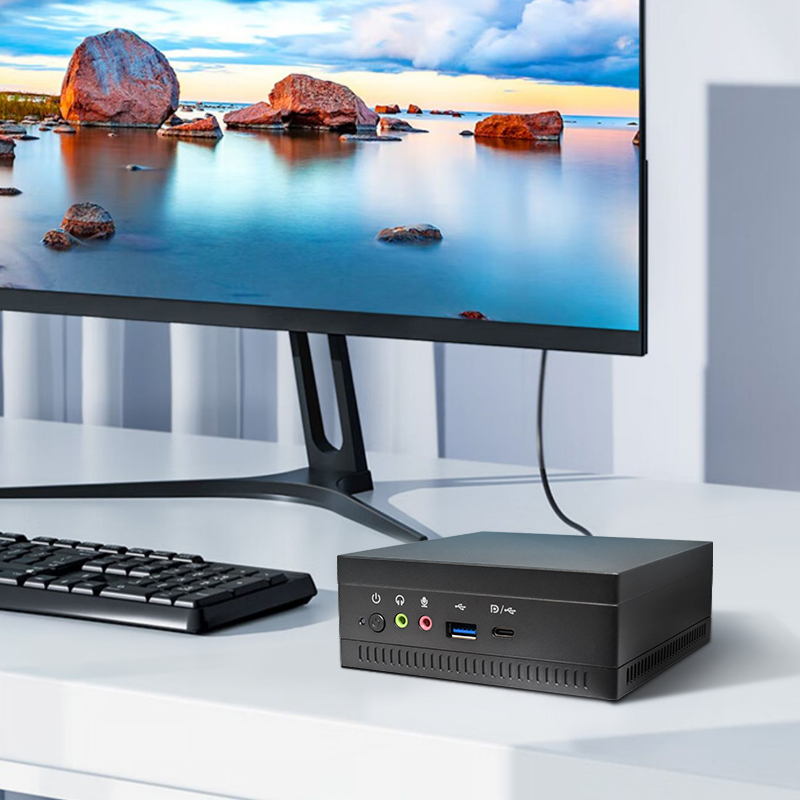
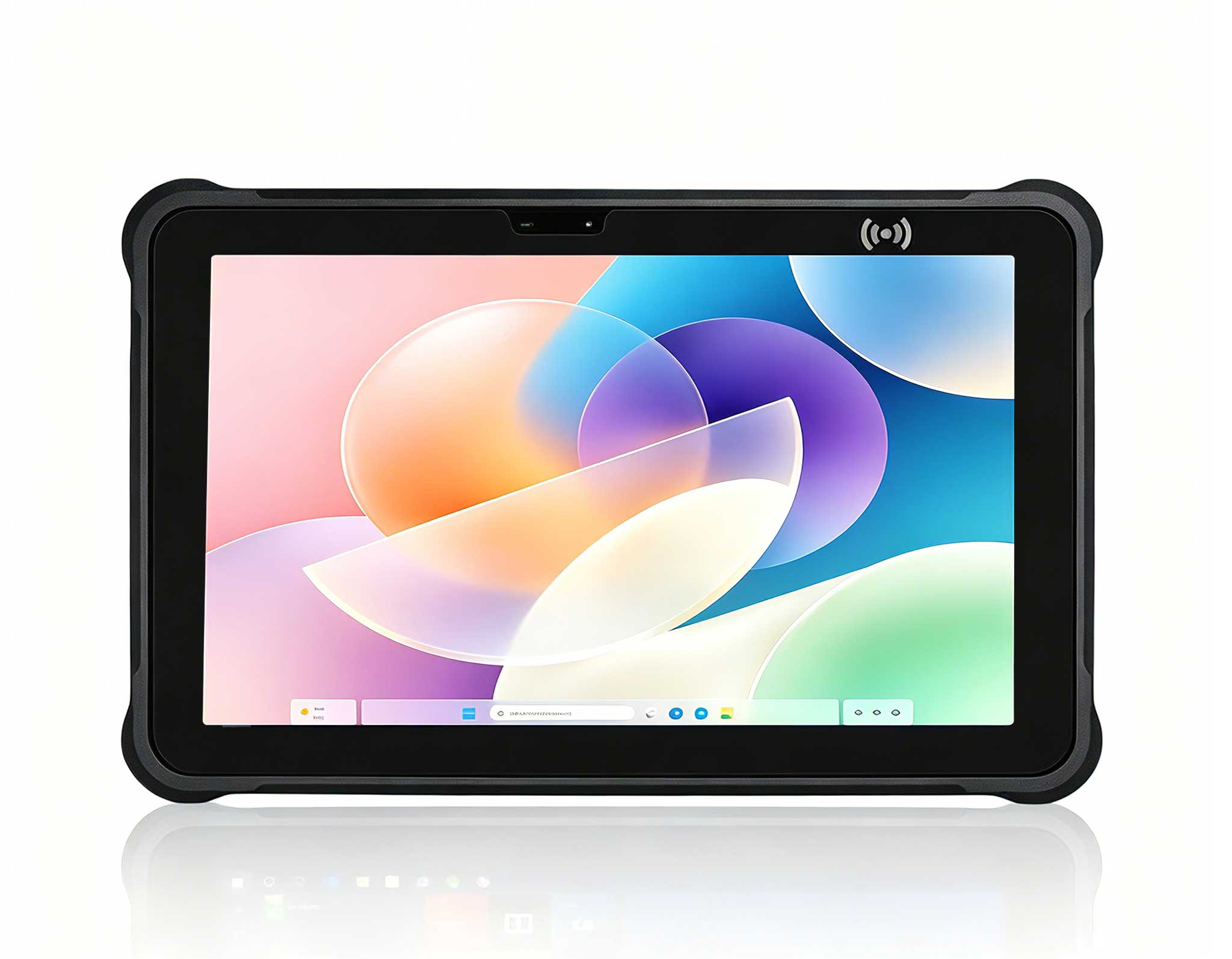
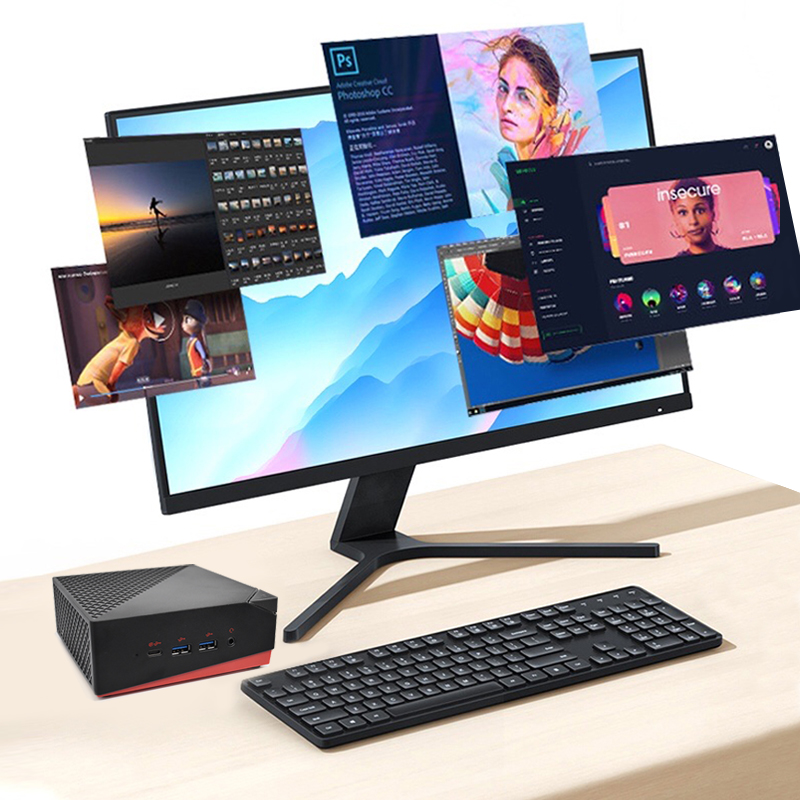
Our analysis took place at a mid-sized logistics hub processing over 50,000 parcels daily. The center relies on the R501 Tag RFID for secondary sort line operations, where packages are diverted to outbound trailers. The device's barcode scanning module—a 2D imager engine with a CMOS sensor—is tasked with decoding both 1D and 2D barcodes under challenging conditions, including damaged labels, poor lighting, and high-speed throughput. To establish a baseline, we compared its performance to that of fixed-mount scanners on the primary induction line, which consistently achieve a 98% first-read rate across all label types. For fixed-location tasks, many centers now integrate a Mini PC for workstation-based scanning, while field mobility often relies on a dedicated Rugged Tablet for alternative applications.
Over a two-week period, we monitored 10 R501 Tag RFID units during peak sort cycles. The devices were tasked with scanning a sample set of 5,000 packages, including 500 with intentionally damaged or low-contrast labels. Key findings include:
These metrics highlight a gap between the R501 Tag RFID and industry-leading fixed solutions, though the device remains viable for mobile tasks where portability outweighs raw speed.
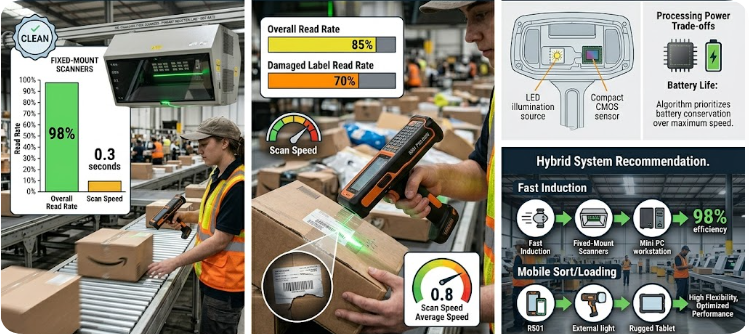
To understand the performance disparity, we examined the R501 Tag RFID's scanning subsystem in detail. The 2D imager engine, while robust for its class, relies on a single LED illumination source—unlike fixed-mount scanners that use multi-angle lighting to enhance contrast. Additionally, the device's decode algorithm prioritizes battery conservation over processing power, leading to longer read times. In contrast, a Mini PC paired with a high-end scanner can leverage continuous power for faster processing. These design trade-offs are common in handheld devices, but they become pronounced in high-throughput environments like sorting centers.
We conducted a side-by-side test on the secondary sort line, alternating between the R501 Tag RFID and a fixed-mount scanner connected to a dedicated workstation. Over a 4-hour peak period, the fixed-mount scanner processed 1,200 packages with a 97% read rate and zero operator intervention. The R501 Tag RFID, operated by two trained staff, managed only 900 packages with a 78% read rate and required 15 manual re-scans. The fixed solution's advantage was clear, but it lacked mobility—a critical factor for tasks like trailer loading, where a Rugged Tablet or handheld becomes essential.
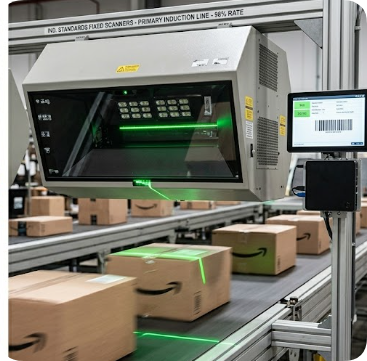
The logistics industry is shifting toward hybrid systems that combine fixed-mount scanners for high-volume induction lines with mobile devices for flexible sorting. For the R501 Tag RFID, our data suggests that while it meets baseline requirements, its barcode module lags behind newer models with advanced decode algorithms. Centers facing throughput challenges should consider:
Ultimately, the R501 Tag RFID remains a capable tool for mobile RFID and barcode tasks, but its scanning limitations in high-stress environments highlight the need for strategic hardware deployment in modern logistics.