- Select Language
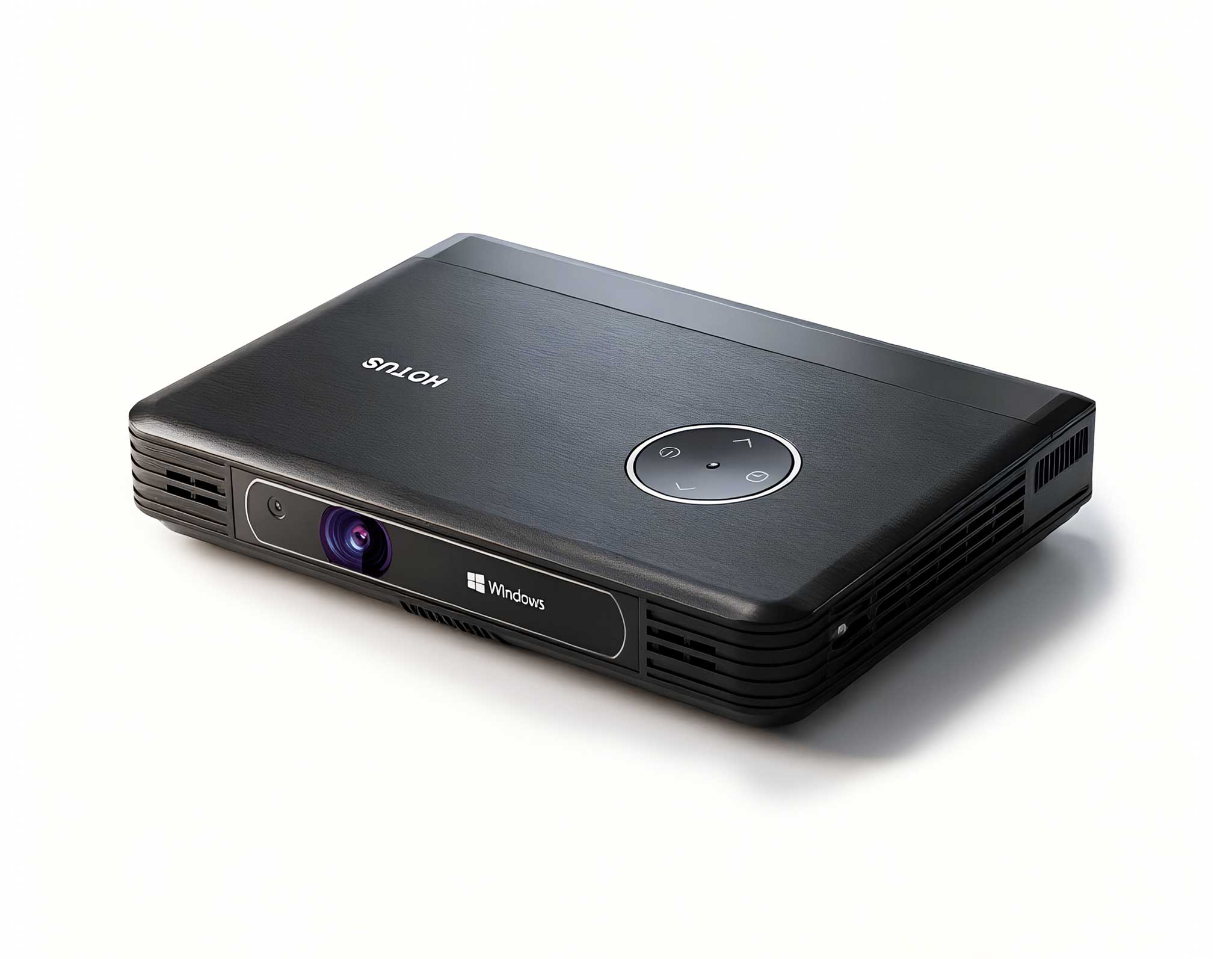
Explore an innovative Personal Digital Assistant f...
Technical SpecificationsModel: Palm-sized miniPCTy...
Full SpecificationsModel Hotus SH5‑WOperating ...
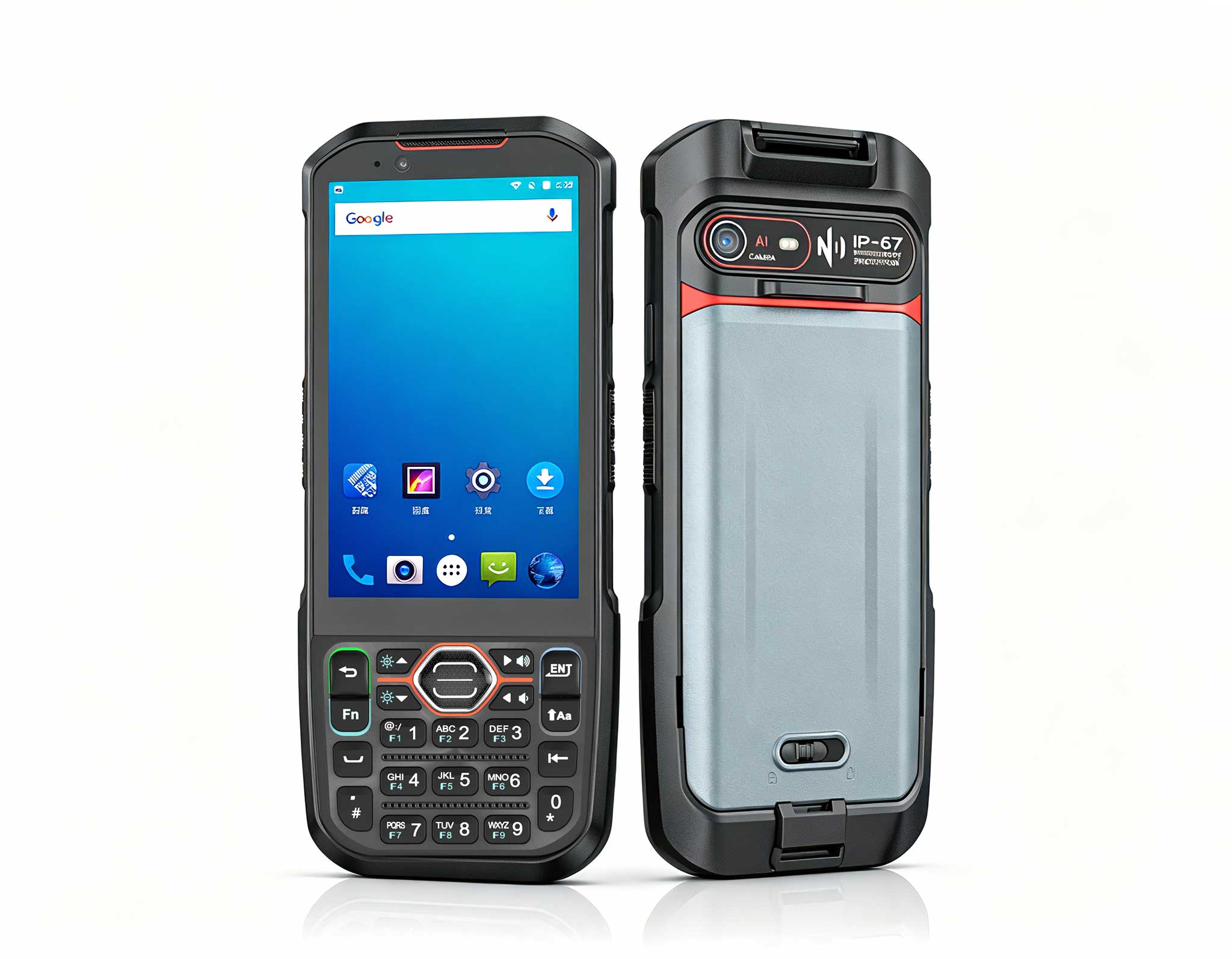
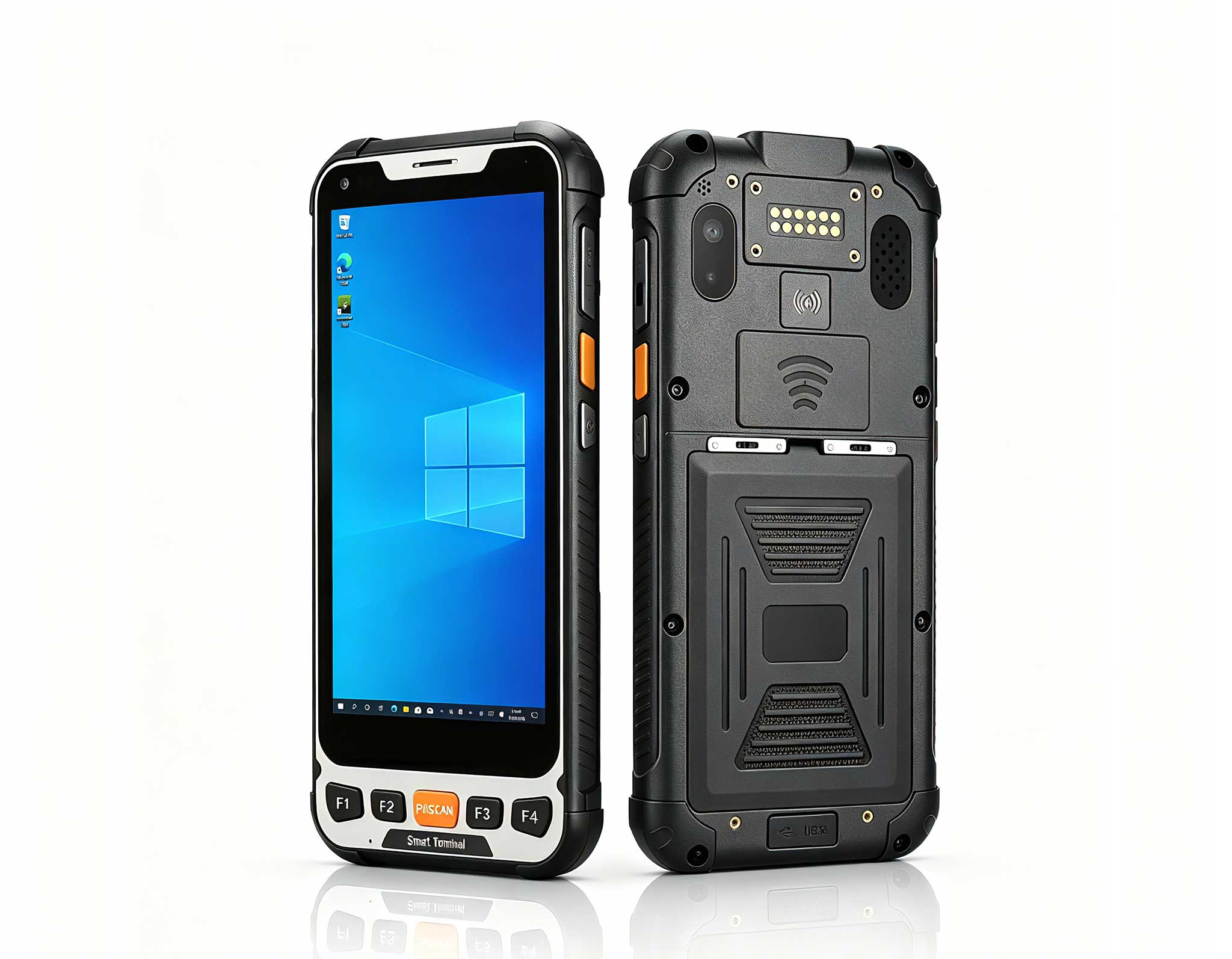
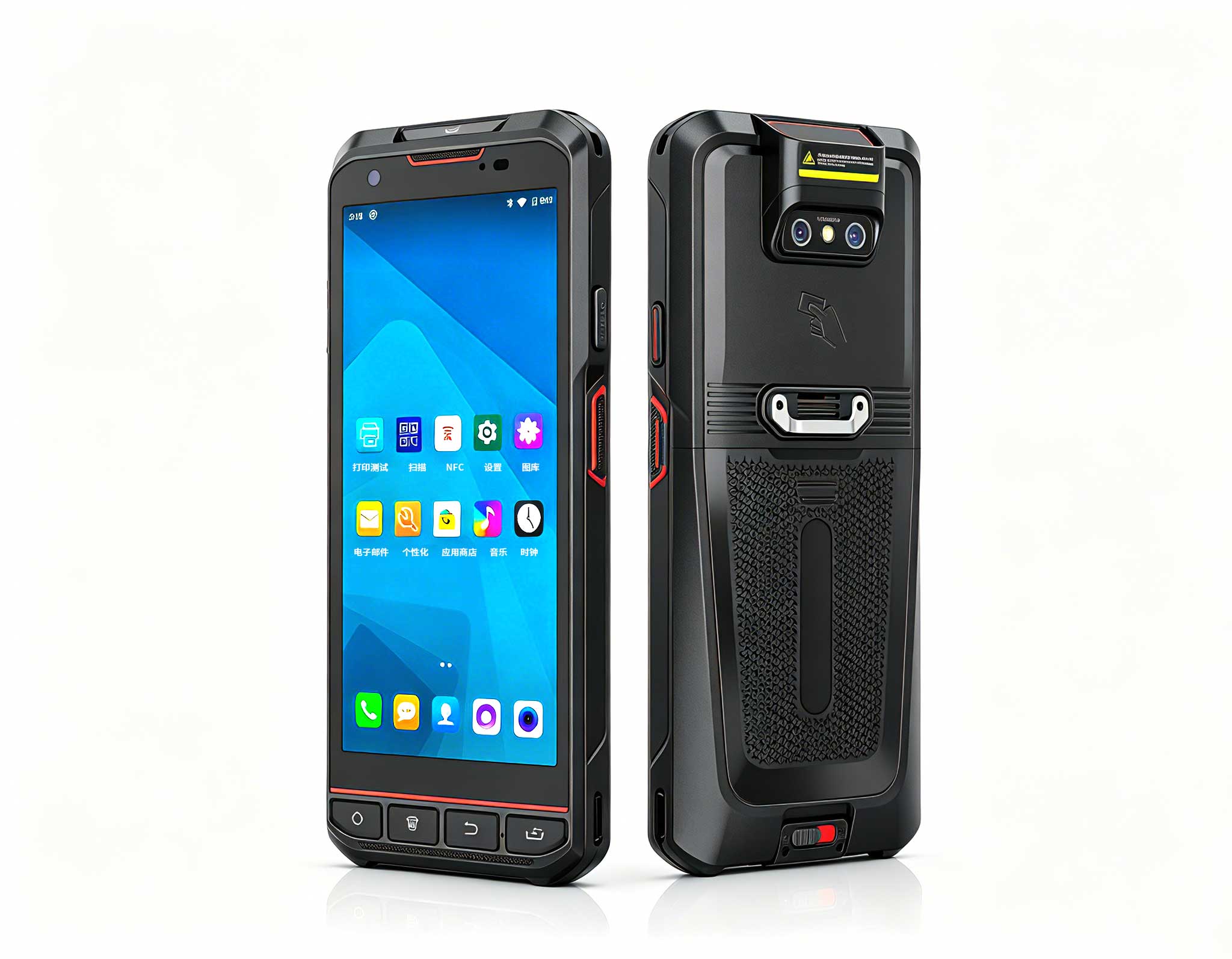
R366-S Thin 5.5-inch Industrial PDA | Qualcomm Oct...
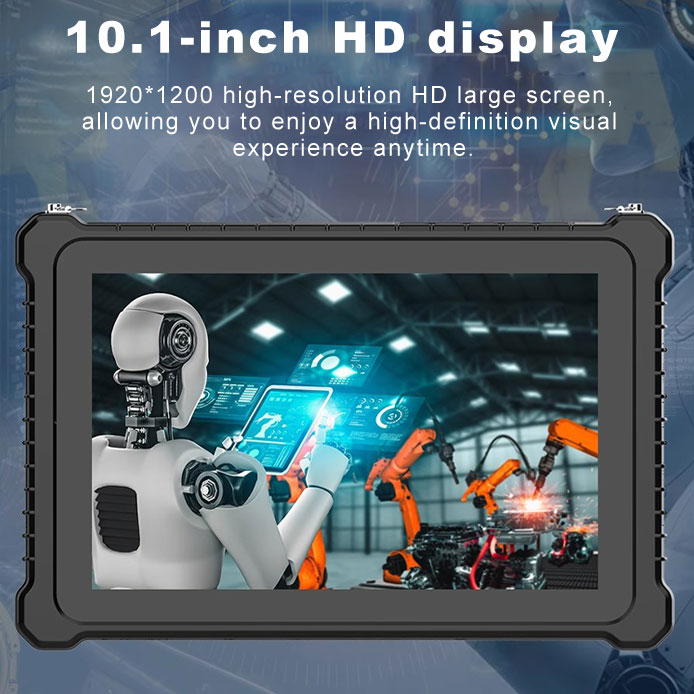
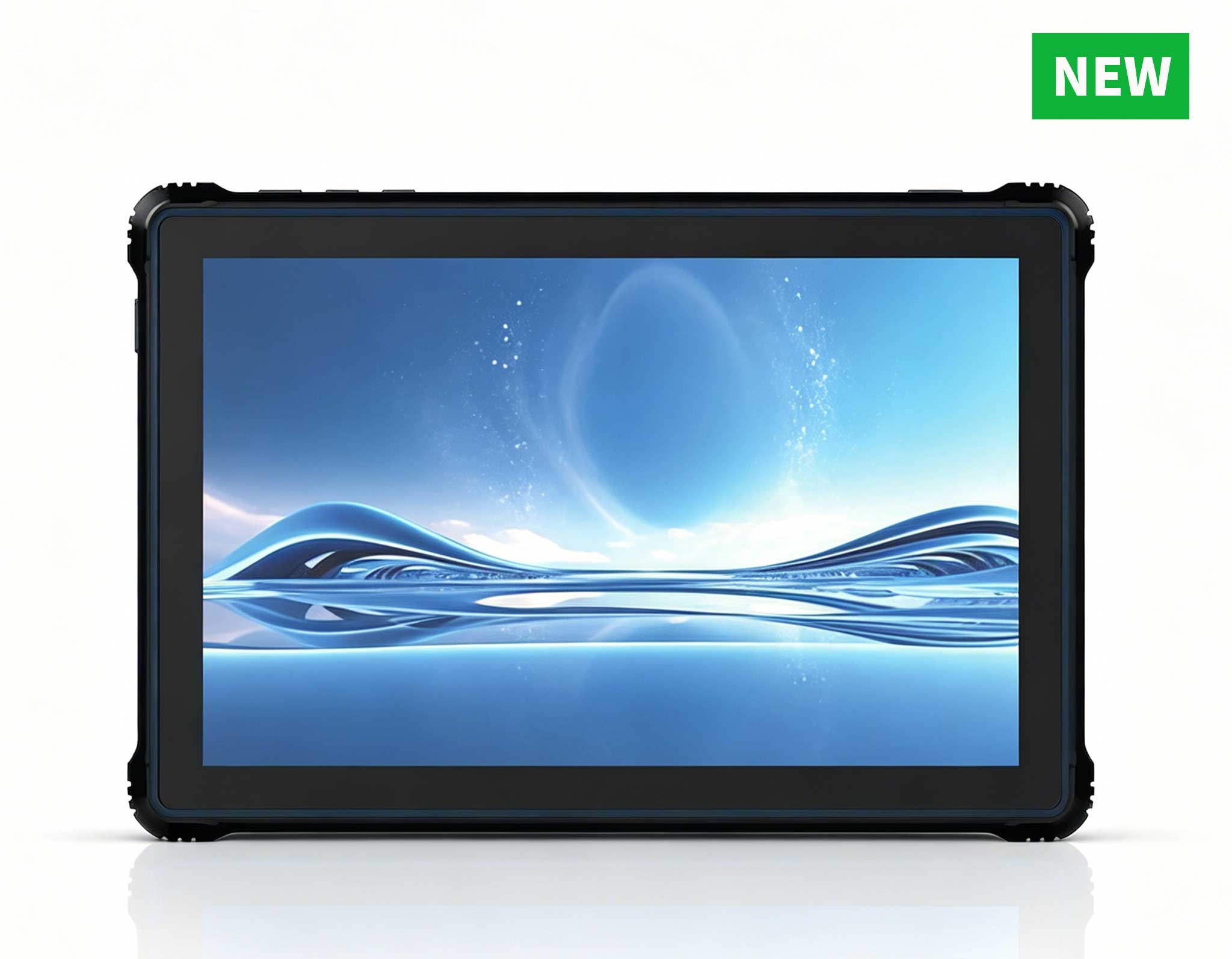
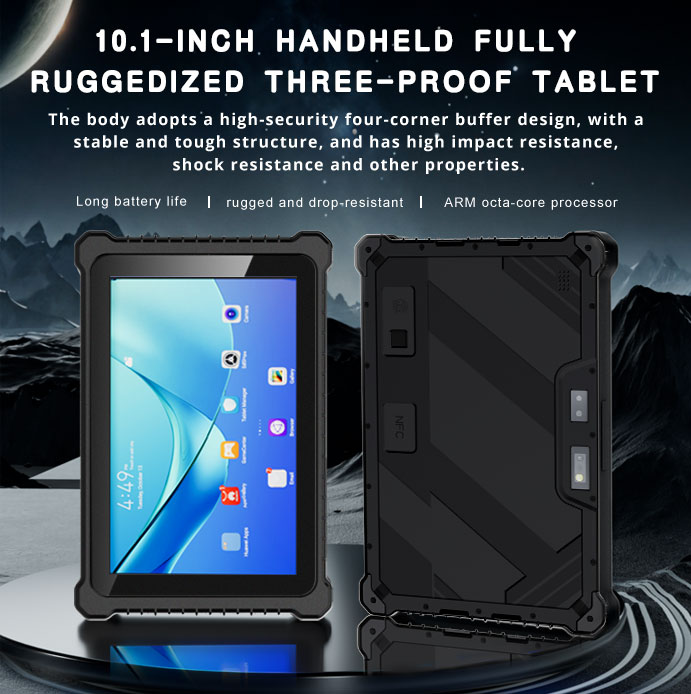
RT80 5G Rugged Tablet | 10.1" FHD 400nit | Un...
The X501 Handheld PDA combines advanced barcode sc...
After years of consulting with IT administrators across the healthcare sector, I've watched the same bottleneck surface again and again: the assumption that a single computing device can handle the full spectrum of a clinic's workflow. A patient check-in kiosk, a real-time diagnostic imaging station, and a back-office data server each have vastly different demands. Trying to force them onto one platform almost always leads to thermal throttling, data bottlenecks, or compliance risks. The smartest clinics I work with now adopt a two-tier architecture: a high-performance, fanless workstation at the point of care, and a compact, high-capacity NAS-enabled Mini PC for centralized data management. That's exactly where the Hotus HCAR5000 MI and the WTR PRO AMD come into play. For a deeper look at how these devices fit into a modern practice, I recommend exploring our dedicated medical workstation solutions.
The HCAR5000 MI is designed for one specific purpose: to sit quietly next to a patient bed or on a clinic cart and run critical applications without interruption. Its positioning is as a fanless medical-grade workstation. The core innovation here is thermal management. By using a full metal chassis as a passive heatsink, it dissipates heat silently—a non-negotiable feature in a sterile environment where fans would collect dust and spread pathogens.
Under the hood, the HCAR5000 MI is powered by an AMD Ryzen 5000H series processor, offering up to 8 cores and 16 threads. This level of performance is sufficient for running PACS viewers, EMR software, and even light 3D rendering for dental or orthopedic models. Its compact footprint—roughly the size of a hardcover book—allows it to be mounted behind a monitor or under a desk, freeing up valuable counter space. The best scenario for this device is a treatment room, an ICU bay, or a specialist consultation office where silence and reliability are paramount.
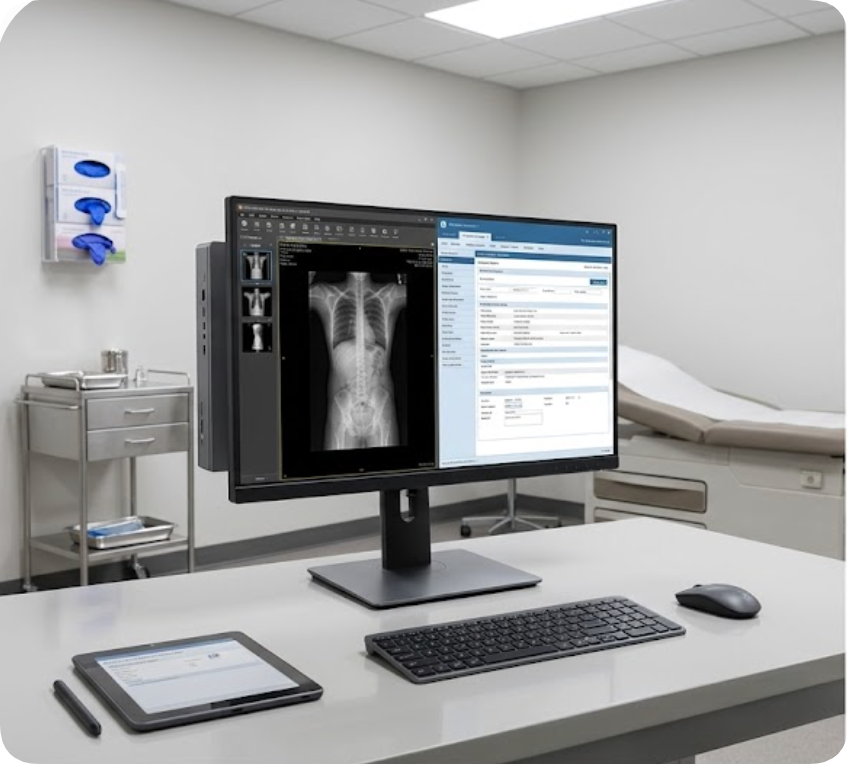
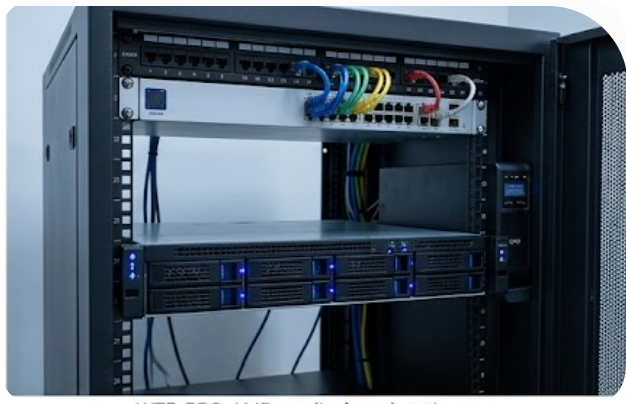
While the HCAR5000 MI handles front-line tasks, a clinic needs a robust back-end for storing patient records, managing backups, and hosting local applications. The WTR PRO AMD excels in this role. It is a 4-bay NAS Mini PC that combines a powerful AMD processor with enterprise-grade storage capabilities. This device is not just a file server; it is a complete private cloud solution that can run virtual machines for practice management software or act as a local PACS archive.
With support for up to 64GB of DDR4 RAM and four SATA III bays (compatible with 2.5” and 3.5” drives), the WTR PRO AMD can easily handle RAID configurations for data redundancy. Its dual 2.5GbE LAN ports ensure that multiple workstations can access imaging data simultaneously without lag. The ideal deployment scenario is a clinic server room or a locked IT closet, where it acts as the central hub for data backup, local email hosting, and remote access for telemedicine. It is the silent workhorse that keeps practice data safe and accessible.
| Feature | HCAR5000 MI | WTR PRO AMD |
|---|---|---|
| Primary Position | Fanless Point-of-Care Workstation | 4-Bay NAS / Server Mini PC |
| Processor | AMD Ryzen 5000H Series (Up to 8C/16T) | AMD Ryzen (High-Performance Mobile) |
| Cooling System | Passive / Fanless (Full Metal Chassis) | Active Fan (Optimized for 24/7 Load) |
| Storage Expansion | 1x M.2 NVMe + 1x 2.5” SATA | 4x 3.5”/2.5” SATA III + M.2 |
| Memory | Up to 64GB DDR4 | Up to 64GB DDR4 |
| Network | 1x 2.5GbE LAN | Dual 2.5GbE LAN |
| IP Rating / Durability | IP40 (Dust Protection, Fanless for Hygiene) | Standard (Designed for Server Room) |
| Best Clinical Scenario | Treatment Room, ICU, Dental Operatory | Back Office, Data Server, PACS Archive |
The decision isn’t about which product is “better,” but which role needs to be filled. If your primary pain point is noise, dust, and heat in a patient-facing area, the HCAR5000 MI is the obvious choice. It is built for the clinical environment where hygiene and silence are critical. It should be your go-to device for any workstation that will be used directly by doctors or nurses during patient consultations.
Conversely, if your clinic is struggling with data organization, backup speed, or wants to centralize access to patient files across multiple locations, the WTR PRO AMD is the solution. It is designed to be the central storage and compute node that your HCAR5000 MI workstations connect to. For clinics with more than three exam rooms, pairing one WTR PRO AMD in the server room with multiple HCAR5000 MI units at the bedside creates a powerful, secure, and efficient ecosystem. To see the full range of options available for this series, you can browse the HCAR5000 MI series for point-of-care needs.
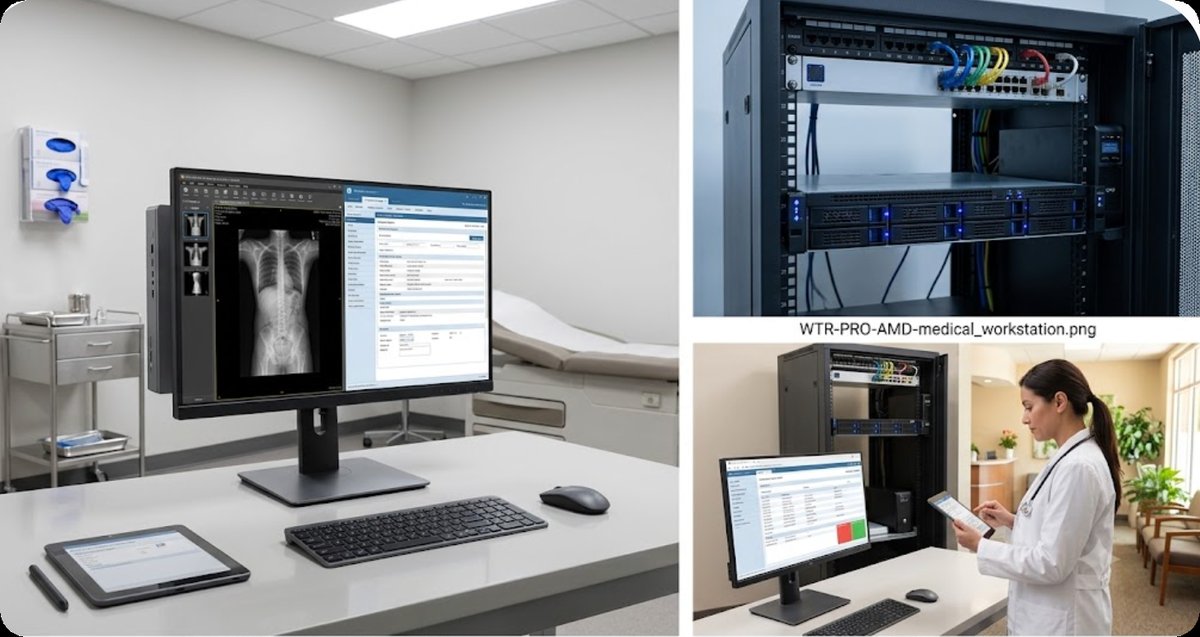
The evolution of the medical workstation is moving away from bulky, noisy towers and toward specialized, silent, and space-saving devices. By implementing a two-tier strategy with the HCAR5000 MI at the bedside and the WTR PRO AMD in the back office, you are not just buying hardware—you are investing in a workflow that reduces noise pollution, improves data security, and increases staff satisfaction. If you are planning your next clinic renovation or IT refresh, I encourage you to explore our mini PC solutions to find the perfect fit for your specific practice size and specialty. Contact our sales team today for a personalized consultation on your medical workstation deployment.
Disclaimer: The views and opinions expressed in this article are based on my field experience and do not necessarily reflect the official policy of Hotus. Always consult with a certified IT professional for your specific clinic setup.