- Select Language
Explore an innovative Personal Digital Assistant f...
RS50 5G Rugged Handheld Terminal | 6.3" FHD+ ...
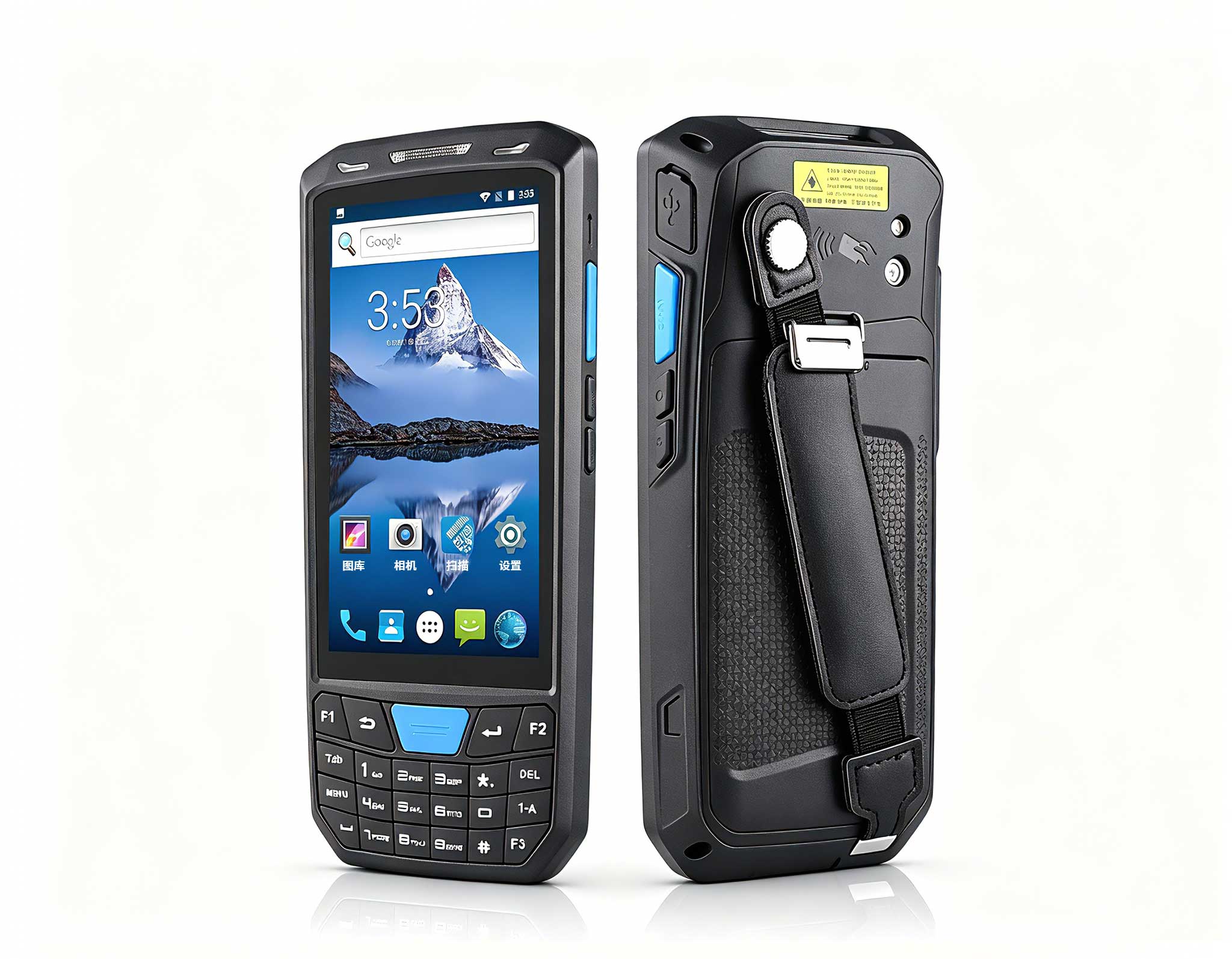
The F505 Handheld PDA is a compact, high-performan...
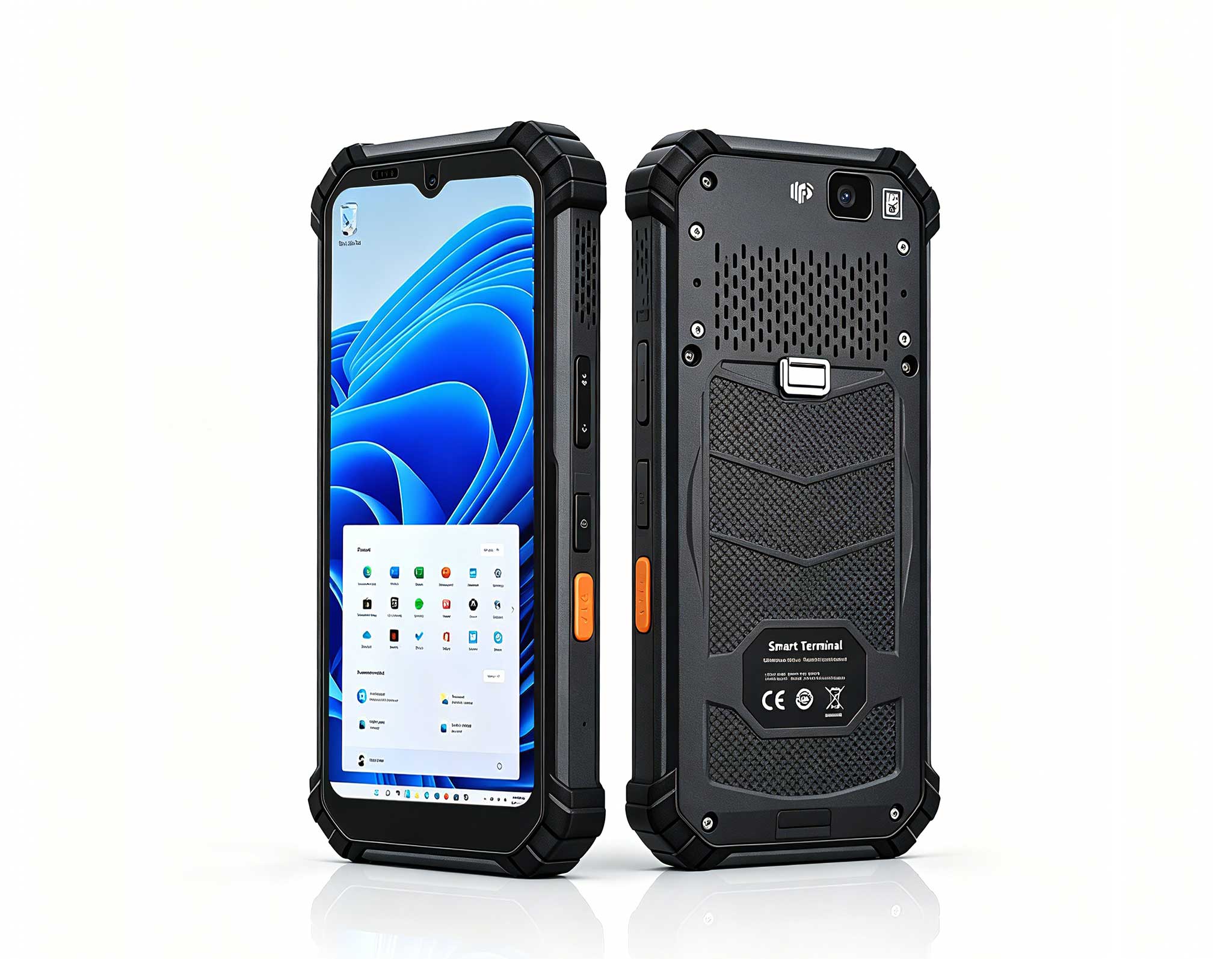
The T80 handheld PDA combines advanced barcode sca...
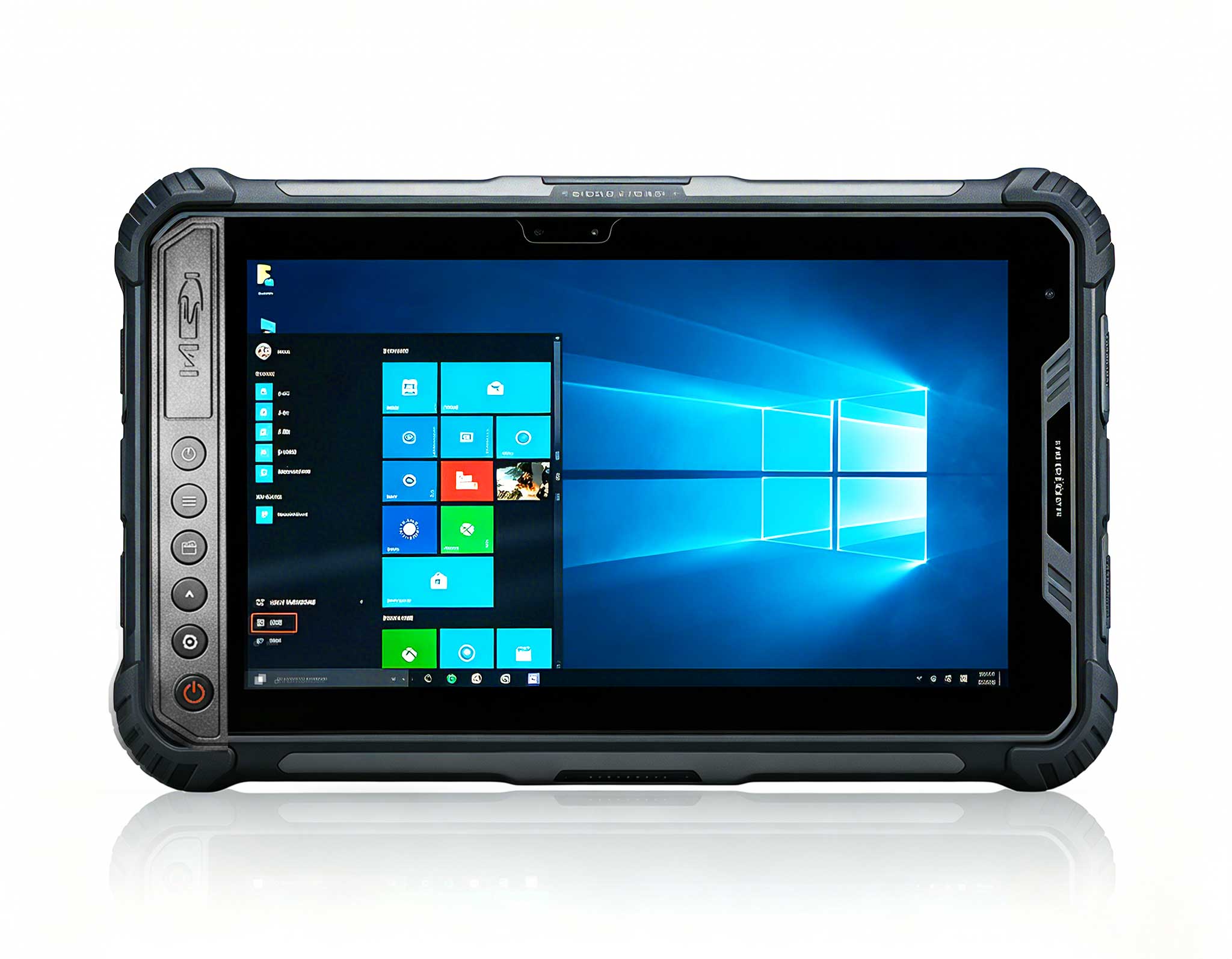
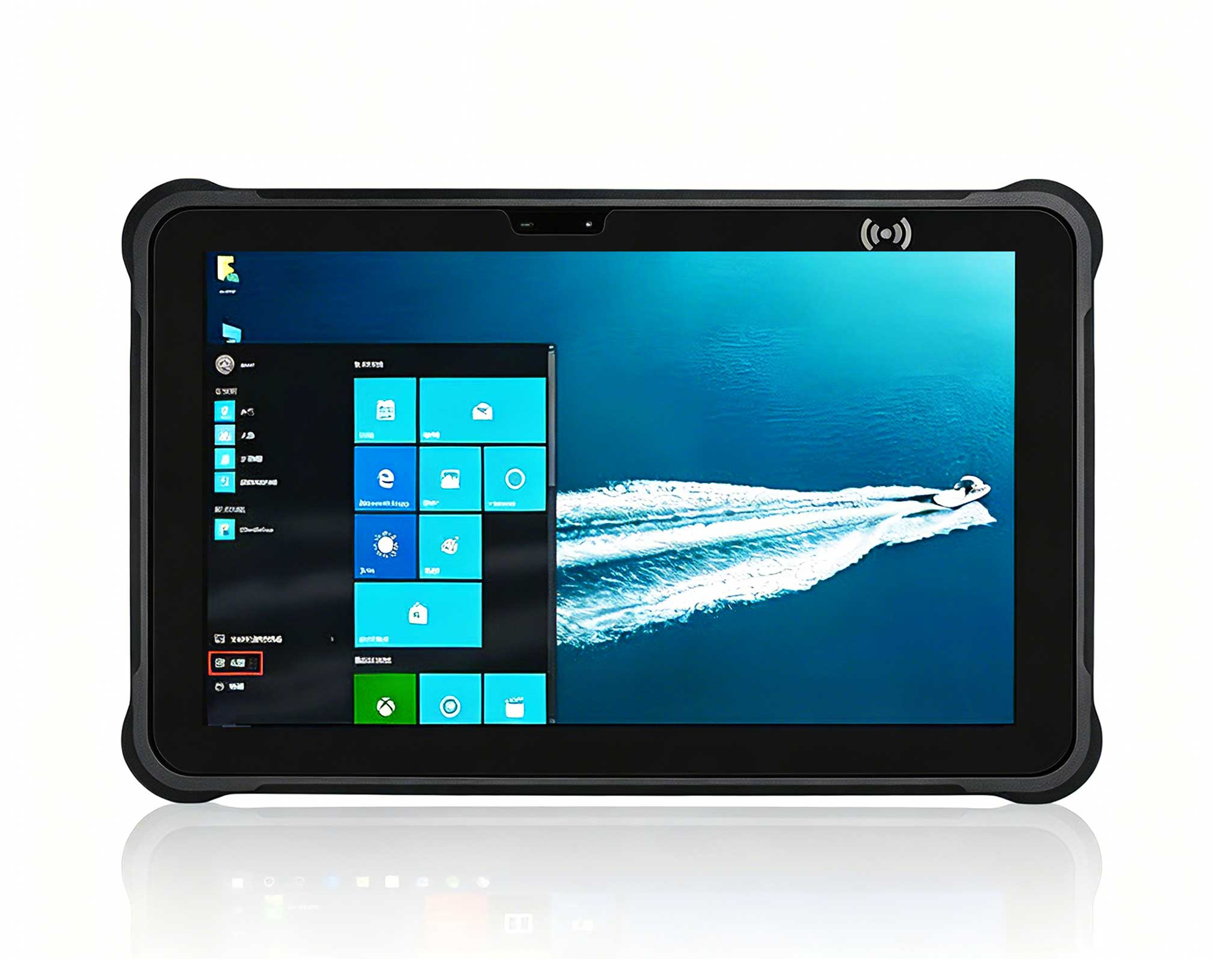
Full SpecificationsModelHotus ST11‑JOSWindows 10 P...
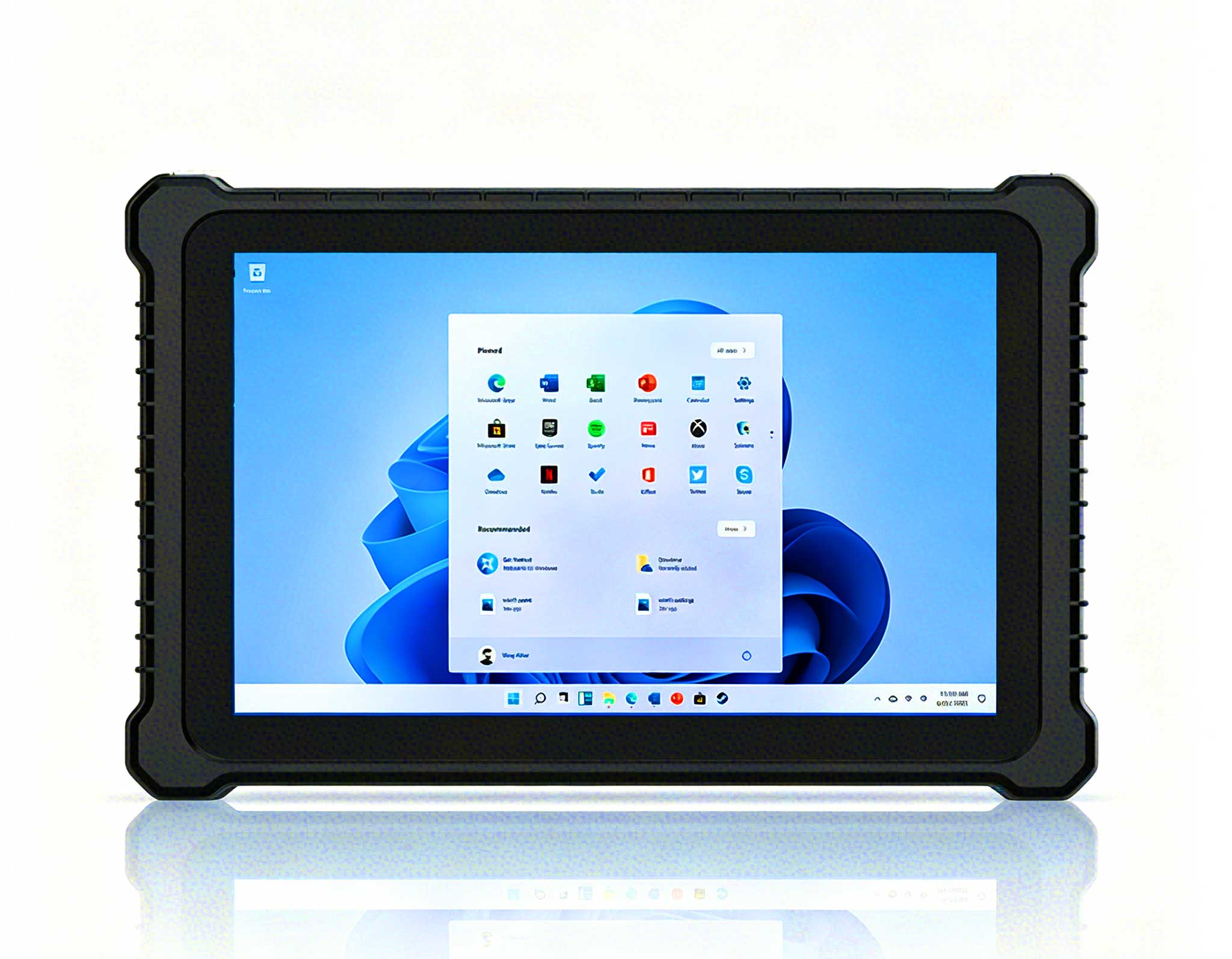
Full SpecificationsModelHotus ST9‑MOSWindows 10/11...
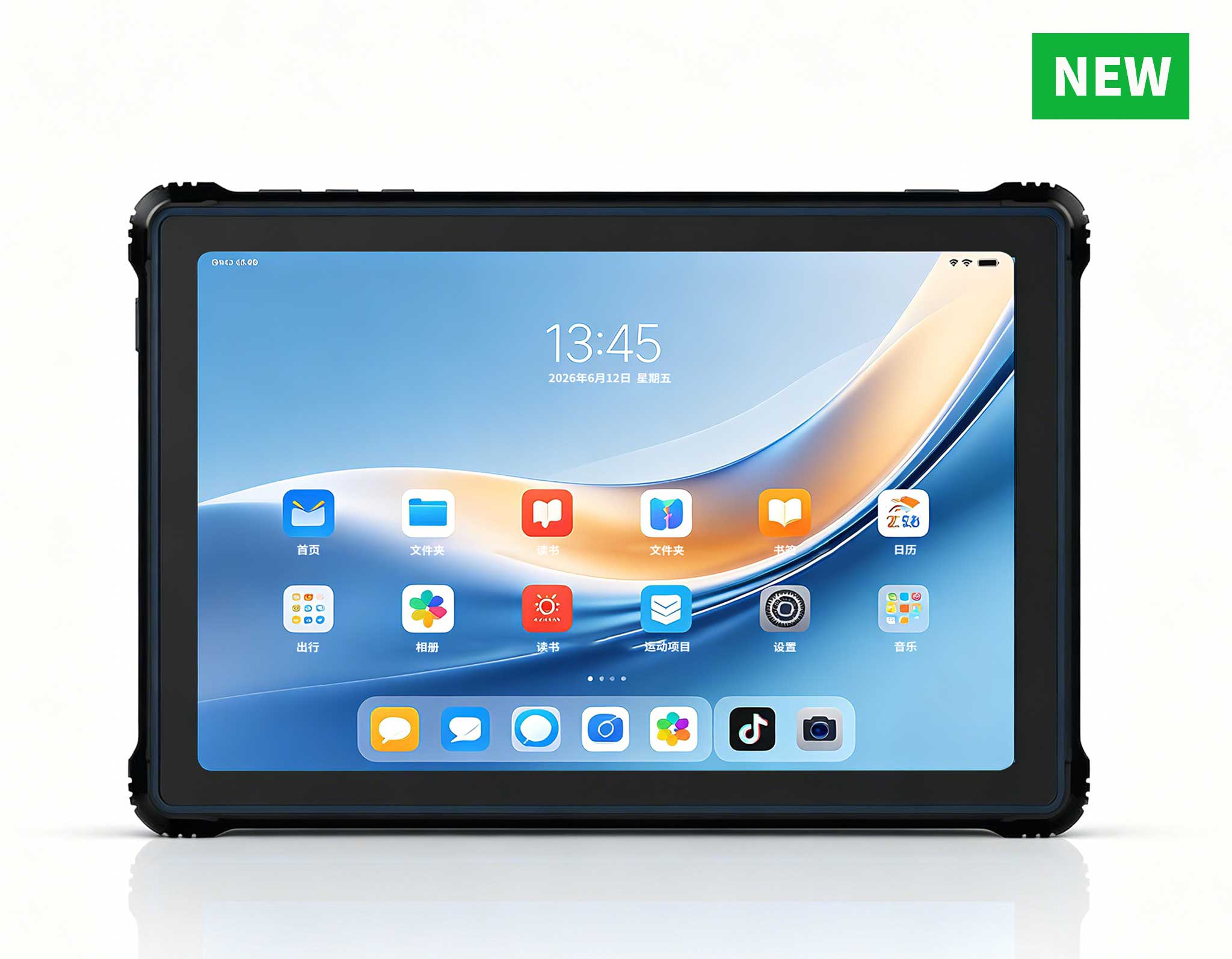
RT81 4G Rugged Tablet | 10.1" FHD 400nit | Qu...
The industrial maintenance landscape is undergoing a quiet revolution. While the push toward Industry 4.0 and the growing skills gap have made AR Smart Glasses a critical tool for remote assistance, a new layer of complexity has emerged—regulatory mandates that are recalibrating how enterprises evaluate and deploy these devices. For organizations considering solutions like the Industrial AR Smart Glasses from Hotus, the conversation has shifted from "Can this help us work faster?" to "Does this meet the latest compliance requirements?" This is not just a bureaucratic hurdle; it is a strategic filter that separates viable investments from potential liabilities. If your team already relies on a Rugged Tablet for field operations, you understand the importance of hardware built for specific environments. AR Smart Glasses demand the same rigor—and then some.
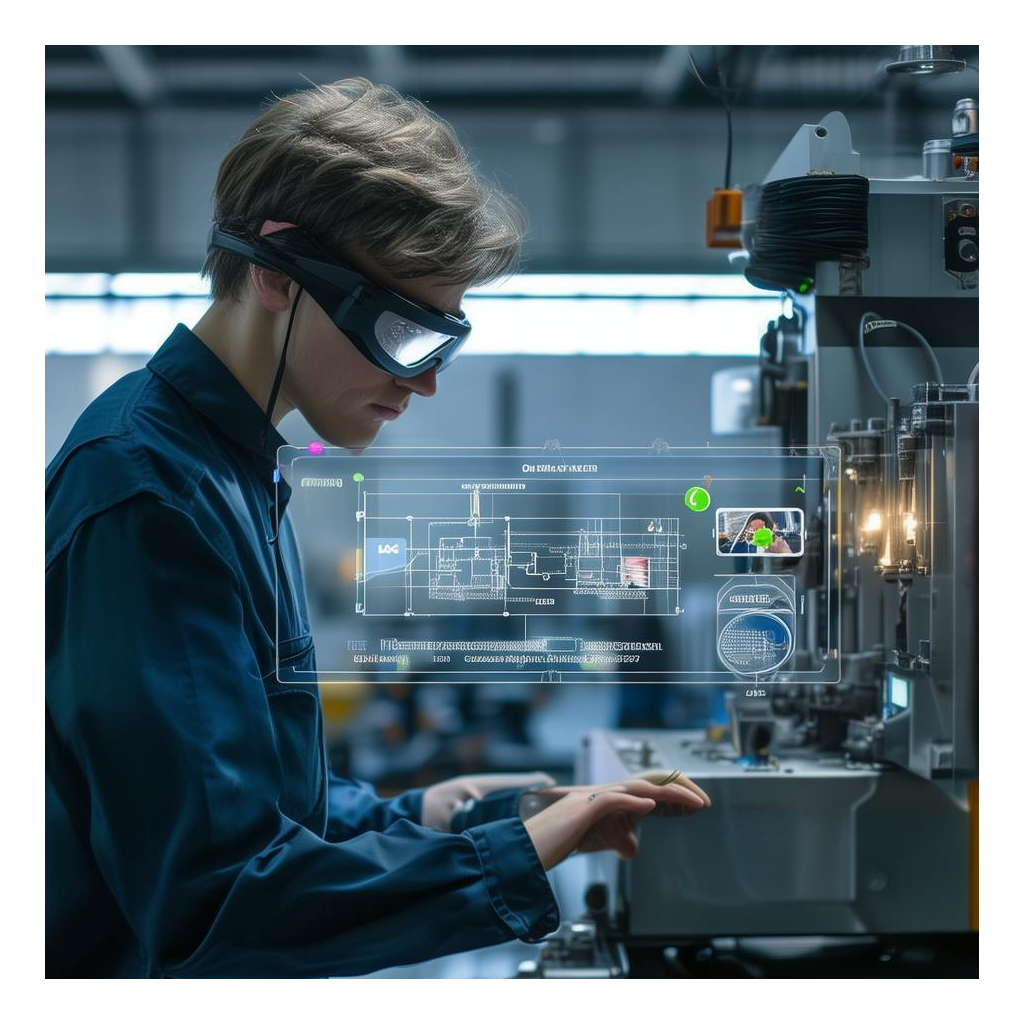
In the past 18 months, three key regulatory updates have fundamentally altered the criteria for choosing AR Smart Glasses in industrial settings. These are not mere suggestions—they are enforceable standards that directly impact device performance, security, and operational safety. Understanding them is now a prerequisite for any procurement decision.
For enterprise buyers, these regulatory shifts translate into a new evaluation framework. Instead of focusing solely on ergonomics or battery life, procurement teams must now audit devices against these standards. This means requesting compliance certificates, testing contrast ratios under real-world conditions, and verifying encryption protocols. One common mistake is assuming that a product's software can be patched later to meet security requirements; the new standards demand hardware-level compliance from day one.
Another overlooked factor is the cost of non-compliance. Beyond fines, failing to meet these standards can lead to safety incidents, data breaches, and operational downtime. A factory that deploys AR Smart Glasses without proper security logging might find its remote assistance sessions compromised, exposing proprietary maintenance procedures. Similarly, a field service team using glasses with inadequate contrast ratios could misread critical instructions, leading to equipment damage or injury.

The analogy to Rugged Tablets is instructive. Just as a consumer-grade tablet cannot survive a drop from a forklift or exposure to dust and moisture, a consumer-grade AR headset cannot meet the optical, security, and durability standards now required for industrial remote assistance. The Industrial AR Smart Glasses from Hotus are designed from the ground up with these compliance requirements in mind—not as an afterthought. Their waveguide optics deliver consistent visibility under challenging lighting, while embedded hardware security modules ensure data integrity and session accountability.

In the end, the new regulatory landscape is not a barrier to adoption but a catalyst for smarter choices. By aligning device selection with these standards, enterprises can deploy AR Smart Glasses that are not only effective but also safe, secure, and future-proof. For teams already familiar with the reliability of purpose-built hardware like Rugged Tablets, this is a natural next step—one that ensures compliance doesn't come at the cost of performance.