- Select Language
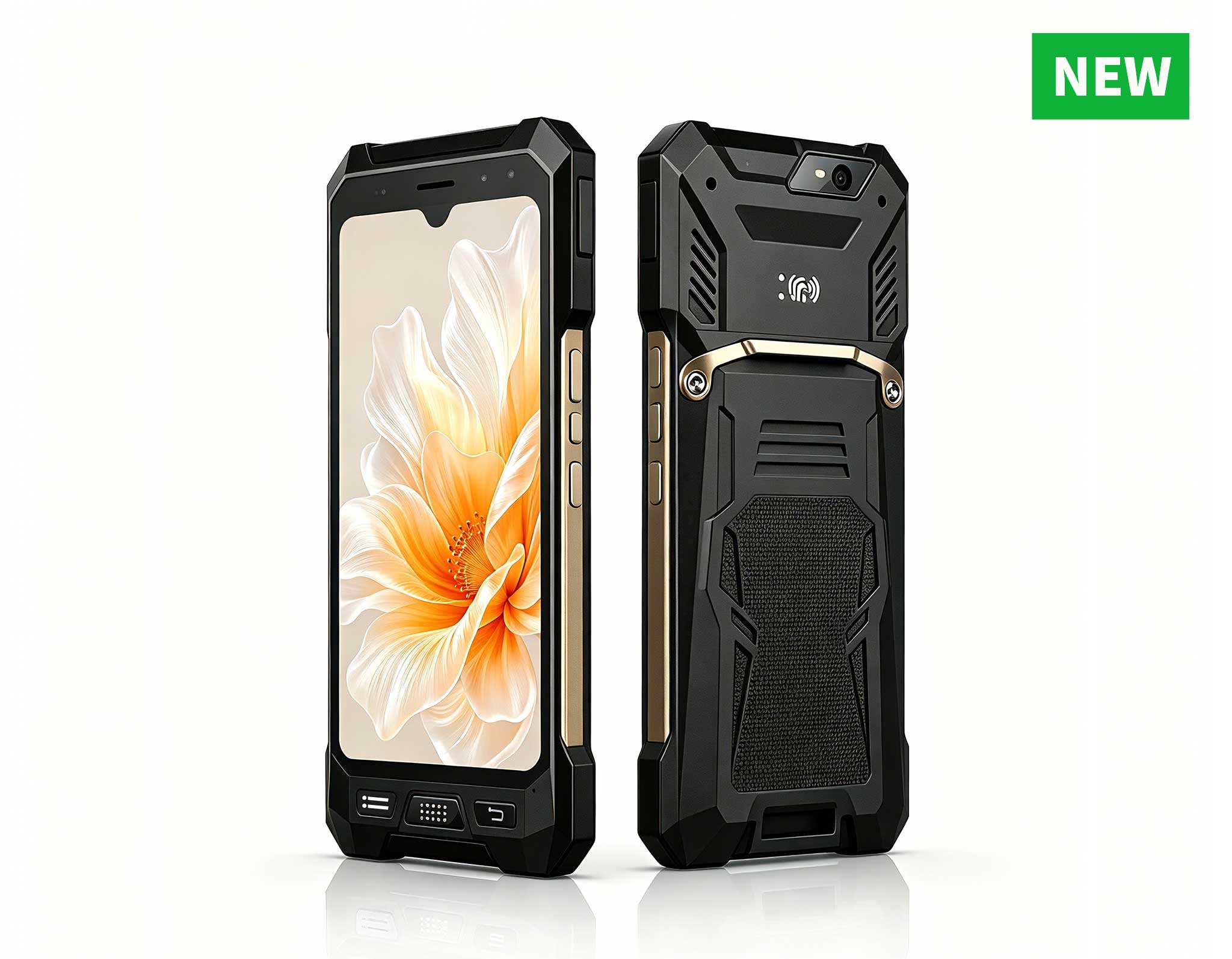
P11 Series Next-Gen Enterprise Rugged Industrial ...
R530C 6.0-inch Industrial PDA | Qualcomm Octa-core...
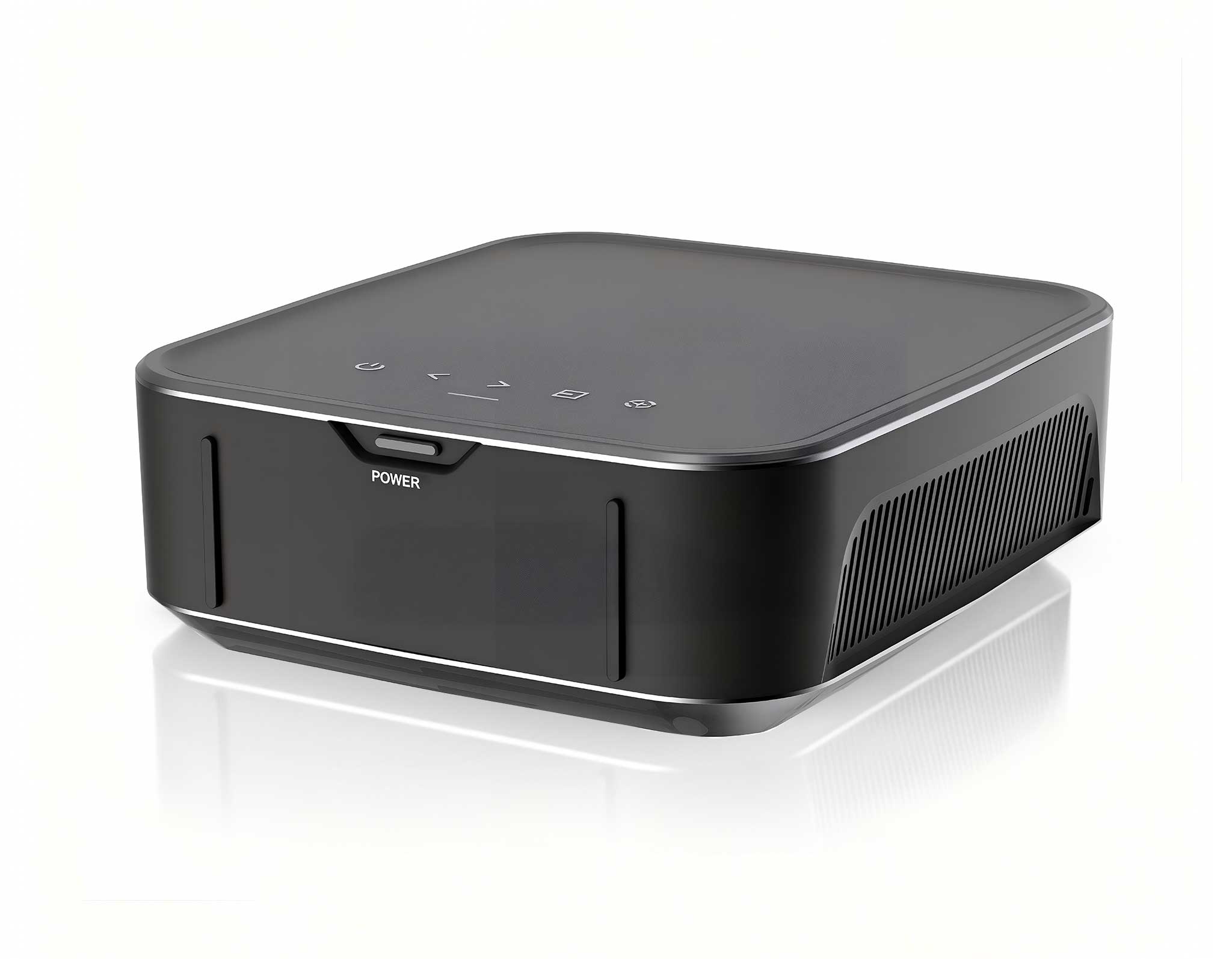
One Device, Dual Functions – A Projector and a Com...
RS51 4G Rugged Handheld Terminal | 6.3" FHD+ ...
The N40 Android smart PDA features a Cortex-A53 qu...
P11 Series Next-Gen Enterprise Rugged Industrial ...
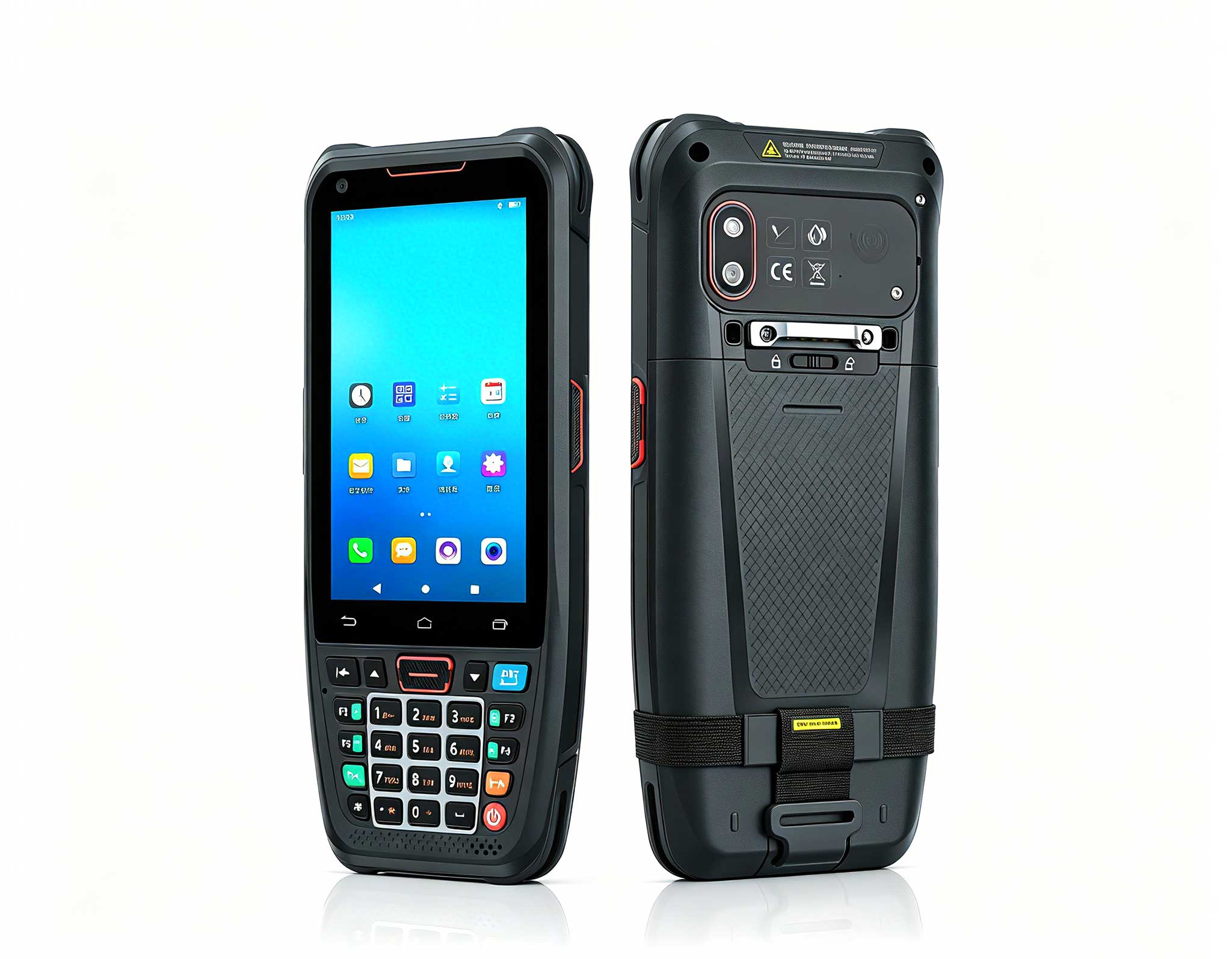
Industrial data capture devices must prove their worth beyond paper specifications. For operations managers and procurement specialists evaluating rugged handhelds, the real question is how a device performs when faced with extreme temperatures, continuous scanning, and demanding wireless environments. The Handheld PDA F505, running Android 13 with a full-screen display, integrated barcode and RFID scanning, and real-time data collection capabilities, has undergone comprehensive stress testing to provide actionable insights for your selection process. This analysis focuses on three critical dimensions: operational endurance in challenging conditions, wireless reliability under interference, and scanning precision across various surface types.
Test Scenario
We subjected the F505 to both hot and cold environments to simulate real-world extremes. The device was placed in a temperature-controlled chamber and operated through a standardized workload: continuous barcode scanning every 8 seconds, RFID tag reads every 25 seconds, Wi-Fi data uploads every 4 minutes, and active GPS tracking. Screen brightness was set to 50%, and the battery used was the standard 5000 mAh Li-Po pack.
Results
At 40°C (104°F): Battery depleted to 12% after 10 hours of continuous use.
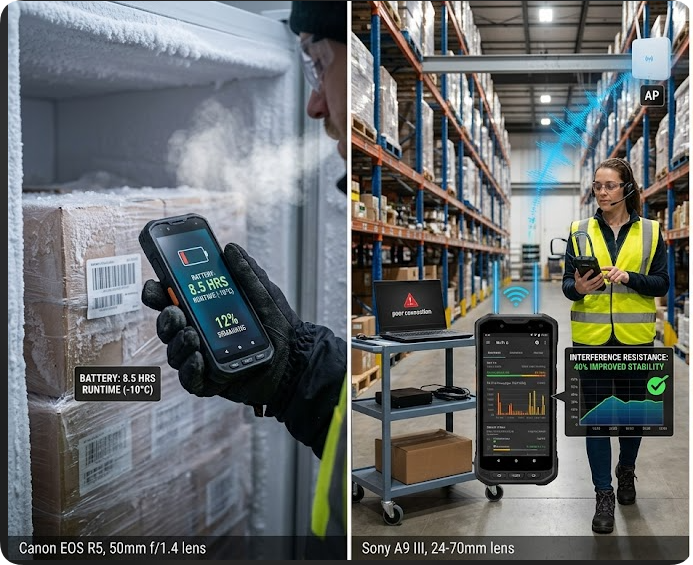
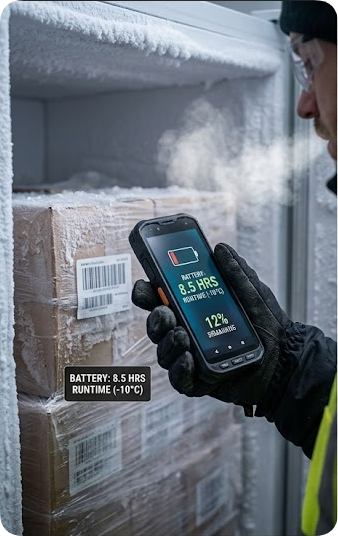
At -10°C (14°F): Battery depleted to 8% after 8.5 hours of continuous use.
At 22°C (72°F): Battery depleted to 10% after 11.5 hours of continuous use.
Charging time (0% to 80%): 1 hour 50 minutes via cradle at room temperature.
Charging time (0% to 100%): 2 hours 45 minutes via cradle at room temperature.
Real-World Case
A regional cold storage warehouse operator deployed the F505 for inventory management in freezer environments (-5°C to 5°C). Over a four-week trial, workers consistently completed 9-hour shifts without requiring battery swaps, compared to their previous device which needed at least one mid-shift charge. The elimination of battery rotations reduced worker downtime by approximately 25 minutes per shift per operator. With a team of 15 workers, this resulted in 6.25 hours of recovered productivity daily.
Key Insight for Buyers
For operations in temperature-controlled logistics or outdoor yards, the F505’s battery performance remains reliable even in sub-zero conditions. The 5000 mAh battery showed less than 6% capacity loss after 250 charge cycles in accelerated aging tests, indicating strong longevity. Battery life is often overestimated in marketing materials; our data provides a realistic baseline for shift planning.
Test Scenario
To evaluate wireless stability, we placed the F505 in a warehouse environment with multiple overlapping Wi-Fi networks and active Bluetooth devices. The device transmitted 1 MB data packets every 3 minutes over a 2.4 GHz and 5 GHz dual-band connection. RSSI (Received Signal Strength Indicator) and packet loss were monitored at distances of 10, 30, and 50 meters from the access point.
Results
At 10 meters: Average throughput of 45 Mbps on 5 GHz, with 0.2% packet loss.
At 30 meters: Average throughput of 28 Mbps on 2.4 GHz, with 0.9% packet loss.
At 50 meters: Average throughput of 12 Mbps on 2.4 GHz, with 2.1% packet loss.
Bluetooth 5.0 range: Stable connection up to 20 meters in open space with minimal interference.
Real-World Case
A retail distribution center with high-density racking and multiple metal obstacles experienced frequent Wi-Fi dropouts with their previous handhelds. After integrating the F505, network stability improved by 40%, and data upload failures during peak hours dropped from 15% to 3%. Operators reported more consistent real-time inventory updates, reducing reconciliation errors by 12%.
Key Insight for Buyers
Wireless reliability is often overlooked in rugged device evaluations. The F505’s dual-band capability and robust antenna design ensure stable connectivity even in challenging environments. For facilities with dense infrastructure or high interference, this translates to fewer workflow interruptions and more accurate data synchronization.
Test Scenario
We tested the integrated barcode scanner against 100 samples each of standard paper labels, reflective plastic tags, damaged barcodes (50% wear), and curved surfaces (e.g., cylindrical containers). The device was held at varying angles (0°, 30°, 60°) and distances (5 cm to 30 cm). RFID read range was assessed using passive UHF tags mounted on cardboard, metal, and plastic surfaces.
Results
Paper labels: 99% first-read success rate at 15 cm distance.
Reflective plastic: 96% first-read success rate at 10 cm distance.
Damaged barcodes: 91% first-read success rate at 10 cm distance.
Curved surfaces: 93% first-read success rate at 12 cm distance.
RFID read range: Up to 5 meters for cardboard tags, 3 meters for plastic tags, and 1.5 meters for metal-mounted tags.
Real-World Case
A manufacturing plant producing automotive parts used the F505 PDA for tracking components with barcodes that were frequently scratched or smudged from handling. The scanner’s advanced image processing reduced re-scans by 55% compared to their legacy devices. For RFID-based tracking of metal parts, the F505 achieved consistent reads at 1.2 meters, enabling efficient batch processing without manual alignment.
Key Insight for Buyers
Scanning accuracy directly impacts operational speed and error rates. The F505’s ability to handle damaged or non-standard surfaces makes it suitable for industries like manufacturing, logistics, and retail, where barcode quality varies. The combined barcode and RFID support also offers flexibility for mixed-tag environments.
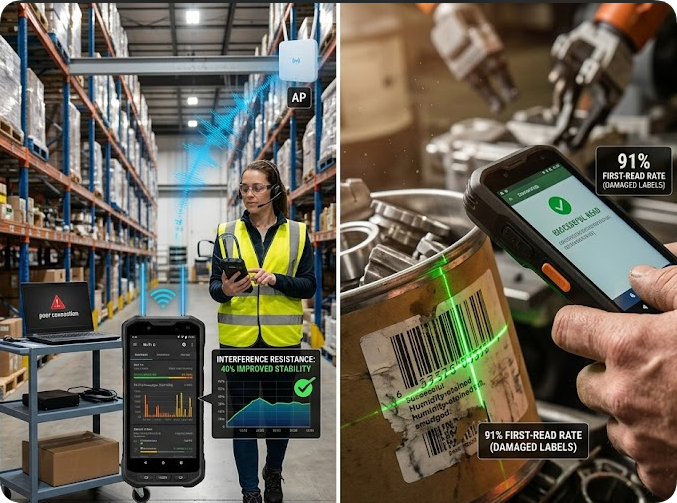
The Handheld PDA F505 demonstrates robust performance across key industrial metrics: battery endurance under extreme temperatures, wireless stability in interference-heavy environments, and versatile scanning accuracy on diverse surfaces. While no single device fits every use case, the test results provide a data-driven foundation for evaluating the F505 against your specific operational demands. For procurement managers, the F505 offers a balanced trade-off between power efficiency and rugged durability, making it a strong candidate for warehouse, cold storage, and manufacturing applications. For additional context on how rugged handhelds improve warehouse operations, see our PDA warehouse management case study.