- Select Language
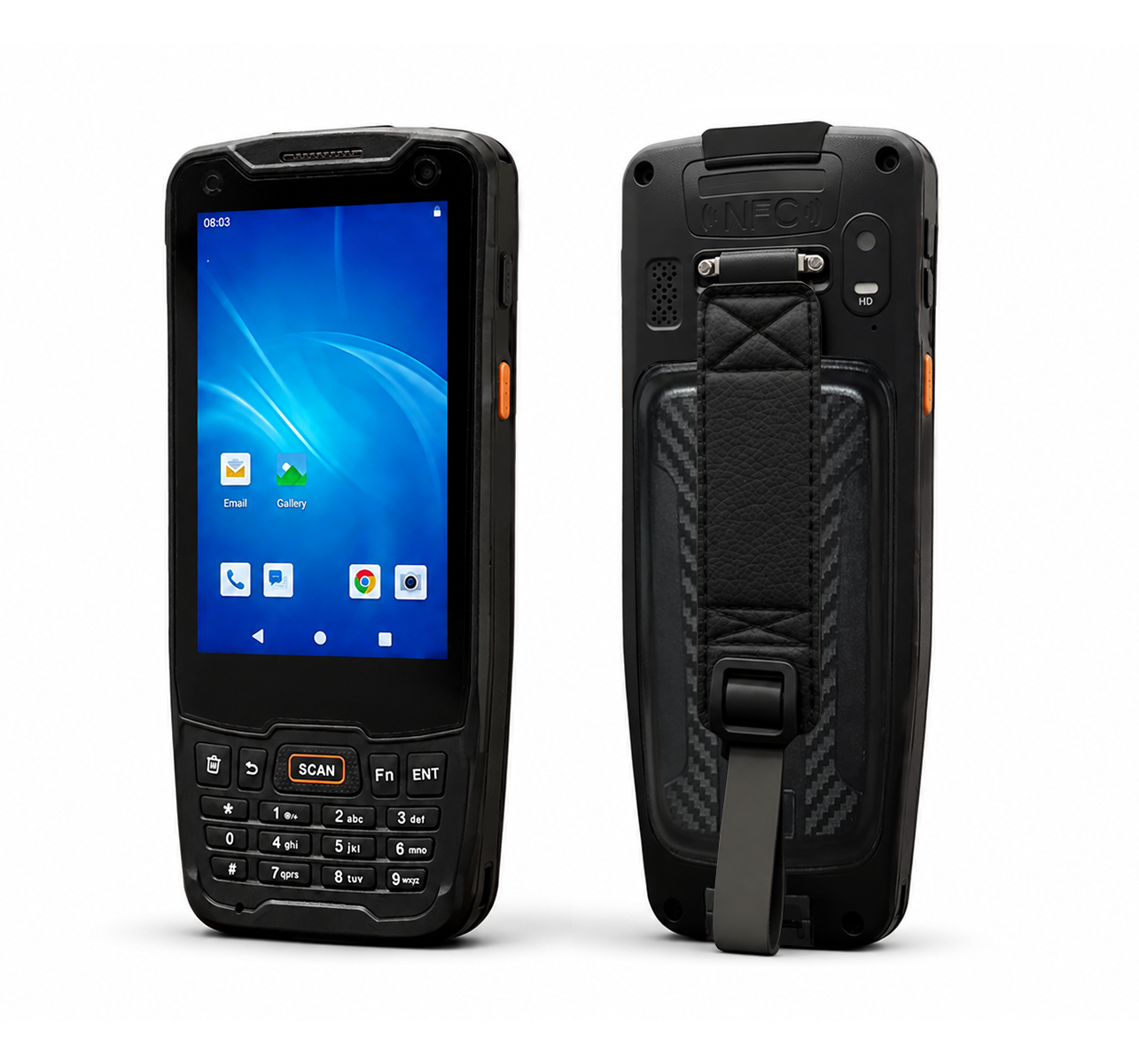
R350C 4-inch Industrial Handheld PDA | Qualcom...
Explore an innovative Personal Digital Assistant f...
R860-S 5.5-inch Industrial PDA with Thermal Printe...
Technical SpecificationsModel: Palm-sized miniPCTy...
Full SpecificationsModelHotus ST13‑UOSWindows 10 P...
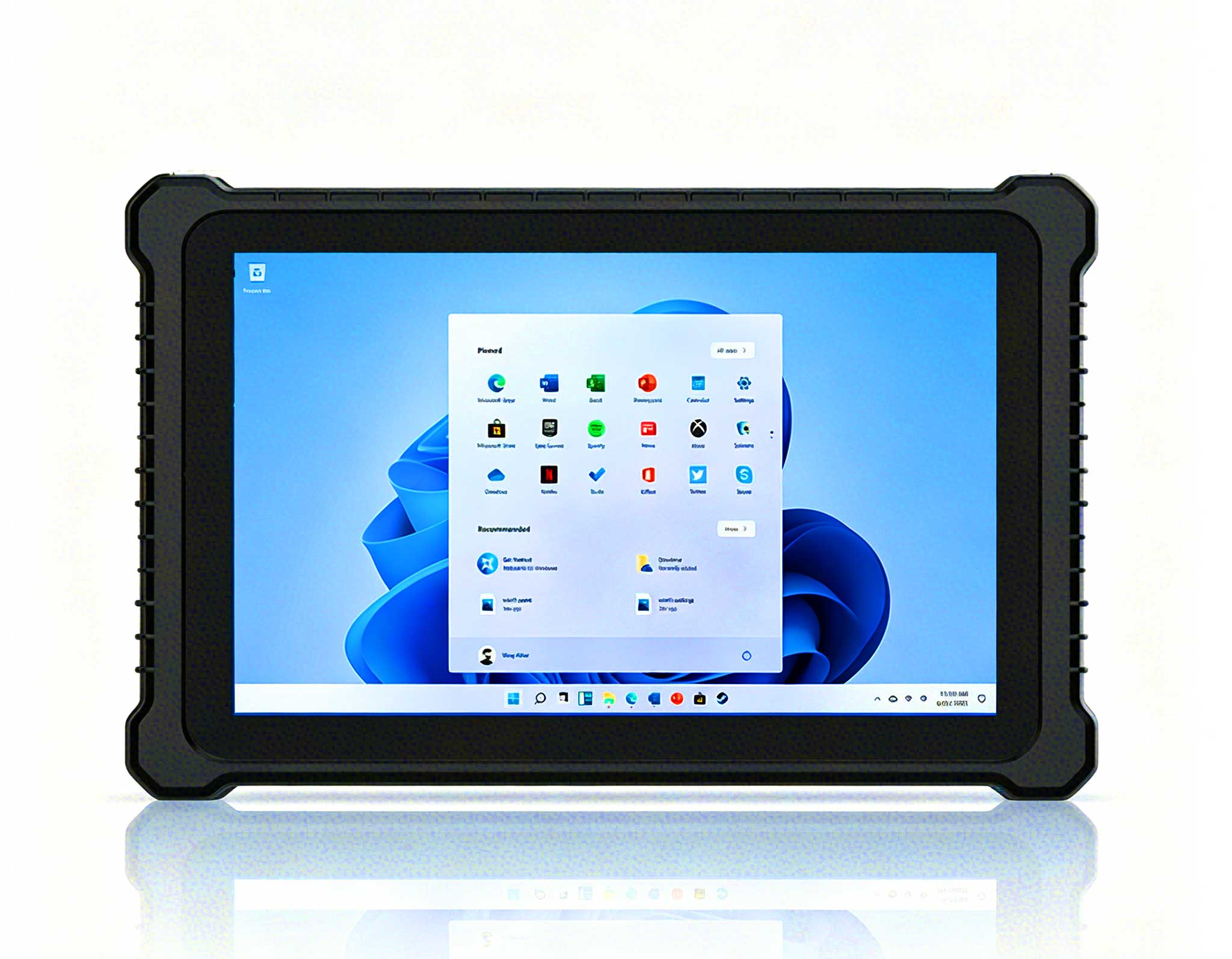
RT81 4G Rugged Tablet | 10.1" FHD 400nit | Qu...
Enterprise Flagship SeriesEngineered for mission-c...
RT80 5G Rugged Tablet | 10.1" FHD 400nit | Un...
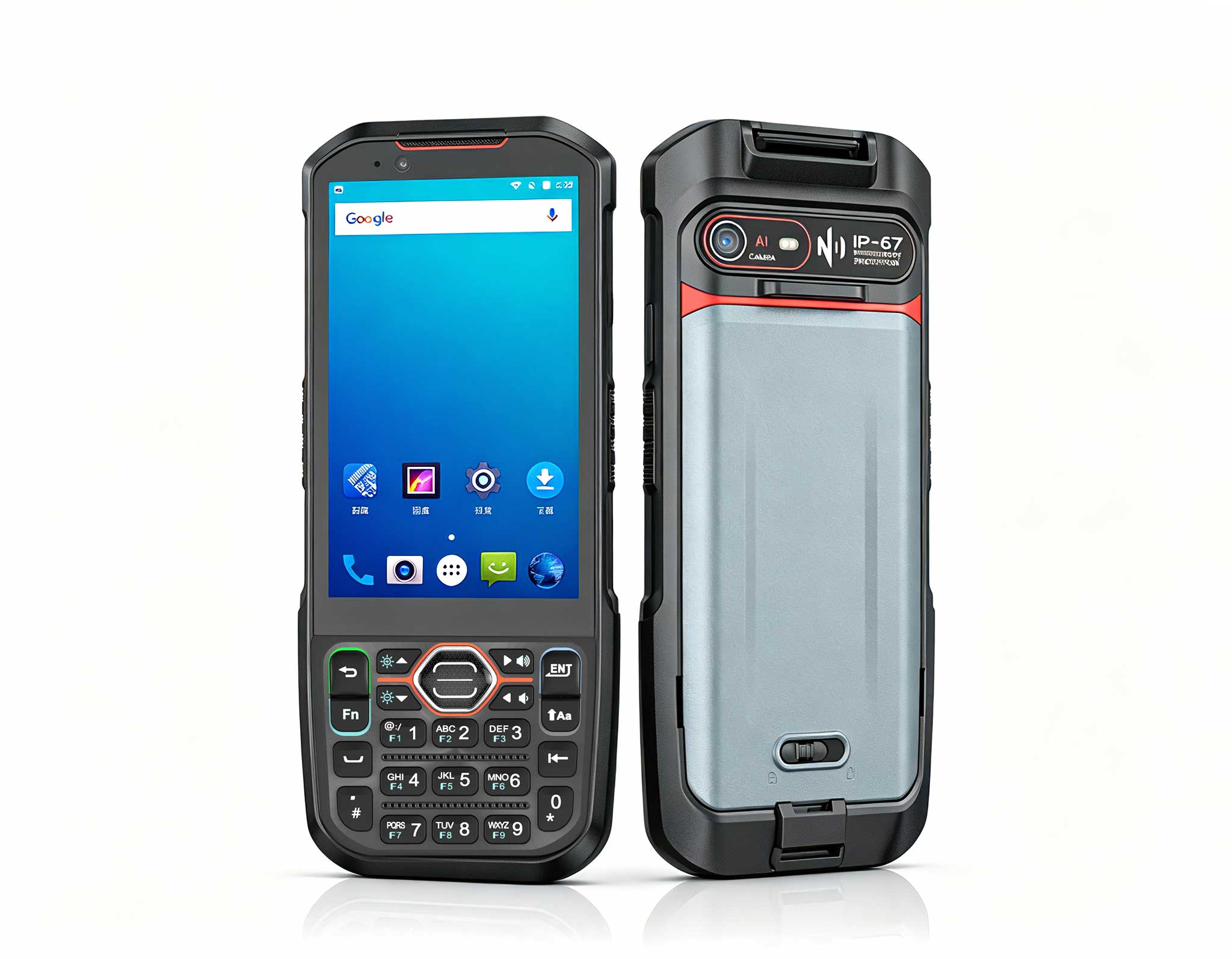
R366-S Thin 5.5-inch Industrial PDA | Qualcomm Oct...
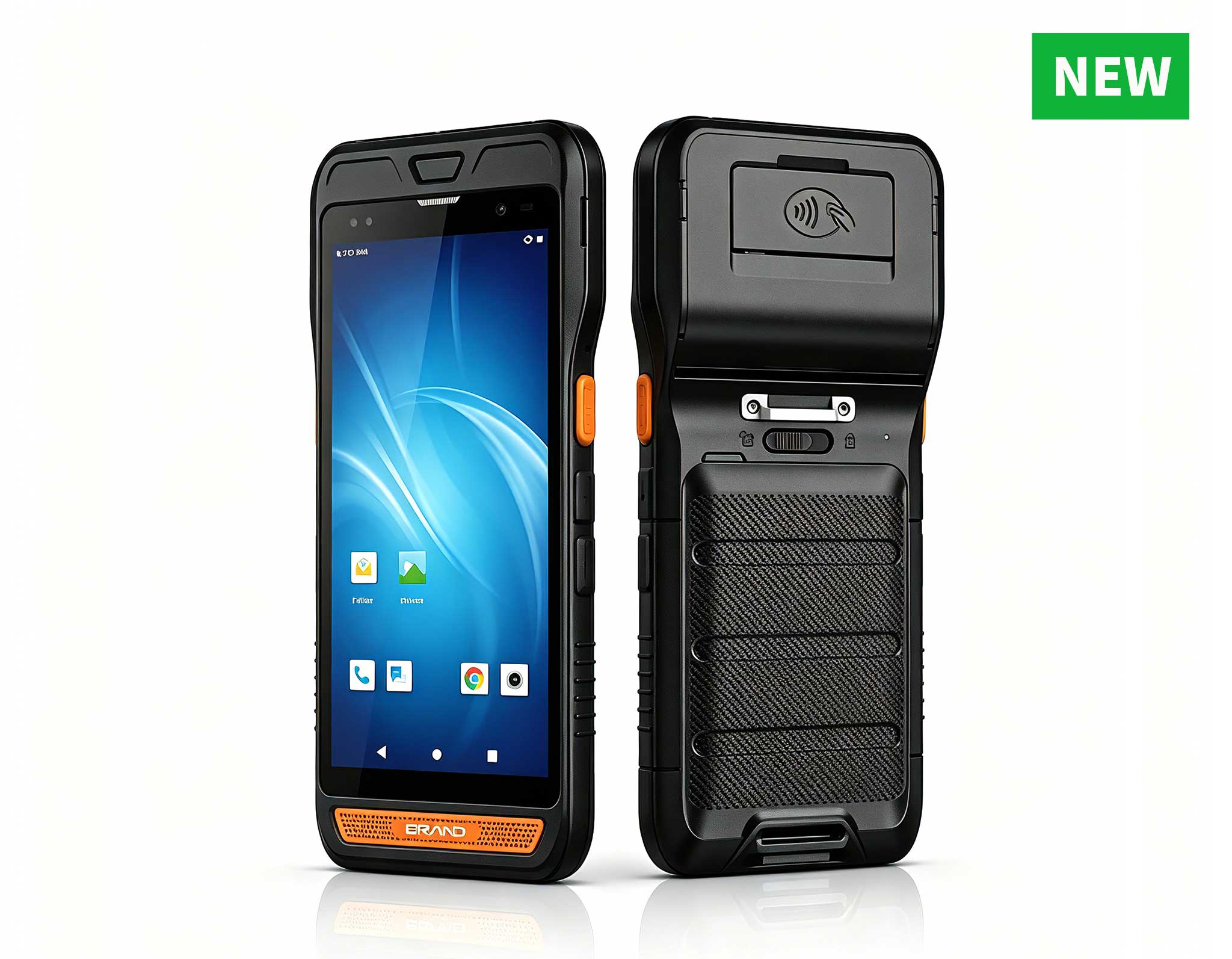
Retail operations are no longer just about ringing up sales or counting stock. In today's landscape, the technology that powers these tasks must also navigate a growing web of regulatory mandates, data security standards, and cross-border privacy laws. The T80 Handheld PDA—a rugged, barcode-scanning and RFID-enabled industrial terminal—has become a focal point for retailers seeking to align their point-of-sale (POS) and inventory workflows with these evolving requirements. While a rugged handheld PDA from a trusted manufacturer like Hotus can serve as a complementary tool for field operations, the T80 specifically addresses the compliance challenges that now define retail hardware choices. This article explores how policy trends are reshaping device selection, deployment, and long-term ROI, offering a fresh perspective on why the T80 is more than just a scanner—it's a compliance asset.
Retailers today face a convergence of regulatory pressures that directly impact their technology infrastructure. Unlike previous years, where hardware decisions were driven primarily by cost and performance, the current environment demands a policy-first approach. The T80 Handheld PDA, with its modern Android OS and enterprise-grade security features, is designed to meet these challenges head-on. Let's break down the key policy drivers that are influencing device selection in retail.
The Payment Card Industry Data Security Standard (PCI DSS) 4.0, which becomes fully effective by March 2025, is a game-changer for retail POS hardware. It requires that all payment acceptance devices run on supported operating systems that receive timely security patches. Many legacy handheld terminals, still running Android 8 or 9, are now reaching end-of-life, leaving retailers exposed to compliance risks and potential fines. The T80, powered by a modern Android OS with extended security patch support, provides a clear path to compliance. For instance, a regional grocery chain in the Southeast recently replaced its older F502 units with the T80 to meet its acquiring bank's updated PCI requirements for PIN entry on handheld devices. The transition not only satisfied auditors but also reduced their annual audit remediation findings by 40%, demonstrating a tangible ROI from compliance-driven hardware upgrades.
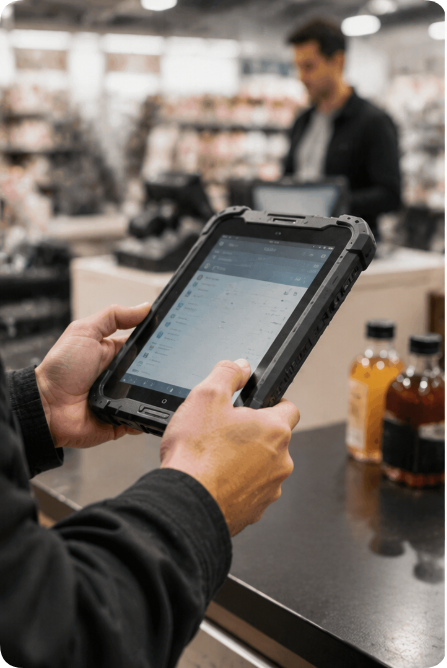
For retailers operating across multiple regions, data residency regulations such as GDPR in Europe, PIPL in China, and similar frameworks in Southeast Asia impose strict limits on where transaction and inventory data can be processed and stored. The T80's Android platform supports enterprise-managed deployment profiles that allow IT teams to restrict data flows to approved servers, ensuring that even high-speed RFID scans remain within local compliance boundaries. This granular control over telemetry and sync endpoints means that inventory data—whether captured via barcode or RFID—stays where compliance teams need it, without requiring additional middleware. A multinational retailer in the Asia-Pacific region, for example, deployed the T80 across its stores to comply with local data localization laws, reducing audit complexity and cutting integration costs by nearly 30% compared to previous solutions.
Modern retail POS environments are under pressure to support contactless payments, EMV compliance, and secure barcode scanning—all within a single handheld device. The T80 excels here by integrating NFC, RFID, and barcode reading capabilities that meet the latest EMV standards while maintaining PCI DSS compliance. Unlike traditional POS terminals that require separate peripherals, the T80 consolidates these functions into a single, ruggedized unit, reducing both hardware costs and compliance overhead.
Consider a scenario where a retailer needs to process a contactless payment while simultaneously scanning a product barcode for inventory tracking. The T80 handles both tasks seamlessly, with its NFC module supporting EMV contactless transactions and its barcode scanner ensuring accurate data capture. This dual capability is particularly valuable in high-traffic retail environments where speed and accuracy are paramount. A case study from a European fashion chain showed that after deploying the T80, checkout times decreased by 25%, and barcode-related errors dropped by 18%, directly impacting customer satisfaction and operational efficiency.
Retailers are increasingly adopting RFID for inventory management, but this shift introduces new compliance considerations. RFID tags can transmit data across longer distances, raising privacy and security concerns under regulations like GDPR. The T80's RFID reader is designed with configurable read ranges and data encryption, allowing retailers to balance efficiency with compliance. For example, a warehouse using the T80 for RFID-based inventory counts can set read ranges to limit data capture to within specific zones, reducing the risk of unintended data leakage. This level of control is critical for retailers subject to strict data protection audits.
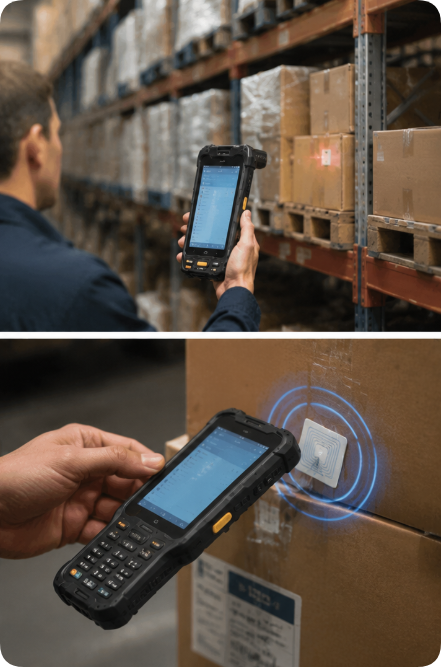
Beyond POS, the T80's role in inventory workflows is equally shaped by regulatory requirements. Inventory accuracy is not just about operational efficiency—it's also about compliance with trade regulations, product safety standards, and recall protocols. The T80's ability to capture and verify data in real time, whether through barcode scans or RFID reads, helps retailers maintain accurate records that satisfy both internal and external auditors.
A notable example comes from a large electronics retailer that deployed the T80 across its distribution centers to improve cycle counting accuracy. By replacing manual paper-based processes with automated scans, the retailer reduced inventory discrepancies by 35% and cut the time needed for quarterly audits by half. The T80's rugged design, including IP65-rated dust and water resistance, ensured reliable operation in warehouse environments where spills and debris are common. This durability is a direct response to policy trends that emphasize workplace safety and equipment reliability standards.
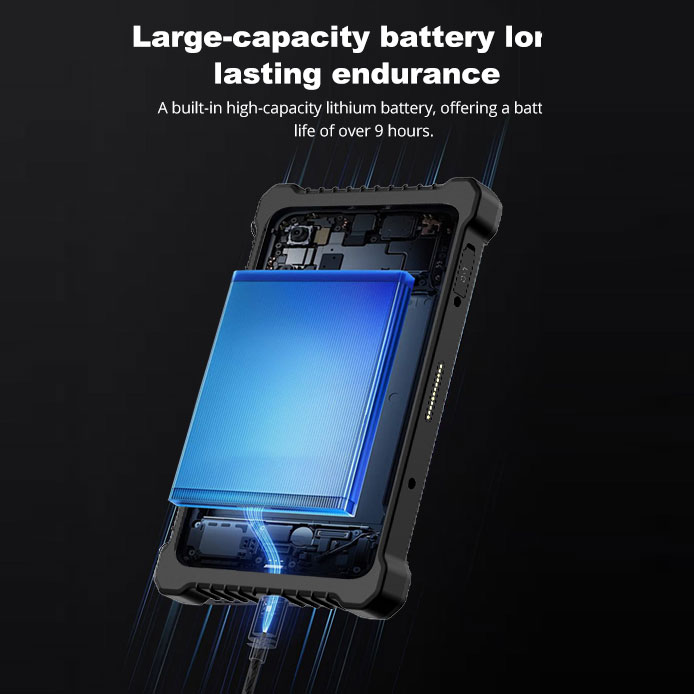
While compliance is a primary driver, the T80 also delivers measurable operational benefits that justify its deployment. Retailers report significant reductions in training time due to the device's intuitive Android interface, which mirrors consumer smartphone experiences. Additionally, the T80's hot-swappable battery supports multiple shifts without downtime, a critical factor for 24/7 retail operations. A mid-sized grocery chain in the Midwest calculated a return on investment within eight months of deploying the T80, driven by a 15% increase in picking accuracy and a 20% reduction in device-related support calls. For comparison, the K401 handheld PDA offers similar ruggedness for lighter-duty inventory workflows.
Successfully integrating the T80 into retail operations requires a strategic approach that accounts for both current regulations and future policy shifts. Here are three key considerations for decision-makers:
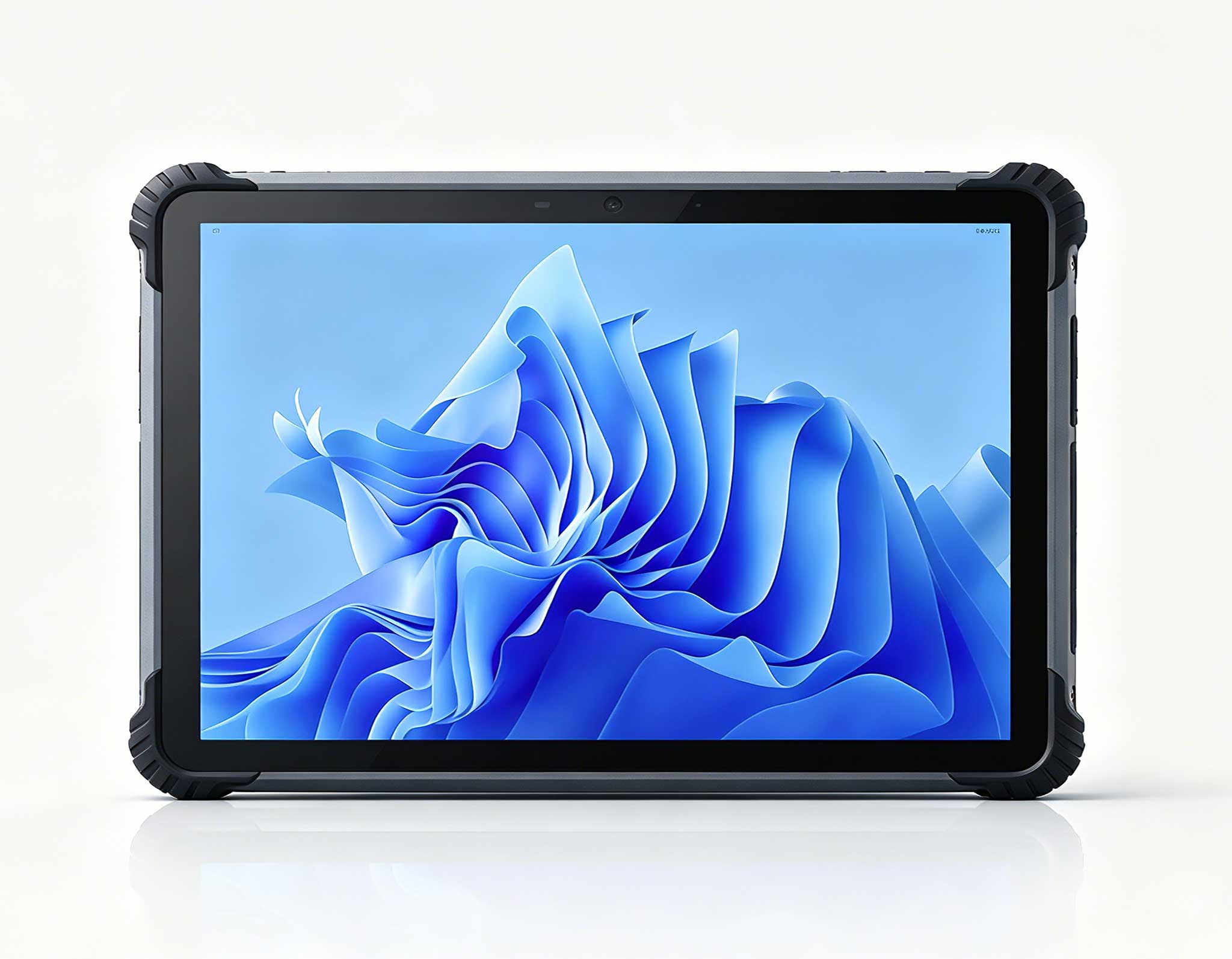
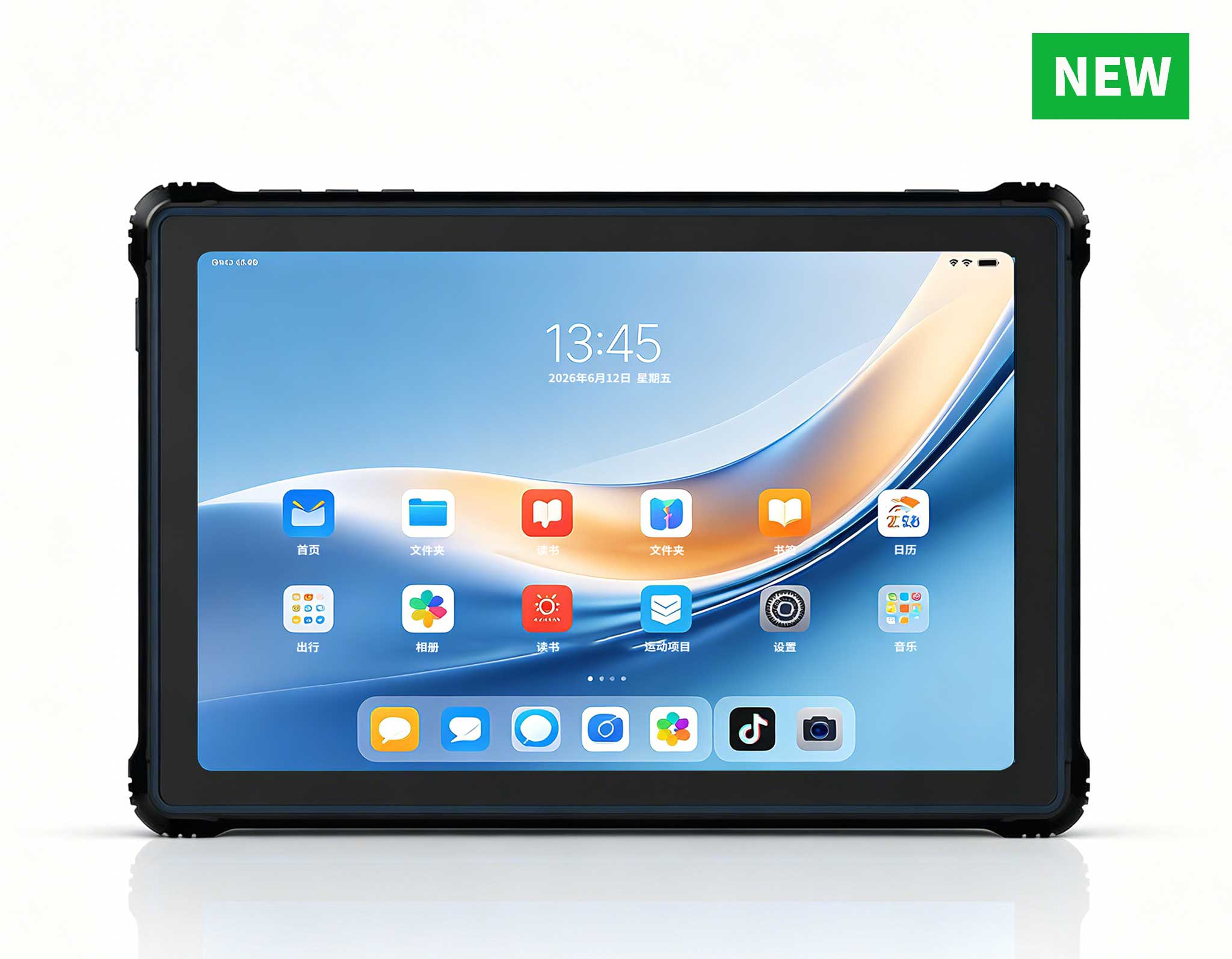
For retailers exploring complementary tools, a rugged tablet like the HTYJ08A from Hotus can support field operations like delivery verification and remote inventory checks, further enhancing end-to-end compliance. However, the T80 remains the cornerstone for in-store POS and inventory workflows where policy adherence is non-negotiable.
As discussed in Hotus's recent analysis of rugged device deployment, the retail industry's shift toward policy-driven hardware selection is not a passing trend—it's a fundamental change in how technology is evaluated and deployed. The T80 Handheld PDA stands out because it addresses the dual demands of operational efficiency and regulatory compliance. From PCI DSS 4.0 to data localization laws, the T80 provides the security, flexibility, and durability that retailers need to navigate an increasingly complex landscape. By choosing a device that aligns with both current mandates and future expectations, retailers can turn compliance from a burden into a competitive advantage.
Ready to see how the T80 can transform your retail operations? Explore the T80 Handheld PDA → and discover a solution built for the policy-driven retail environment.