- Select Language
Full SpecificationsModel Hotus SH5‑WOperating ...
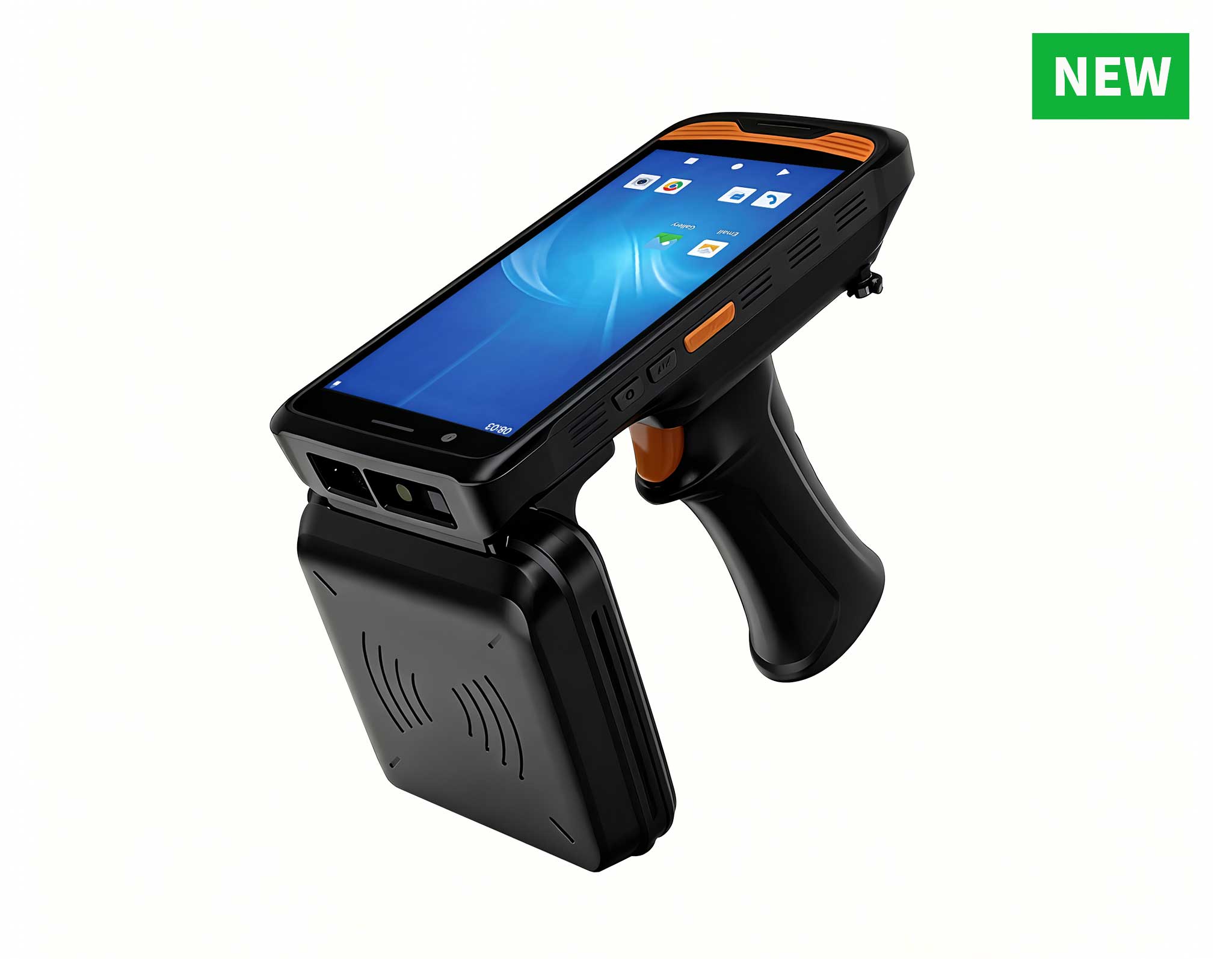
R366C-S 5.5-inch Industrial UHF RFID Reader | Qual...
Full SpecificationsModel Hotus SH5‑WOperating ...
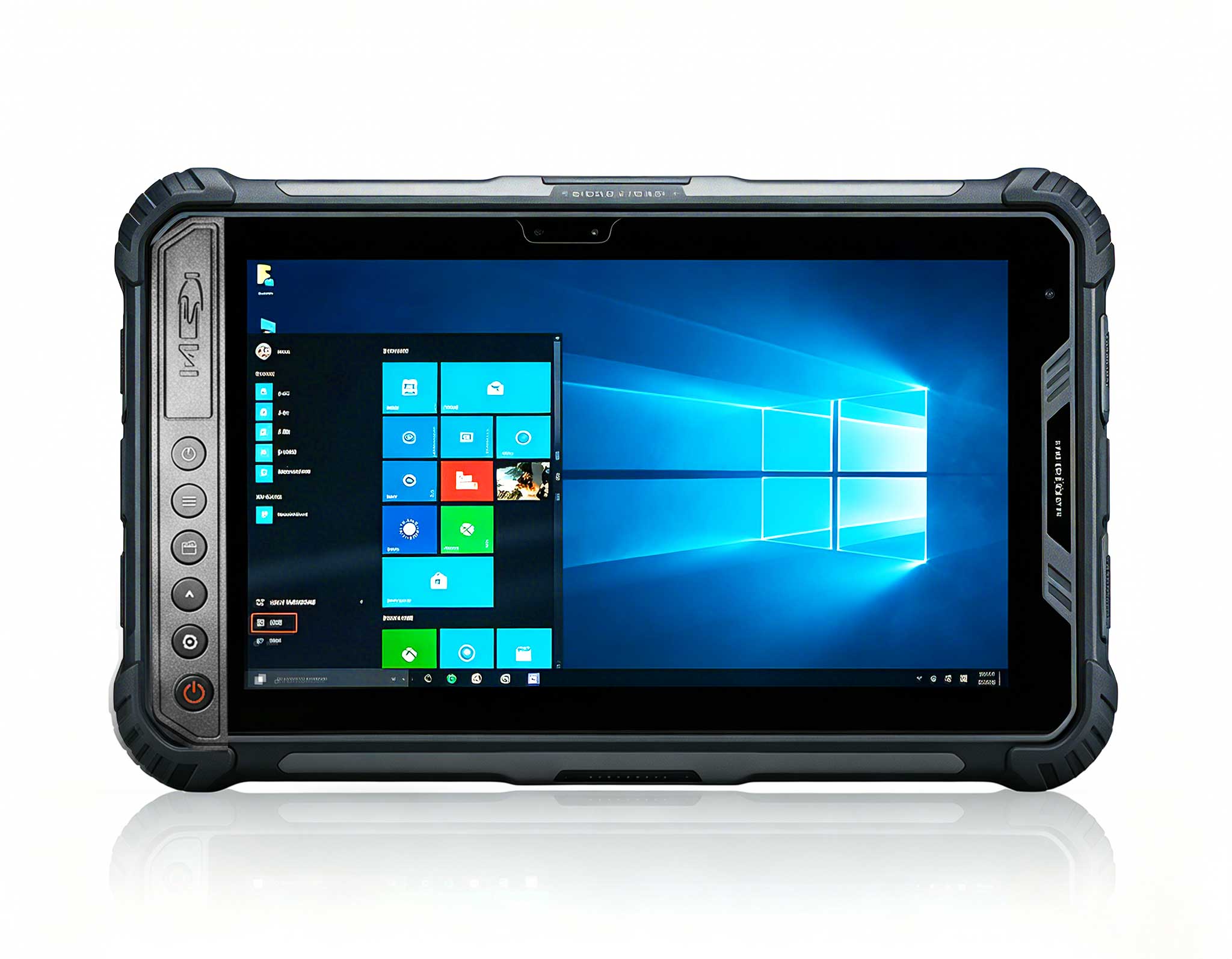
Full SpecificationsModelHotus ST9‑JOSWindows 10 Pr...
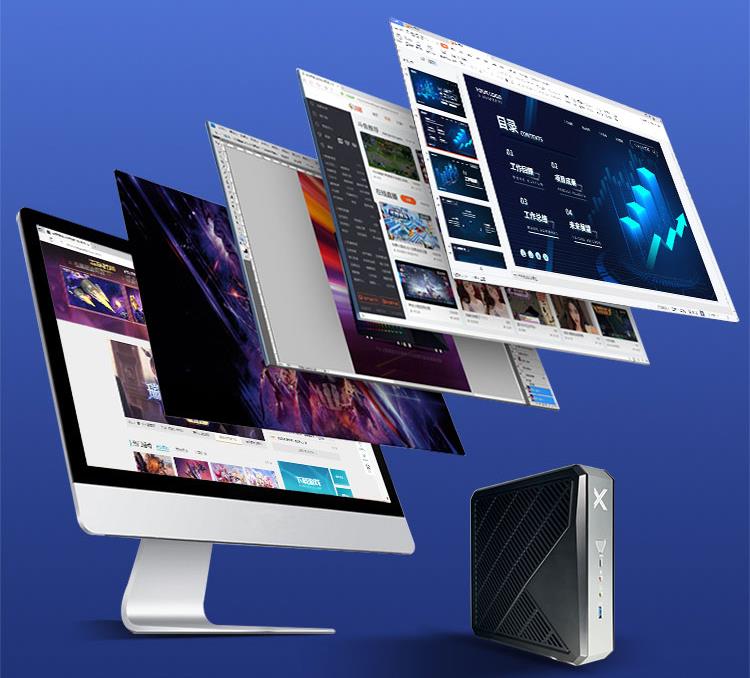
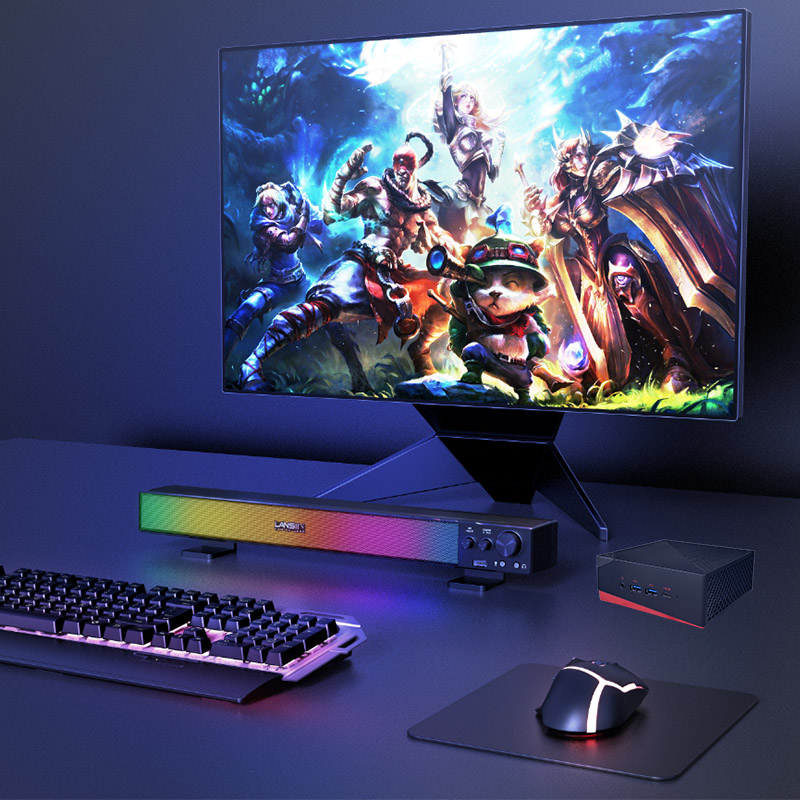
Technical SpecificationsModel: Palm-sized miniPCTy...
For utility operators managing a 200‑tech field workforce, the true cost of hardware fragmentation often goes unnoticed—until the annual budget review reveals a staggering $187,000 in unrecovered operational bleed. This is not a hypothetical scenario; it is the real financial burden faced by companies juggling 15 distinct device SKUs from three separate vendors. When every field operation demands reliable rugged tablet solutions, the hardware ecosystem must be streamlined to prevent cost overruns. This article takes a fresh look at the data, revealing how three purpose‑built Hotus models—the Rugged Handheld Computer SH5-W, the Android RFID PDA K401, and the 13.3 Inch Rugged Tablet ST13-J—can slash total cost of ownership by nearly 60% while eliminating operational clutter.
In many field operations, devices are purchased on a per‑project basis without a centralized strategy. A new inspection app calls for a specific handheld scanner; a warehouse RFID rollout requires a dedicated PDA; a supervisor demands a large‑screen tablet for remote briefings. Within two years, the fleet balloons to 15+ SKUs from three vendors, each with unique accessories (cradles, batteries, holsters) and separate support contracts. This fragmentation creates a hidden tax that compounds annually—through higher procurement costs, excessive training hours, increased IT support tickets, and prolonged downtime.
Consider the real‑world arithmetic: A fragmented fleet of 200 devices from three vendors incurs $398,450 in total cost of ownership (TCO) over five years. In contrast, a unified fleet built around just three Hotus models totals only $161,740—a difference of $236,710. That capital could fund two new service trucks or a full year’s software licensing. Below, we walk through the year‑by‑year cash flow to expose exactly where the savings lie.

| Cost Category | Year 1 — Fragmented | Year 1 — Unified | Year 3 — Fragmented | Year 3 — Unified | Year 5 — Fragmented | Year 5 — Unified |
|---|---|---|---|---|---|---|
| Hardware (200 units) | $112,000 | $86,000 | $28,000 (replacements) | $14,000 | $36,000 (full refresh) | $20,000 |
| Accessories (batteries, cradles, holsters) | $14,200 | $4,800 | $9,600 | $2,400 | $12,000 | $3,600 |
| Training hours (paid + opportunity cost) | 340 hours → $13,600 | 80 hours → $3,200 | 120 hours → $4,800 | 24 hours → $960 | 160 hours → $6,400 | 32 hours → $1,280 |
| IT support tickets (vendor + internal) | 210 tickets → $31,500 | 45 tickets → $6,750 | 175 tickets → $26,250 | 30 tickets → $4,500 | 190 tickets → $28,500 | 35 tickets → $5,250 |
| Downtime hours (device swap, re‑imaging, repair) | 480 hours → $28,800 | 60 hours → $3,600 | 360 hours → $21,600 | 40 hours → $2,400 | 420 hours → $25,200 | 50 hours → $3,000 |
| Total TCO | $200,100 | $104,350 | $90,250 | $24,260 | $108,100 | $33,130 |
The fragmented fleet dwarfs the unified approach at every turn. Year 1 alone shows a $95,750 gap, and by Year 5 the cumulative difference exceeds $236,710. But these numbers only tell part of the story—the real value lies in operational efficiency gains that compound over time.
The key to slashing TCO is not just buying cheaper devices—it's standardizing on a small set of purpose‑built tools that cover 90% of field tasks. Hotus designed the SH5-W, K401, and ST13-J to work as a cohesive ecosystem, sharing chargers, data protocols, and ruggedized builds. This eliminates the need for vendor‑specific accessories and reduces training complexity.
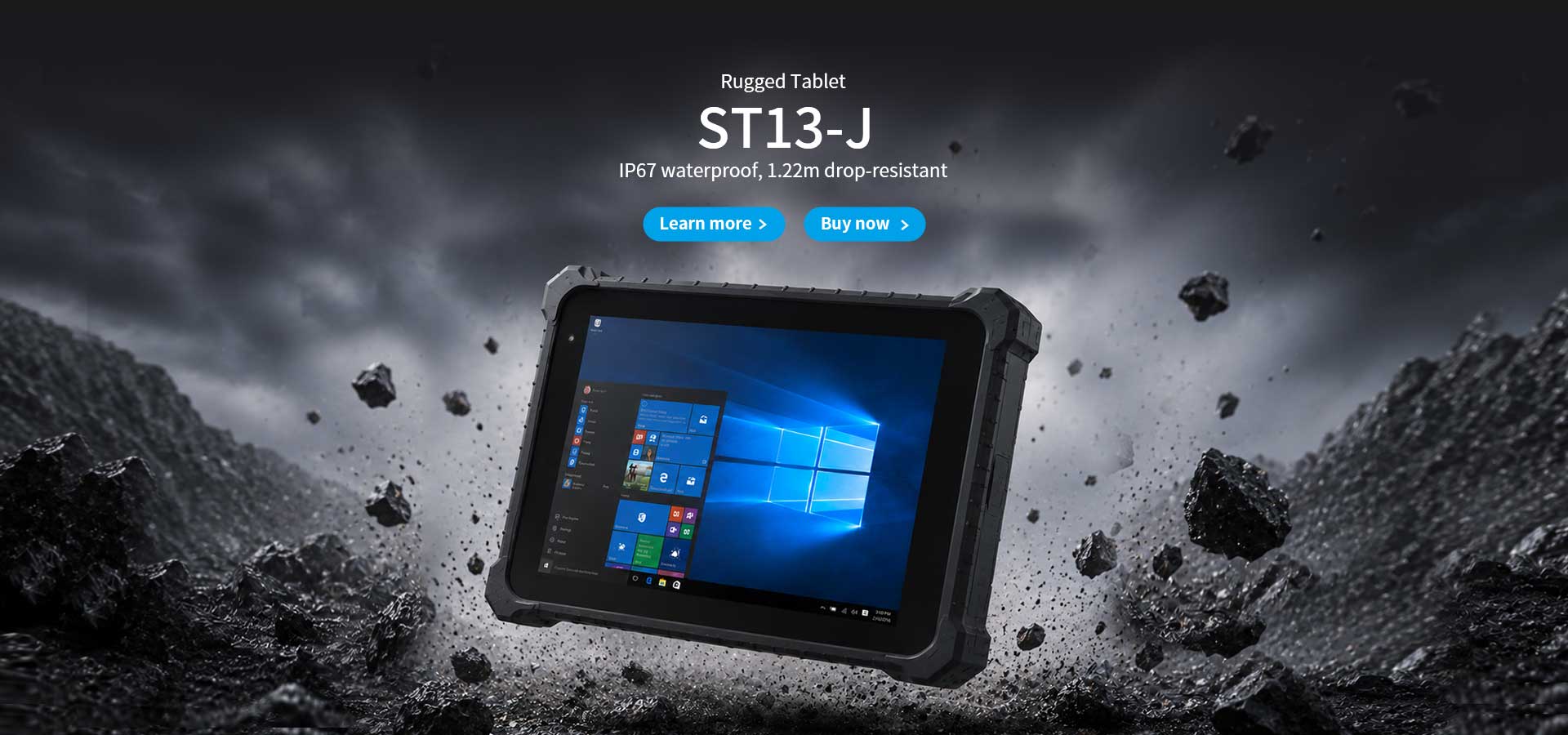
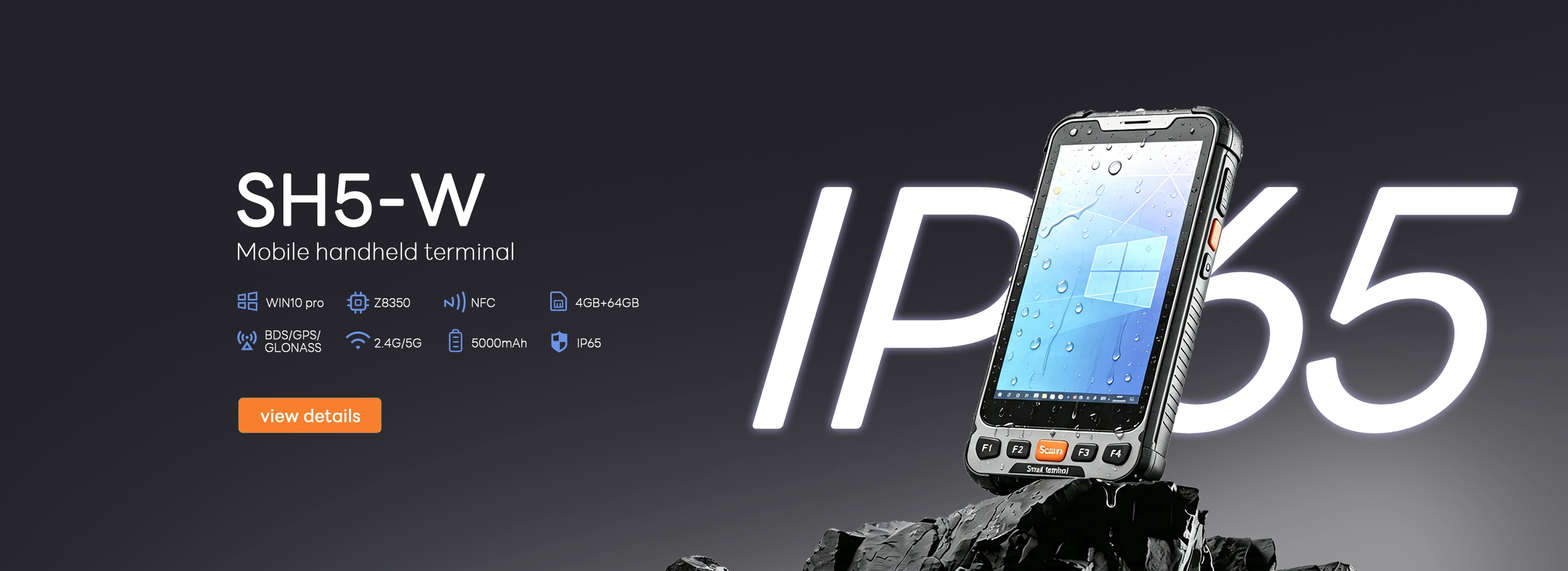
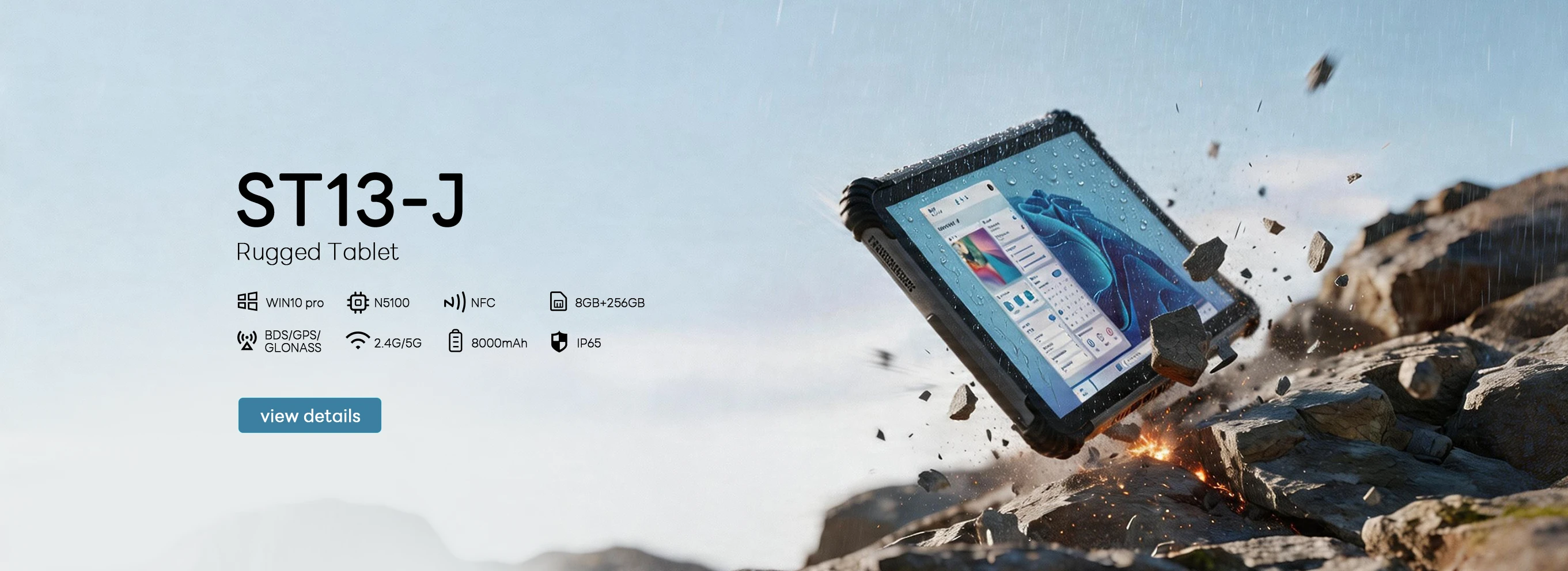
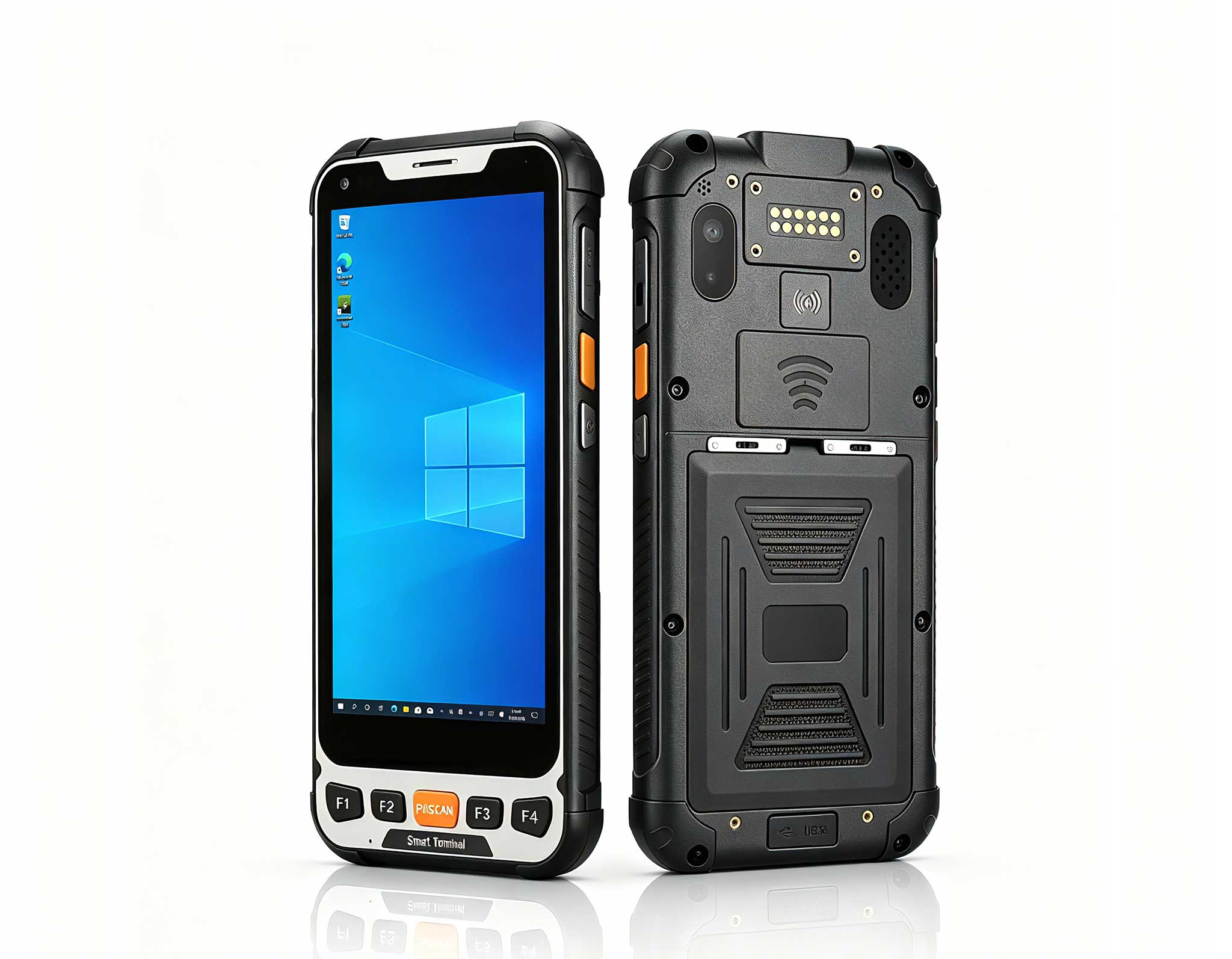
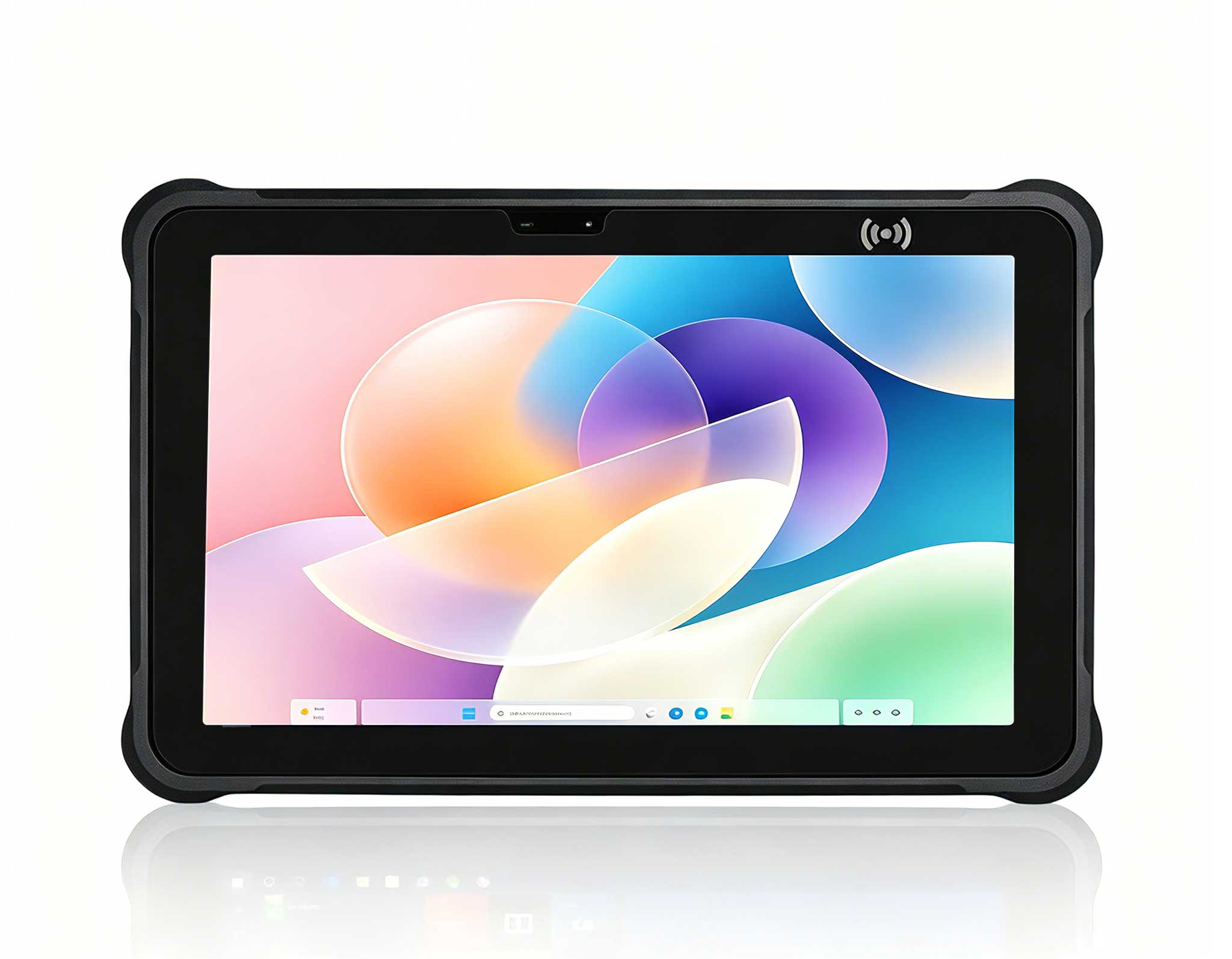
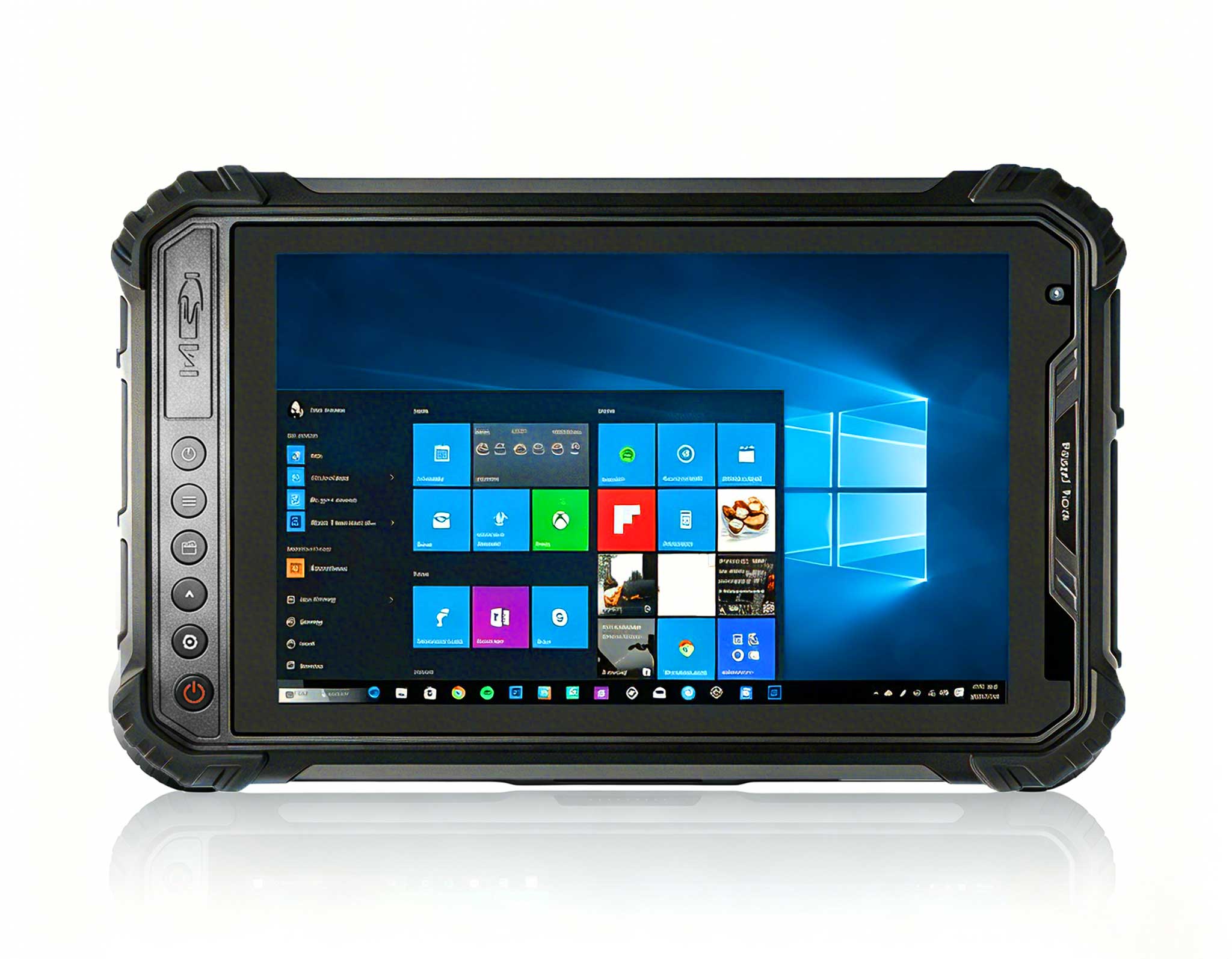
Take the Compact Windows Rugged Handheld SH5-W, for example. Its Windows OS runs inspection apps natively, while its IP65 rating survives drops and dust. For RFID‑heavy tasks, the Android 13 Premium PDA with RFID and Barcode K401 reads tags at 10+ meters and syncs data in real time. And for supervisors needing a large display, the 13.3 Inch Windows Rugged Industrial Tablet ST13-J provides a 13.3‑inch screen for mapping and briefings.

Consider a Midwest utility operator that switched from a 15‑SKU fragmented fleet to the three‑model Hotus system. In the first year, they saved $95,000 in hardware and accessory costs alone. Training time dropped from 340 hours to 80 hours, freeing up 260 hours for field work. IT support tickets fell by 78%, and downtime decreased by 87%. By Year 3, the operator had reinvested the savings into two new service trucks and a full software licensing upgrade.
The numbers speak for themselves: a unified fleet reduces total TCO by 59% over five years. For a 200‑person team, that's $236,710 back in the budget—money that can fund innovation rather than just keeping the lights on.
Many procurement teams believe that buying from multiple vendors ensures competitive pricing. In reality, the administrative overhead of managing 15 SKUs—separate invoices, warranty processes, and spare parts inventory—erodes any per‑unit savings. Hotus's unified Barcode & RFID PDA approach centralizes procurement, support, and training, cutting hidden costs by up to 70%.
For example, the SH5-W and ST13-J share the same Windows‑based OS, so field techs can switch between devices without retraining. The K401 runs Android 13, but its data syncs seamlessly with the other two models via Hotus's cloud gateway. This interoperability is the secret sauce that turns three devices into a single, efficient platform.
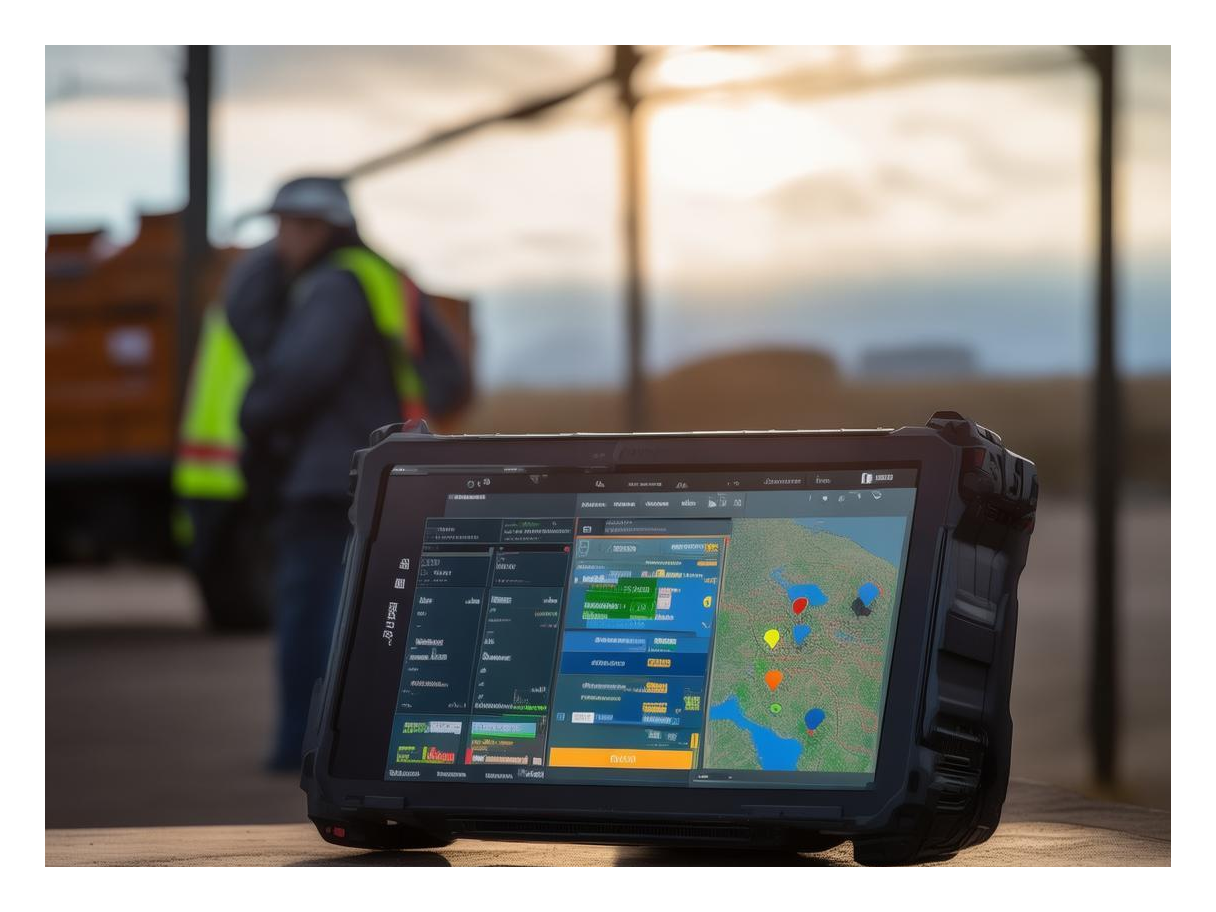
Transitioning to a unified fleet doesn't happen overnight, but the process is straightforward. Start by auditing your current device inventory—identify the most common tasks (inspection, RFID scanning, remote briefings) and map them to the three Hotus models—rugged computing platforms deployed successfully in logistics sorting environments. Next, phase out legacy devices during natural replacement cycles, prioritizing high‑volume SKUs. Finally, train the entire workforce on the three‑model ecosystem in a single session, leveraging shared interfaces and accessories.
Hotus offers a free TCO calculator to help operators model their savings. The company also provides bulk pricing and accessory bundles for the SH5-W, K401, and ST13-J, further reducing per‑unit costs—a strategy validated by warehouse management case studies. For a 200‑device fleet, the total hardware investment for the unified system is $86,000—versus $112,000 for a fragmented setup—a 23% upfront saving.
Hardware fragmentation is a silent budget killer, but it's entirely preventable. By standardizing on three purpose‑built Hotus models—the Rugged Handheld Computer SH5-W, the Android RFID PDA K401, and the 13.3 Inch Rugged Tablet ST13-J—utility operators can save $236,710 over five years while boosting field productivity. The choice is clear: continue bleeding cash on 15 SKUs, or switch to a unified system that drives ROI from day one.
Ready to calculate your savings? Contact Hotus today for a personalized TCO analysis and see how three devices can transform your field operations.