- Select Language
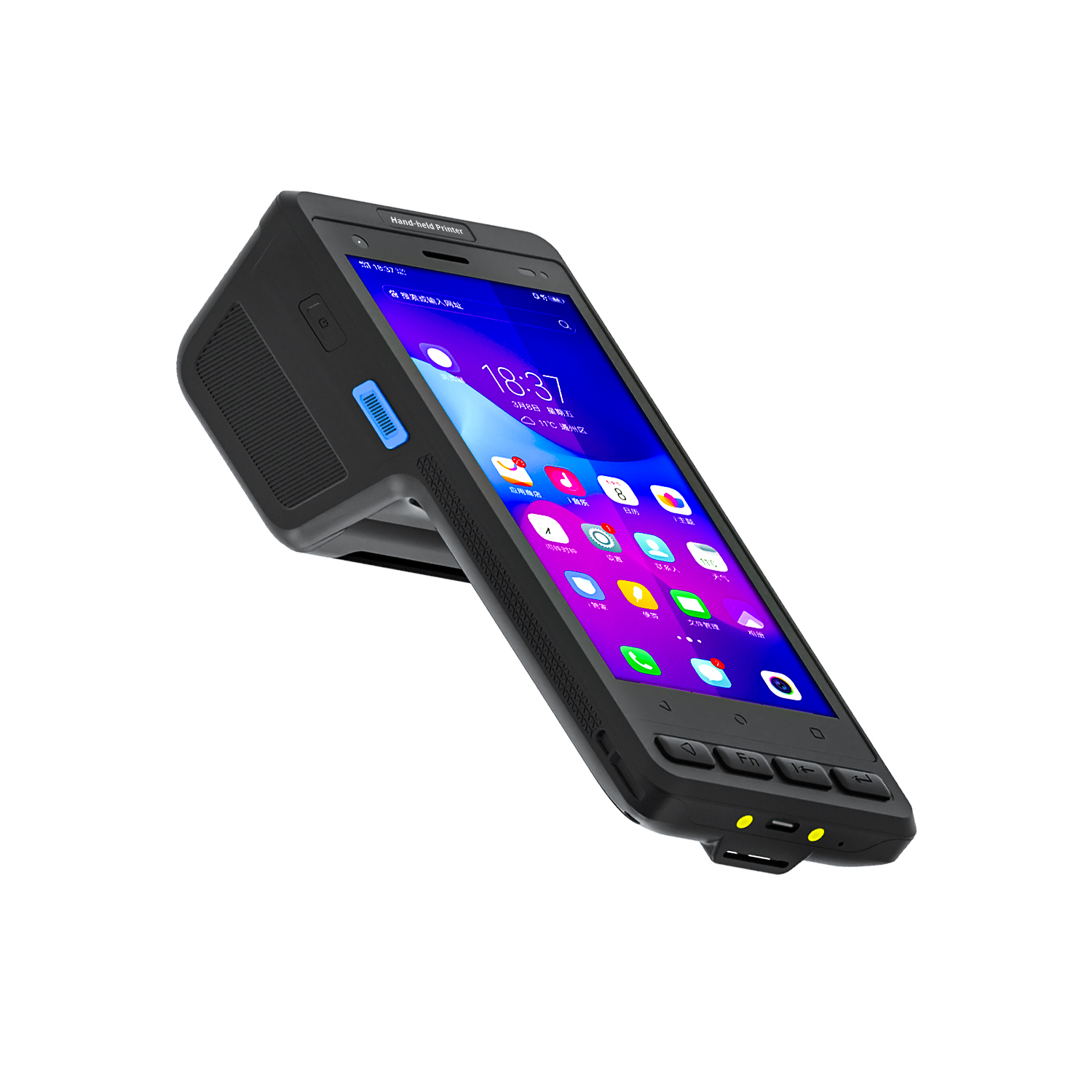
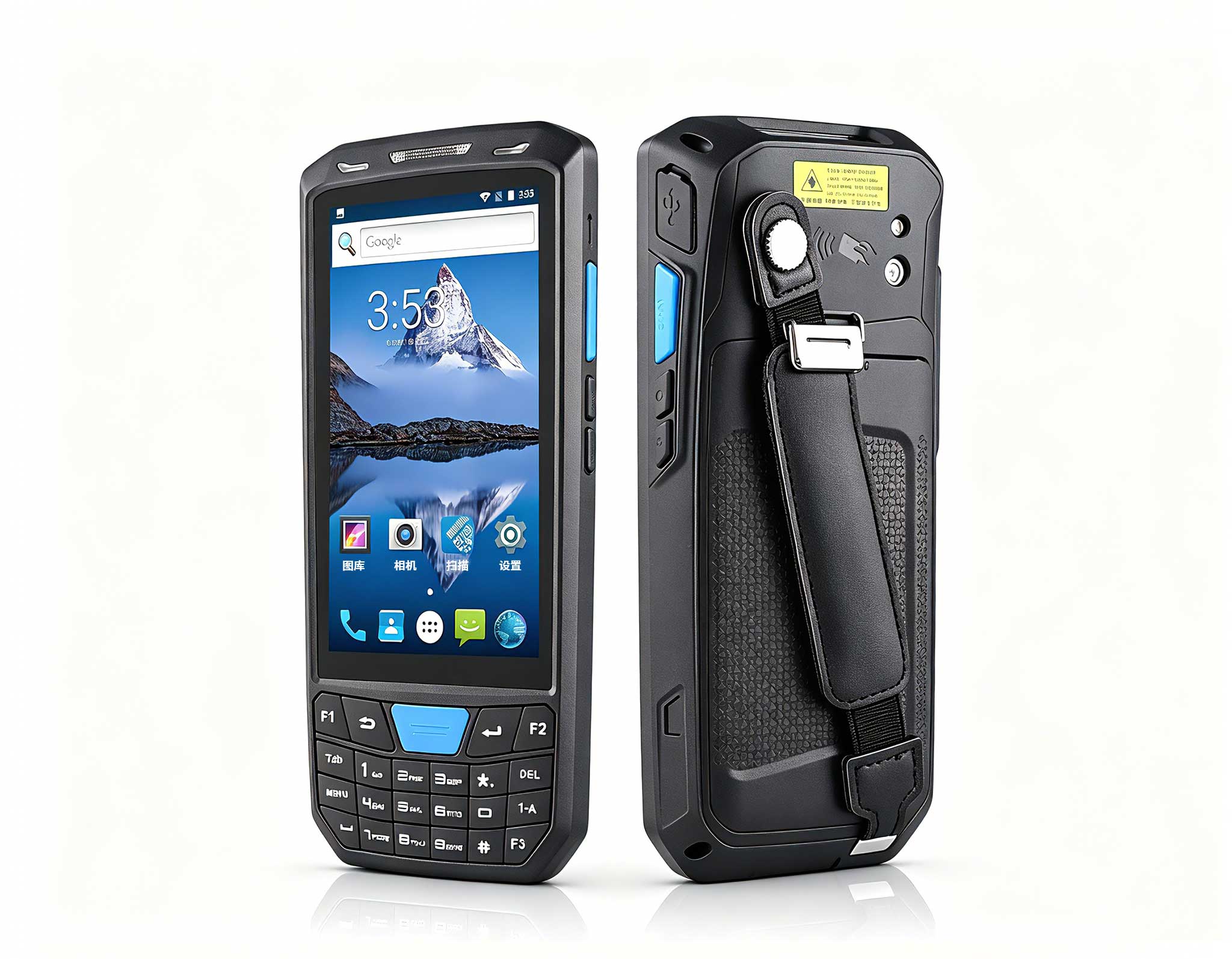
The T80 handheld PDA combines advanced barcode sca...
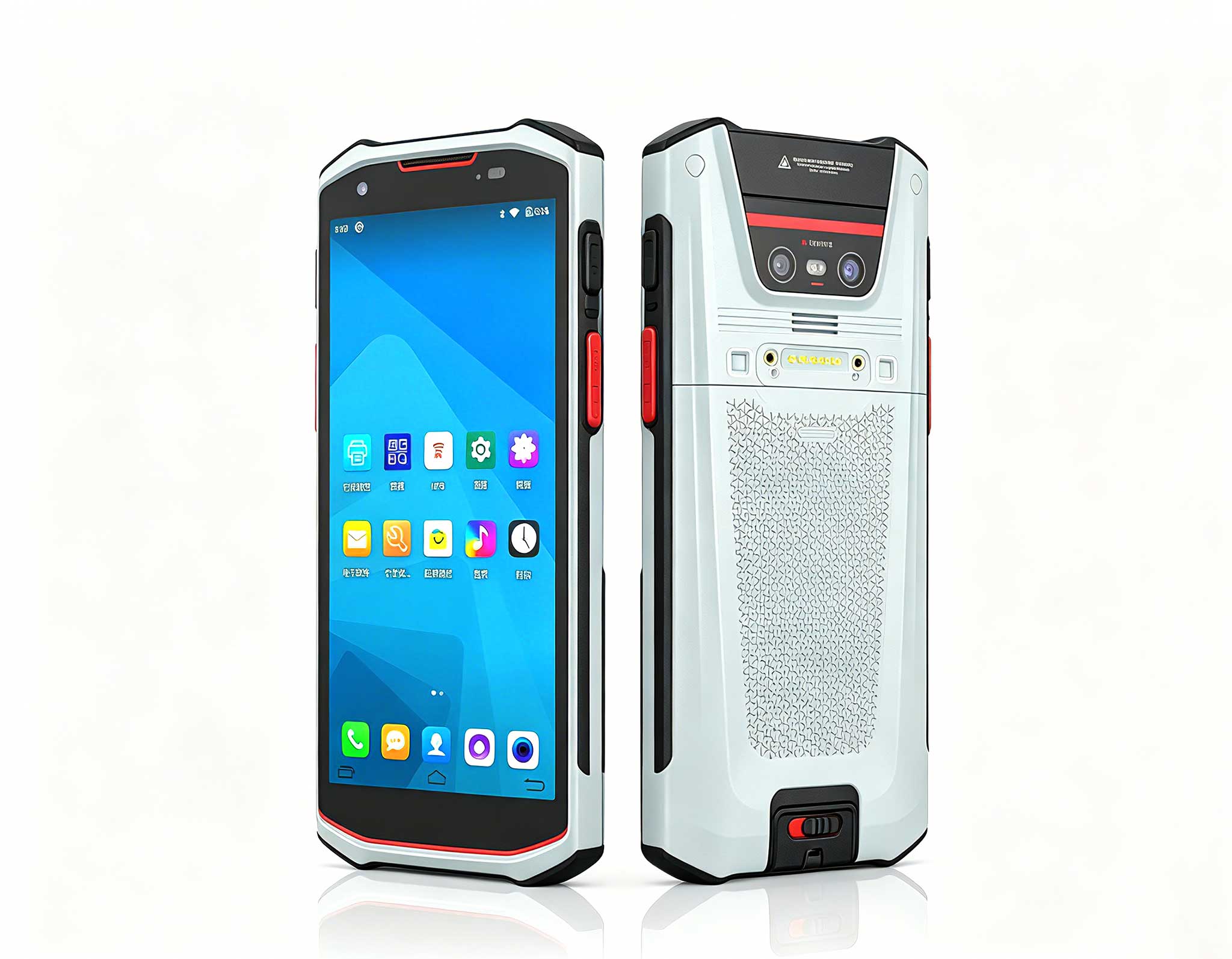
Explore our customized PDA designed for versatile ...
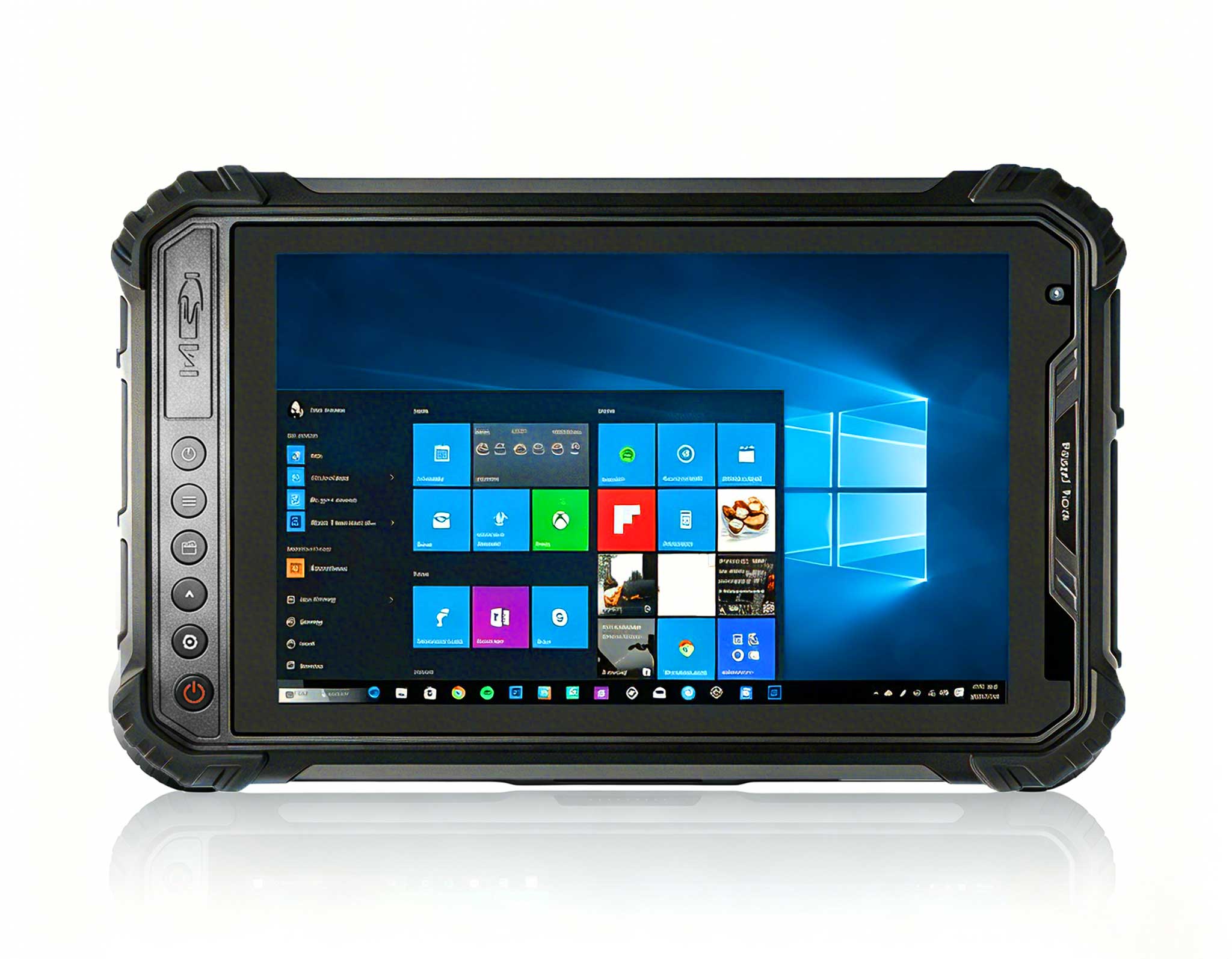
Full SpecificationsModelHotus ST9‑JOSWindows 10 Pr...
Over the past decade, I have worked alongside system integrators and plant engineers across manufacturing, logistics, and agriculture. One pattern keeps surfacing: the hardware meant to bridge legacy machinery with modern IoT platforms often fails before the software even gets a chance to prove itself. Industrial edge computing is not a theoretical concept—it plays out on dusty factory floors, inside vibrating conveyor lines, and within cramped junction boxes exposed to temperature swings and electrical noise. You cannot drop a standard office PC next to a CNC machine or on a warehouse conveyor belt and expect it to survive. What you need is a device built for data aggregation, local processing, and protocol translation without becoming a single point of failure. That is why I always tell clients to stop looking at consumer-grade Mini PC units and start evaluating dedicated industrial edge computing solutions that are engineered for real-world conditions. Let me walk you through three specific customer deployments that show exactly how the right hardware changes everything.
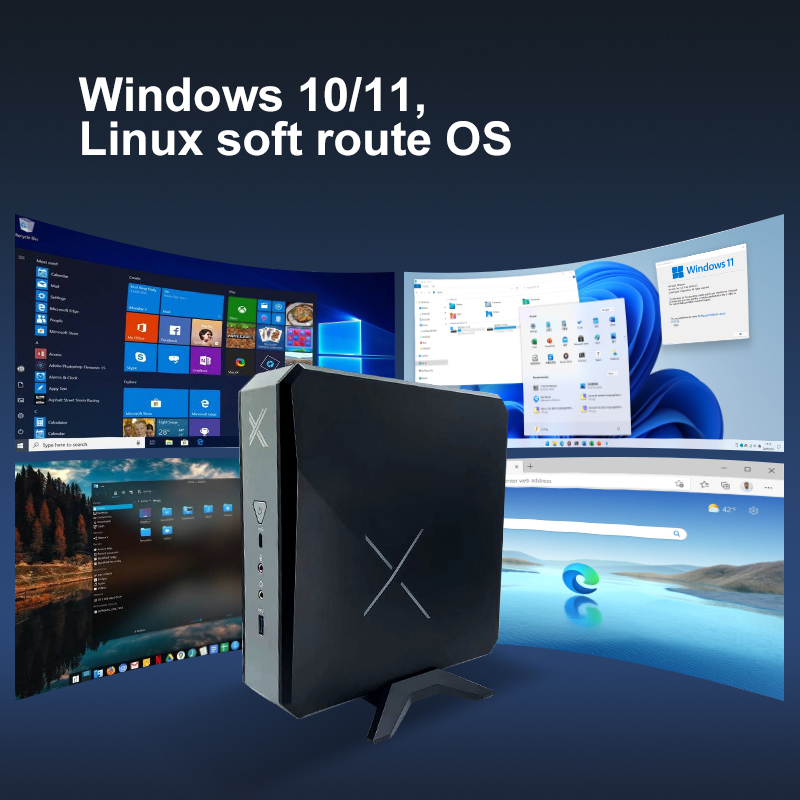
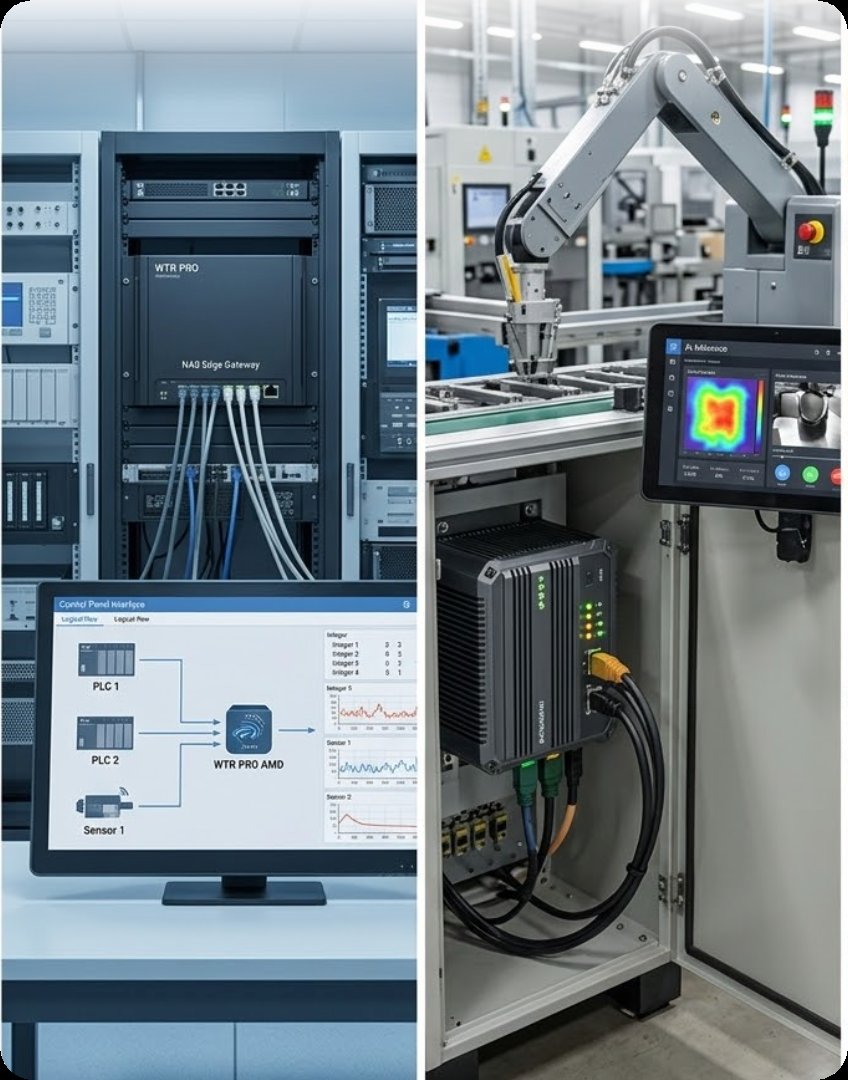
A mid-sized automotive parts manufacturer came to us with a familiar headache. They had over 200 sensors on their assembly line generating vibration, temperature, and pressure data every second. They needed a local device that could store this data for 30 days, run basic anomaly detection algorithms, and push only critical alerts to their cloud SCADA system. Their previous solution used a standard tower server, which consumed too much floor space and failed twice within six months due to dust ingress. We deployed the WTR PRO AMD as their edge gateway. This unit features an AMD processor with four 2.5-inch drive bays, allowing them to configure a RAID 5 array for redundant local storage. The compact metal chassis fit neatly inside a NEMA-rated enclosure near the production line. The real win was the dual 2.5GbE LAN ports, which gave them enough bandwidth to aggregate multiple PLC data streams without packet loss. After six months of operation, the customer reported zero hardware failures and a 40% reduction in false alarms because local processing eliminated cloud latency. For any scenario where you need a combination of high-capacity local storage and reliable edge computing, the WTR PRO AMD is the ideal choice.
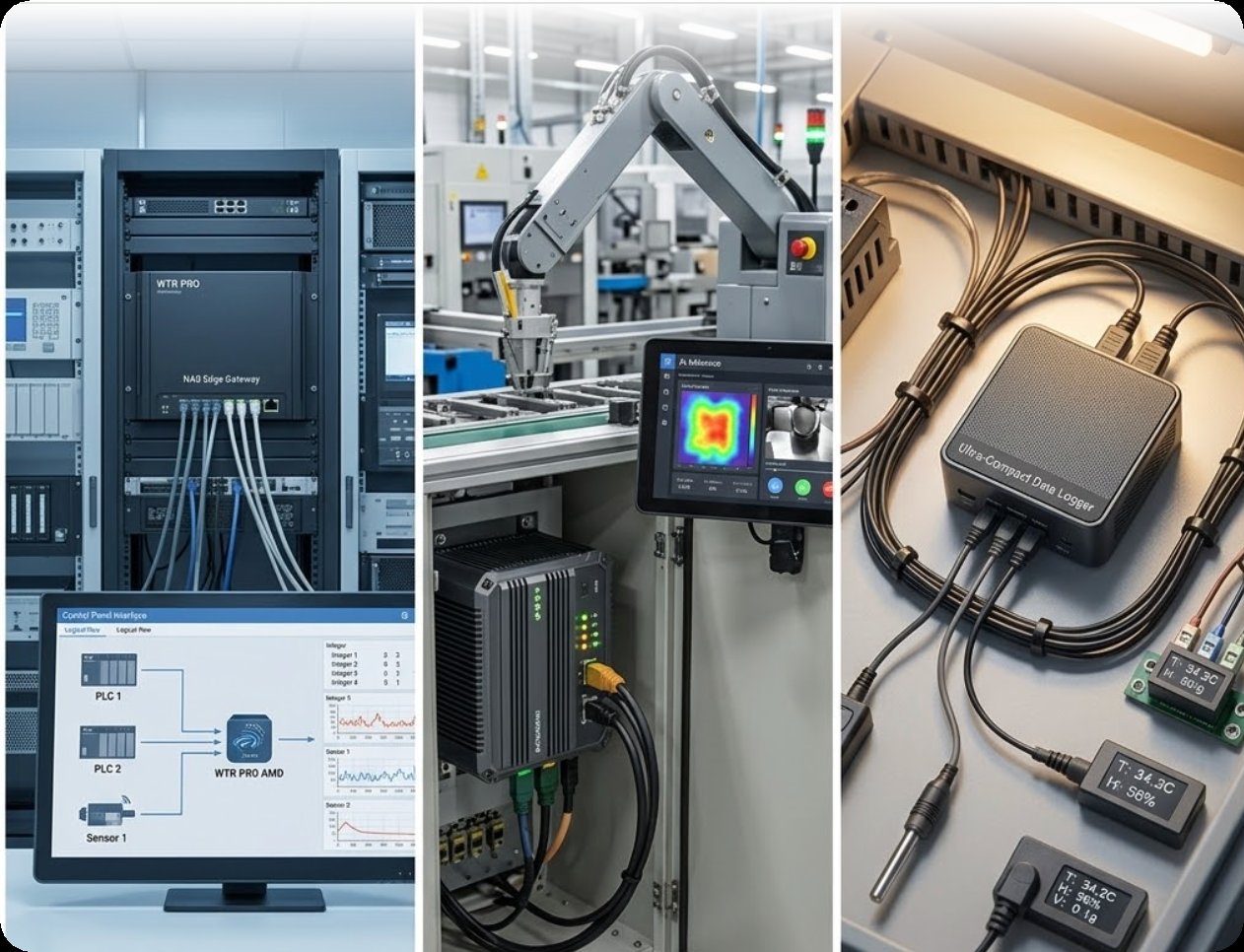
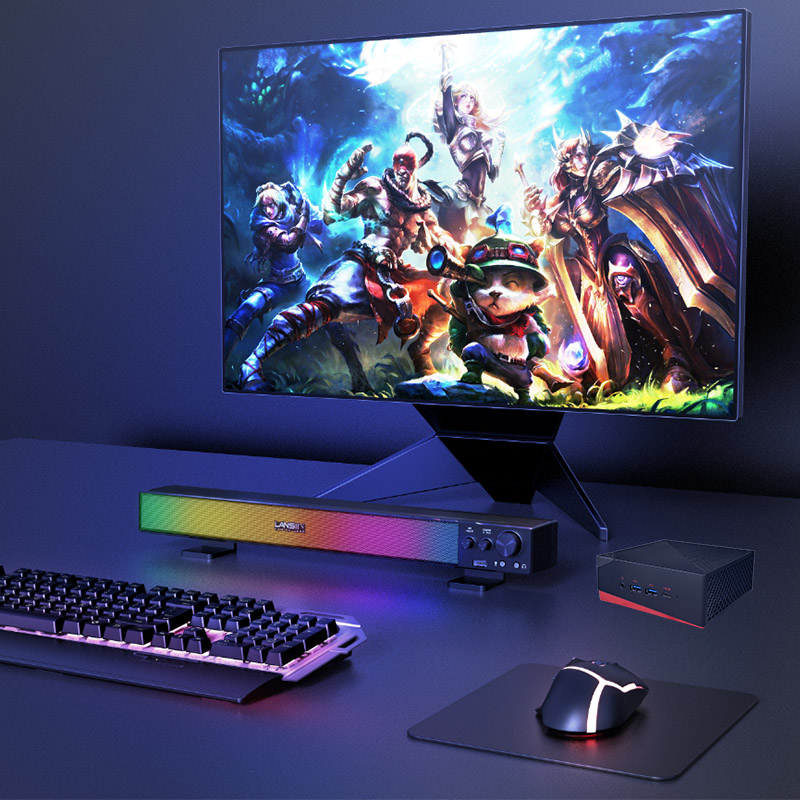
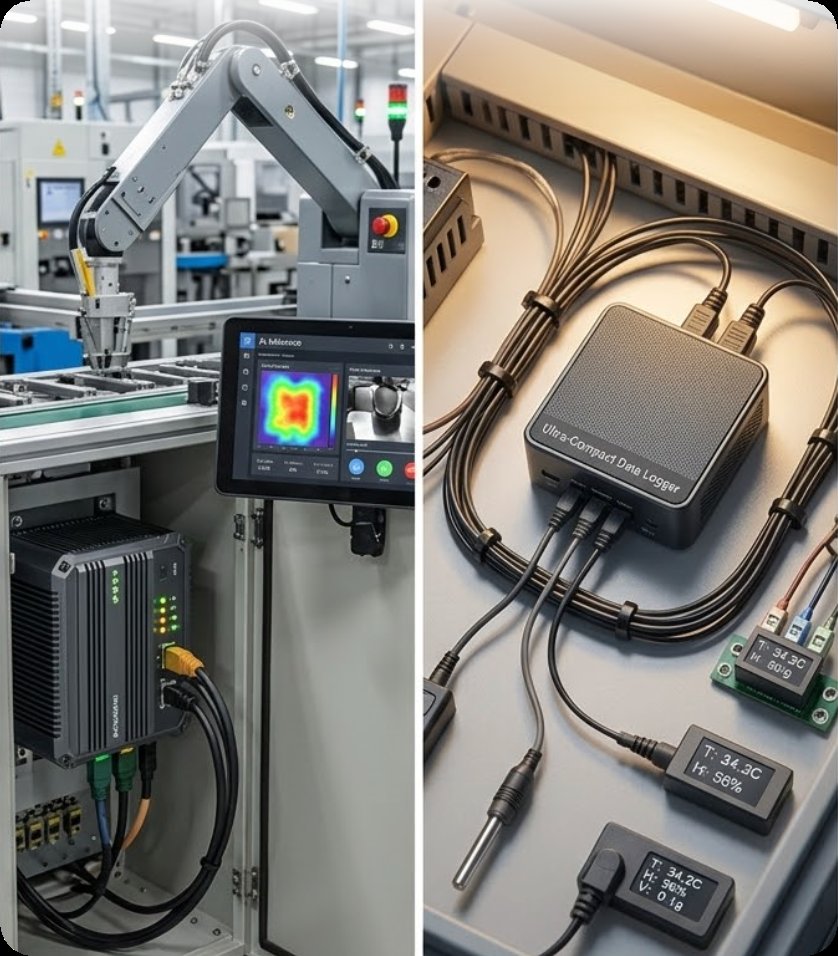
The second case involves a food packaging company that needed to upgrade their quality control line. They were deploying three AI-powered vision cameras to inspect seal integrity and label placement at a throughput of 120 packages per minute. The challenge was that the inference models required significant CPU and GPU horsepower to run in real time, and a cloud-based solution introduced unacceptable lag. I recommended the HCAR5000 MI, which houses an AMD Ryzen 5000H series processor with up to 8 cores and 16 threads. The customer mounted this unit directly above the conveyor belt, where ambient temperatures regularly reached 45°C. The robust thermal design and fanless operation kept the system stable. They connected three USB 3.2 Gen2 cameras and one 4K monitor for local operator feedback. The HCAR5000 MI processed all vision data locally, sending only pass/fail results and statistical summaries to the central database. The result was a 99.7% defect detection rate with zero network dependency. This unit is perfect for compute-intensive edge tasks like real-time AI inference, data fusion, and high-speed protocol conversion.
Our third customer was a smart agriculture company managing dozens of remote irrigation stations across a 500-acre farm. Each station needed a small computer to read soil moisture sensors, control solenoid valves, and report data via 4G LTE backhaul. Space inside the weatherproof junction boxes was extremely limited, and power was supplied by a small solar panel and battery. The solution was the Palm-sized miniPC. As the name suggests, this device fits in the palm of your hand, measuring just a few inches across. Despite its size, it packs an Intel processor, dual Gigabit Ethernet, and multiple USB ports. The customer installed one unit per station, running a lightweight Linux distribution that collected sensor data every 10 seconds and transmitted compressed logs every hour. The low power draw—under 10 watts under load—meant the battery lasted through three consecutive cloudy days. The key takeaway here is that not every edge computing task requires a multi-core powerhouse. For simple data logging, protocol bridging, and low-bandwidth IoT gateways, the Palm-sized miniPC offers an unbeatable combination of small footprint, low cost, and reliable performance.
| Feature | WTR PRO AMD | HCAR5000 MI | Palm-sized miniPC |
|---|---|---|---|
| Processor | AMD Ryzen (up to 8 cores) | AMD Ryzen 5000H Series (up to 8 cores) | Intel Celeron / N-series |
| Memory | Up to 64GB DDR4 | Up to 32GB DDR4 | Up to 16GB DDR4 |
| Storage | 4x 2.5-inch SATA (RAID 0/1/5/10) | 1x M.2 NVMe + 1x 2.5-inch SATA | 1x M.2 SATA / NVMe |
| Network | 2x 2.5GbE LAN | 2x Gigabit LAN | 2x Gigabit LAN |
| I/O Ports | USB 3.2 Gen2, HDMI, DP, Audio | USB 3.2 Gen2, HDMI, DP, USB-C | USB 3.0, HDMI, VGA (optional) |
| Cooling | Active fan | Fanless (passive) | Fanless (passive) |
| Operating Temperature | 0°C to 50°C | -20°C to 65°C | 0°C to 50°C |
| Dimensions | ~200 x 200 x 50 mm | ~180 x 120 x 40 mm | ~120 x 80 x 30 mm |
| Best Use Case | Local NAS + edge gateway for data logging | AI inference, vision systems, high-throughput processing | Remote IoT nodes, sensor aggregation, low-power gateways |
Selecting the correct model comes down to three factors: processing load, storage requirements, and physical environment. If your application requires local data retention for weeks or months, such as in predictive maintenance or compliance logging, prioritize the WTR PRO AMD for its RAID-capable storage bays. If you are running real-time AI models or handling multiple high-resolution video streams, the HCAR5000 MI provides the raw CPU power and thermal stability needed for continuous operation in harsh conditions. For simple data collection and control tasks where space and power are at a premium, the Palm-sized miniPC is the most cost-effective and reliable option. Always consider the operating temperature range and cooling method—fanless designs are preferable for dusty or vibrating environments, while active cooling may be necessary for sustained heavy workloads. I also recommend evaluating the network interface speed; 2.5GbE is becoming a standard for industrial IoT backbones, and the WTR PRO AMD is future-proof in this regard.
Every industrial environment is unique, but the hardware should never be the bottleneck. These three customer cases prove that with the right edge computing device, you can reduce downtime, improve data reliability, and scale your IoT infrastructure with confidence. Whether you need a powerful NAS gateway, a high-performance AI controller, or a tiny data logger, the WTR PRO AMD series offers a proven path. I encourage you to explore our mini PC solutions and contact our engineering team for a personalized deployment consultation. Do not let generic hardware limit your industrial digital transformation.