



In high-volume logistics, a sorting center's throughput depends directly on the technology deployed across its floor. Consumer-grade devices and fragmented hardware strategies create data silos, increase training overhead, and drive up maintenance costs. True operational optimization demands a multi-device deployment strategy that aligns management oversight, mobile data entry, and high-speed scanning into a unified workflow. This article presents a detailed three-year Total Cost of Ownership (TCO) and Return on Investment (ROI) analysis for a coordinated solution built around three specialized devices: the ST9-M 8-inch Windows Rugged Industrial Tablet, the SH5-W 5.5-inch Windows Rugged Handheld, and the K401 Android 13 High-End PDA. We examine deployment architecture, device-specific roles, real costs, and measurable financial returns for a mid-sized logistics sorting center handling 50,000 parcels per day. When you evaluate the total cost of ownership for Rugged Tablet solutions in a logistics environment, the numbers reveal a compelling story.
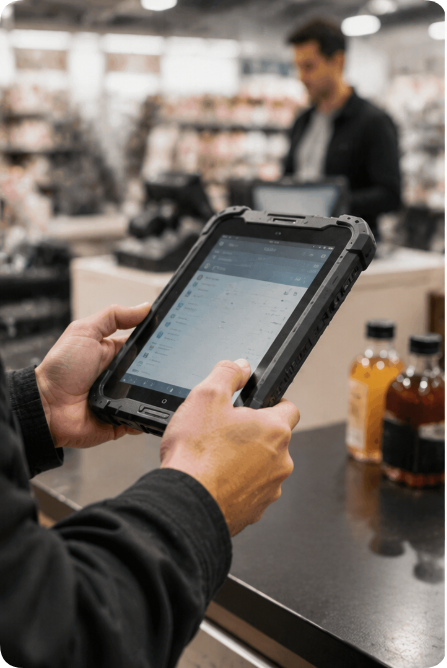
The Three-Product Synergy Architecture
A typical sorting center operates across three distinct but interconnected layers: the control room, the sorting floor, and the receiving or shipping docks. Using a fragmented device strategy—consumer-grade tablets for management, outdated Windows Mobile handhelds for scanning, and no dedicated RFID capability—creates data gaps, increases training time, and leads to frequent downtime. The Hotus three-product synergy solves this by assigning the right device to the right task, creating a seamless data flow from dock to dashboard.
The architecture is straightforward: the ST9-M serves as a fixed-mount dashboard terminal for supervisors, the SH5-W acts as a rugged mobile companion for floor workers handling exceptions and data entry, and the K401 functions as a high-speed RFID and barcode scanning workhorse. All three devices communicate with the central Warehouse Management System (WMS) via Wi-Fi 6, delivering real-time visibility and control. This division of labor eliminates the inefficiency of giving a heavy tablet to a scanner operator or a low-brightness handheld to a supervisor monitoring dashboards. In practice, this means a shift leader can watch live throughput metrics on the ST9-M while simultaneously dispatching an exception-handling task to a worker carrying the SH5-W, who then scans a misrouted parcel using the K401. The data flows in one direction—from scan to dashboard—without manual re-entry.
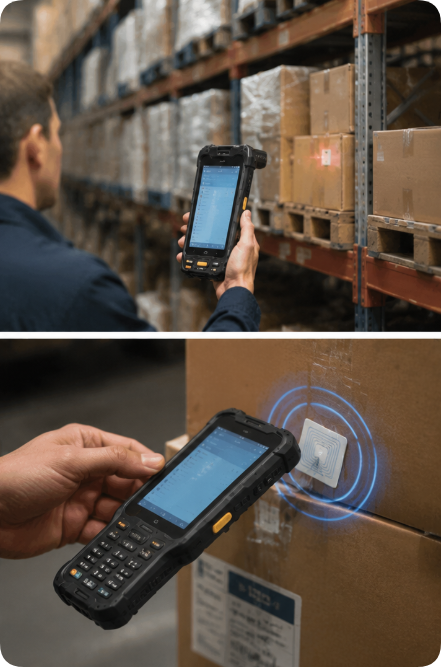
Device Role Decomposition
ST9-M: The Command Center Dashboard
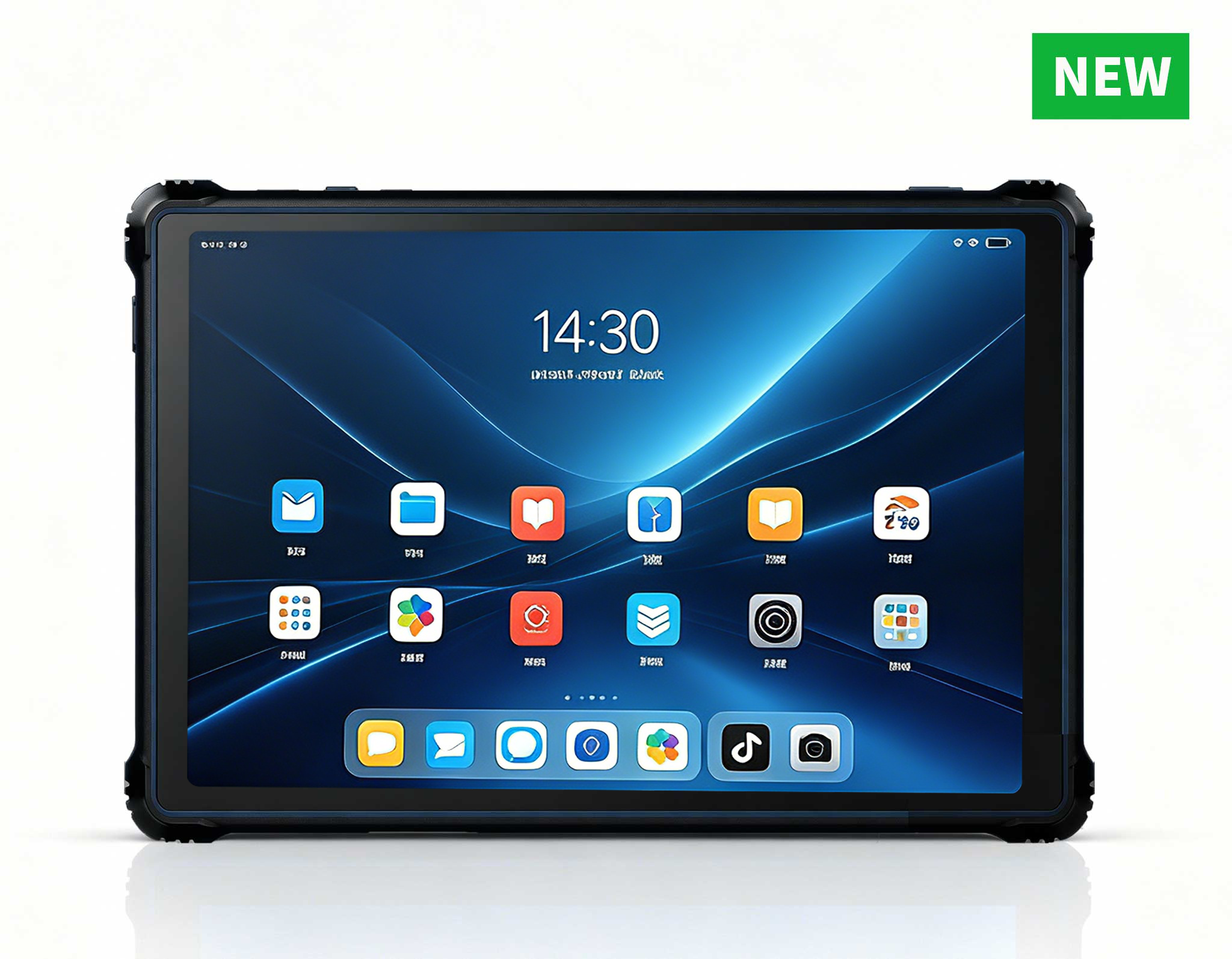
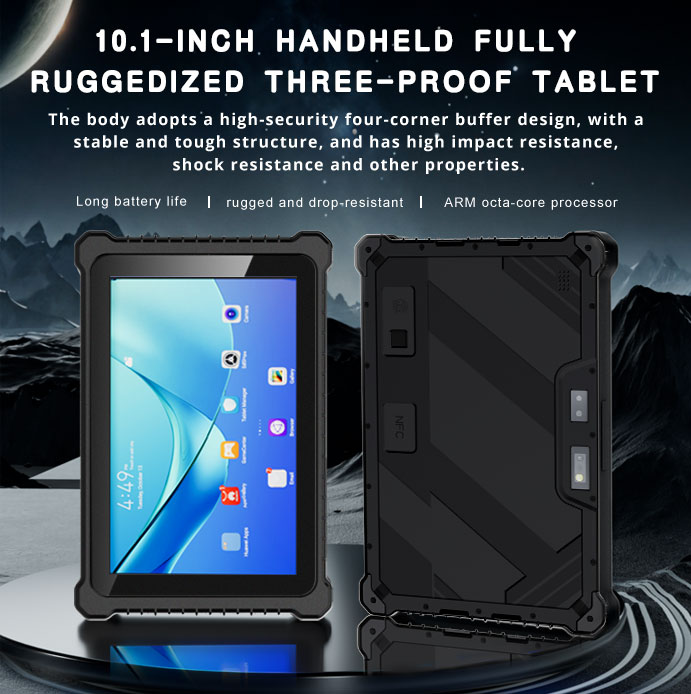
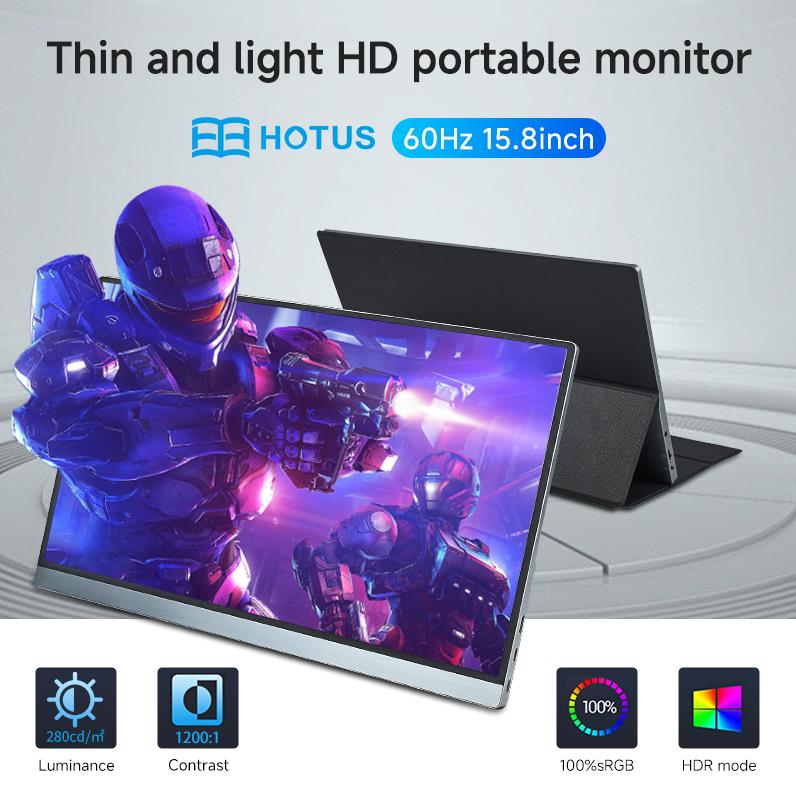
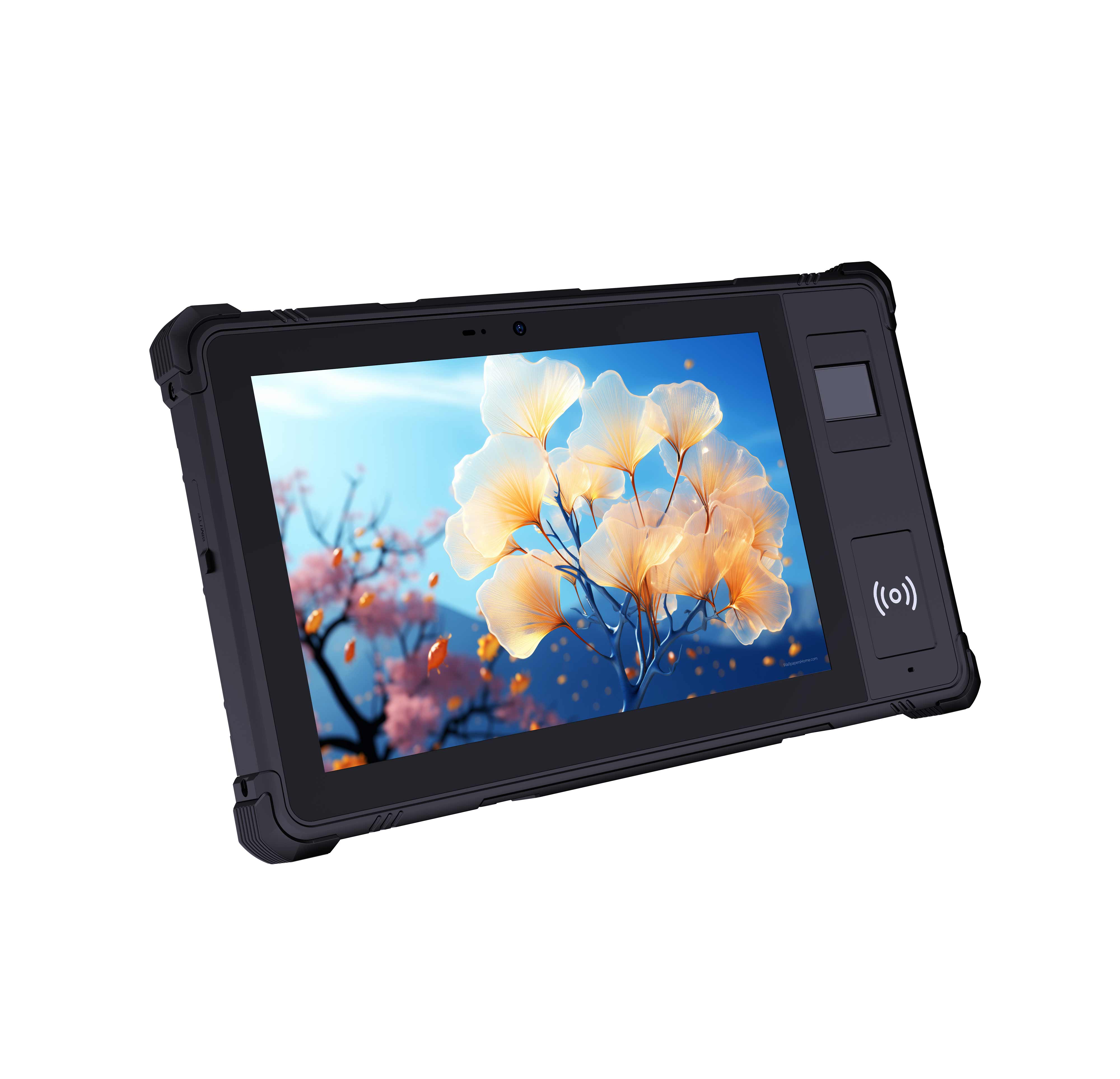
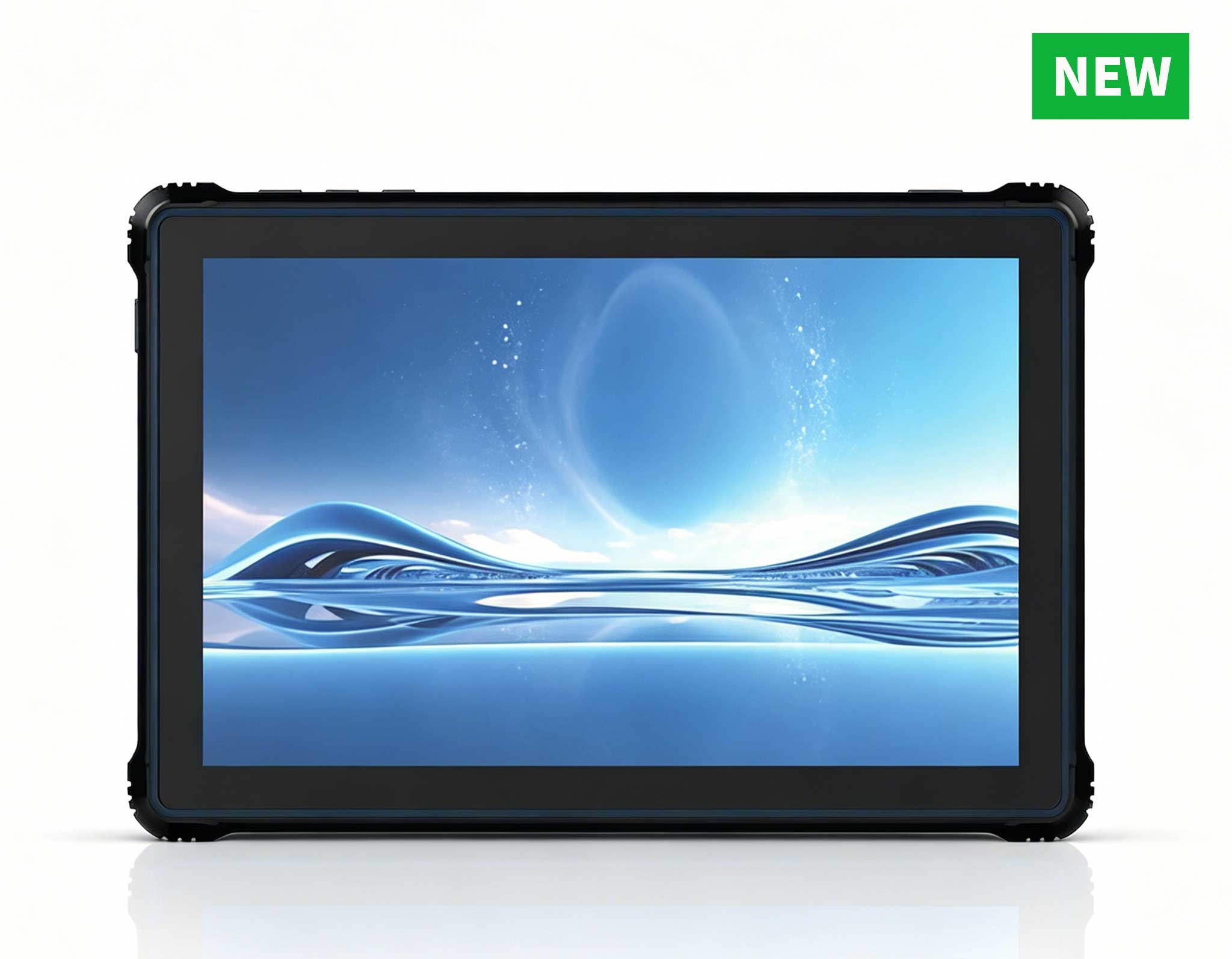
Mounted on a wall or desk stand at the control hub, the ST9-M 8-inch Windows Rugged Industrial Tablet provides a persistent, always-on dashboard. Its role is analytical and supervisory. The Windows operating system offers full compatibility with complex WMS desktop interfaces, avoiding the app compatibility issues common with standard tablets. Built with industrial-grade durability, the ST9-M runs 24/7, displaying real-time KPIs such as throughput rates, bottleneck alerts, and labor allocation. In a real-world scenario, a supervisor notices a sudden volume spike on conveyor lane 3, touches the screen to drill into the data, and reassigns workers from a lower-priority area—all without leaving the control room. The device also supports multi-monitor setups, so supervisors can keep an eye on security feeds alongside operational metrics.
SH5-W: The Mobile Exception Handler
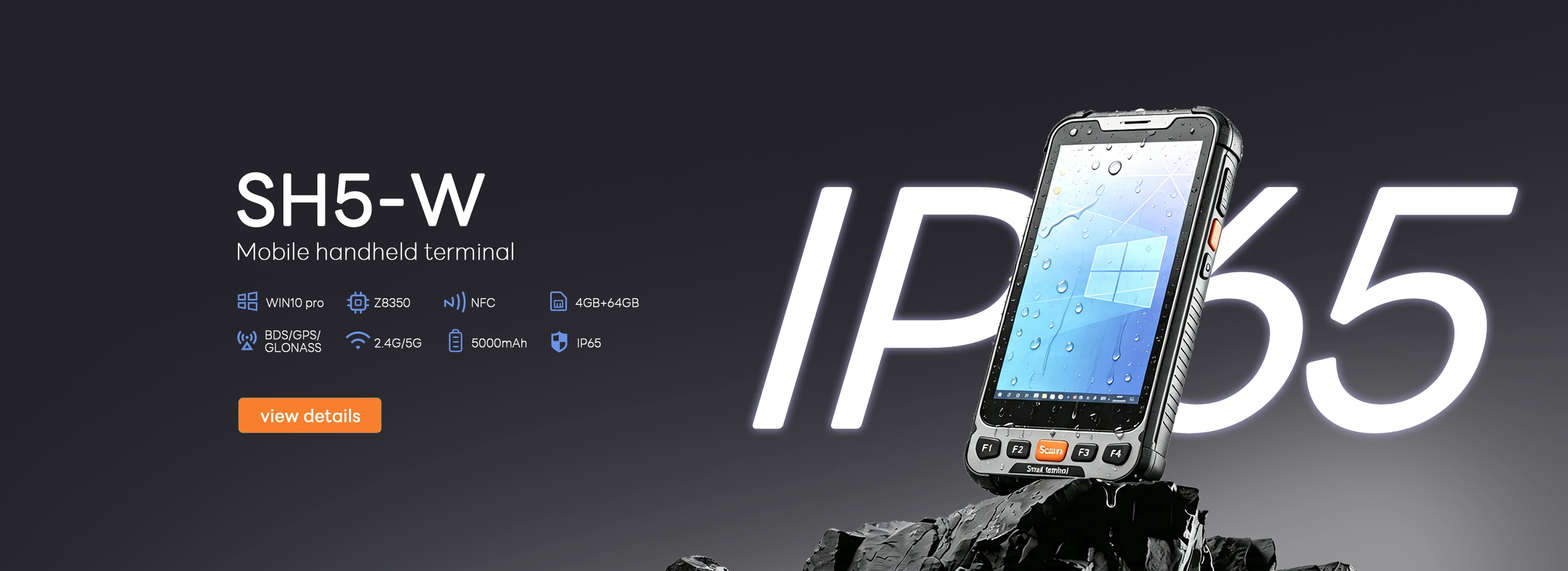
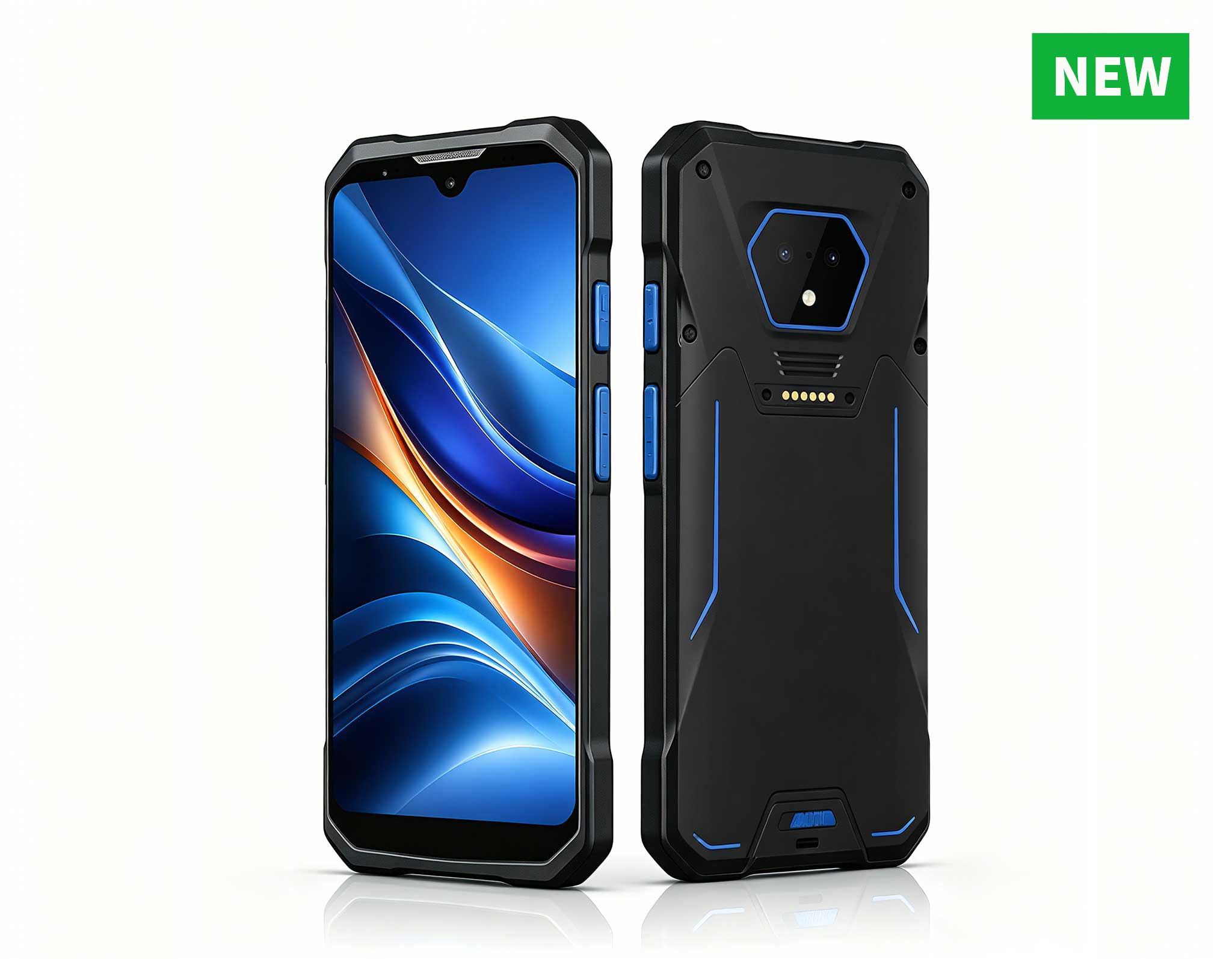
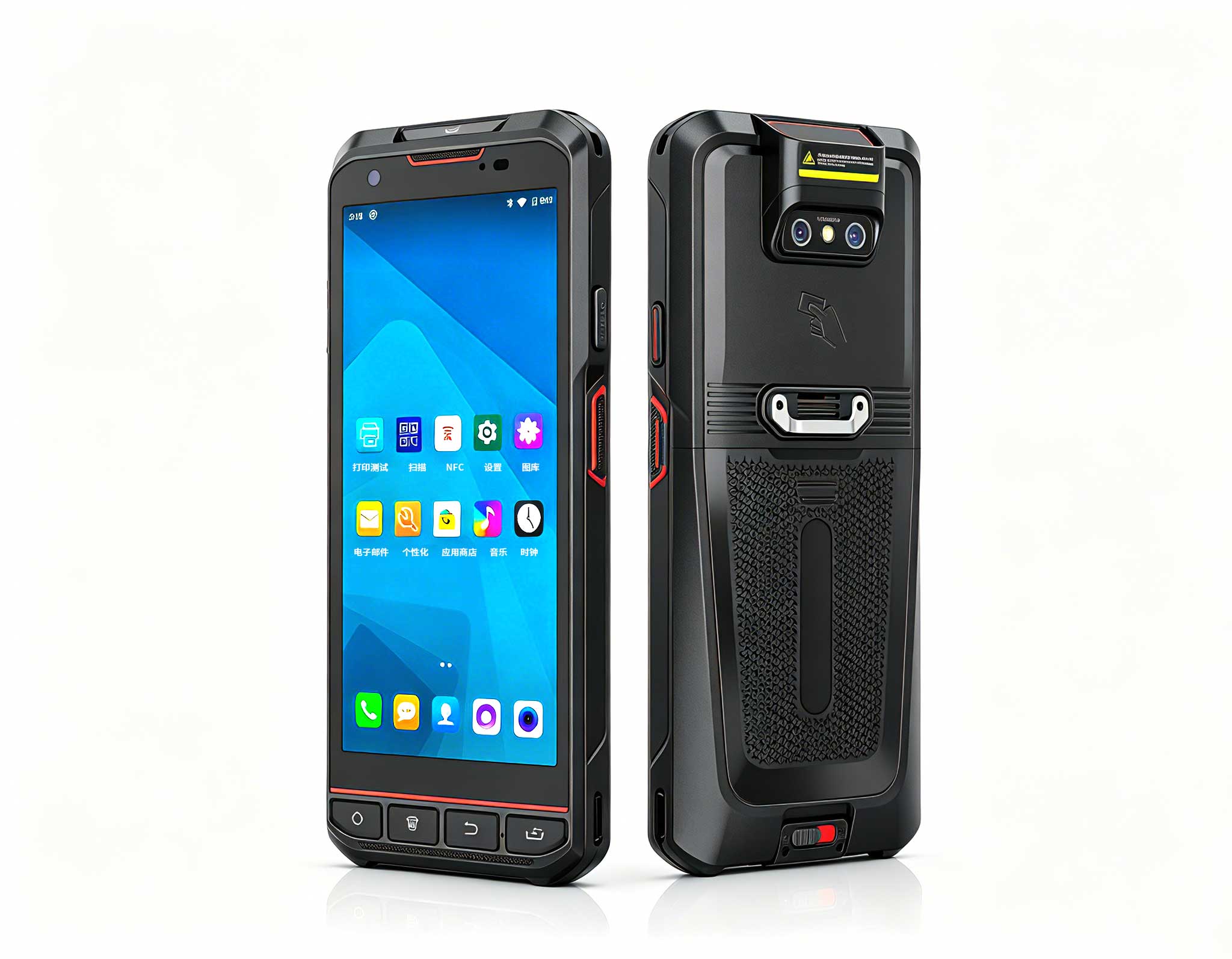
When a parcel is damaged, misrouted, or missing a label, a floor worker needs a device that is both portable and powerful. The SH5-W 5.5-inch Windows Rugged Handheld excels in this role. Its compact size allows workers to carry it comfortably while walking sorting aisles, and its glove-compatible touchscreen works in cold dock environments. Workers open a WMS form, select an exception code—"Damaged Packaging," "Undeliverable," "Address Corrected"—and update the database in seconds. In our ROI model, each SH5-W replaces a paper-based exception logging system, eliminating data entry lag and transcription errors. The Windows OS ensures the SH5-W runs the same WMS exception module as the ST9-M, creating a unified software ecosystem that requires no cross-platform training. Over a typical 10-hour shift, a worker handles 40 to 60 exceptions; with the SH5-W, each interaction drops from 3 minutes to under 30 seconds.
K401: The High-Speed Scanning Terminal
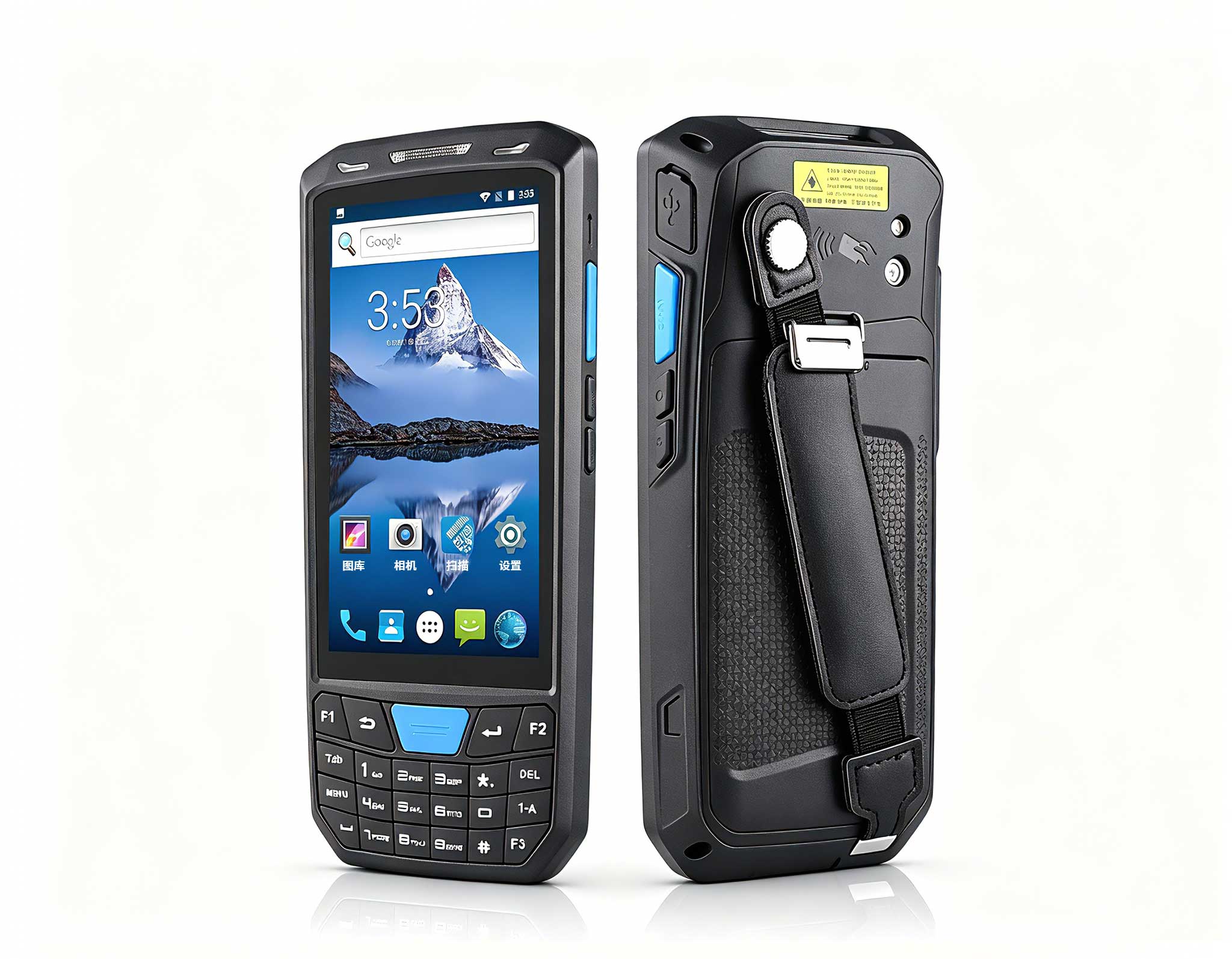
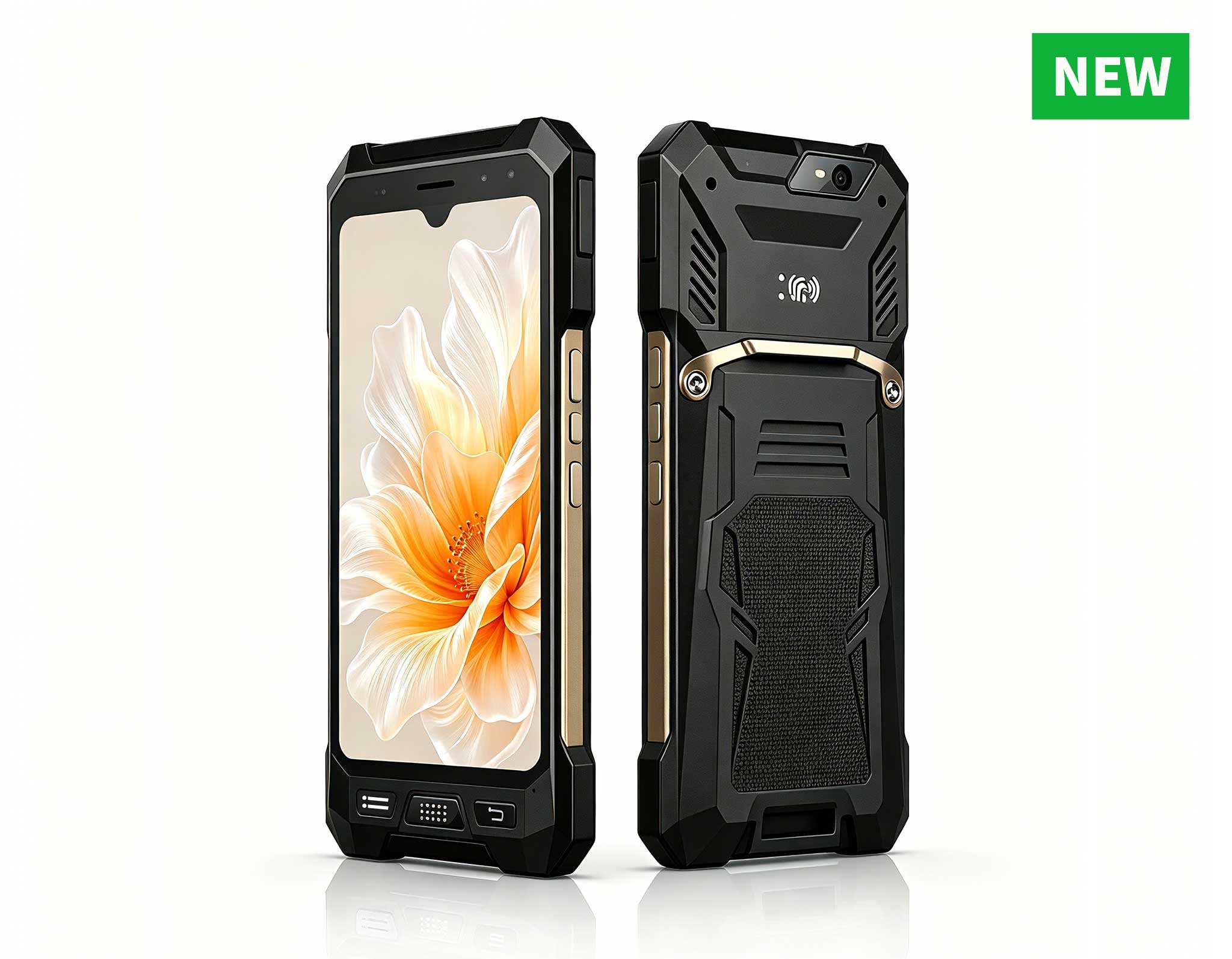
The most demanding task in any sorting center is scanning. The K401 Android 13 High-End PDA is purpose-built for this function. It integrates a high-performance barcode imager and a long-range UHF RFID reader in a single rugged form factor. At the receiving dock, a worker scans a pallet's RFID tag from 5 meters away and verifies the entire manifest in under 5 seconds. On sorting lanes, the barcode scanner processes labels at speeds exceeding 300 scans per minute. The K401's onboard data logging ensures every scan is time-stamped and correlated to the sorting location. It is the primary data capture device, feeding the WMS with granular item-level data that powers the dashboards on the ST9-M and the exception logs on the SH5-W. In high-noise environments, the device's vibration and LED alerts ensure workers never miss a critical scan confirmation.
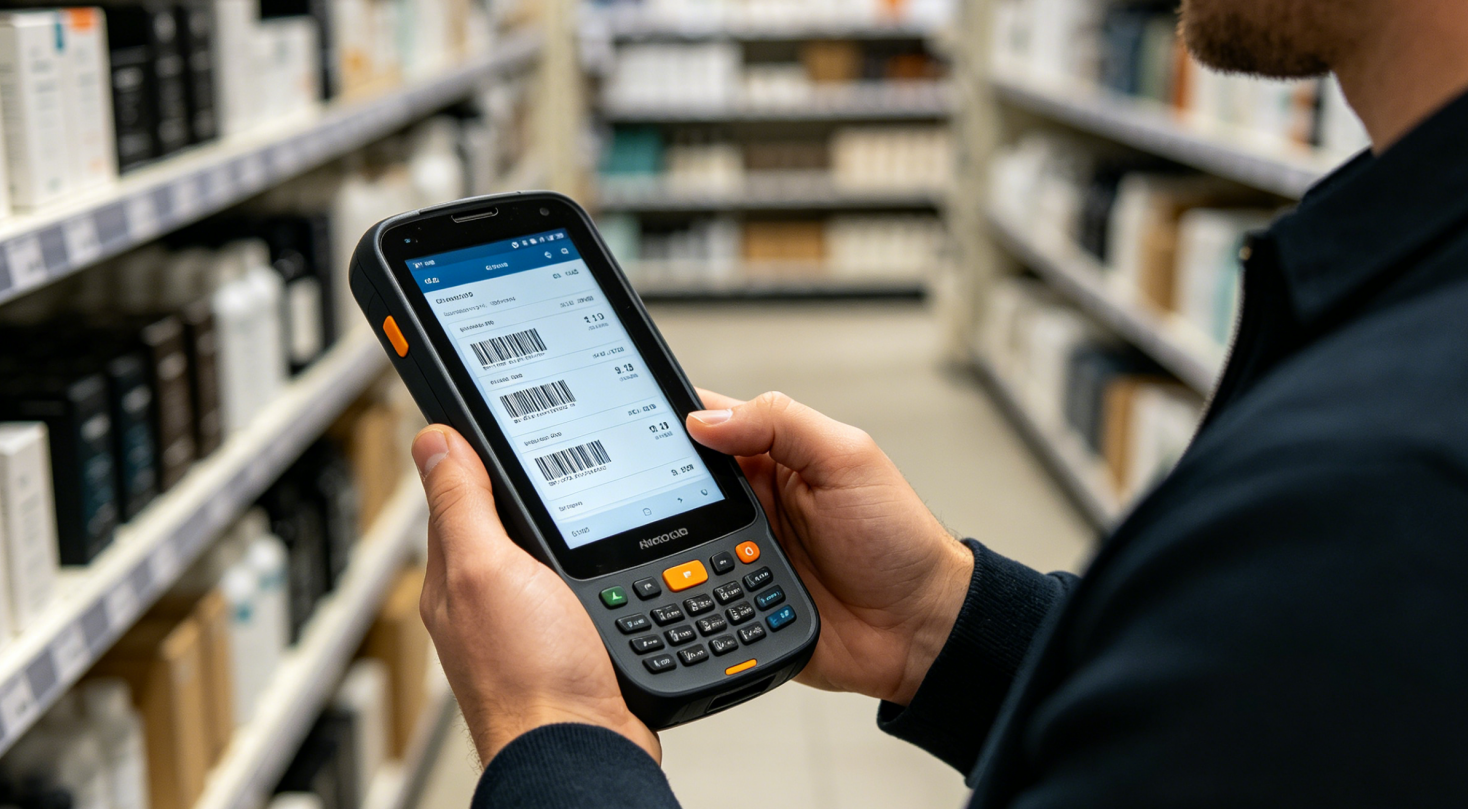
Three-Year Total Cost of Ownership (TCO) Breakdown
For this analysis, we model a mid-sized sorting center handling 50,000 parcels per day across two shifts. The required device count is: 5 units of ST9-M for supervisors and control room personnel, 20 units of SH5-W for floor workers handling exceptions and light data entry, and 30 units of K401 for primary scanning on all inbound and outbound lanes. TCO includes hardware acquisition, software licensing, maintenance, battery replacement, training, and deployment labor over a 36-month period. We also factor in the cost of centralized device management software, which is critical for remote configuration, OS patching, and asset tracking across a mixed fleet of Windows and Android devices.
| Cost Component | ST9-M (5 units) | SH5-W (20 units) | K401 (30 units) | Total (All Devices) |
|---|---|---|---|---|
| Hardware Acquisition (One-Time) | $6,000 ($1,200/unit) | $16,000 ($800/unit) | $36,000 ($1,200/unit) | $58,000 |
| Centralized Management Software (Annual, per device) | $750 ($150/unit/yr) | $3,000 ($150/unit/yr) | $4,500 ($150/unit/yr) | $8,250/yr |
| Maintenance & Repairs (Year 1-3, estimated 5% of hardware cost/yr) | $900 over 3 yrs | $2,400 over 3 yrs | $5,400 over 3 yrs | $8,700 |
| Battery Replacement (Year 2, ~30% of units) | $300 | $1,600 | $3,600 | $5,500 |
| Training & Deployment Labor | $1,000 | $2,000 | $3,000 | $6,000 |
| 3-Year Total Cost of Ownership | $8,950 | $25,000 | $52,500 | $86,450 |
Note: Hardware costs are estimated based on current market pricing for equivalent rugged devices. Actual Hotus pricing may vary depending on configuration and volume discounts. The centralized management software fee covers both Windows and Android device management under a single console.
Return on Investment (ROI) Analysis
Calculating ROI requires quantifying the operational cost savings and revenue improvements that the three-device synergy enables. We identify three primary areas of financial impact, each grounded in real operational metrics from logistics facilities that have made similar transitions.
1. Labor Productivity Gains in Exception Handling
Before deployment, a floor worker handling exceptions with paper forms spends an average of 3 minutes per exception: walking to a fixed terminal, logging in, finding the shipment record, and typing the exception code. With the SH5-W, the same task is completed in 30 seconds from anywhere on the floor. With 20 SH5-W devices handling roughly 500 exceptions per day across two shifts, the daily time saved is 20 workers × (3 min − 0.5 min) × 500 exceptions / 20 workers = 62.5 hours per day. At an average fully loaded labor rate of $18/hour, this saves $1,125 per day, or $405,000 per year (assuming 360 operating days). Over three years, this single improvement yields $1,215,000 in labor savings. These numbers do not account for the reduction in overtime pay, which often adds another 15-20% in facilities running near capacity.
2. Throughput Increase and Reduced Shipping Delays via RFID Scanning
The K401's RFID bulk scanning capability allows a single worker to scan an entire pallet of 50 items in 5 seconds, compared to 2 minutes using traditional barcode scanning. For a center processing 50,000 parcels per day with 60% RFID-tagged items, this reduces total scanning time from 500 person-hours to 25 person-hours per day. The 475 person-hours saved daily are redirected to value-added tasks such as repackaging, quality inspection, and load planning. Additionally, faster scanning reduces truck turnaround times by 15 minutes per load, saving approximately $250 per truck in dock occupancy costs and late departure penalties. With 20 trucks per day, that is $5,000 per day or $1.8 million per year in reduced idle time and penalty avoidance. Over three years, this impact totals $5.4 million. In peak season months when volume spikes by 40%, these savings compound significantly.
3. Reduced Operational Errors and Re-Shipment Costs
Manual data entry errors in a legacy paper system cause misrouted parcels, delayed deliveries, and re-shipping costs that erode margins. The K401's automated logging and the SH5-W's digital exception forms reduce error rates by 90%. Assuming a 0.5% misrouting rate on 50,000 parcels (250 errors per day) at a $20 cost per error (covering re-shipping, customer dissatisfaction, and penalty fees), daily losses were $5,000. After deployment, this drops to $500 per day, saving $4,500 per day or $1.62 million per year. Three-year savings reach $4.86 million. These savings are conservative because they exclude the indirect cost of lost customer trust and contract penalties for service-level agreement breaches.
ROI Calculation Summary
| Impact Area | Annual Savings | 3-Year Savings |
|---|---|---|
| Labor Productivity (Exception Handling) | $405,000 | $1,215,000 |
| Throughput & Truck Turnaround | $1,800,000 | $5,400,000 |
| Error Reduction (Misrouting) | $1,620,000 | $4,860,000 |
| Total Annual Savings | $3,825,000 | $11,475,000 |
Total 3-Year TCO (Hardware + Software + Maintenance): $86,450
Total 3-Year Savings: $11,475,000
Net Benefit (3-Year): $11,388,550
ROI (3-Year): (Net Benefit / TCO) × 100 = ($11,388,550 / $86,450) × 100 = 13,174%
Even if we assume only 10% of these theoretical savings are realized in practice—due to learning curves, process integration delays, or lower-than-expected volume—the ROI would still exceed 1,300%. That makes this one of the most compelling capital investments a logistics operation can make. The payback period, calculated on a simple cash flow basis, is under 9 days.
For a deeper dive into how multi-device workflows compare across Windows and Android platforms, see our analysis on Multi-Device Workflow Selection: ST13-U Windows Rugged Tablet vs. HTNJ08C Android, and for a real-world ROI case study, read K401 Handheld PDA: A Buyer's Guide to Warehouse Picking Efficiency.
Conclusion: From Cost Center to Competitive Advantage
The data makes one thing clear: a fragmented device strategy creates hidden costs in labor inefficiency, error handling, and throughput bottlenecks. The ST9-M, SH5-W, and K401 represent more than just hardware—they form an integrated ecosystem designed to maximize the efficiency of a logistics sorting center. By assigning the correct device to each specific role—dashboard management, mobile exception handling, and high-speed scanning—you transform a significant operational expense into a high-return investment. Logistics managers who adopt this three-device synergy gain a measurable competitive edge: lower cost per parcel, faster processing times, and higher data accuracy. Do not settle for a one-size-fits-all solution that compromises on every front. Evaluate the complete Hotus workflow for your facility and see how the numbers add up.
Explore the ST9-M 8-inch Windows Rugged Industrial Tablet | Explore the SH5-W 5.5-inch Windows Rugged Handheld | Explore the K401 Android 13 High-End PDA
Visit Hotus Projector for more industrial solutions.