- Select Language
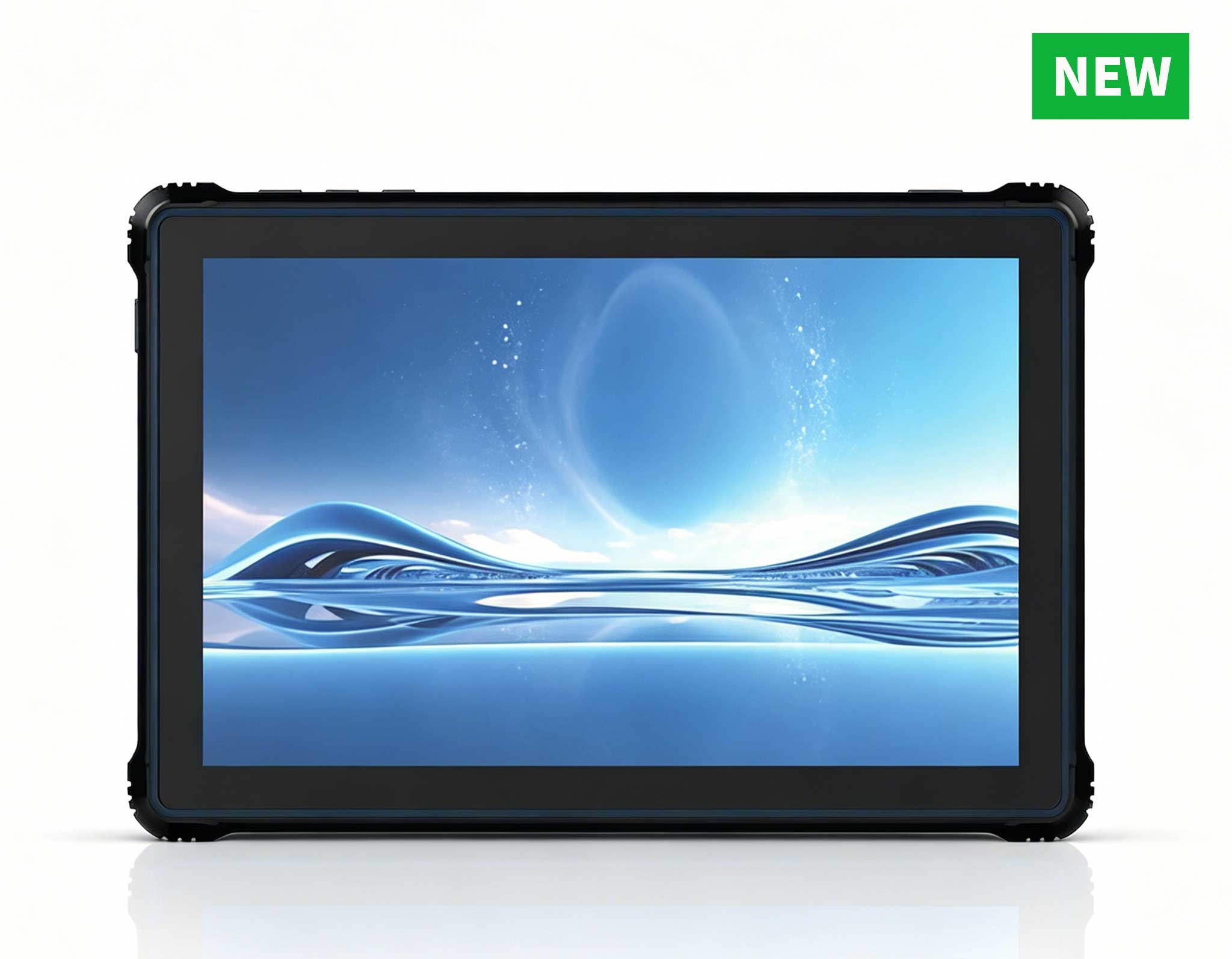
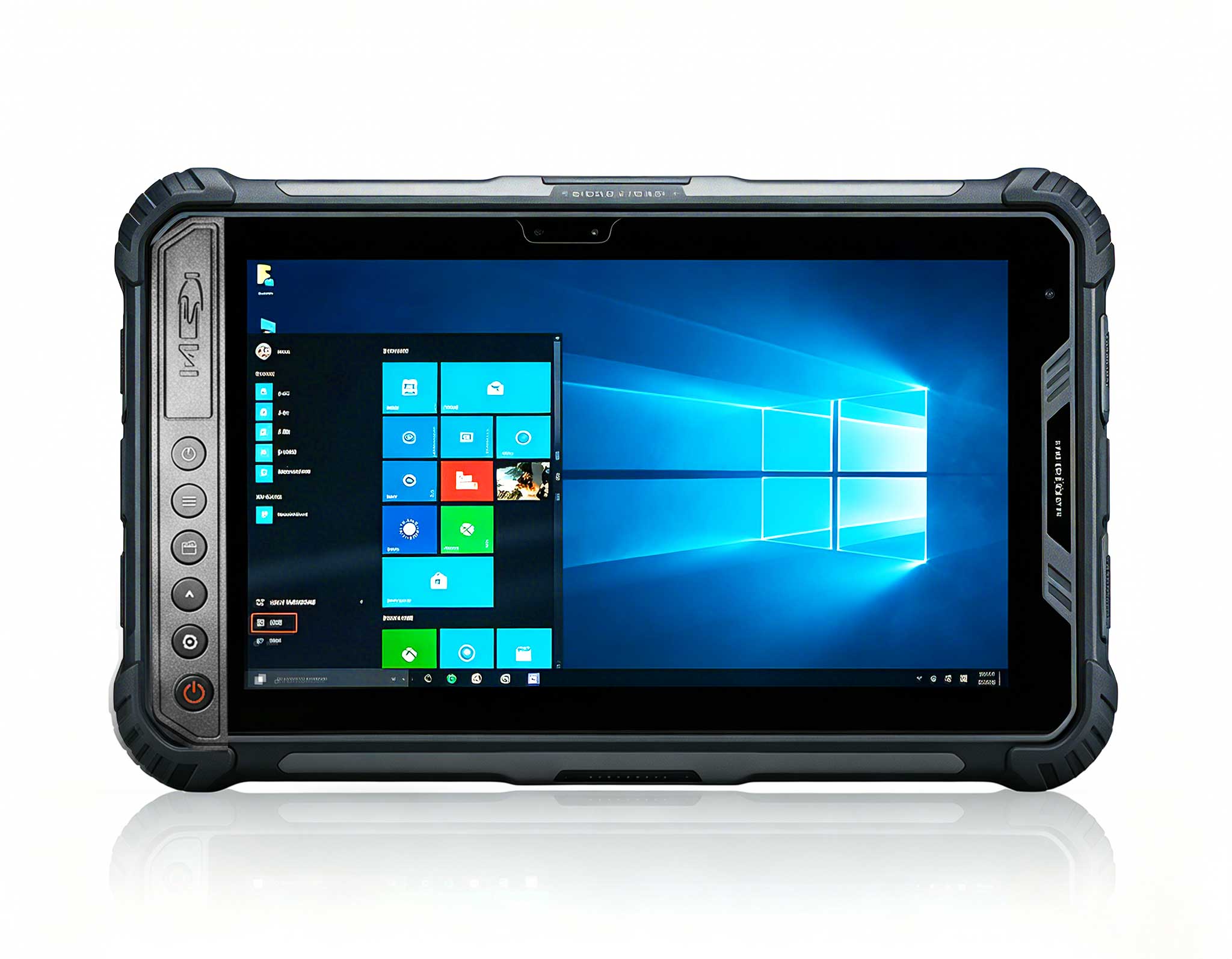
RT80 5G Rugged Tablet | 10.1" FHD 400nit | Un...
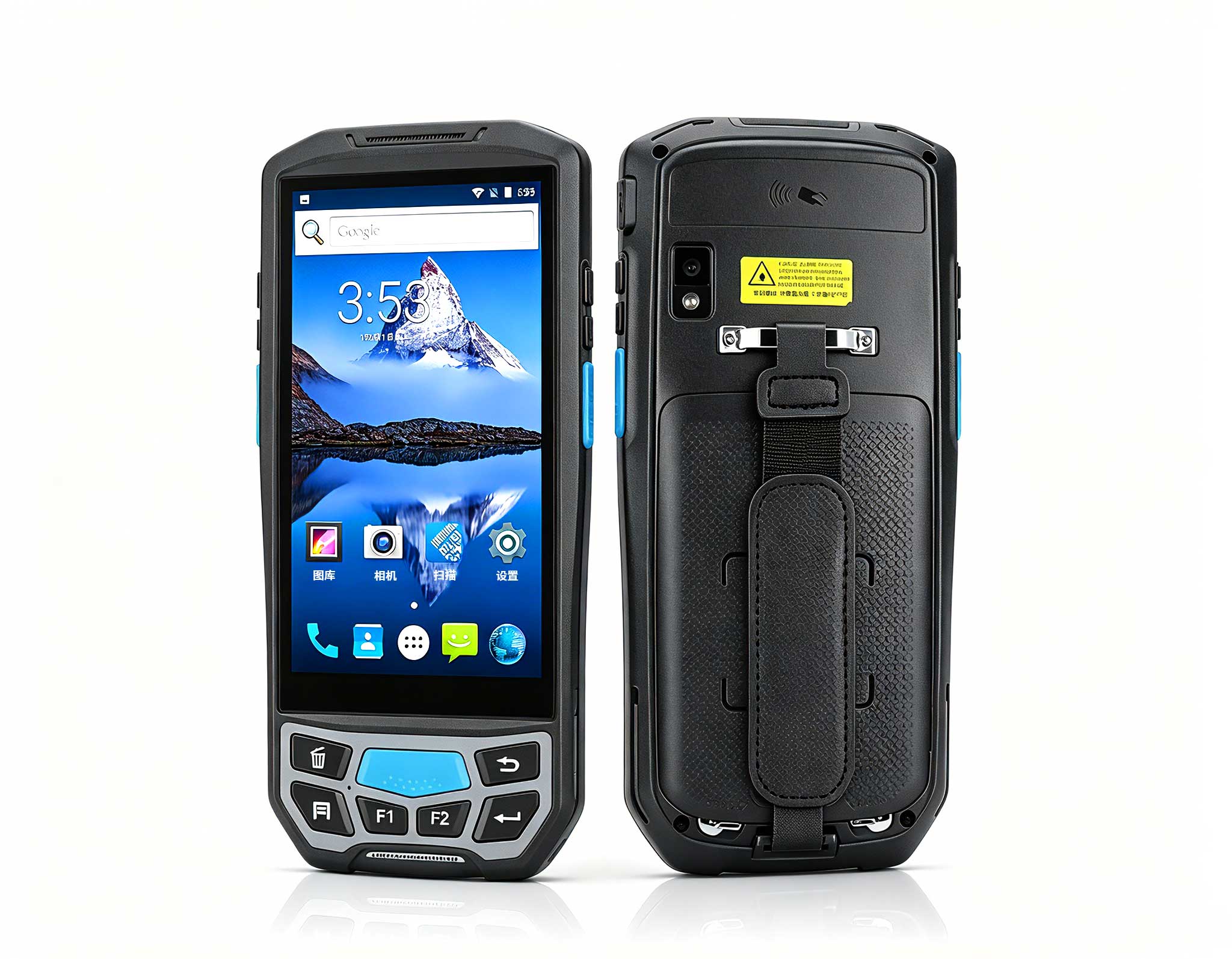
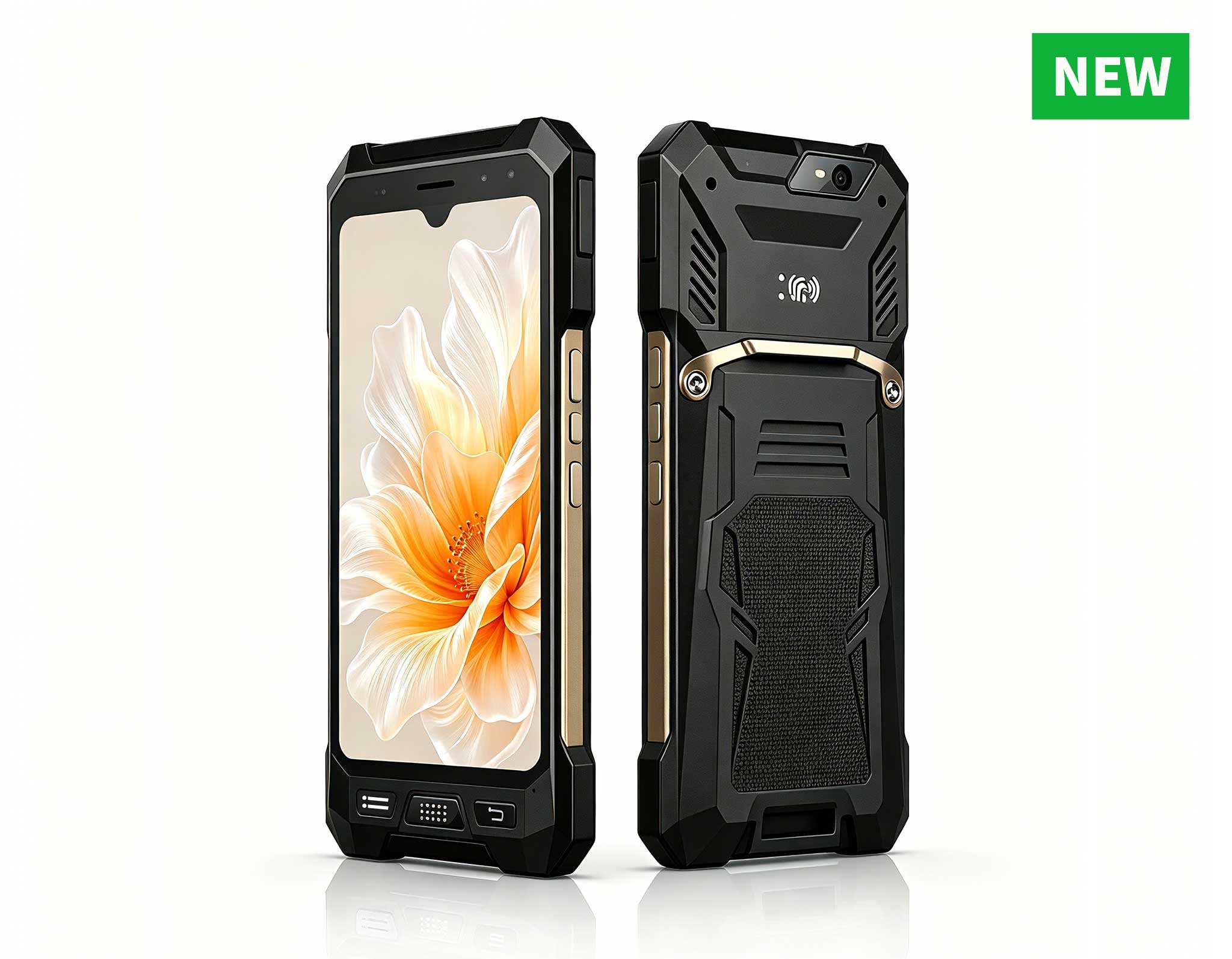
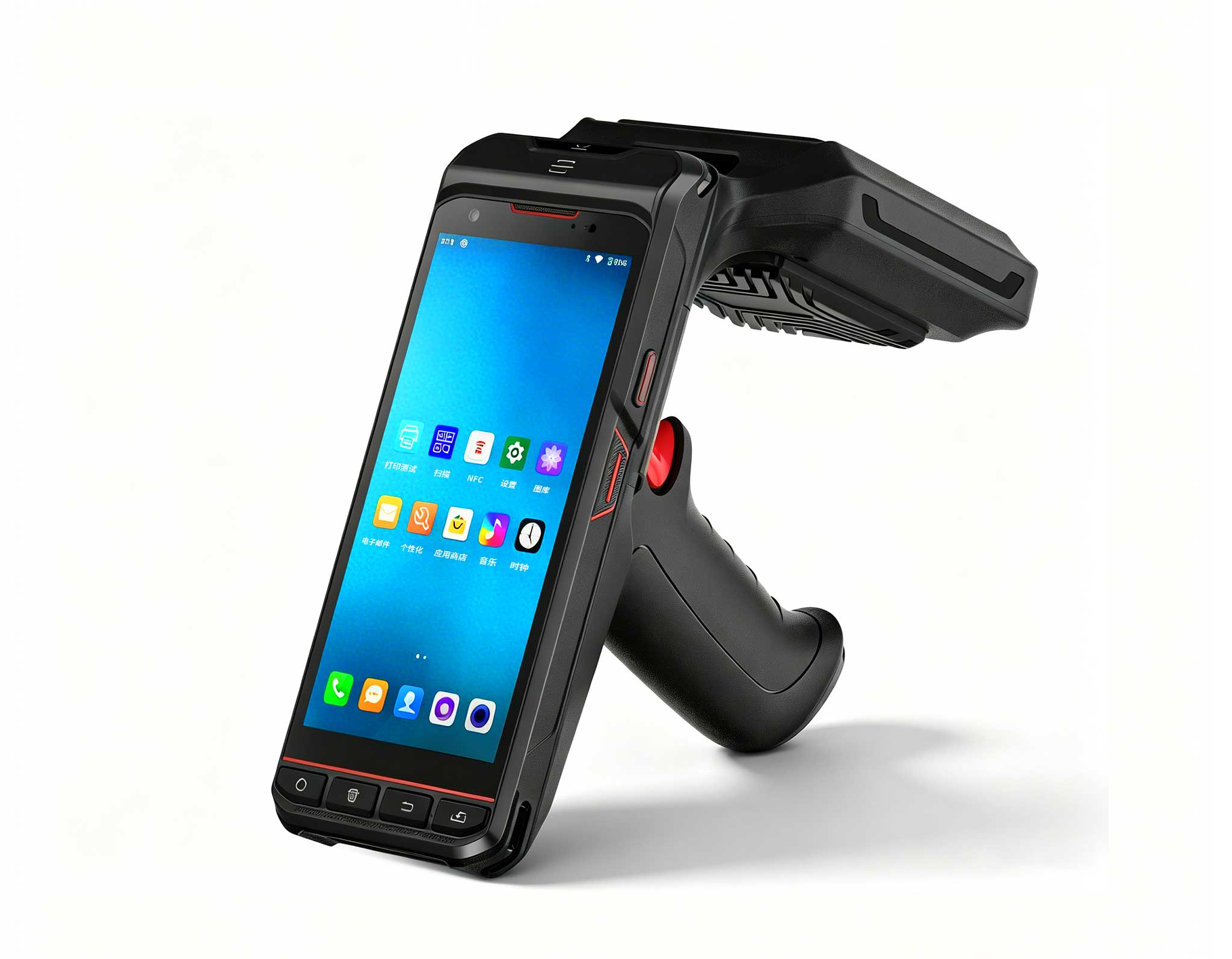
The U9000 handheld PDA combines advanced barcode s...
R530C 6.0-inch Industrial PDA | Qualcomm Octa-core...
Full SpecificationsModelHotus ST9‑MOSWindows 10/11...
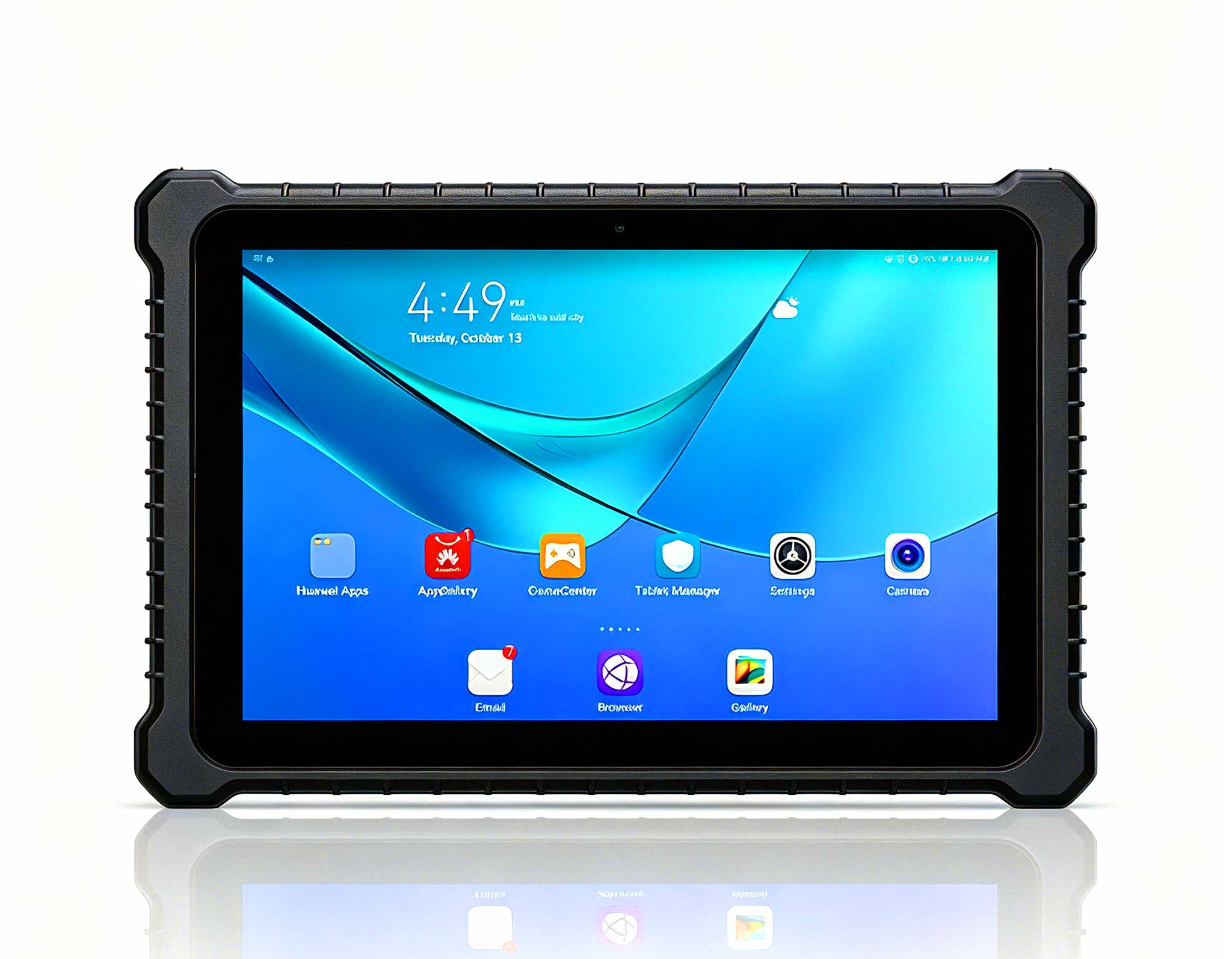
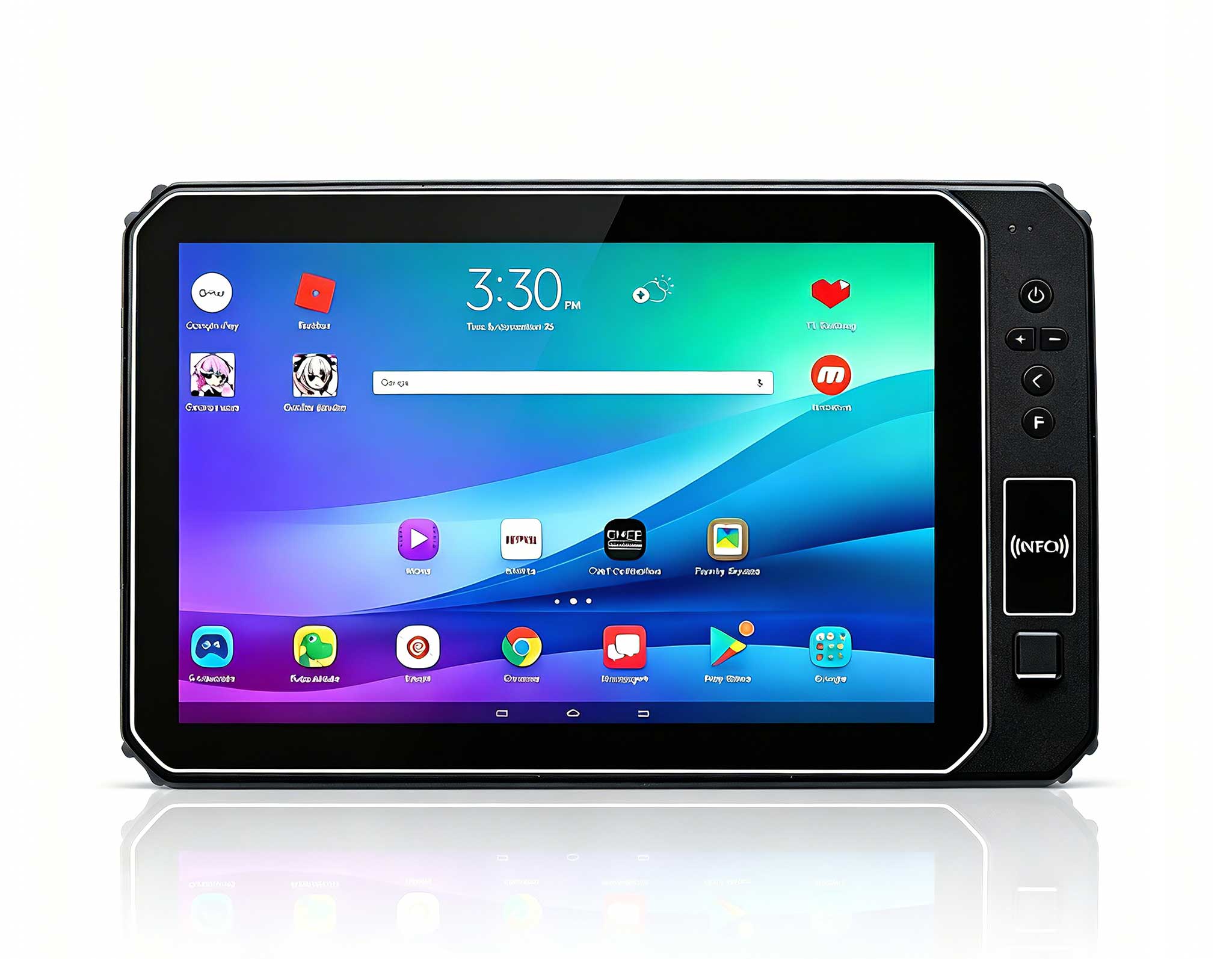
This 10-inch Android rugged tablet is designed for...
The R501 PDA combines a powerful MT6762 Octa-Core ...
Full SpecificationsModelHotus ST11‑UOSWindows 10 P...
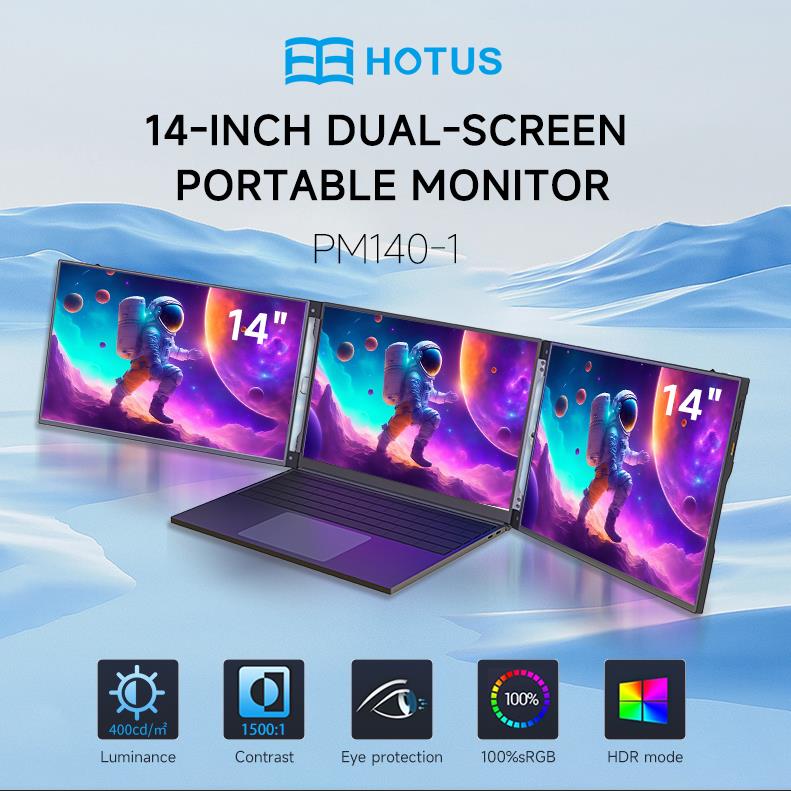
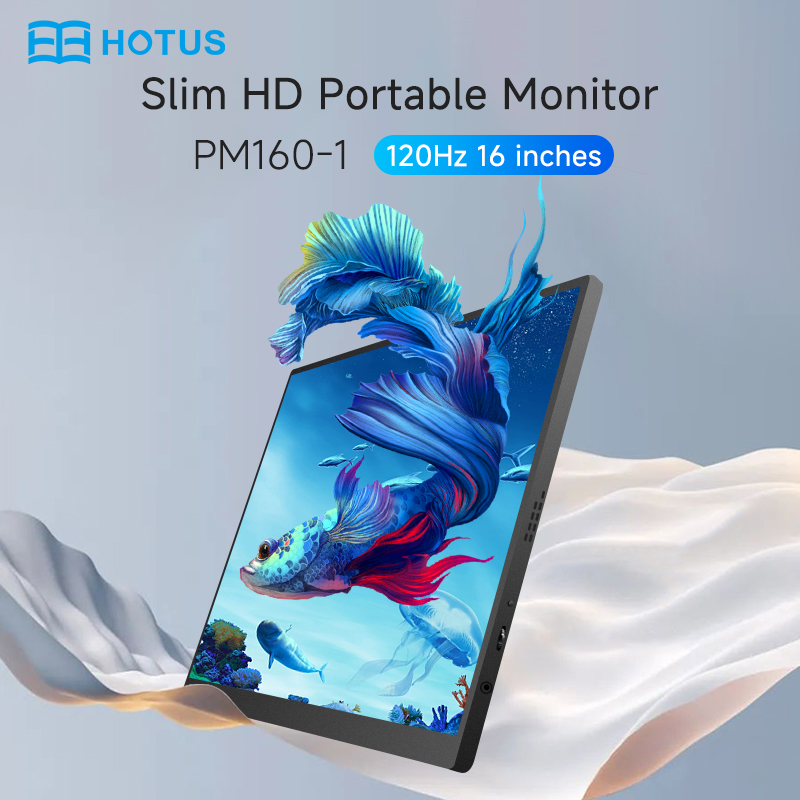
The PM156-1 is a 15.6-inch portable PC monitor fea...
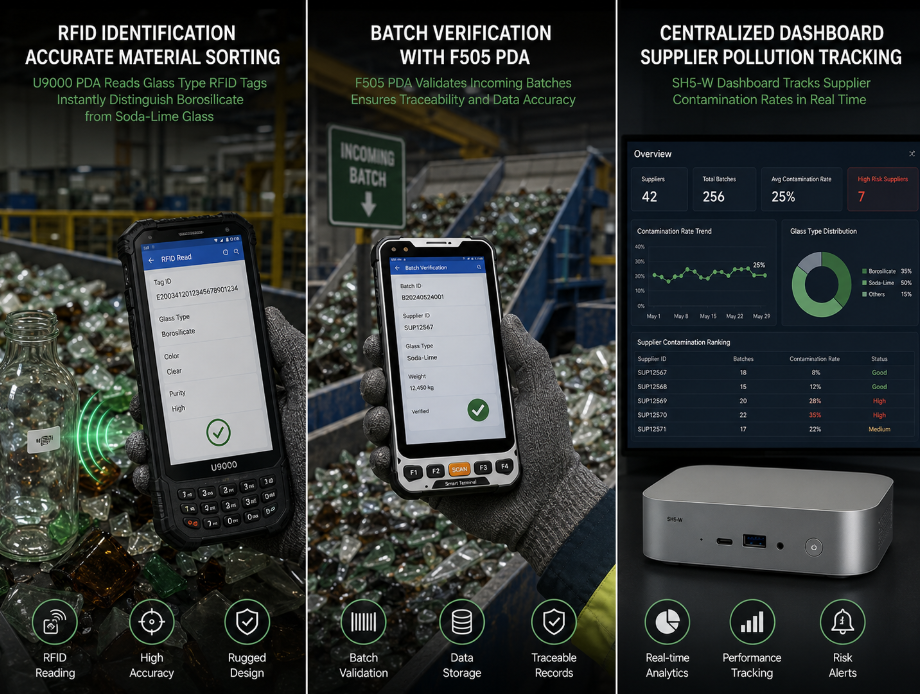
Fig 1 – Inside an offshore control cabin, the ROV pilot logs inspection data in real time while monitoring live subsea footage.
Offshore wind inspection cycles are accelerating, but documentation methods often lag behind. Digital, time-stamped, and location-linked records are becoming essential to reduce risk, shorten response time, and support contractual and insurance requirements.
Subsea Inspection & Offshore Operations | Updated 2026
As offshore wind projects move farther from shore and into deeper waters, remotely operated vehicles (ROVs) have become a core tool for inspection, maintenance, and repair. They are routinely used to assess subsea cables, foundations, and protective structures.
With more assets underwater and longer inspection routes, the volume of data generated during each dive is increasing significantly. Efficient data capture is now critical to keeping operations aligned with maintenance schedules and safety standards.
Traditional logging methods—voice notes, handwritten records, or post-dive reporting—introduce gaps between observation and action. These delays can affect decision-making, particularly when defects require immediate attention.
Common limitations include:
In offshore environments where repair windows are narrow, even minor delays can lead to significant operational impact.
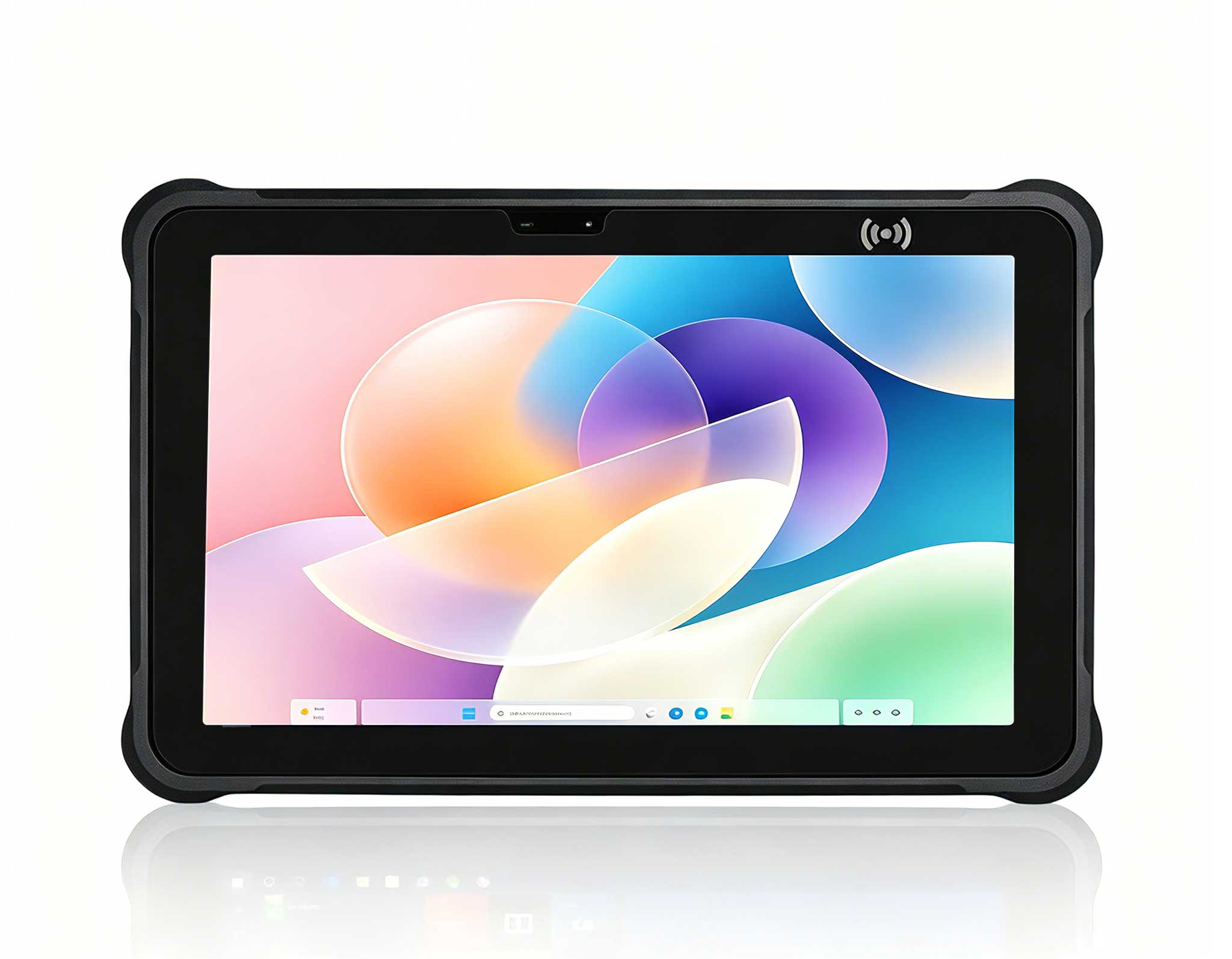
The ST11-U rugged Windows tablet enables direct data entry during ROV operations, eliminating the need for post-mission transcription.
Inspection notes, images, and annotations can be recorded while the ROV is still in operation. This ensures that observations are captured accurately and immediately.
Key capabilities include:
The result is a streamlined workflow where inspection data is ready for review as soon as the dive concludes.
Fig 2 – Equipment verification prior to deployment using RFID-based inspection tracking.
The U9000 industrial PDA supports structured pre-launch inspection routines by scanning tagged components across the ROV system.
Sensors, cameras, and critical subsystems can be verified before deployment, ensuring all components meet operational requirements.
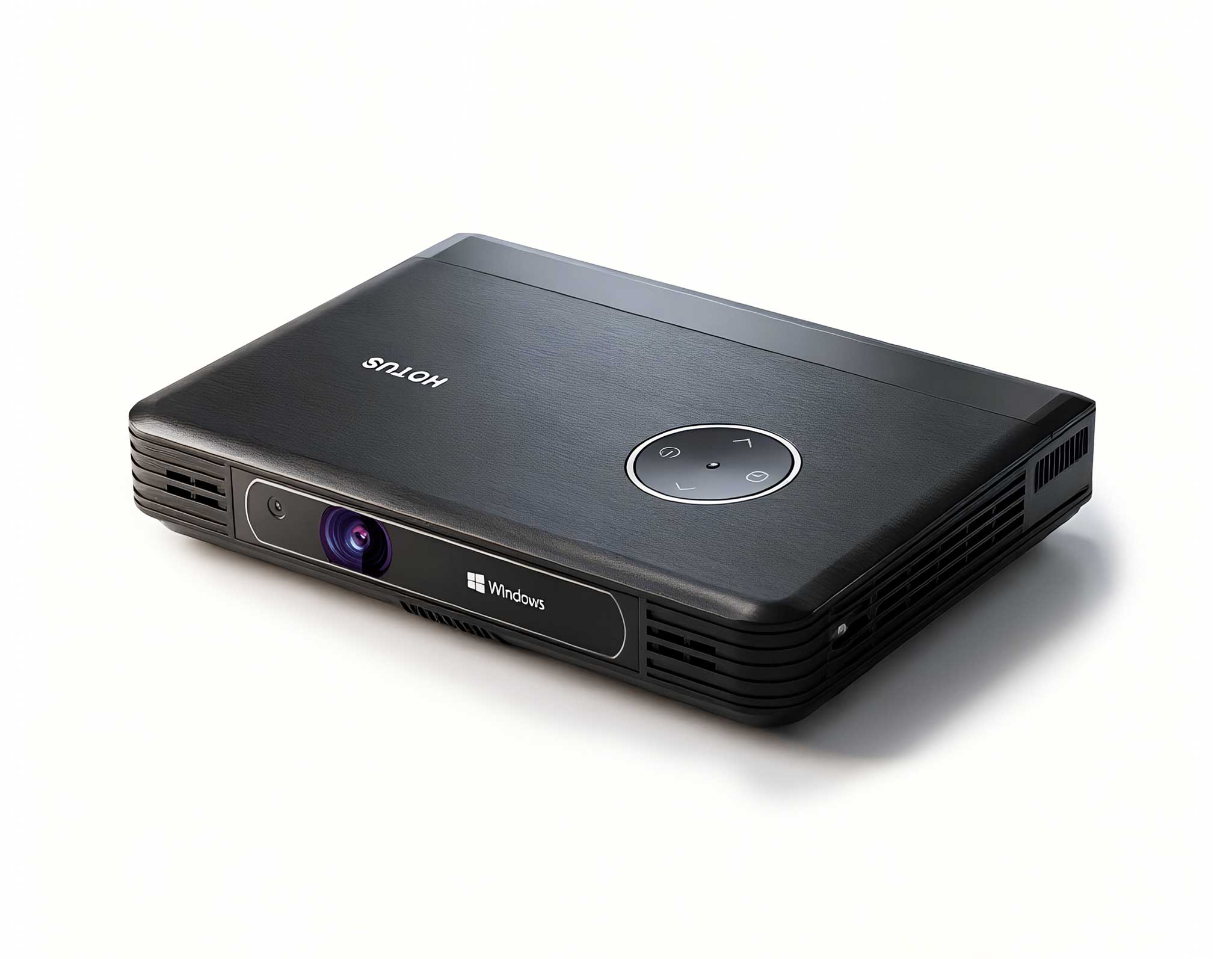
The palm-sized Mini PC acts as a central node for collecting and managing inspection data onboard support vessels.
It aggregates inputs from multiple devices and maintains data availability even when connectivity is limited. Once a satellite link is available, reports can be synchronized with onshore systems.
Fig 3 – Onboard data hub enabling synchronization between offshore inspection teams and onshore engineering support.
Transitioning to digital inspection workflows significantly reduces reporting delays and enhances data consistency. Inspection teams can deliver complete, structured reports within hours instead of days.
Operational benefits include:
Offshore wind infrastructure continues to expand, increasing the importance of reliable inspection processes. Digital tools are no longer optional—they are required to keep pace with operational demands and risk management expectations.
Rugged tablets, RFID-enabled devices, and onboard data systems provide a practical foundation for efficient and auditable subsea inspection workflows.
Learn more: Contact HOTUS Technology to evaluate digital inspection solutions for offshore wind and subsea ROV operations.