- Select Language
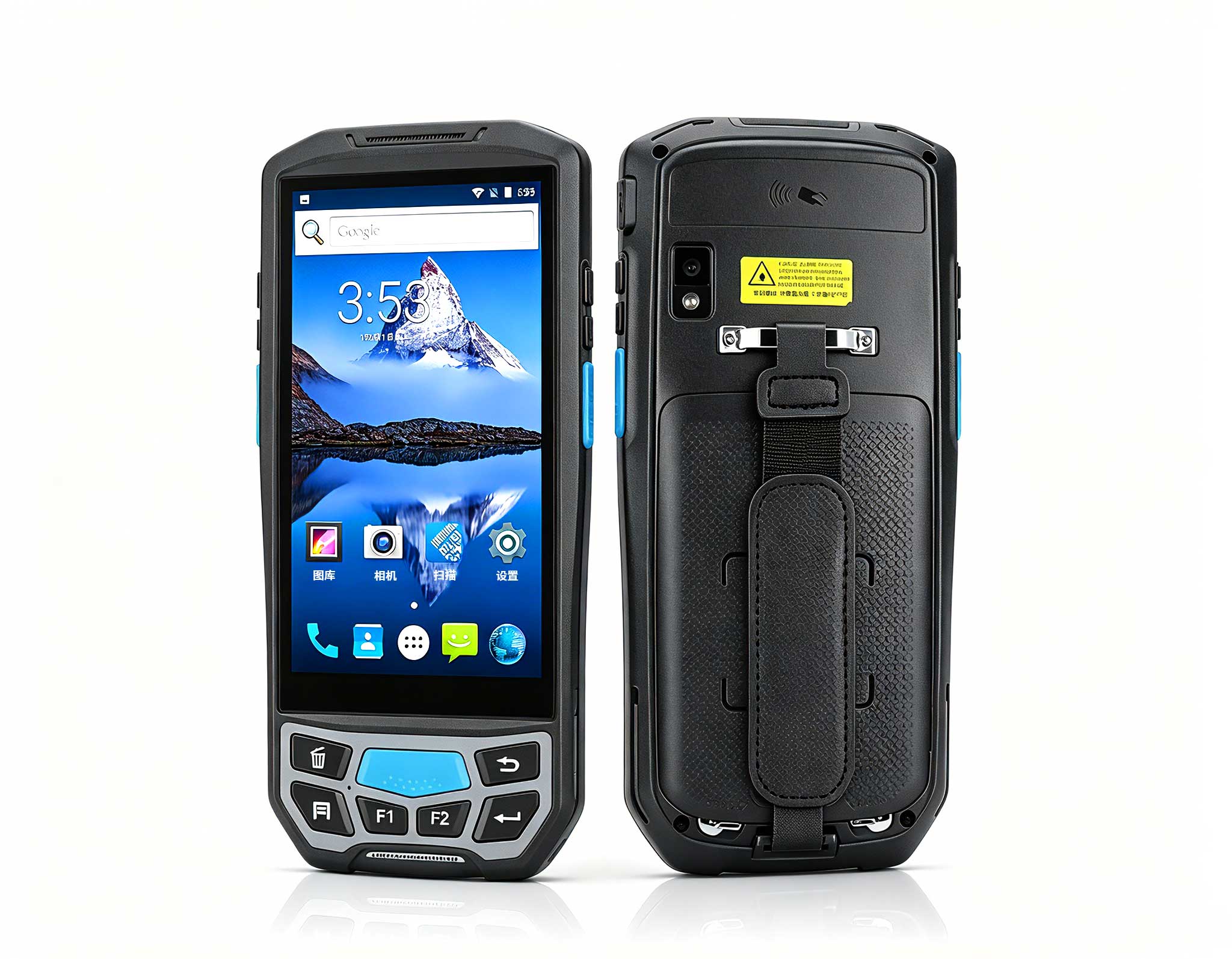
The U9000 handheld PDA combines advanced barcode s...
The R501 PDA combines a powerful MT6762 Octa-Core ...
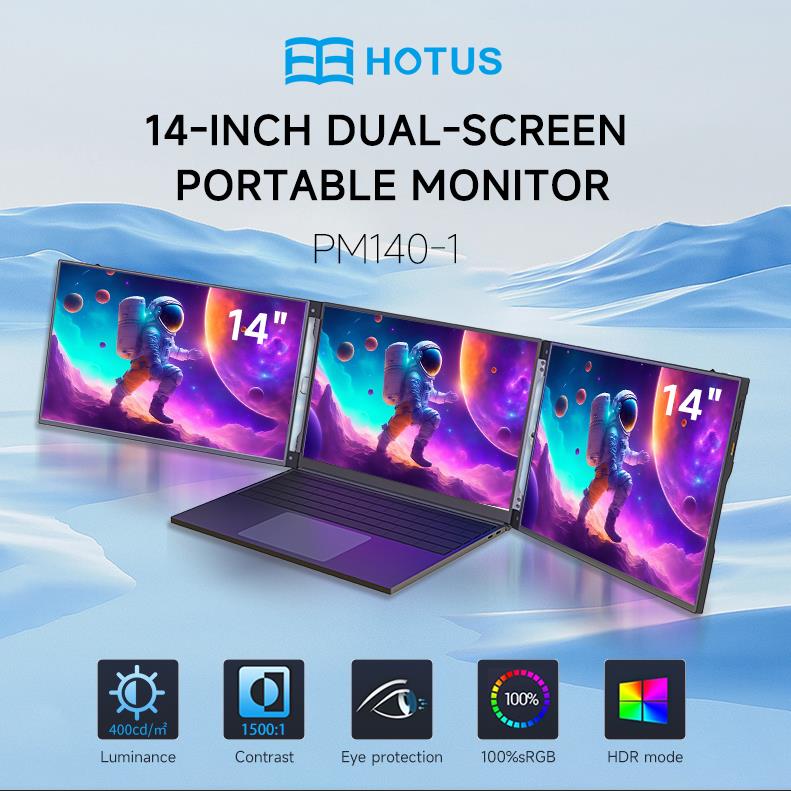
This dual touchscreen gaming laptop combines cutti...
The EGPU Graphics Card Expansion Dock is a high-pe...

Fig 1 – Routine inspection at a solvent tank in a carbon capture facility. Operators record critical parameters directly into a rugged tablet designed for chemical environments.
Carbon capture projects are scaling quickly, but data collection on the plant floor often remains manual. In solvent-heavy environments, inspection accuracy depends on durable, cleanable devices that can replace paper logs and deliver reliable, audit-ready records.
Industrial Carbon Capture Operations | Updated 2026
Carbon capture, utilization, and storage (CCUS) is transitioning from pilot projects to large-scale deployment. New facilities are being built alongside power plants, cement factories, and refineries to reduce emissions and meet regulatory targets.
As capacity grows, so does the complexity of plant operations. Absorber columns, solvent regeneration units, and storage systems must be continuously monitored to maintain efficiency and safety. Inspection frequency is increasing, and so are expectations for data accuracy.
Most post-combustion capture systems rely on amine-based solvents to absorb CO₂. These chemicals operate under demanding conditions and require close monitoring to prevent degradation and corrosion.
Key inspection parameters typically include:
When recorded on paper, these readings are difficult to validate and nearly impossible to analyze over time. In environments exposed to solvents, physical logs are also prone to damage and data loss.

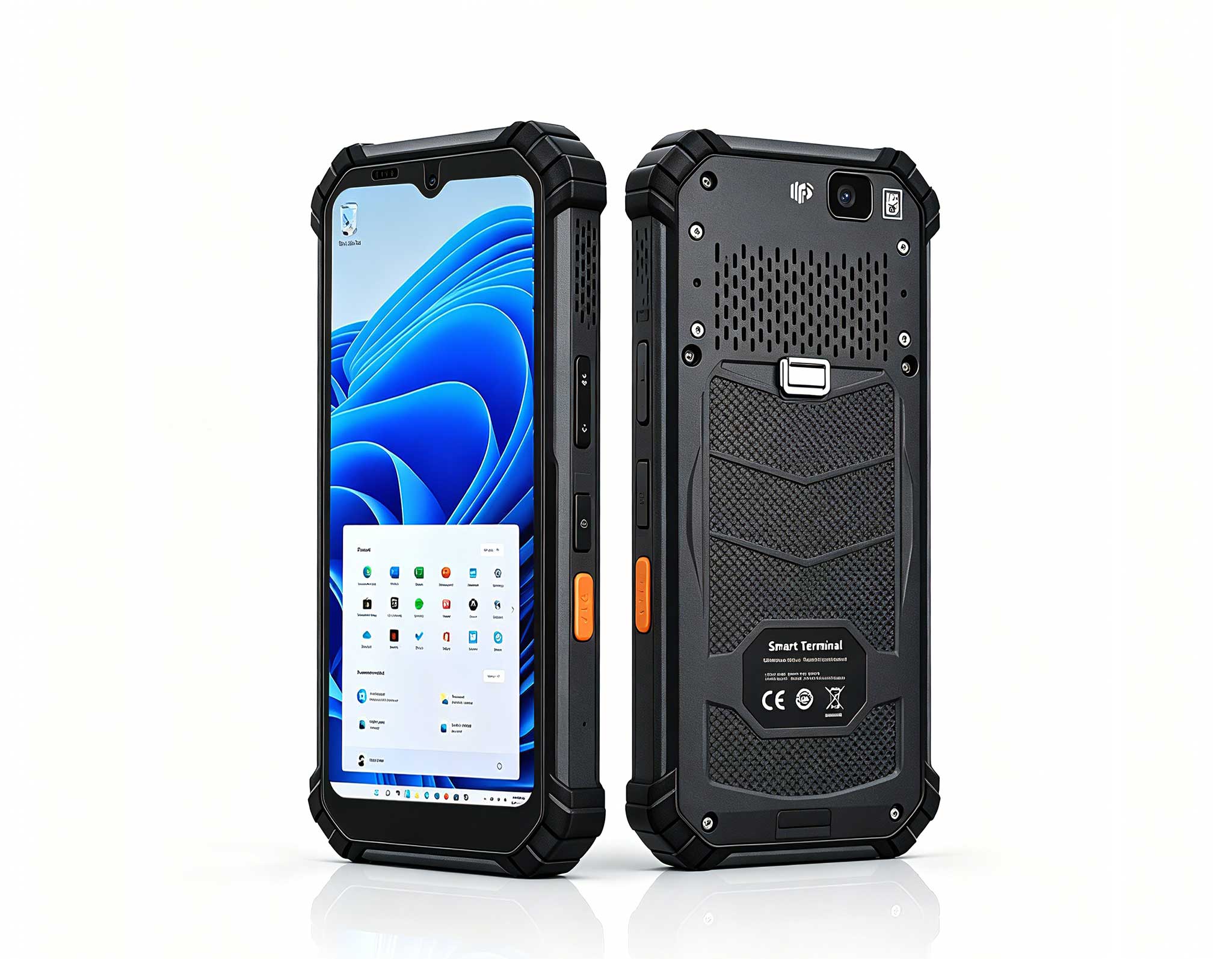
The ST11-M rugged Windows tablet is engineered for industrial inspection tasks where exposure to chemicals, moisture, and frequent cleaning is unavoidable.
Its sealed enclosure resists ingress from liquids and particulates, while the surface can be cleaned regularly without affecting performance. This makes it suitable for solvent handling areas where hygiene and durability are equally important.
Field operators can input readings directly into digital forms, attach images, and complete inspection workflows without returning to a control room. Each entry is automatically timestamped and linked to the inspection location.

Fig 2 – Inventory tracking for solvent materials using RFID scanning to maintain batch-level traceability.
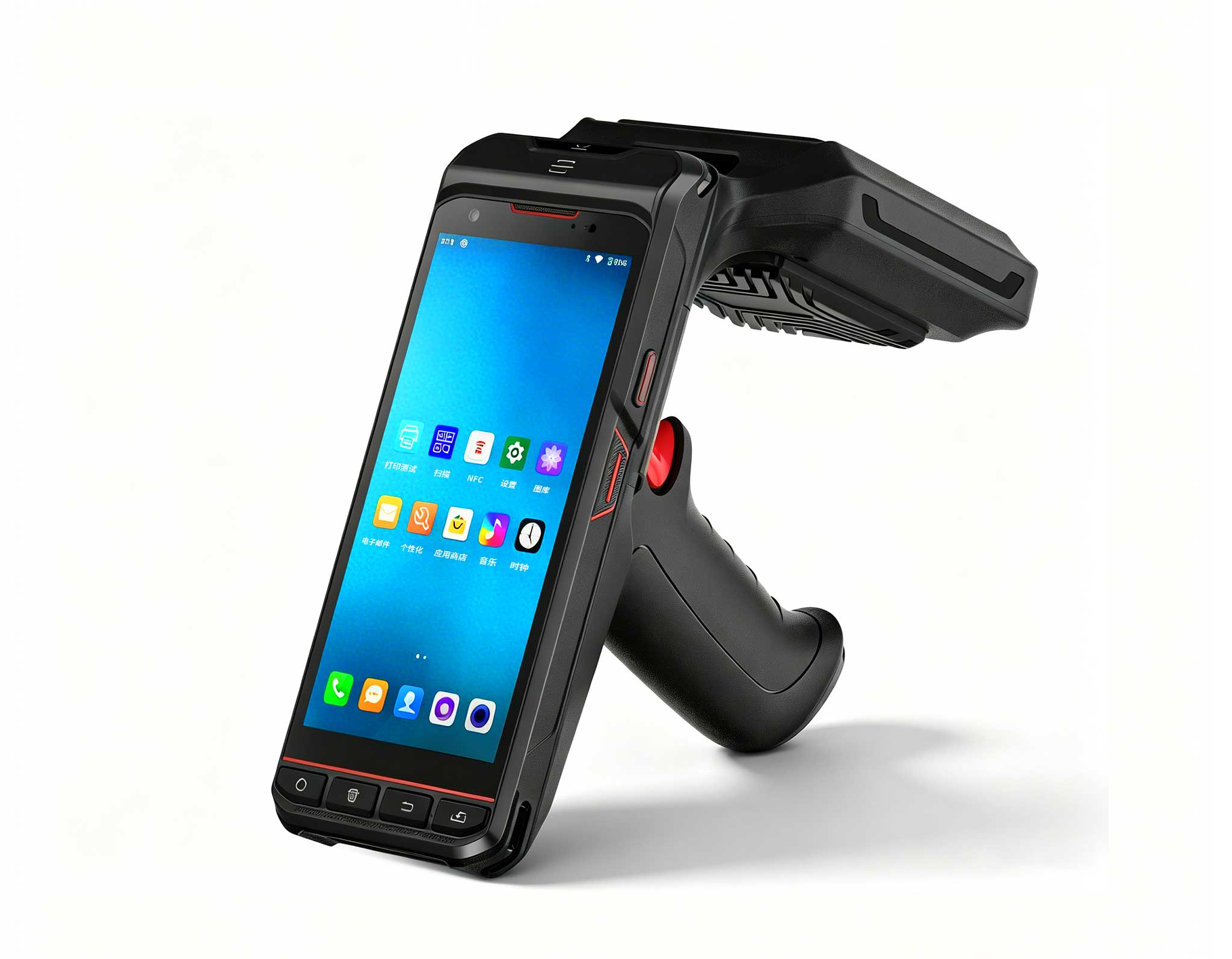
The F502 RFID-enabled PDA supports end-to-end tracking of consumables used in CCUS operations.
Each solvent batch, additive, or replacement component can be tagged and recorded upon arrival, storage, and use. This creates a clear digital chain of custody across the plant.
Benefits include:
The ST13-J large-screen rugged tablet provides a centralized interface for reviewing operational data collected across the facility.
Supervisors can visualize trends in solvent performance, identify deviations, and respond proactively to early warning signs such as increased corrosion rates or declining capture efficiency.
This shift from reactive maintenance to predictive monitoring reduces downtime and supports stable long-term operation.
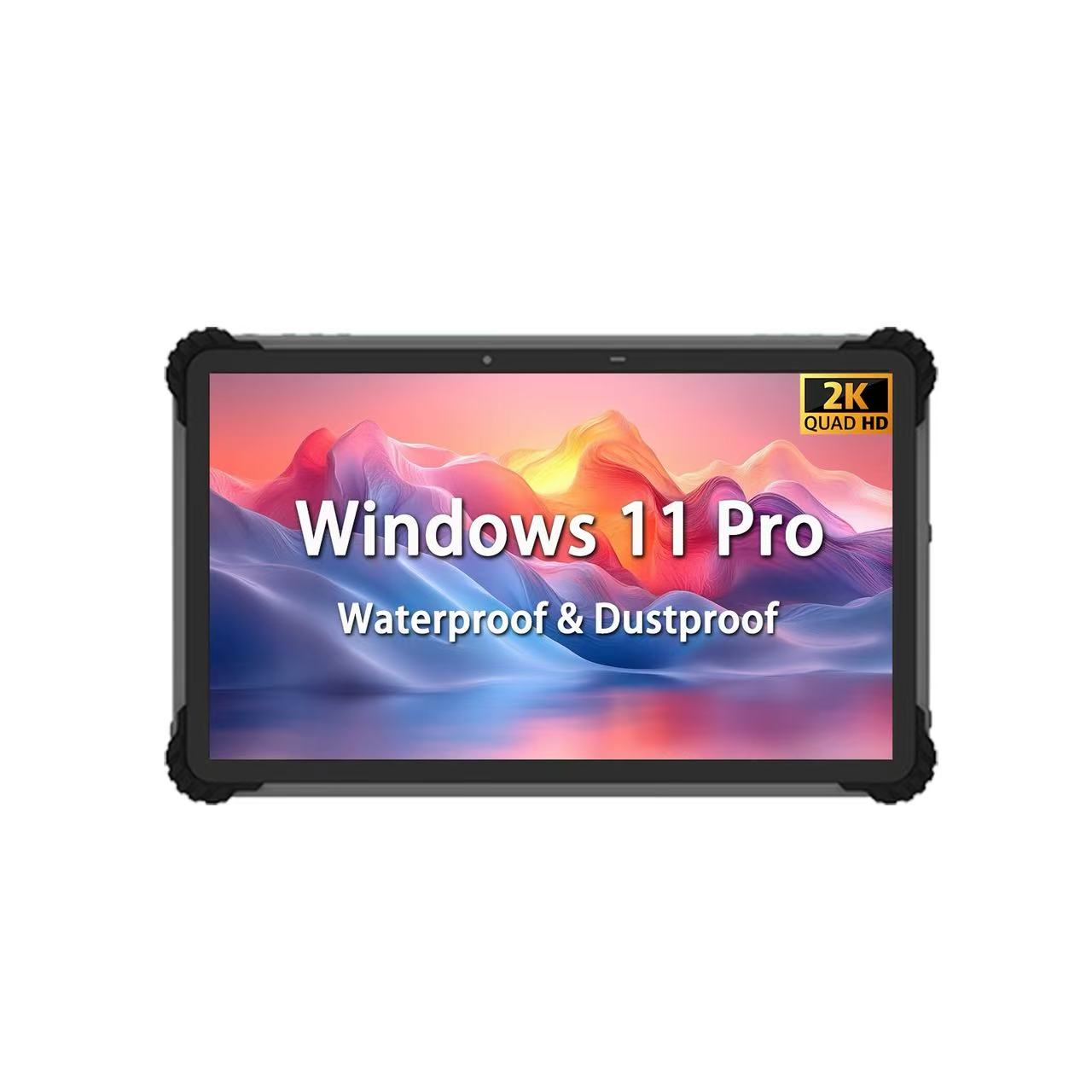
Fig 3 – Data visualization of corrosion and solvent performance enables faster operational decisions.
Facilities adopting digital inspection tools report significant improvements in data consistency and operational transparency. Structured data collection ensures that all required checks are completed and recorded properly.
Common improvements include:
As CCUS projects expand, reliable data collection becomes essential for both operational performance and regulatory compliance. Inspection processes must evolve to match the scale and complexity of modern facilities.
Rugged tablets and RFID-enabled devices provide a practical path forward, replacing fragile paper systems with durable, connected solutions that support long-term plant reliability.
Get started: Contact HOTUS Technology to evaluate rugged tablets and RFID solutions for carbon capture inspection and data management.