- Select Language
The R501 PDA combines a powerful MT6762 Octa-Core ...
The N40 Android smart PDA features a Cortex-A53 qu...
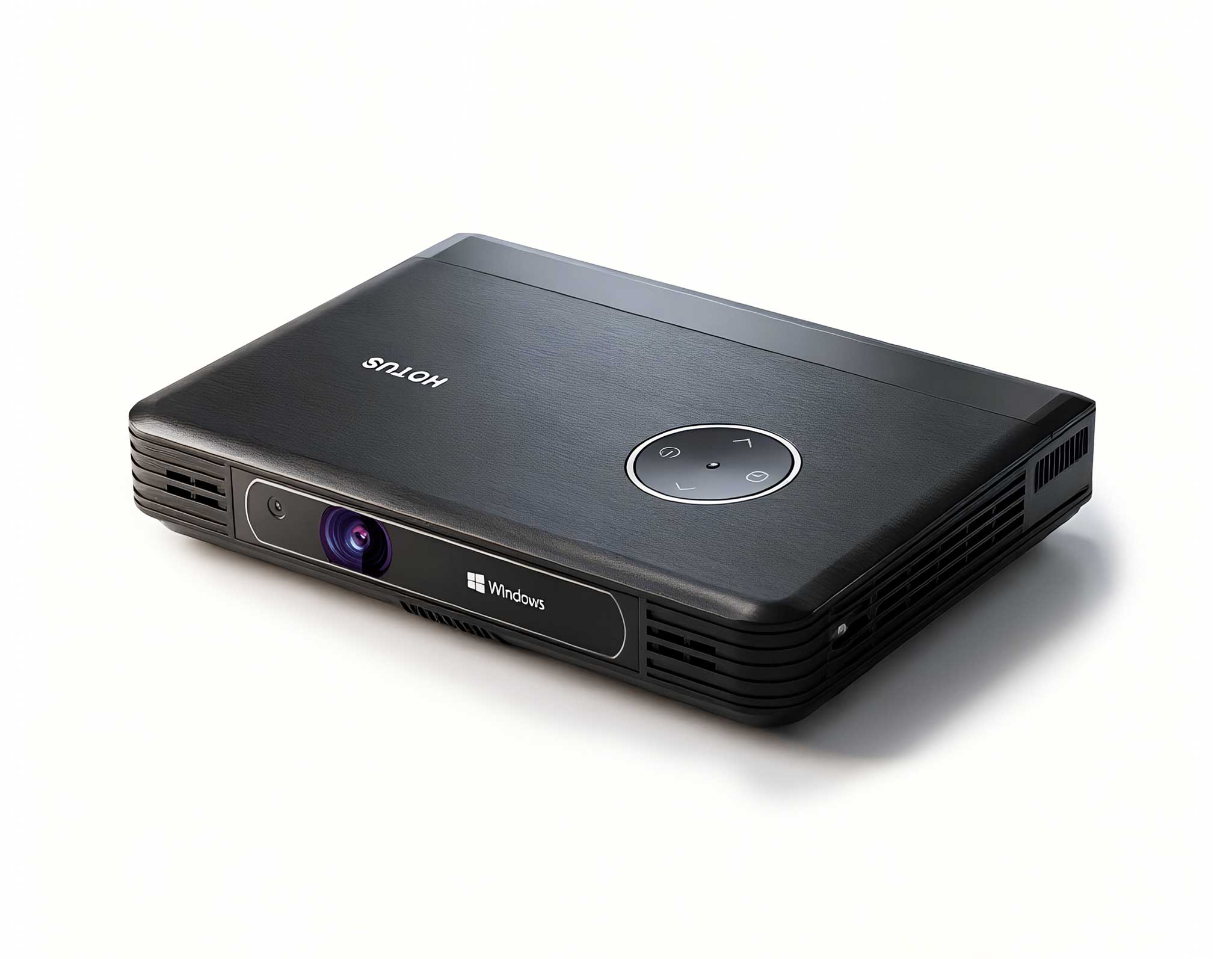
Full SpecificationsModelHotus ST11‑JOSWindows 10 P...
This ultra-compact mini PC offers powerful perform...
From the unknown so simpleUsed for mobile phones, ...
The PM158-1 is a 15.6-inch portable touchscreen mo...
P8 Series 8-Inch Rugged Industrial Tablet PC Mobi...
Fig 1 – Electrode coating inspection inside a dry room. Thickness data is captured digitally during production to maintain strict process control.
Solid-state battery production introduces tighter tolerances and stricter quality requirements than conventional lithium-ion processes. Reliable, high-frequency data collection in cleanroom conditions is essential to ensure product consistency and reduce scrap.
Battery Manufacturing & Process Quality | Updated 2026
Next-generation battery technologies are moving toward solid electrolytes to improve safety, energy density, and lifecycle performance. As pilot lines transition into high-volume production, manufacturers face increasing pressure to maintain consistency across every stage of the process.
Electrode coating remains one of the most critical steps. Even minimal variation can affect downstream performance, making continuous monitoring a necessity rather than an option.
During roll-to-roll coating, material is applied across wide substrates moving at constant speed. Variations in coating thickness can result from changes in slurry properties, equipment alignment, or environmental conditions.
Maintaining tight tolerances ensures:
Manual recording methods are not capable of handling the volume or frequency of measurements required in this environment.
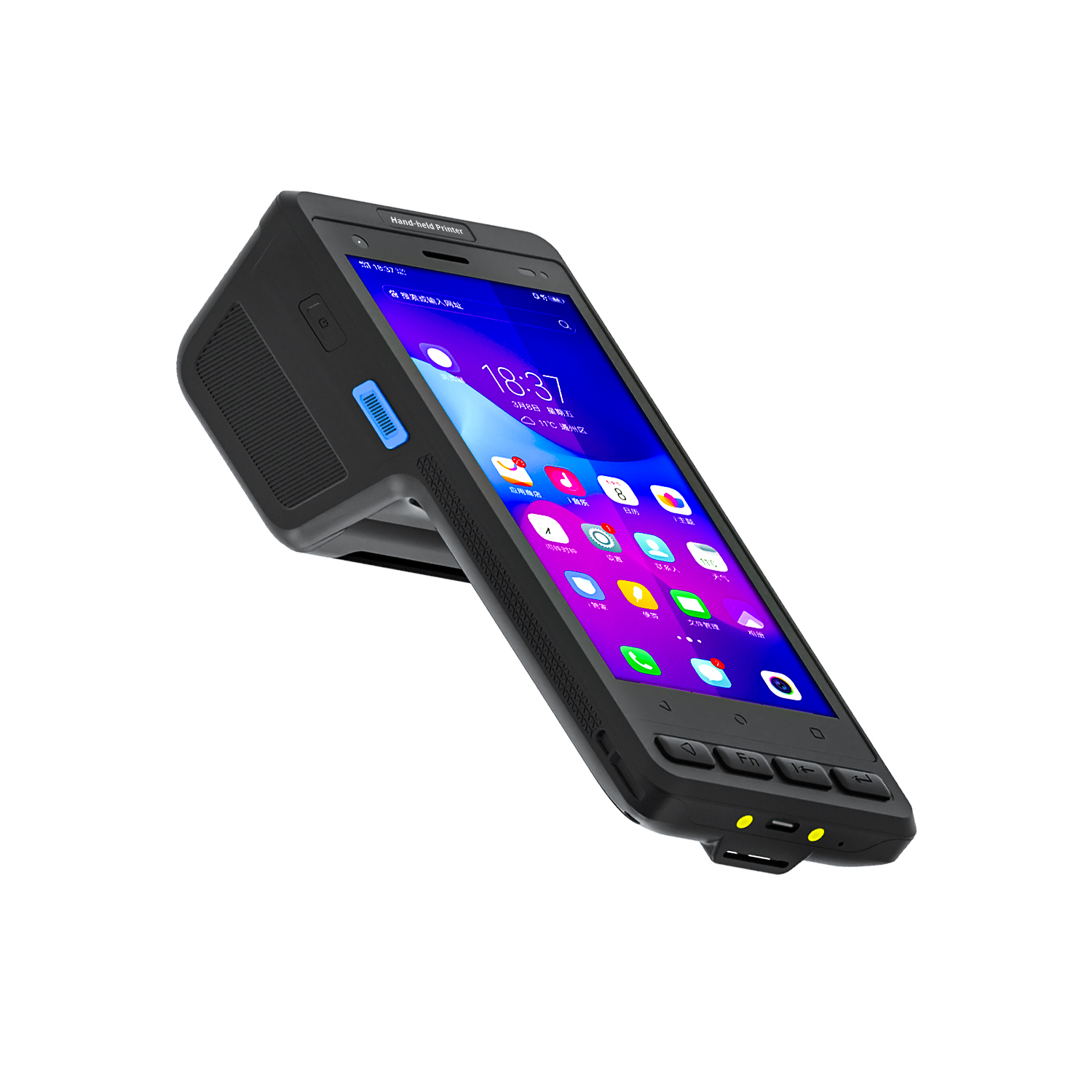
The F505 handheld PDA is designed for use in controlled manufacturing environments where cleanliness and durability are essential.
Integrated with measurement instruments such as laser thickness gauges, the device collects data continuously and stores it in a structured format for analysis.
Features include:
This approach ensures that deviations are detected early and corrective action can be taken before defects propagate through the production line.
Fig 2 – Batch-level traceability using RFID identification for electrode rolls in production storage.
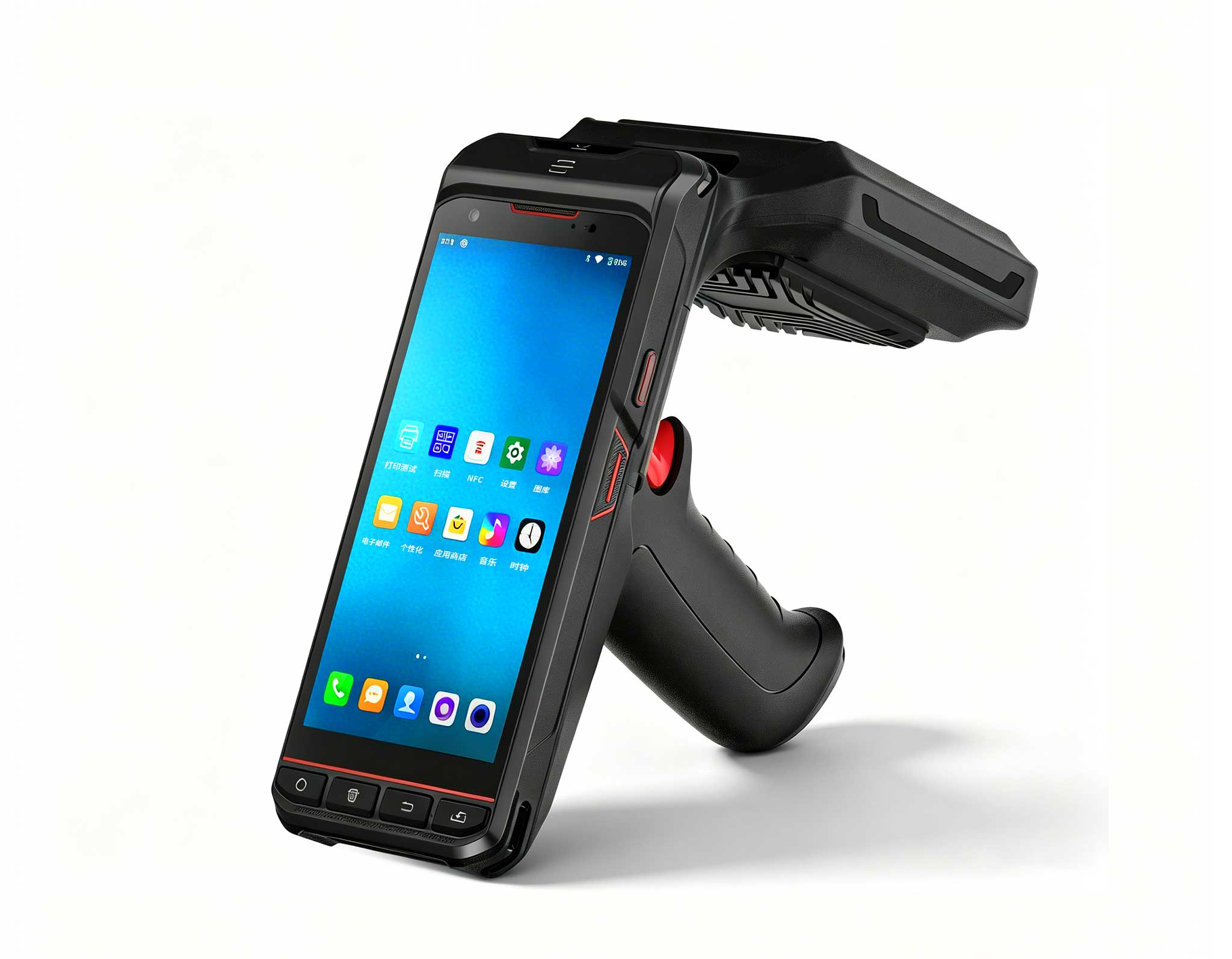
The F502 RFID PDA enables full traceability of materials and intermediate products throughout the manufacturing process.
Each electrode roll can be tagged and tracked from coating through drying, cutting, and assembly. This allows manufacturers to quickly isolate issues and trace them back to specific process conditions.
The ST11-M rugged tablet provides supervisors with a live overview of coating performance and production status.
Data collected from handheld devices is visualized in real time, enabling teams to monitor trends and adjust parameters proactively.
This improves:

Fig 3 – Visualization of coating thickness distribution supports rapid decision-making on the production floor.
Implementing digital inspection tools improves data consistency and enables continuous process improvement. Manufacturers can detect patterns that would otherwise remain hidden in manual records.
Typical outcomes include:
As solid-state battery production scales, maintaining strict quality control becomes increasingly complex. Digital tools designed for cleanroom environments provide the reliability and traceability required for consistent manufacturing.
Integrating handheld data capture, RFID tracking, and real-time monitoring creates a comprehensive quality system capable of supporting next-generation energy technologies.
Start optimizing your process: Contact HOTUS Technology to explore cleanroom-ready data collection and traceability solutions for battery manufacturing.