- Select Language
R366C-S 5.5-inch Industrial UHF RFID Reader | Qual...
Explore an innovative Personal Digital Assistant f...
One Device, Dual Functions – A Projector and a Com...
The N60 PDA is a cutting-edge device for inventory...
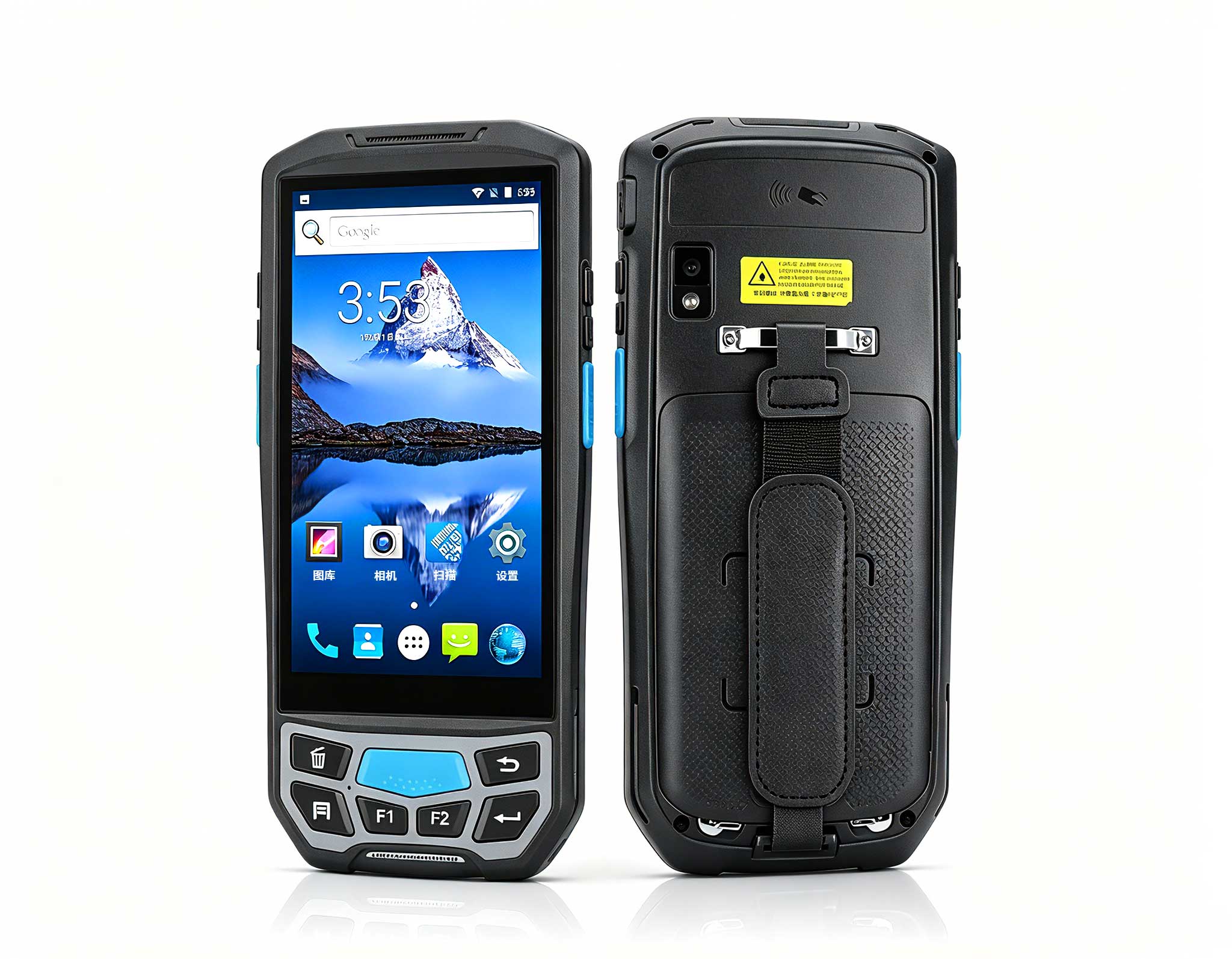
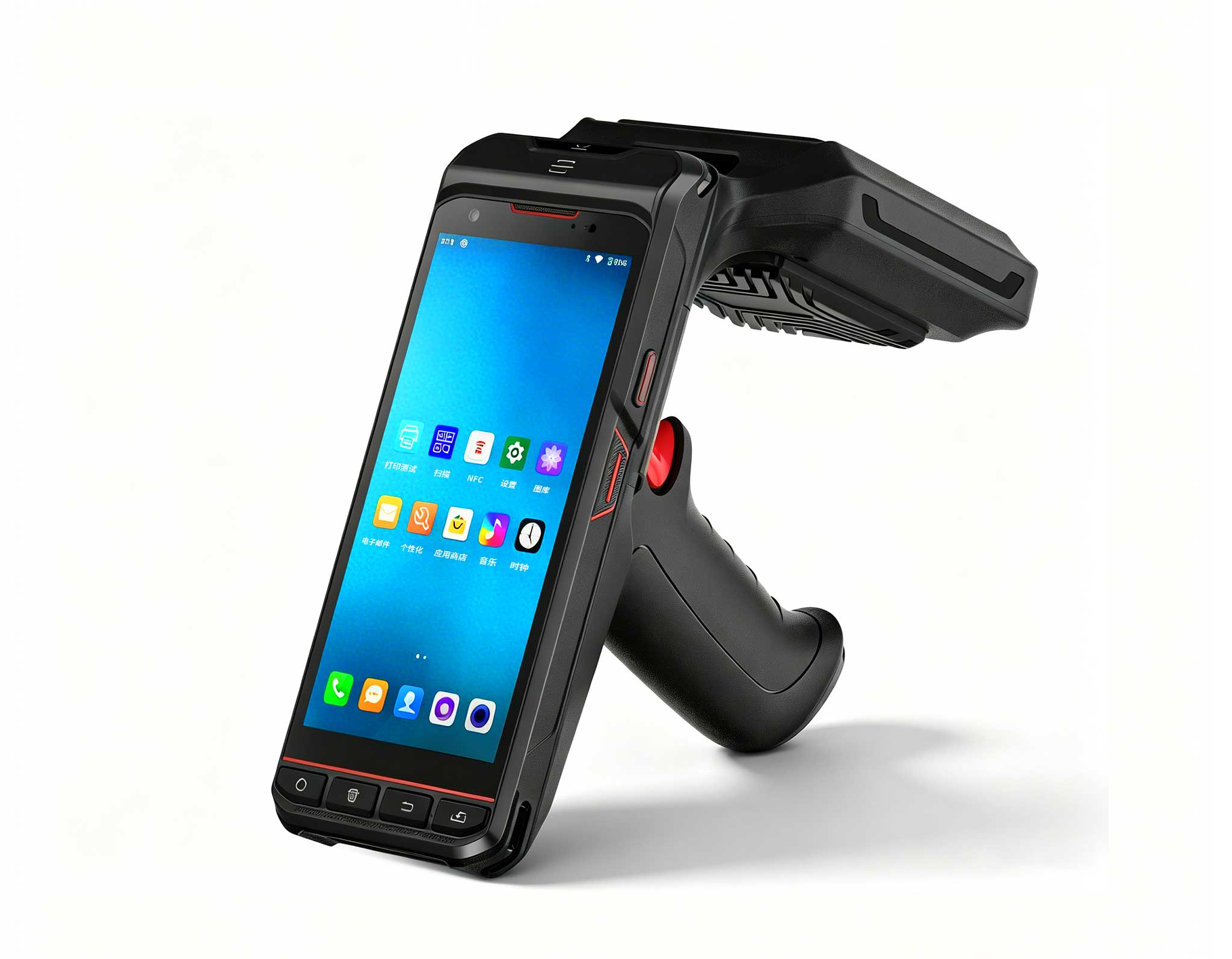
The U9000 handheld PDA combines advanced barcode s...
The R501 PDA combines a powerful MT6762 Octa-Core ...
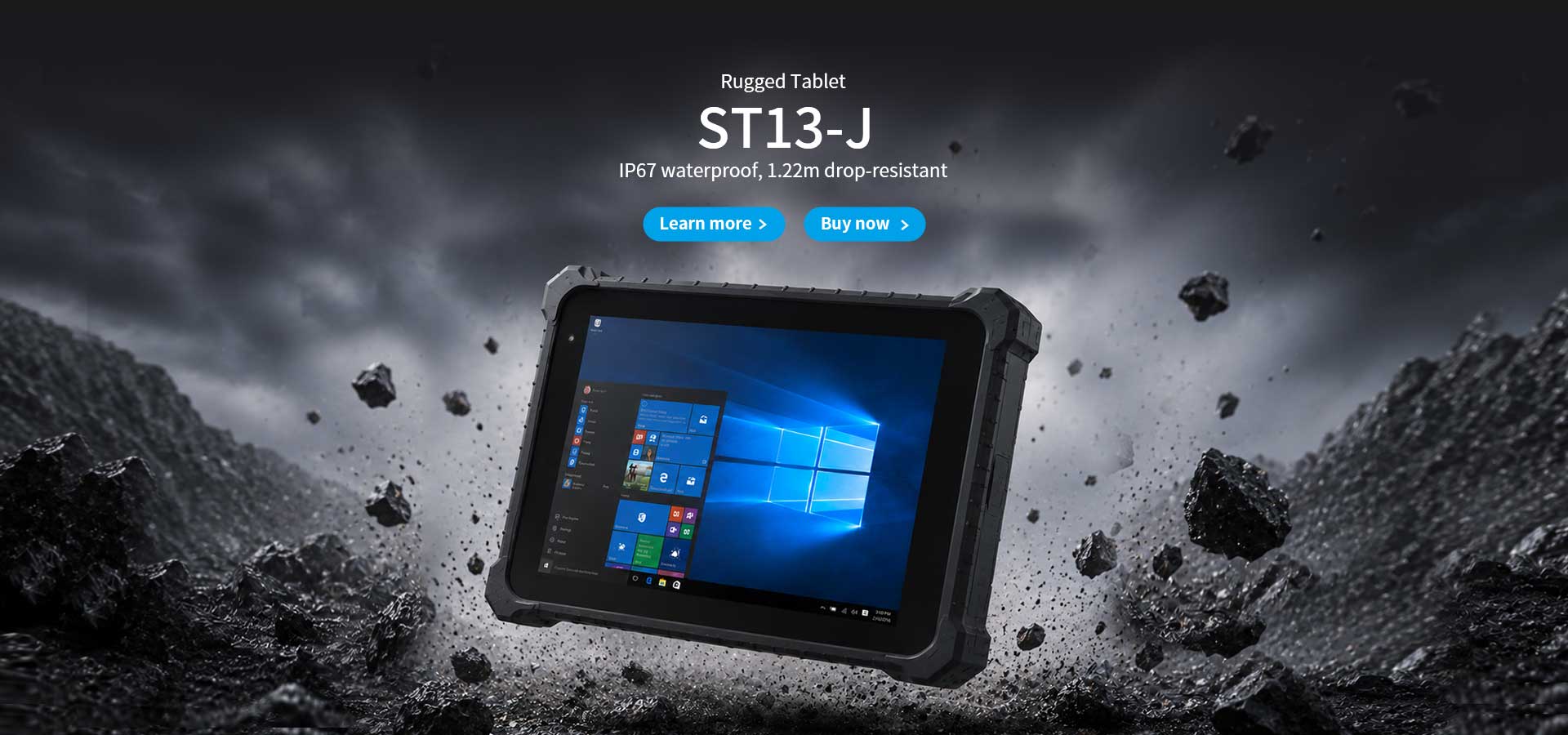
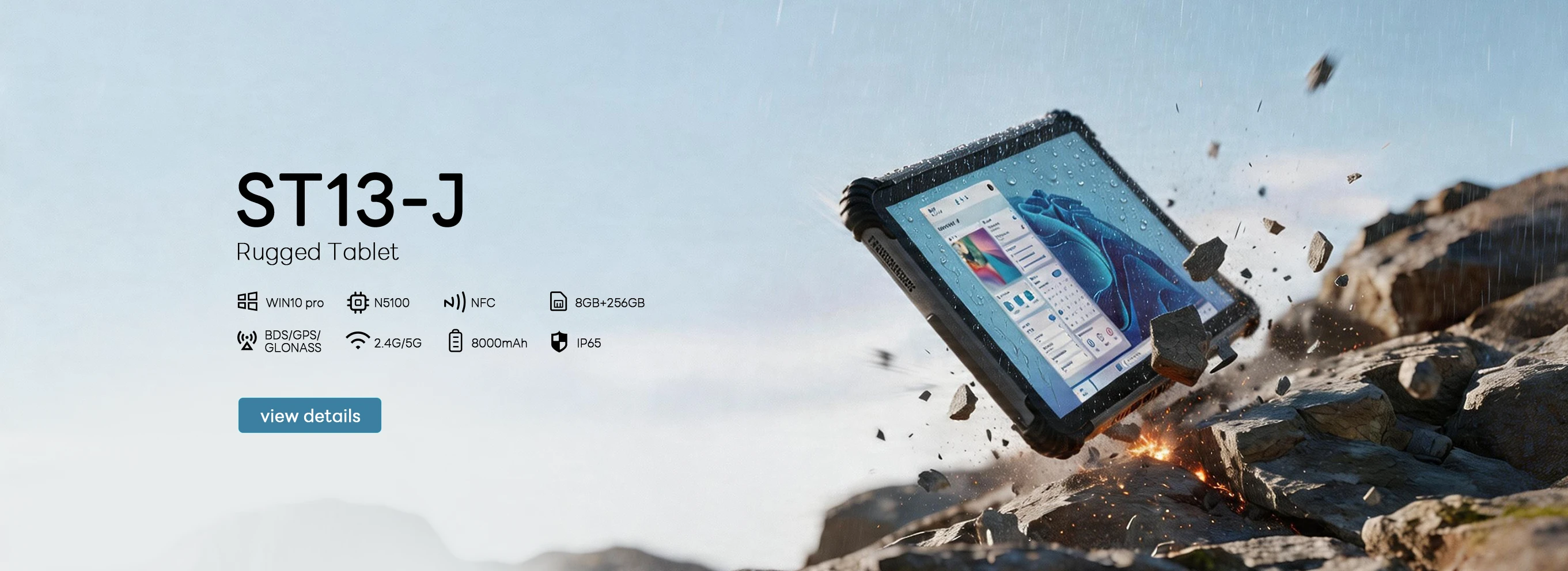
Full SpecificationsModelHotus ST13‑JOSWindows 10 P...
P11 Series Next-Gen Enterprise Rugged Industrial ...
RT82 5G Rugged Tablet | 10.1" FHD 400nit | Qu...
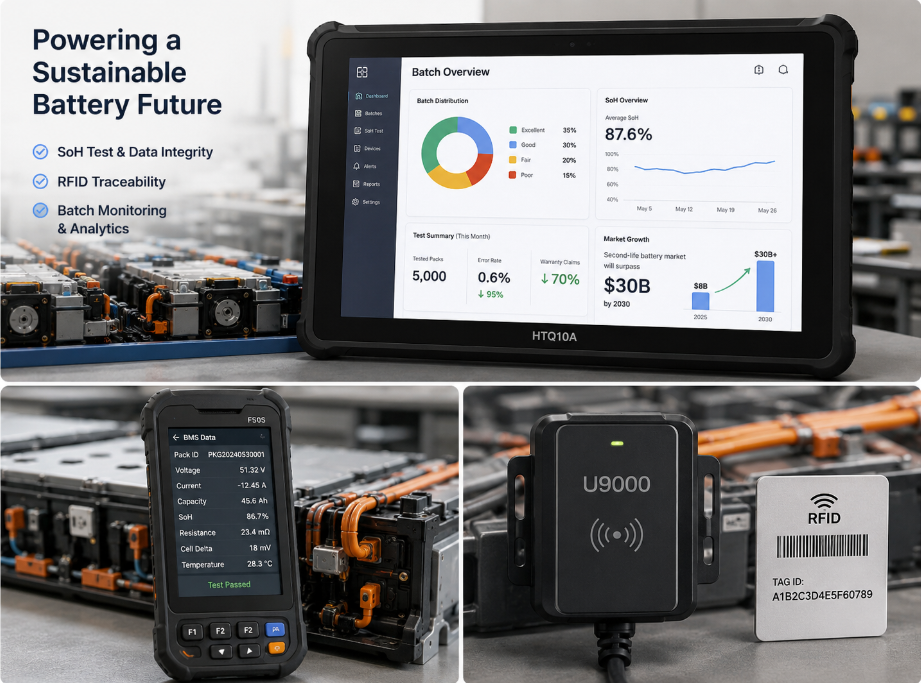
Fig 1 – A battery technician wearing insulated gloves checks a retired EV battery module with the F505 PDA. The display shows live voltage balance, cycle count, and state-of-health analysis. In the background, rows of lithium battery packs are stacked for energy storage conversion. The atmosphere feels controlled, technical, and highly regulated.
Industry Insight: Millions of electric vehicle batteries will retire from automotive service over the next decade, but retirement does not mean disposal. Most packs still retain enough capacity for energy storage, telecom backup systems, forklifts, and industrial applications. The challenge is verification. Without reliable digital state-of-health testing and traceability, second-life batteries become a liability instead of an asset.
By HOTUS Technology | May 2026
Electric vehicles are reshaping more than transportation. They are creating an entirely new secondary energy ecosystem built around retired lithium battery packs. As EV adoption accelerates globally, large volumes of batteries reaching 70–80% remaining capacity are entering the second-life market. These batteries may no longer provide ideal driving range, but they still hold significant value for stationary energy storage and industrial power applications.
Analysts expect the global second-life battery industry to exceed $30 billion before 2030, supported by renewable energy expansion, grid stabilization projects, and commercial backup systems. Utilities, recycling companies, and battery integrators are investing heavily in facilities capable of sorting, grading, and repurposing used battery packs.
Yet battery repurposing is not a simple reuse process. Every pack ages differently depending on charging habits, thermal exposure, mileage, and operating environment. Two visually identical batteries may have completely different internal health conditions.
That makes accurate State-of-Health (SoH) testing essential. Capacity retention, internal resistance, thermal behavior, voltage consistency, and cell imbalance must all be verified and digitally recorded before a battery can safely enter second-life deployment.
Unfortunately, many facilities still rely on handwritten inspection sheets or disconnected spreadsheets. This creates serious operational risk. Manual transcription errors, missing test records, and incomplete battery genealogy make warranty investigations nearly impossible when a pack later fails in service.
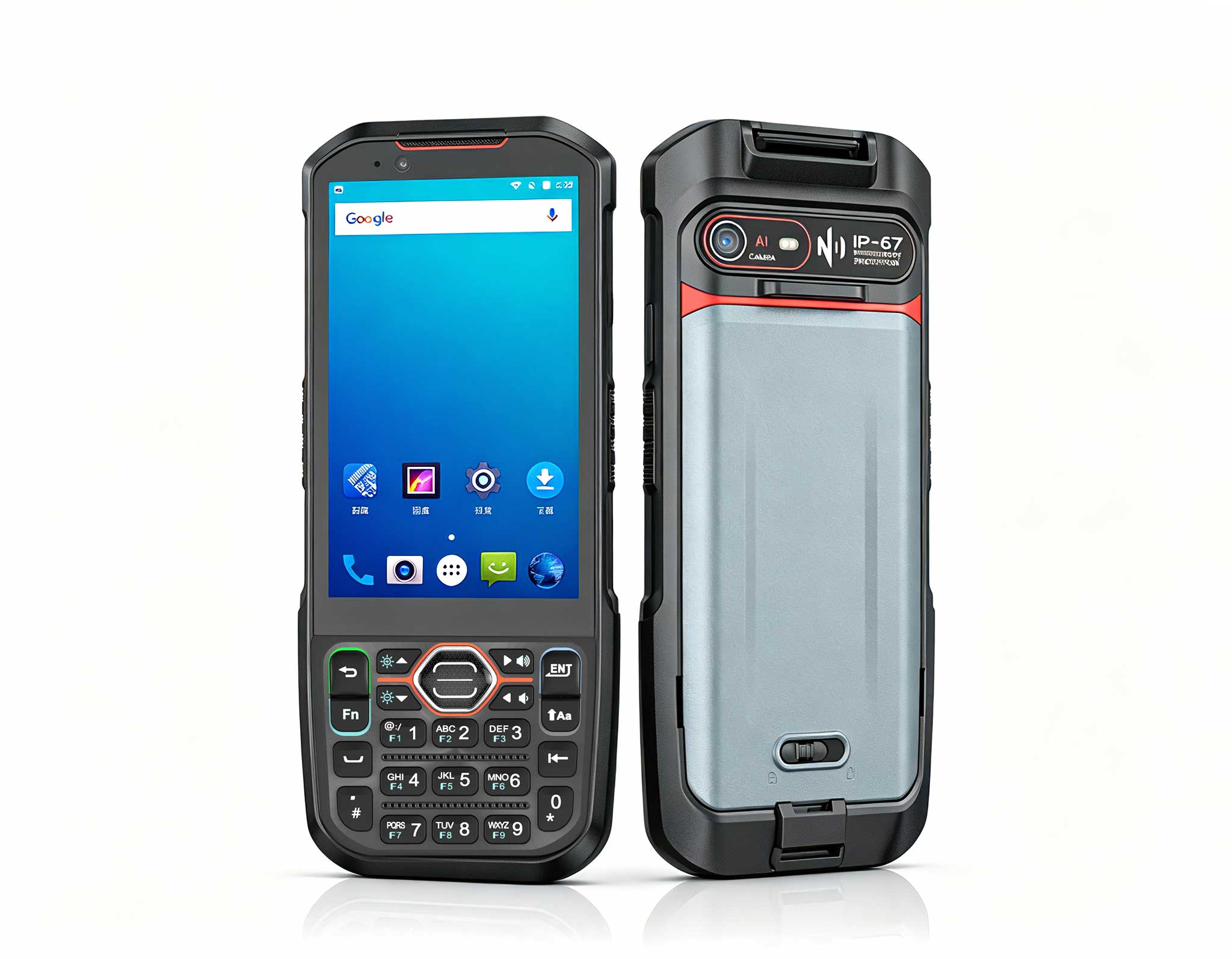
The Hotus F505 Handheld PDA is engineered specifically for industrial traceability and battery diagnostics workflows. Running Android 13, the device connects directly to battery management systems (BMS), impedance analyzers, and diagnostic instruments through Bluetooth or USB-C interfaces.
During inspection, technicians can capture live readings including:
The F505 automatically stores the results with timestamps, operator identification, and battery serial information. Once testing is complete, the system generates a digital QR code or RFID-linked asset profile, creating a traceable identity for the battery throughout its second life.
In high-throughput facilities, this process dramatically reduces testing bottlenecks while improving data consistency. Technicians no longer need to switch between notebooks, laptops, and scanners during inspection cycles.
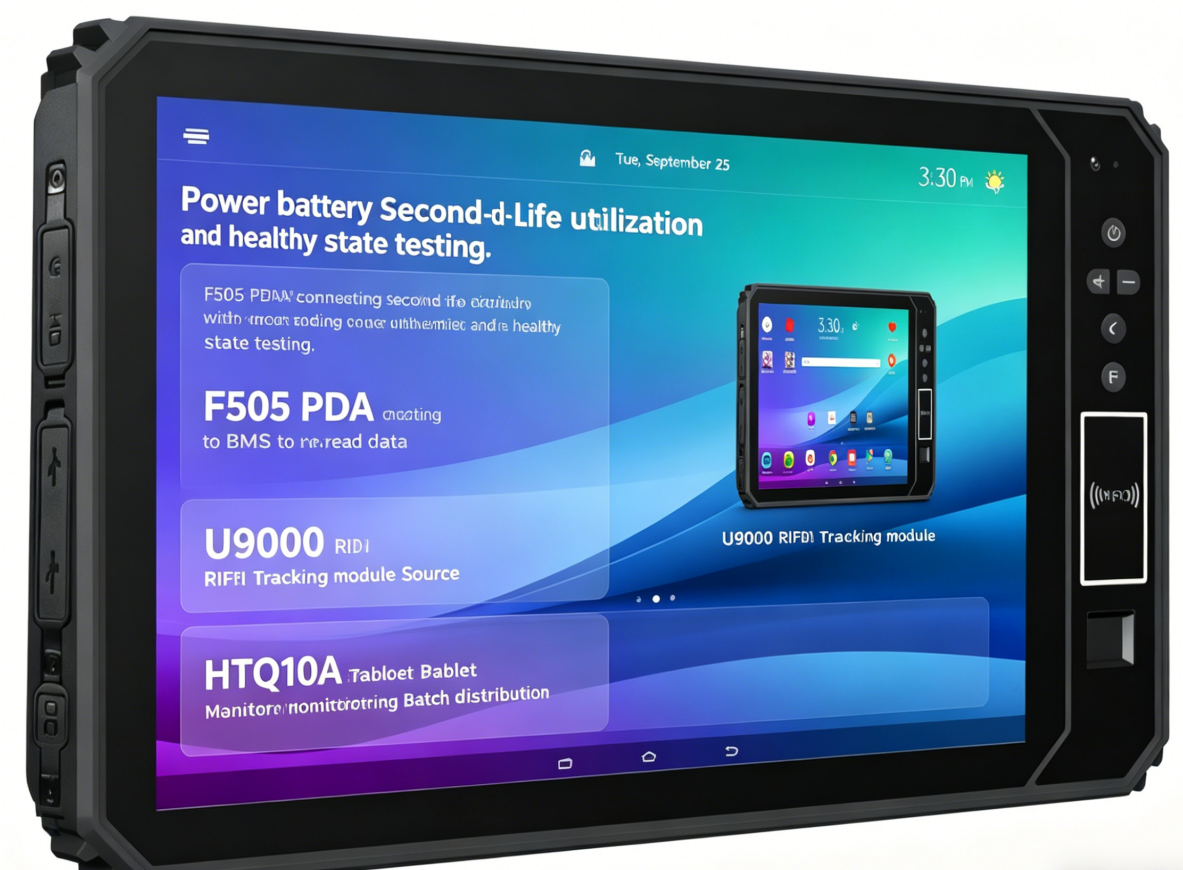
Fig 2 – A technician scans an RFID tag attached to a battery module using the U9000 PDA. The display instantly retrieves the module’s production batch, original EV platform, charge history, and inspection status. Conveyor systems move battery packs toward automated grading stations nearby.
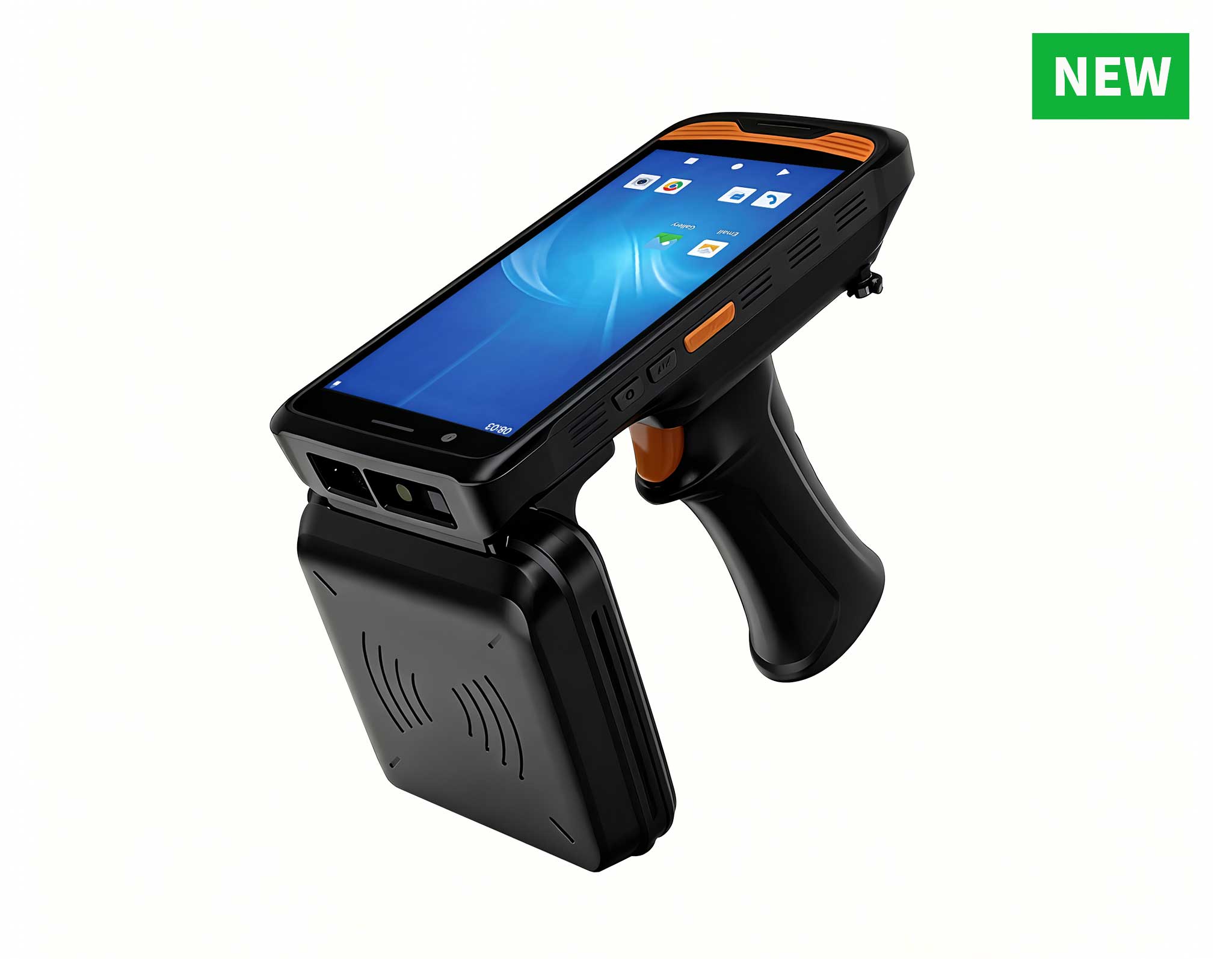
Traceability is equally important once the battery enters downstream deployment. The Hotus U9000 Handheld PDA enables rapid RFID and barcode identification of battery modules throughout storage, sorting, and assembly processes.
Operators can immediately retrieve:
This level of digital genealogy becomes critical for utilities and commercial buyers demanding full lifecycle transparency before purchasing repurposed battery systems.
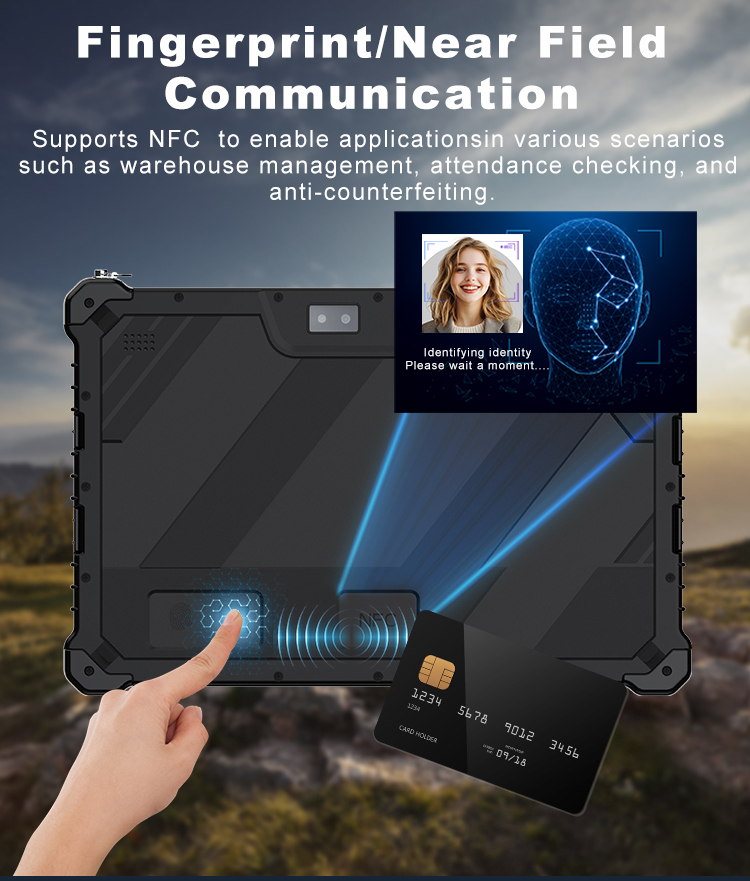
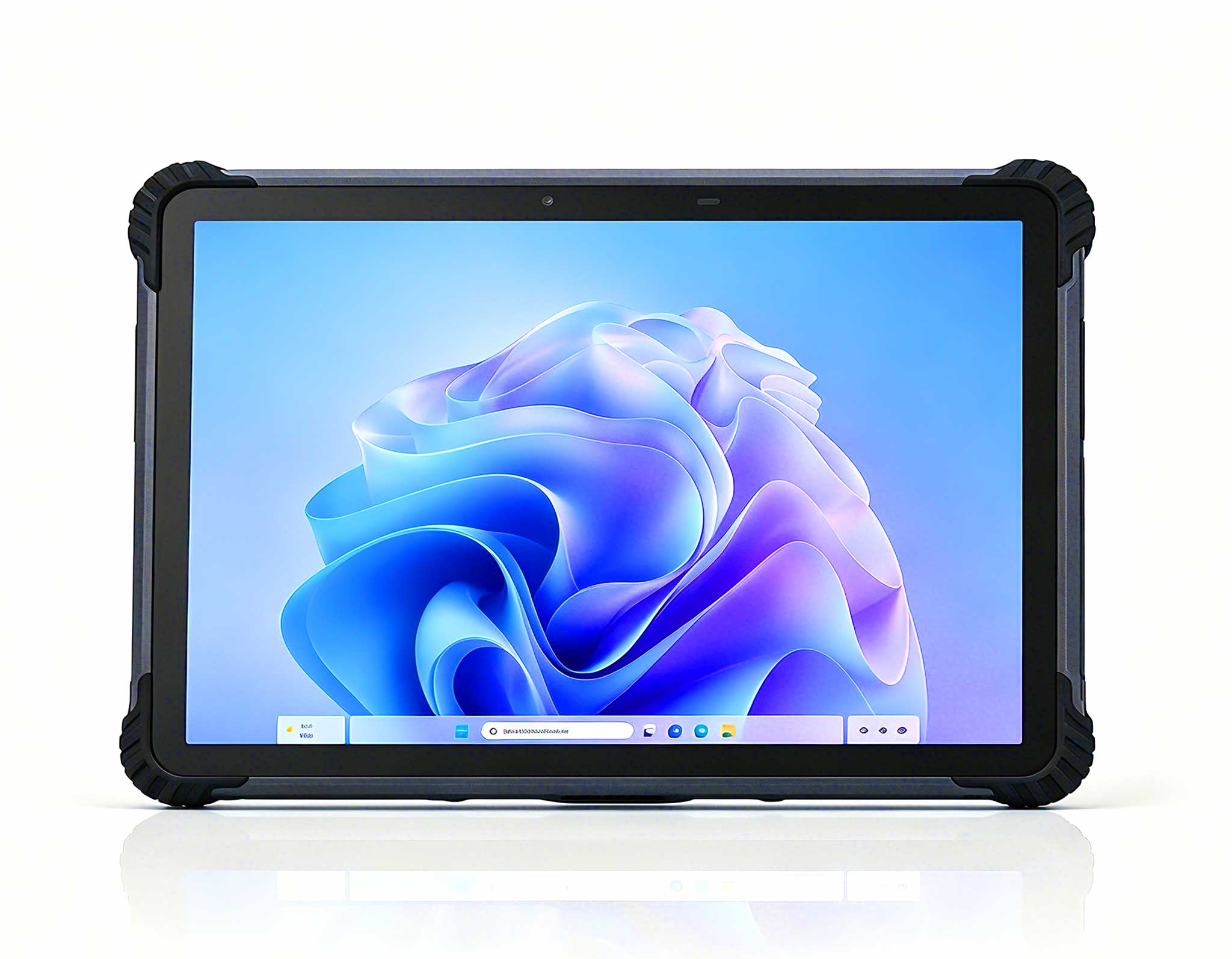
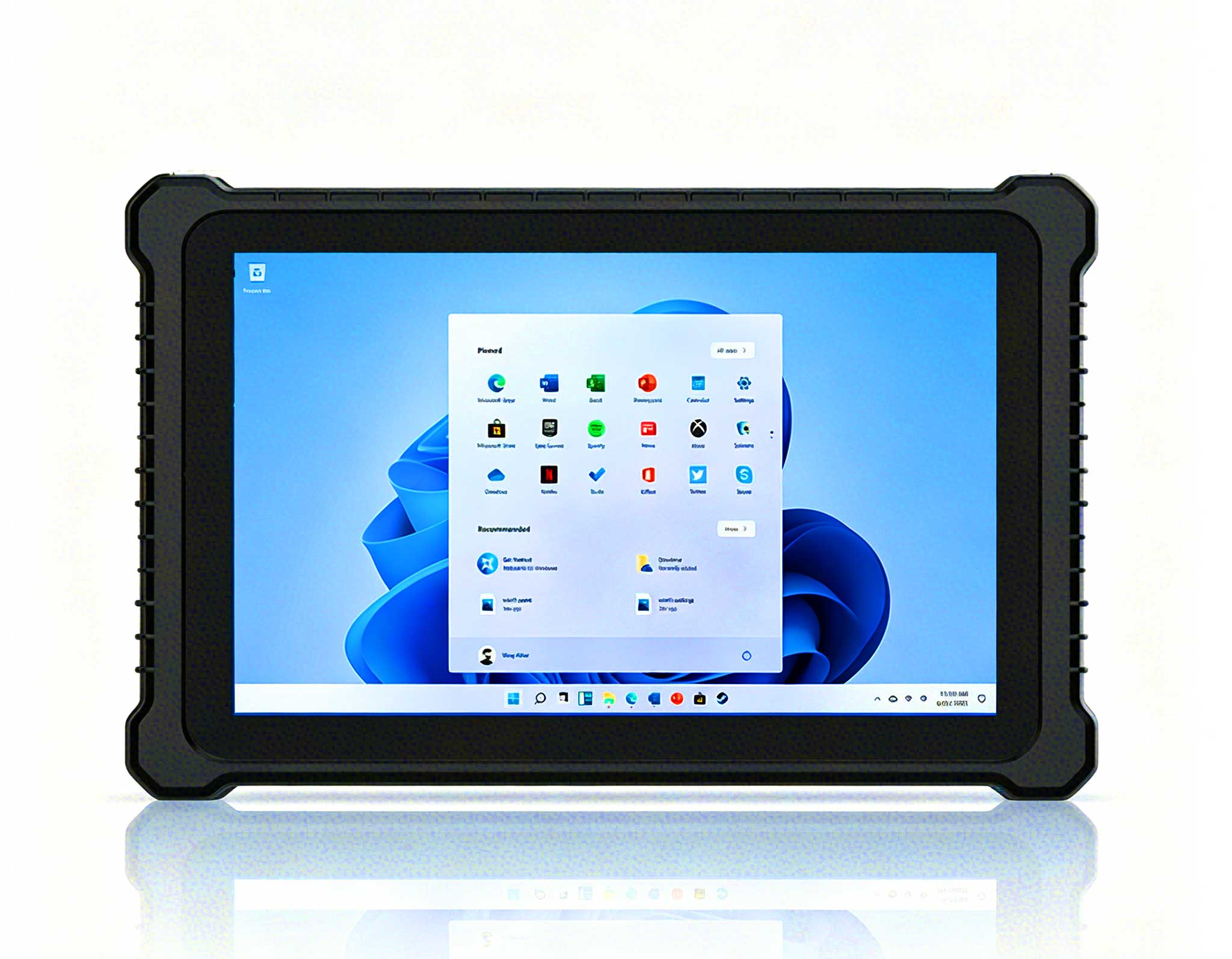
For operational management and analytics, the Hotus HTQ10A Android Rugged Tablet functions as a centralized dashboard for supervisors and engineering teams. The tablet displays live SoH distributions, battery classification trends, incoming inventory volumes, and thermal anomaly alerts in real time.
Supervisors can quickly separate:
In large battery processing operations, this centralized visibility significantly improves throughput while reducing unsafe deployments.
One battery repurposing center processing over 5,000 EV packs monthly deployed F505 PDAs, U9000 RFID terminals, and HTQ10A rugged tablets across its inspection and grading lines. Within the first year, the facility reduced manual logging errors by more than 90%, shortened inspection cycles, and improved warranty traceability for utility customers.
As energy storage adoption expands, digital verification will become mandatory across the second-life battery industry. Utilities, insurers, and regulators increasingly expect complete electronic records—not paper folders—for every deployed battery asset.
Second-life energy systems only succeed when battery health can be verified, audited, and traced over time. Reliable data collection is no longer optional infrastructure; it is the foundation of safe battery reuse.
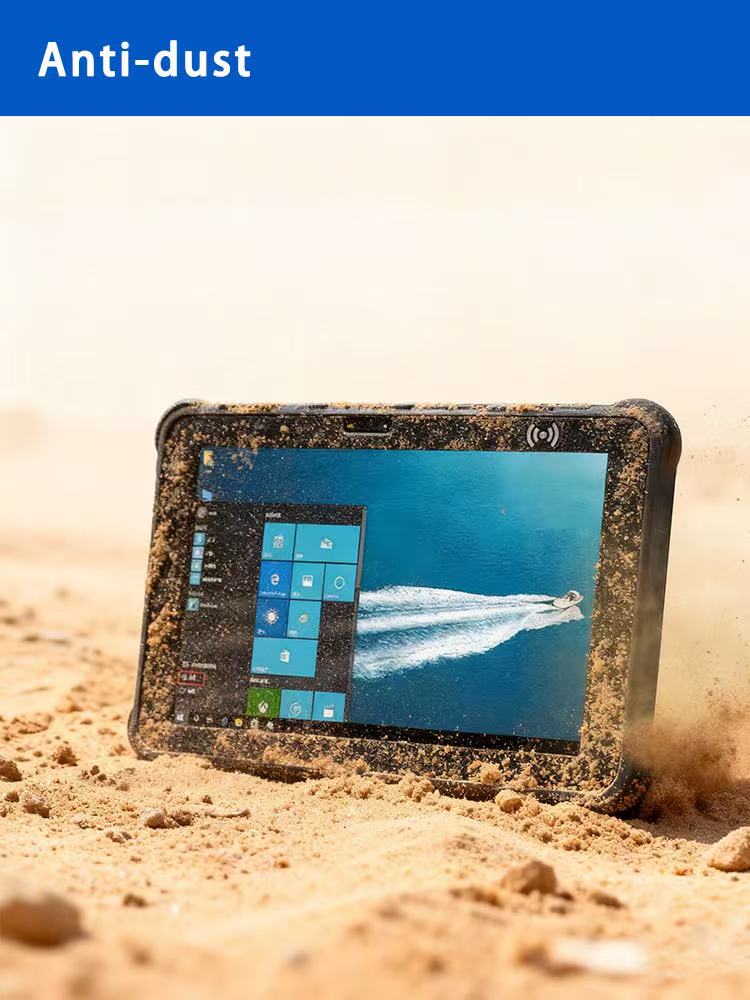
Fig 3 – A rugged tablet displays a live histogram of battery state-of-health scores collected during incoming inspection. Green ranges indicate grid-storage suitability, while lower-grade modules are automatically routed toward recycling evaluation.
Contact HOTUS Technology to explore rugged mobile solutions for EV battery diagnostics, second-life traceability, RFID asset tracking, and digital SoH testing workflows.