- Select Language
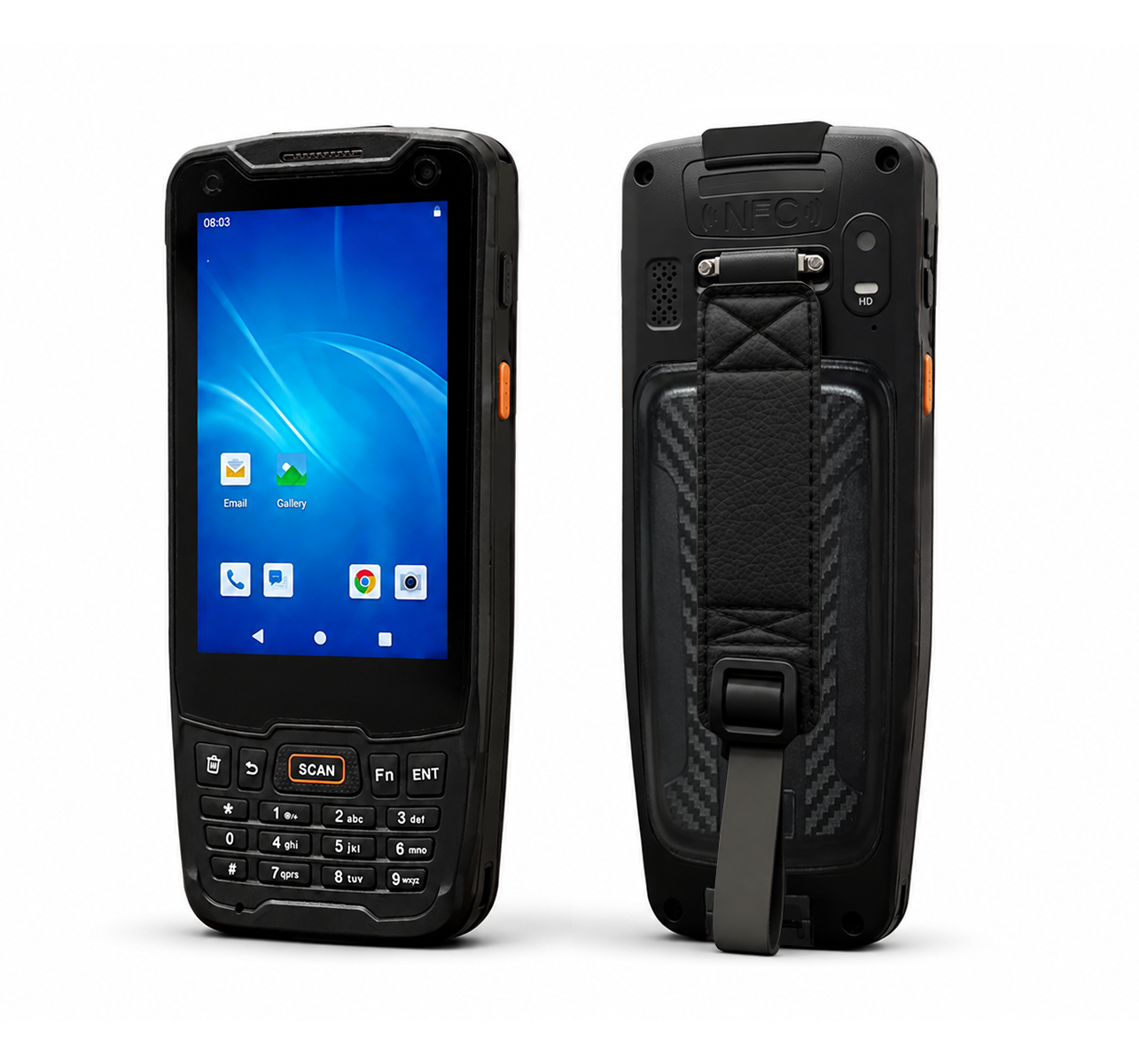
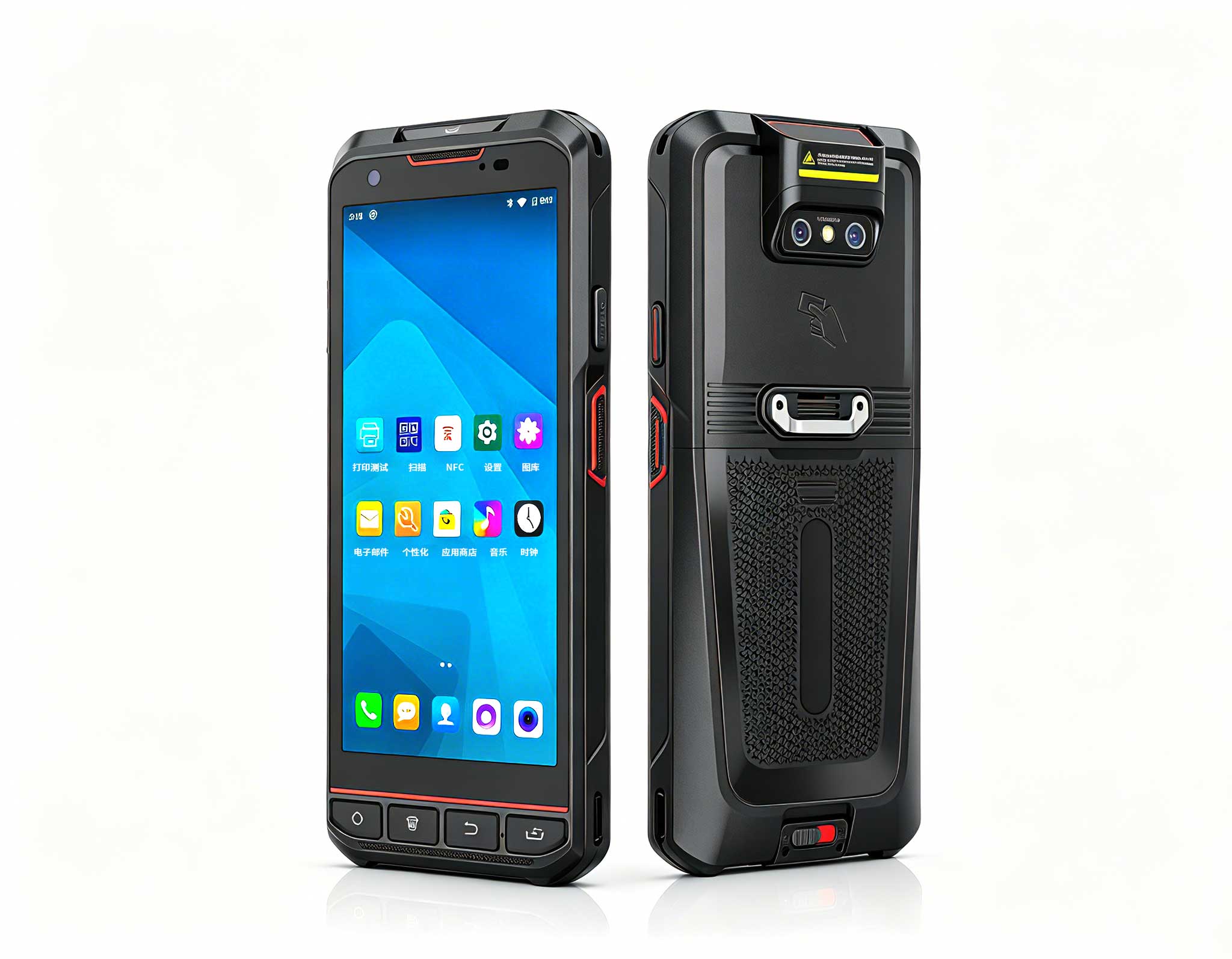
R350C 4-inch Industrial Handheld PDA | Qualcom...
Enterprise Flagship SeriesEngineered for mission-c...
The X501 Handheld PDA combines advanced barcode sc...
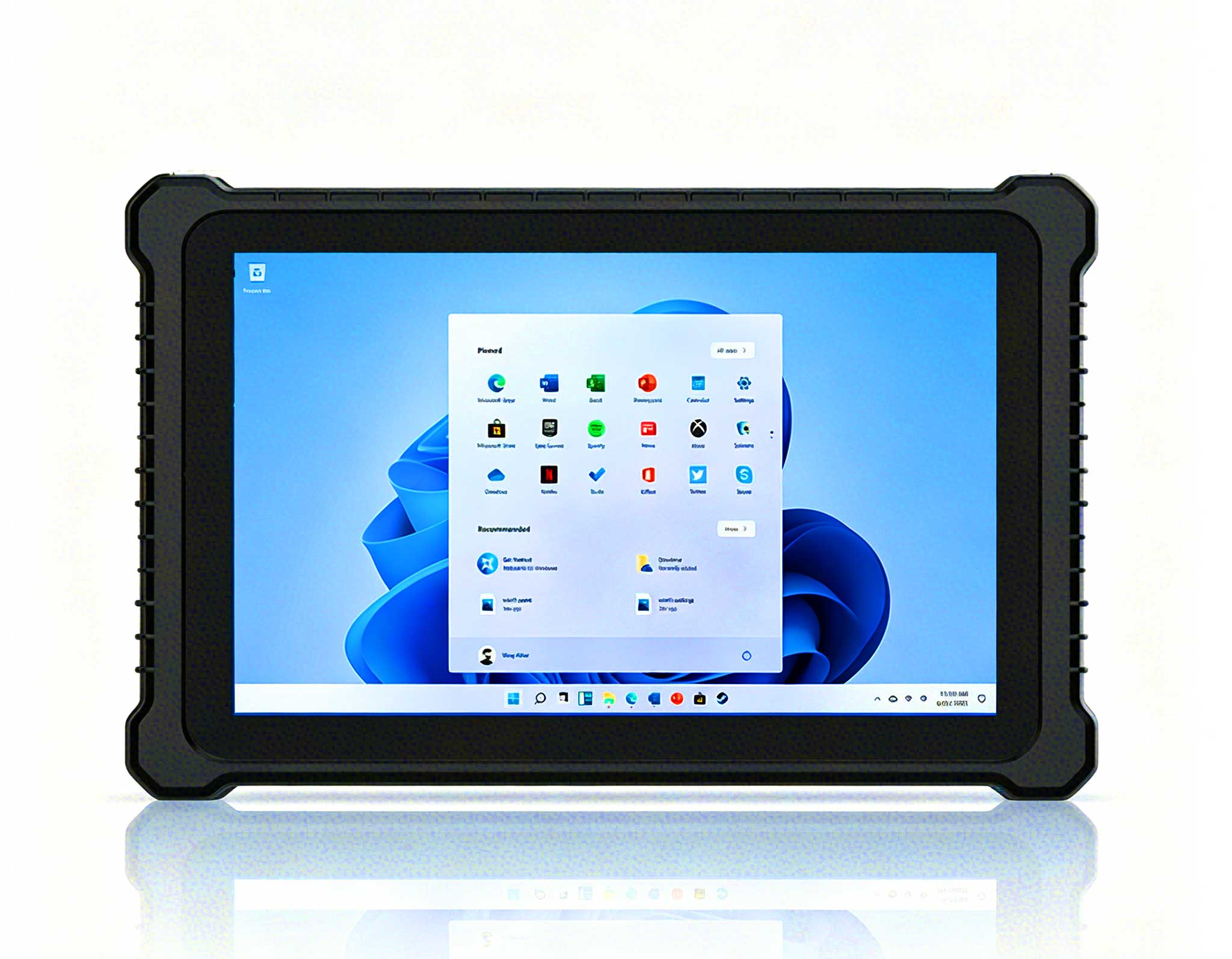
RT81 4G Rugged Tablet | 10.1" FHD 400nit | Qu...
RT80 5G Rugged Tablet | 10.1" FHD 400nit | Un...
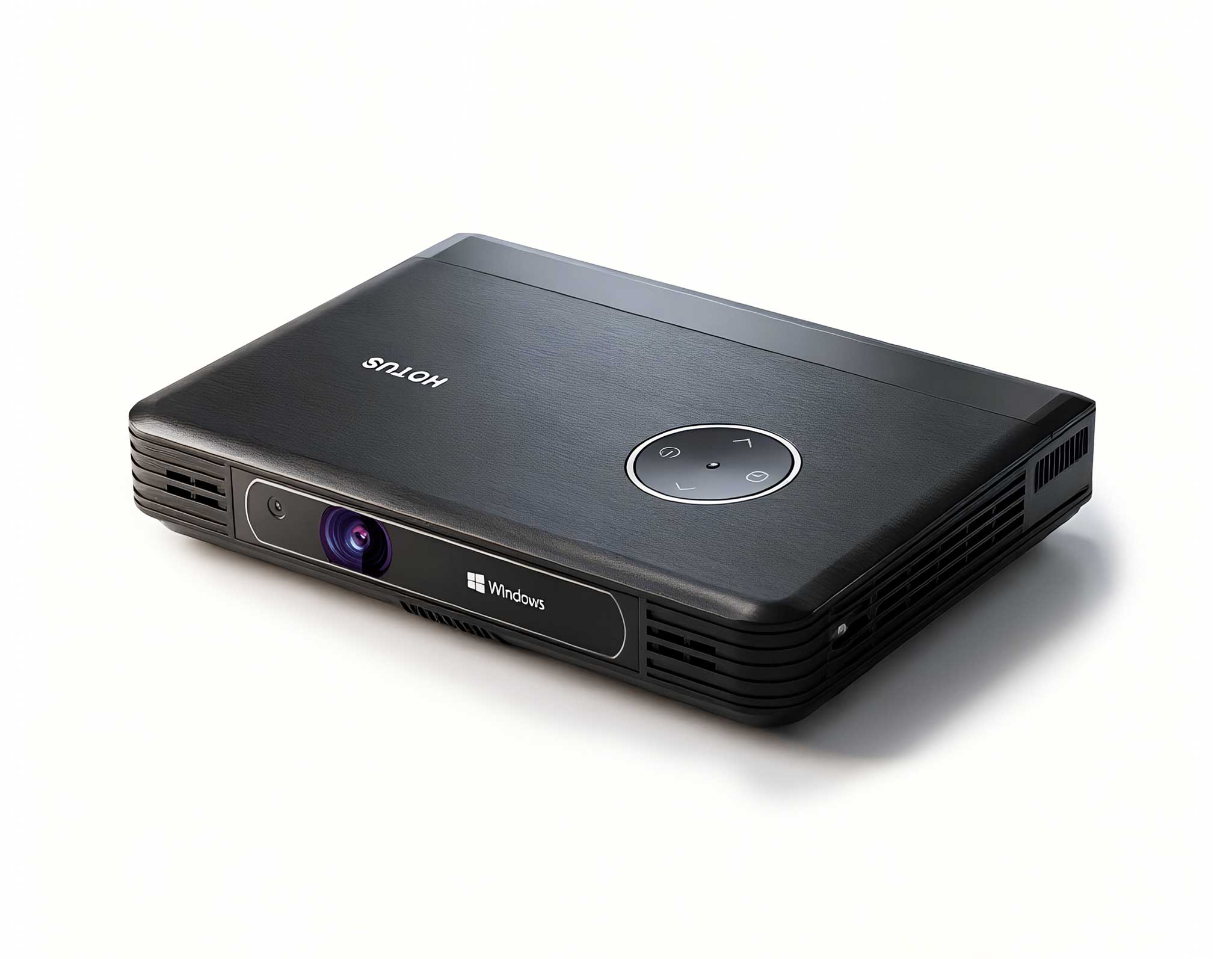
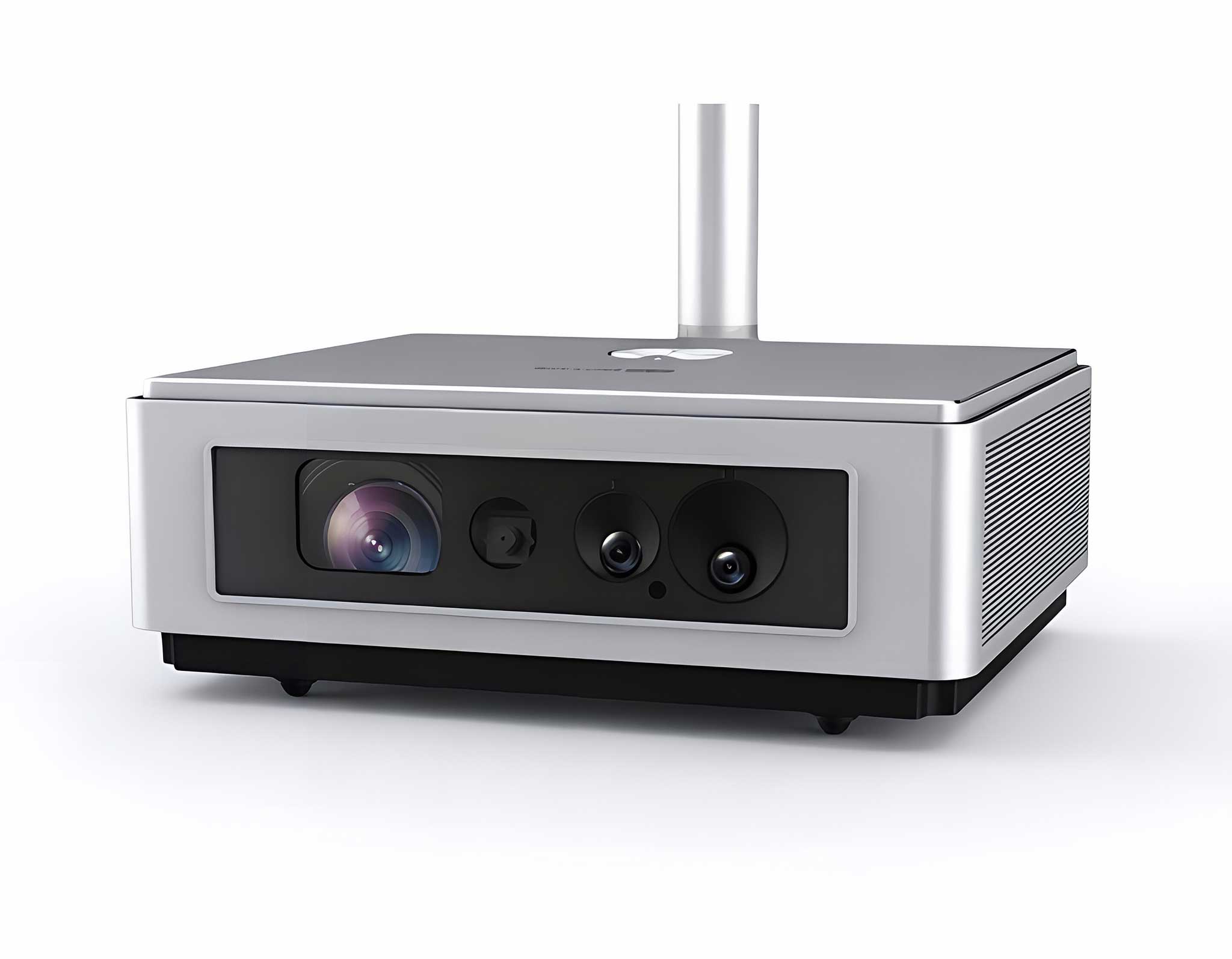
The AMD Mini PC Windows 10 Pro is a compact yet po...
Technical SpecificationsModel: Palm-sized miniPCTy...
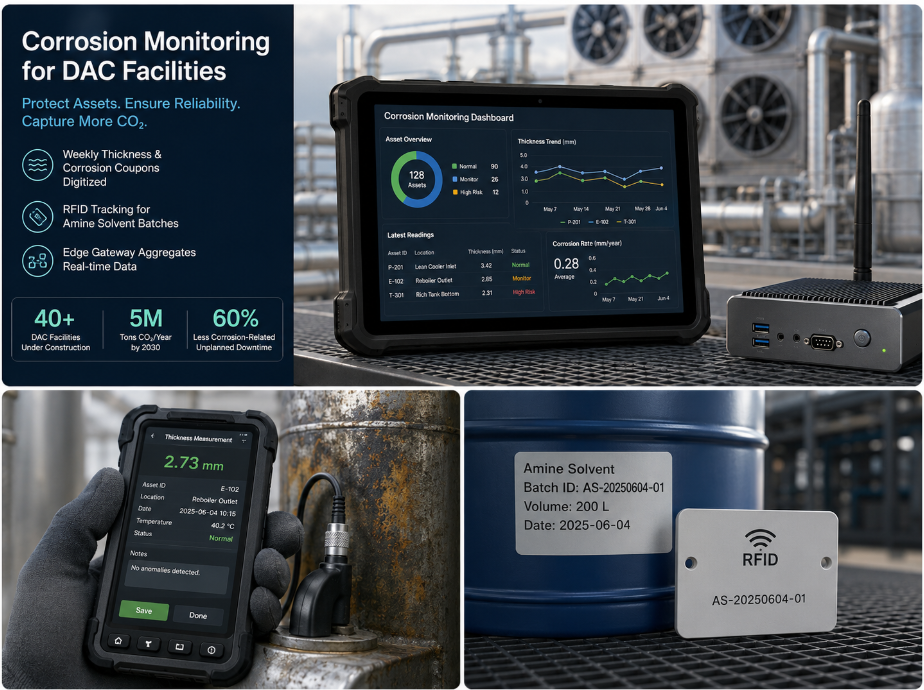
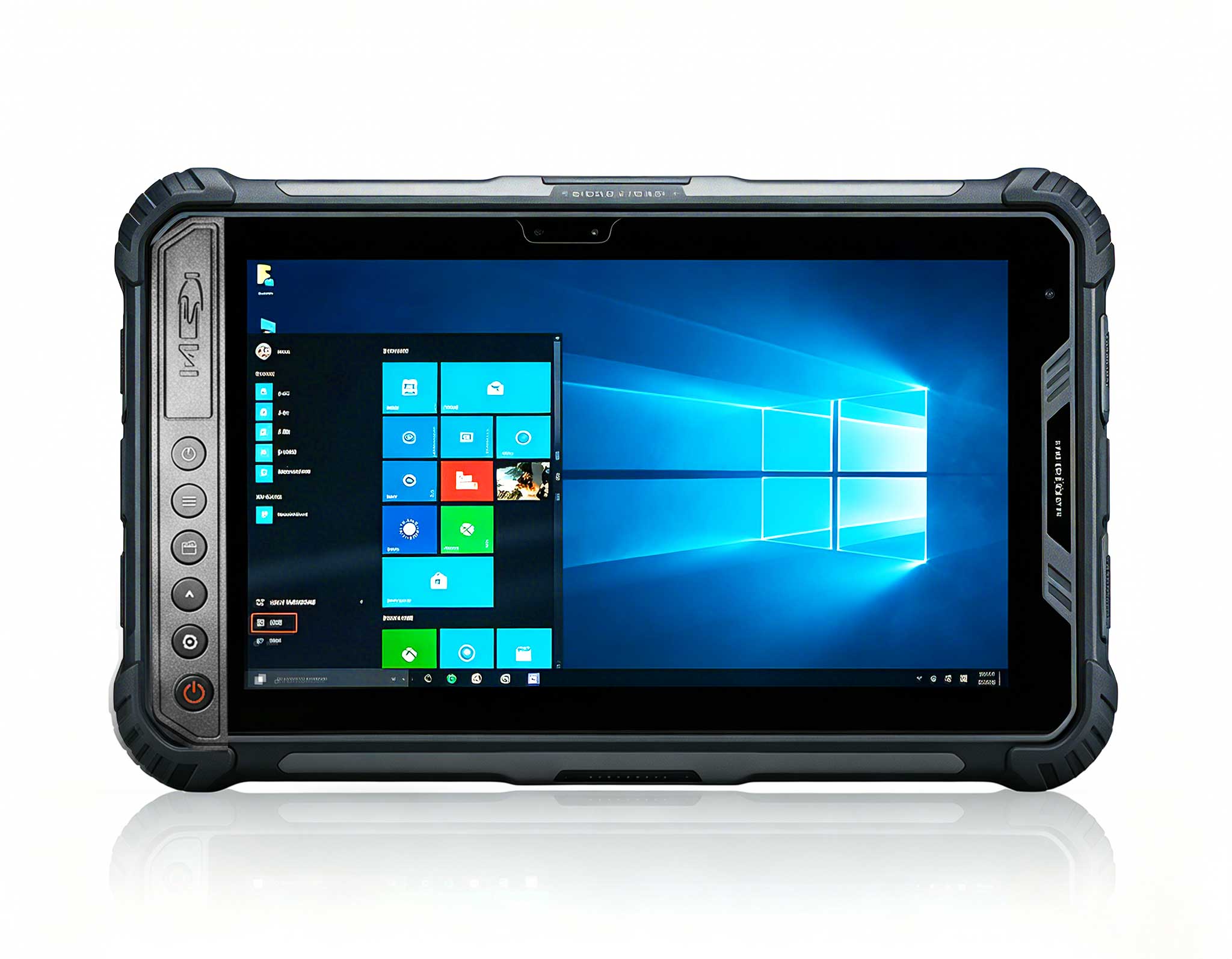
Fig 1 – A corrosion engineer wearing chemical-resistant gloves uses the ST11-M rugged Windows tablet beside an absorption tower inside a direct air capture facility. On the screen: wall thickness history, corrosion rate trend, and inspection timestamps. The pipes hum quietly while captured CO2 moves through the system.
Industry Insight: Carbon removal projects are scaling rapidly across North America, Europe, and the Middle East, but many operators underestimate one critical challenge: solvent corrosion. Direct air capture systems rely on amine chemistry that continuously attacks steel piping, heat exchangers, and storage tanks. A small leak inside a DAC facility can trigger costly shutdowns, environmental reporting events, and equipment replacement delays. Modern plants need digital corrosion monitoring — not clipboards soaked in solvent residue. Rugged tablets, RFID-based chemical traceability, and real-time inspection data are becoming essential infrastructure for large-scale DAC operations.
Direct air capture (DAC) has moved beyond experimental pilot systems. Governments and private investors are pouring billions into carbon removal infrastructure as industries search for credible net-zero pathways. Large-scale DAC hubs are now under development in the United States, Iceland, Canada, Saudi Arabia, and the United Arab Emirates, with commercial operators racing to reduce the cost per ton of captured CO2.
Yet while headlines focus on capture efficiency and carbon credits, plant engineers face a far more immediate operational concern: corrosion caused by amine-based solvents. These chemical absorbents are effective at binding carbon dioxide from ambient air, but over time they aggressively attack carbon steel, especially in humid process conditions and high-temperature regeneration loops.
Even minor corrosion can create major operational consequences inside a DAC plant. A thinning pipe wall in a heat exchanger may remain invisible for months until leakage occurs. By then, operators face emergency maintenance, solvent contamination, production downtime, and expensive inspection campaigns. In high-capacity plants processing thousands of tons of air per hour, every hour offline translates directly into lost carbon capture revenue.
Traditional inspection workflows still rely heavily on handwritten maintenance records, spreadsheet updates entered days later, and disconnected measurement devices. This approach creates blind spots in trending analysis and makes predictive maintenance nearly impossible.
The Hotus ST11-M 10.1″ Windows Rugged Tablet gives DAC maintenance teams a reliable field-ready platform for corrosion inspection and digital maintenance logging. Designed for harsh industrial environments, the ST11-M features an IP67-rated enclosure, glove-compatible touchscreen, and chemically resistant exterior suitable for solvent-heavy process areas.
Technicians can connect the ST11-M directly to ultrasonic thickness gauges through Bluetooth or USB interfaces, allowing instant recording of wall-thickness measurements at inspection points throughout the facility. Every reading is automatically timestamped and tied to equipment location, inspection route, and operator credentials.
Instead of waiting for quarterly reports, maintenance managers can view corrosion progression weekly or even daily. Trend analysis helps engineering teams identify abnormal thinning rates before structural integrity becomes compromised.
In DAC operations, this shift from reactive maintenance to predictive maintenance is critical. Detecting a corrosion hotspot three months early can prevent shutdowns that cost hundreds of thousands of dollars in solvent loss, labor, and production interruption.
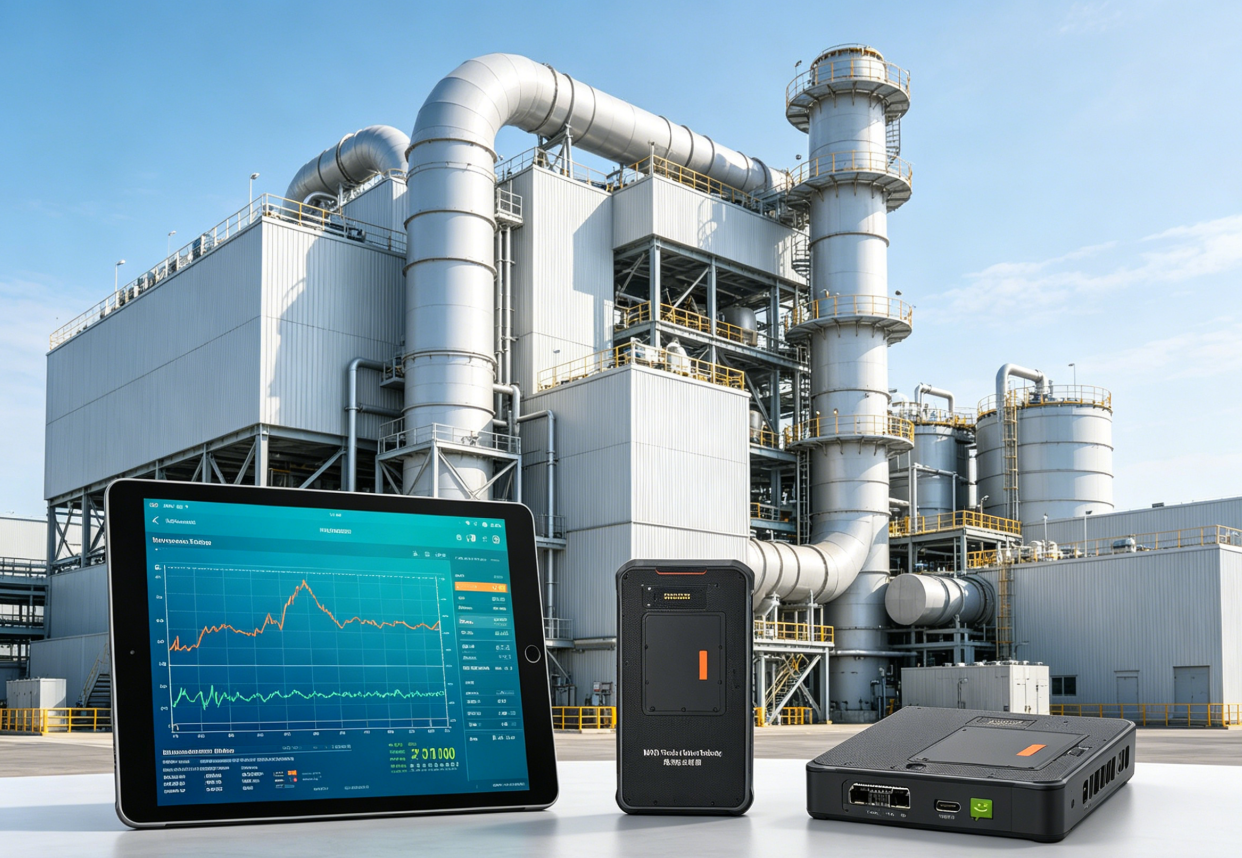
Fig 2 – A maintenance technician scans an RFID-tagged amine solvent drum using the F502 industrial PDA. Batch data, inhibitor ratios, and chemical handling instructions appear instantly on the screen while fresh solvent inventory is logged into the DAC maintenance system.
Corrosion management is not only about pipe inspection. Chemical traceability also matters. Variations in solvent purity, inhibitor concentration, or contamination levels can dramatically accelerate metal degradation.
The Hotus F502 RFID PDA enables digital tracking of amine solvent batches throughout the DAC process chain. Operators can scan RFID or barcode labels attached to solvent drums, storage tanks, and transfer containers to maintain full material genealogy.
If laboratory analysis later identifies contamination in a particular solvent shipment, maintenance teams can instantly determine which absorber towers, circulation pumps, or regeneration systems were exposed. This dramatically reduces troubleshooting time and minimizes unnecessary shutdowns.
The F502 also simplifies chemical receiving workflows. Incoming solvent inventory can be verified immediately at unloading points, reducing transcription errors and improving environmental compliance documentation.
Modern DAC facilities increasingly rely on edge computing infrastructure to process operational data closer to the equipment itself. Continuous monitoring of pH values, solvent temperatures, flow rates, and corrosion indicators allows operators to respond faster when process conditions drift outside safe limits.
Hotus Mini PC Edge Gateways installed near absorber towers or solvent circulation systems can aggregate sensor data locally and transmit alerts directly to maintenance teams. When combined with the ST11-M inspection workflow, the result is a unified digital maintenance ecosystem for DAC infrastructure.
Instead of isolated inspection records stored across multiple departments, operators gain a centralized, searchable maintenance history that supports regulatory reporting, insurance audits, and long-term asset planning.

Fig 3 – A rugged Hotus Mini PC edge gateway mounted beside a DAC absorption column continuously processes sensor data from corrosion probes, solvent temperature sensors, and flow monitoring devices in real time.
A commercial DAC facility operating in a desert climate deployed 30 ST11-M rugged tablets, 18 F502 RFID PDAs, and multiple Mini PC edge gateways as part of a digital corrosion monitoring initiative.
Within the first year, the site reduced unplanned maintenance downtime by over 55%. Engineers identified accelerated corrosion inside a solvent regeneration loop months before a leak developed. Because the issue was detected early through digital thickness trending, the maintenance team replaced only the affected spool section instead of shutting down the entire unit.
The plant also improved maintenance audit preparation time by 70% because all inspection records, photos, and solvent tracking data were stored digitally instead of scattered across paper files and spreadsheets.
As DAC infrastructure scales globally, operators are learning that carbon removal is not just a chemistry challenge — it is an asset reliability challenge. Facilities that invest early in digital inspection systems will operate longer, safer, and more profitably.
Corrosion cannot be eliminated, but it can be measured, tracked, and controlled. The ST11-M rugged tablet, F502 RFID PDA, and Hotus Mini PC platform help direct air capture operators modernize inspection workflows, strengthen equipment traceability, and reduce the hidden maintenance risks inside next-generation carbon removal plants.
Contact HOTUS Technology to explore rugged inspection hardware, RFID traceability systems, and edge monitoring platforms for direct air capture facilities, carbon removal infrastructure, and industrial corrosion management projects.