- Select Language
R366-S 5.5-inch Industrial PDA | Qualcomm Octa-cor...
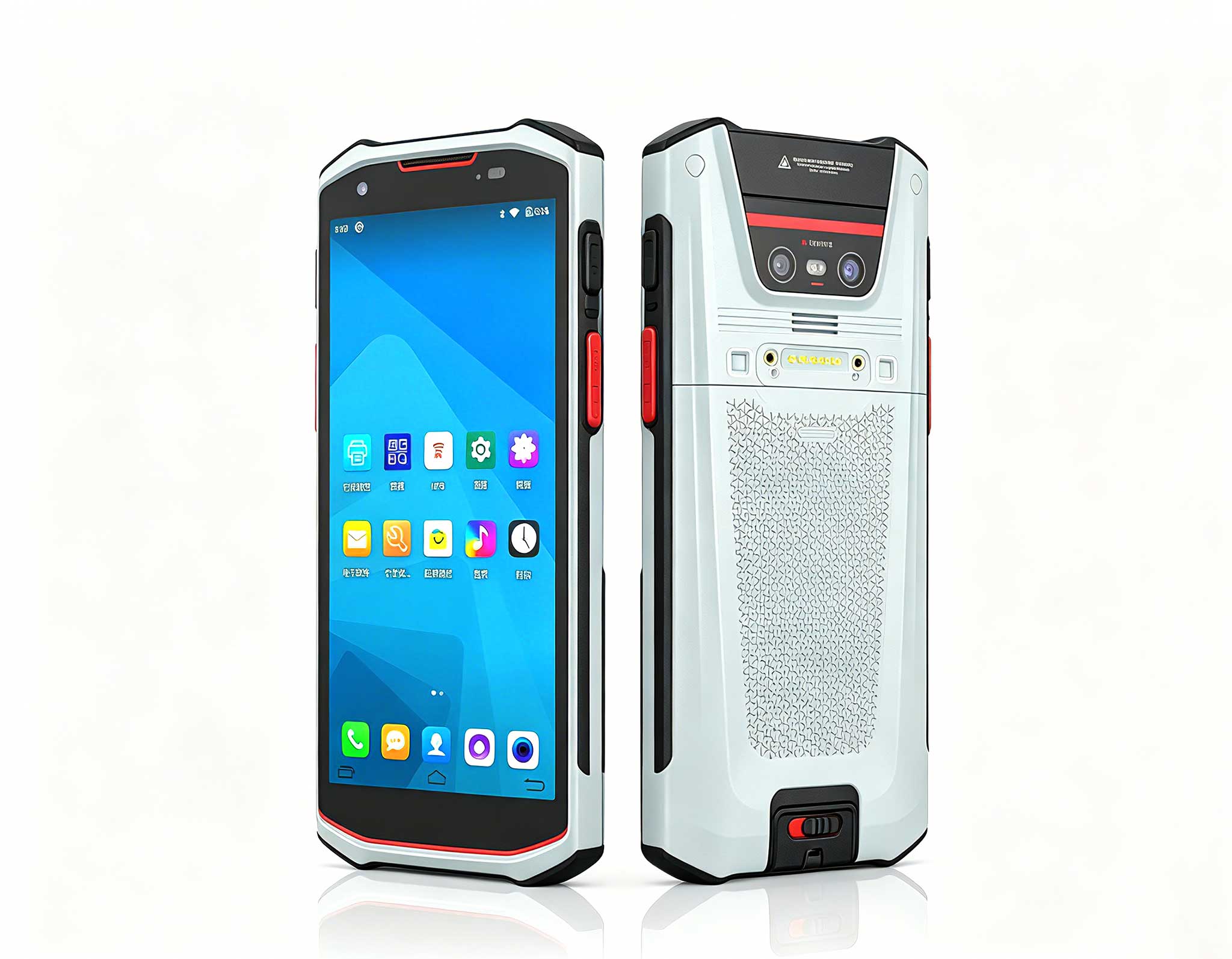
R530C 6.0-inch Industrial PDA | Qualcomm Octa-core...
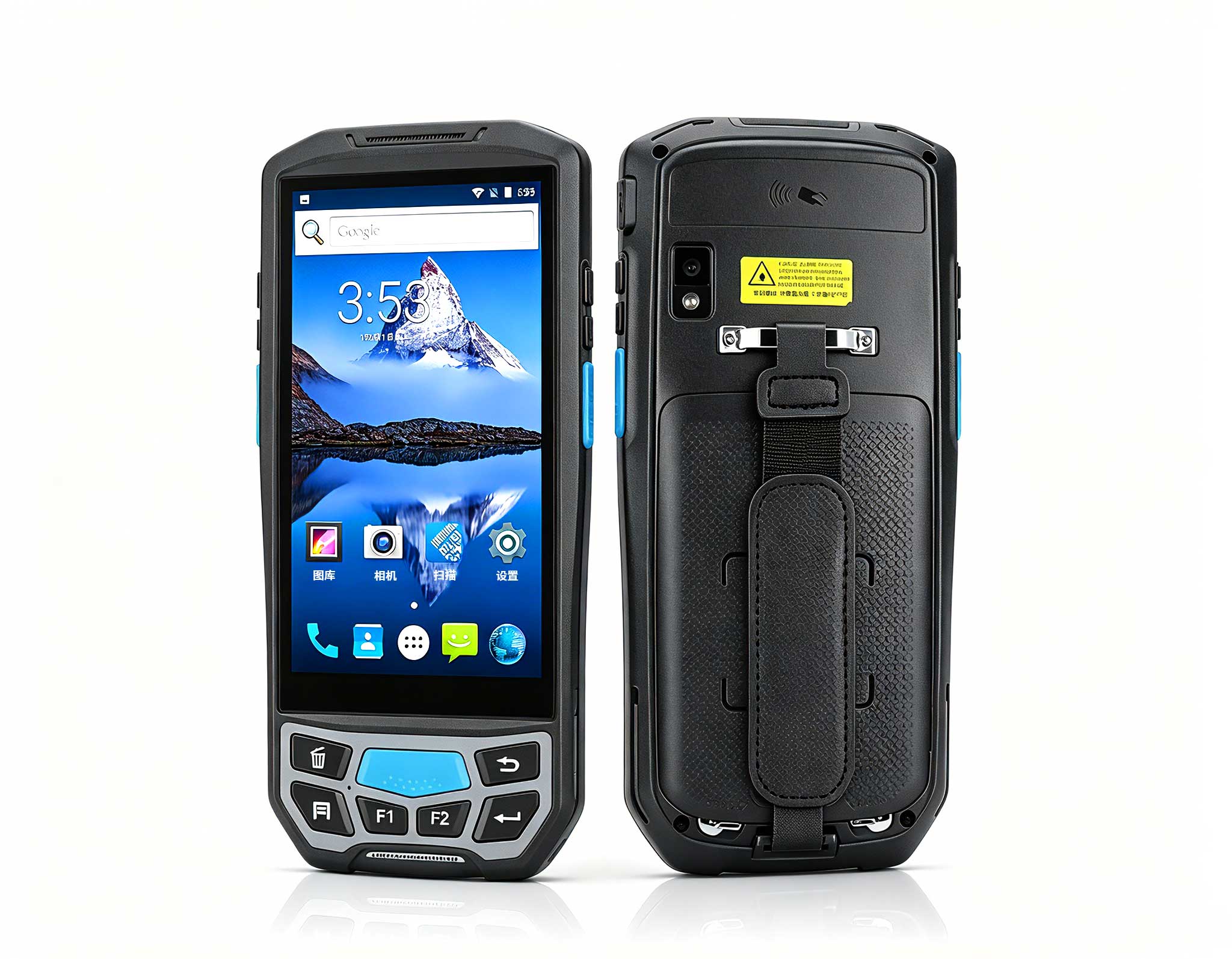
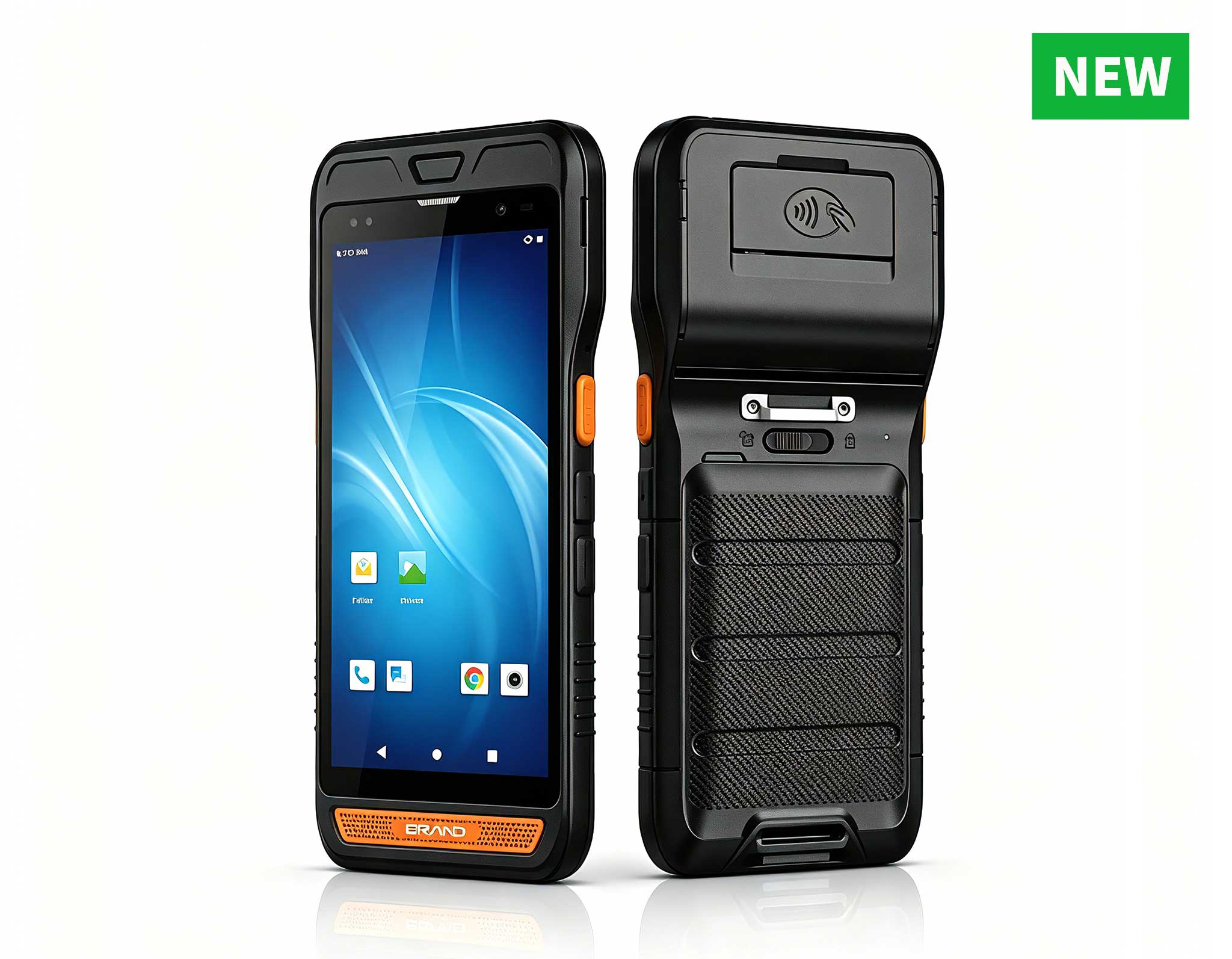
The U9000 handheld PDA combines advanced barcode s...
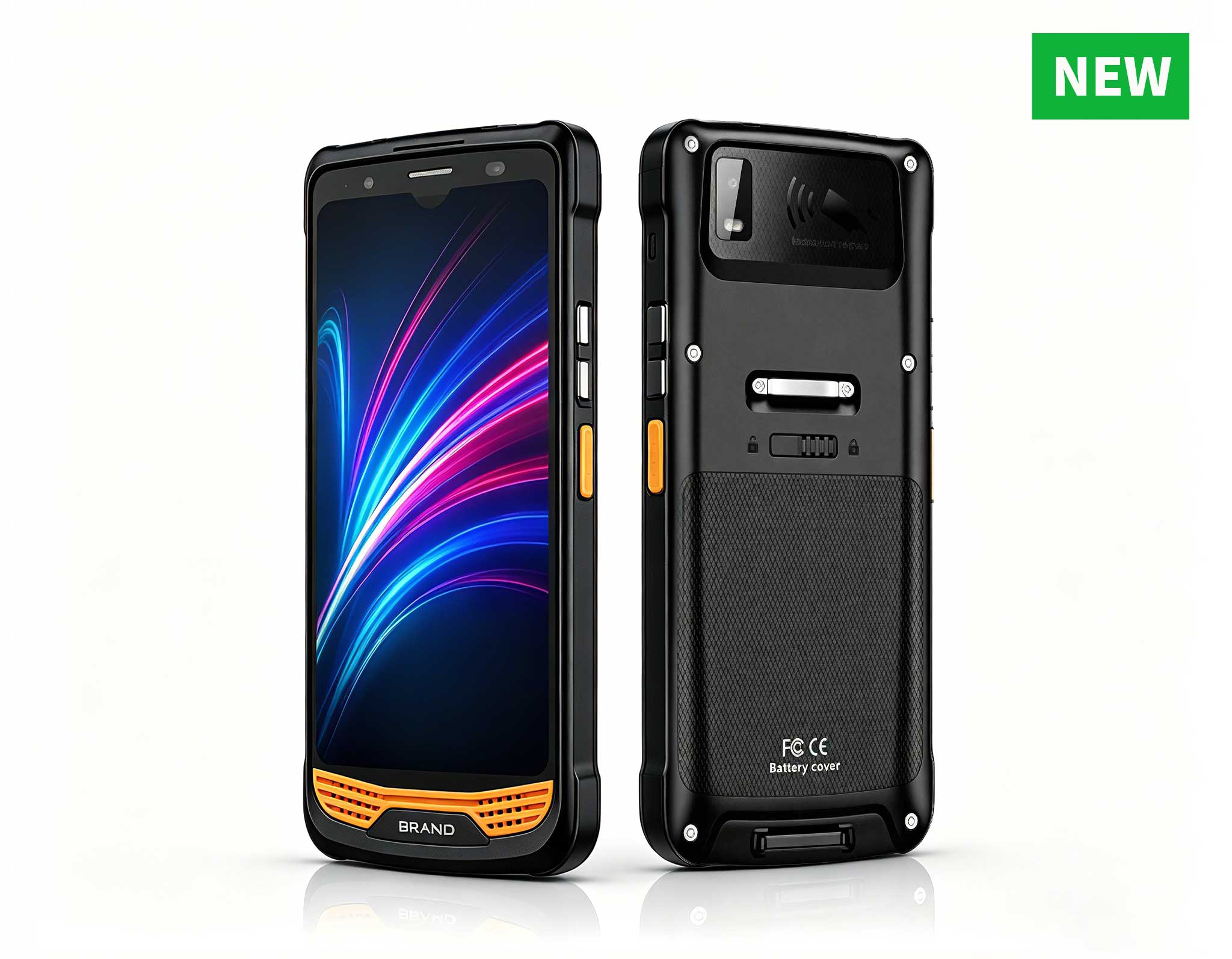
The R501 PDA combines a powerful MT6762 Octa-Core ...
R860-S 5.5-inch Industrial PDA with Thermal Printe...
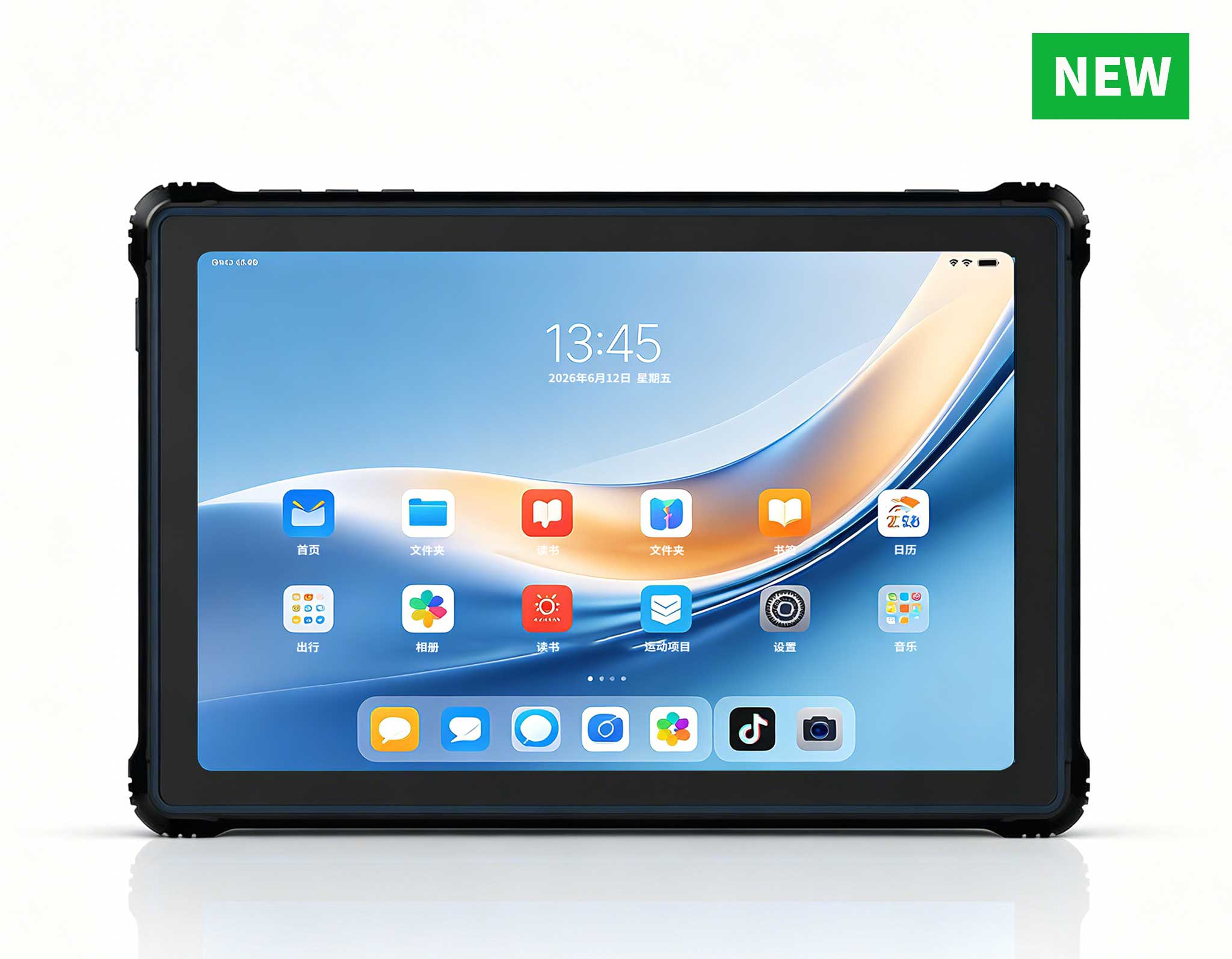
RT81 4G Rugged Tablet | 10.1" FHD 400nit | Qu...
The U9000 handheld PDA combines advanced barcode s...
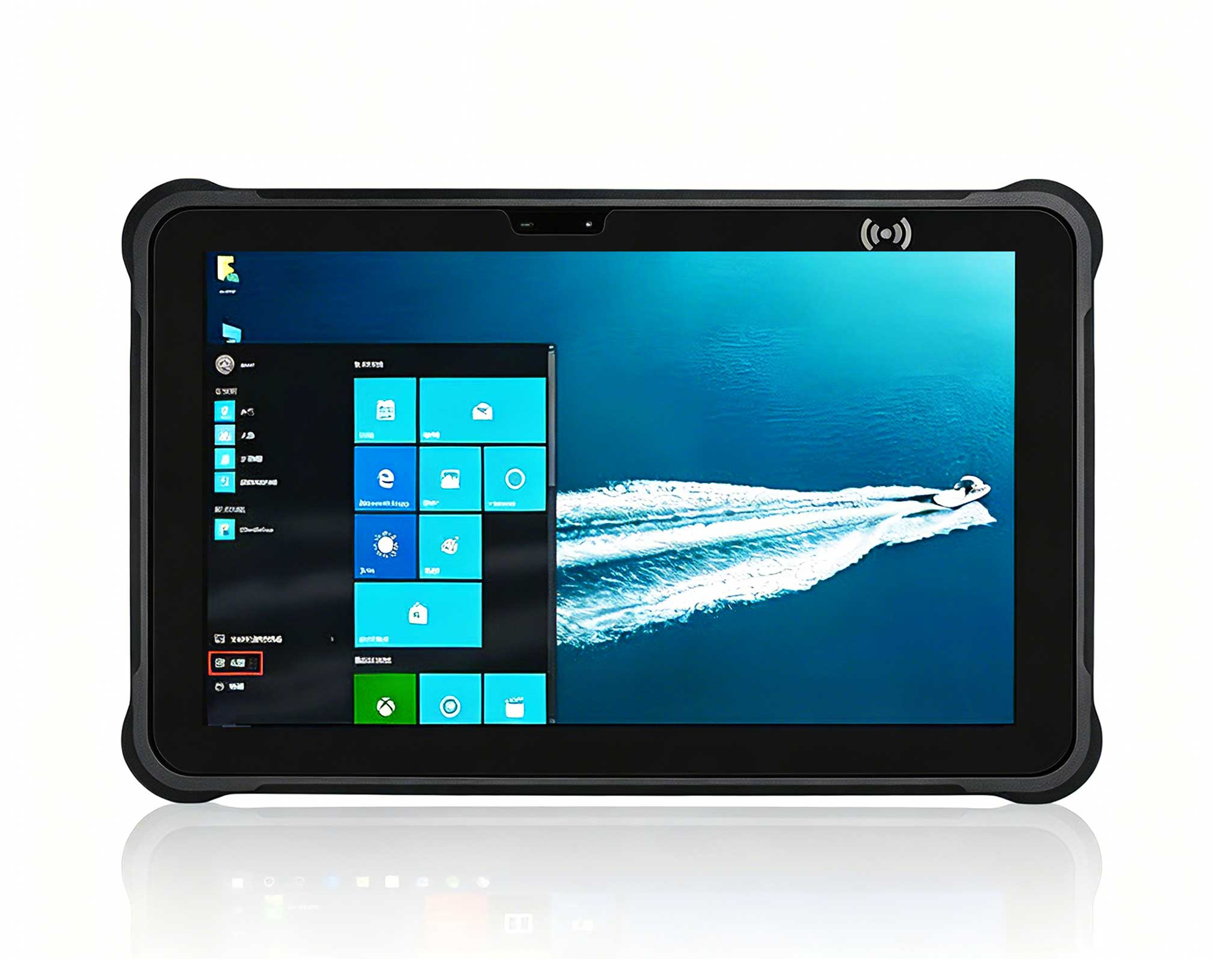
Full SpecificationsModelHotus ST11‑JOSWindows 10 P...
Fig 1 – Bale-level scanning using RFID to determine textile composition before sorting and recycling.
Textile recycling is entering a data-driven phase. With Digital Product Passport requirements approaching, facilities must shift from manual sorting to automated identification based on material composition, origin, and recyclability.
Textile Recycling & Circular Economy | Updated 2026
New regulatory frameworks are redefining how textile products are managed at end of life. Digital Product Passports (DPP) introduce standardized, machine-readable data attached to each product, enabling improved transparency across the supply chain.
This data includes:
For recycling operators, the challenge is not access to data—but the ability to read and use it efficiently at scale.
Conventional textile sorting relies on manual inspection or optical scanning technologies. While these approaches provide basic classification, they fall short when dealing with blended materials or large processing volumes.
Key limitations include:
As recycling volumes increase, these inefficiencies directly impact operational costs and output quality.
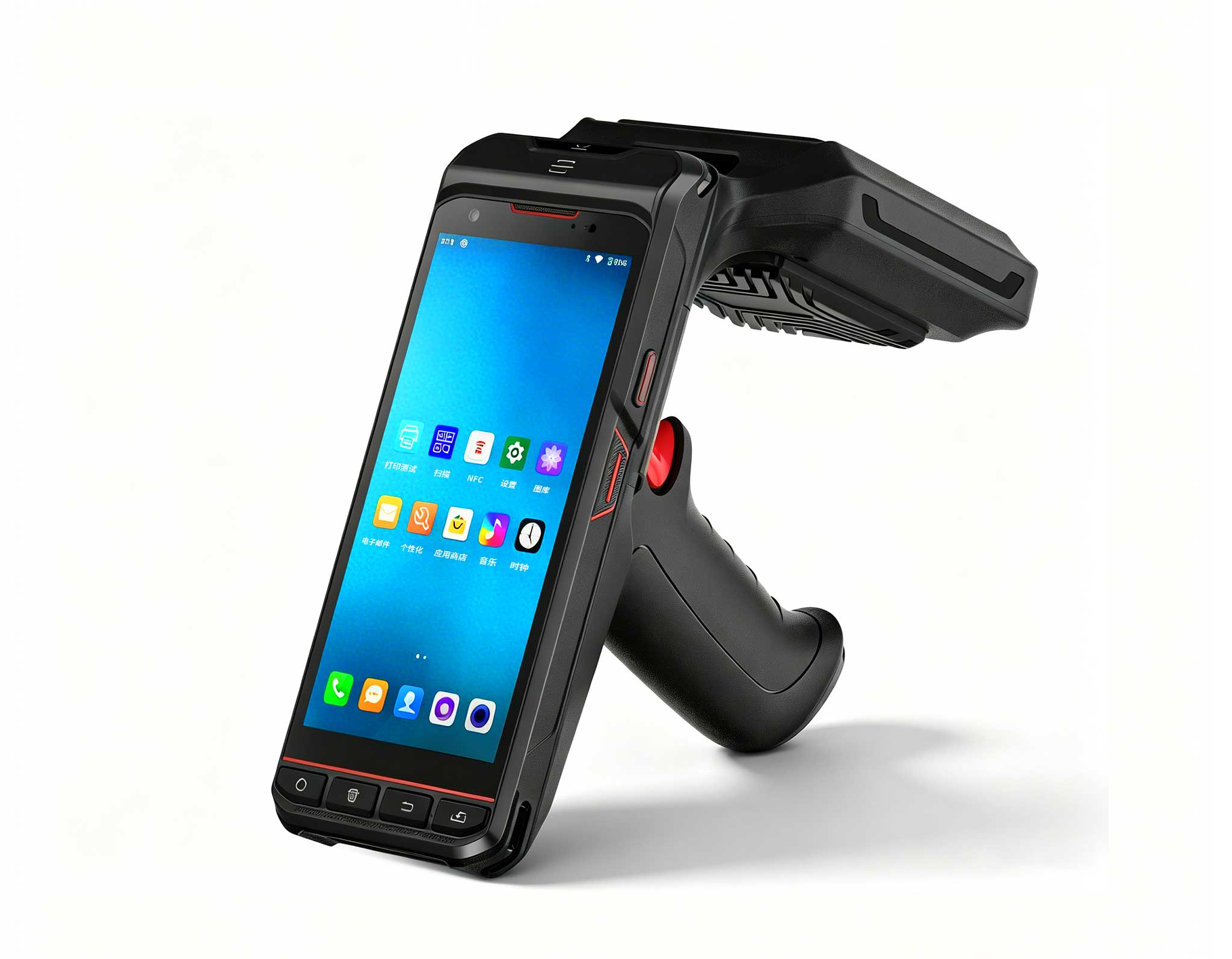
The F505 handheld PDA enables rapid reading of RFID-enabled Digital Product Passports embedded in garments.
Instead of opening and manually sorting each bale, operators can scan and retrieve aggregated composition data within seconds. This allows immediate classification and routing to the appropriate recycling stream.
Advantages include:
This approach significantly increases throughput while maintaining consistent material quality.
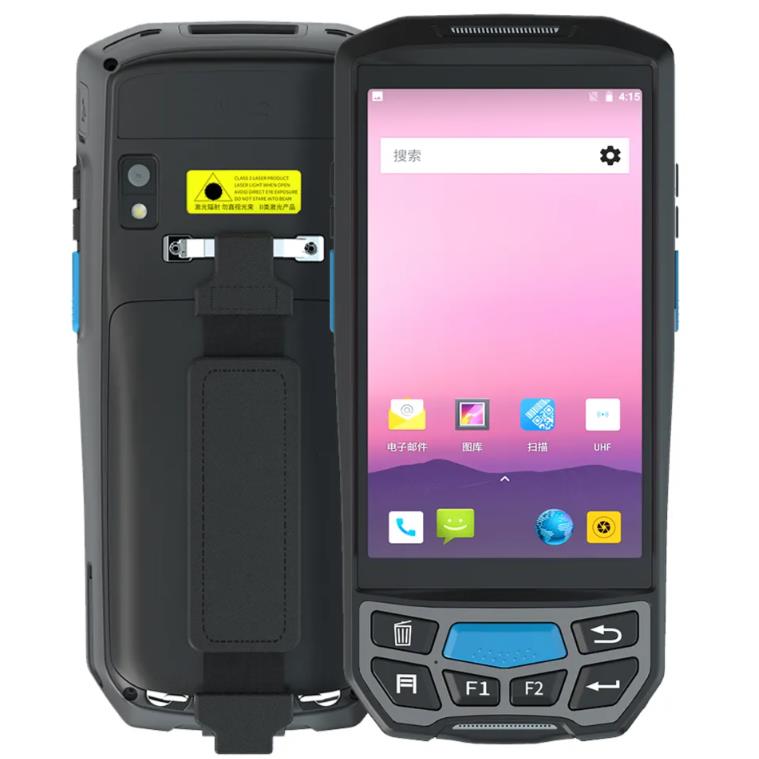
Fig 2 – Intake-level scanning ensures incoming textile streams are digitally recorded and categorized.
The U9000 RFID PDA supports data capture at collection points, donation centers, and logistics hubs.
Each batch of textiles can be logged, categorized, and tracked through the recycling process, ensuring full visibility across the material lifecycle.
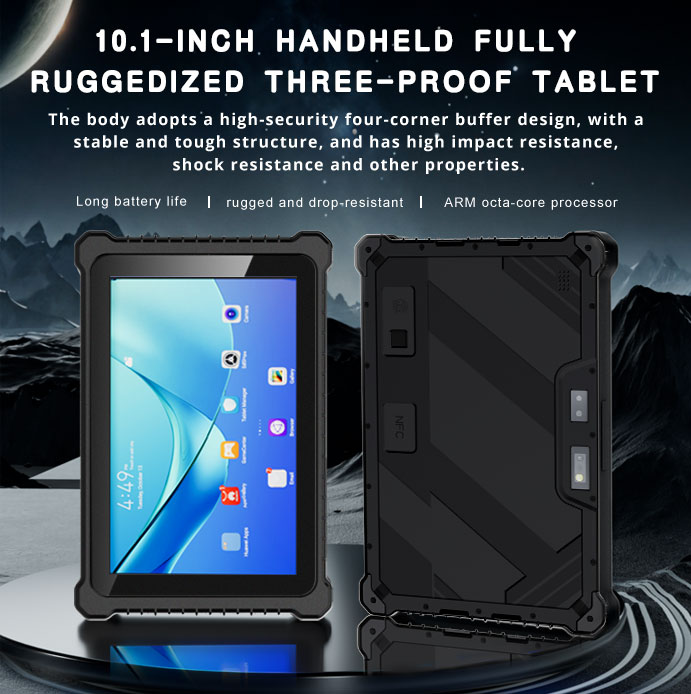
The ST11-U rugged tablet provides operators with a live overview of bale composition and sorting priorities.
By visualizing incoming data, facilities can dynamically allocate resources and optimize processing lines based on material type and quality.
This enables:

Fig 3 – Visualization of textile composition data supports efficient routing and processing decisions.
Facilities adopting RFID-based Digital Product Passport systems report significant gains in both efficiency and output quality. Automated identification reduces uncertainty and allows for better material separation.
Measurable improvements include:
As Digital Product Passport frameworks become standard, recycling operations must evolve to handle structured product data efficiently. RFID-enabled identification and digital workflows provide a scalable solution for meeting these requirements.
By integrating handheld devices, traceability systems, and real-time dashboards, recycling facilities can transition toward more accurate, efficient, and compliant operations.
Upgrade your recycling workflow: Contact HOTUS Technology to explore RFID-enabled solutions for textile sorting and Digital Product Passport integration.