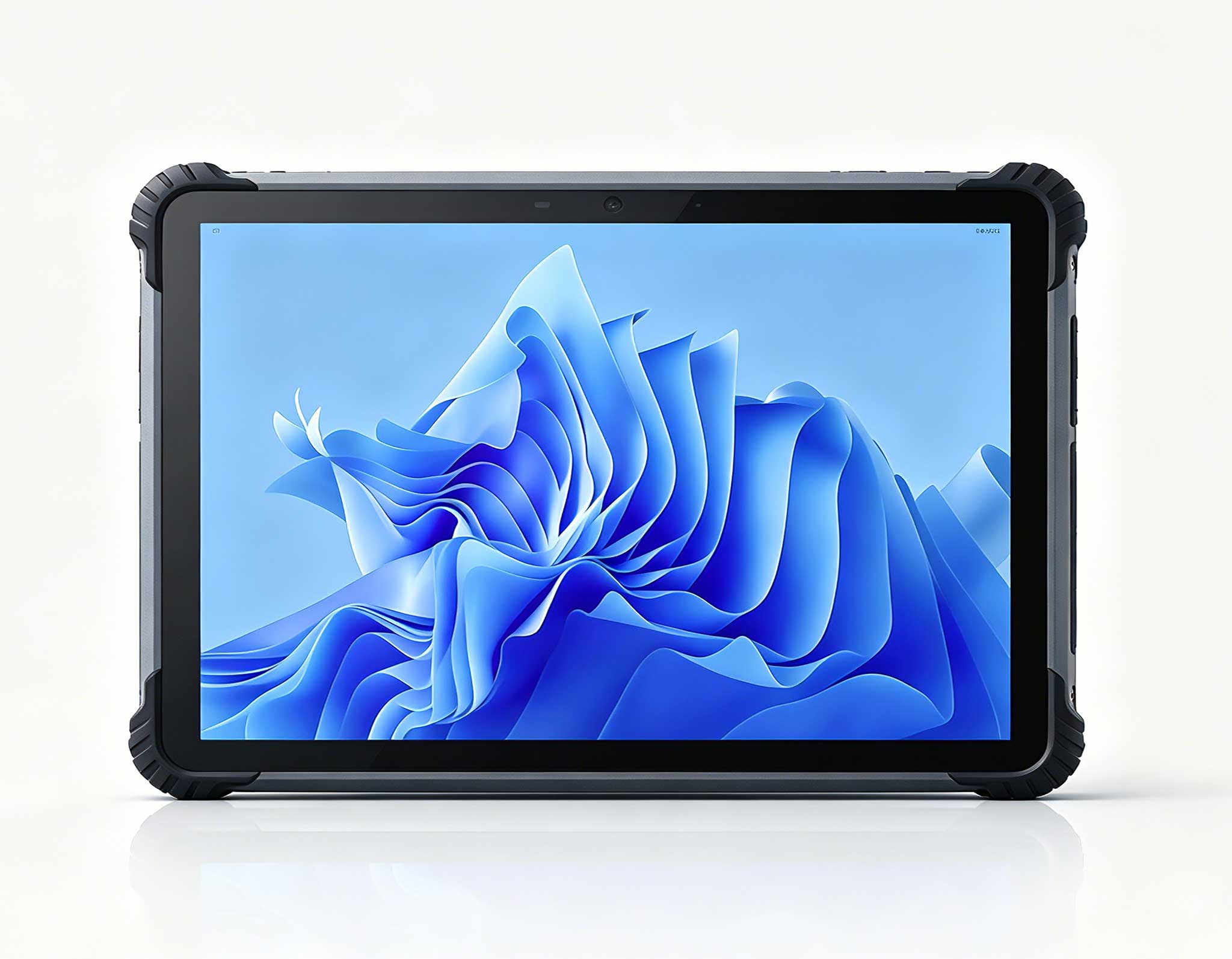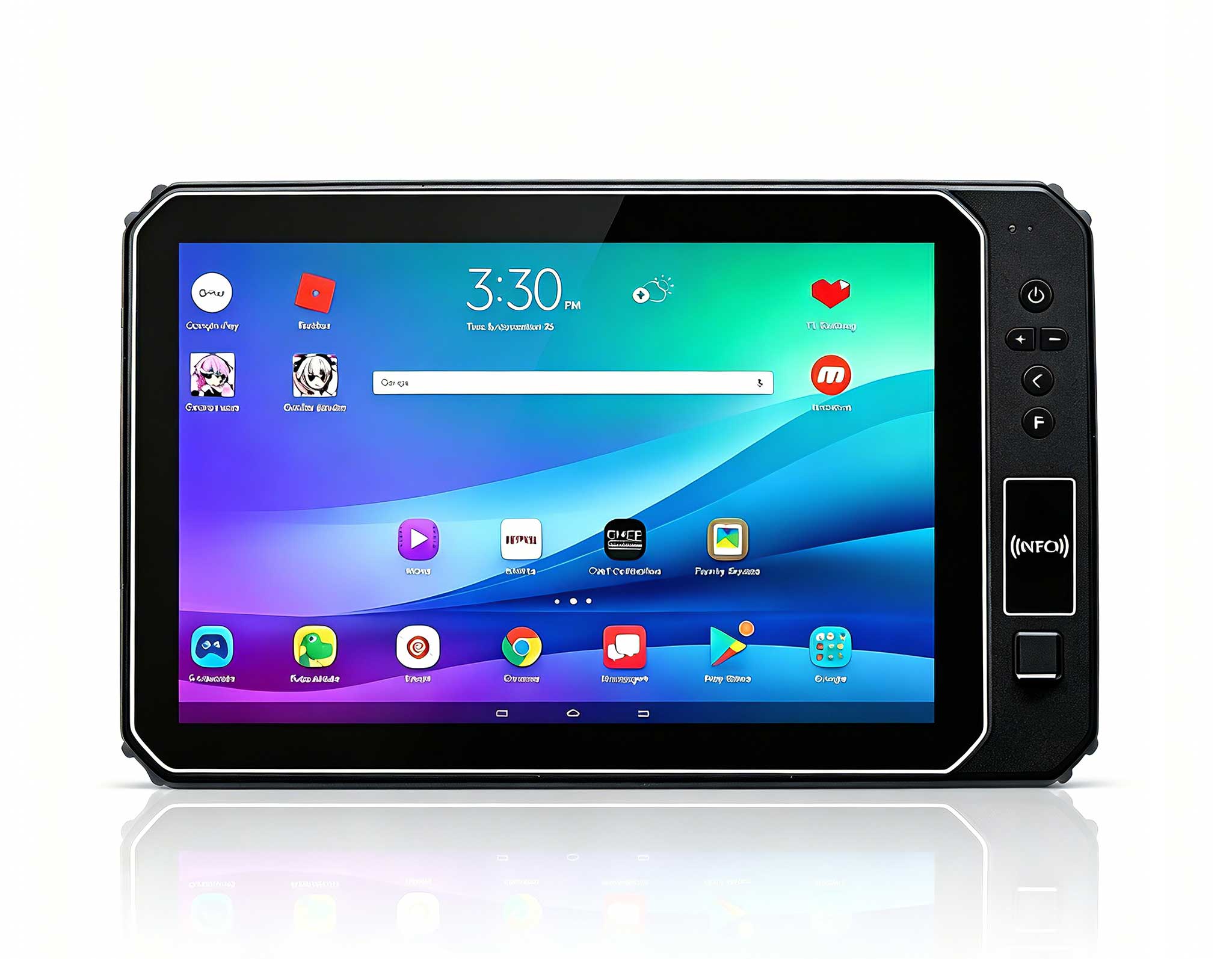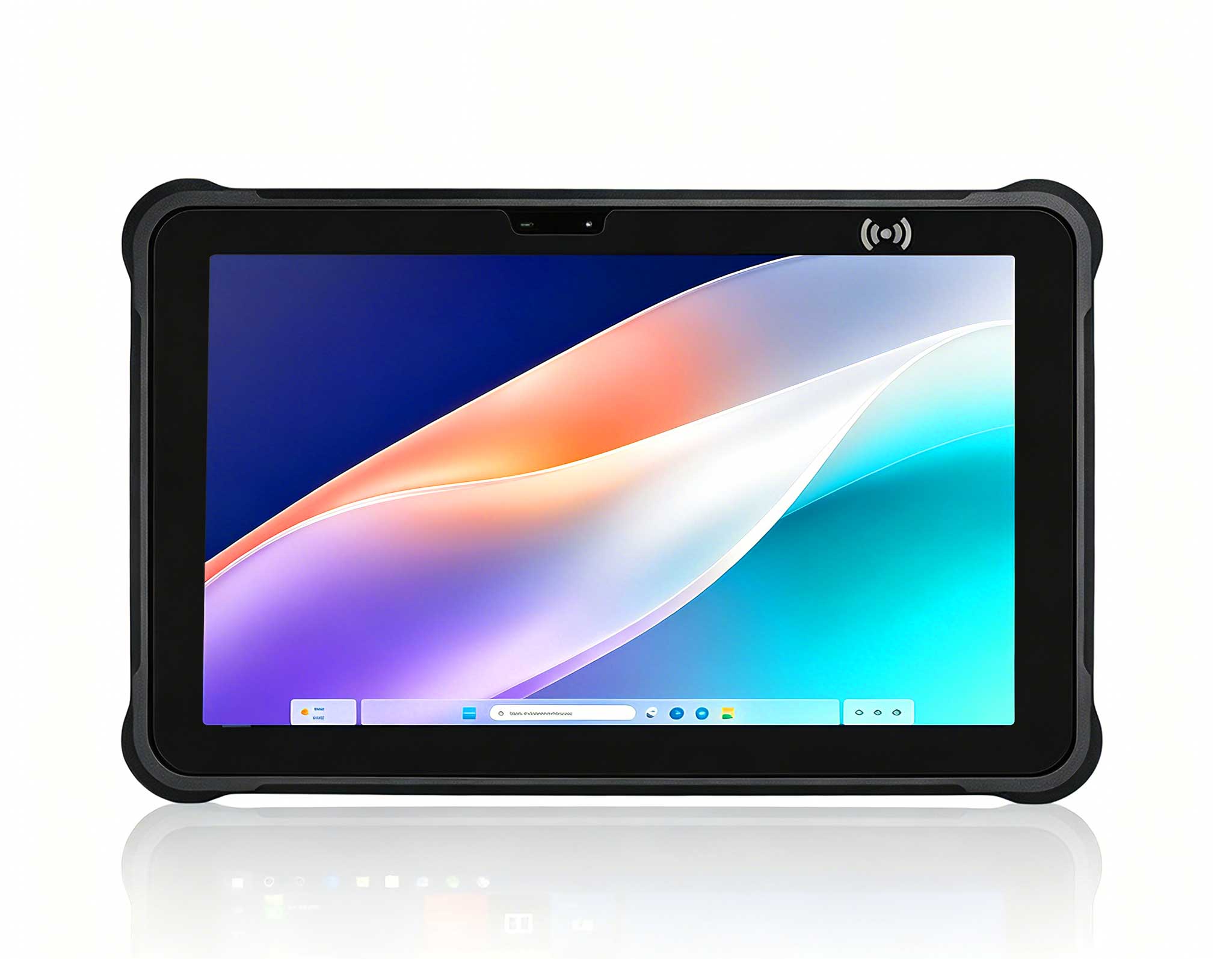
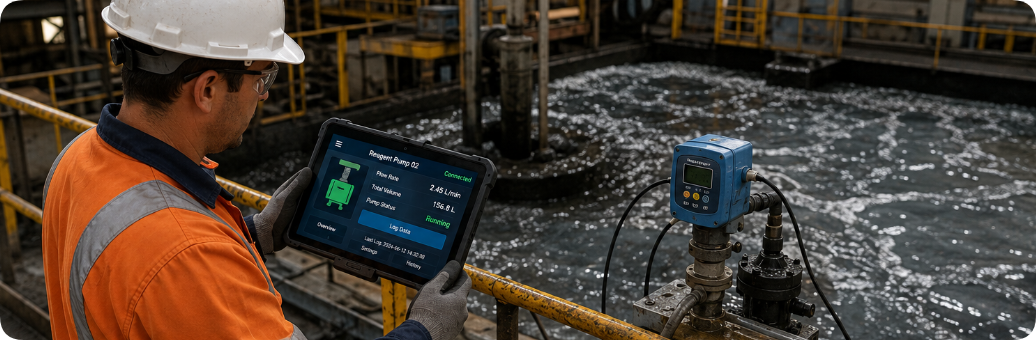
A plant metallurgist utilizes the HOTUS ST11‑U rugged tablet to input live froth telemetry and check flotation reagent dosing rates directly from the mill floor.
Global lithium market values fluctuate, but the operational mandate remains clear: every fraction of premium spodumene lost to tailings degrades your bottom line. In a high-throughput flotation circuit, a minor 5% deviation in reagent addition rates can cause a substantial drop in net recovery. Relying on handwritten shift logs and manual sight glasses leaves room for invisible process drift. Processing facilities require a reliable, field-ready platform to track pump outputs, slurry densities, and concentrate grades in real time. Your field hardware acts as a vital tool for process optimization and margin protection.
Lithium Flotation Reagent Optimization: Maximizing Mineral Recovery with Enterprise Rugged Tablets
By HOTUS Technology | Processing Metallurgy & Hardware Innovation
The global demand for high-purity lithium products continues to rise, driven by the expansion of the electric vehicle battery supply chain and grid-scale energy storage systems. Processing hard-rock spodumene ore relies heavily on froth flotation to separate valuable lithium minerals from gangue silicates. Achieving optimal separation requires maintaining precise chemical balances within the slurry. Reagents such as specialized fatty acids, amine collectors, activators, and modifiers must be dosed in exact proportions relative to the ore feed rate. A small drop in collector efficiency can lower overall mill recovery, leading to significant losses in valuable concentrate over a year of operation.
Despite the high financial stakes, many chemical concentration plants still utilize legacy data tracking methods. Operators frequently complete timed floor walks, checking analog rotameters and recording flow metrics onto paper sheets before adjusting manual control valves based on baseline memory. This approach fails to provide immediate insights into how chemical dosages correlate with shifting concentrate grades. A gradual drift caused by sensor scaling or mechanical wear can easily go unnoticed until a composite assay report reveals a drop in yield days later.
Engineered for Chemical Processing Plants: The HOTUS ST11-U Windows Rugged Tablet
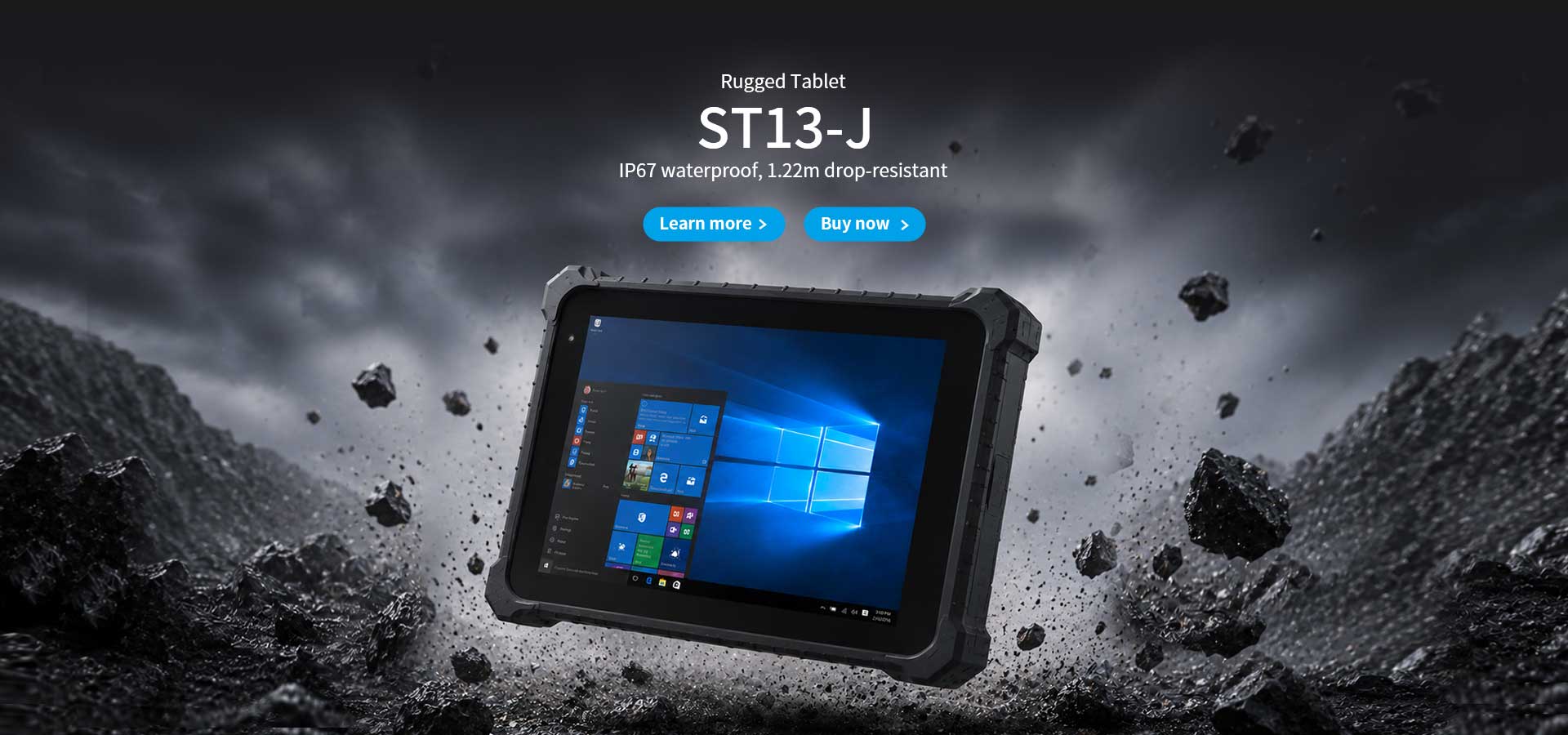
The Hotus ST11‑U 10.1″ Windows rugged tablet is built to perform in the challenging environments of mineral processing facilities. Boasting a fully sealed IP67-rated enclosure, the terminal resists fine airborne rock dust, high ambient humidity, and chemical splashes. Its bright 1000+ nit display remains clearly readable under intense industrial lighting, helping operators avoid input errors during detailed data entries.
Running a standard Windows operating system, the ST11-U interfaces directly with centralized control architectures and edge sensors. The rugged hardware integrates into your plant ecosystem by connecting to key diagnostic points:
- Reagent Pump Programmable Logic Controllers (PLCs): Reads precise volumetric dosing rates and pump motor speed telemetry directly from the source.
- Ultrasonic Froth Depth Sensors: Tracks froth height variations across rougher, scavenger, and cleaner cells to maintain structural stability.
- Online XRF Stream Analyzers: Imports continuous tailing and concentrate grade readouts to map mineral recovery trends dynamically.
The ST11-U processes these data streams locally to evaluate chemical consumption alongside real-time concentrate yields. If the target grade falls while dosing parameters remain unchanged, the system flags the issue immediately. This alerts technicians to check for upstream variables like changes in ore hardness or particle size distribution, allowing for prompt process adjustments.
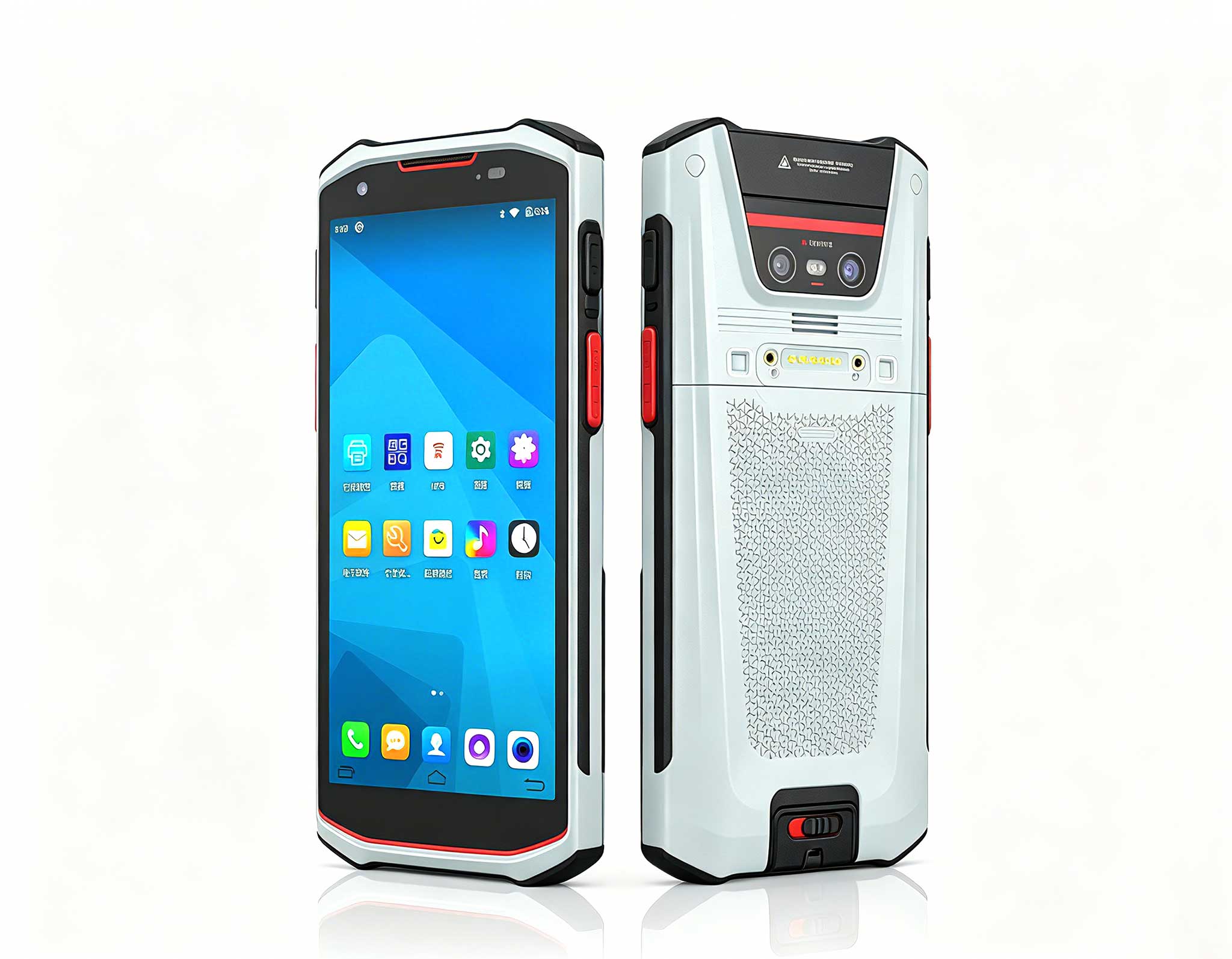
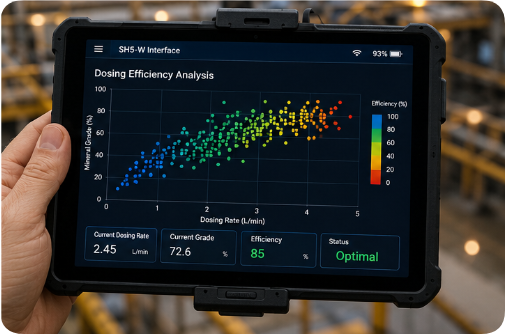
The SH5‑W handheld renders real-time trend lines of collector addition rates against concentrate purity, providing actionable insights for mill technicians.
Mobility Across the Flotation Line: The SH5-W and ST13-J Solutions
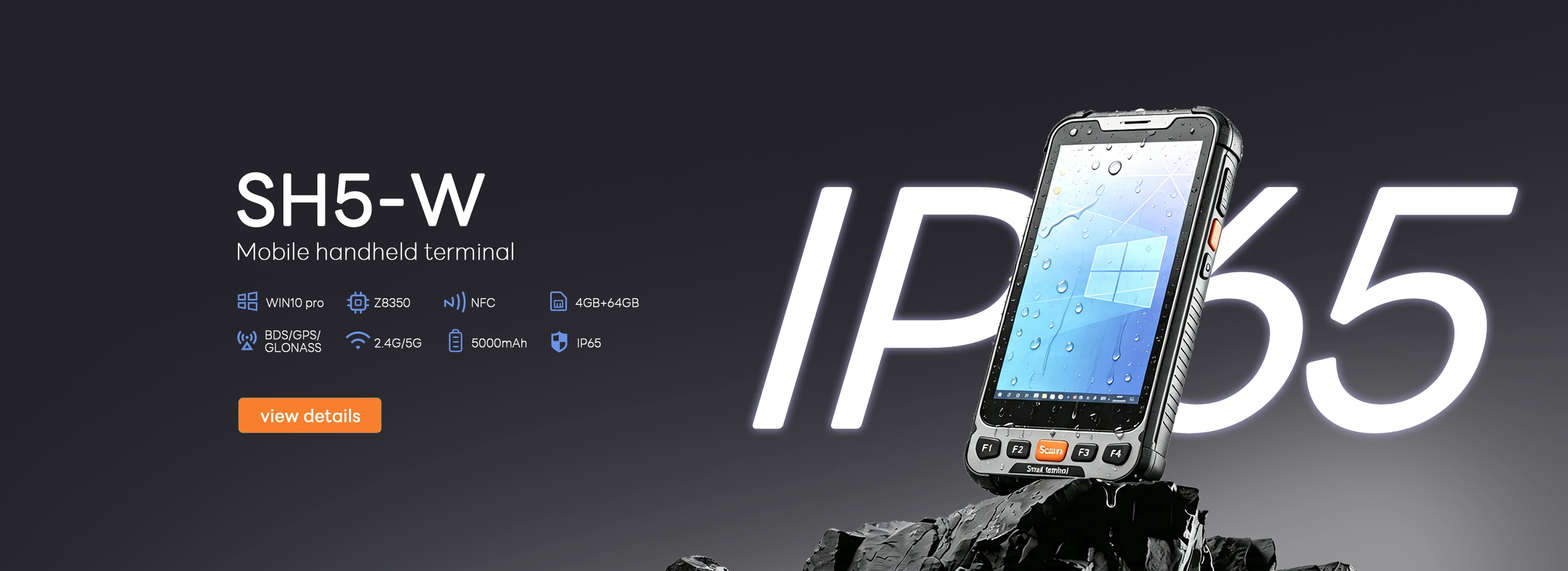
Effective plant management requires visibility across every stage of the recovery circuit. The compact Hotus SH5‑W Windows rugged handheld gives shift supervisors full access to this data in a highly mobile form factor. Supervisors can inspect specific cell banks, review localized sensor histories, and verify reagent setpoints right at the tank side without needing to return to the main control room.
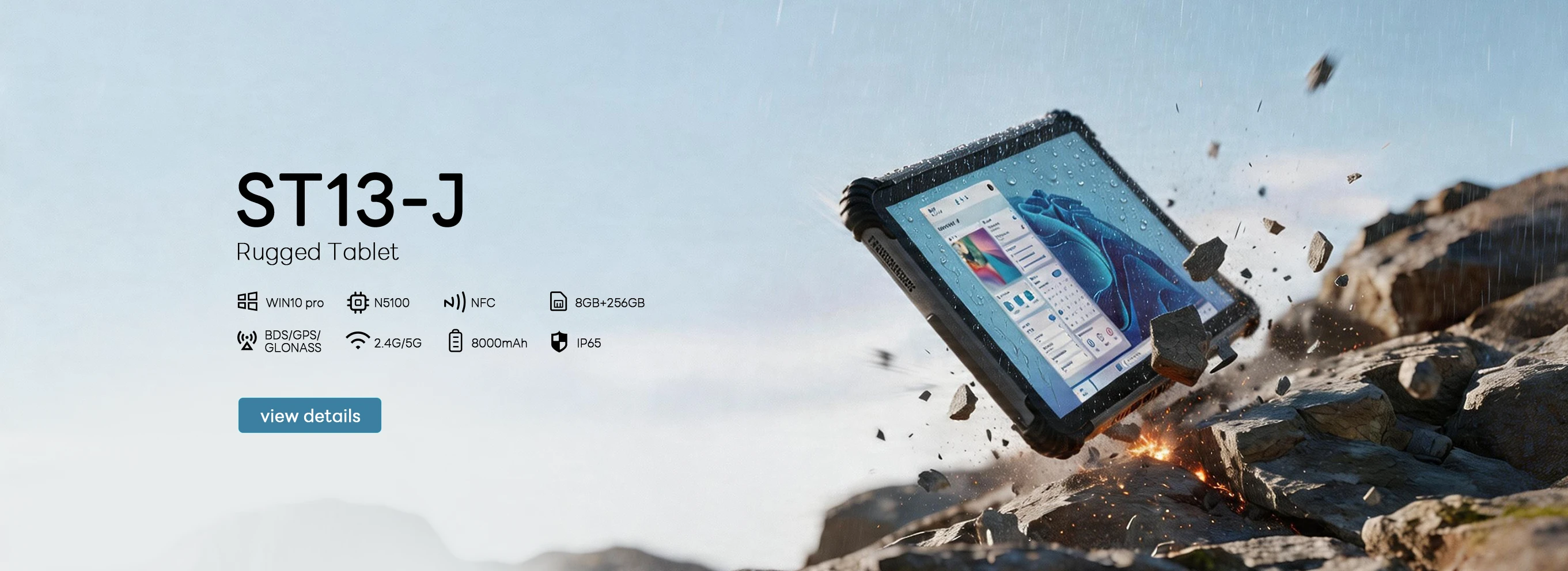
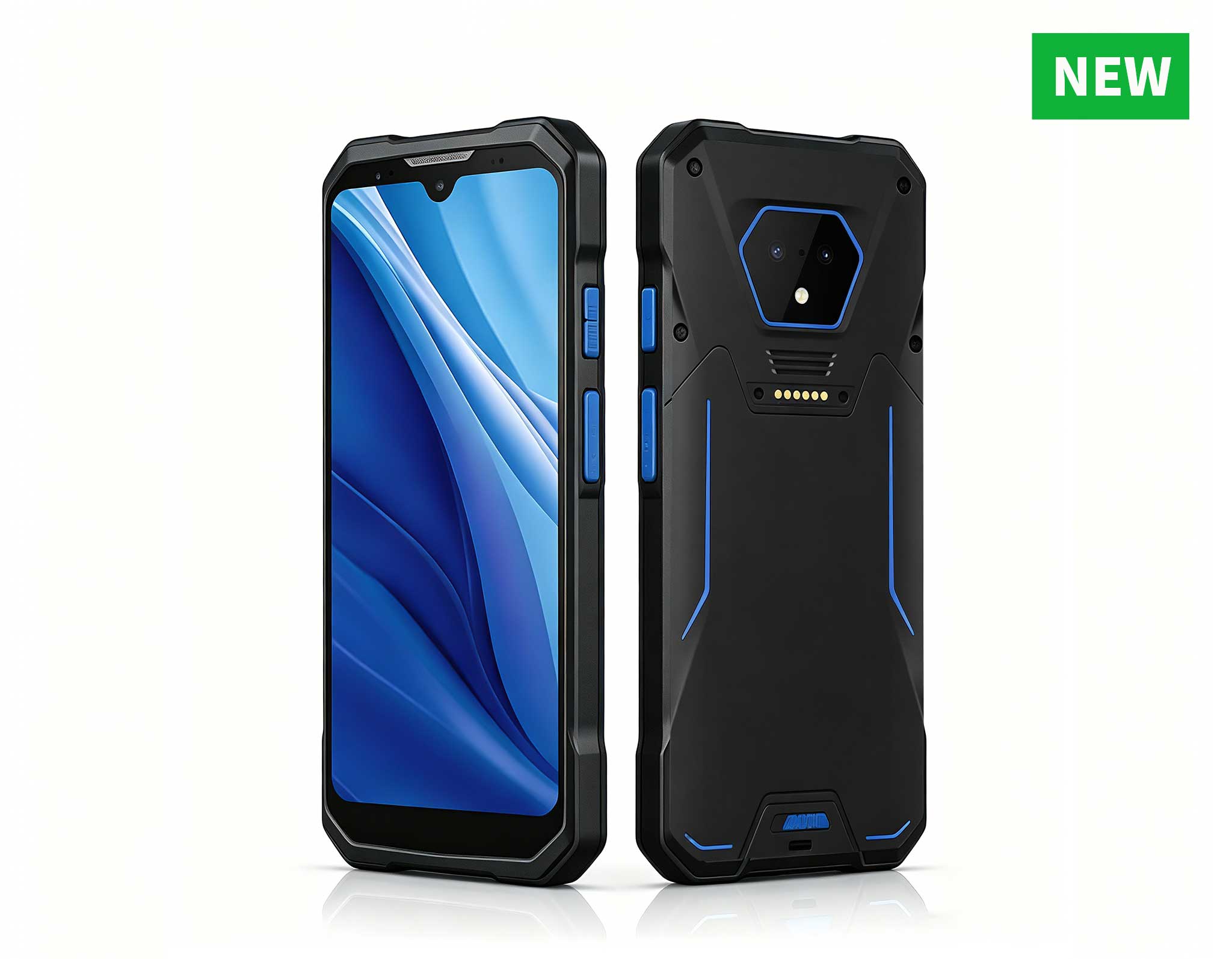
For more detailed metallurgical analysis, the larger Hotus ST13‑J 13.3″ Windows rugged tablet serves as a high-performance workstation. It allows engineers to track long-term reagent consumption trends, evaluate mass-balance calculations, and monitor overall processing costs per tonne of treated ore.
Field Validation: Eliminating Hidden Processing Losses
Maximizing industrial recovery requires continuous monitoring and objective data verification. In large-scale beneficiation plants, small anomalies can quickly lead to significant losses if left unchecked. Implementing automated data logging protects operations from unverified process drift and hardware scaling.
A lithium extraction facility processing 200,000 tonnes of spodumene ore annually replaced its manual shift logs with a fleet of 15 ST11-U tablets, 20 SH5-W handhelds, and 10 ST13-J analytics terminals. During the initial deployment phase, the system flagged a 12% drop in the primary collector addition rate across a key flotation bank. The issue had been missed by a mechanical rotameter that was giving false readings due to internal mineral scaling. Identifying and correcting this variance restored the targeted chemical balance and increased net recovery, demonstrating the value of replacing manual tracking with reliable, real-time data.

The ST13‑J dashboard displays real-time recovery metrics across separate flotation lines, flagging performance drops for quick maintenance response.
Establishing an Immutable Process Optimization Standard
Achieving stable mineral recovery curves requires high-quality data. Integrating rugged computing hardware into the processing plant helps eliminate data entry errors, simplifies asset tracking, and provides clear visibility for metallurgical audits.
Upgrading from legacy logs to a digital workflow improves management capabilities across the entire processing lifecycle:
| Operational Vector | Traditional Paper Records | HOTUS Digital Processing Workflow |
|---|
| Dosing Accuracy | Manual recordings vulnerable to time lag | Direct PLC data capture with real-time tracking |
| Data Visibility | Isolated log sheets kept on the mill floor | Centralized cloud syncing with immediate dashboard access |
| Troubleshooting | Reactive changes after assay results return | Automated alerts that flag variance from target yields |
| Environmental Protection | High risk of deterioration from moisture or grease | IP67-rated enclosures built for industrial environments |
Replacing manual logging sheets with connected industrial computers helps processing plants operate with greater precision and consistency. By utilizing direct sensor metrics and automated data analysis, plant operators can maximize product recovery, protect their margins, and improve efficiency across the entire beneficiation circuit.
Optimize Your Plant Processing Efficiency
Equip your metallurgical and shift teams with high-durability computers built for reliable sensor tracking and industrial data management.
Contact HOTUS Technology Today