



Barcode & RFID Data Collection: How to Choose the Right Industrial PDA for Your Business
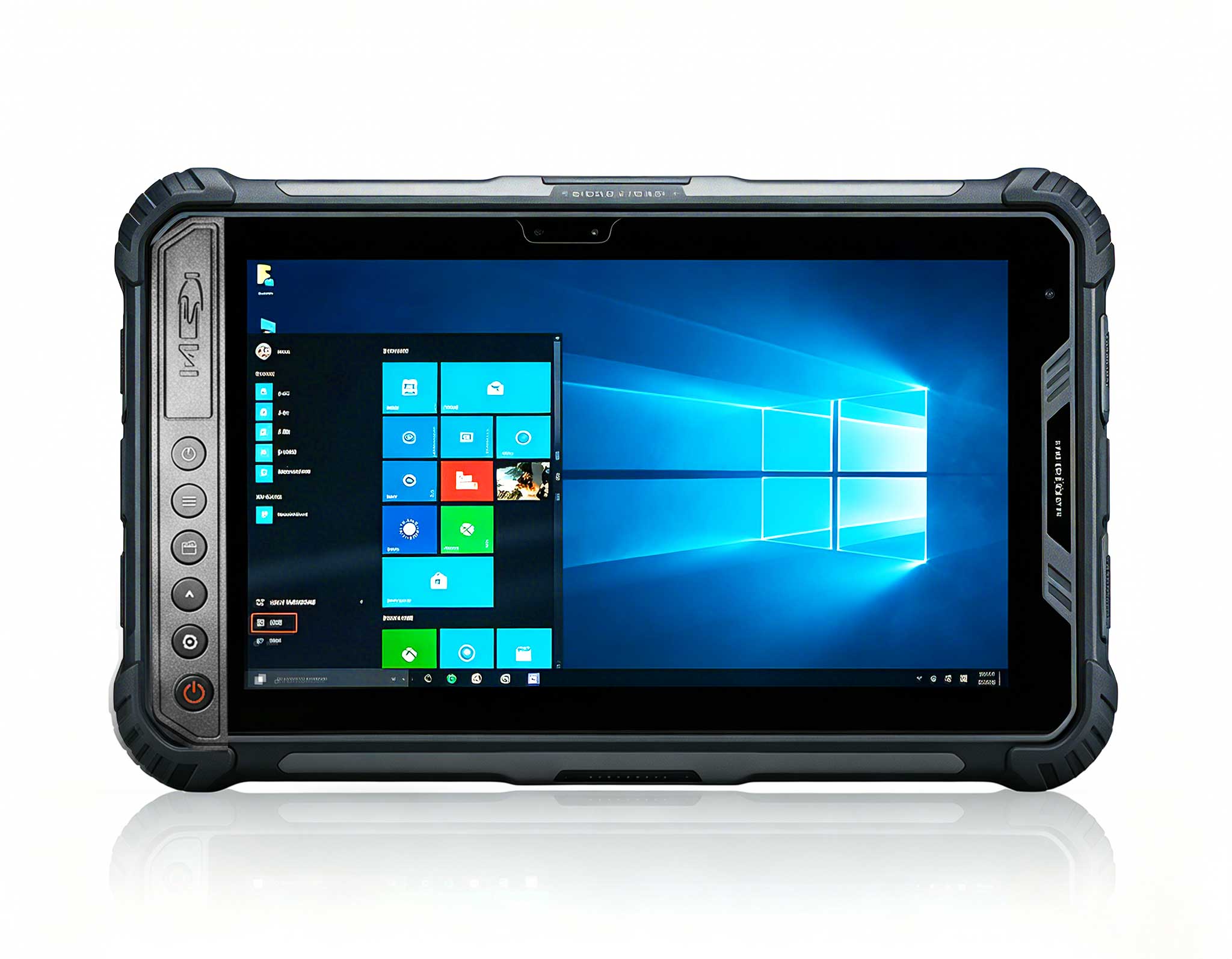
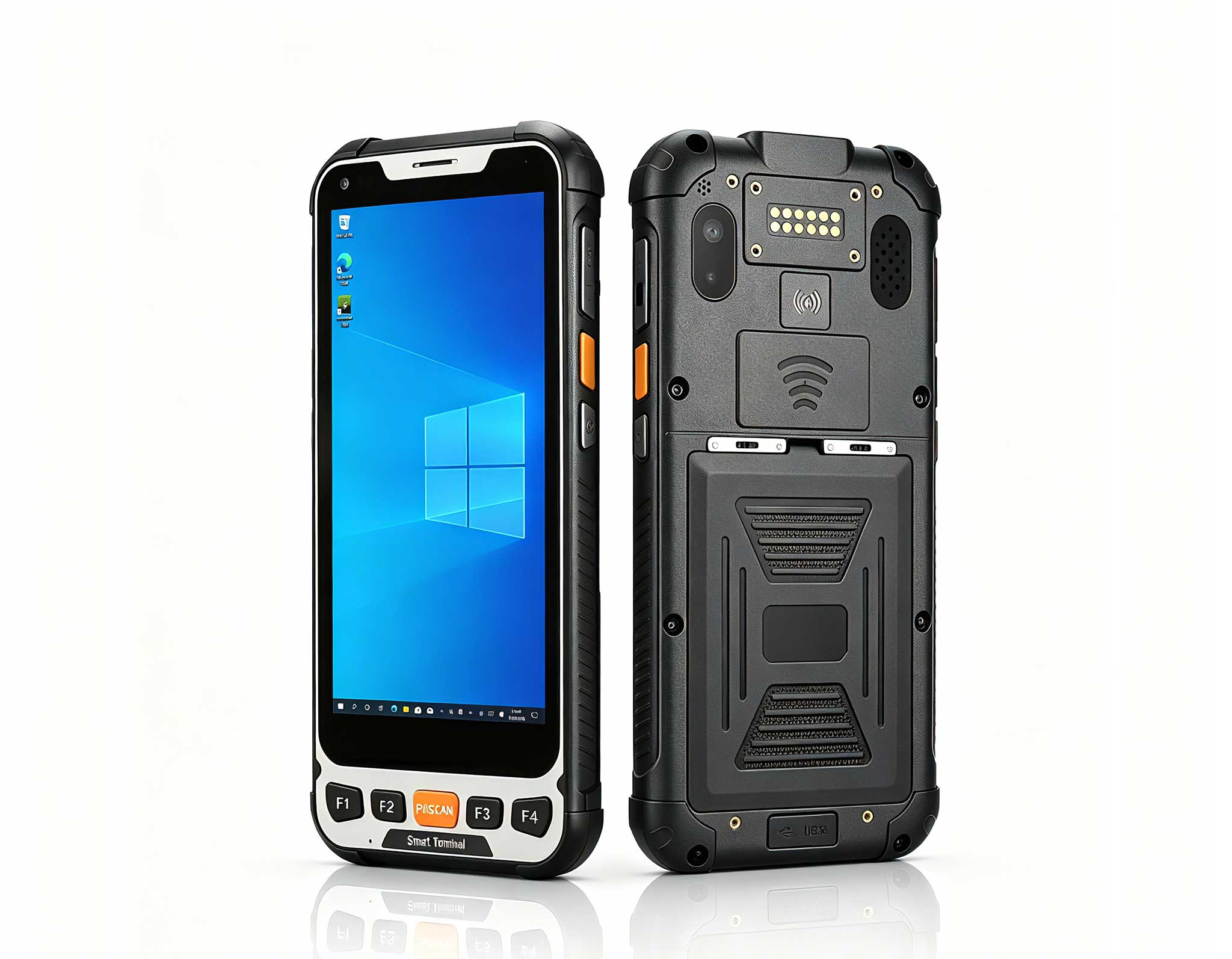
After spending over a decade consulting for global warehouse operations and retail distribution centers, I have observed one recurring error: companies invest in a "one-size-fits-all" mobile device and expect it to survive every operational challenge. The reality is that a handheld device optimized for retail shelf scanning is fundamentally ill-equipped for a heavy-duty warehouse floor or high-volume RFID asset tracking. My goal is to guide you through a tiered strategy that maximizes ROI. Whether you are deploying Rugged Tablets for mobile supervision or dedicated industrial PDAs for frontline staff, matching the hardware to the environment is the most critical decision in your digital transformation.
Assessing Your Environment: Beyond the Spec Sheet
I recently consulted with a logistics manager who deployed consumer-grade scanners on a high-velocity loading dock. Within three weeks, the failure rate was 40% due to screen cracks and battery degradation. Industrial PDA selection requires a brutal assessment of your daily workflow. Are you operating in a climate-controlled retail environment, or a high-dust, temperature-fluctuating warehouse? Are you processing 100 items daily or 10,000? Do you require simple barcode validation, or the high-speed intelligence of UHF RFID? Answering these questions is the only way to avoid costly downtime and hardware turnover.
N60: The Precision Workhorse for Retail and Small Warehousing
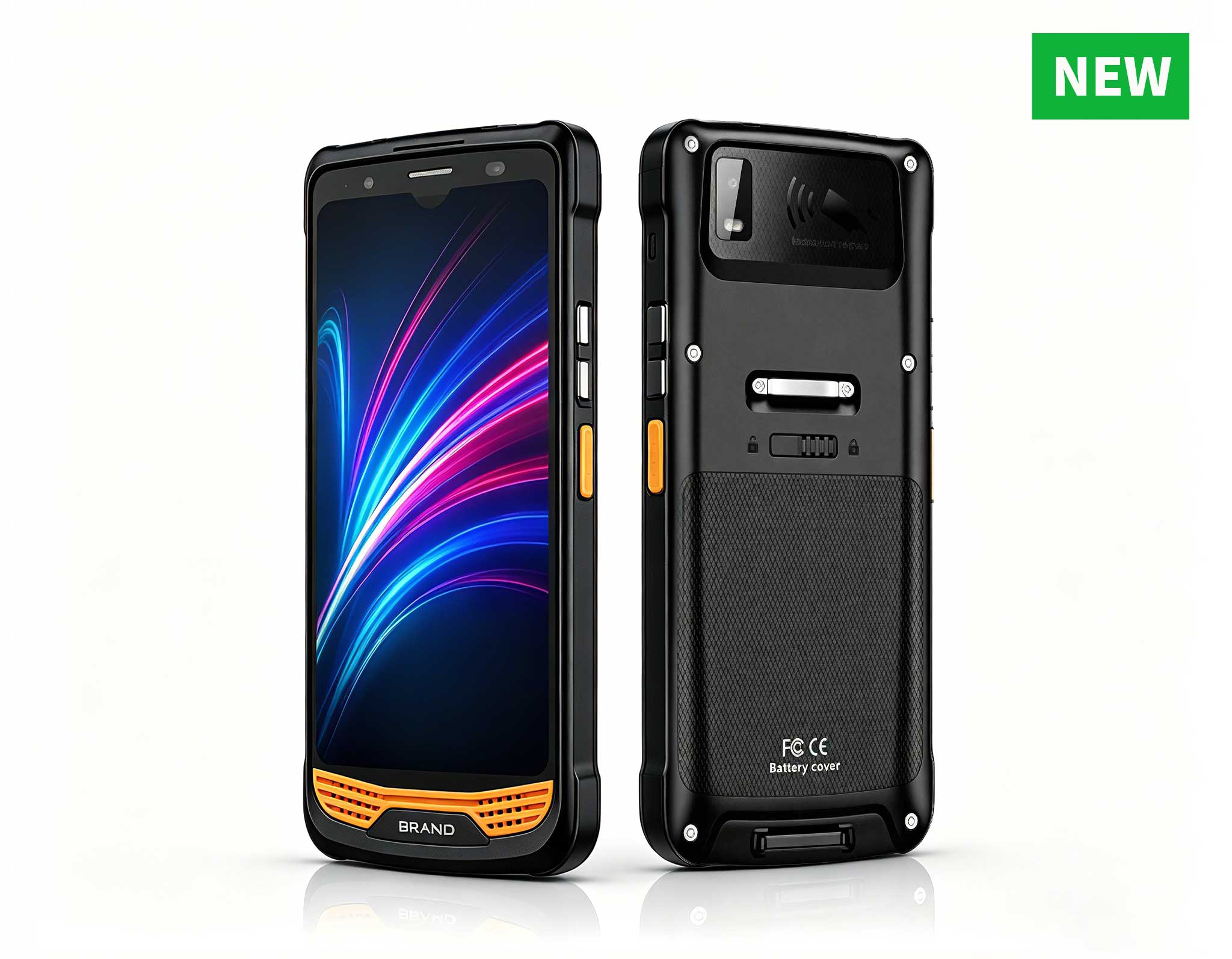
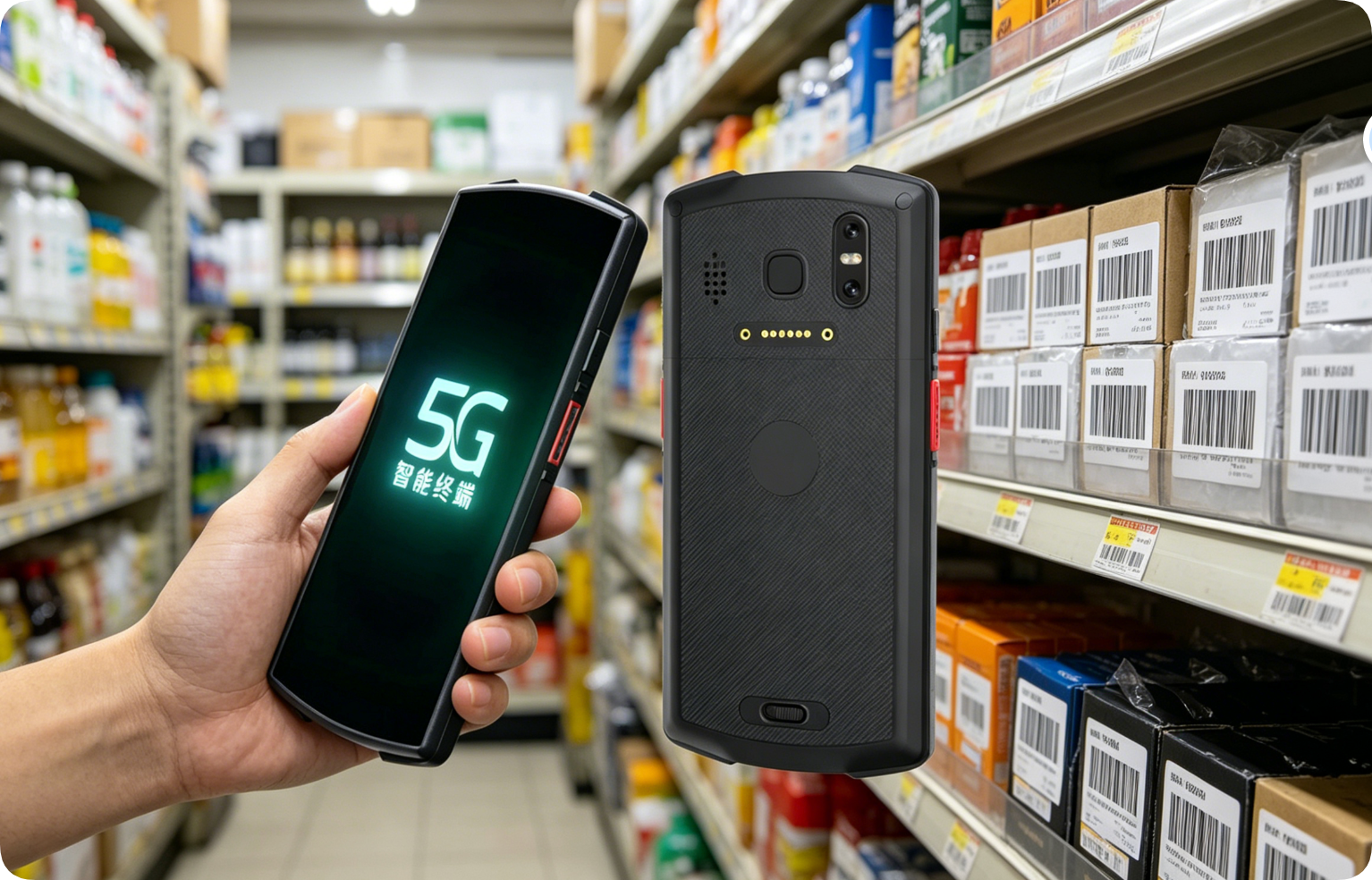
For operations where barcode accuracy is paramount and extreme durability is secondary, the N60 Inventory Management PDA is the industry’s most balanced entry point. It has become a staple for retail chains handling daily shelf replenishment and cycle counting. Its lightweight chassis minimizes worker fatigue during 8-hour shifts, and the simplified interface reduces training bottlenecks for temporary or seasonal staff. With an IP65 rating, it withstands standard dust and liquid splashes, making it a reliable, cost-effective solution for retail environments with fewer than 5,000 SKUs.
U9000: The Indestructible Logistics Powerhouse
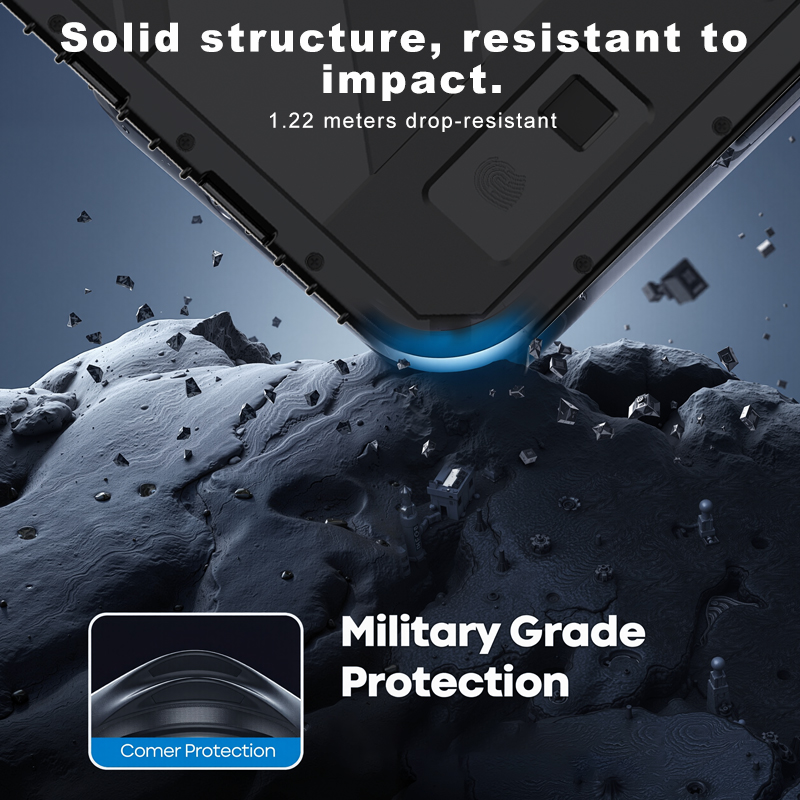
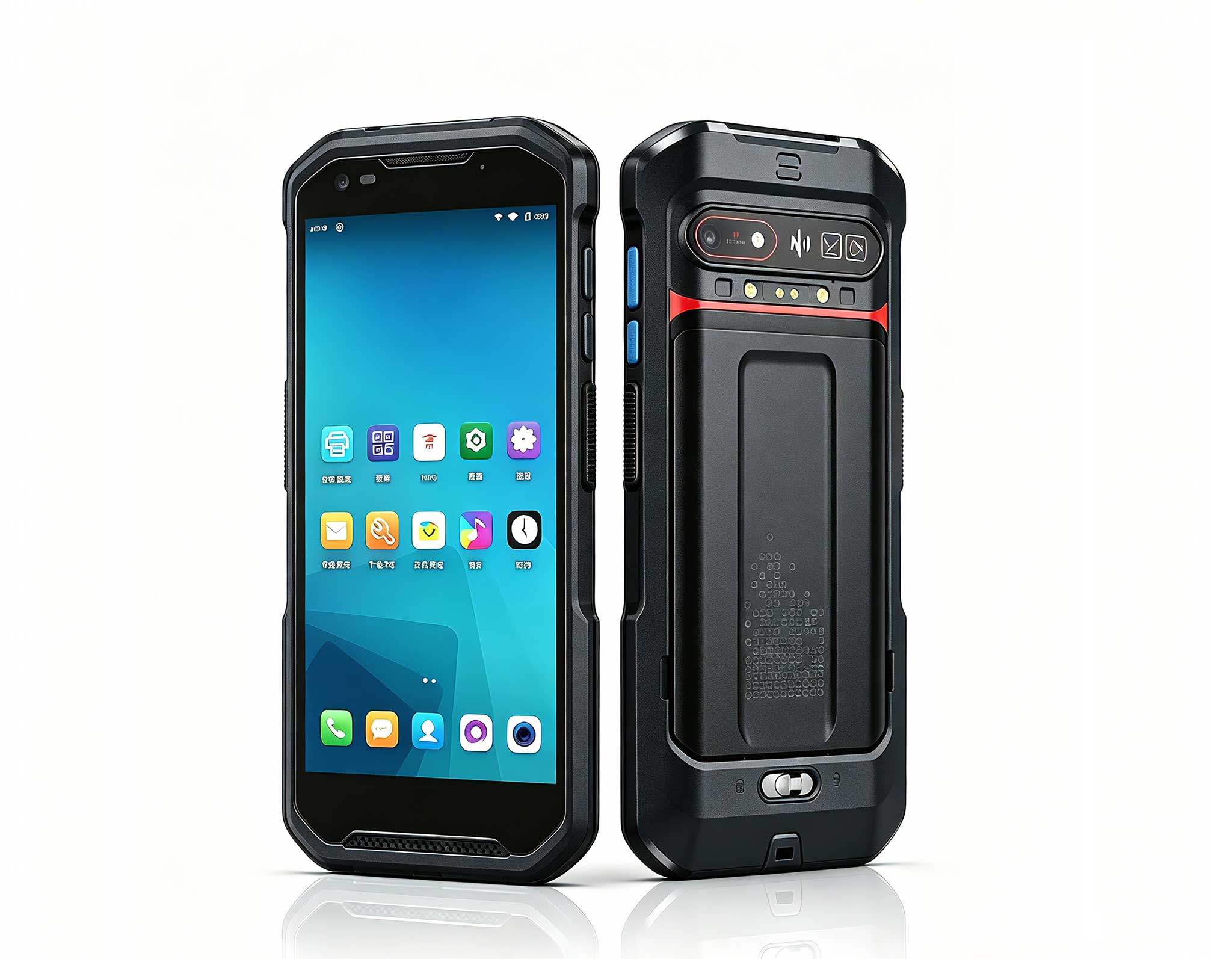
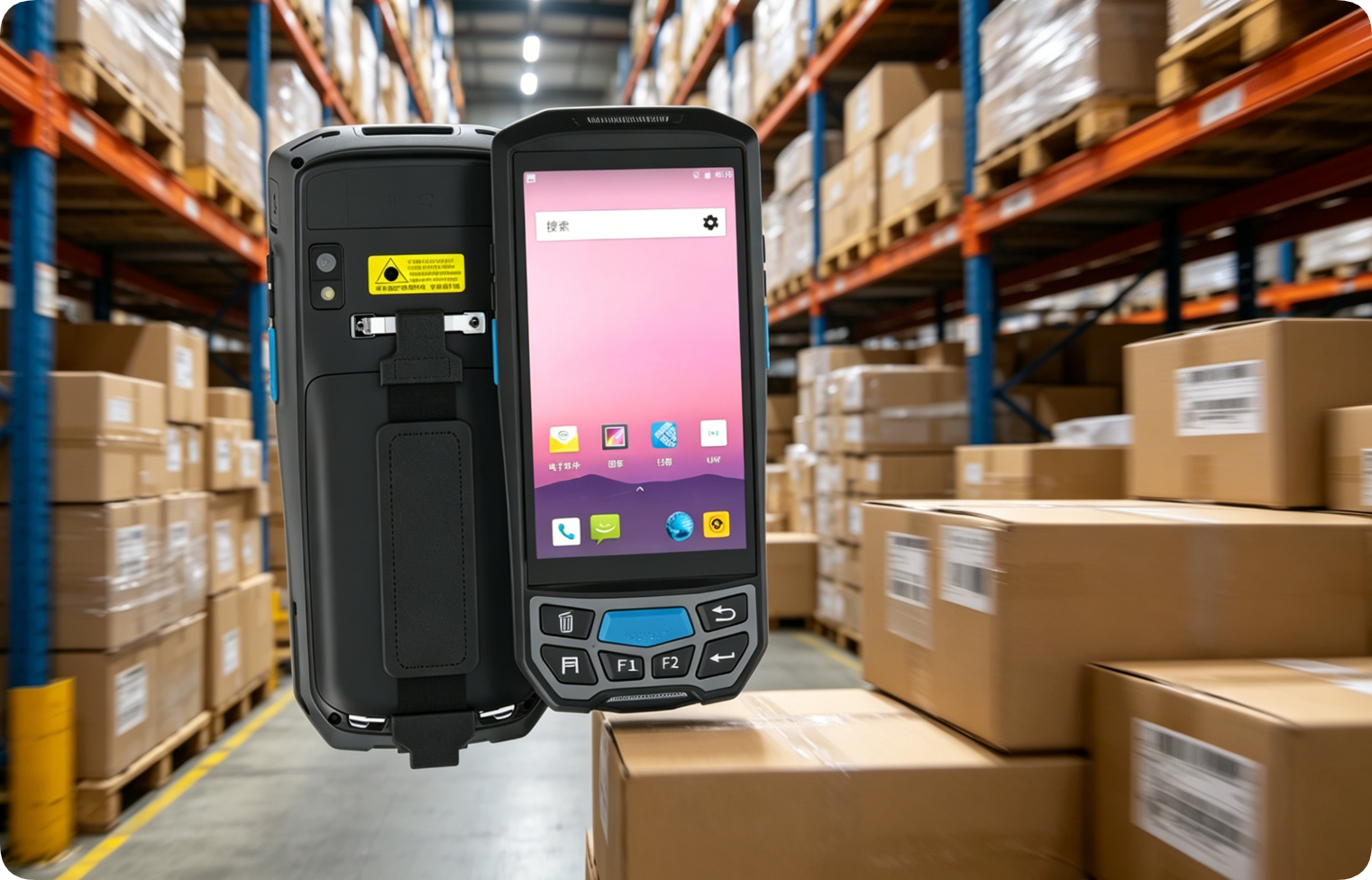
In environments where equipment is subjected to heavy abuse—concrete falls, conveyor belt mishaps, and extreme vibrations—the U9000 Handheld PDA is my top recommendation. I have personally tested this device in 1.5-meter drop tests onto industrial steel, and it remains operational. Its barcode engine is engineered to decode even damaged, taped-over, or wrinkled labels that would cause standard scanners to fail. For logistics centers where speed is measured in packages per minute, the U9000’s fast-decode engine and 12-hour hot-swappable battery mean that operational delays caused by hardware failure are virtually eliminated.
R501: Revolutionizing Supply Chain with UHF RFID
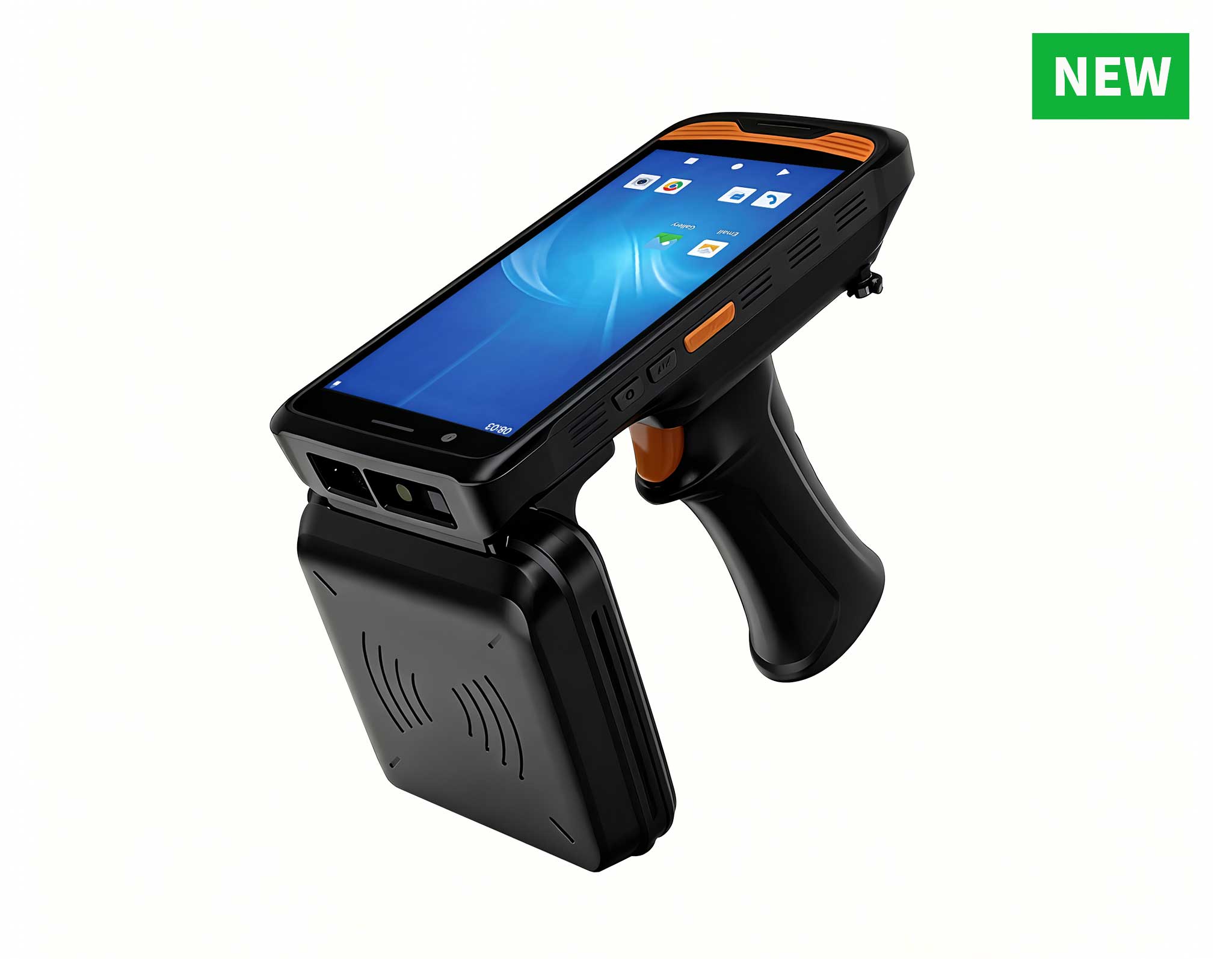
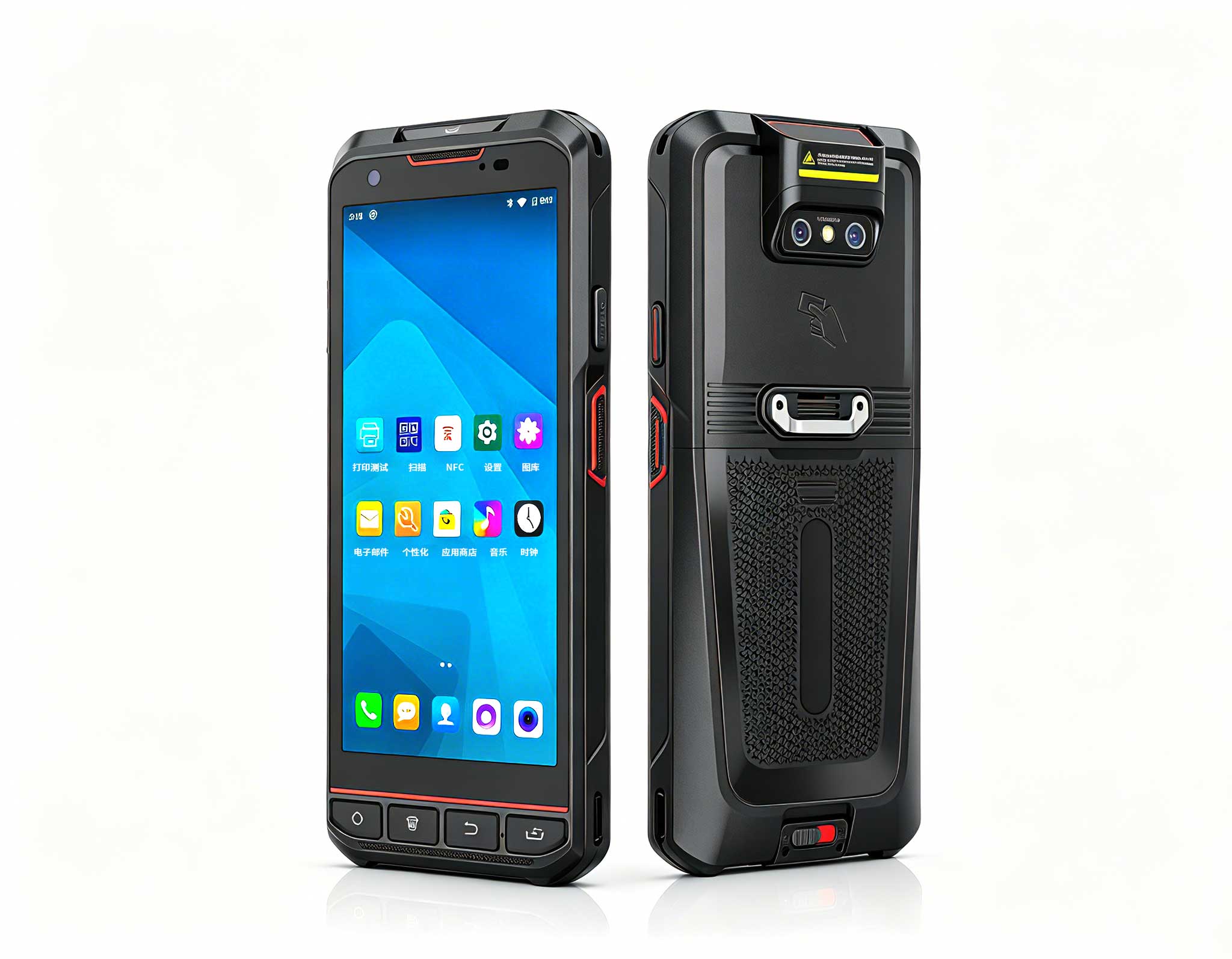
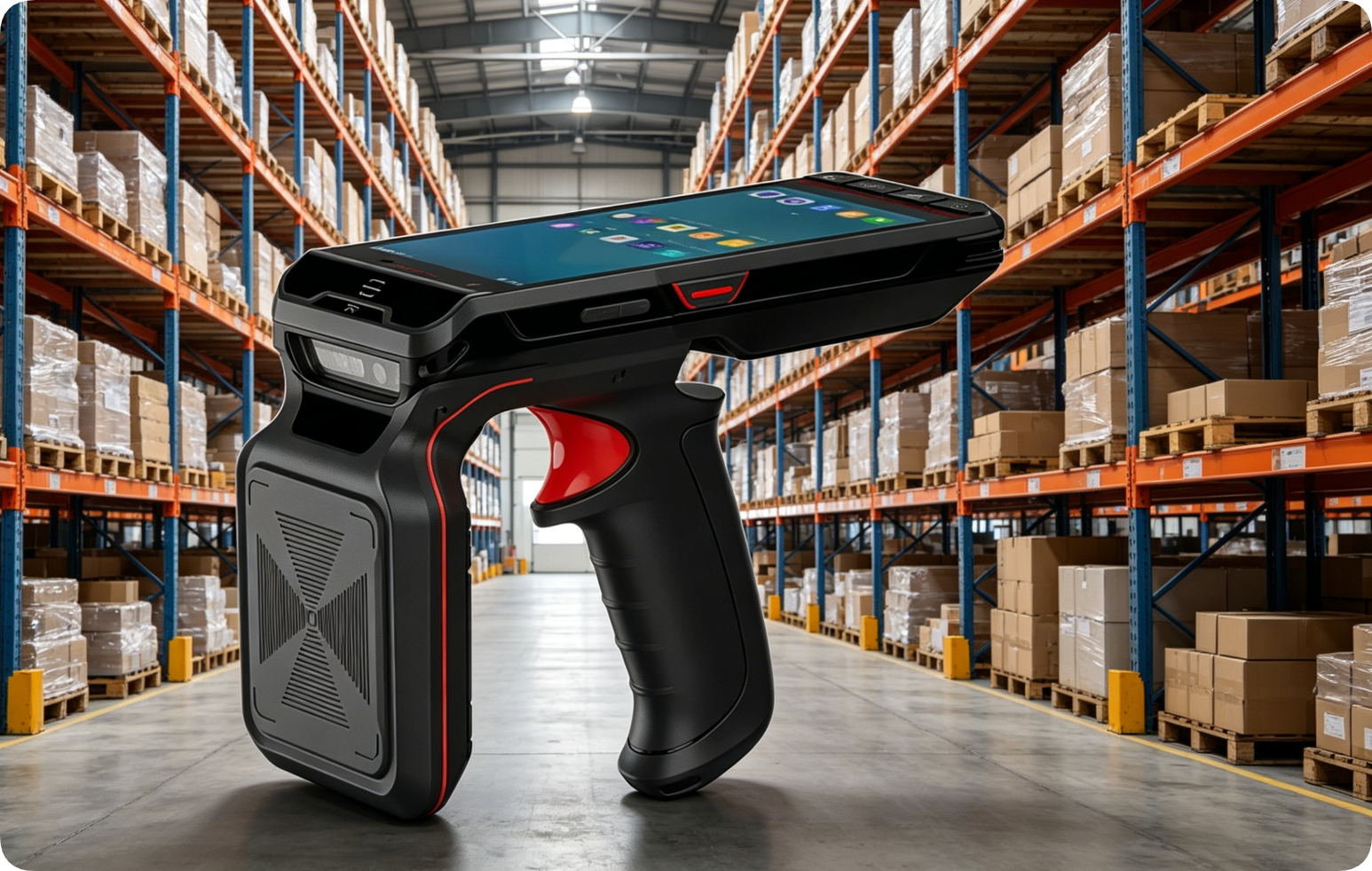
The R501 Tag RFID & Barcode Scanner PDA represents a leap forward for high-value asset management. While traditional barcode scanners require a direct line-of-sight for every individual item, the R501 captures over 200 RFID tags in a single pass from a range of 8 meters. I worked with a heavy equipment rental firm that previously spent 8 hours per month manually scanning barcodes. By integrating the R501, they compressed that process to under 45 minutes. This dual-mode functionality ensures you never lose the flexibility of individual barcode scanning while gaining the massive efficiency of bulk RFID reading.
Comparative Analysis: Optimizing Your PDA Deployment
Strategic deployment often involves a hybrid approach. For many of my clients, the N60 serves store-level retail staff, while R501 units are utilized by central warehouse teams for high-speed bulk validation. This structure optimizes capital expenditure by avoiding over-specifying hardware at the retail edge, while prioritizing speed and RFID capability where the volume demands it.
- N60: Ideal for budget-conscious retail, small inventory management, and low-drop environments.
- U9000: Mandatory for heavy-duty logistics, 3PL cross-docking, and industrial manufacturing environments.
- R501: Essential for high-value asset tracking, tool room management, and large-scale cycle counts.
Real-World Operational Impact
Modern industry requires adaptability. A regional hospital, for example, tracks 5,000+ pieces of critical medical equipment using the R501. A quick walk-through of the storage facility captures all tagged assets instantly, flagging missing units before they impact patient care. Conversely, a 3PL distributor processing 20,000+ parcels daily relies on the U9000 to manage the extreme throughput and harsh conditions of their loading dock, ensuring that no barcode scan is missed regardless of label quality.
Why Hotus Technology Remains the Industry Standard
As the costs of RFID tags have decreased by approximately 40% over the last three years, the barrier to bulk inventory adoption has vanished. Hotus Technology addresses this market shift by providing a unified Android ecosystem. Because all three models run on a common Android framework, integration with your existing WMS or ERP systems is seamless, and custom software development is simplified across your entire fleet.
Their B2B support model is specifically built for long-term reliability. From offering initial hardware evaluation samples to providing full-cycle OEM/ODM customization—including firmware hardening and proprietary logo branding—Hotus ensures that the technology adapts to your operational needs, not the other way around.
The Path to Digital Efficiency
Do not commit your budget to large-scale deployments without empirical testing. I strongly suggest requesting a sample of the N60, U9000, or R501 to test against your most difficult real-world scenarios. With competitive volume pricing, a robust 1-year warranty, and dedicated technical support, Hotus Technology empowers you to scale your operations with full confidence. Whether you are streamlining a small retail boutique or managing a multinational distribution network, the right industrial PDA is the ultimate competitive advantage. Visit Hotus Technology today to initiate your sample request and start optimizing your data collection workflows.