


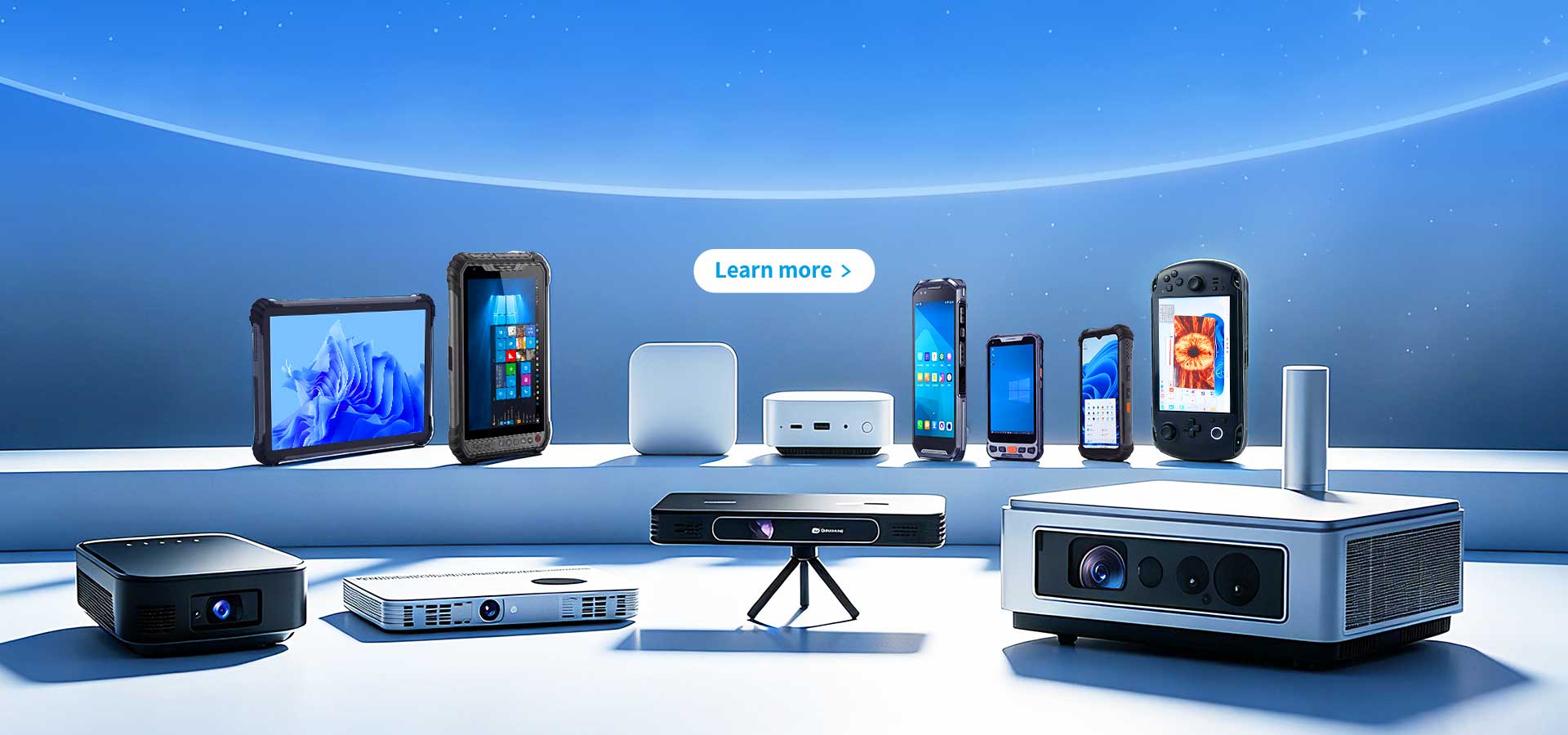
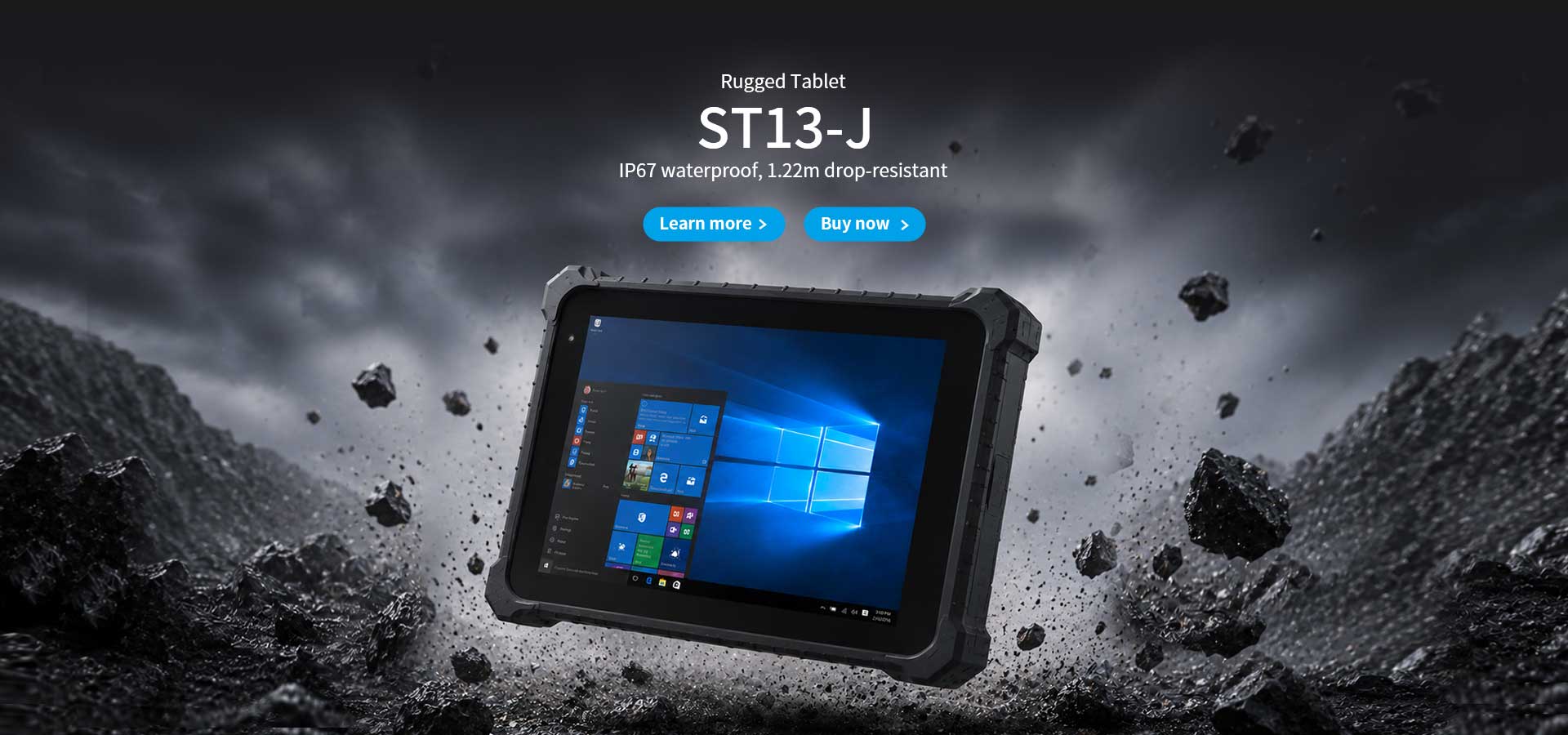
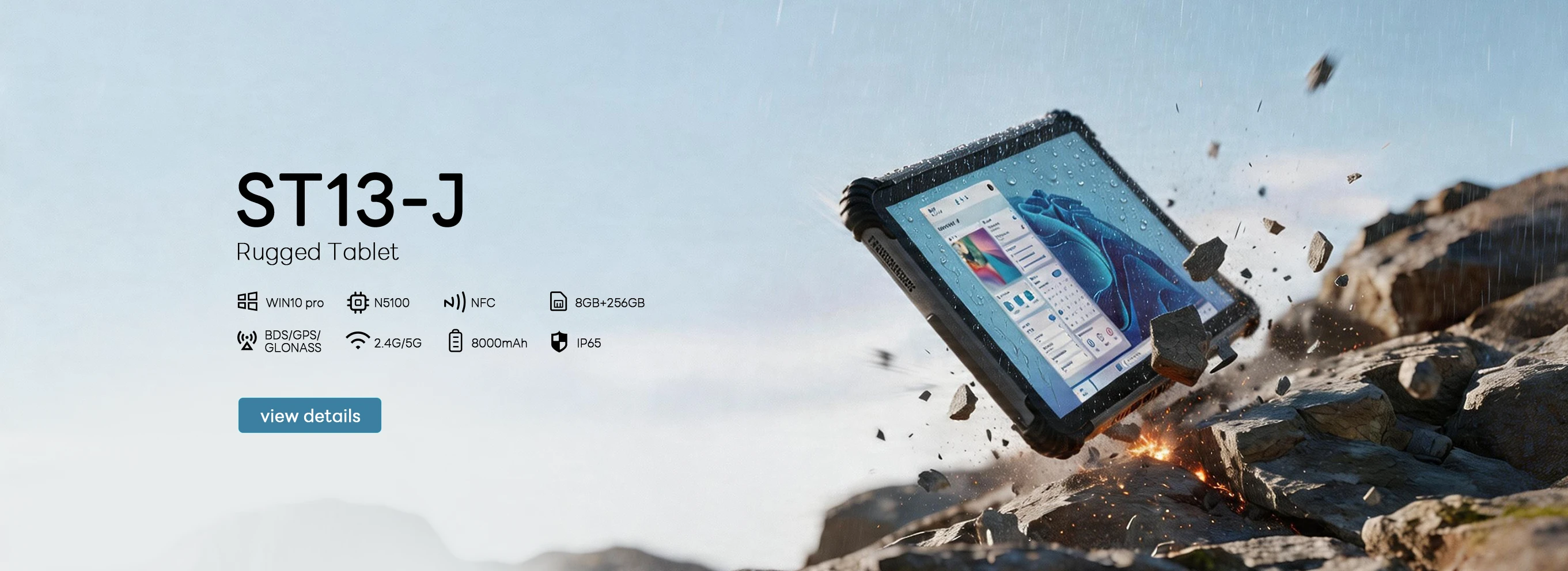


After spending the last decade helping logistics managers optimize workflows across distribution centers, cold storage hubs, and container ports, I've watched the same costly mistake play out again and again: forcing a single device to handle every job. A consumer-grade tablet might look sharp in the office, but it dies on a forklift before lunch. A dedicated barcode scanner is blazing fast, but it can't run the inventory management apps your team relies on. The hard truth is that modern warehouse operations demand a layered, intentional approach to data capture. You need different tools for different contexts. That's why sourcing dependable Rugged Tablets for warehouse operations has become a critical decision for logistics managers who want to stay competitive.
The real solution isn't a single device—it's a coordinated fleet of specialized terminals that cover the entire data chain, from the receiving dock to the cold storage aisle to the truck cab. Let me walk you through how the X501 Handheld PDA, the SH5-W compact rugged tablet, and the ST9-J mid-screen industrial panel solve the classic "one-size-fits-all" trap that drains productivity and inflates repair costs.
The High-Frequency Scanning Beast: X501 Handheld PDA
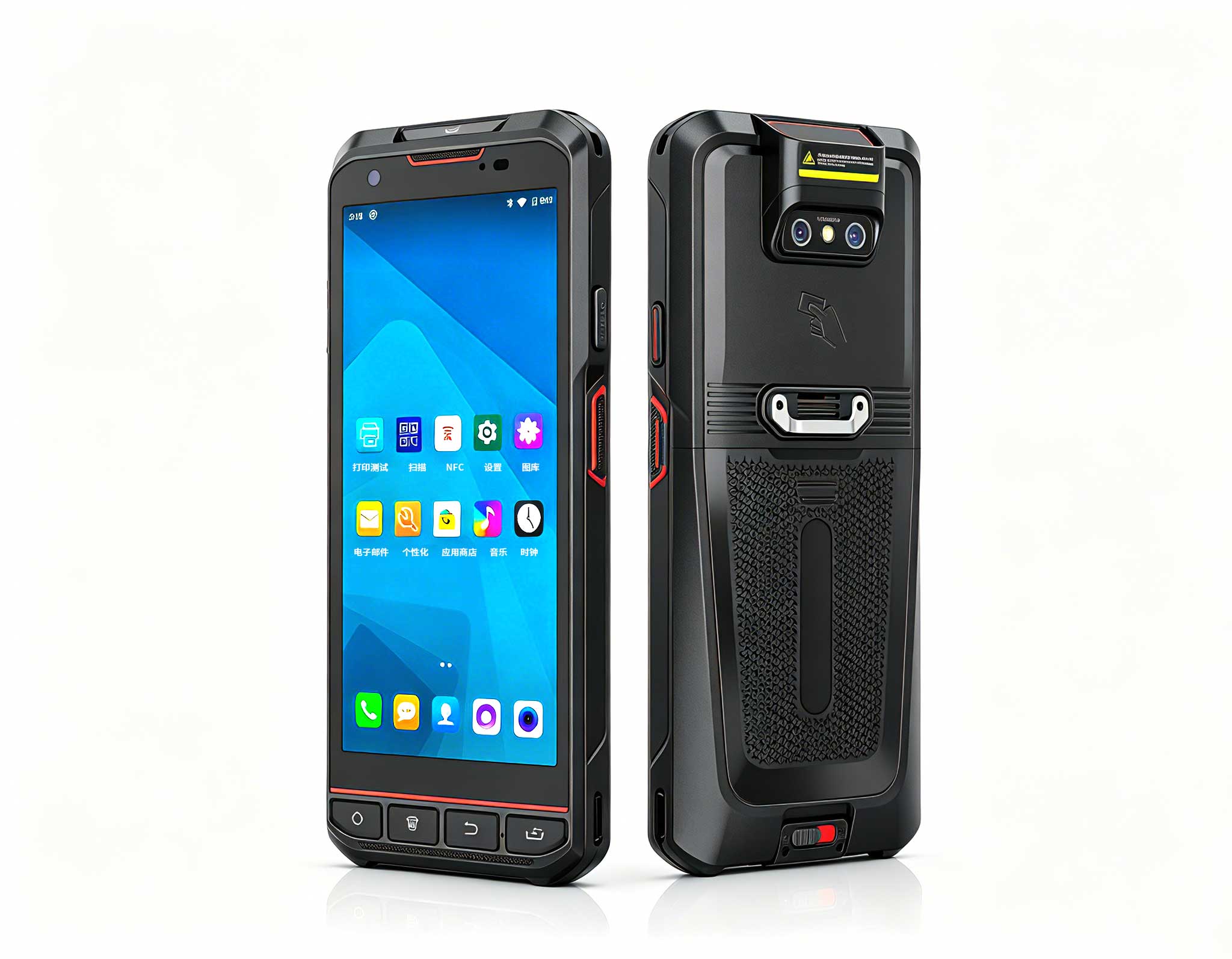
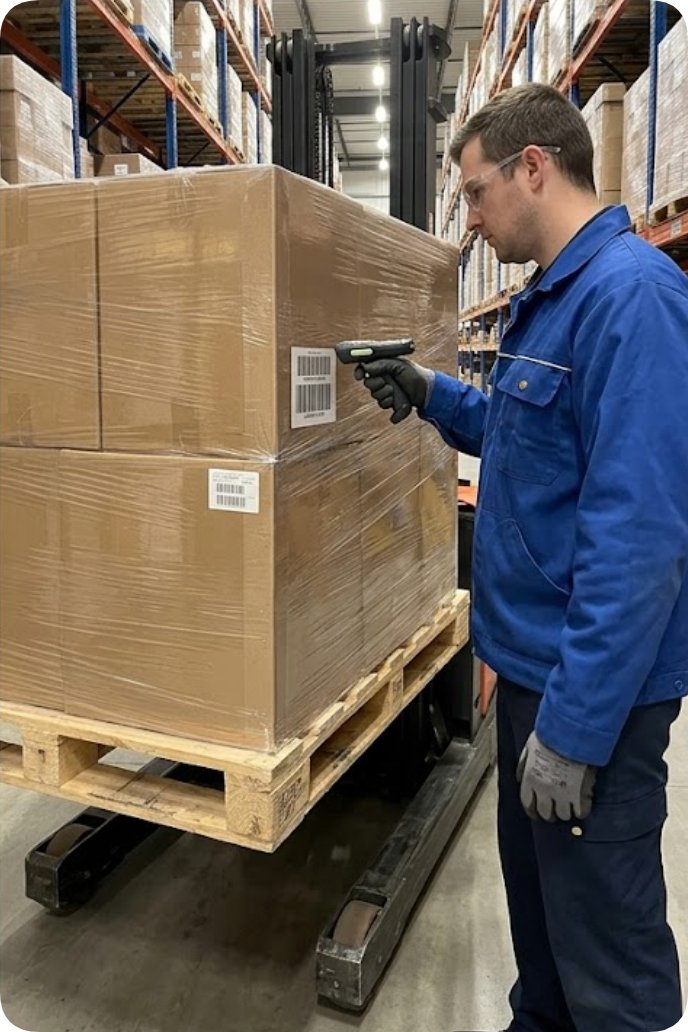
If your team spends 8 hours a day scanning cases, pallets, or totes, you need a device that lives in their hand—not a tablet that slows them down with extra taps and screen swipes. The X501 Handheld PDA is built for exactly this grind. It combines a professional-grade 1D/2D barcode engine with an integrated RFID reader, so a single pass can capture both a label and a UHF tag simultaneously.
In a recent pilot at a 3PL distribution center, a team using the X501 cut per-pallet check-in time by 40% compared to a tethered scanner setup. The IP65 rating means it survives dust and water splashes on the dock without a second thought, and the 5000mAh battery easily lasts a double shift. I personally recommend this unit for any role where scanning volume exceeds 5,000 scans per day—it's the closest thing to a wearable scanner you'll find without the bulk of a chest-mounted rig.
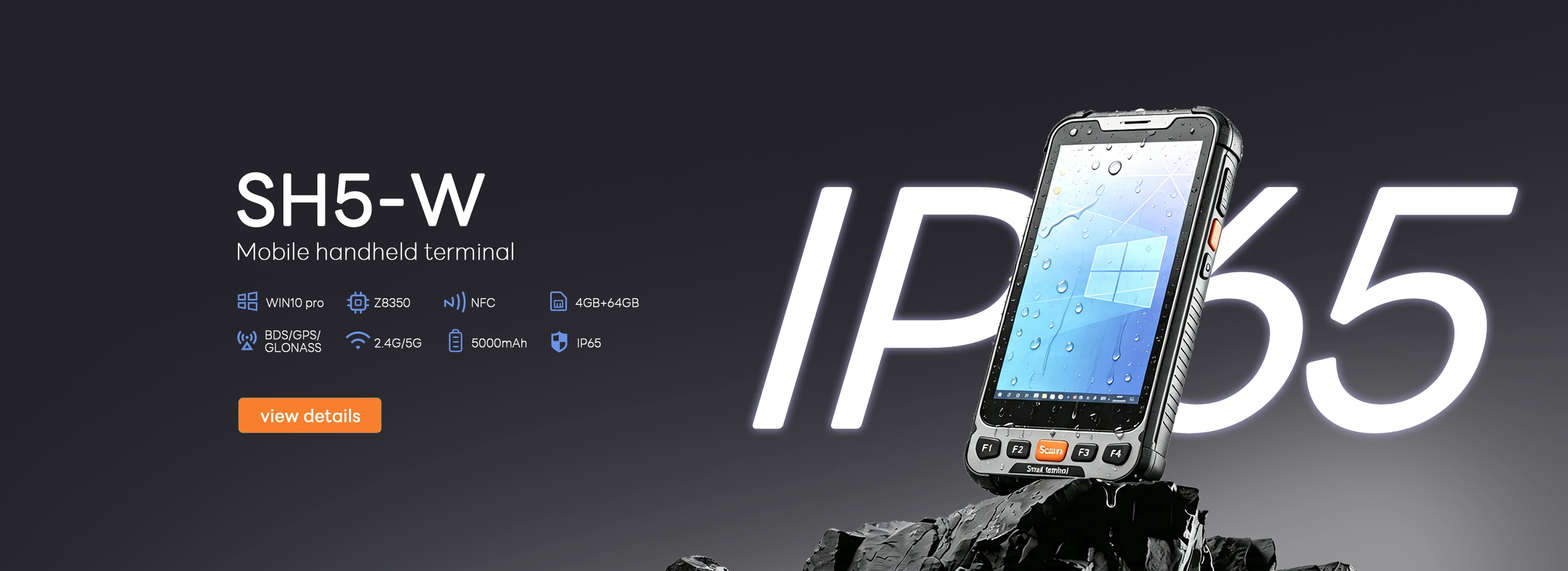
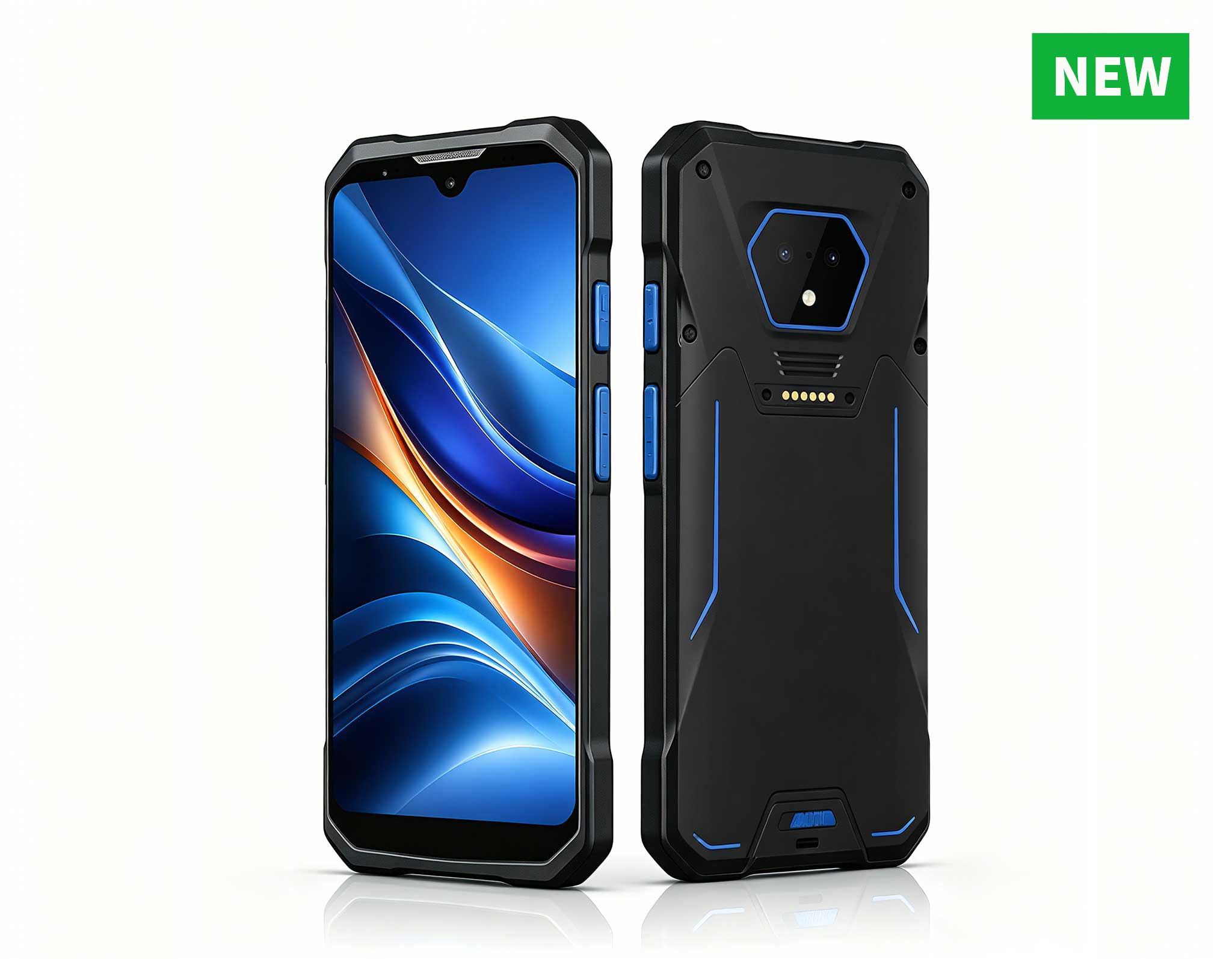
Cold Chain & Outdoor Inspections: SH5-W 5.5" Rugged Handheld Tablet
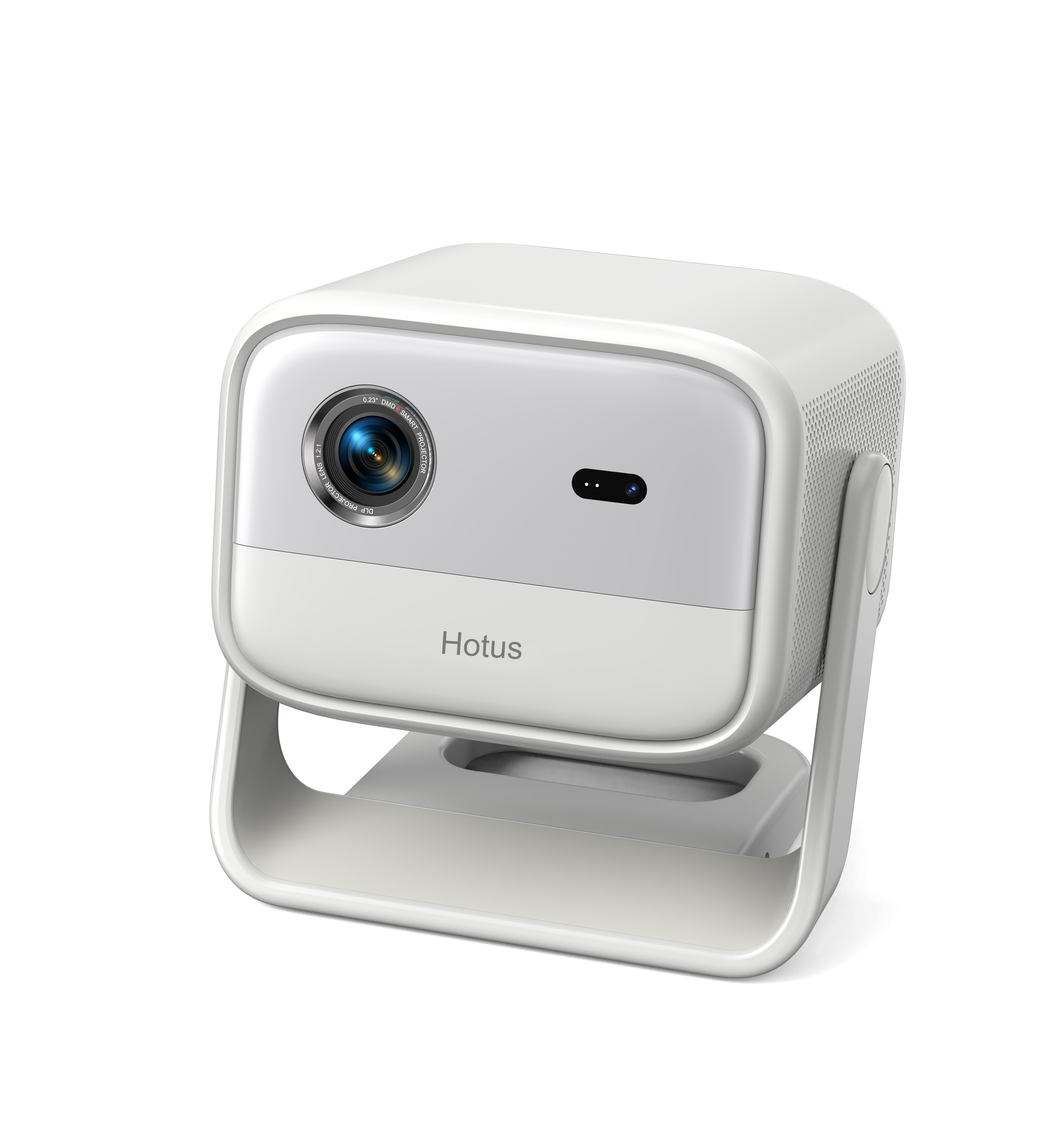
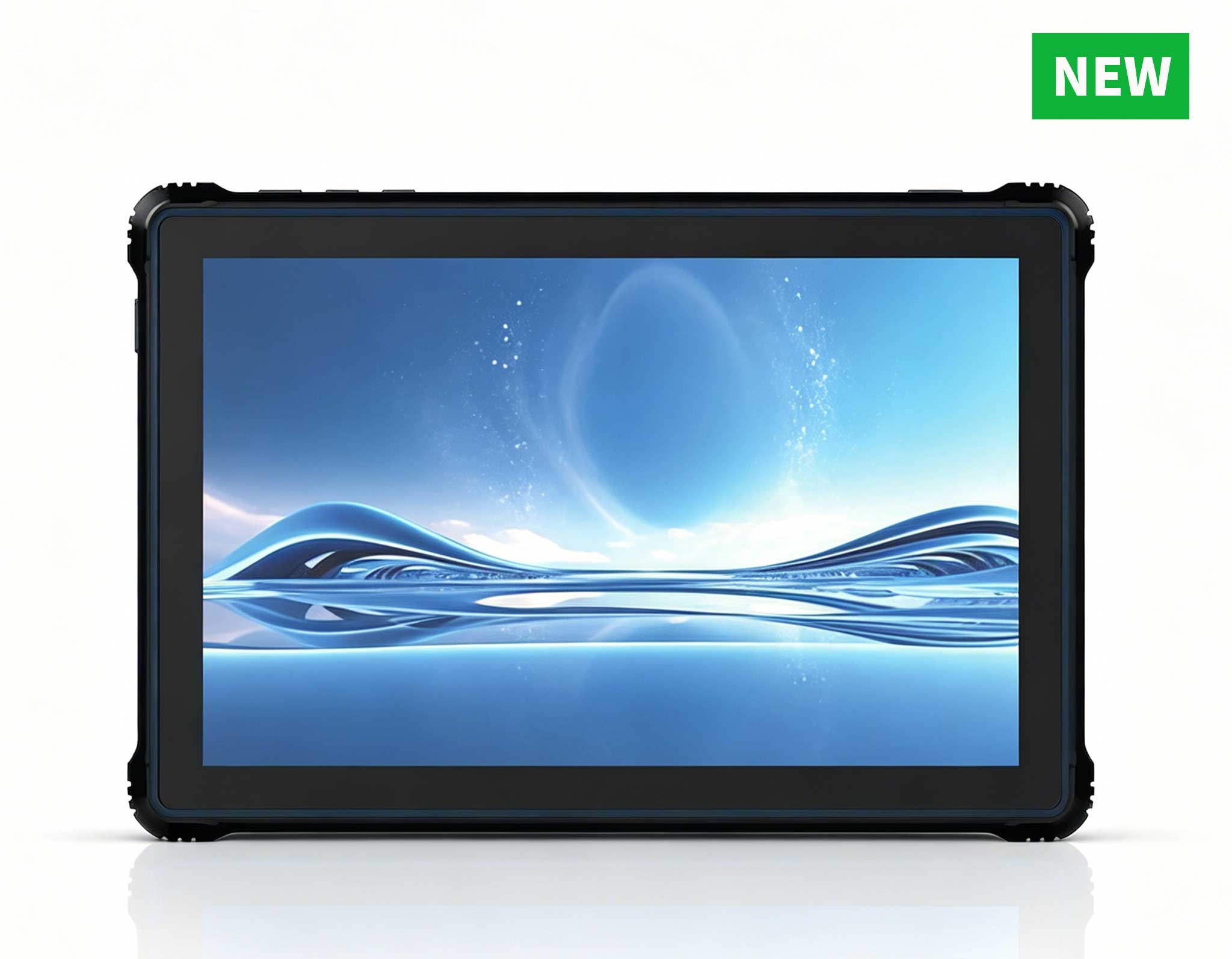
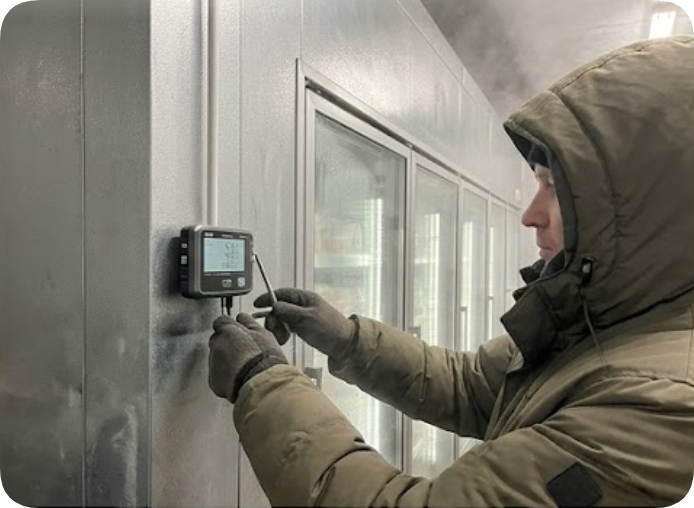
Here's where most operations stumble: the "in-between" jobs. A supervisor walking a freezer aisle or a technician inspecting outdoor storage tanks doesn't need a full-size tablet, but they do need a screen that works with gloves and wet fingers. The Hotus SH5-W 5.5" Rugged Handheld Tablet fills that gap perfectly. At just 5.5 inches, it's pocketable on a cargo vest, yet it packs WiFi 6 and 4G dual-mode connectivity, so you stay online even in remote yard locations.
I've watched inspectors use this unit in sub-zero freezers for 6+ hours without any performance degradation—the glove-touch mode is a game-changer when you're wearing thermal liners. For logistics managers managing cold chain growth (the sector is expanding at 12% annually), the SH5-W is the most cost-effective way to digitize temperature checks and asset verification without dragging a heavy tablet around.
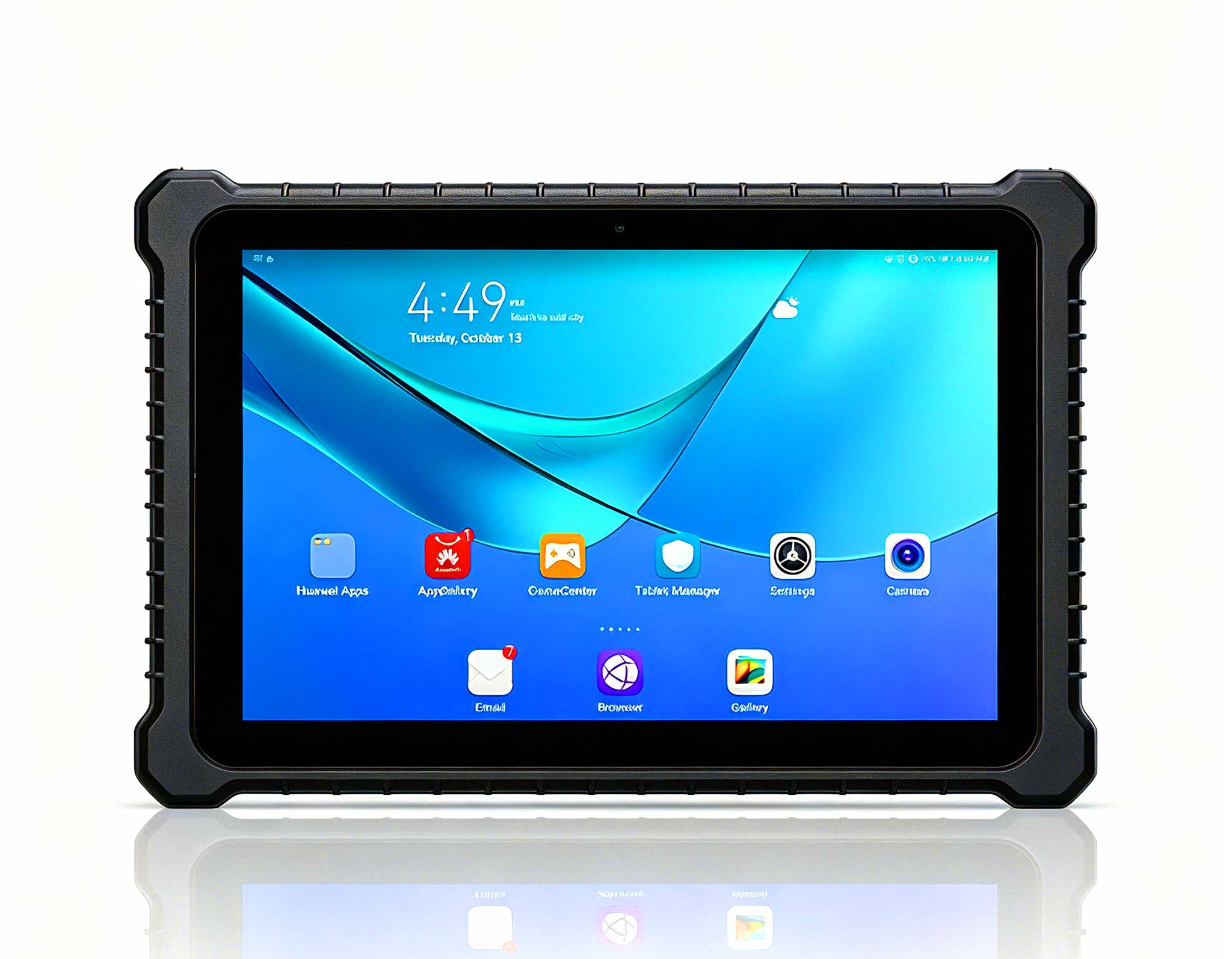
Forklift & Yard Management: ST9-J 8" Rugged Industrial Tablet
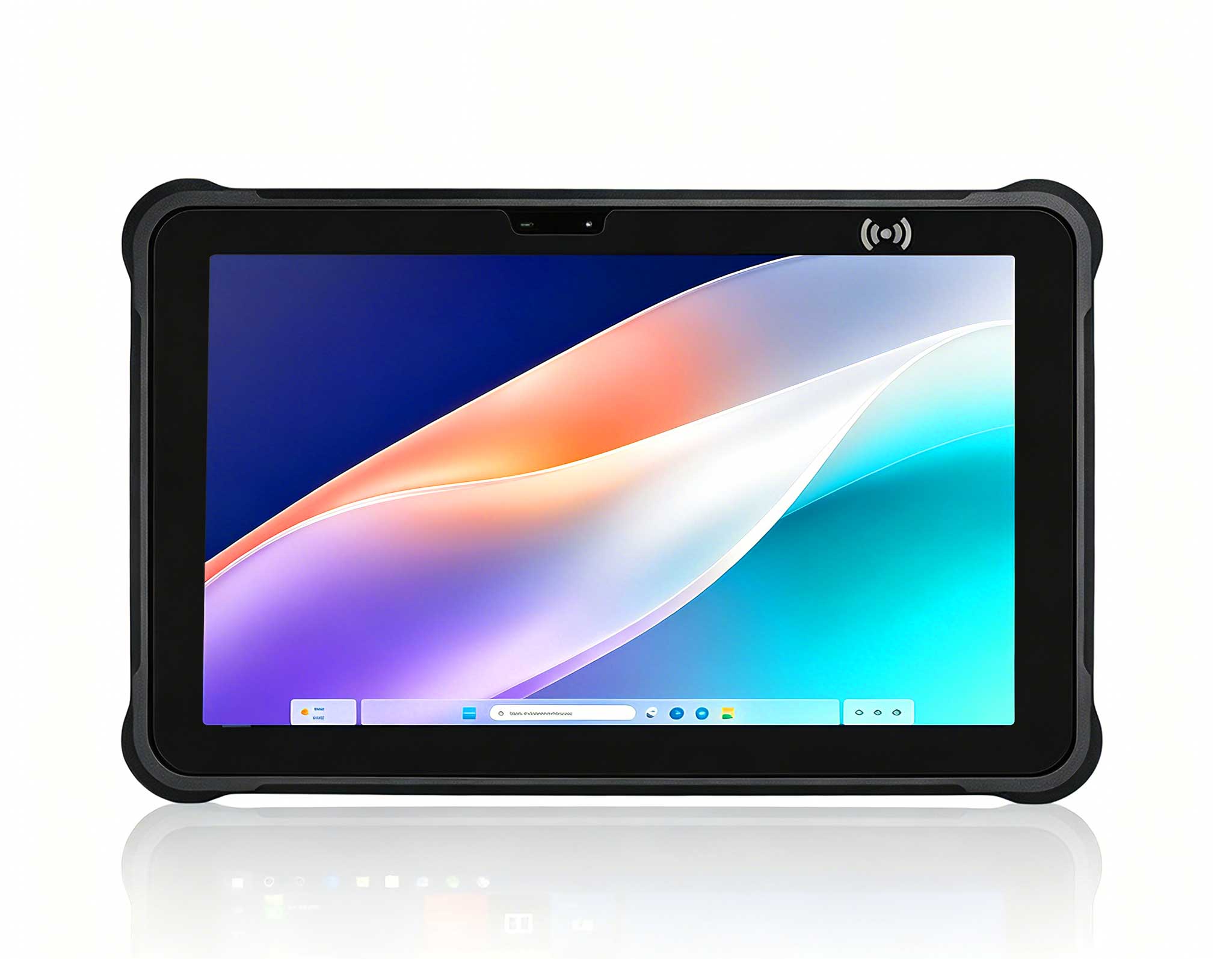
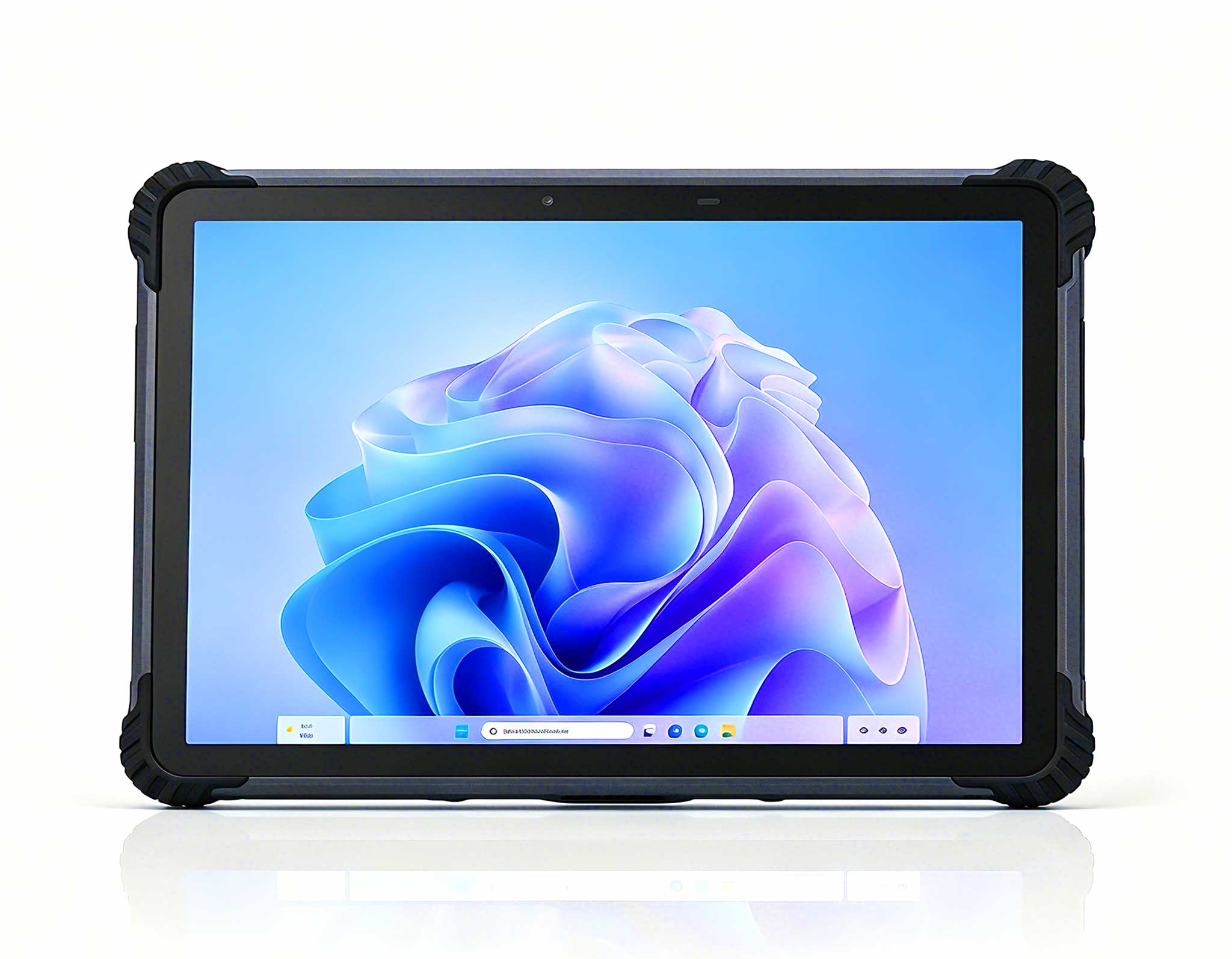
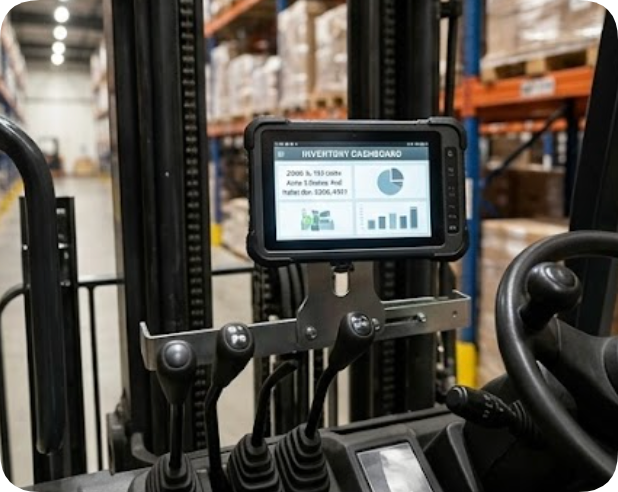
Now let's talk about the vehicle-mounted side of the operation. A 10-inch consumer tablet is too fragile for a forklift cabin, and a 7-inch device often feels cramped when running a warehouse management system dashboard. The Hotus ST9-J 8" Rugged Industrial Tablet hits the sweet spot. Its Android Enterprise edition ensures locked-down kiosk mode for single-app use, and the removable battery design lets you swap packs without shutting down—critical when a forklift runs 24/7 in a port or container yard.
I've seen this unit mounted on reach trucks and straddle carriers, and the 8-inch screen provides enough real estate for inventory grids while still fitting in tight cabs. The included VESA mount compatibility makes installation straightforward, and the IP65 housing protects against rain and diesel fumes. For any supervisor managing a fleet of 10+ vehicles, the ST9-J eliminates the "dead battery" downtime that plagues consumer tablets.
Side-by-Side: When to Pick Which Device
Let's cut through the noise. Here's how I map these three devices to real warehouse roles:
- X501 Handheld PDA — Best for dedicated pickers, receiving clerks, and cycle counters. Use when scanning volume is high and you need both barcode and RFID in one pass. Screen size is secondary; ergonomics and battery life come first.
- SH5-W Rugged Handheld Tablet — Best for supervisors, quality inspectors, and cold chain auditors. Use when you need a screen for forms and photos but still want one-handed portability. The glove-touch feature is non-negotiable in freezer environments.
- ST9-J 8" Rugged Industrial Tablet — Best for forklift operators, yard dog drivers, and crane operators. Use when the device is vehicle-mounted or used in a stationary dock. The 8-inch size balances readability with space constraints, and the hot-swap battery keeps uptime high.
In my consulting practice, I often recommend a 3:2:1 ratio—three X501 units for every two SH5-W units and one ST9-J per vehicle. This mix gives you the right tool for every touchpoint in the logistics flow.
Real-World Application: From E-Commerce to Ports
The beauty of this multi-spec data collection approach is its flexibility. In a large e-commerce fulfillment center, the X501 handles the high-speed sortation line, the SH5-W is used by floor supervisors to monitor pick rates, and the ST9-J is mounted on the tow tractors moving trailers. In a cold chain distribution hub, the SH5-W logs temperature data during pallet staging, while the X501 captures GS1 barcodes on inbound shipments. At a busy container port, the ST9-J lives in the reach stacker cab, the X501 is used by the gate clerk for container verification, and the SH5-W is carried by the maintenance team for equipment inspections.
I've seen RFID adoption accelerate by 35% in the last two years, and these three devices support that trend natively. Whether you're deploying UHF tags for pallet tracking or using NFC for asset check-in, the X501 and the two tablets cover the full spectrum of RFID frequencies. This isn't just about having hardware—it's about having the right hardware for the right context.
My Take: Stop trying to standardize on one device. It's a false economy. The moment you give a picker a tablet, you slow them down. The moment you give a supervisor a PDA, they can't read a chart. The X501, SH5-W, and ST9-J are designed to work together as a system. The upfront cost of buying three different models is quickly recovered through reduced downtime, faster task completion, and fewer broken screens. If you're planning a warehouse tech refresh, this three-device ecosystem should be your baseline.
Why This Ecosystem Works for Your Bottom Line
Let's talk numbers. A typical distribution center with 50 workers using consumer tablets sees an average of 1.5 screen repairs per month. Switching to the SH5-W and ST9-J eliminates nearly all of those repairs thanks to their IP65 and drop-test ratings. Meanwhile, the X501's 5000mAh battery means you can skip the mid-shift charging break that costs 20 minutes per worker. Over a year, that's over 80 hours of reclaimed productivity per employee.
And because all three devices run Android, your IT team manages a single OS ecosystem. No proprietary firmware, no custom middleware. The ST9-J even supports zero-touch enrollment for mass deployment. For logistics managers overseeing multi-site operations, this consistency is a lifesaver.
Ready to Build Your Multi-Spec Fleet?
If you're tired of watching your team struggle with the wrong tool for the job, it's time to test this ecosystem firsthand. Hotus Technology offers free samples for evaluation, so you can run a pilot on your own dock. The X501 Handheld PDA, SH5-W Rugged Handheld Tablet, and ST9-J 8" Industrial Tablet are all available with OEM/ODM customization and volume pricing for bulk orders. Worldwide shipping is standard, and every unit comes with a 1-year warranty and technical support.
Don't settle for a one-device compromise. Reach out to our team today and let's map the right device to every role in your warehouse.
Logistics Infrastructure Fleet Procurement Optimization
Deploying specialized hardware nodes across high-throughput supply chains requires a meticulous focus on data architecture continuity and hardware longevity. Minimizing total cost of ownership (TCO) across complex enterprise operations demands a shift away from brittle consumer devices toward comprehensive, cross-compatible hardware ecosystems.
- Industrial-Grade Shock & Thermal Protection: Engineered to withstand repeated impacts on structural flooring and rapid thermal cycling between sub-zero cold storage and standard loading environments.
- Seamless Edge-to-Cloud Integration: Fully compliant with universal network protocols, ensuring instantaneous data syncing with structural WMS, ERP, and localized database pipelines.
- Extended Lifecycle Procurement Support: Guaranteed supply chain availability roadmaps to prevent operational fragmentation caused by early product obsolescence.
Maximize your operational efficiency by deploying the correct terminal for every strategic logistics node. Explore our full line of industrial-tier Rugged Tablets to secure robust data tracking across your terminal floors, request specific port evaluation accessories, or consult directly with our technical support team to orchestrate a synchronized device roll-out.