- Select Language
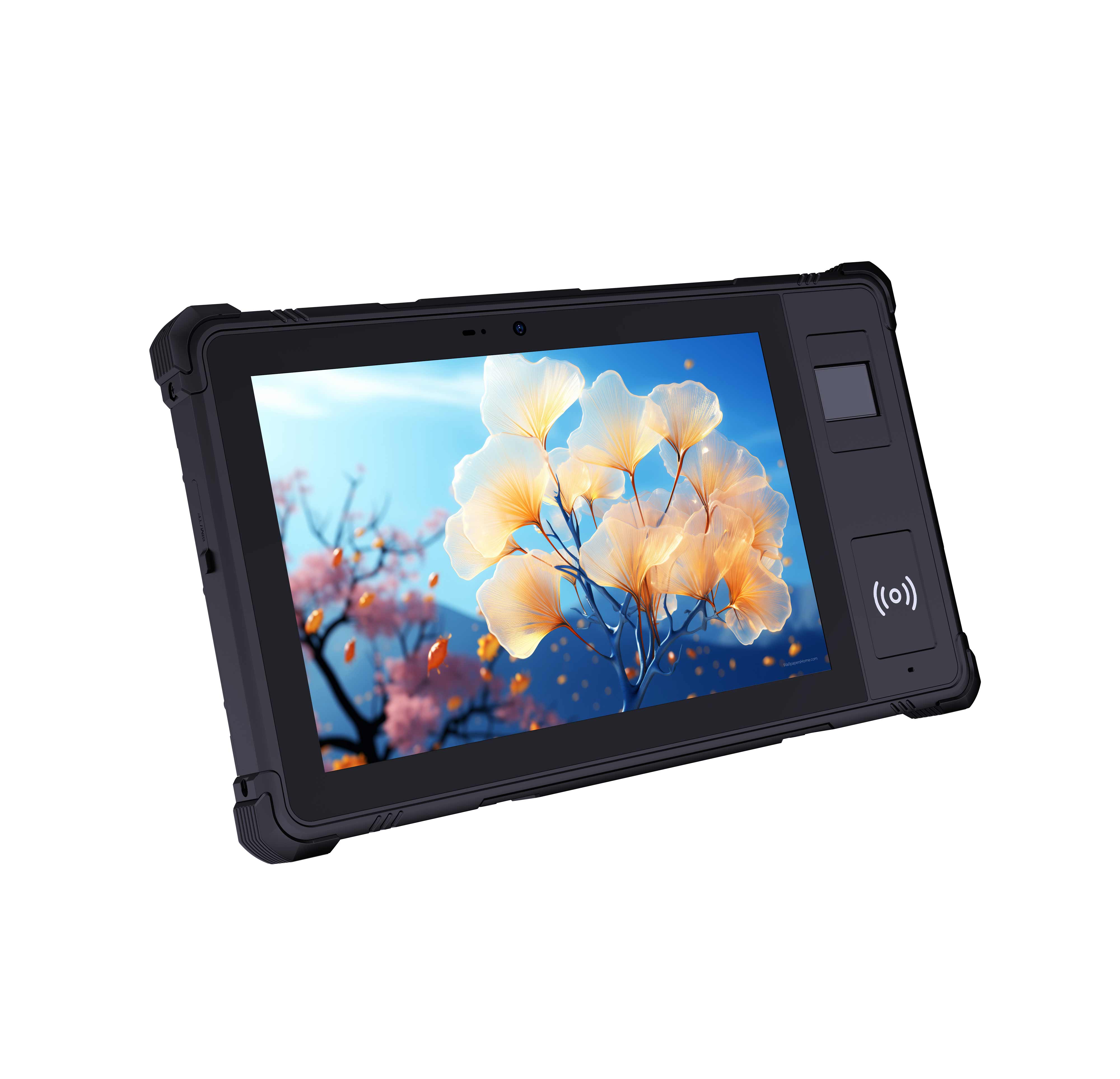
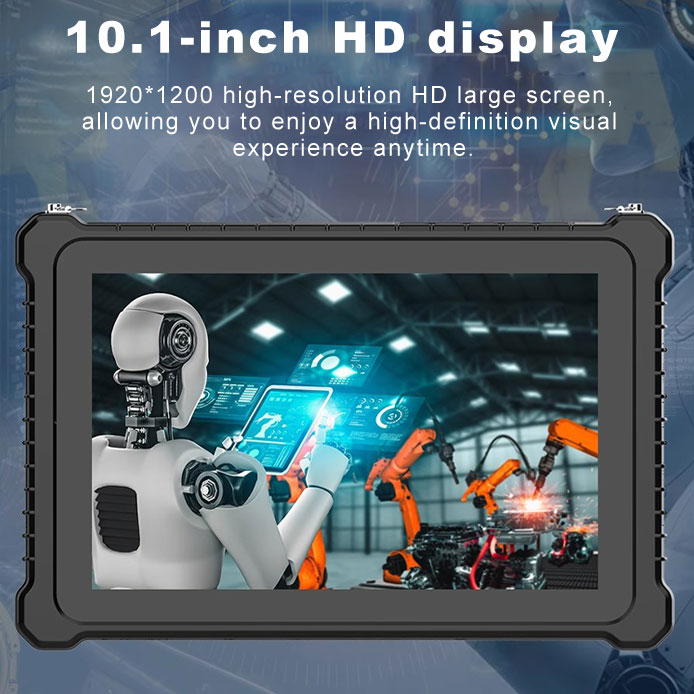
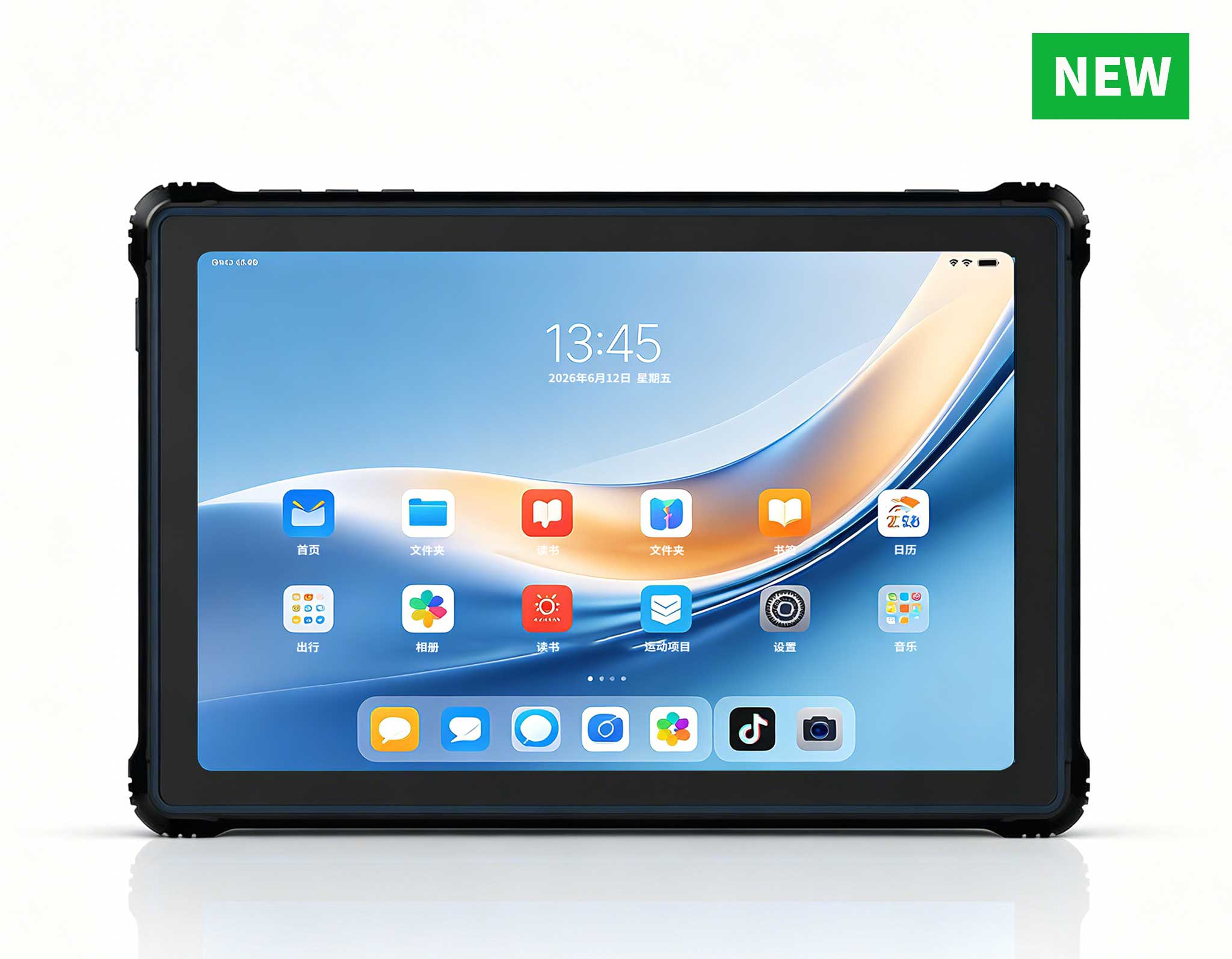
RT80 5G Rugged Tablet | 10.1" FHD 400nit | Un...
Explore an innovative Personal Digital Assistant f...
Enterprise Flagship SeriesEngineered for mission-c...
Maintenance instructions: Store at room temperatur...
The PM156-1 is a 15.6-inch portable PC monitor fea...
RT81 4G Rugged Tablet | 10.1" FHD 400nit | Qu...
Full SpecificationsModel Hotus SH5‑WOperating ...

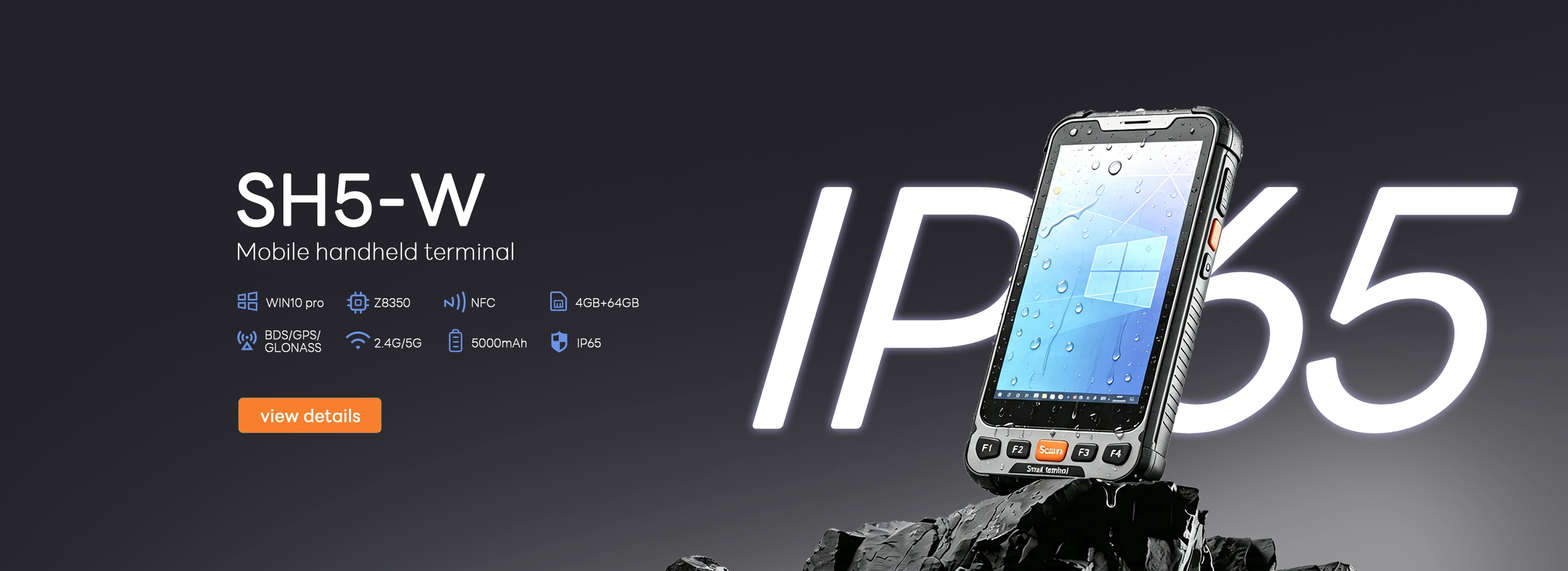
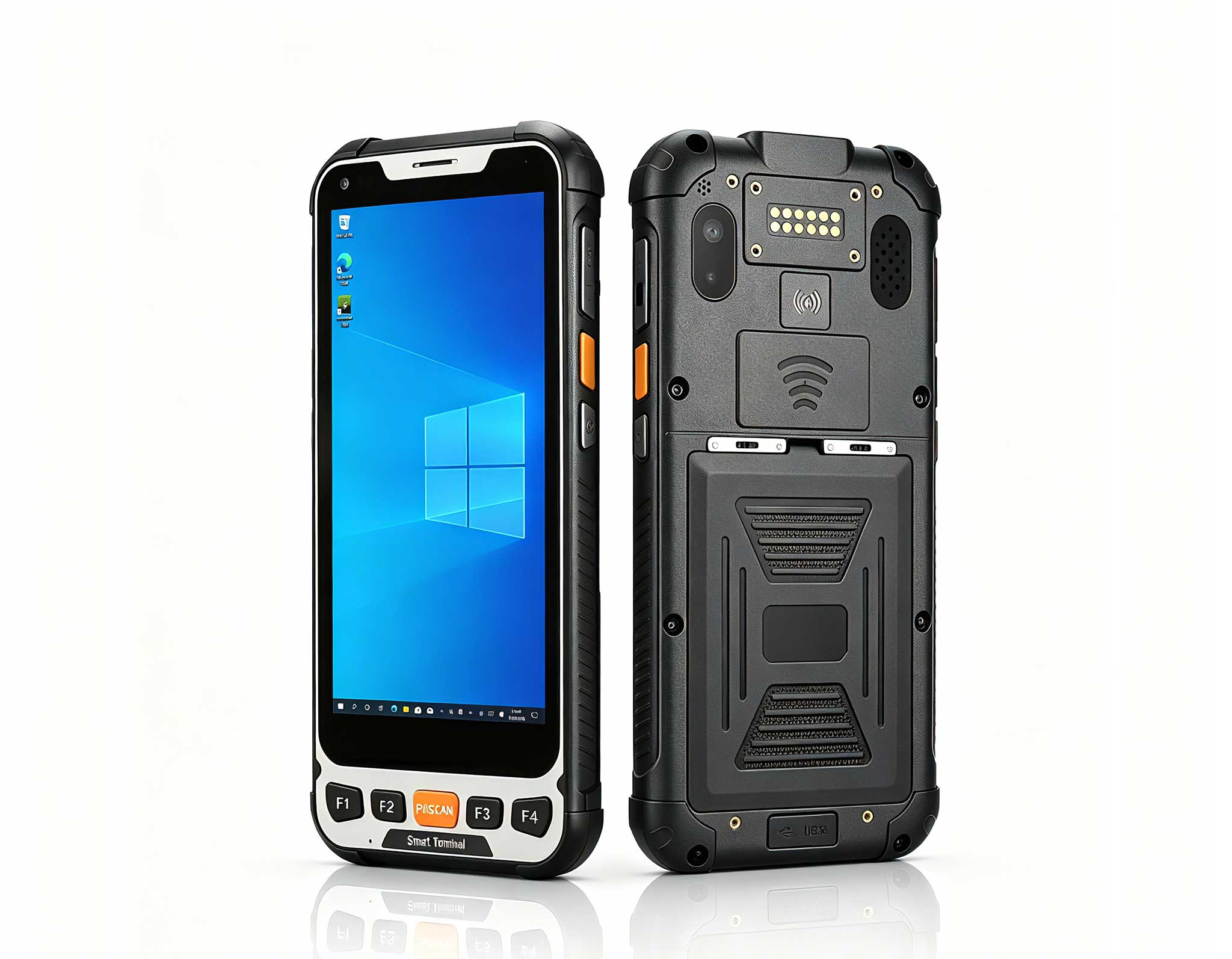
Hotus SH5‑W — Windows handheld for cobot programming and human‑robot collaboration
By HOTUS Technology | April 2026
Collaborative robots (cobots) are reshaping the global manufacturing landscape. The collaborative robots market is projected to grow from $4.18 billion in 2025 to $5.43 billion in 2026 at an explosive 29.9% CAGR, reaching $15.55 billion by 2030 at 30.1% CAGR[reference:37]. According to the International Federation of Robotics, cobot adoption is expected to grow by 20‑25% in 2026, primarily driven by the need for flexible automation[reference:38]. Skill‑intensive operations like welding have already started shifting to collaborative welding[reference:39].
According to ABB‘s latest analysis, cobots are expanding far beyond manufacturing into healthcare, laboratories, commercial kitchens, and hospitality — sectors that historically had little or no automation[reference:40]. Emerging spaces include clinical and diagnostic laboratories, pharmaceutical workflows, commercial industrial kitchens, research facilities, and small‑scale artisanal manufacturing[reference:41].
1. Cobots Achieve True Industrial‑Grade Performance
A major trend for 2026 is the shift toward collaborative robots from light‑duty applications to full
industrial‑grade performance levels. Today‘s cobots are being deployed in complex manufacturing tasks
that previously required traditional industrial robots, powered by higher payload capacities, extended
reach, faster cycle times, and improved accuracy[reference:42]. Manufacturers now expect cobots to offer
industrial durability, precision motion control, and long‑term reliability, not just ease of use[reference:43].
2. Cobots Accelerate Adoption in “Dirty, Dull, and Dangerous” Environments
Across manufacturing, logistics, shipyards, and heavy industries, organizations are increasingly turning
to cobots to support tasks in challenging dirty, dull, and dangerous (DDD) environments. Roles involving
welding in shipyards, surface preparation, and handling hazardous materials often require exceptional
consistency, safety, and precision[reference:44].
3. Simplified, Human‑Centric Interfaces
A defining trend in 2026 is how intuitive and accessible cobots have become even in facilities without
robotics expertise. Gesture‑based teaching, drag‑and‑drop and no‑code programming, lead‑through learning,
and natural language interaction now enable operators to set up and use cobots with the same ease as
any familiar industrial tool[reference:45].
4. Cobots Become the Leading Platform for AI Innovation
As AI‑powered automation accelerates globally, cobots are emerging as the leading platform for AI
innovation. Vision‑Language‑Action models demand edge compute and low‑latency processing, which cobots
are increasingly equipped to provide[reference:46].
Even the most advanced cobot still requires a human interface for programming, monitoring, and exception handling. Rugged Windows handhelds and tablets serve as this critical bridge:
Hotus SH5‑W 5.5″ Windows Handheld
Compact, pocketable Windows device for cobot programming and monitoring:
Long battery life — full‑shift operation for production workers
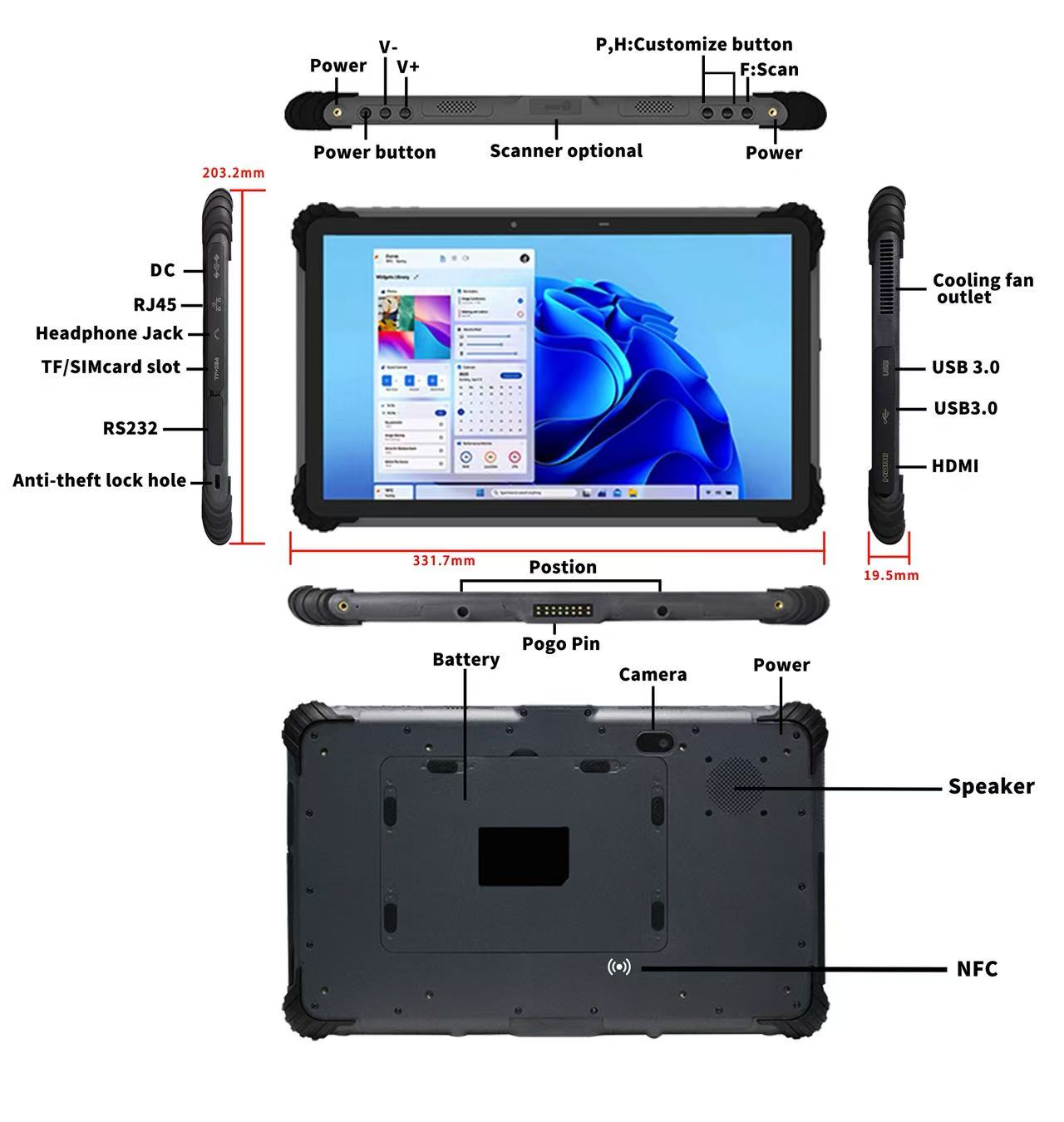
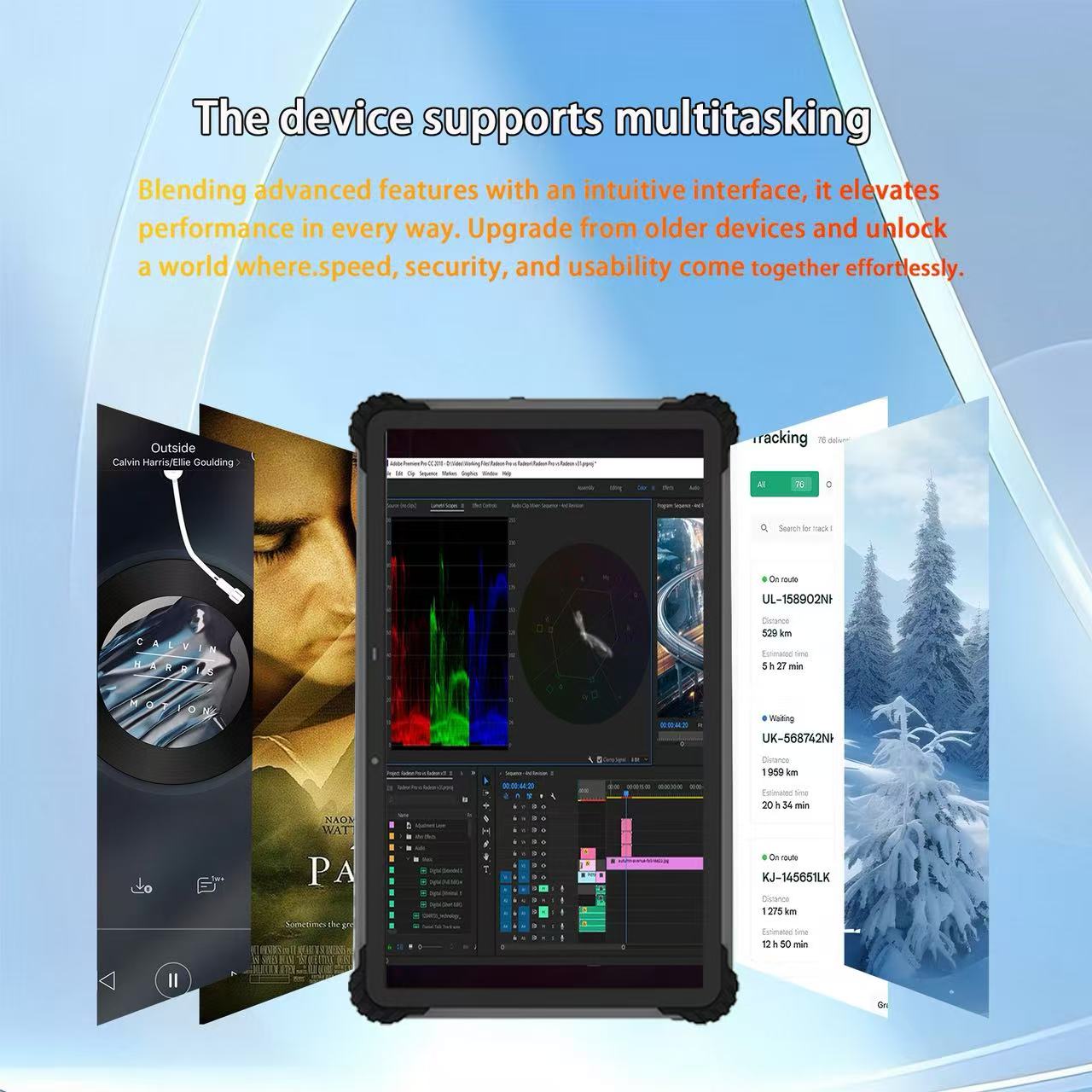
Hotus ST11‑U 10.1″ Windows Rugged Tablet
For supervisors and engineers managing multiple cobots:
A high‑volume electronics manufacturer deployed 150 SH5‑W Windows handhelds to operators working alongside 75 collaborative robots on assembly lines. Results after 12 months:

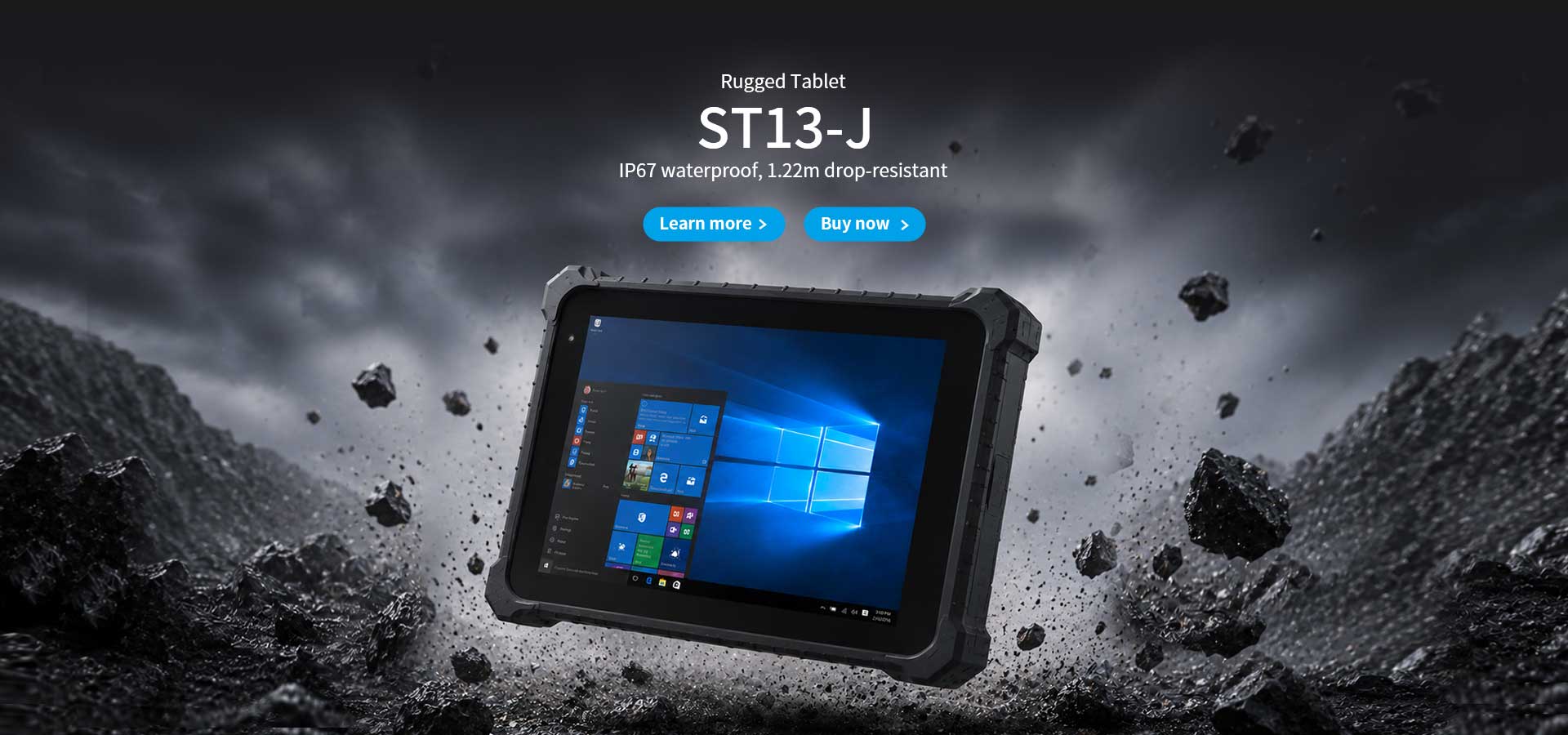
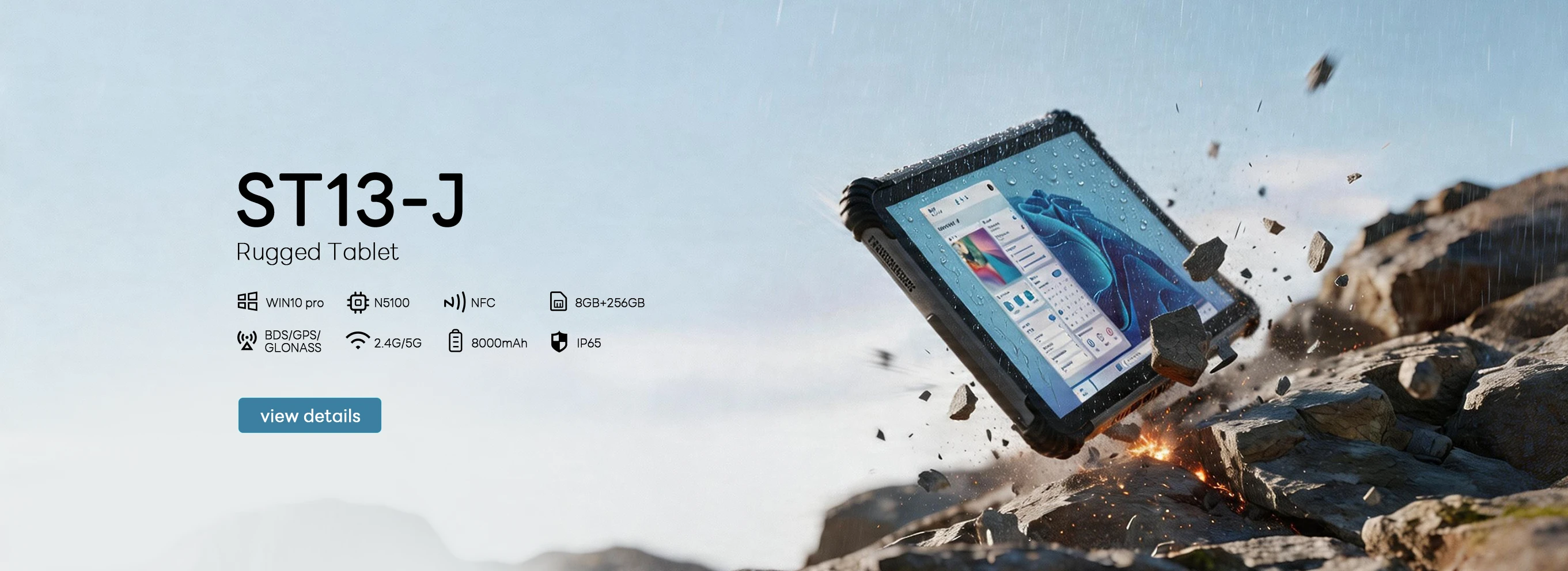
Hotus ST13‑J — large‑screen Windows tablet for cobot fleet supervision and production analytics
Contact HOTUS Technology to discuss your cobot integration needs, request pilot units, or explore custom Windows rugged handheld and tablet solutions for human‑robot collaboration.