- Select Language
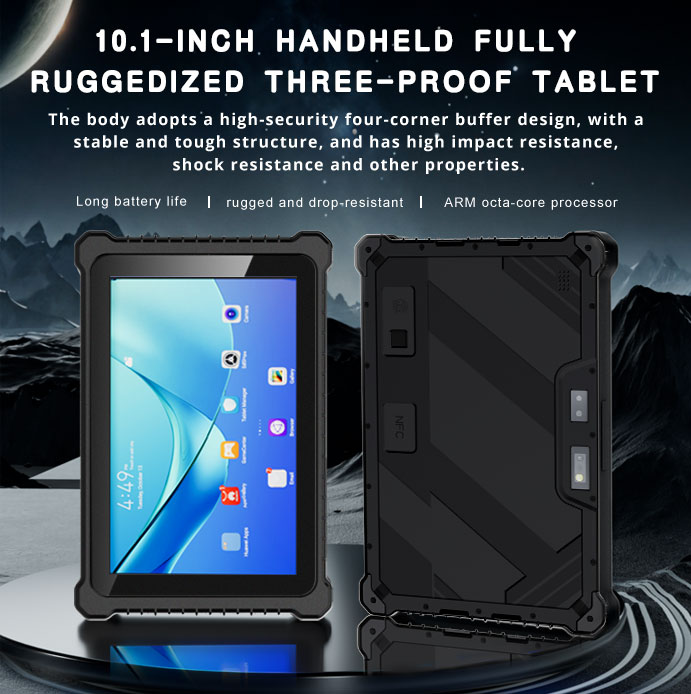
RT81 4G Rugged Tablet | 10.1" FHD 400nit | Qu...
The T80 handheld PDA combines advanced barcode sca...
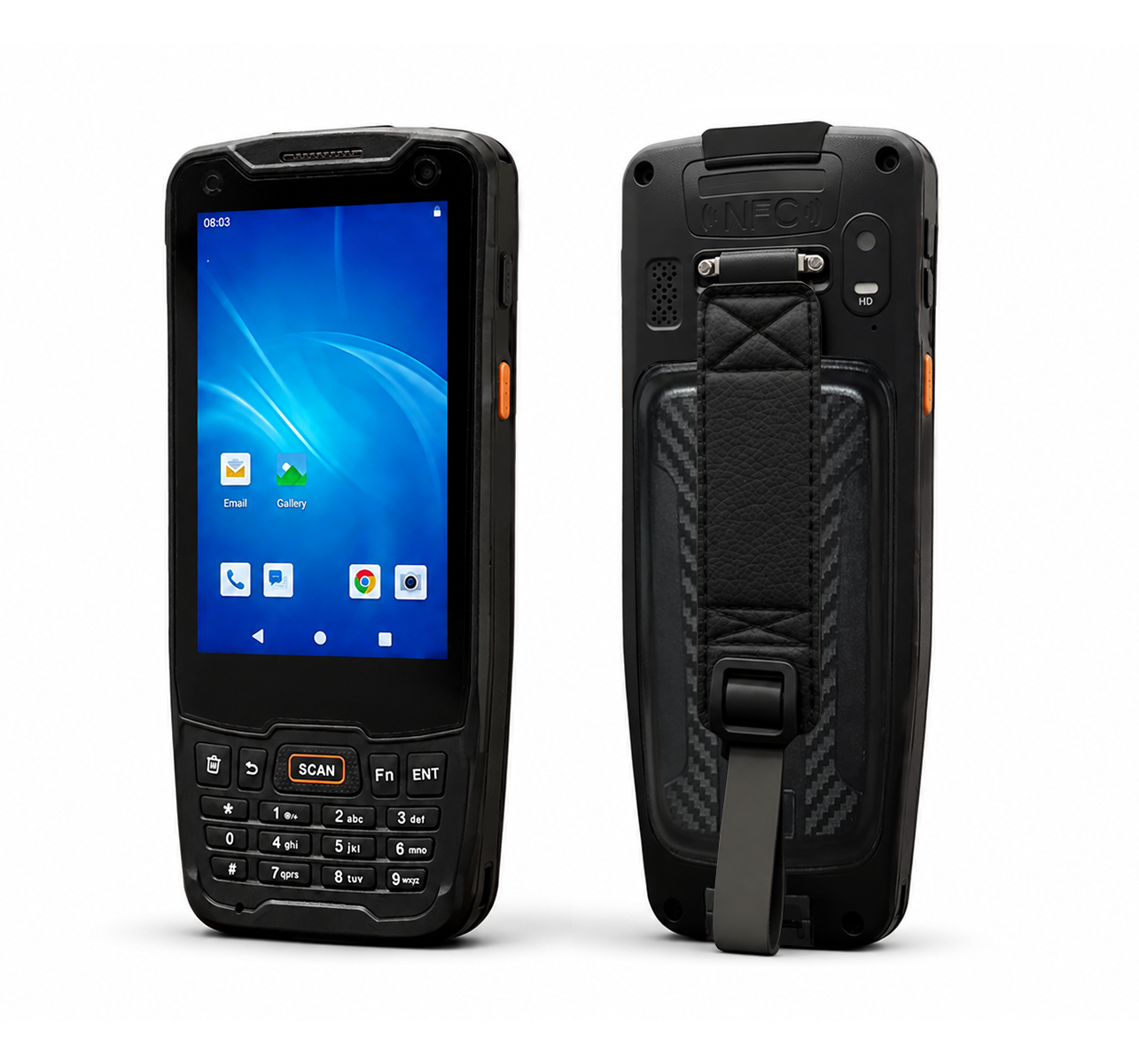
R366-S Thin 5.5-inch Industrial PDA | Qualcomm Oct...
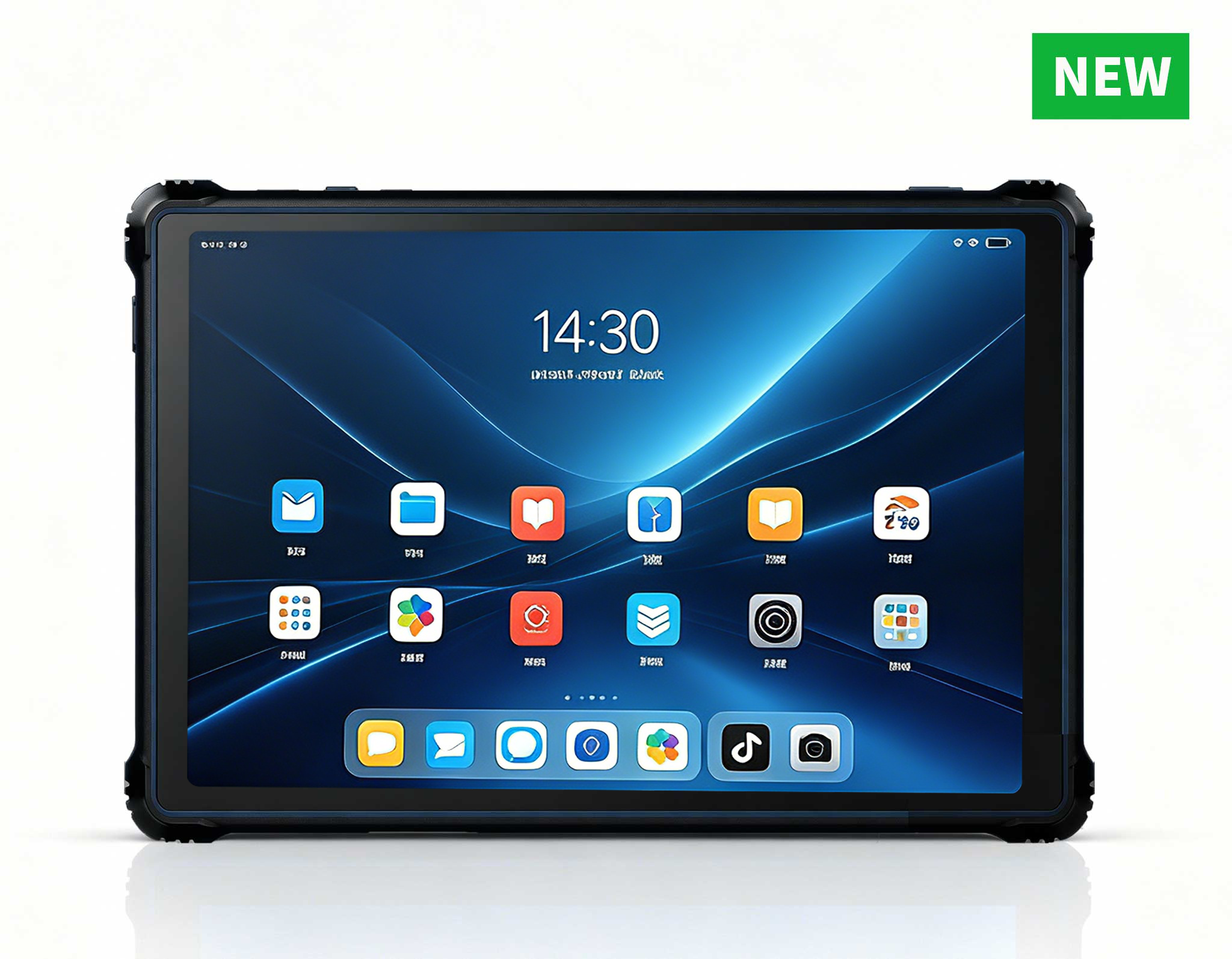
RT82 5G Rugged Tablet | 10.1" FHD 400nit | Qu...
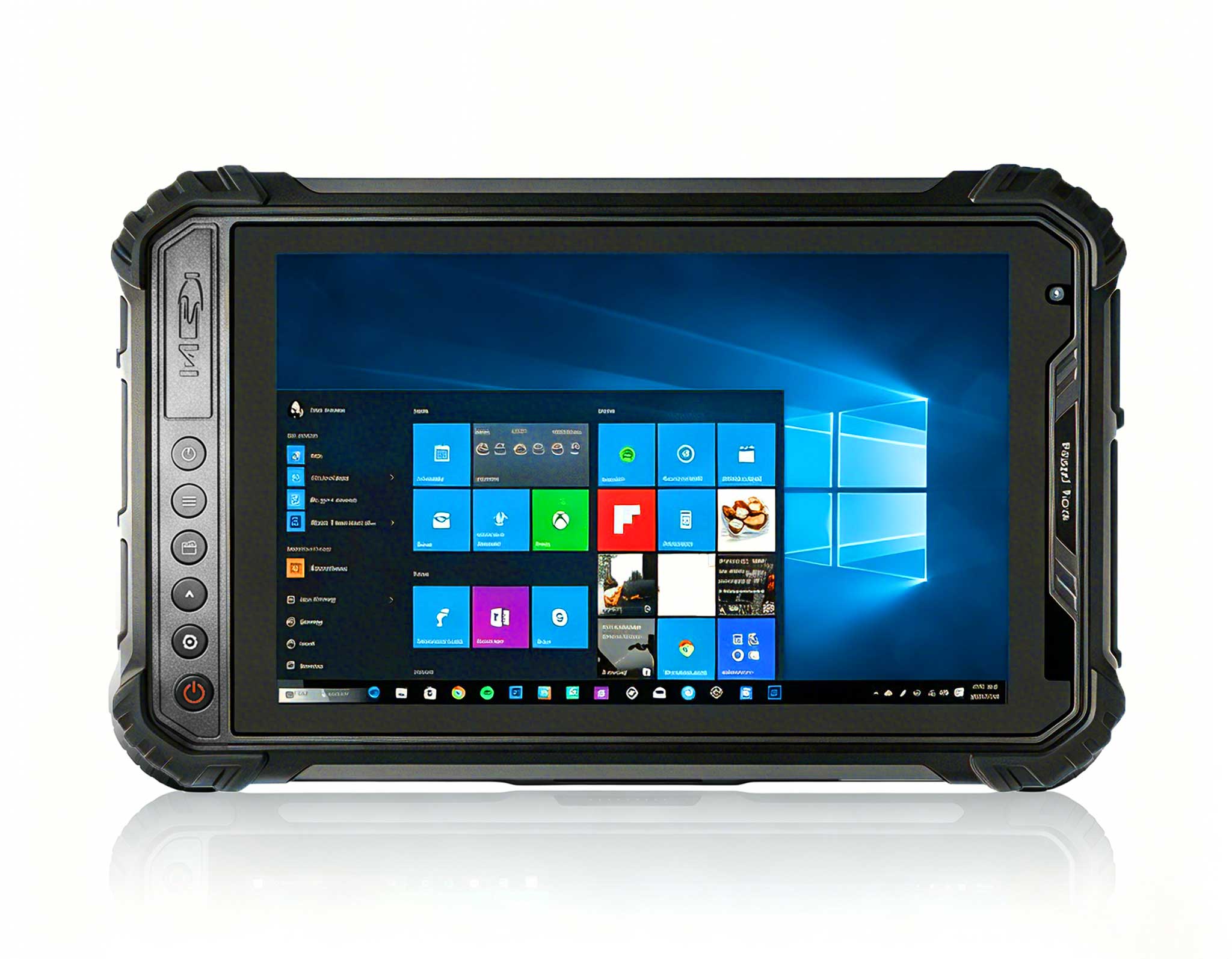
Full SpecificationsModelHotus ST9‑JOSWindows 10 Pr...
R350C 4-inch Industrial Handheld PDA | Qualcom...
P11 Series Next-Gen Enterprise Rugged Industrial ...
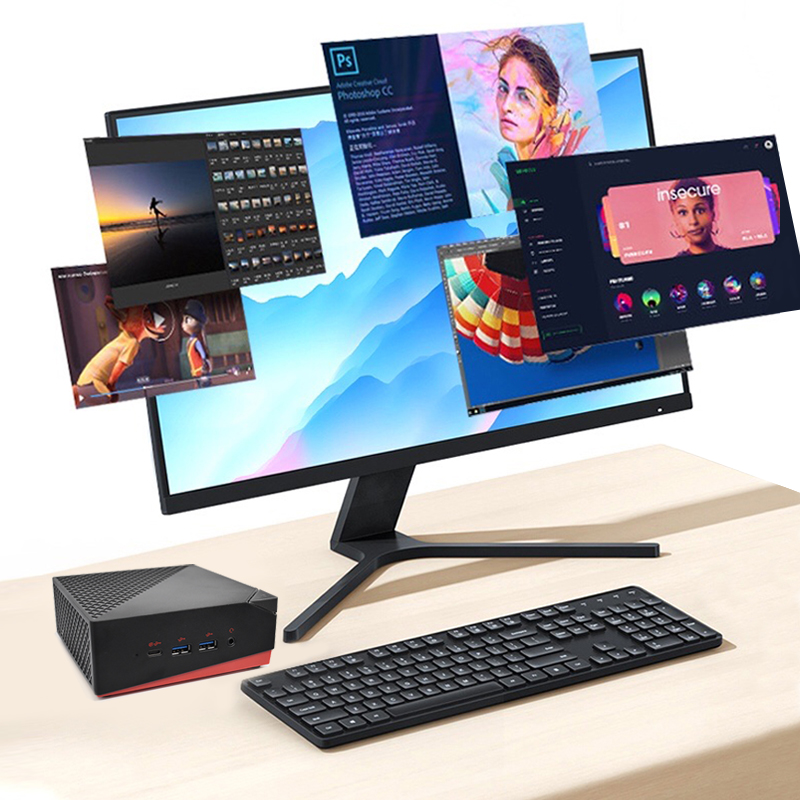
This ultra-compact mini PC offers powerful perform...
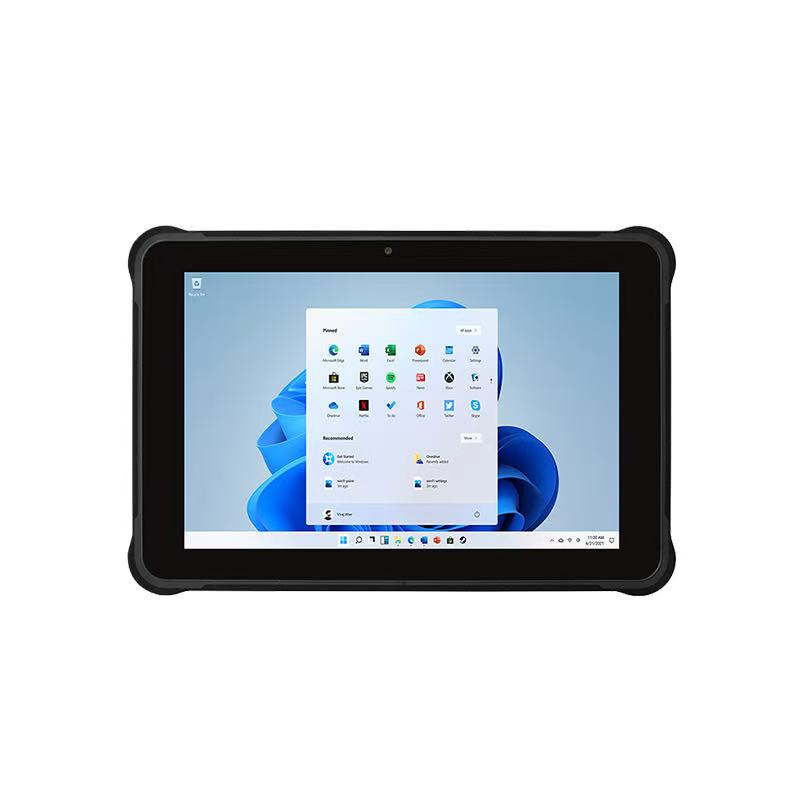
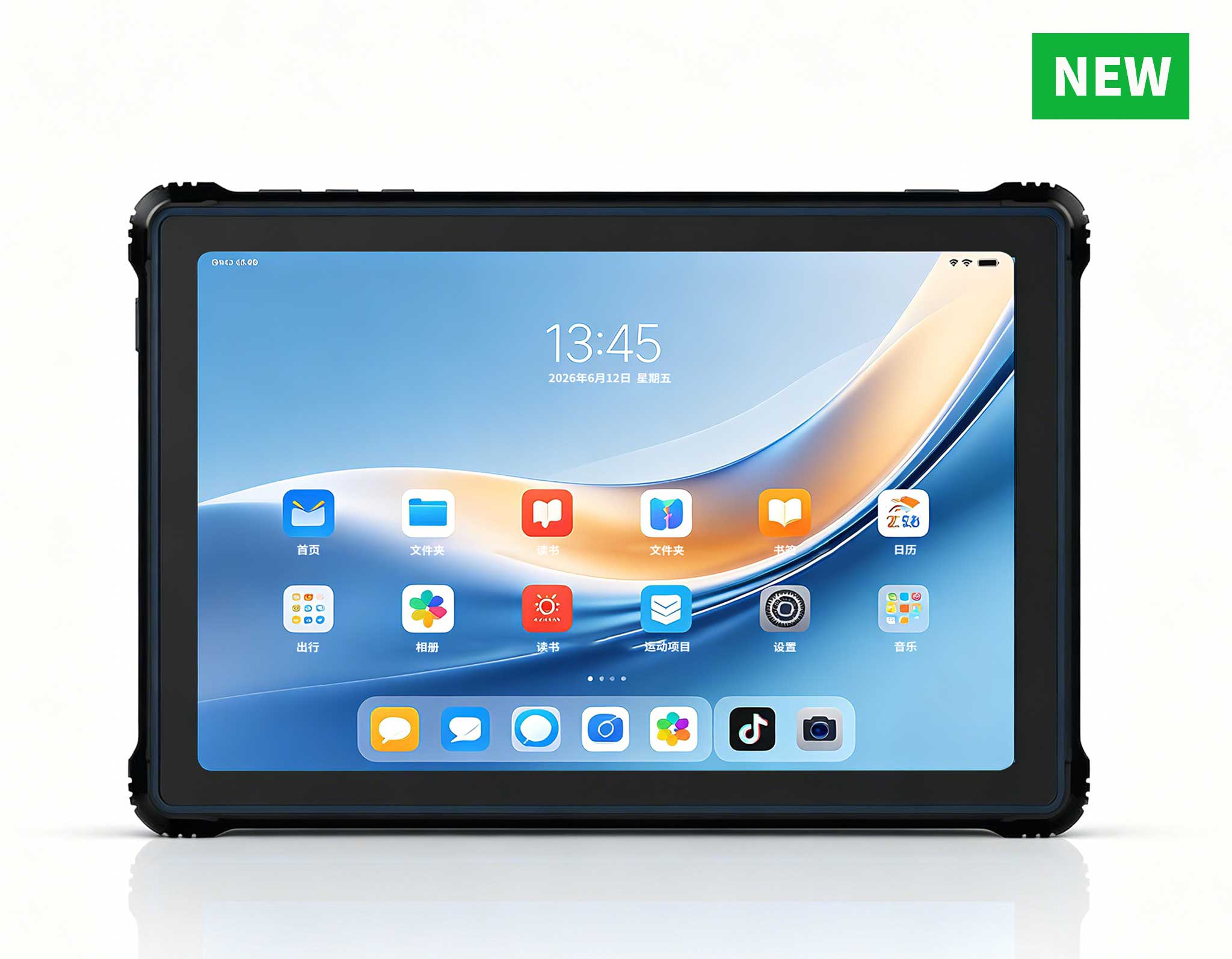
Hotus ST11‑U — Windows tablet for satellite ground station and digital twin infrastructure
By HOTUS Technology | April 2026
The convergence of satellite internet, digital twins, and edge computing is creating a new paradigm for infrastructure management. According to赛迪研究院, satellite internet is rapidly transitioning from technology validation to commercial deployment, with China‘s GW constellation and Shanghai‘s Qianfan constellation accelerating satellite launches [citation:3]. Direct‑to‑cell satellite connectivity is emerging as the most promising new growth segment, with applications in maritime communications, aviation, emergency response, and remote area coverage expanding rapidly [citation:3].
Simultaneously, the global smart building market — encompassing IoT sensors, building management systems (BMS), and integrated analytics — is projected to reach $1.5 trillion by 2035, growing at a 25.5% CAGR [citation:4]. Commercial buildings account for 18% of total U.S. energy consumption, with smart building technologies capable of reducing energy use by 20-40% while improving occupant comfort and equipment lifespan.
The missing link connecting these two megatrends is edge computing infrastructure — rugged mobile devices that can process satellite‑backed data streams, visualize digital twin models, and enable real‑time decision‑making at the point of work.
A digital twin is a virtual replica of a physical asset — a building, a bridge, a power plant, an entire city — that is continuously updated with real‑time data from IoT sensors. Digital twins enable operators to:
But digital twins are only as valuable as the interfaces that display them. Facility managers don‘t sit in control rooms all day — they walk the building. They need rugged, mobile devices that can render complex 3D models, display real‑time sensor data, and receive alerts — all while climbing ladders, inspecting mechanical rooms, or standing on rooftops.
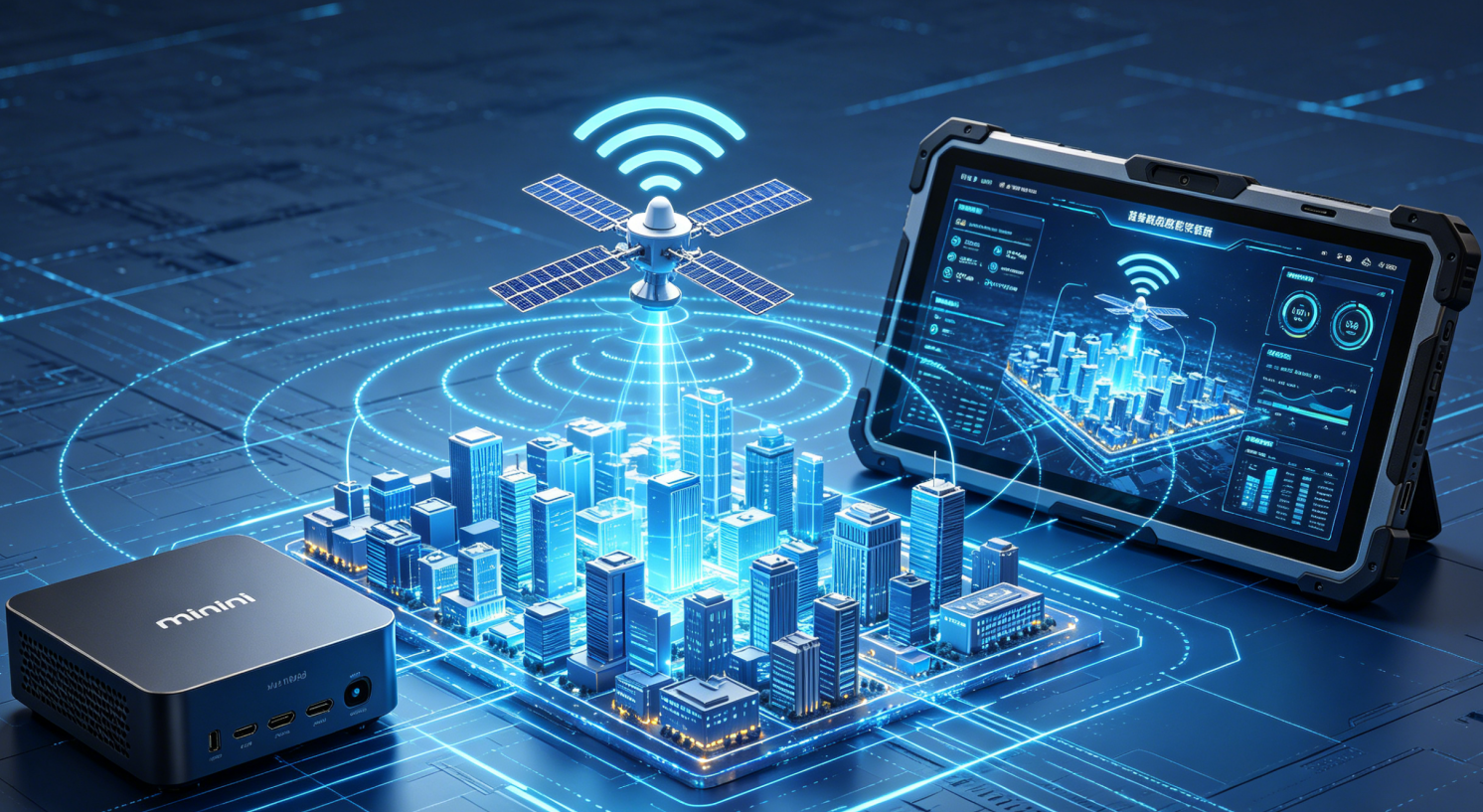
Many critical infrastructure assets — pipelines, power transmission lines, remote pumping stations, solar farms — are located far from terrestrial cellular coverage. Traditional monitoring solutions rely on periodic manual inspections or expensive private radio networks. Satellite internet changes this equation.
With low‑latency satellite backhaul, remote assets can stream sensor data continuously, enabling predictive maintenance and real‑time alerting. The Hotus ST11‑U 10.1″ Windows Rugged Tablet is designed for this environment:
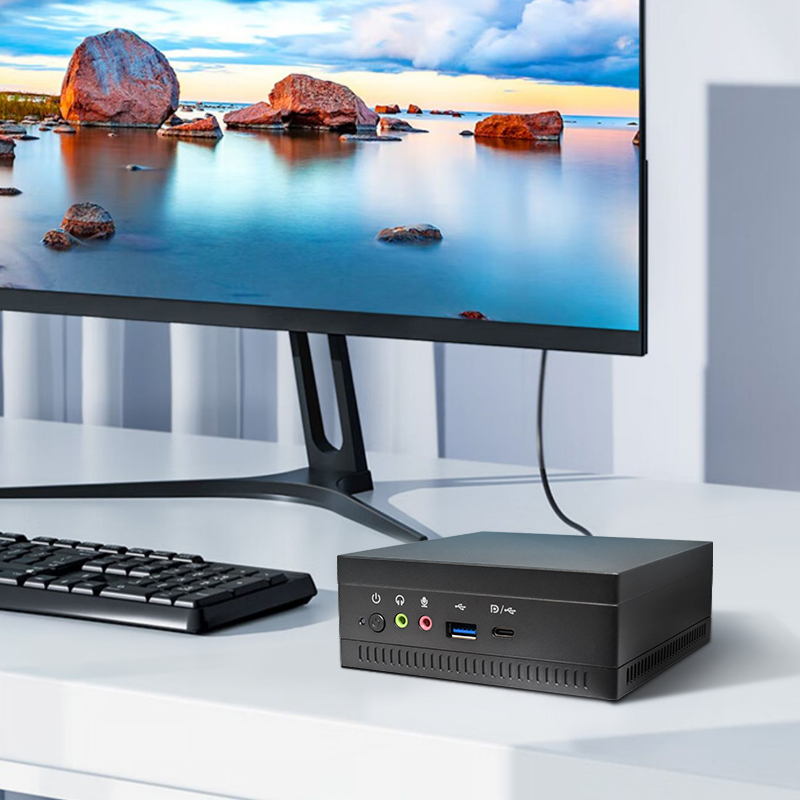
The Hotus Palm‑sized Mini PC plays a critical role as an edge gateway in satellite‑backed infrastructure. Mounted at remote sites, it:
According to赛迪研究院‘s 2026 Future Industry Top Ten Tracks report, satellite internet is one of the ten priority sectors for national development [citation:3]. China‘s GW constellation and Shanghai‘s Qianfan constellation are accelerating satellite deployment, with direct‑to‑cell services expected to enter rapid growth over the next several years [citation:3]. The State Council‘s 15th Five‑Year Plan explicitly identifies future energy — including hydrogen and fusion — as new economic growth points [citation:3].
These policy tailwinds are creating unprecedented demand for edge computing infrastructure. As more assets become connected via satellite backhaul, the need for rugged, Windows‑based mobile devices to manage them will grow exponentially.
A natural gas pipeline operator with 2,000 miles of remote pipeline deployed 50 ST11‑U tablets and 25 Mini PC edge gateways connected via satellite backhaul. Results after 12 months:
Hotus Mini PC — edge gateway for satellite‑connected digital twin infrastructure
Contact HOTUS Technology to discuss your digital twin and satellite‑backed infrastructure needs, request pilot units, or explore custom Windows tablet and Mini PC solutions for smart building and remote asset management.