- Select Language
One Device, Dual Functions – A Projector and a Com...
P11 Series Next-Gen Enterprise Rugged Industrial ...
The AMD Mini PC Windows 10 Pro is a compact yet po...
Maintenance instructions: Store at room temperatur...
The EGPU Graphics Card Expansion Dock is a high-pe...
Explore an innovative Personal Digital Assistant f...
RS50 5G Rugged Handheld Terminal | 6.3" FHD+ ...
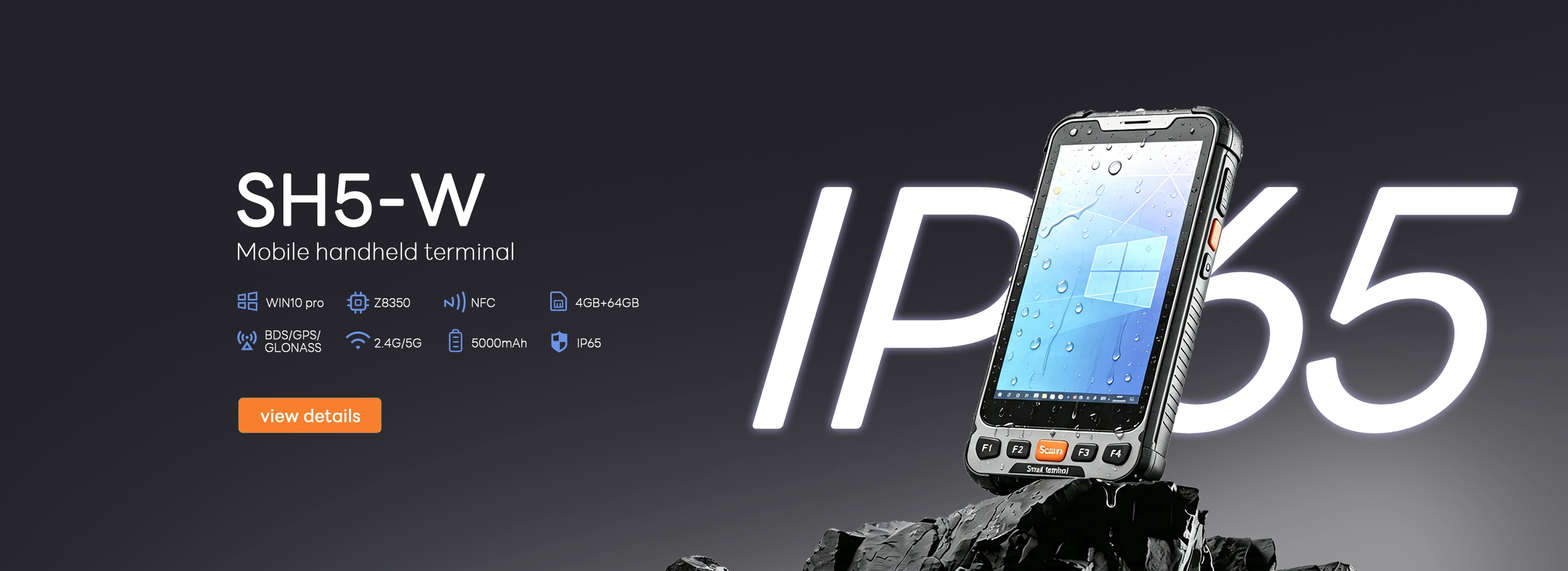
Hotus SH5‑W — Windows handheld for consumer electronics quality assurance
By HOTUS Technology | April 2026
The consumer electronics industry is experiencing a profound transformation driven by AI. According to CCTV, a product‑centric AI technology revolution is rapidly taking hold across the consumer electronics sector [citation:1]. New energy power systems, sensor connectivity, and advanced materials are breaking through simultaneously, driving product premiumization and scenario specialization. New industry standards are urgently needed to guide this transformation — a point emphasized by multiple industry reports released in April 2026 [citation:1].
The numbers reflect this momentum. According to the National Bureau of Statistics, communication equipment retail sales grew 20.8% year‑over‑year in Q1 2026, far outpacing overall retail growth of 2.4% [citation:8]. AI‑powered consumer devices — from AI smartphones and AI PCs to smart glasses and human‑computer interaction devices — are driving this surge. Drones equipped with AI vision systems for photography and obstacle avoidance are becoming mainstream. DJI‘s latest Osmo Pocket 4, released in April 2026, features a 1‑inch sensor and intelligent tracking 7.0 with gesture control and beauty filters [citation:8].
But behind every smart device on a store shelf lies an immense manufacturing challenge. Consumer electronics production lines run at breakneck speed. A single smartphone assembly line can produce thousands of units per hour. At this pace, there is no time for paper‑based quality checks or manual data entry. The margin for error is measured in seconds, and the cost of a recall is measured in millions.
Consumer electronics manufacturing is one of the most demanding industrial environments. Key challenges include:
The Hotus SH5‑W 5.5″ Windows Rugged Handheld and Hotus F505 Handheld PDA are purpose‑built for this environment.
The SH5‑W Windows handheld runs full Windows 11 Pro, enabling it to run the same ERP, MES, and quality management systems as office‑based workstations — but on the production line floor. Key applications include:
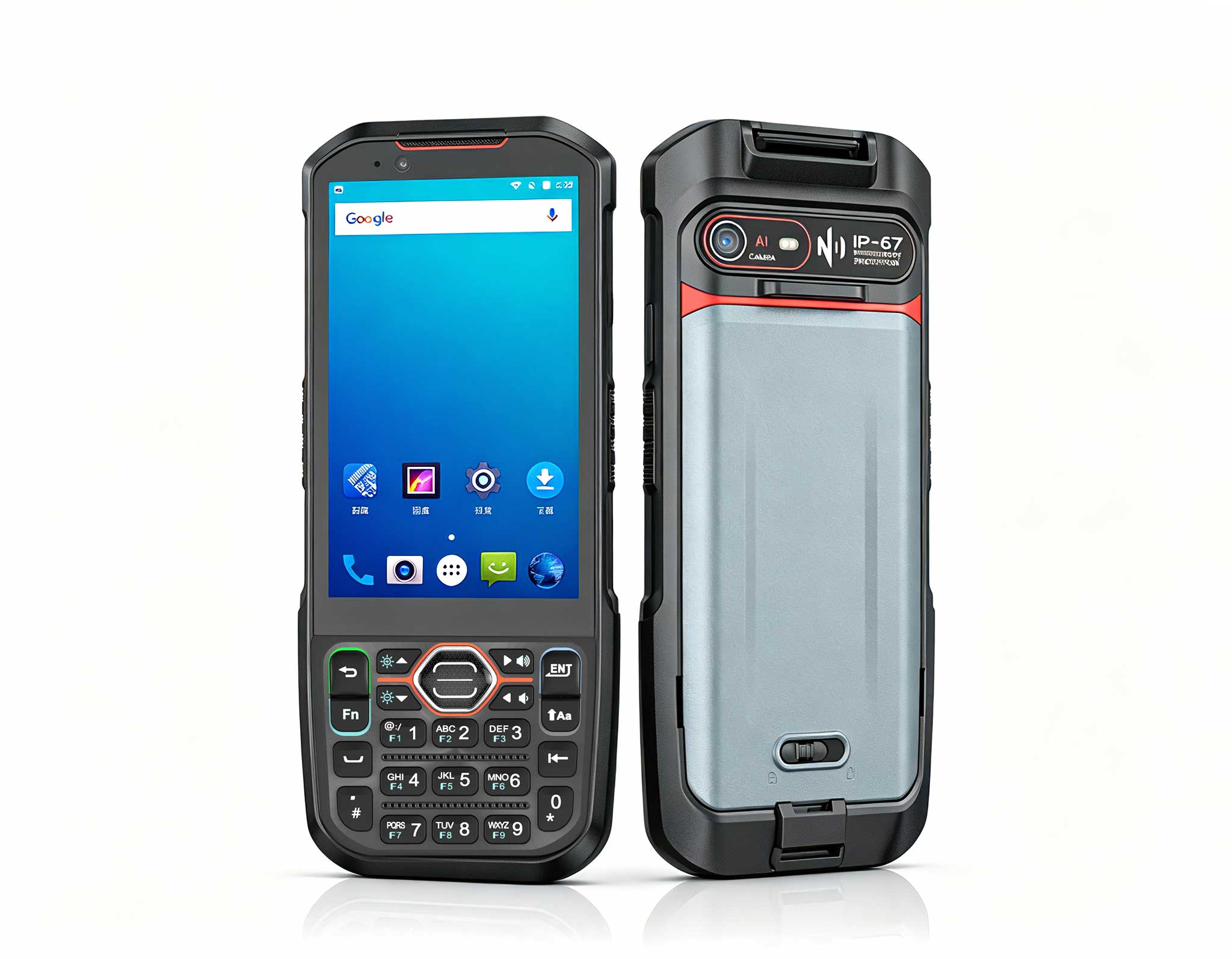
The F505 PDA, running Android 13, is ideal for high‑volume scanning applications where speed is paramount. Its integrated barcode scanner can read damaged or poorly printed labels, and its 4G LTE connectivity ensures real‑time sync with cloud‑based quality platforms.
The same AI technologies that power consumer devices are now being deployed to inspect them. AI‑powered vision systems on production lines can detect cosmetic defects (scratches, dents, discoloration) and assembly errors (misaligned components, missing screws, reversed flex cables) at speeds far beyond human capability.
The SH5‑W serves as the human interface to these AI inspection systems. When the vision system flags a potential defect, the quality engineer uses the SH5‑W to:
This human‑AI collaboration model is essential for maintaining quality standards while achieving high throughput. According to industry reports, the integration of AI into manufacturing quality assurance is one of the fastest‑growing applications of the technology [citation:1][citation:6].
According to the China Consumer Products Quality and Safety Promotion Association, there is an urgent need for high‑level group standards in the consumer electronics sector [citation:1]. These standards should encompass “standard‑development‑testing” integrated systems to help manufacturers identify and eliminate potential quality issues during the development phase [citation:1]. For mobile computing devices used in production environments, such standards would address critical requirements:
Hotus devices are designed with these requirements in mind, offering IP67 sealing, chemical‑resistant housings, and Windows security features that meet enterprise standards.
A major smartphone OEM with a 100 million‑unit annual capacity deployed 150 SH5‑W handhelds and 100 F505 PDAs across its final assembly and quality inspection lines. Results after 12 months:
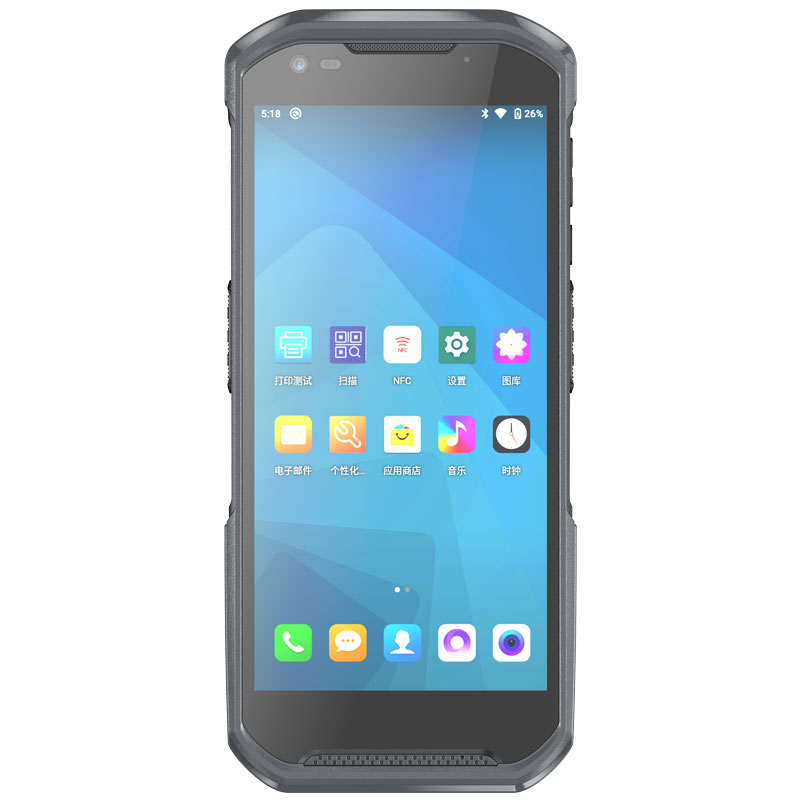
Hotus F505 — PDA for high‑volume scanning on consumer electronics lines
Contact HOTUS Technology to discuss your consumer electronics manufacturing needs, request pilot units, or explore custom Windows handheld and PDA solutions for AI‑driven quality assurance.