- Select Language
R530C 6.0-inch Industrial PDA | Qualcomm Octa-core...
The X501 Handheld PDA combines advanced barcode sc...
P8 Series 8-Inch Rugged Industrial Tablet PC Mobi...
R350C 4-inch Industrial Handheld PDA | Qualcom...
One Device, Dual Functions – A Projector and a Com...
Full SpecificationsModelHotus ST13‑UOSWindows 10 P...
RT80 5G Rugged Tablet | 10.1" FHD 400nit | Un...
Explore an innovative Personal Digital Assistant f...
By HOTUS Technology | April 2026
What if you could see inside your factory‘s walls without walking a single step? What if you could test production line changes without stopping a single machine? What if you could predict equipment failures days before they happen? This isn‘t science fiction — it‘s the reality of digital twins, and it‘s transforming manufacturing at an unprecedented pace.
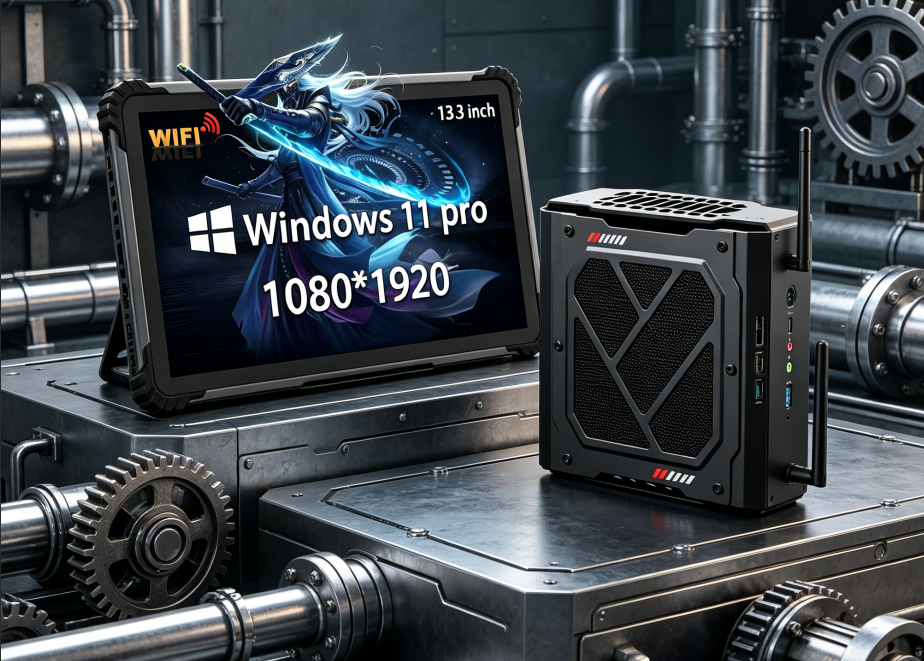
The global digital twin market was valued at $36.19 billion in 2025 and is estimated to grow from $49.2 billion in 2026 to $228.46 billion by 2031, at a staggering CAGR of 35.95% during the forecast period. The digital twin in manufacturing market alone has grown exponentially — from $28.91 billion in 2025 to $47.24 billion in 2026 at a 63.4% CAGR. The growth is driven by the spread of industrial IoT, advances in manufacturing automation technology, growing demand for production efficiency, and early‑stage smart factory initiatives.
Before digital twins, factory managers operated with significant blind spots. They knew what happened at the start of a shift and what was produced by the end. But the in‑between — the bottlenecks, the quality drift, the equipment stress — was largely invisible. Digital twins change this completely. A digital twin is a virtual replica of a physical asset, production line, or entire factory, continuously updated with real‑time data from IoT sensors, PLCs, and MES systems.
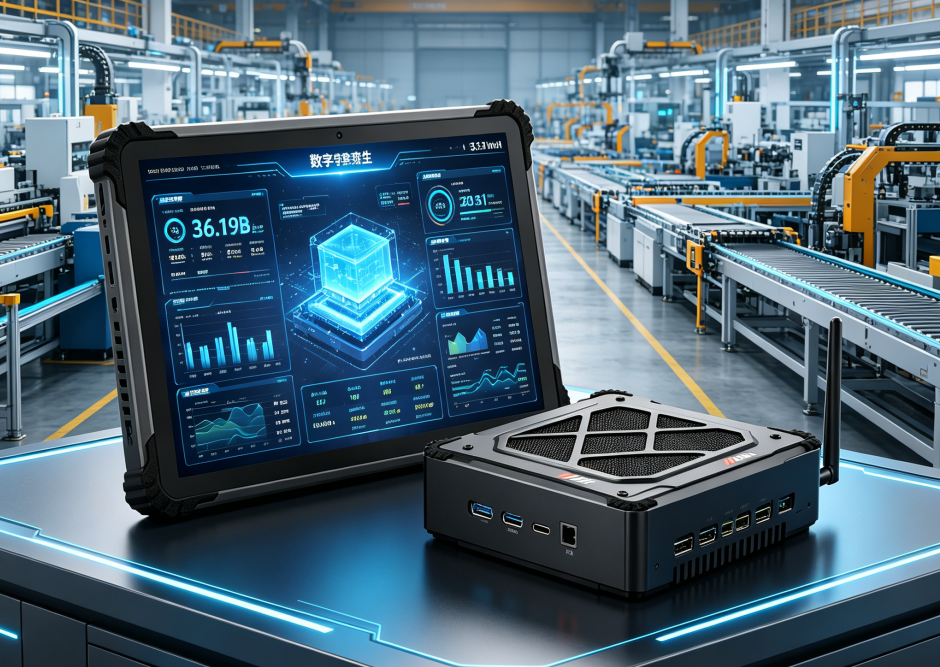
With a digital twin, a factory manager can:
Digital twins are powerful, but they‘re only useful if the right people can access them at the right time. Factory managers don‘t sit in control rooms all day — they walk the floor. They need rugged, mobile devices that can render complex 3D models, display real‑time sensor data, and receive alerts — all while climbing ladders, inspecting machinery, or standing on production lines.
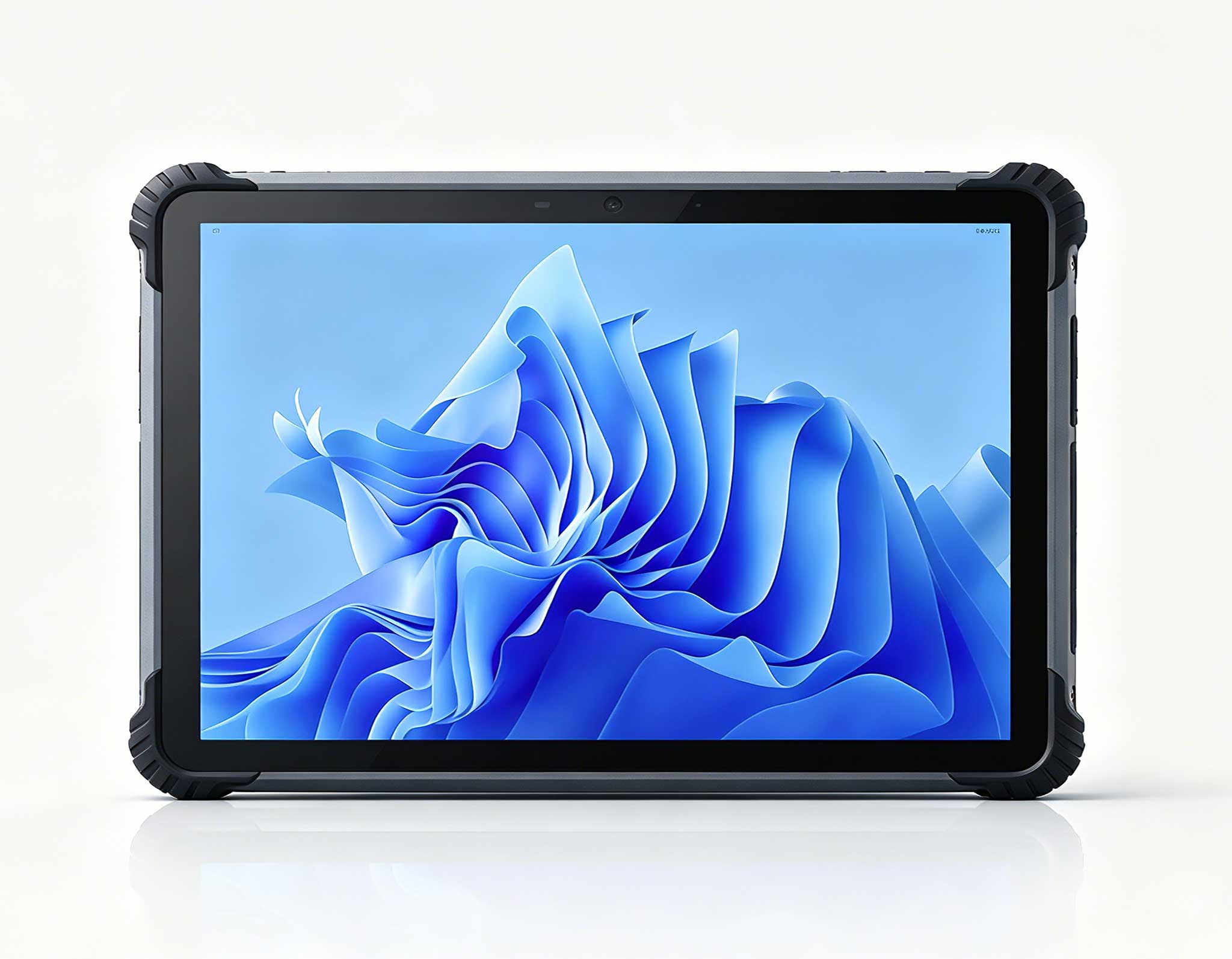
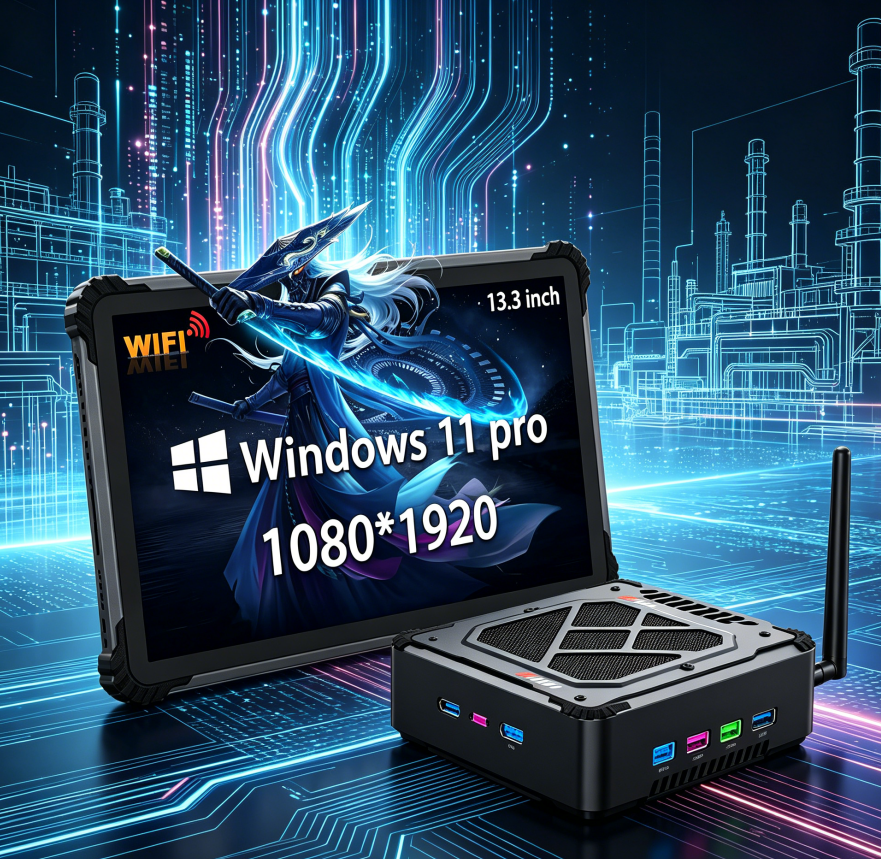
The Hotus ST11‑J 10.1″ Windows Rugged Tablet and Hotus Palm‑sized Mini PC are purpose‑built for digital twin visualization. The ST11‑J offers:
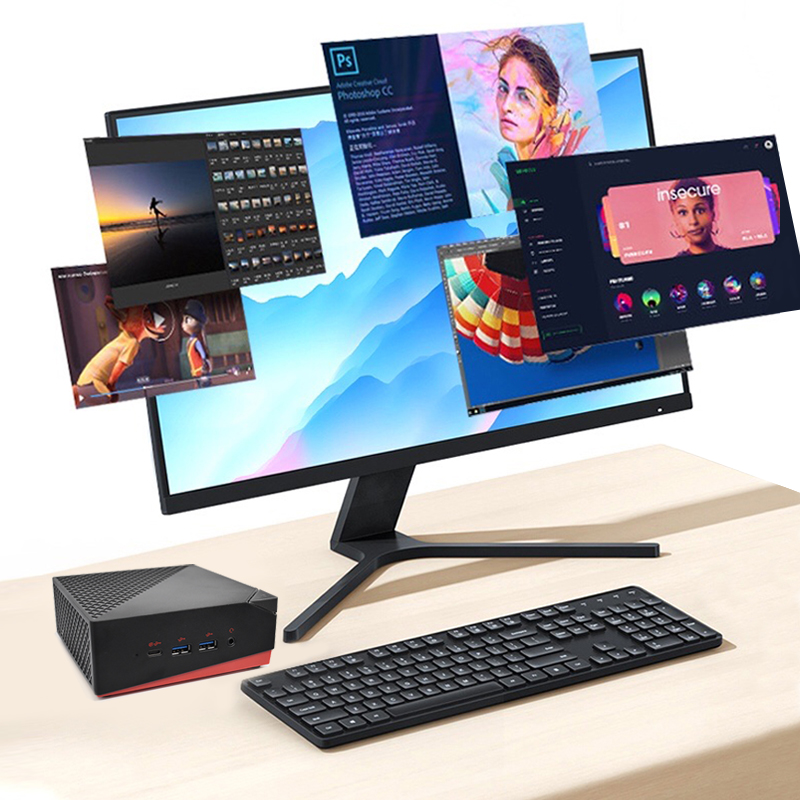
The Mini PC serves as the edge gateway for digital twin data collection — processing sensor data locally, running AI inference for predictive analytics, and feeding only essential insights to the cloud.
A major automotive manufacturer deployed digital twins across five assembly lines, with 50 ST11‑J tablets and 25 Mini PC edge gateways for visualization and data capture. Results after 12 months:

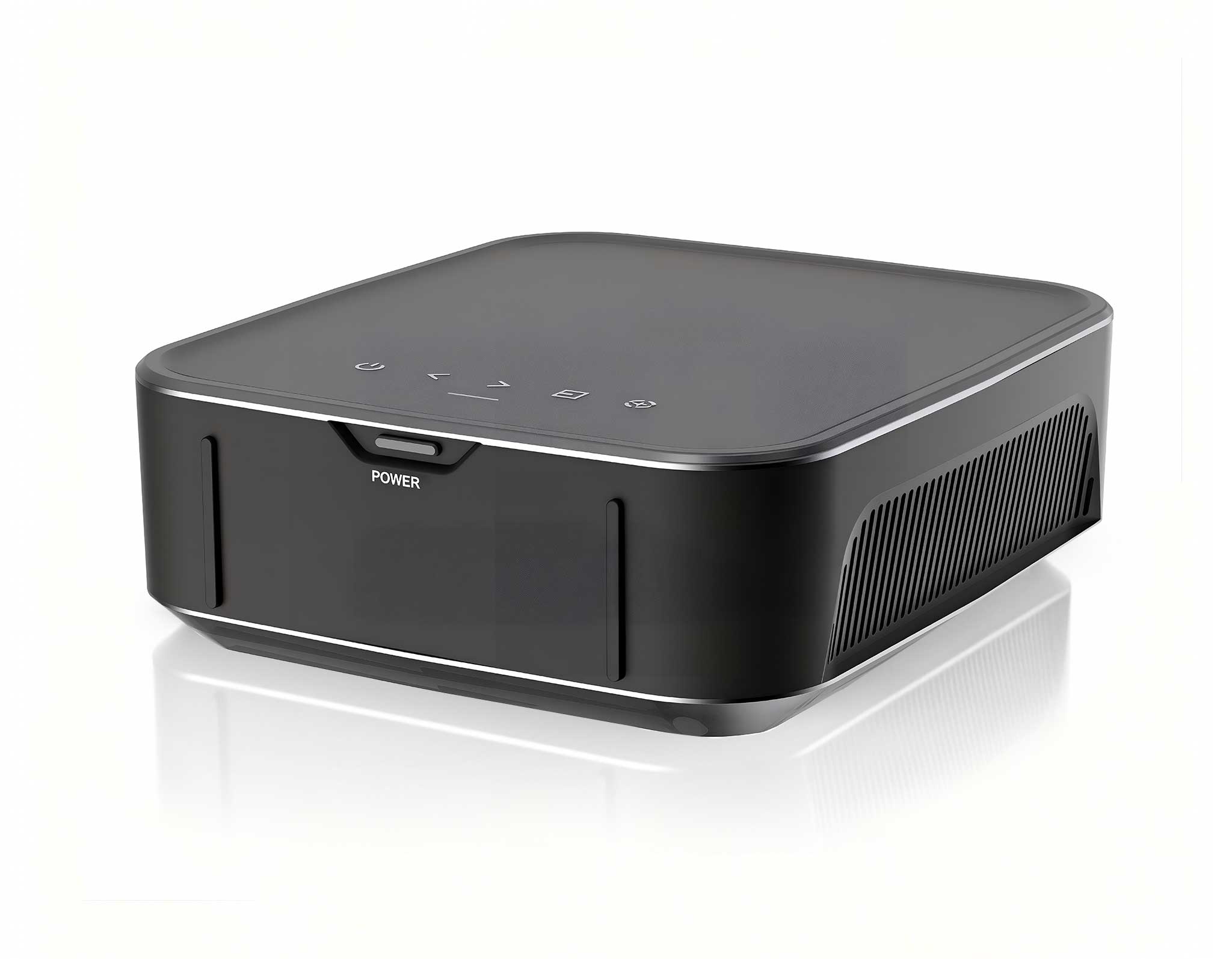
Hotus Mini PC — edge gateway for digital twin data collection
Contact HOTUS Technology to discuss your digital twin deployment needs, request pilot units, or explore custom Windows tablet and Mini PC solutions for smart factory visualization.