- Select Language
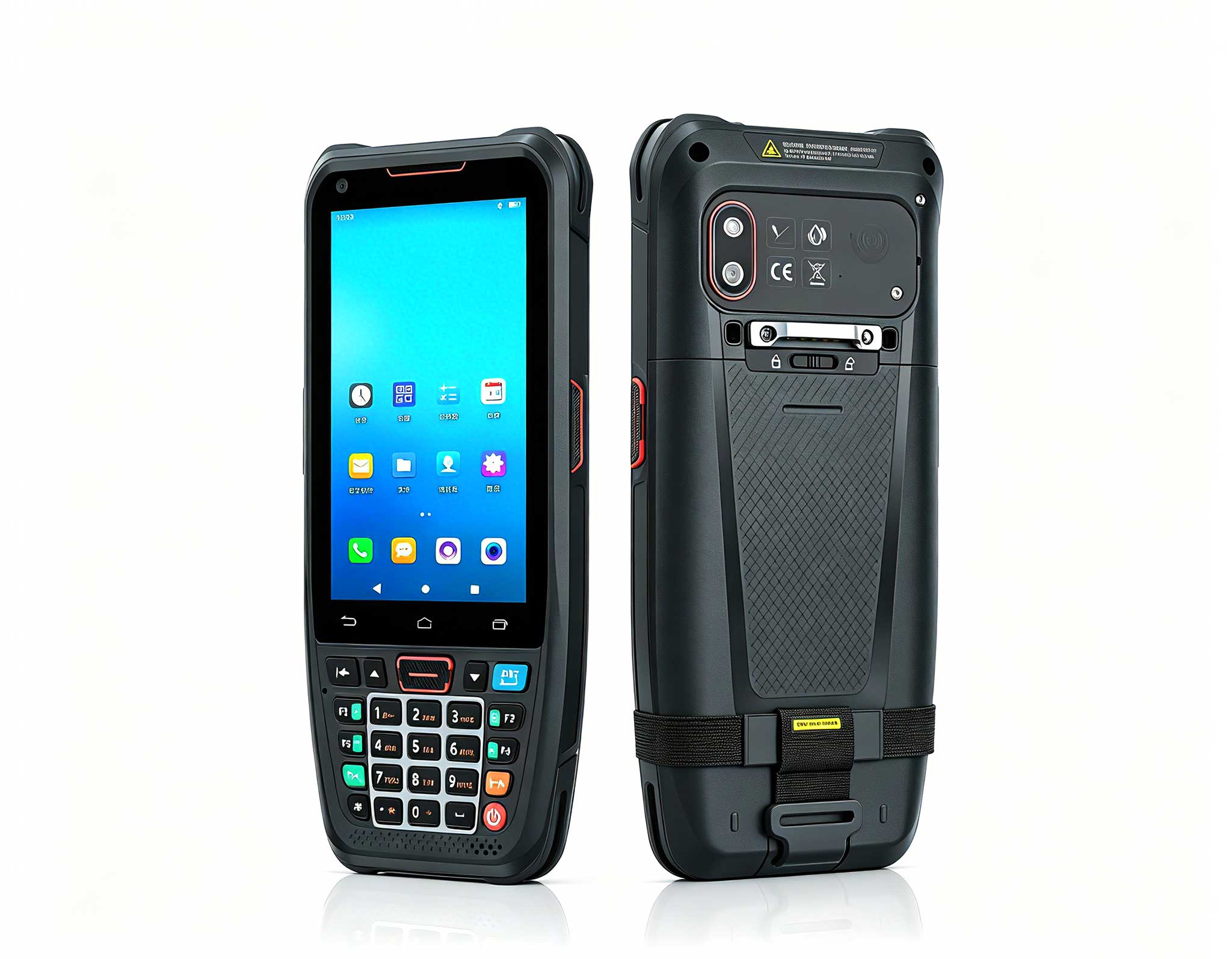
R366-S Thin 5.5-inch Industrial PDA | Qualcomm Oct...
R366-S 5.5-inch Industrial PDA | Qualcomm Octa-cor...
R530C 6.0-inch Industrial PDA | Qualcomm Octa-core...
The N40 Android smart PDA features a Cortex-A53 qu...
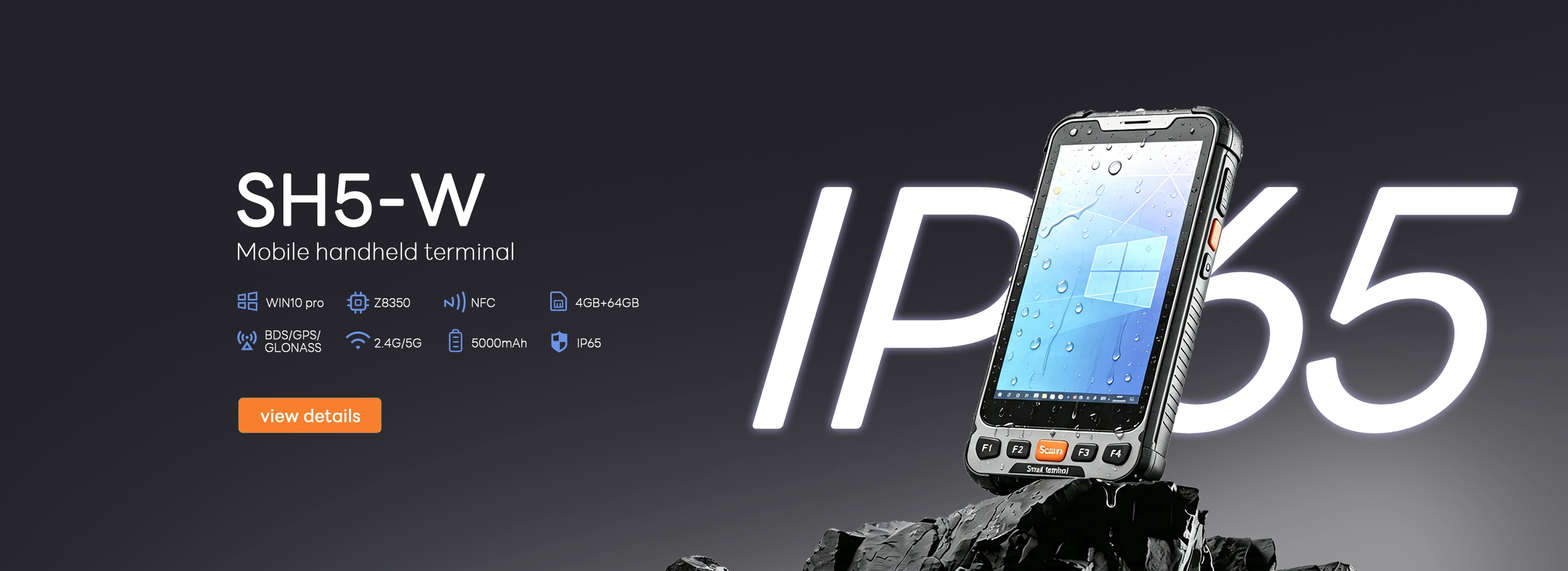
Full SpecificationsModel Hotus SH5‑WOperating ...
RS50 5G Rugged Handheld Terminal | 6.3" FHD+ ...
The T80 handheld PDA combines advanced barcode sca...

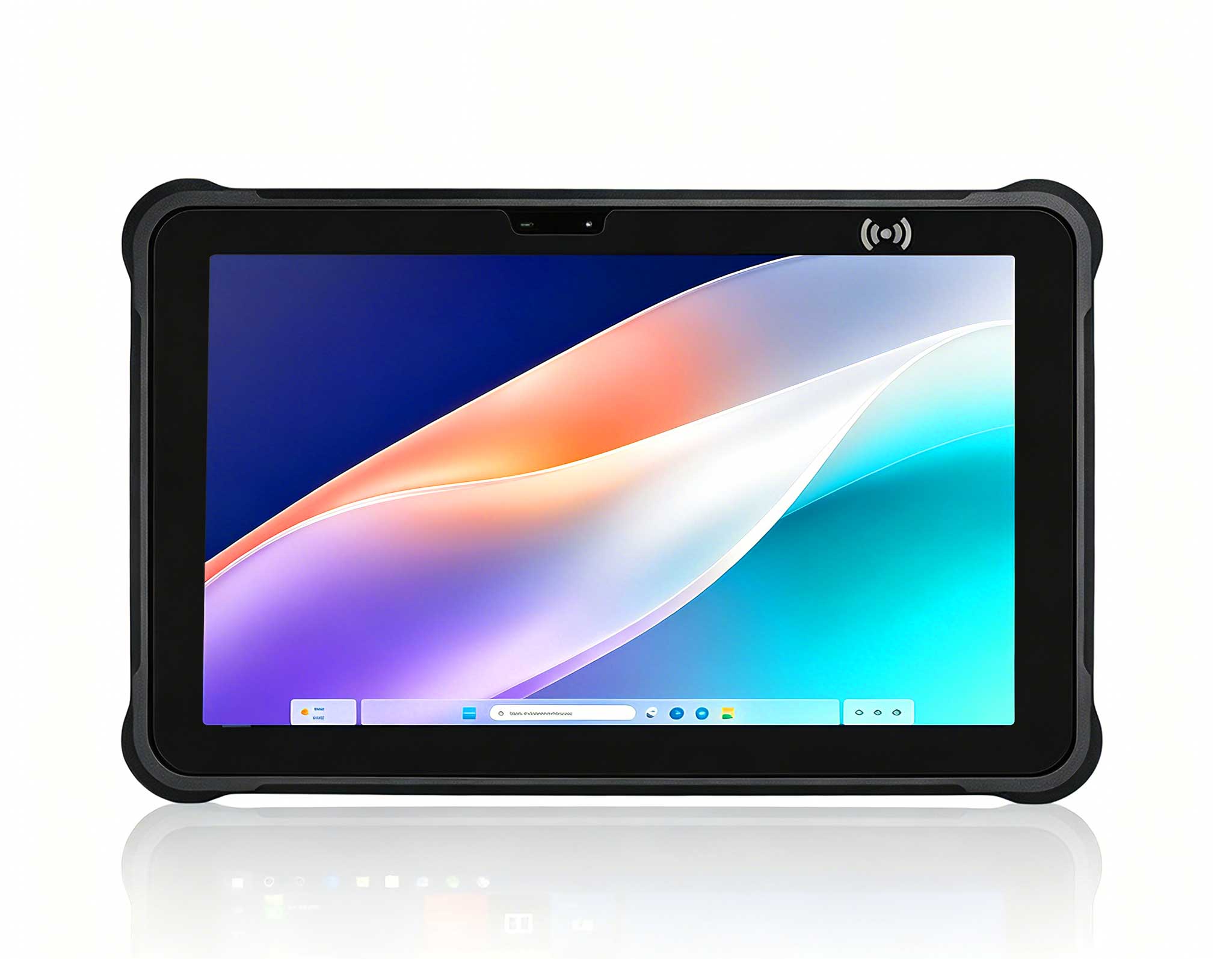
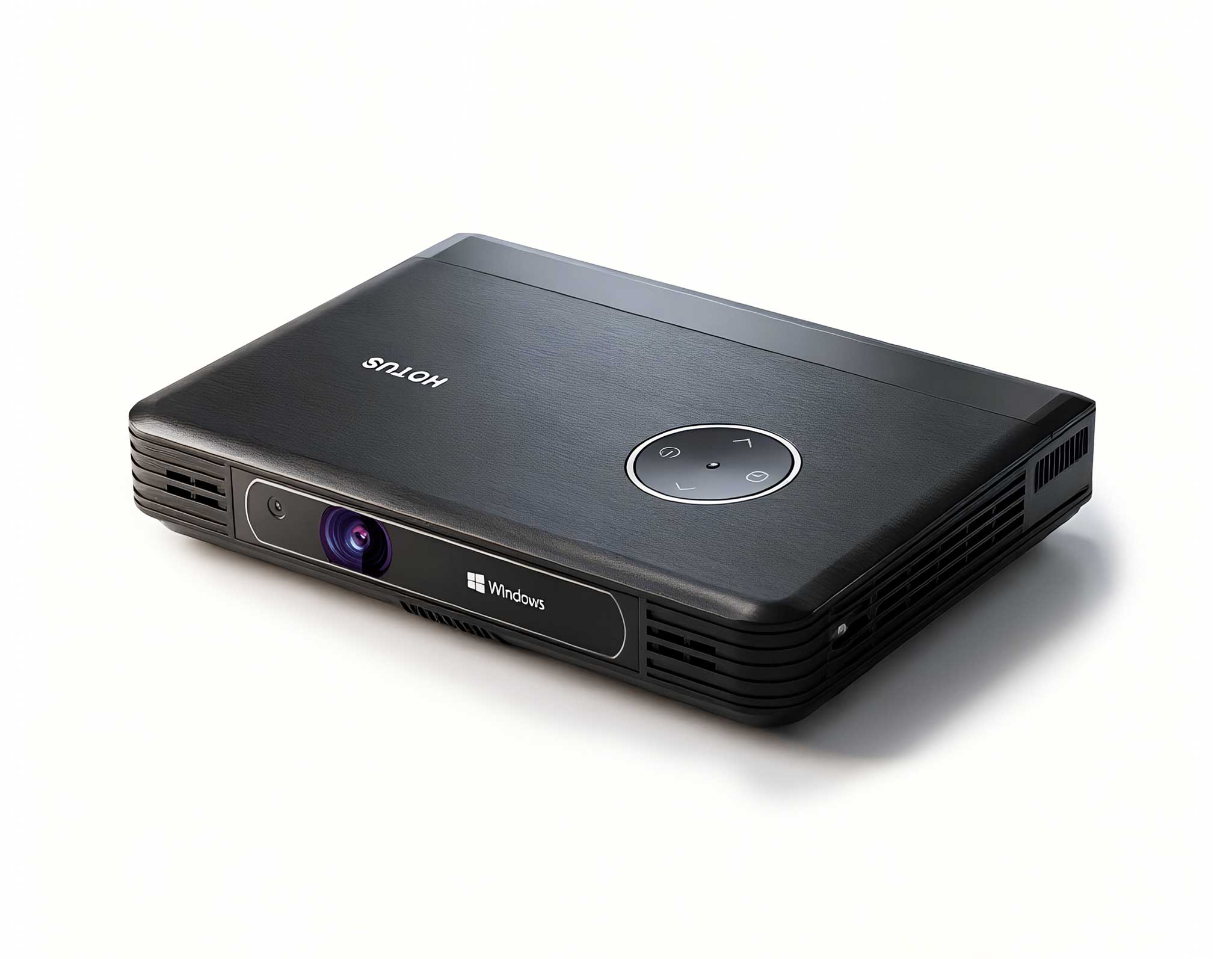
Hotus SH5‑W — Windows handheld for real‑time productivity tracking on the line

By HOTUS Technology | April 2026
Here‘s the uncomfortable math at the heart of modern manufacturing: Labor costs are rising 3‑3.5% annually, while labor productivity grew just 0.8% over the year to September 2025 — well below the long‑term average. According to Australia‘s ABS data, the gap between wage inflation and productivity growth has never been wider. With national industrial and logistics vacancy rates hovering around 3.2% — a level reflecting constrained warehousing and distribution capacity — the pressure on manufacturers has never been greater.
The stakes are global. Persistent labor shortages collide with weak productivity growth and rising global volatility, forcing businesses to fundamentally rethink their operational models. Warehouse automation is no longer a cost‑saving measure — it‘s a competitive imperative. According to Gartner, supply chain automation forecasts indicate that 40% of warehouse operators now rank labor scarcity as their single biggest operational risk.
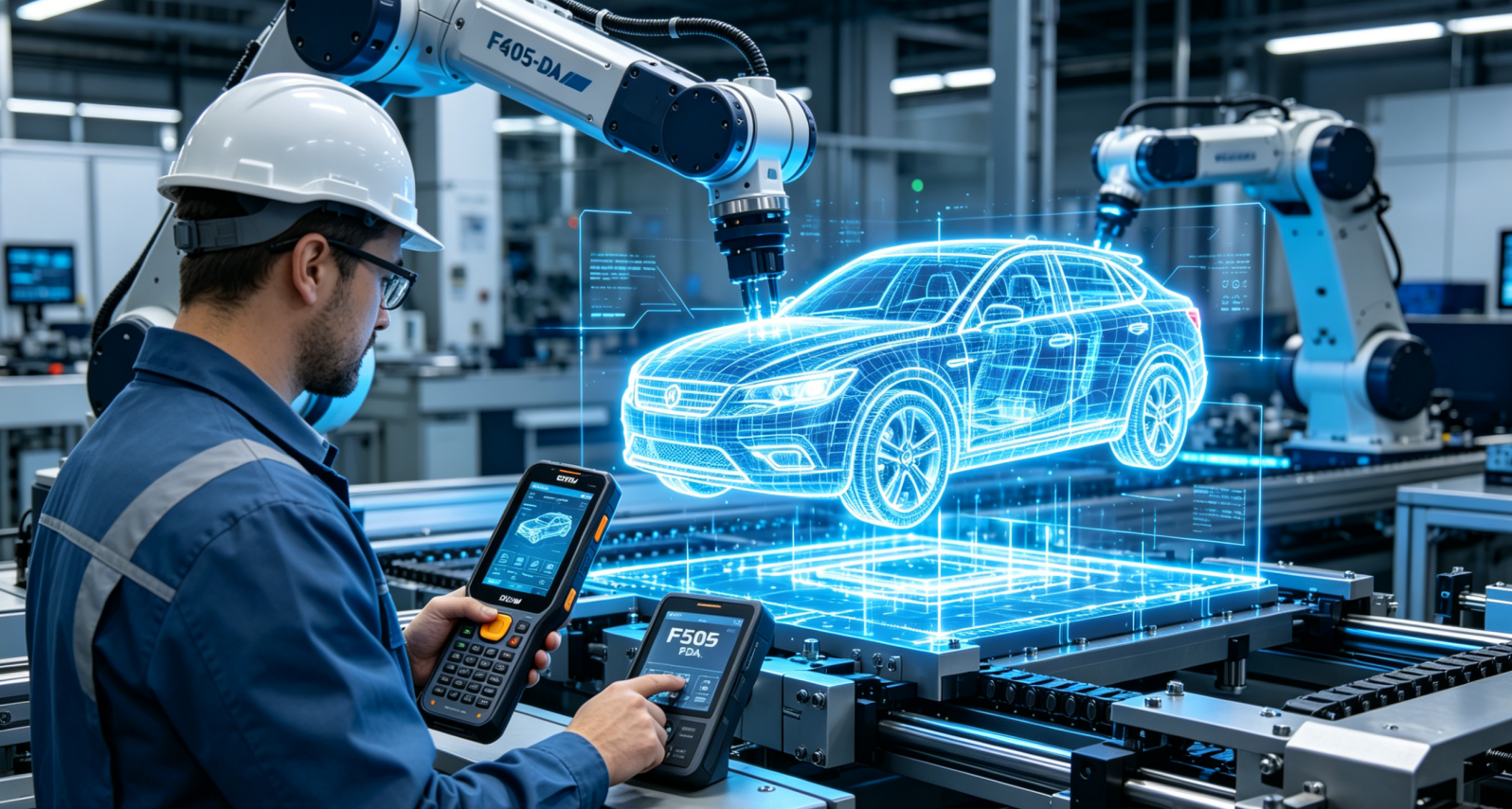
The traditional solution to labor shortages — hire more workers — is no longer viable. Labor costs are rising faster than productivity, and qualified workers are increasingly hard to find. Prologis reports that 77% of executives saw labor shortages or labor issues as a business concern heading into 2025, and 87% said investing in automation solutions can significantly minimize labor‑related issues. The message is clear: you cannot hire your way out of labor volatility.
Instead, manufacturers are turning to digital transformation — technologies that make existing workers more productive, rather than simply adding more bodies. This is where digital twins, IIoT platforms, and rugged mobile computing come together. The digital twin in manufacturing market size has grown exponentially — from $28.91 billion in 2025 to $47.24 billion in 2026 at a staggering 63.4% CAGR. The growth drivers include the spread of industrial IoT, advances in manufacturing automation technology, the use of simulation software, growing demand for production efficiency, and early‑stage smart factory initiatives.
A digital twin is a virtual replica of a production line, facility, or entire factory that is continuously updated with real‑time sensor data. Digital twins enable operators to:
But digital twins are only as valuable as the interfaces that bring them to life on the factory floor. The Hotus SH5‑W Windows handheld and Hotus F505 PDA serve as the mobile interfaces for digital twin visualization and data capture:
A large food processing plant with 24/7 operations deployed 30 digital twins, 50 SH5‑W handhelds, and 25 F505 PDAs across its production lines. Results after 12 months:
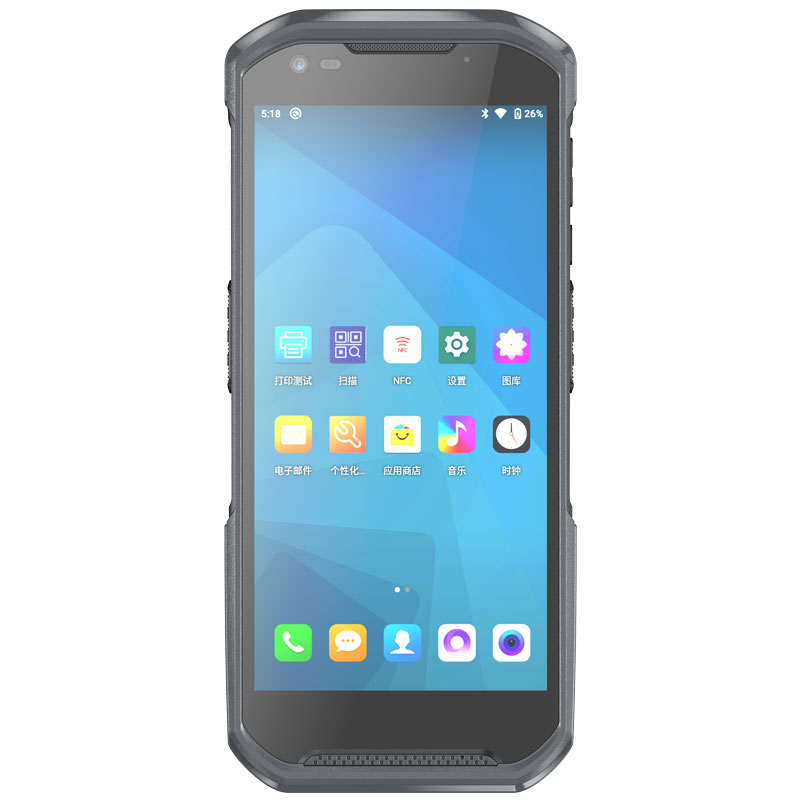
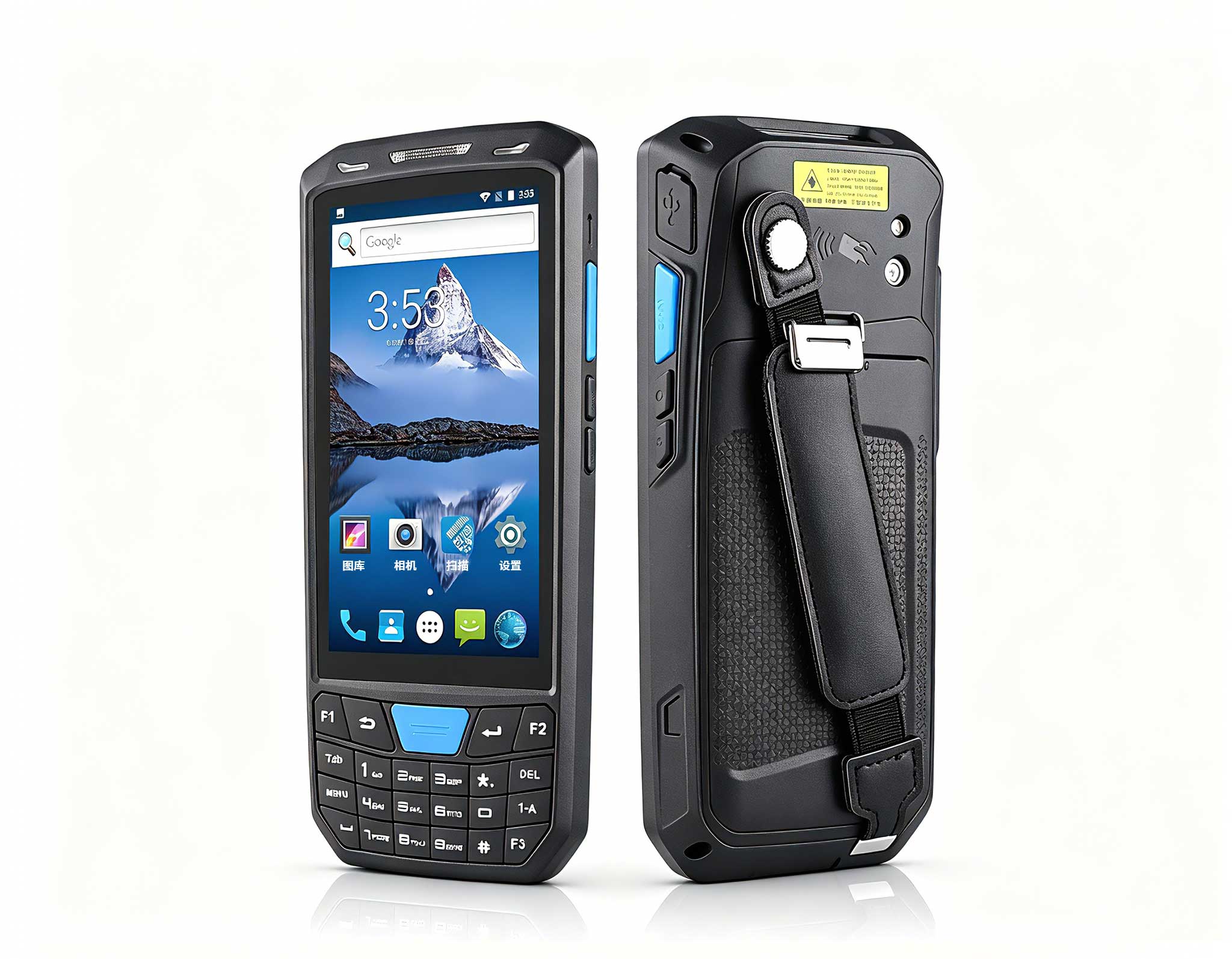
Hotus F505 — PDA for real‑time quality data capture on the line
Contact HOTUS Technology to discuss your manufacturing productivity needs, request pilot units, or explore custom Windows handheld and PDA solutions for digital twin integration.