- Select Language
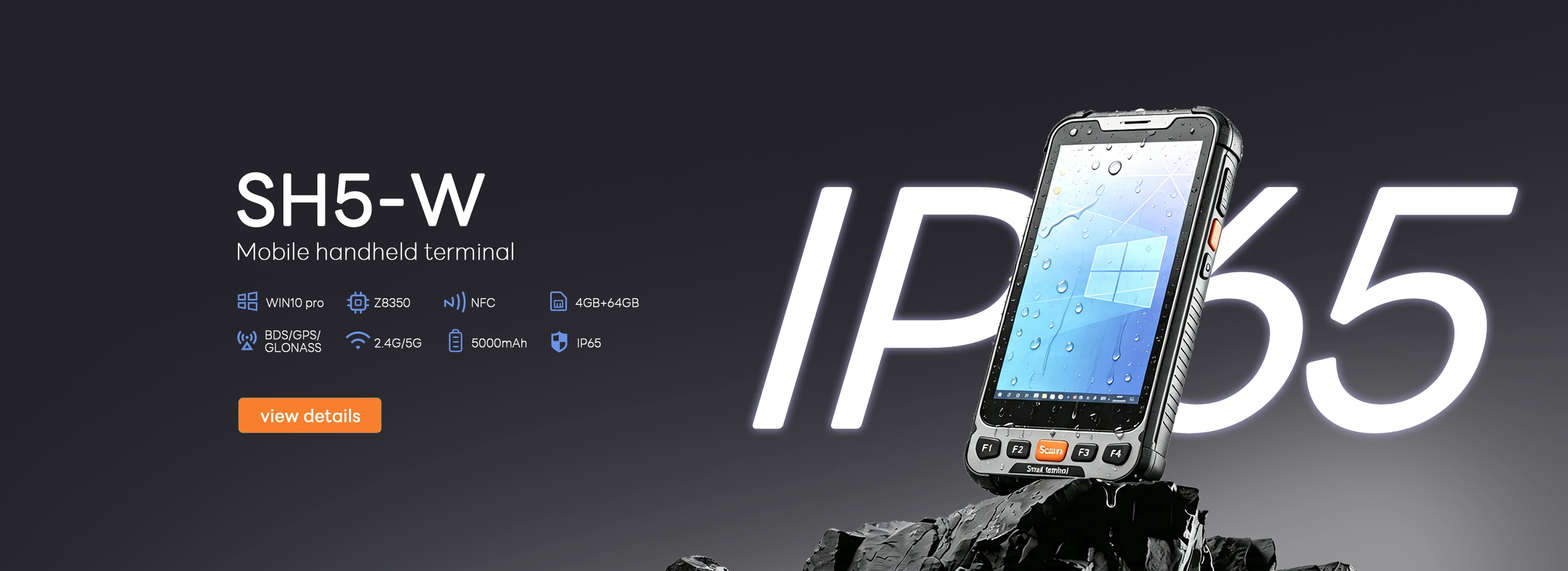
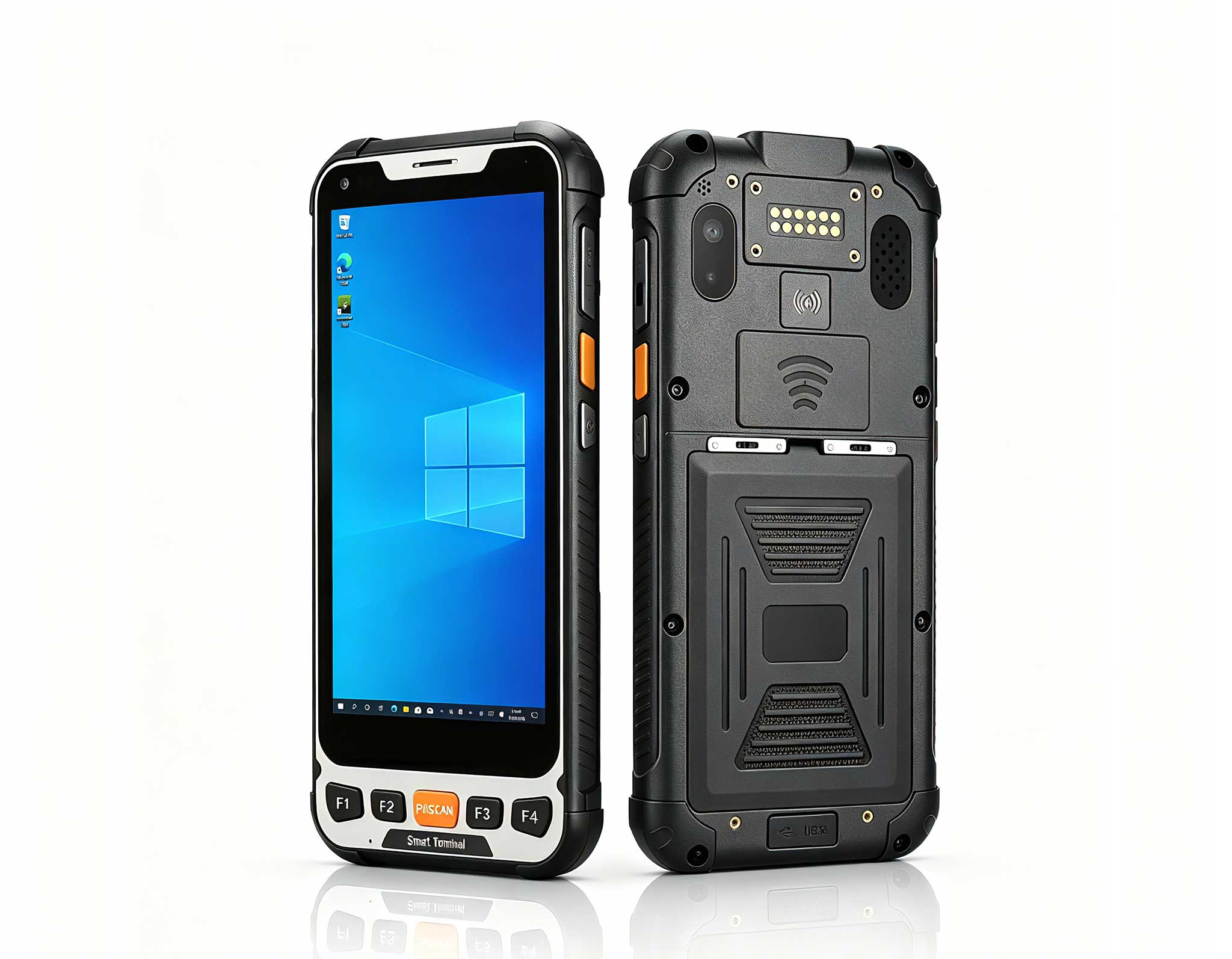
Full SpecificationsModel Hotus SH5‑WOperating ...
The F505 Handheld PDA is a compact, high-performan...
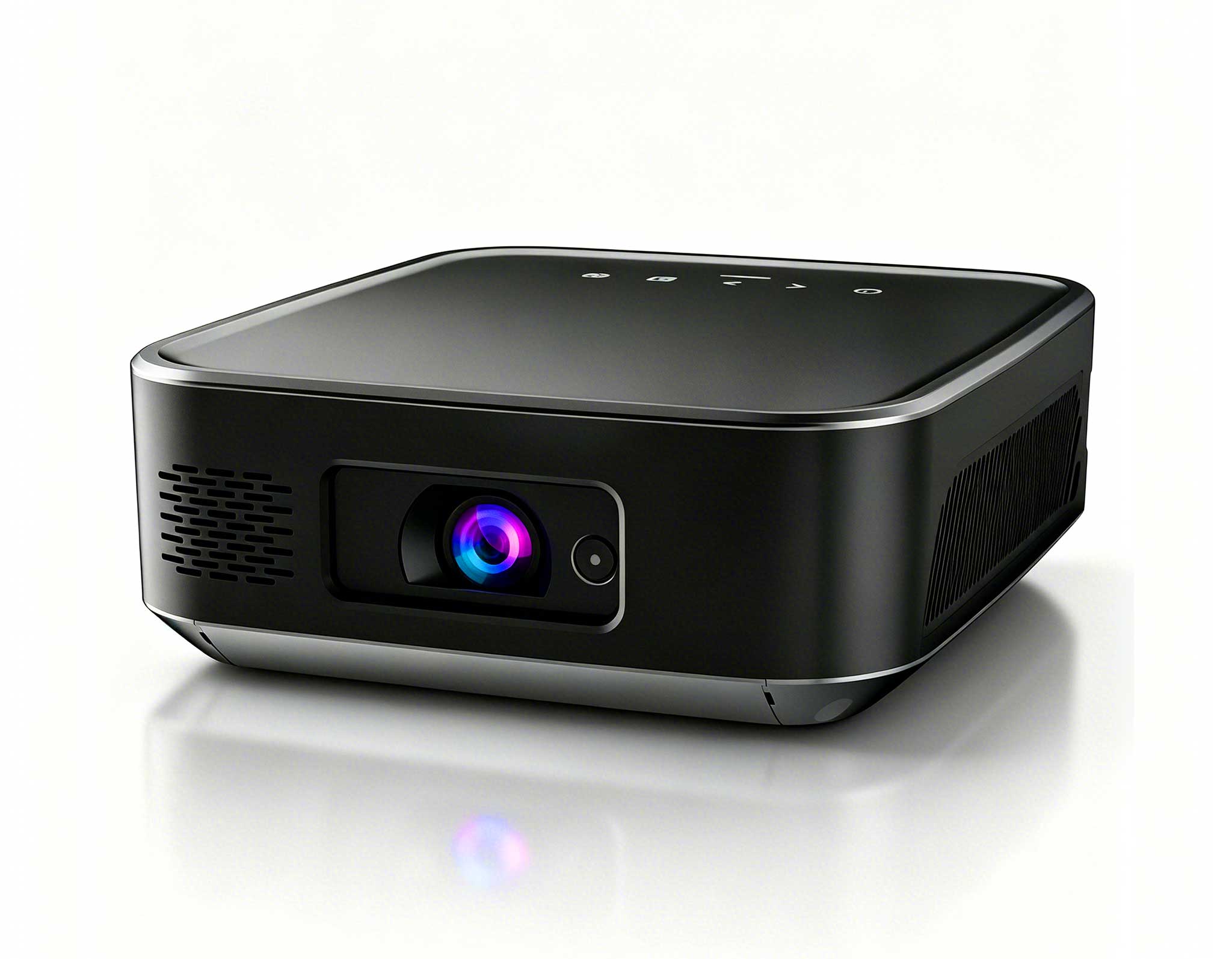
One Device, Dual Functions – A Projector and a Com...
Maintenance instructions: Store at room temperatur...
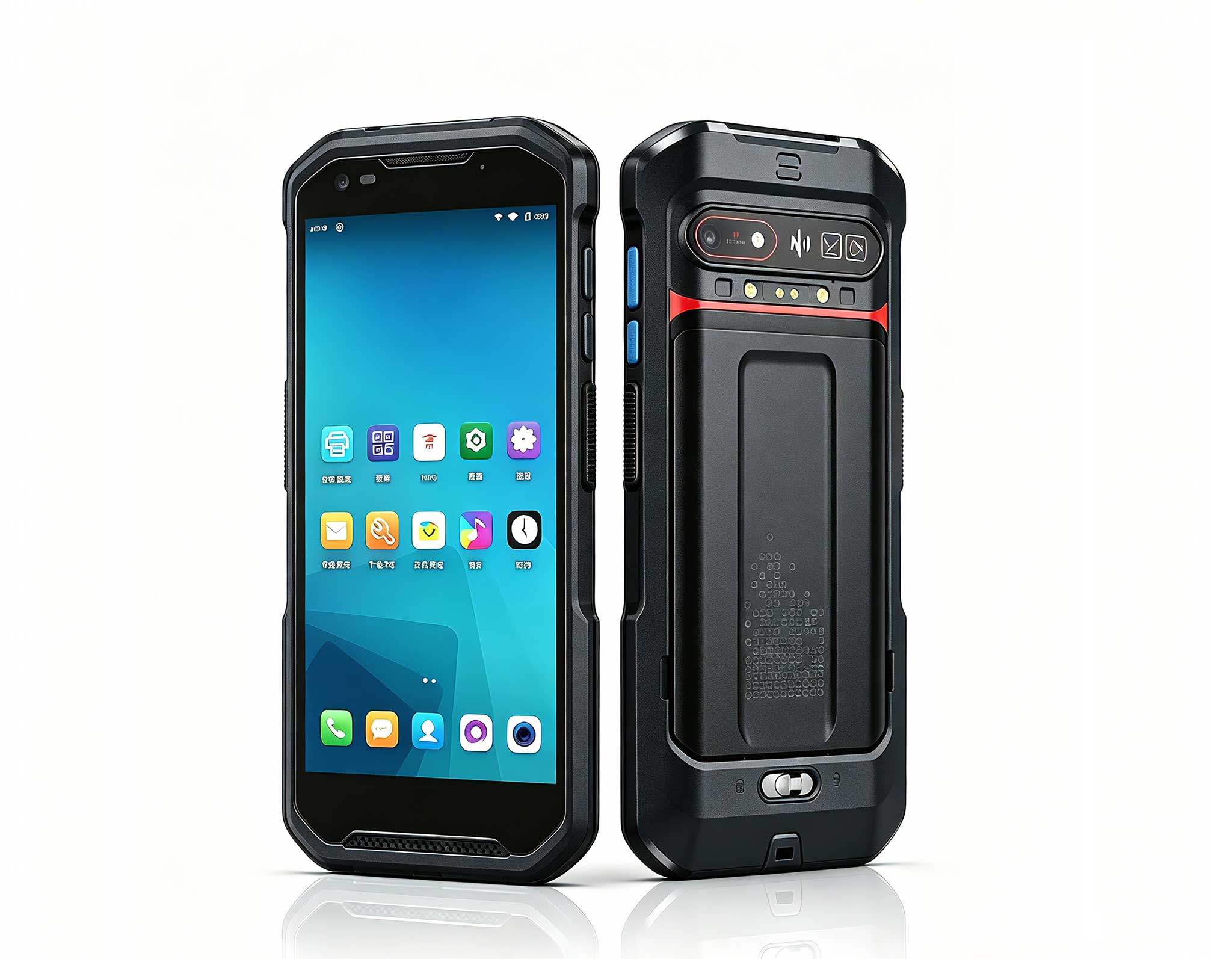
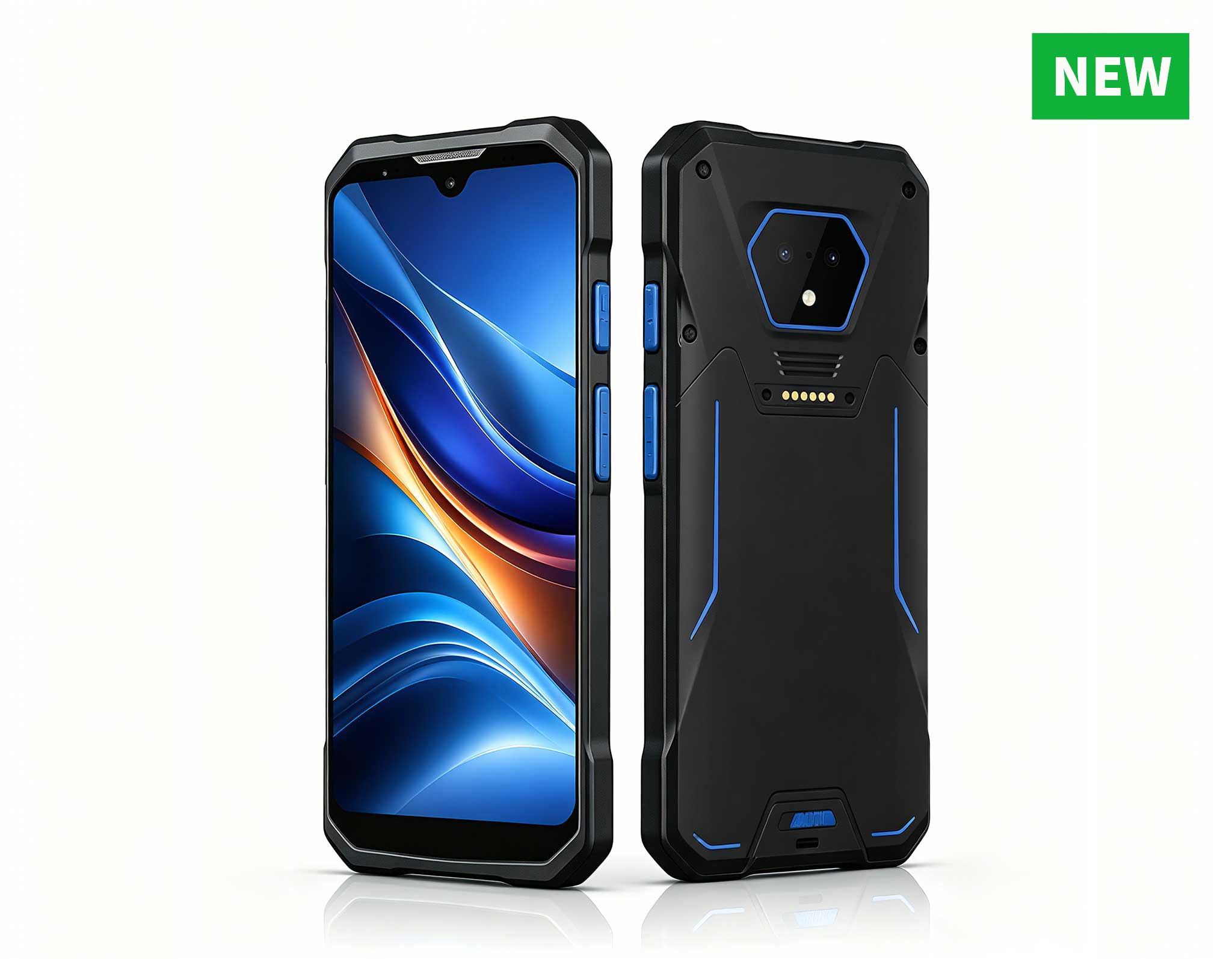
RS51 4G Rugged Handheld Terminal | 6.3" FHD+ ...
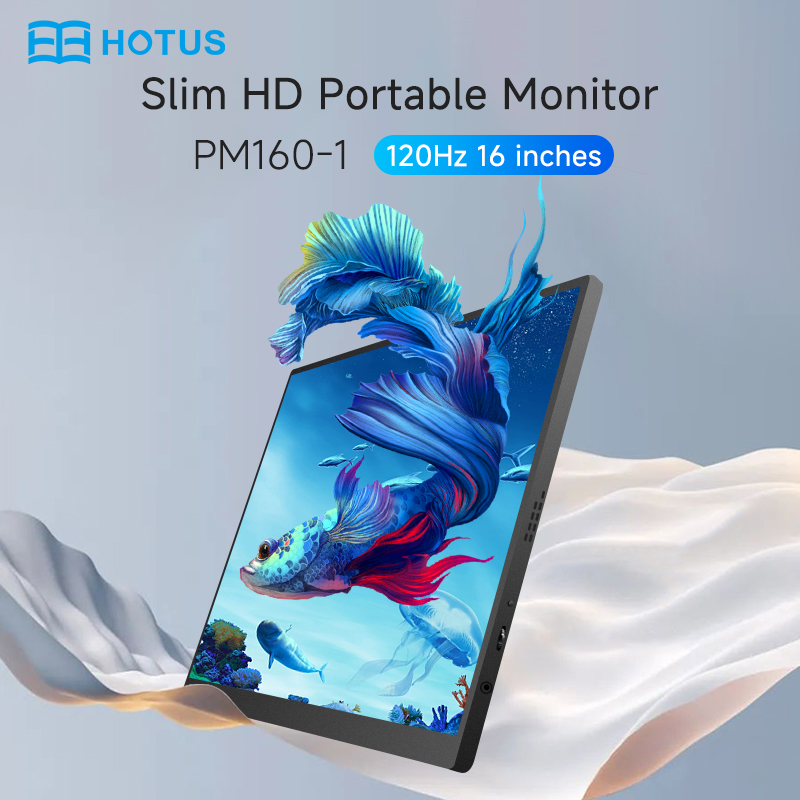
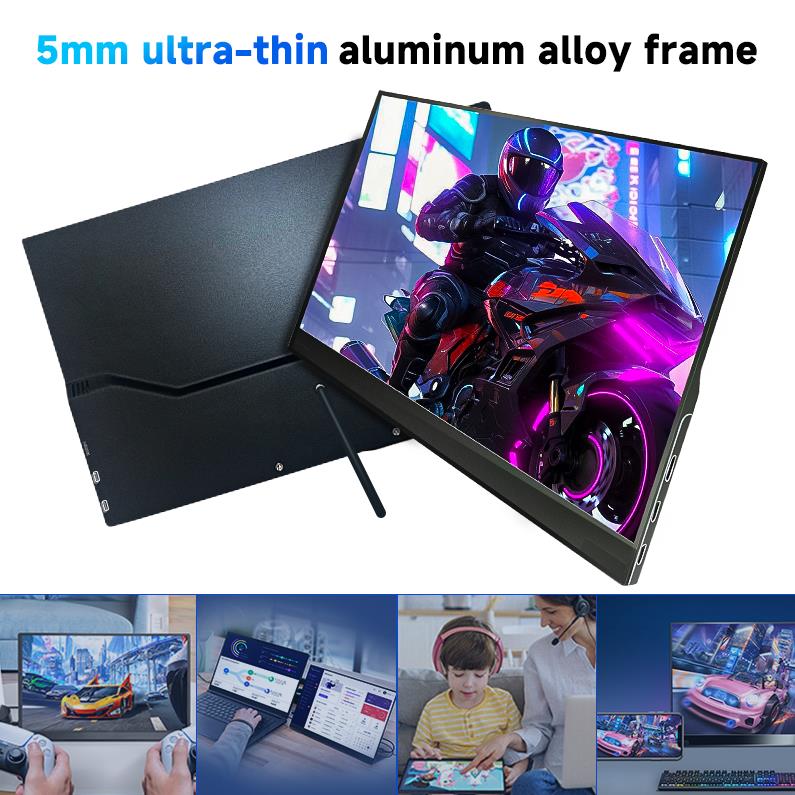
The PM133-2 is a 13.3-inch portable monitor featur...
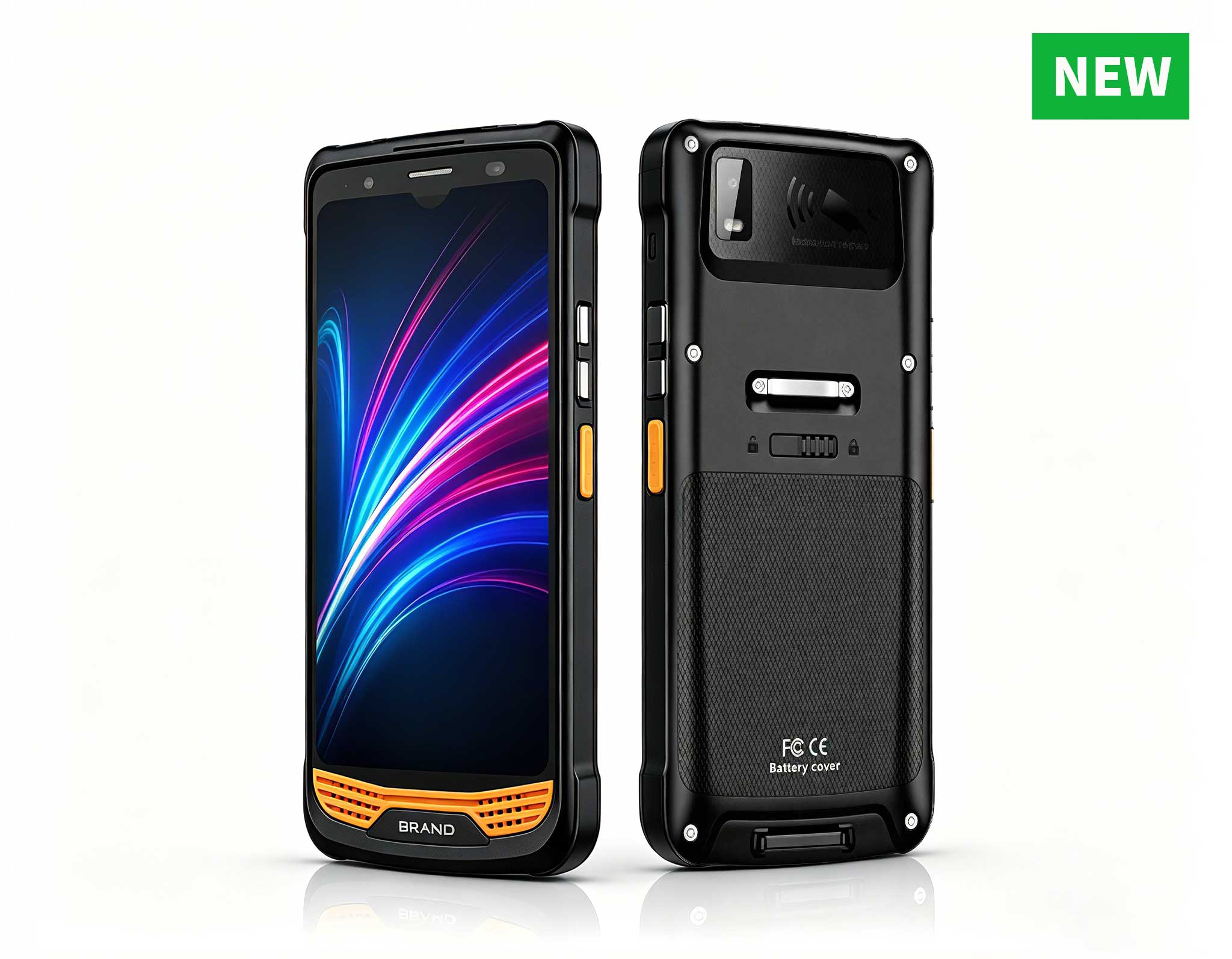
R366-S 5.5-inch Industrial PDA | Qualcomm Octa-cor...
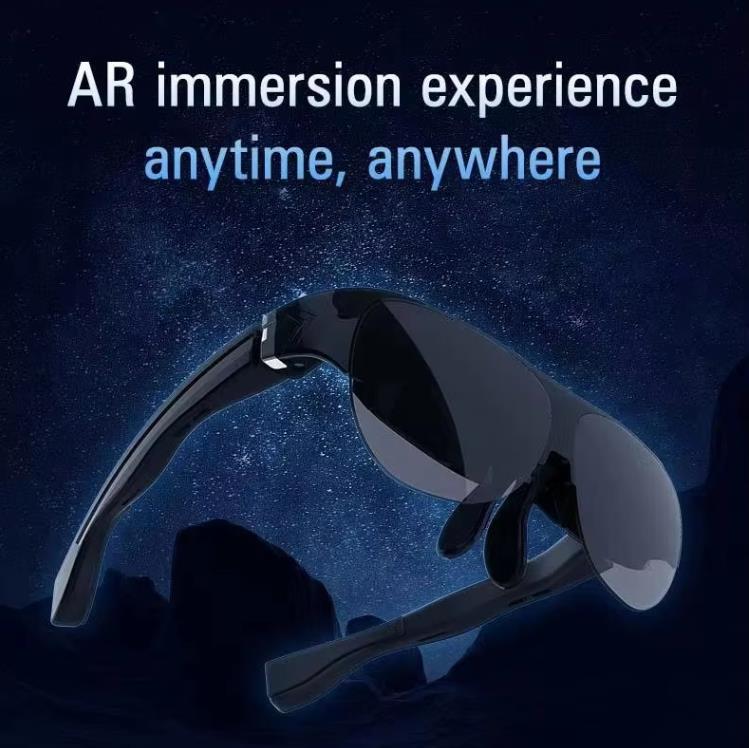
Hotus AR Smart Glasses — explosion‑proof AR for petrochemical and mining safety
By HOTUS Technology | April 2026
In a petrochemical plant, a single spark from a non‑certified electronic device could trigger a catastrophic explosion. In an underground coal mine, a device that isn‘t intrinsically safe could ignite methane gas. In a grain processing facility, dust particles in the air can combust with the heat from a standard smartphone battery.
This is the reality of hazardous industrial environments — and it‘s why the industrial explosion‑proof AR helmet market is rapidly emerging. According to QYResearch, the global industrial AR glasses market was valued at approximately $4.11 billion in 2024 and is projected to reach $7.31 billion by 2031, at an 8.7% CAGR. The metaverse in manufacturing market — which integrates VR, AR, digital twins, and real‑time data — is projected to grow from $18.54 billion in 2025 to $23.73 billion in 2026 at a 28.0% CAGR.
My take: we‘ve been thinking about industrial AR all wrong. The conversation has focused on productivity gains — faster repairs, fewer errors, better training. But in hazardous environments, the primary value proposition of AR isn‘t productivity — it‘s safety. An explosion‑proof AR helmet that allows a worker to see real‑time gas concentration readings, oxygen levels, and evacuation routes isn‘t a nice‑to‑have — it‘s a life‑saving tool.
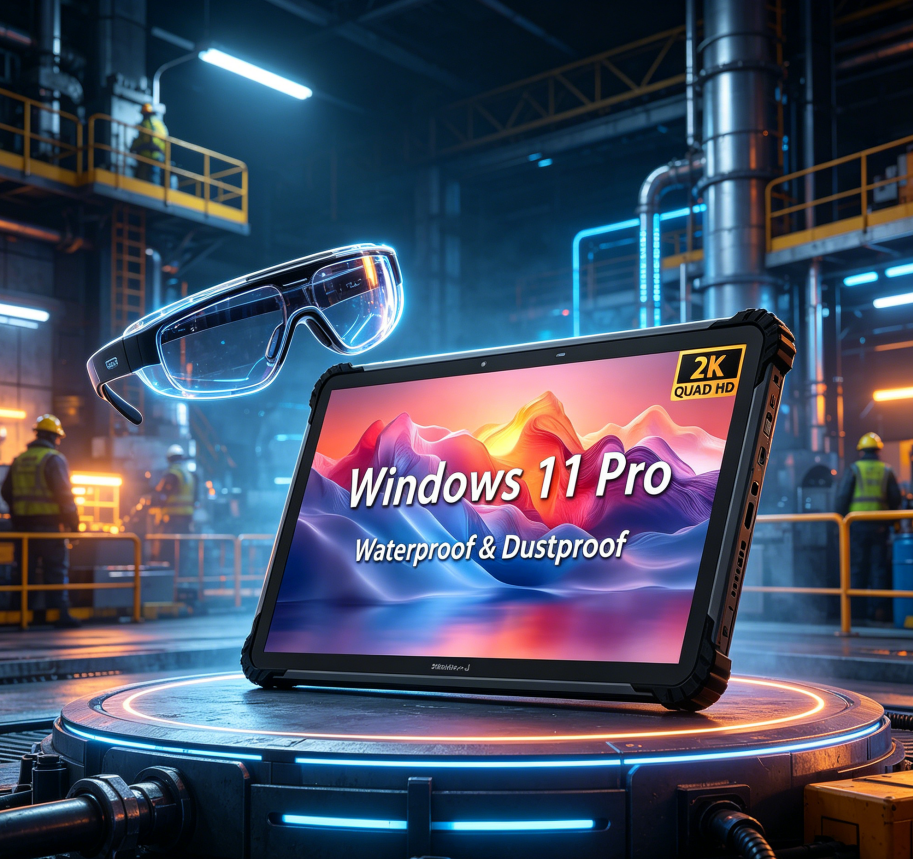
Consumer AR glasses prioritize style, weight, and display quality. Industrial AR glasses prioritize something else entirely: survival. According to market research, industrial AR glasses emphasize:
The Hotus AR Smart Glasses are designed to meet these industrial requirements, with optional explosion‑proof certifications for use in petrochemical, mining, and energy applications.
In hazardous environments, AR smart glasses enable:
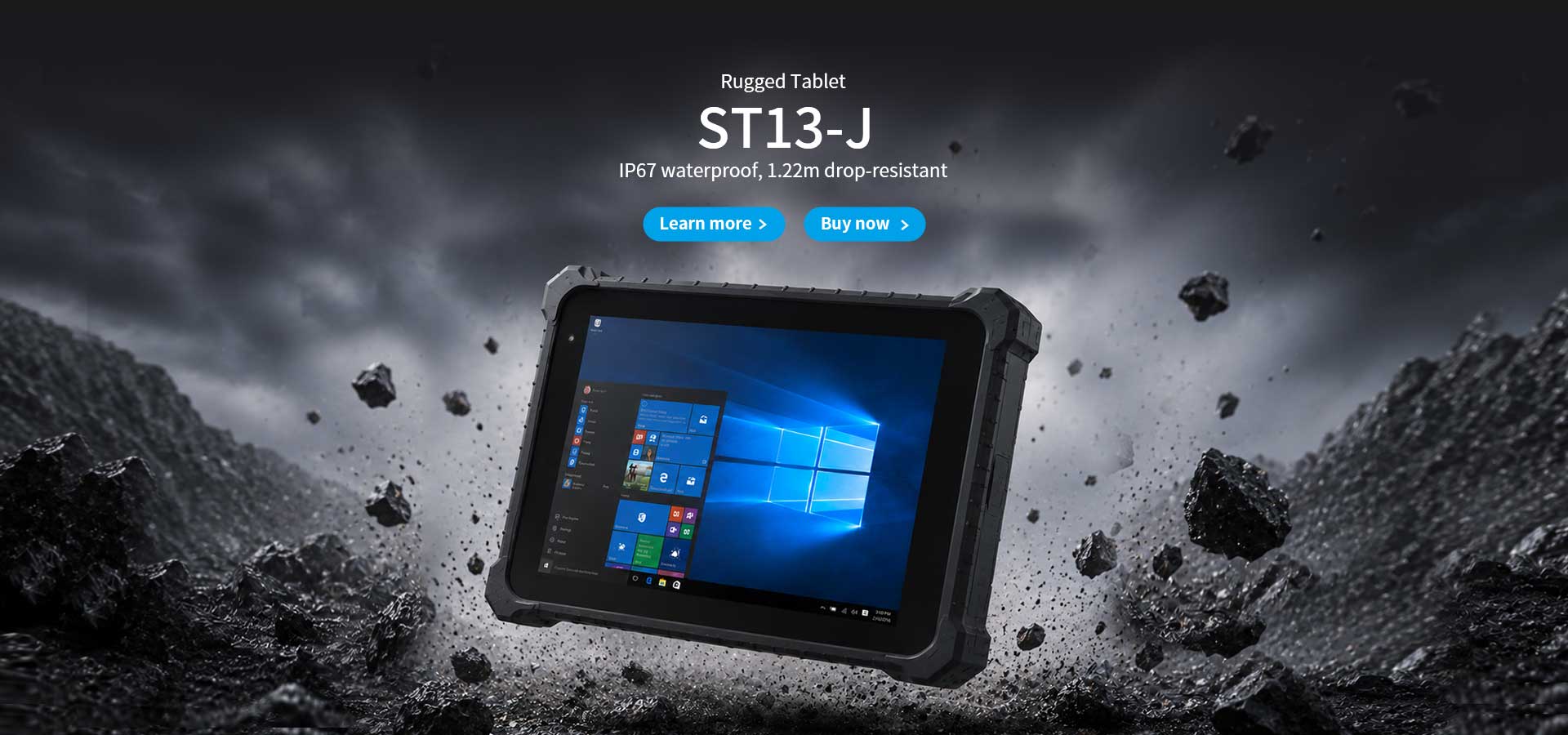
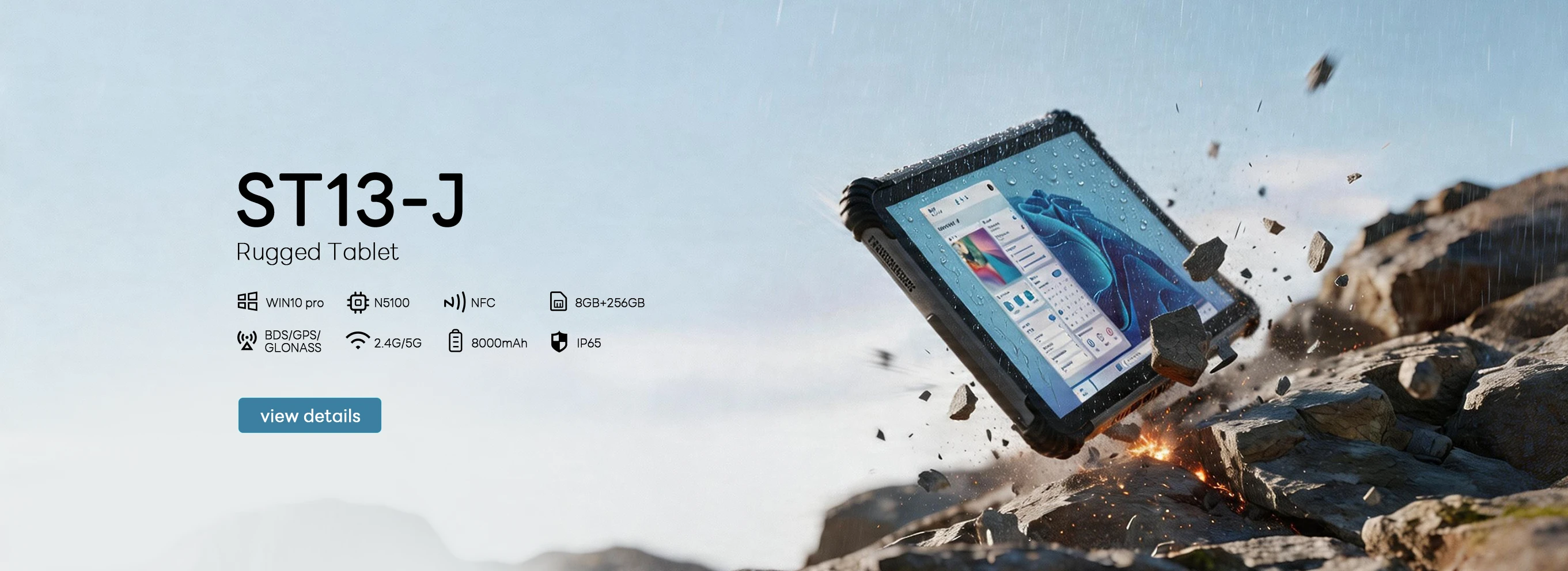
While AR glasses provide hands‑free information at the point of work, Hotus ST13‑J 13.3″ Windows Rugged Tablets serve as the safety supervisor‘s command console:
Immersive technologies like Virtual Reality and Augmented Reality are transforming safety training. VR allows workers to practice handling hazardous situations in a completely safe environment — from chemical spills to equipment fires to confined space rescues. Workers can experience the consequences of unsafe decisions without actual risk, building muscle memory and hazard recognition skills. The integration of AR and VR creates a complete safety ecosystem: VR for training, AR for execution.
A major petrochemical plant deployed 50 explosion‑proof Hotus AR Smart Glasses and 10 ST13‑J tablets across its refinery operations. Results after 12 months:
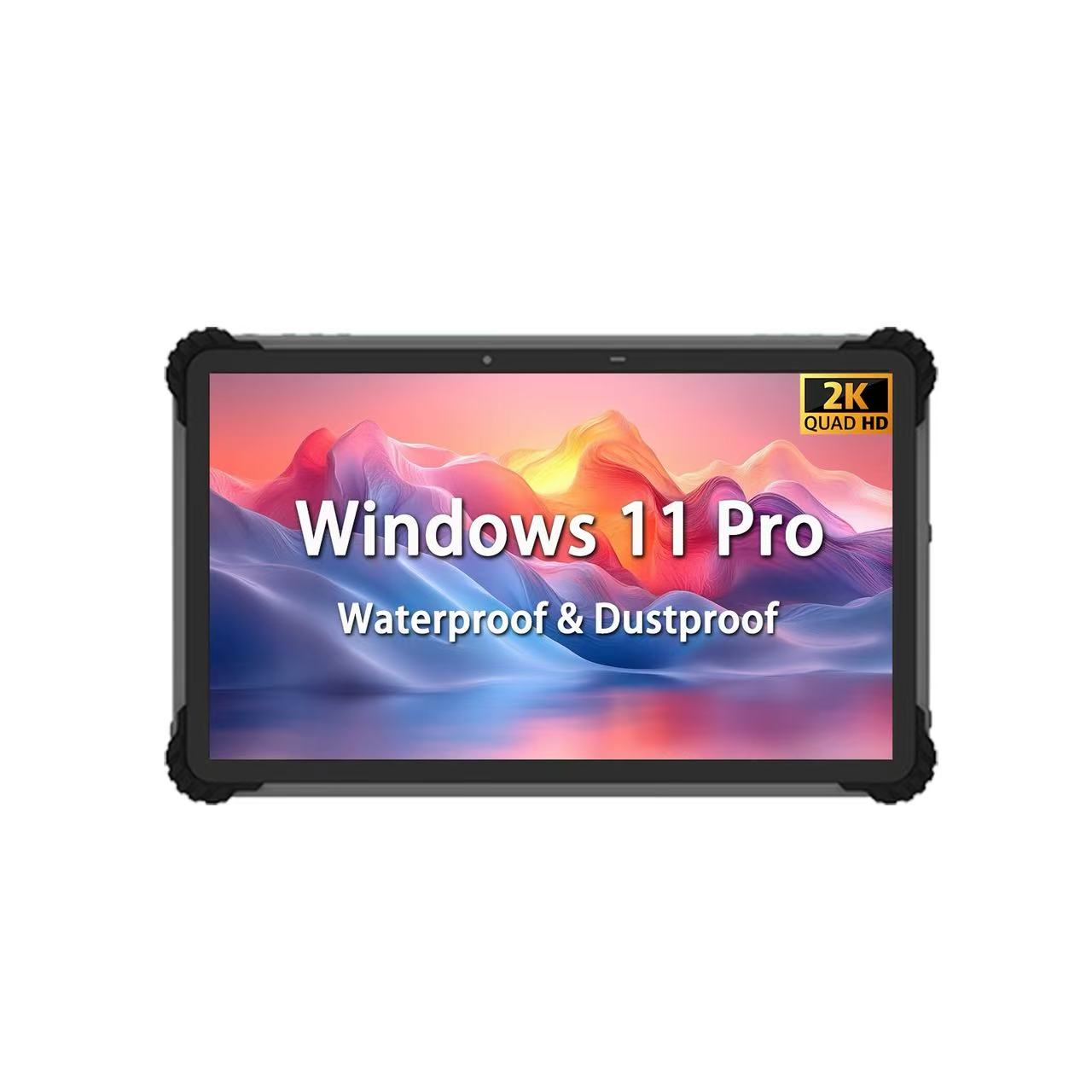
Hotus ST13‑J — large‑screen Windows tablet for safety supervisor command center
Contact HOTUS Technology to discuss your industrial AR safety needs, request pilot units, or explore custom explosion‑proof AR glasses and rugged tablet solutions for hazardous environments.