- Select Language
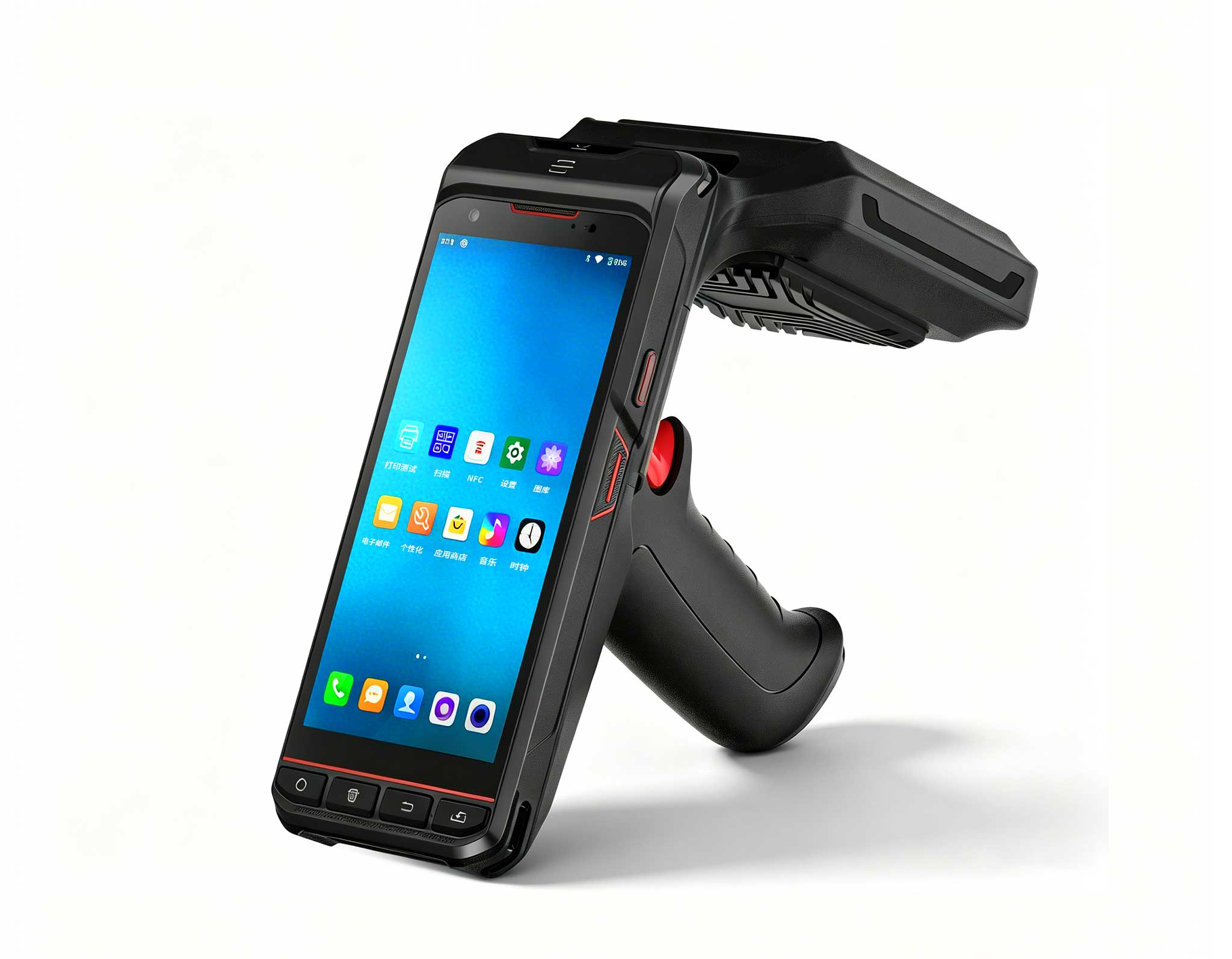
The R501 PDA combines a powerful MT6762 Octa-Core ...
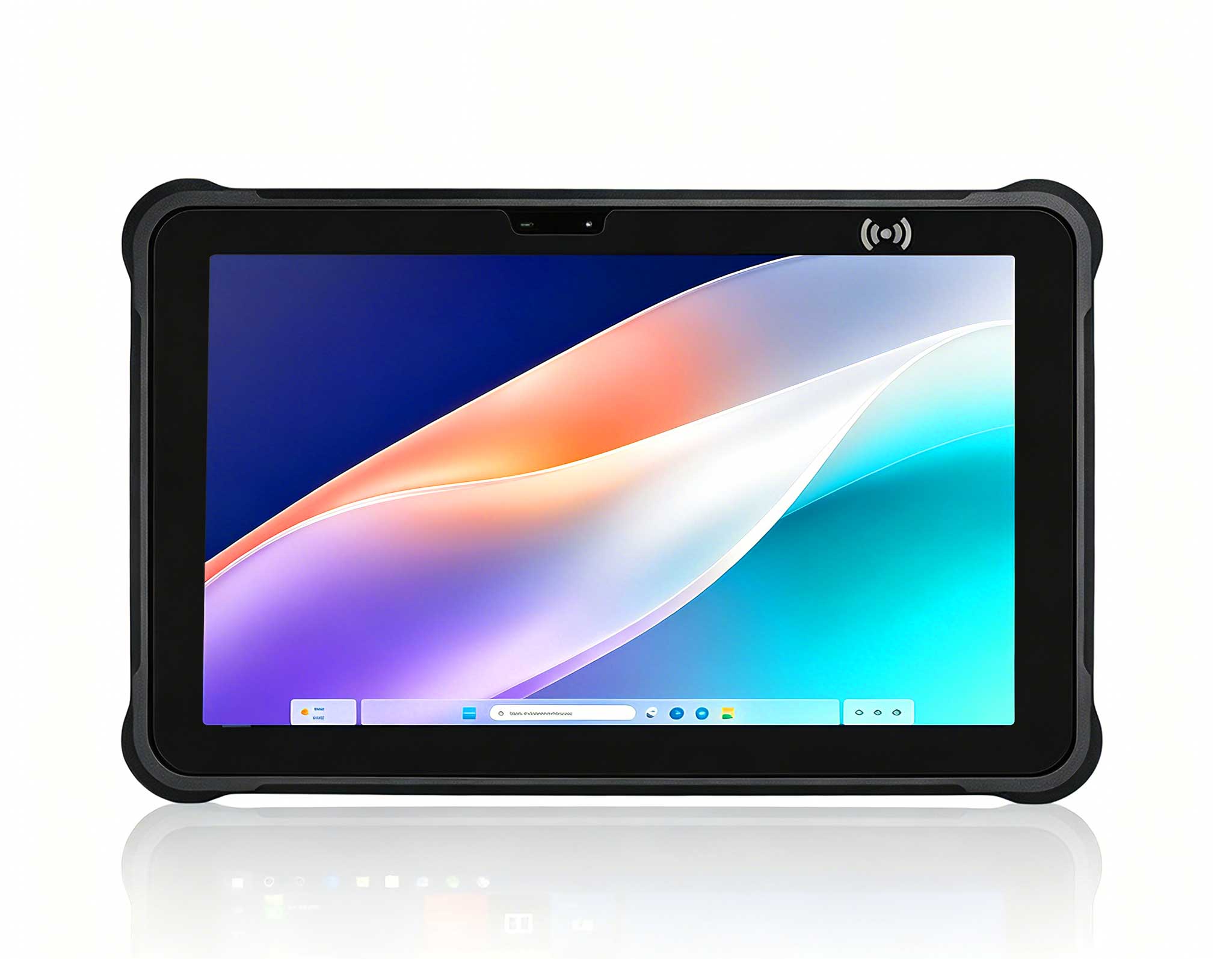
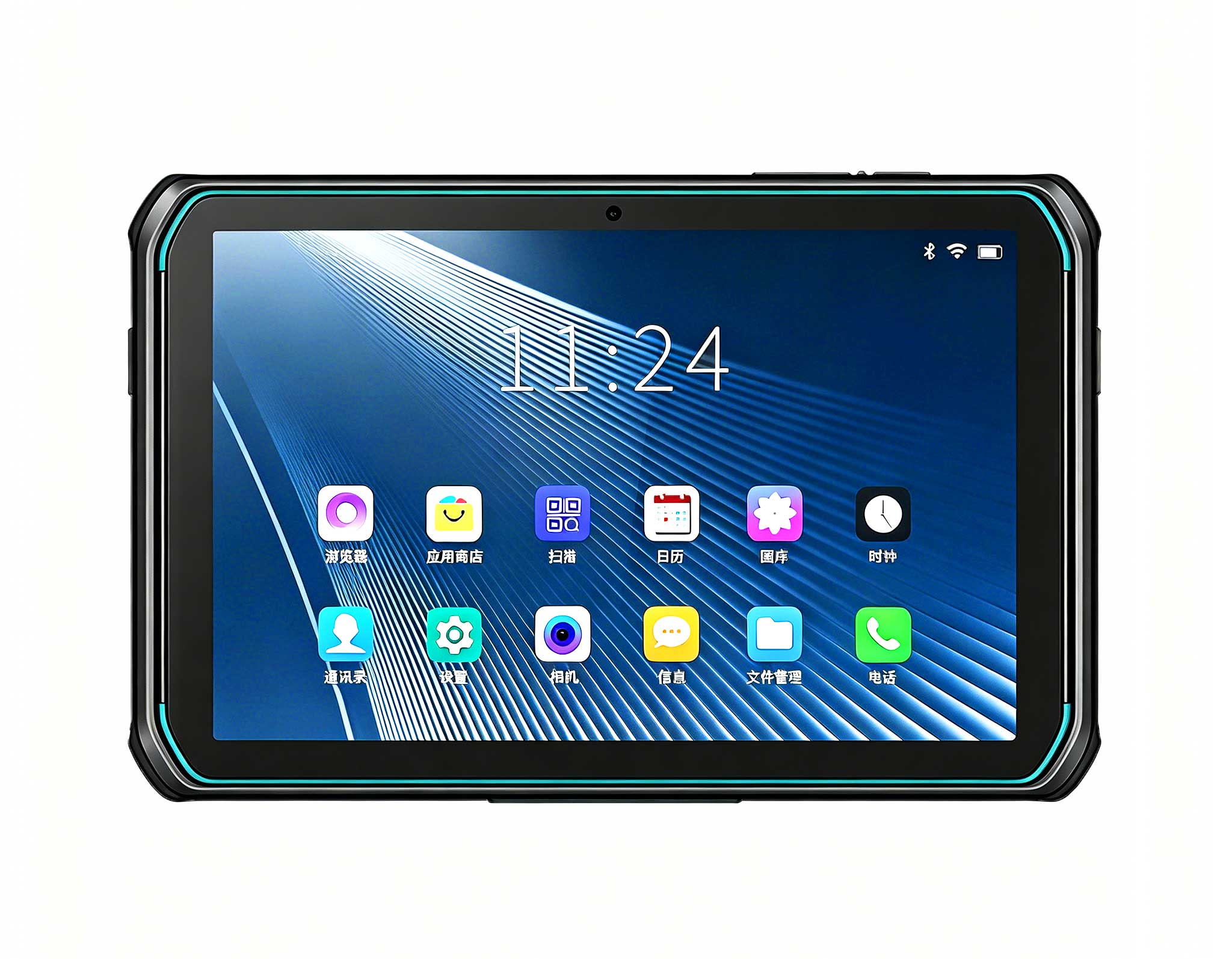
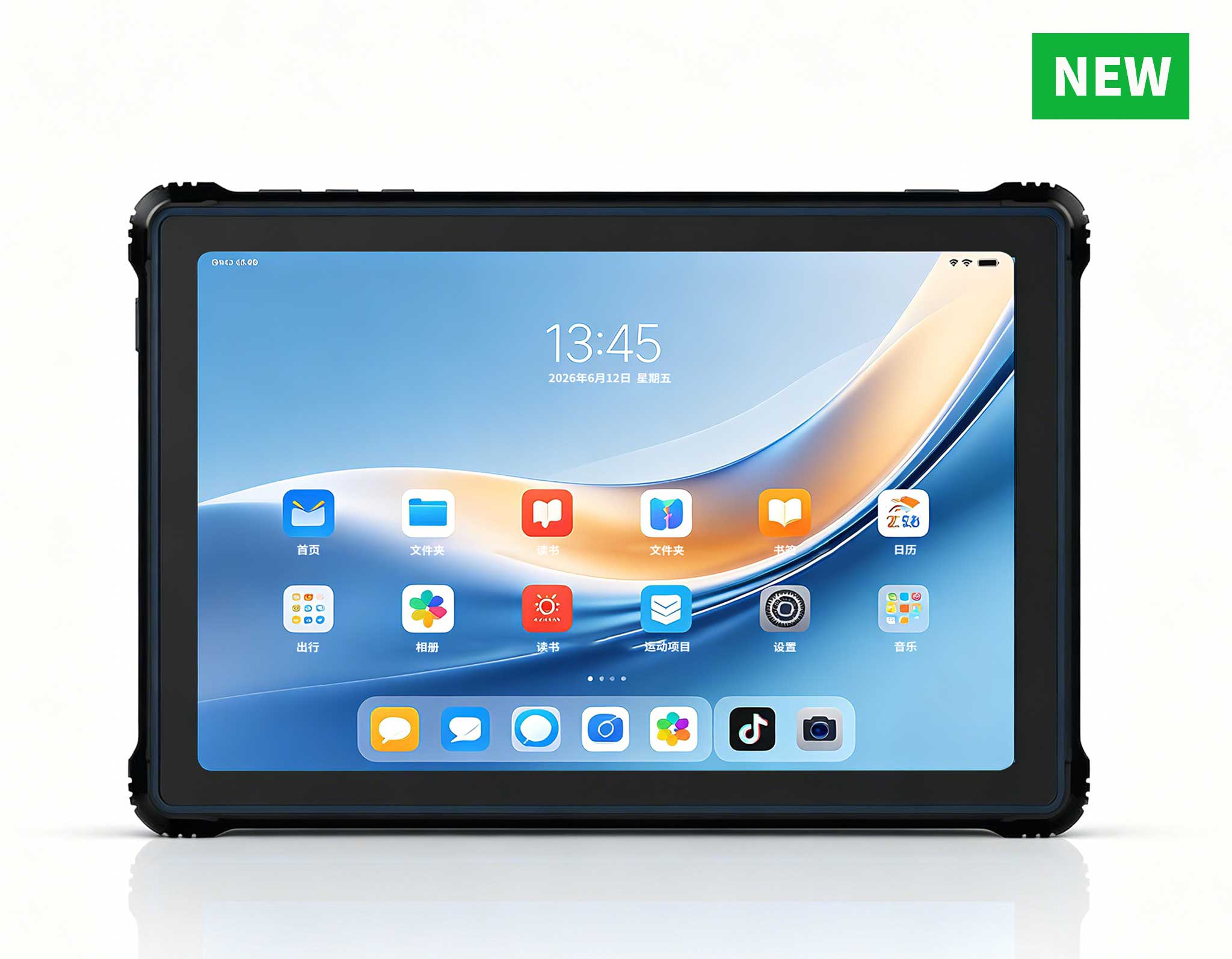
RT81 4G Rugged Tablet | 10.1" FHD 400nit | Qu...
RT82 5G Rugged Tablet | 10.1" FHD 400nit | Qu...
Technical SpecificationsModel: Palm-sized miniPCTy...
From the unknown so simpleUsed for mobile phones, ...
Explore an innovative Personal Digital Assistant f...
The F505 Handheld PDA is a compact, high-performan...
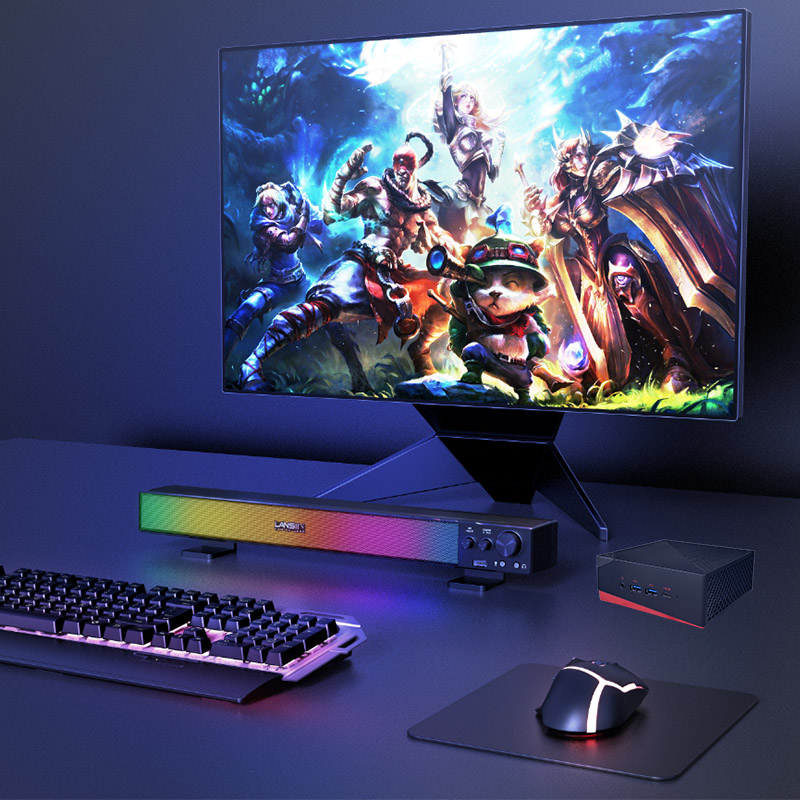
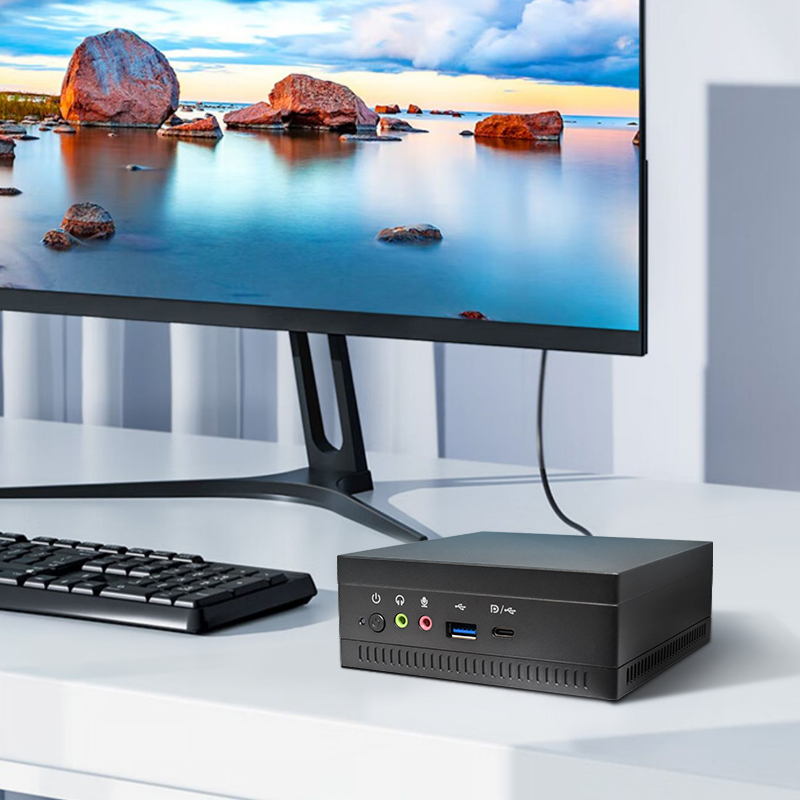
This ultra-compact mini PC offers powerful perform...
R530C 6.0-inch Industrial PDA | Qualcomm Octa-core...
R366-S Thin 5.5-inch Industrial PDA | Qualcomm Oct...
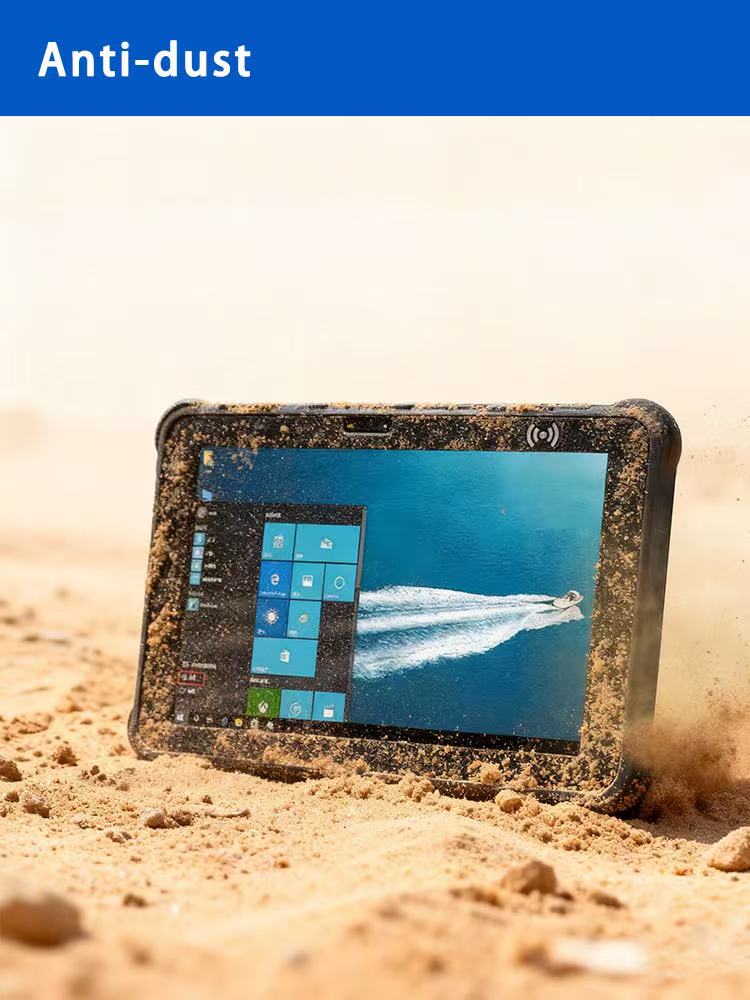
Hotus ST11‑J — Windows tablet for humanoid robot fleet management
By HOTUS Technology | April 2026
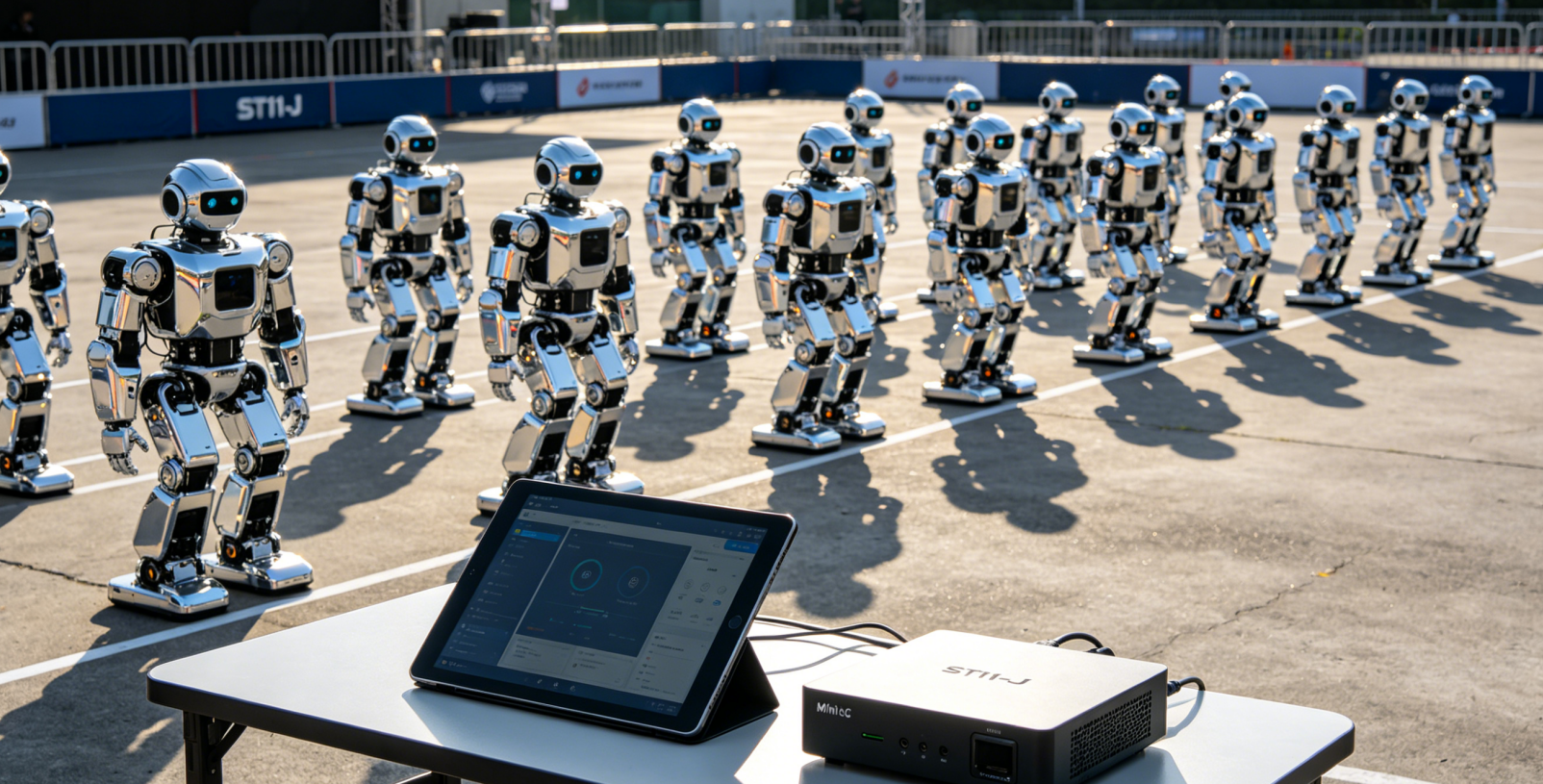
On April 19, 2026, a remarkable spectacle unfolded in Beijing’s E-Town. 300 humanoid robots representing 26 brands lined up alongside human runners for the second annual Humanoid Robot Half Marathon [citation:2]. Among them were familiar names like Unitree’s H1 and Alibaba’s first quadruped robot, competing not just for speed but for endurance, stability, and real‑time decision‑making under pressure. Two days earlier, at the China International Consumer Products Expo, humanoid robots had captivated audiences with their agility and intelligence [citation:2].
These events are more than just spectacles — they signal a profound shift. The humanoid robotics industry is racing toward full commercialization. According to赛迪研究院 (CCID), the global embodied intelligence market is projected to grow at a staggering 73% compound annual growth rate, reaching 238.8 billion RMB by 2030 [citation:3]. China alone produced approximately 14,400 humanoid robots in 2025, accounting for 84.7% of global shipments, with a market value of 1.55 billion RMB — 53.8% of the global total [citation:2]. By 2030, annual shipments are expected to reach 262,000 units; by 2035, 2.6 million [citation:2].
But beneath the headlines lies a practical challenge that few discuss: how do you manage, monitor, and maintain hundreds of humanoid robots deployed across factories, warehouses, and public spaces? The answer lies at the edge — in rugged, Windows‑based mobile computing that brings fleet management, diagnostics, and real‑time control directly to the point of work.
The dominant narrative around humanoid robots focuses on their AI brains — the large language models and vision systems that enable them to perceive, reason, and act. But in real‑world industrial deployments, the infrastructure challenge is equally critical. Latency kills productivity. A 500‑millisecond cloud round‑trip might be acceptable for a chatbot, but for a robot navigating a crowded factory floor or assembling a delicate component, that delay could mean a dropped object, a collision, or a production stoppage.
This is why edge computing is emerging as the backbone of the humanoid robotics industry. According to赛迪研究院, the convergence of AI, edge computing, and robotics is one of the defining trends of 2026 [citation:6]. Edge devices — rugged tablets and mini PCs deployed alongside robot fleets — handle real‑time processing, local inference, and low‑latency control, while cloud platforms manage long‑term training, fleet coordination, and analytics.
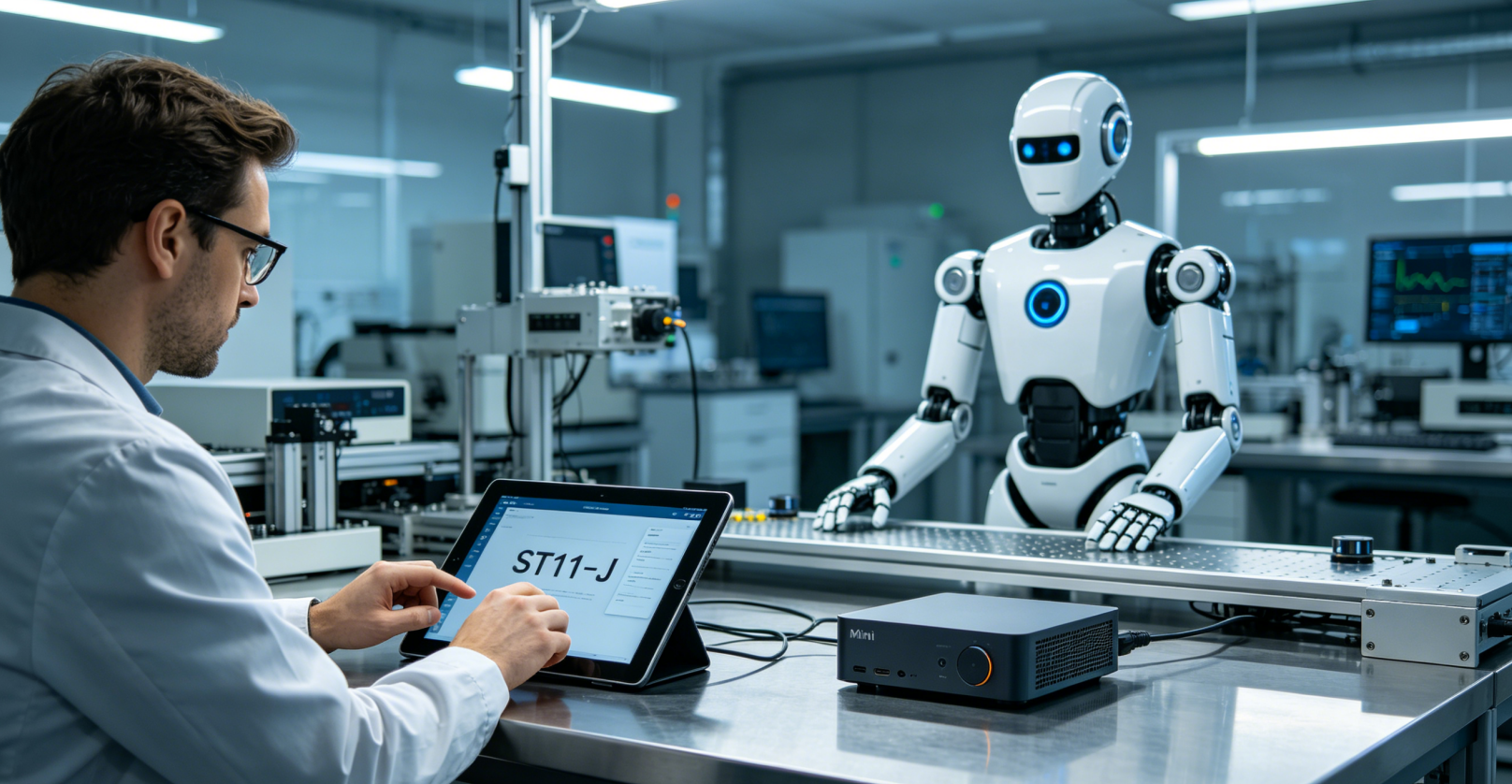
The Hotus ST11‑J 10.1″ Windows Rugged Tablet and Hotus Palm‑sized Mini PC are purpose‑built for this distributed computing architecture.
A single humanoid robot is a marvel of engineering. A fleet of 100 robots is a logistics challenge. Each robot generates terabytes of sensor data daily — camera feeds, LiDAR point clouds, joint torque readings, battery status, and task completion logs. Without a unified interface to monitor and manage these data streams, the fleet quickly becomes unmanageable.
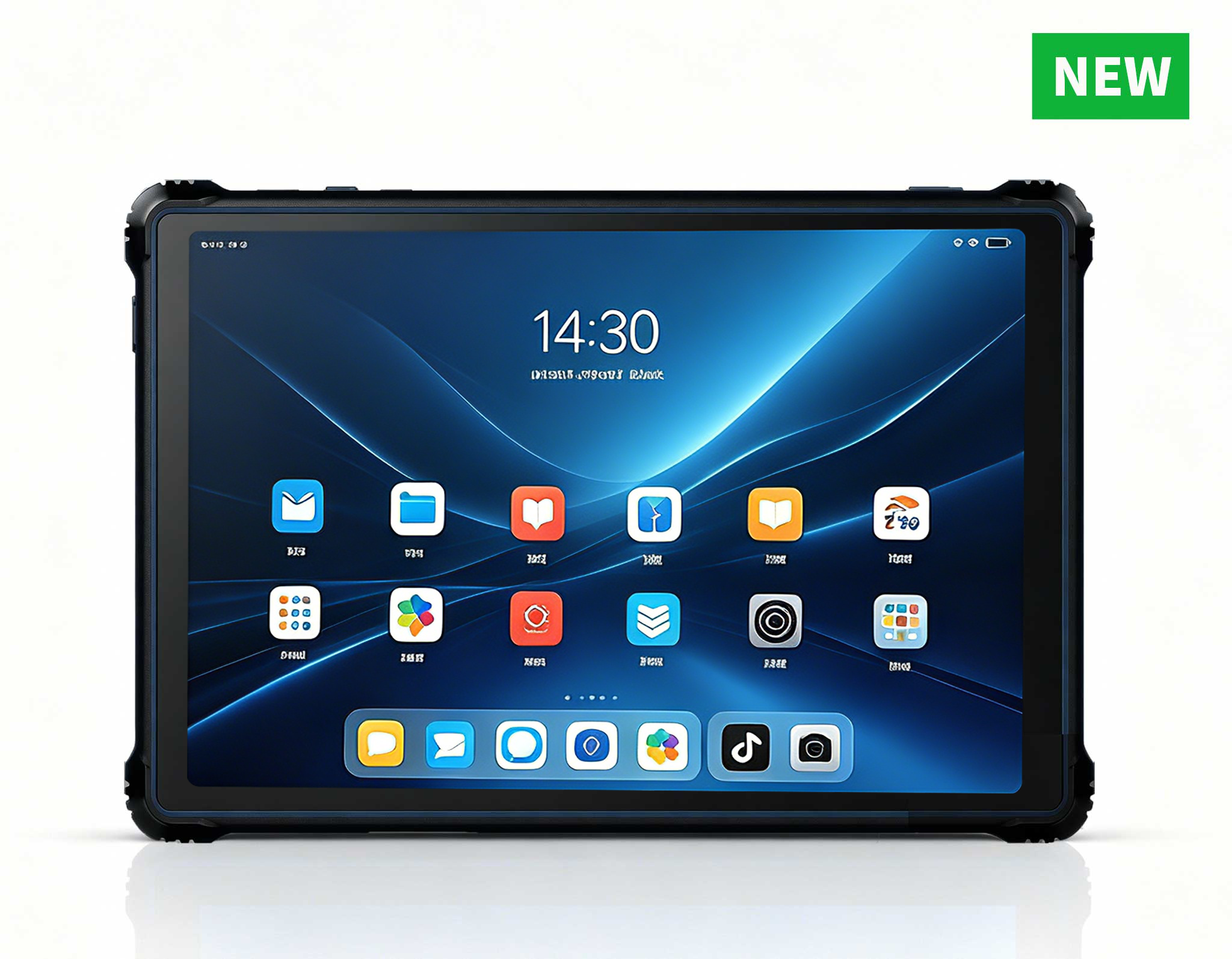
The ST11‑J Windows rugged tablet serves as the mobile command center for robot supervisors. With its 10.1‑inch high‑brightness display (1000+ nits), Windows 11 Pro operating system, and IP67 rugged protection, it can be used anywhere on the factory floor — from robot charging stations to assembly lines to warehouse aisles. Supervisors can:
The Hotus Palm‑sized Mini PC plays an equally critical role as an edge gateway. Mounted in control cabinets, robot charging stations, or network closets, it processes data locally before sending only essential insights to the cloud. Key advantages include:
The timing is no coincidence. In January 2026, eight Chinese ministries jointly issued the “AI + Manufacturing” Special Action Implementation Opinion, explicitly calling for the construction of humanoid robot pilot bases and training grounds [citation:2]. In April, Jiangsu Province expanded its consumer goods trade‑in subsidy program to include humanoid robots — the first provincial policy of its kind [citation:2]. These policy signals, combined with surging venture capital — over 249 billion RMB invested in 70 deals as of April 2026, nearly matching full‑year 2025 totals [citation:2] — have created a perfect storm for commercialization.
Yet experts caution that challenges remain. Core technologies — precision reducers, high‑torque servo motors, and real‑time control systems — still lag behind global leaders [citation:2]. And crucially, the industry lacks standardized interfaces between robot fleets and the edge infrastructure that supports them. This is where rugged mobile computing becomes a strategic enabler, not just an operational tool.
A major automotive manufacturer deploying 50 humanoid robots for material handling and light assembly tasks equipped its robot supervisors with 20 ST11‑J tablets and 15 Mini PC edge gateways. Results after 6 months:

Hotus Mini PC — edge gateway for real‑time robot control and fleet management
Contact HOTUS Technology to discuss your humanoid robot deployment needs, request pilot units, or explore custom Windows tablet and Mini PC solutions for embodied intelligence infrastructure.