- Select Language
The R501 PDA combines a powerful MT6762 Octa-Core ...
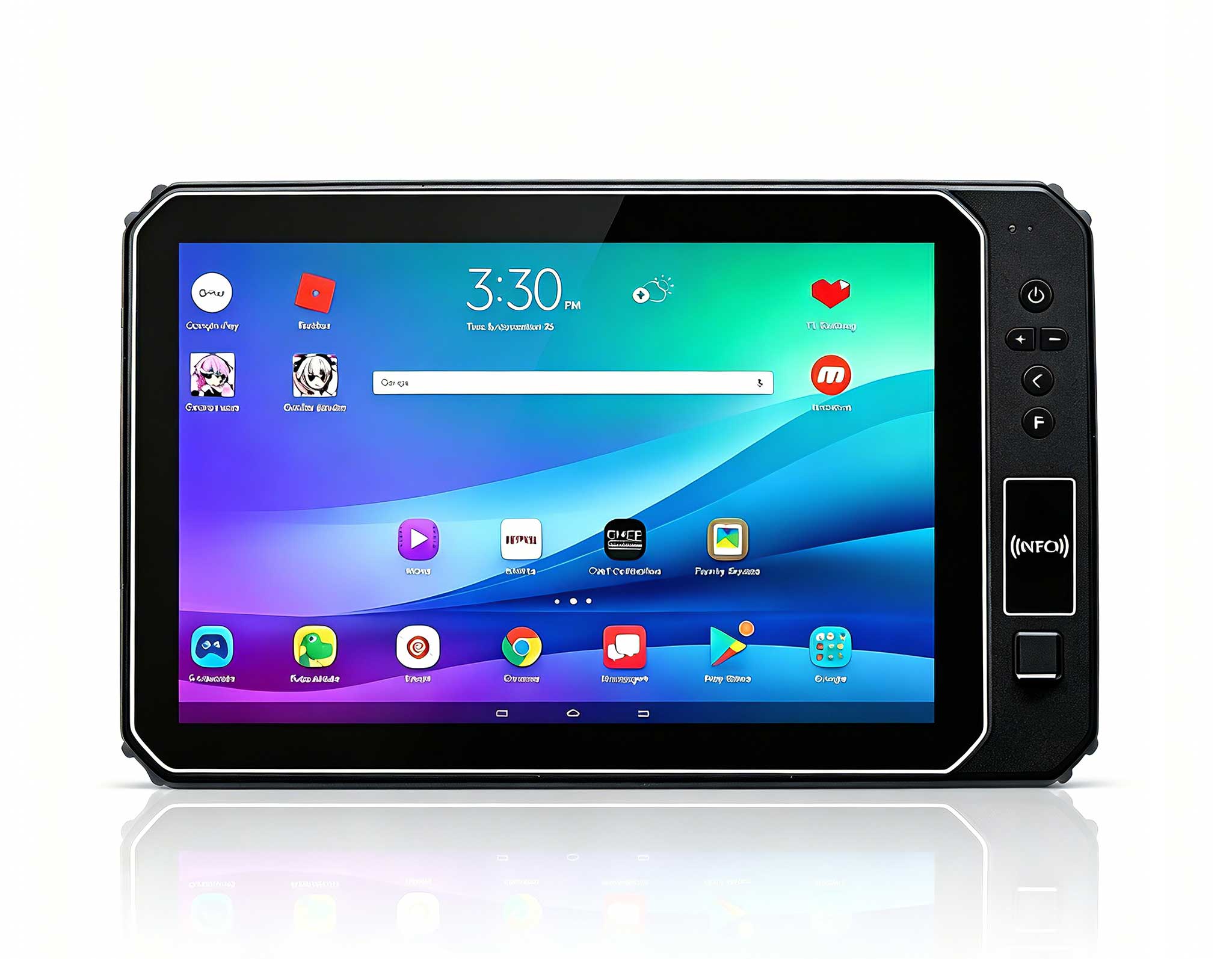
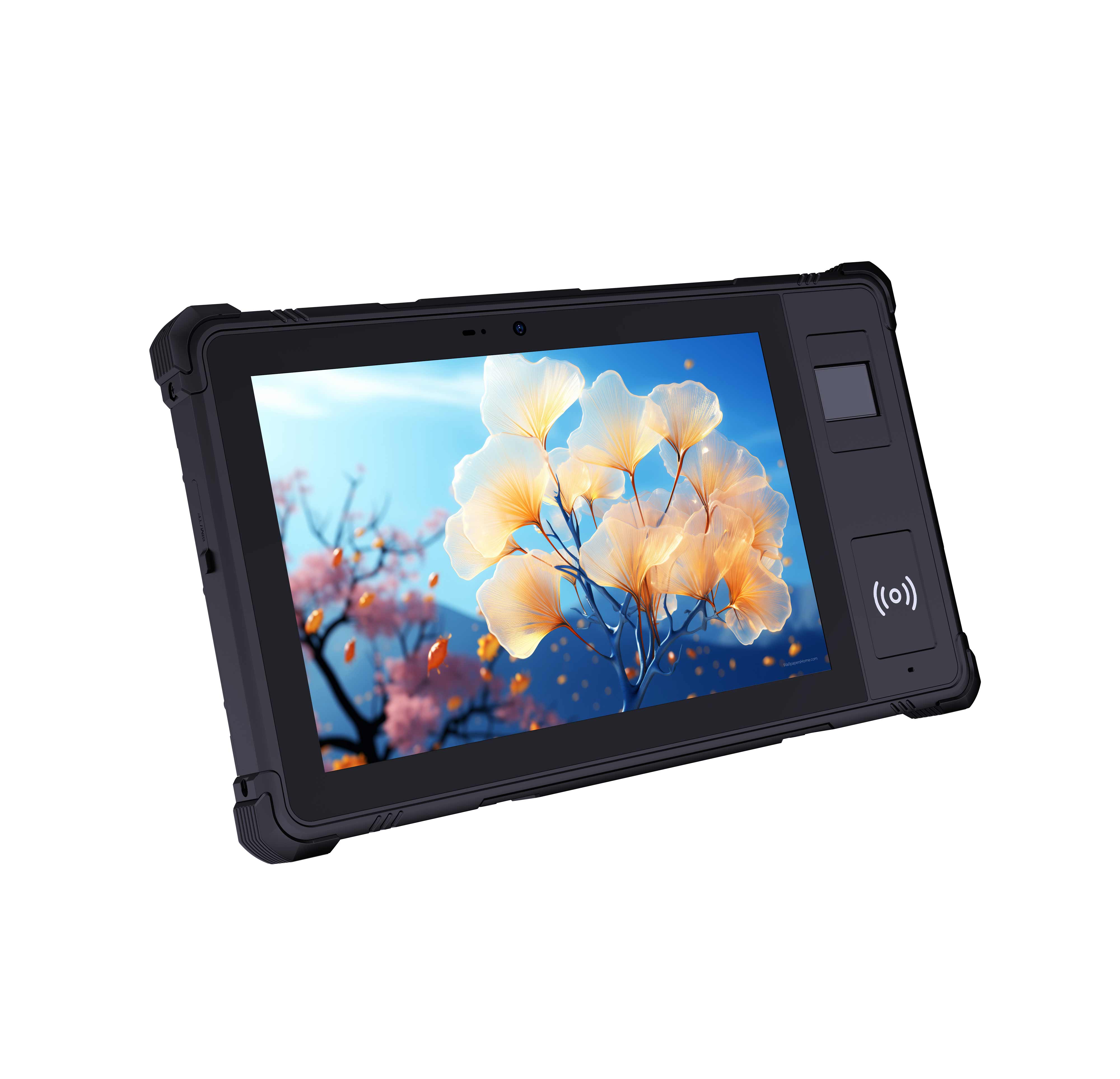
This 10-inch Android rugged tablet is designed for...
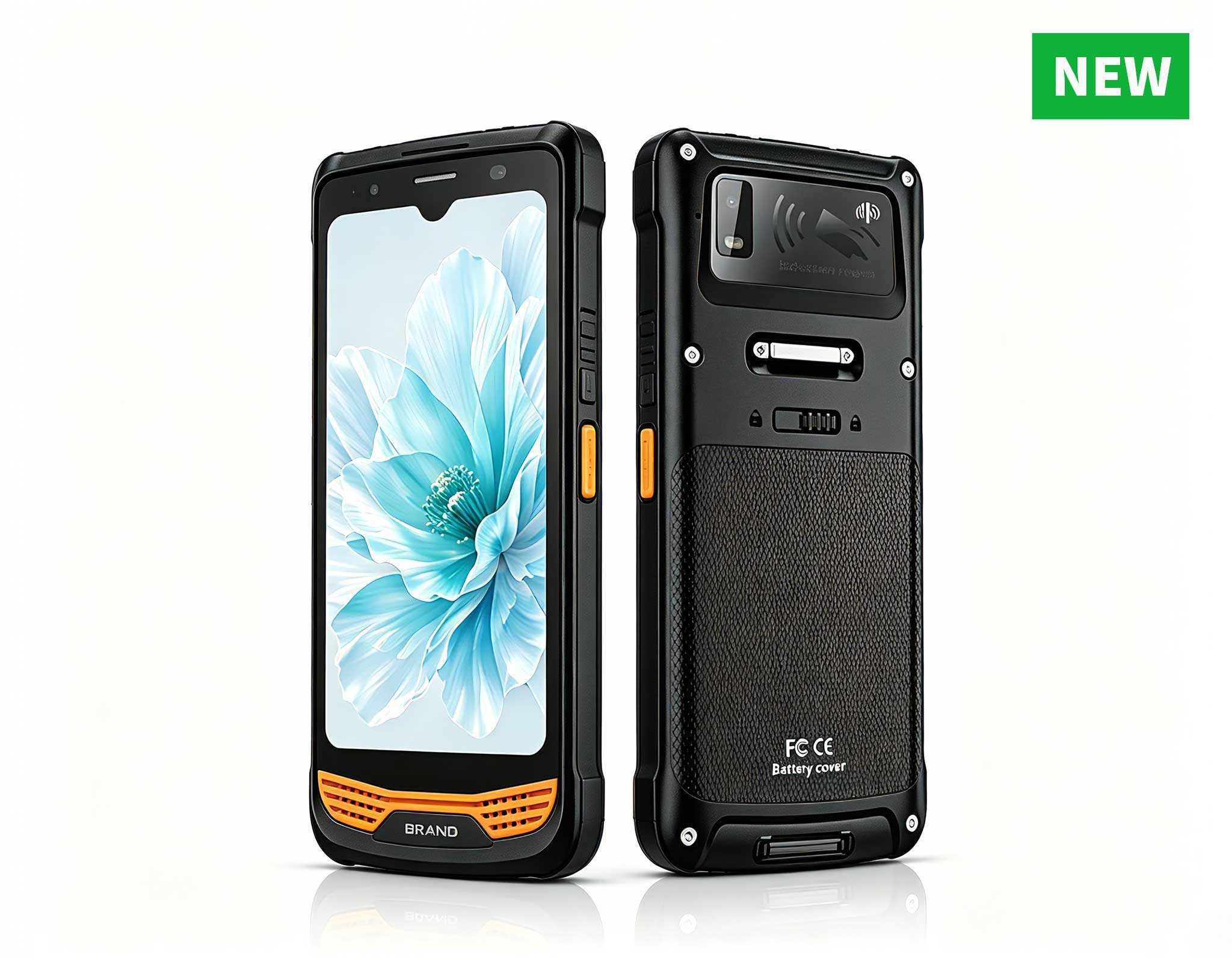
R366-S Thin 5.5-inch Industrial PDA | Qualcomm Oct...
R366-S Thin 5.5-inch Industrial PDA | Qualcomm Oct...
Maintenance instructions: Store at room temperatur...
By HOTUS Technology | April 2026
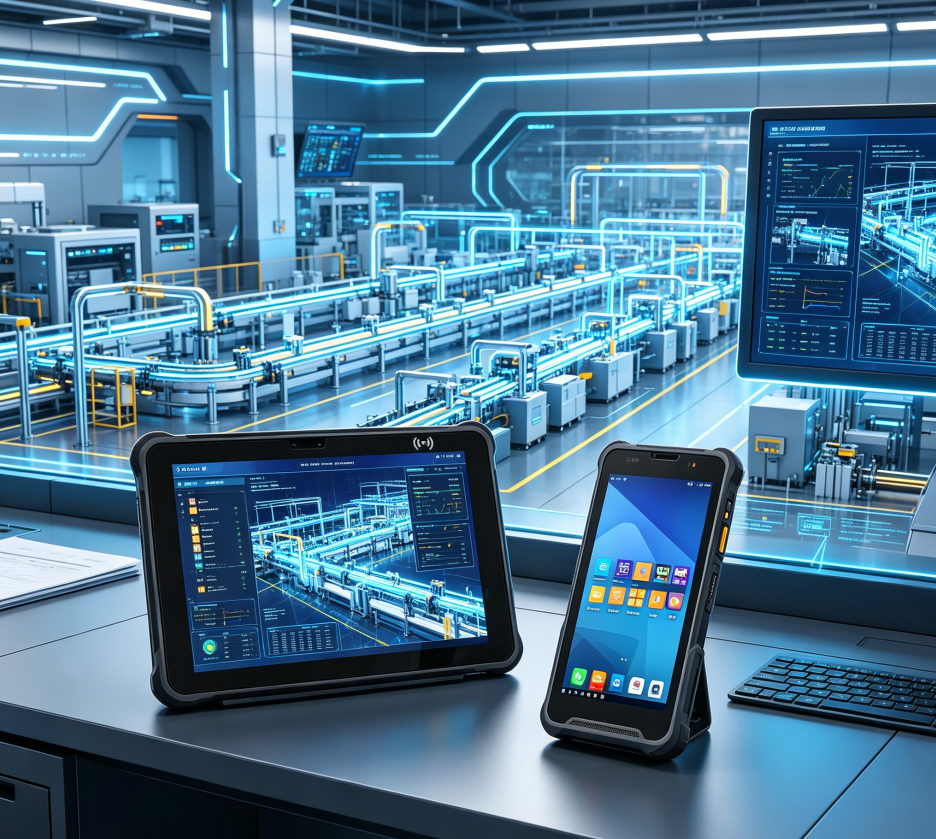
Imagine standing on your factory floor, holding a tablet, and seeing the entire production line in 3D — not as a static model, but as a living, breathing replica that updates in real time. You tap on a machine, and its performance metrics appear. You swipe across the line, and you see the predicted maintenance schedule for every piece of equipment. You pinch to zoom, and you‘re looking at the vibration signature of a single bearing.
This isn‘t science fiction. According to Gartner, more than 75% of manufacturing enterprises will deploy at least one digital twin system by 2026 to improve operational resilience and responsiveness. The digital twin market in manufacturing alone has grown exponentially — from $28.91 billion in 2025 to $47.24 billion in 2026 at a staggering 63.4% CAGR. According to the China Academy of Information and Communications Technology (CAICT), the convergence of digital twins, intelligent models, and agentic AI is forming the core technical architecture of industrial intelligence systems. These technologies enable real‑time mapping, bidirectional interaction, and autonomous decision‑making.
My take: the difference between a company that successfully adopts digital twins and one that struggles is not the technology — it‘s the interface. A digital twin that lives on a desktop workstation in a control room is useful. A digital twin that lives on a rugged tablet in the hands of a floor supervisor is transformative.
Traditional manufacturing dashboards are collections of static charts — OEE trends, downtime breakdowns, quality rates. They tell you what happened, but they don‘t show you where it happened or why. Digital twins change this by creating a high‑fidelity virtual replica of the entire production environment, continuously updated with real‑time sensor data, machine status, and process parameters.
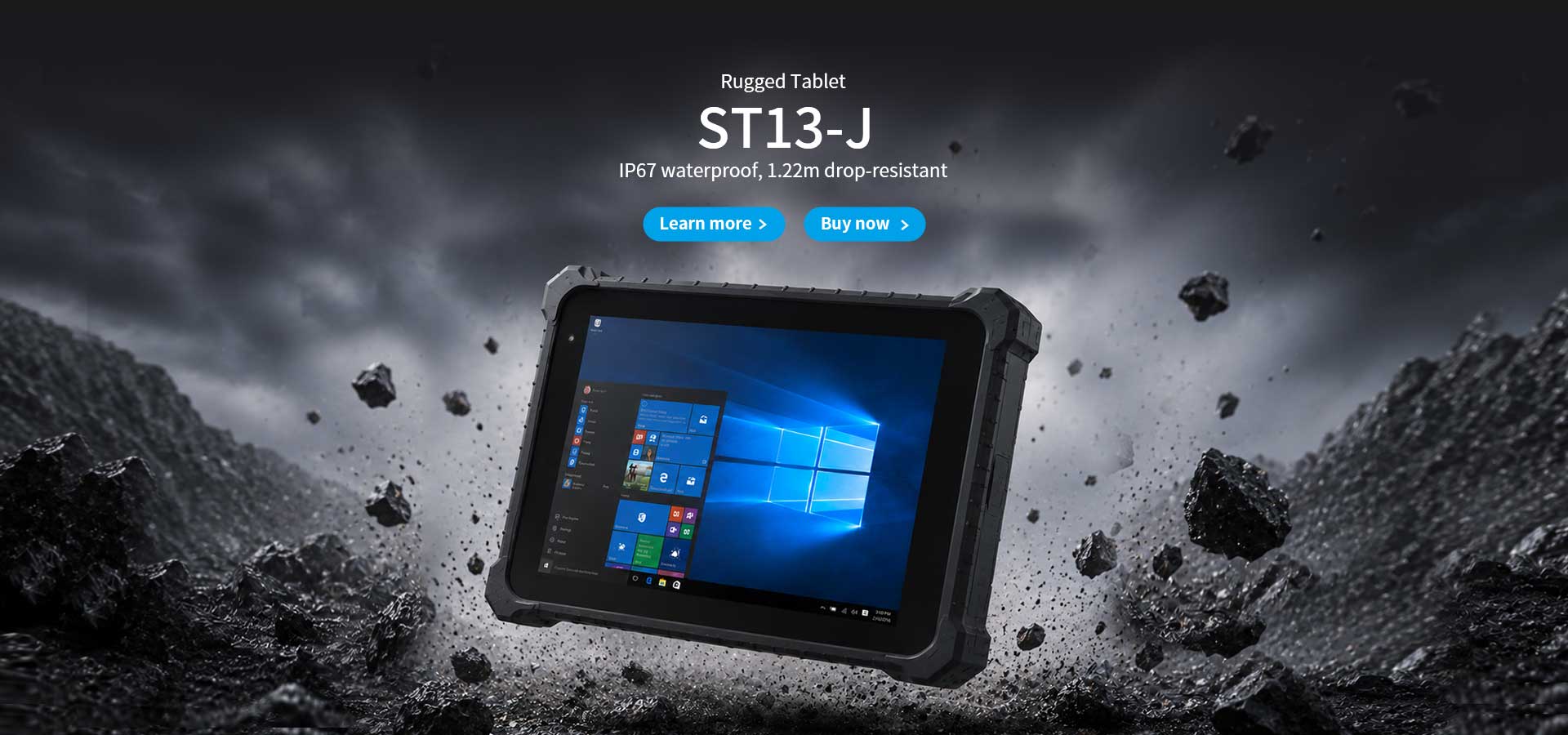
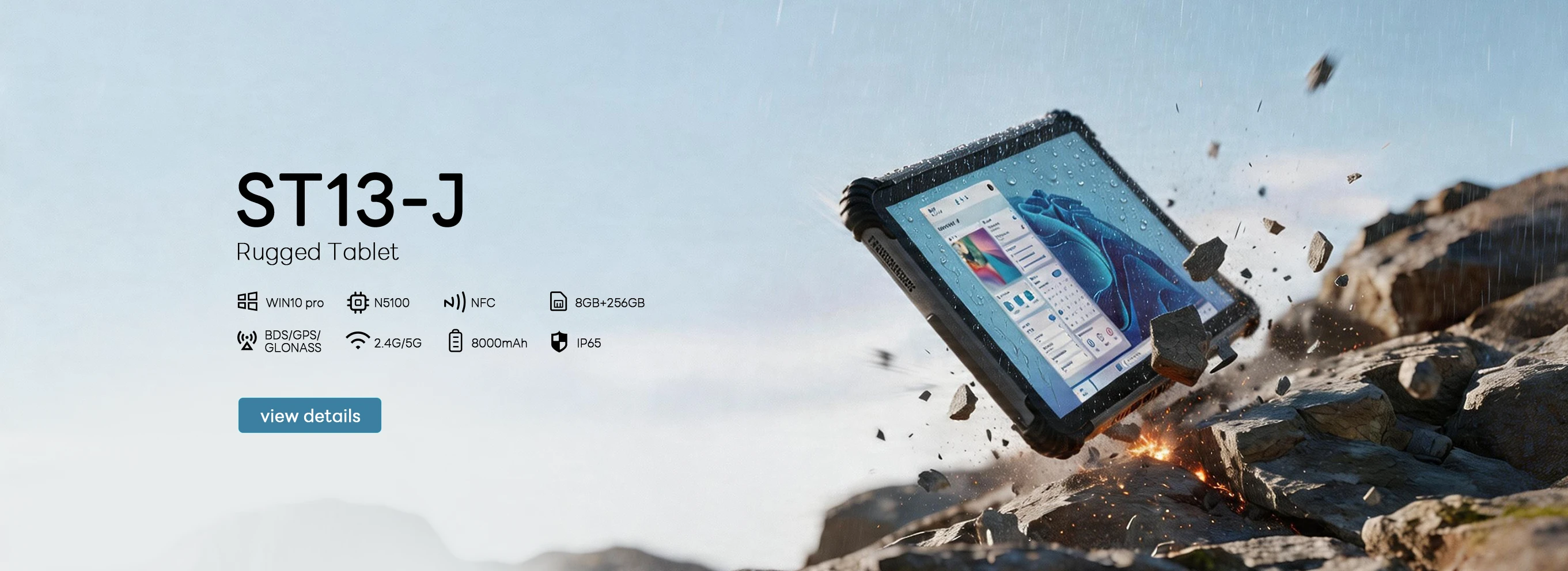
The Hotus ST13‑J 13.3″ Windows Rugged Tablet is purpose‑built for digital twin visualization. With its large, high‑brightness 1000+ nit display, Windows 11 Pro OS, and IP67 rugged protection, it enables:
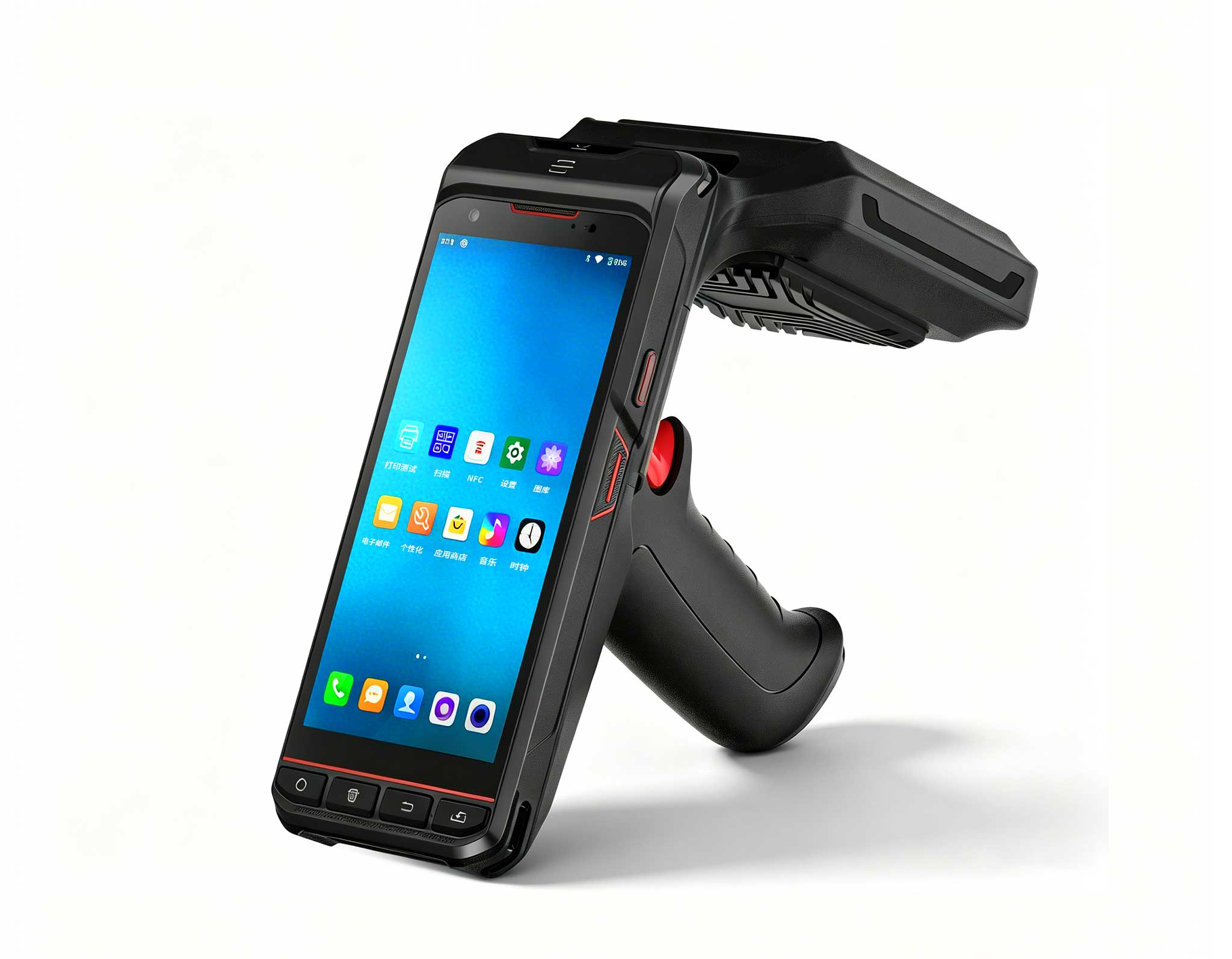
A digital twin is only as accurate as the data that feeds it. The Hotus F505 Handheld PDA serves as the mobile data capture terminal that keeps the digital twin current:
At the 2026 Tianjin Automation Expo, Siemens and other leading manufacturers demonstrated digital twin systems that integrate industrial IoT, AI vision inspection, and real‑time data analytics to drive full‑chain intelligent control. According to CAICT‘s 2026 Industrial Intelligence Innovation and Development Report, the integration of AI and digital twins is creating a new generation of industrial intelligence that features:
An automotive assembly plant deployed 50 ST13‑J tablets, 30 ST11‑U tablets, and 100 F505 PDAs for digital twin visualization and data capture. Results after 12 months:
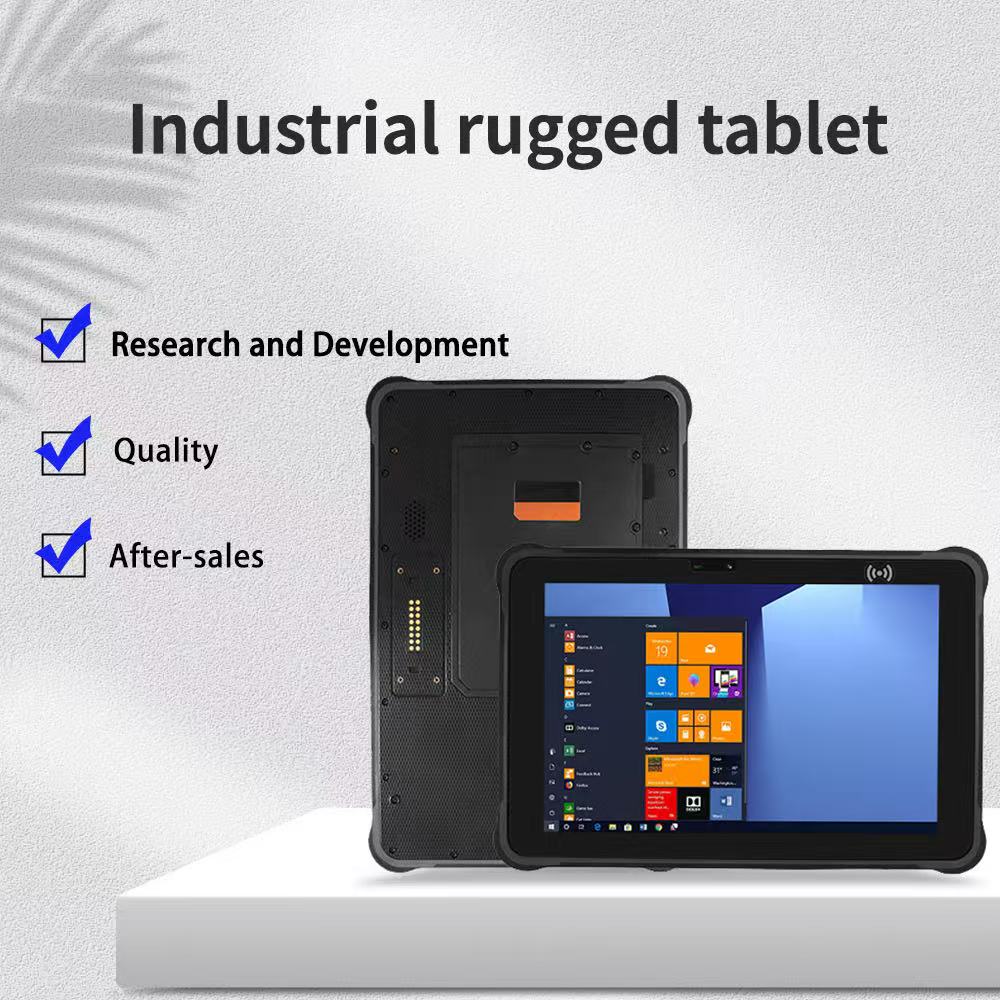
Hotus ST11‑M — Windows tablet for digital twin data capture and field validation
Contact HOTUS Technology to discuss your digital twin deployment needs, request pilot units, or explore custom Windows tablet and PDA solutions for smart factory visualization.