- Select Language
R366-S Thin 5.5-inch Industrial PDA | Qualcomm Oct...
One Device, Dual Functions – A Projector and a Com...
The R501 PDA combines a powerful MT6762 Octa-Core ...
Explore an innovative Personal Digital Assistant f...
Enterprise Flagship SeriesEngineered for mission-c...
The F505 Handheld PDA is a compact, high-performan...
This 10-inch Android rugged tablet is designed for...
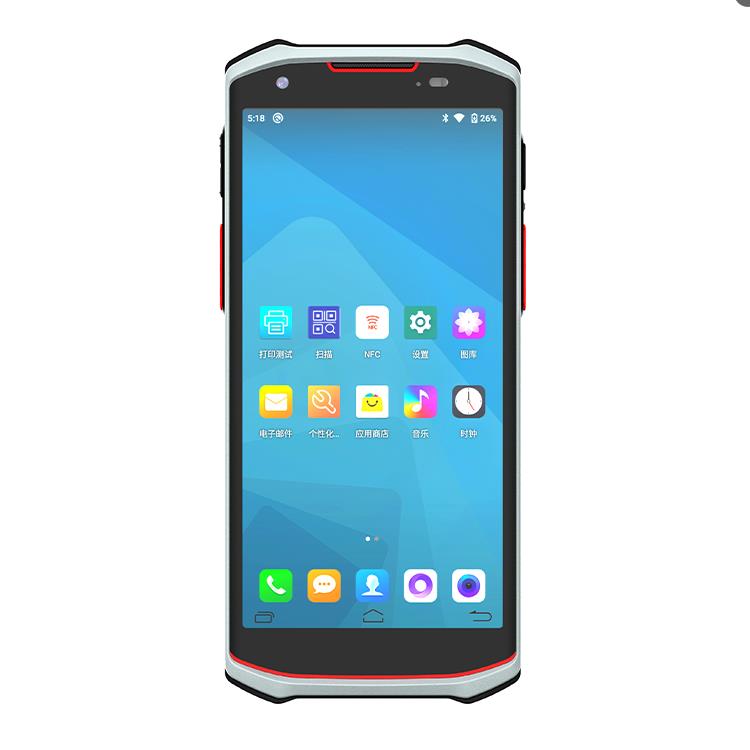
Fig 1 – Hotus F502: high‑speed scanning of GS1 DataMatrix codes on drug packaging
My View: Global pharmaceutical serialization requirements (DSCSA, EU FMD) are now fully enforced, yet many packaging lines still rely on consumer barcode scanners that fail on glossy labels, curved ampoules, or poorly printed codes. A missed scan means a rejected shipment. A false read means a counterfeit risk. In pharma, you can‘t afford cheap scanners – you need industrial PDA hardware designed for high‑reliability verification.
By HOTUS Technology | April 2026
The global pharmaceutical serialization market is mature and mandatory. The US Drug Supply Chain Security Act (DSCSA) is fully enforced, requiring unit‑level traceability for prescription drugs. The EU Falsified Medicines Directive (FMD) requires similar serialization. By 2026, over 90% of pharmaceutical packaging lines have been retrofitted with serialization systems. The cost of non‑compliance is severe: rejected shipments, regulatory fines, and reputational damage.
Yet I see a critical weakness on many lines: the verification scanners used by quality control are consumer‑grade. A $100 USB barcode scanner may work on a flat, glossy label under ideal lighting. But pharmaceutical packaging includes challenging surfaces: curved ampoules, wrinkled cartons, laminated pouches, and poorly printed QR codes. Consumer scanners fail on these surfaces. Rejected units pile up. Line efficiency collapses.
The Hotus F502 RFID PDA is engineered for pharmaceutical environments. Its high‑performance 2D imager reads damaged, low‑contrast, or curved codes that consumer scanners miss. It handles GS1 DataMatrix, PDF417, and QR codes – the standard formats for DSCSA and FMD. The F502‘s integrated UHF RFID reader also verifies RFID‑tagged high‑value drugs, adding a second layer of anti‑counterfeiting.
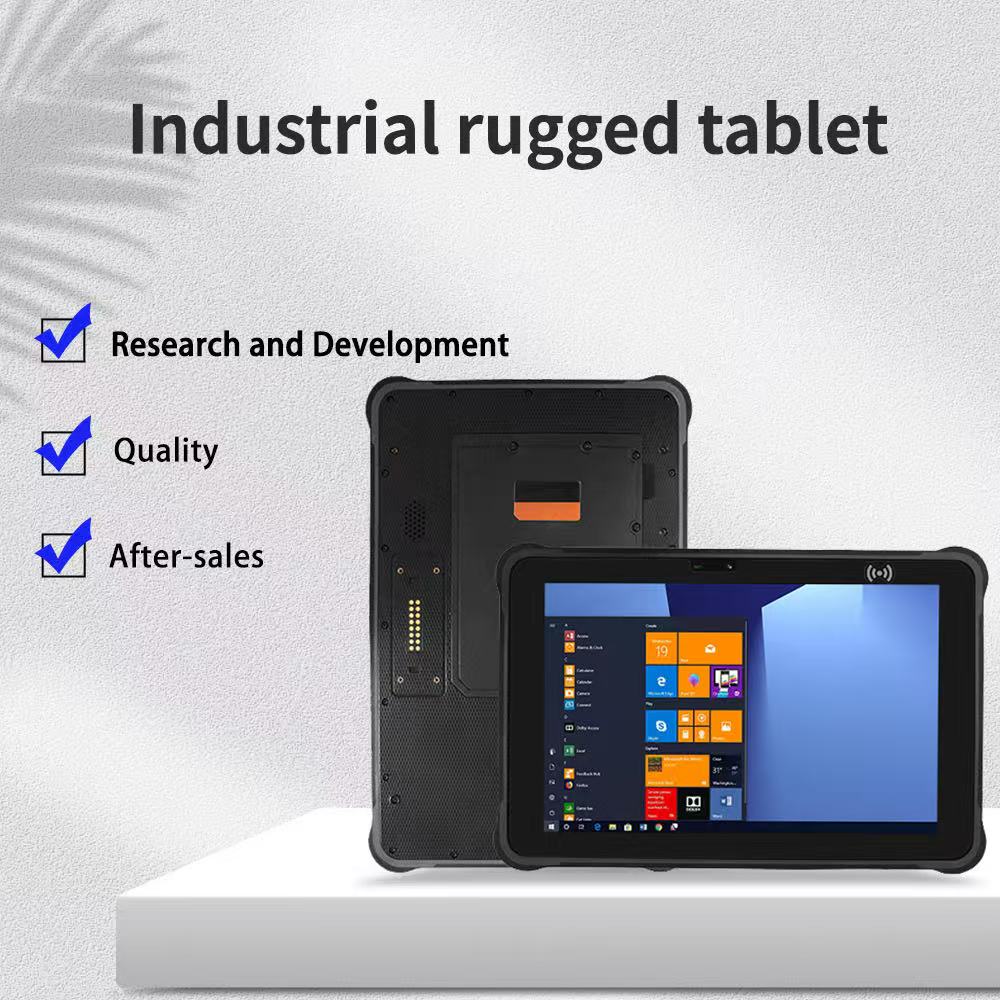
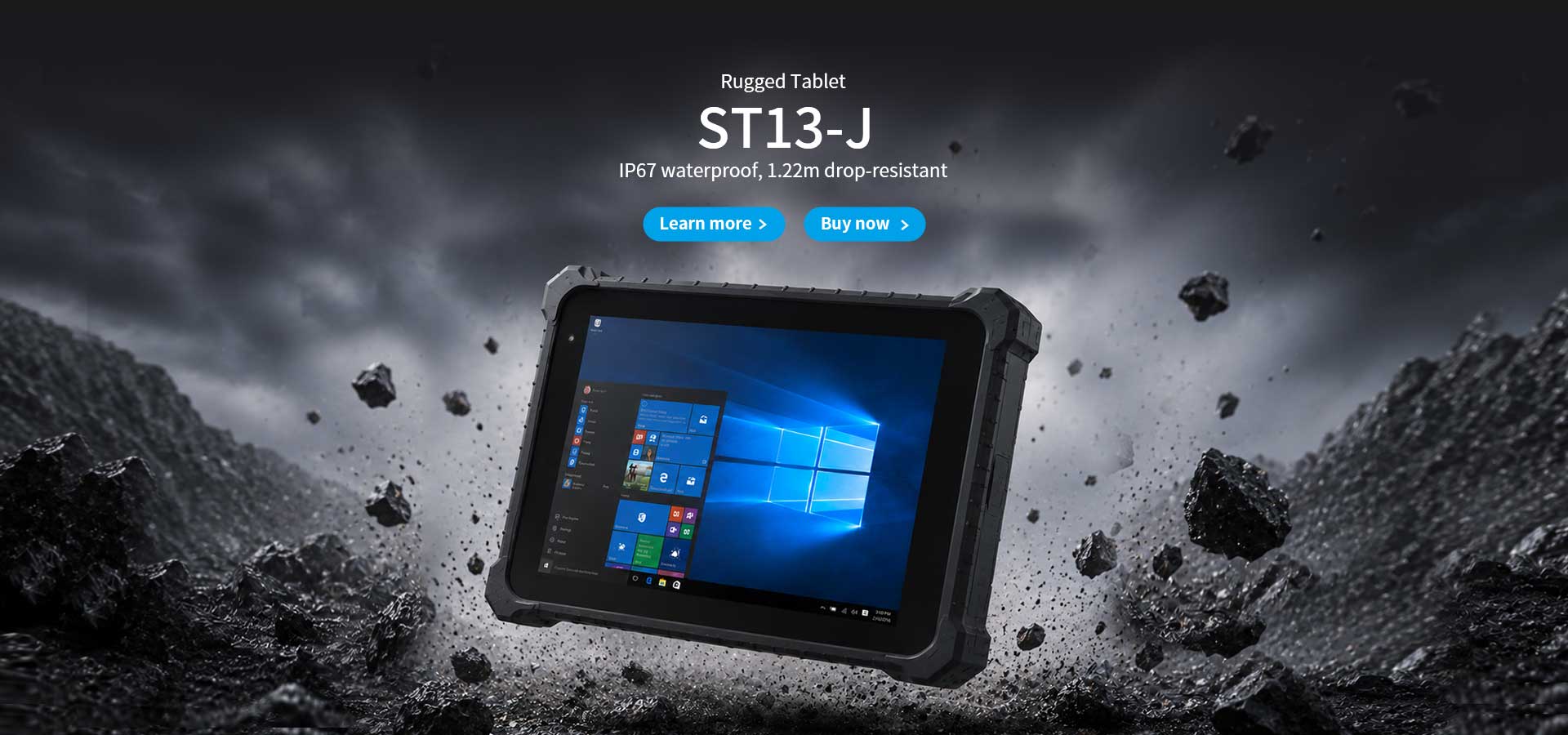
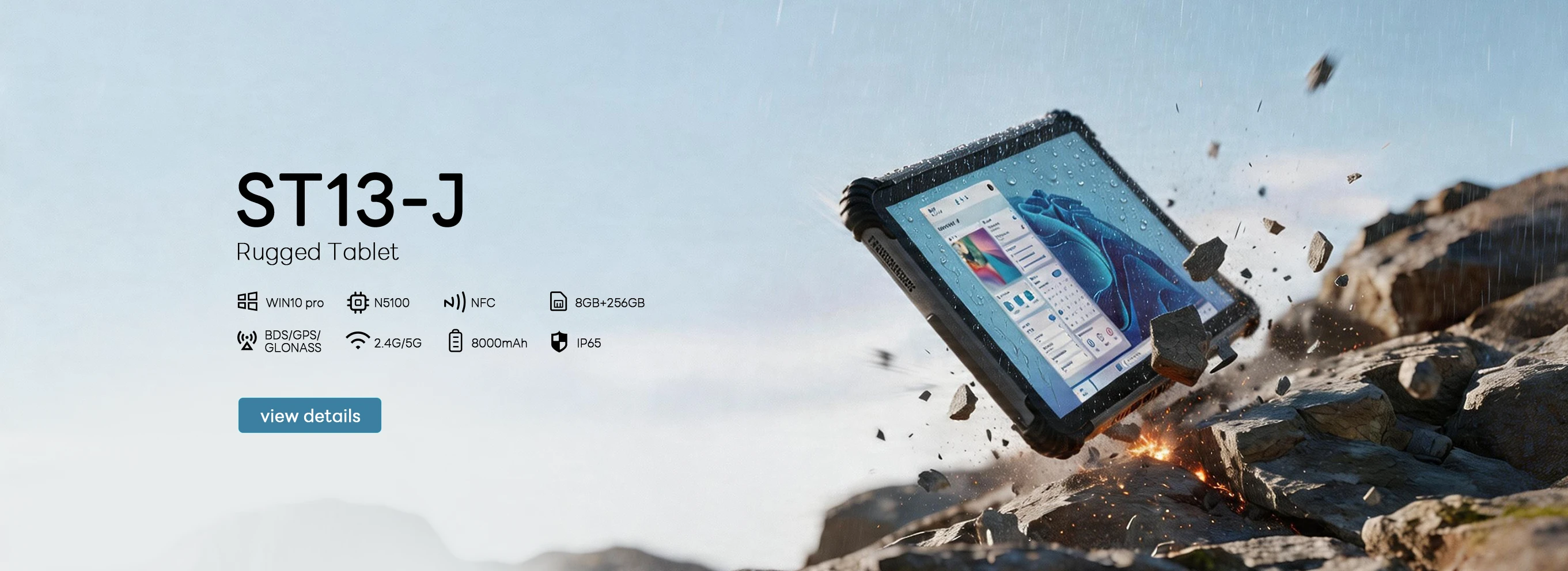
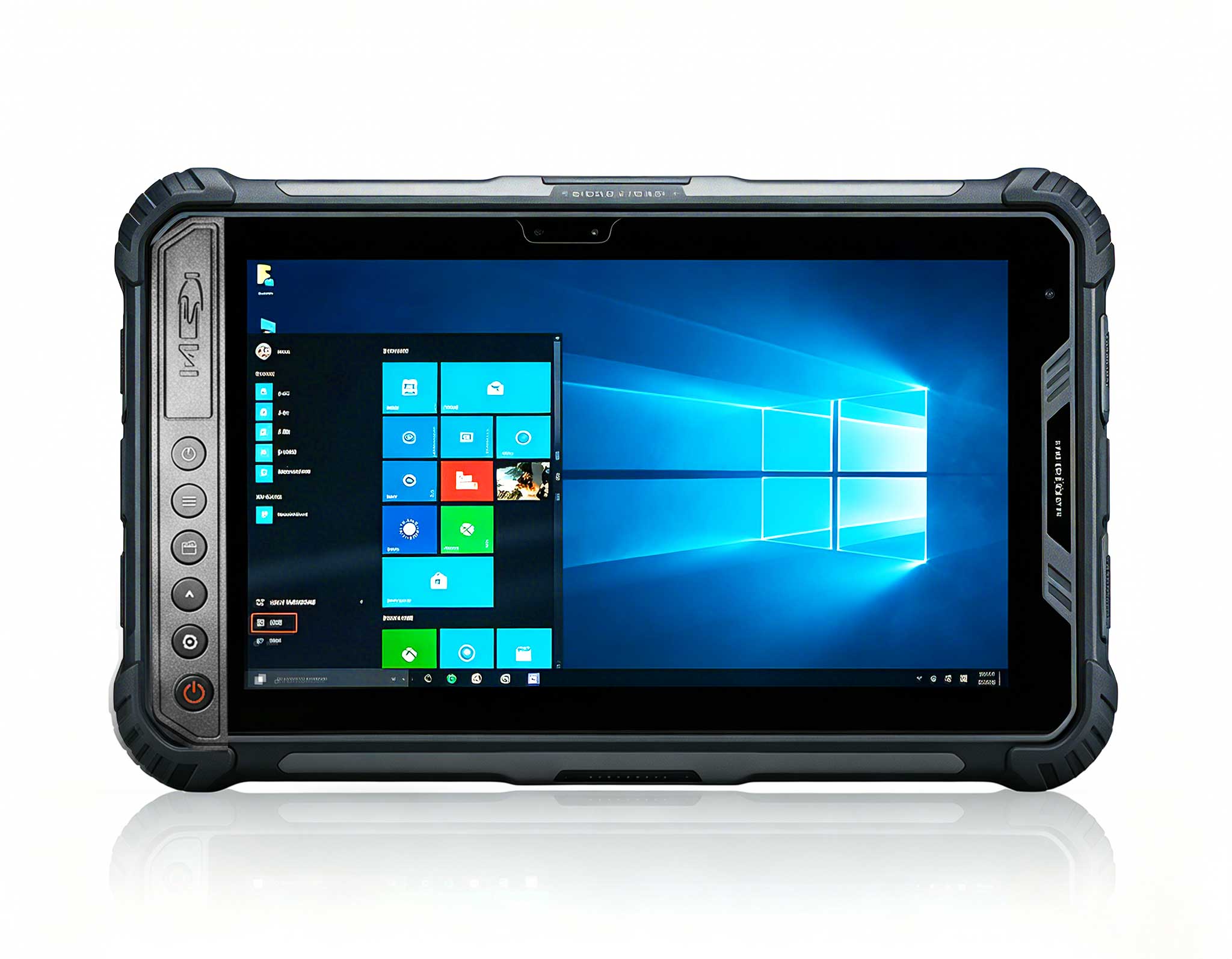
Fig 2 – Hotus ST11‑M: sanitizable tablet for aggregate verification and compliance reporting
The F502 pairs with the Hotus ST11‑M 10.1″ Windows rugged tablet for supervisor oversight. The ST11‑M features a sanitizable, chemical‑resistant housing that withstands repeated cleaning with IPA or bleach wipes – essential for pharmaceutical environments. Its Windows 11 Pro OS runs serialization management software like TraceLink, rfxcel, or Systech. The tablet displays real‑time verification rates, reject codes, and re‑work queues.
When a bottle fails verification, the operator uses the F502 to scan it again, and the ST11‑M tablet logs the failure reason – “code not readable”, “data mismatch”, “checksum error”. This data feeds into root‑cause analysis. If the problem is a misaligned printer, the line manager can adjust it immediately, avoiding further rejects.
A pharmaceutical contract packer running 20 packaging lines deployed 100 F502 PDAs and 30 ST11‑M tablets. After six months, the first‑pass serialization verification rate rose from 94% to 99.3%. Reject handling time fell from 10 minutes to 2 minutes. FDA audit observations related to serialization dropped to zero. The company estimates that eliminating false rejects alone saved $1.5 million annually.
Consumer barcode scanners have no place on a pharmaceutical packaging line. The F502 PDA and ST11‑M tablet give you the reliability, traceability, and compliance you need. Don’t let a cheap scanner put your shipment at risk.
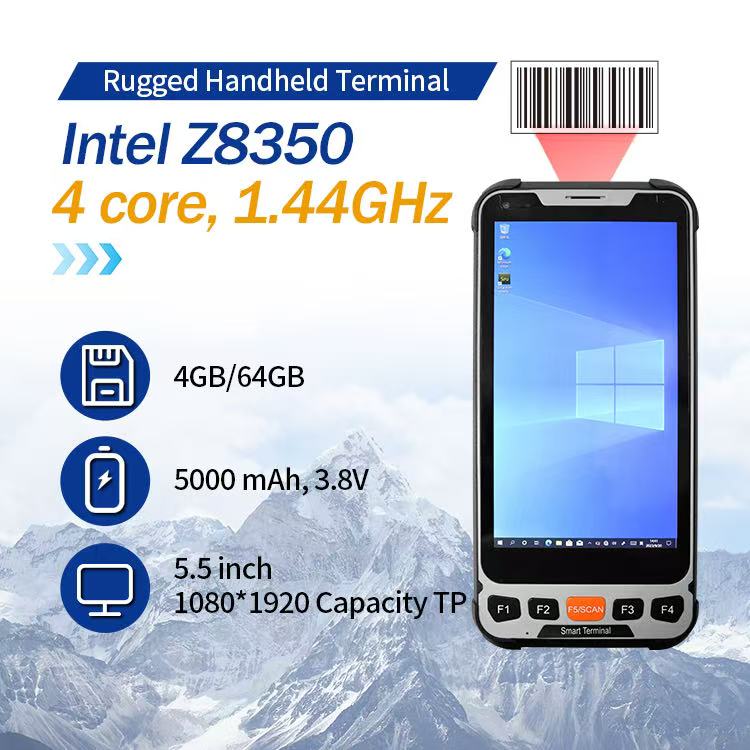
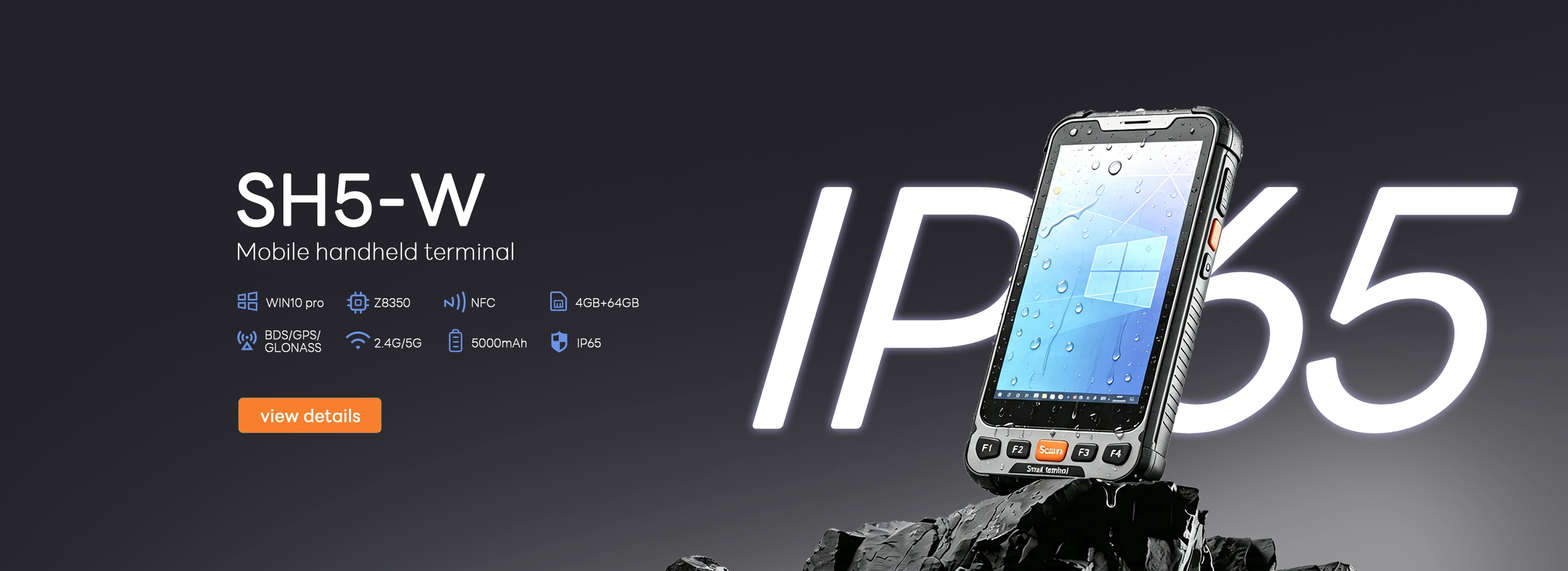
Fig 3 – Hotus SH5‑W: portable Windows handheld for batch record review and audit trails
Contact HOTUS Technology to discuss your pharmaceutical serialization verification needs, request F502 PDA pilots, or explore ST11‑M tablets for compliance management.