- Select Language
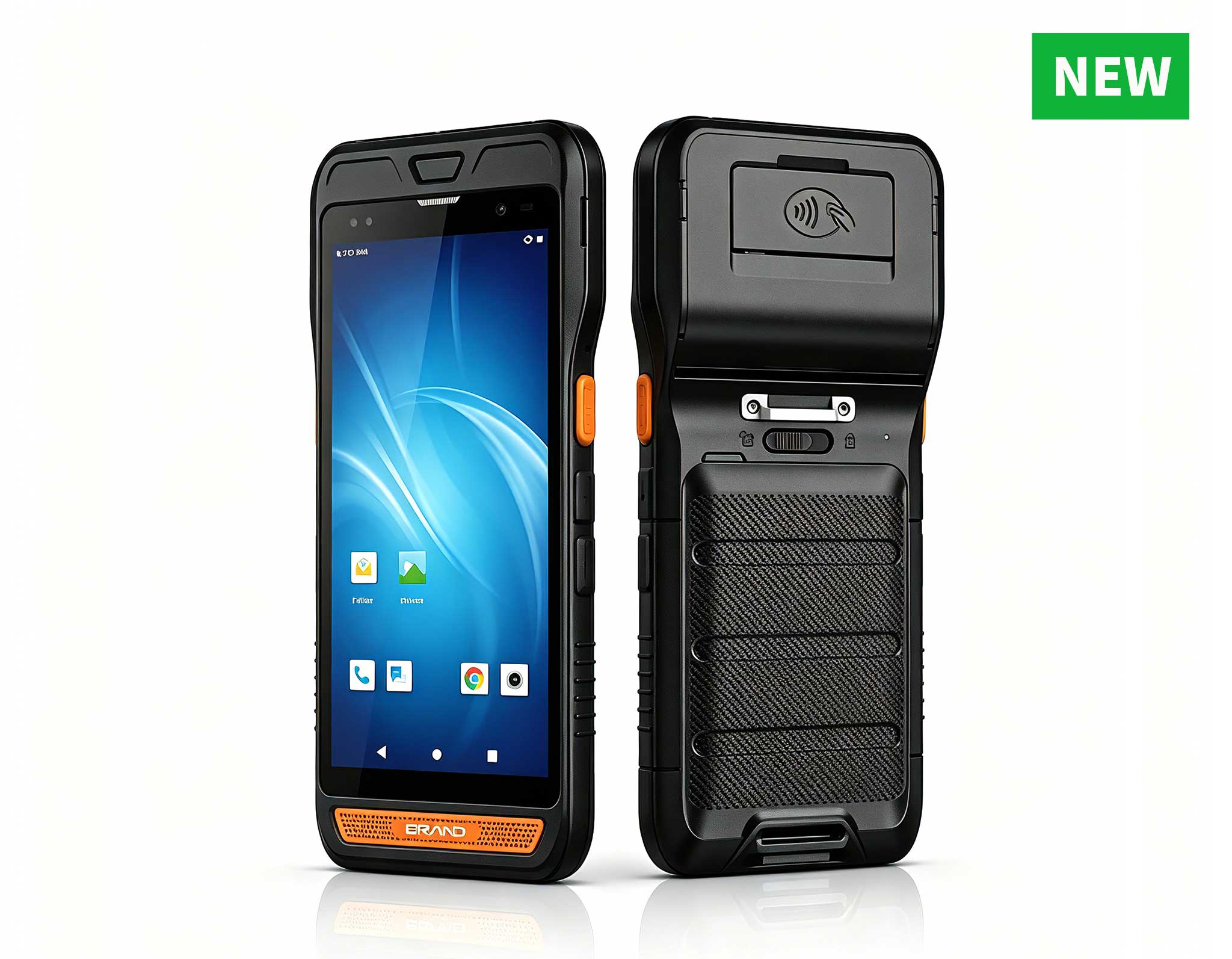
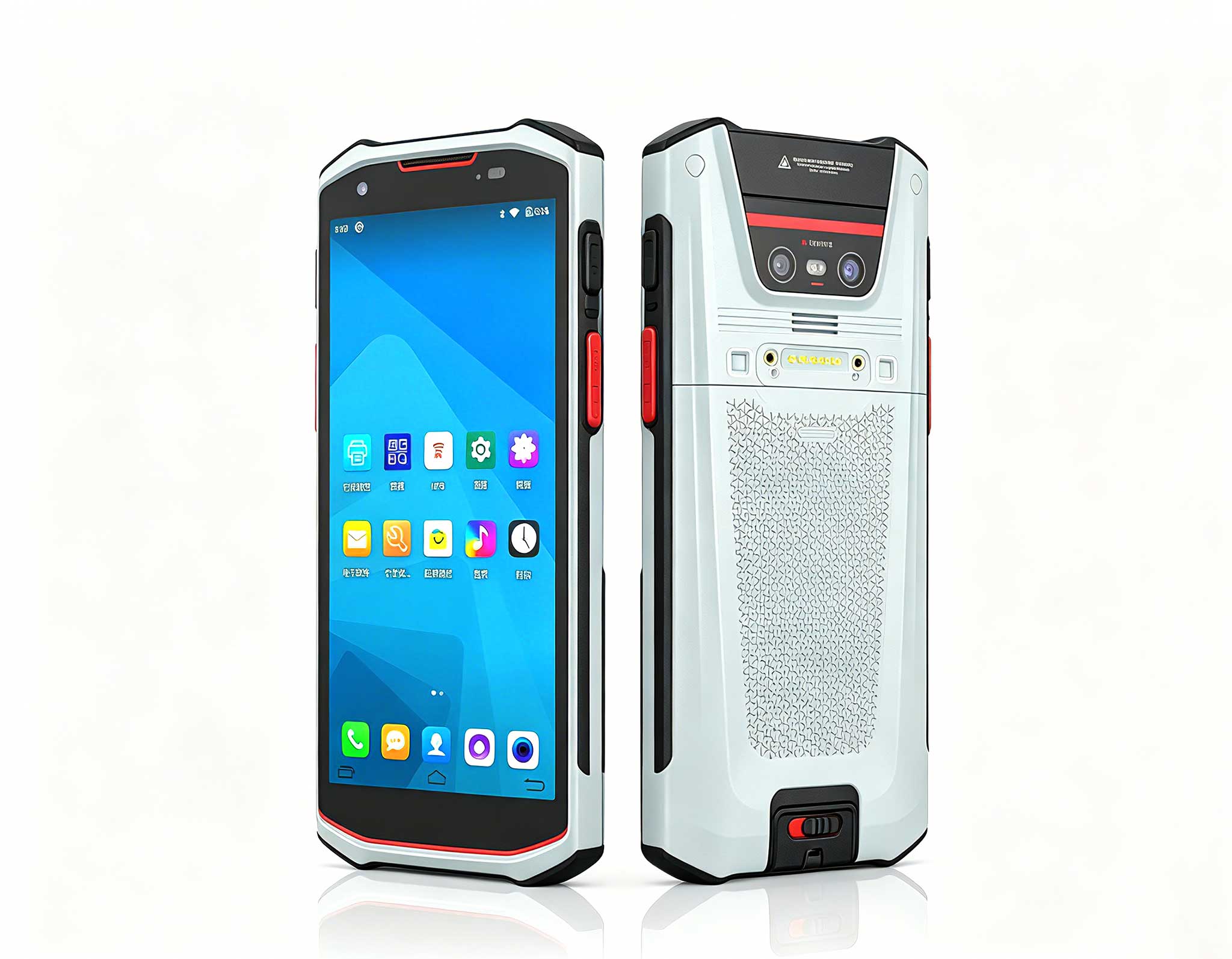
R860-S 5.5-inch Industrial PDA with Thermal Printe...
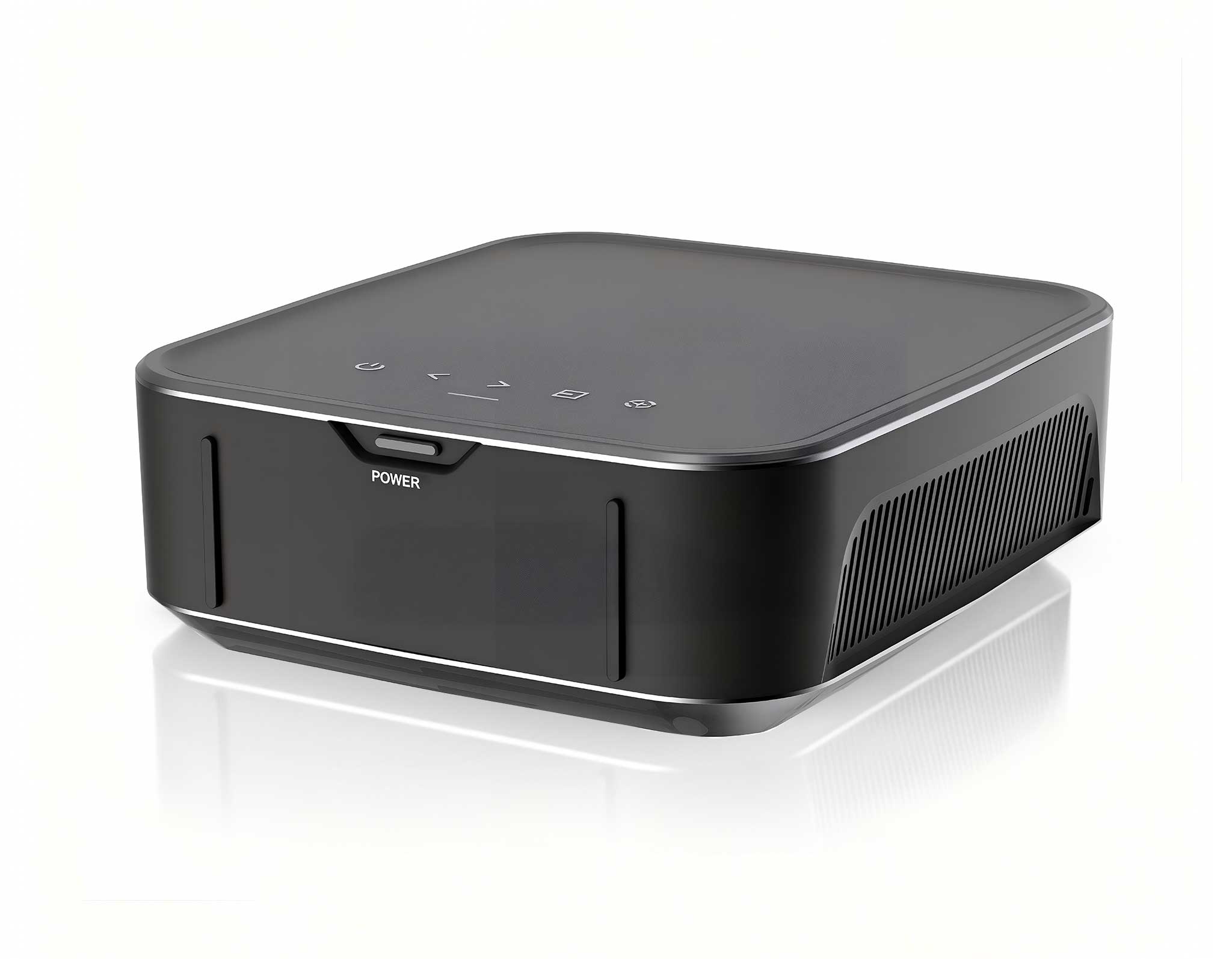
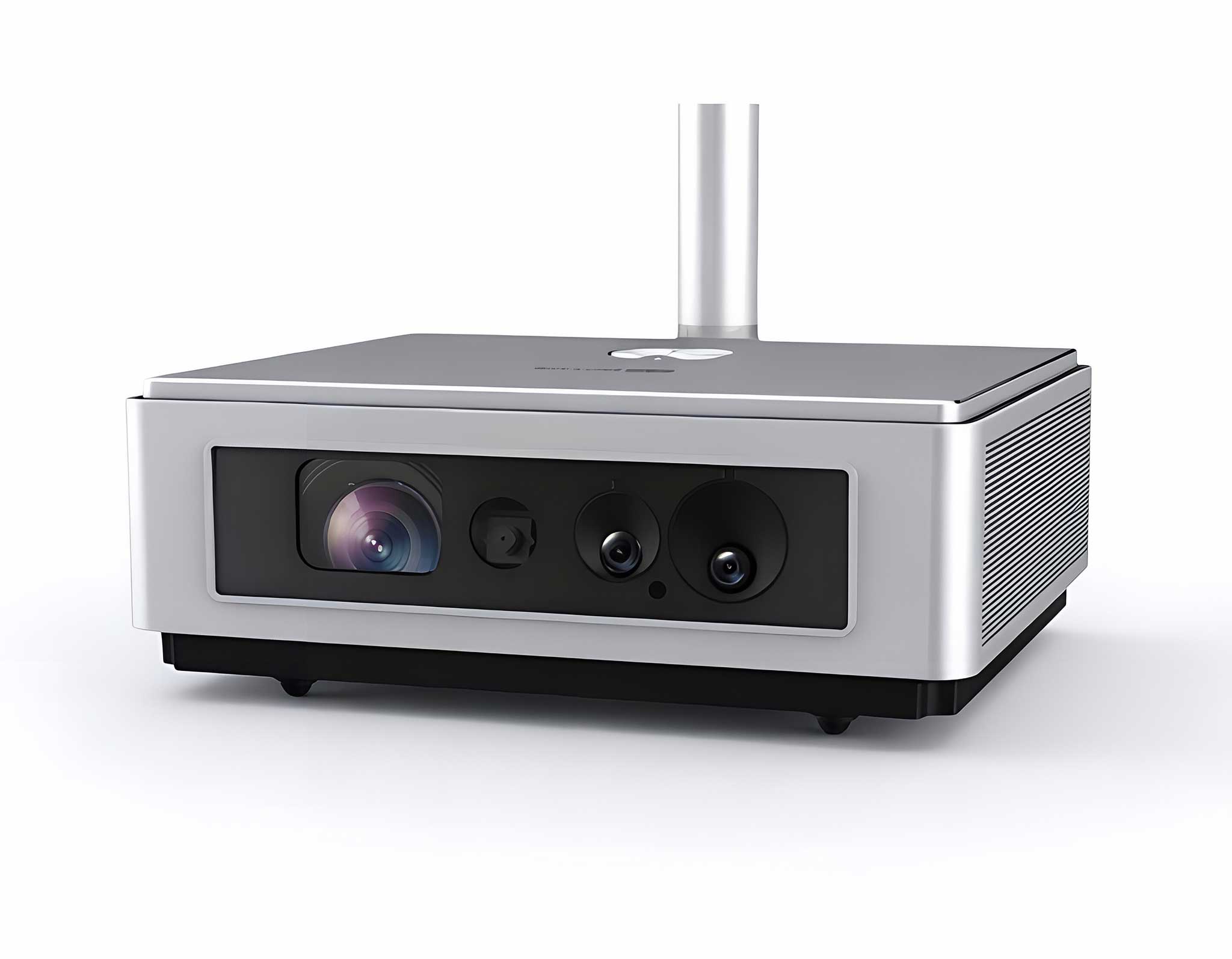
One Device, Dual Functions – A Projector and a Com...
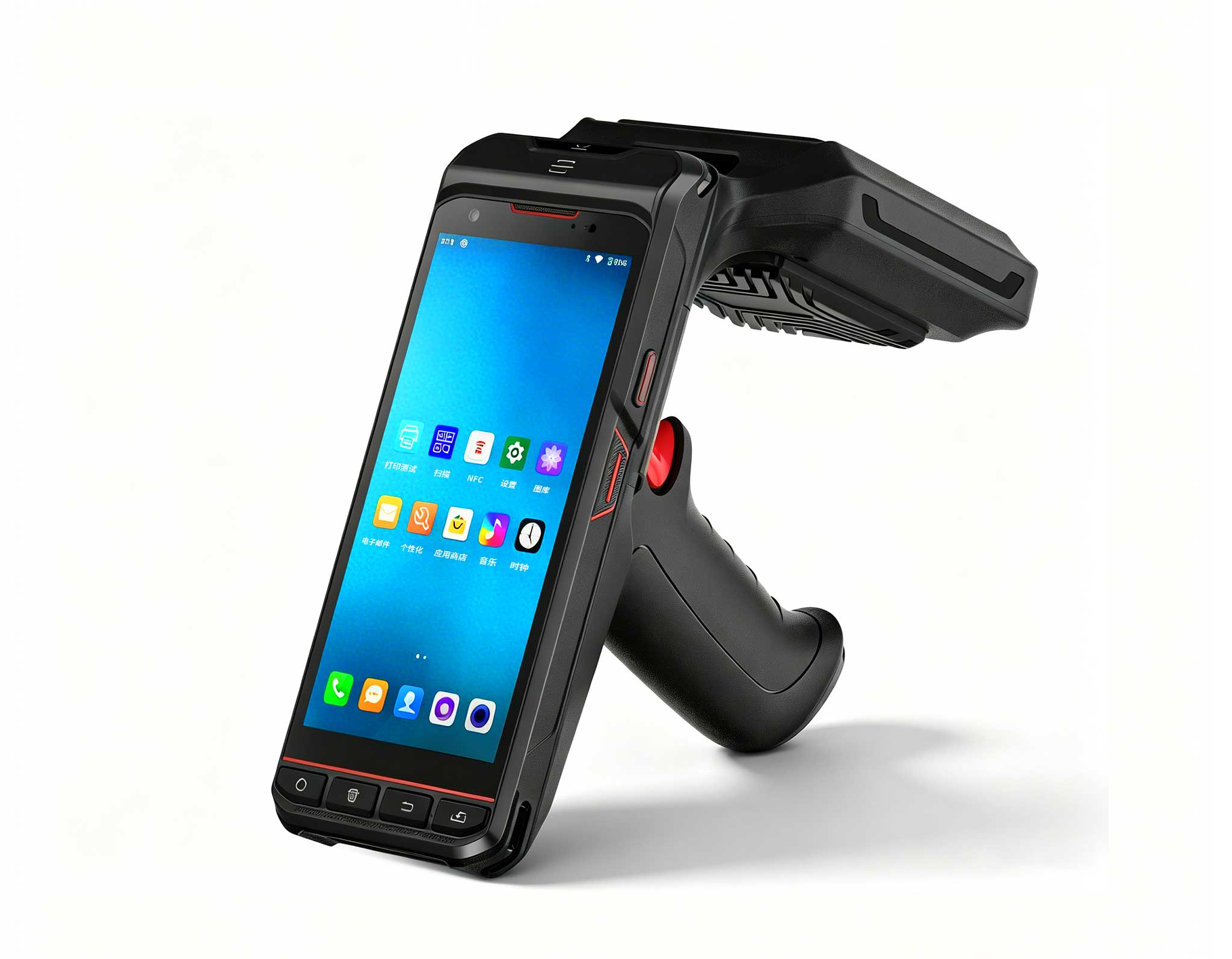
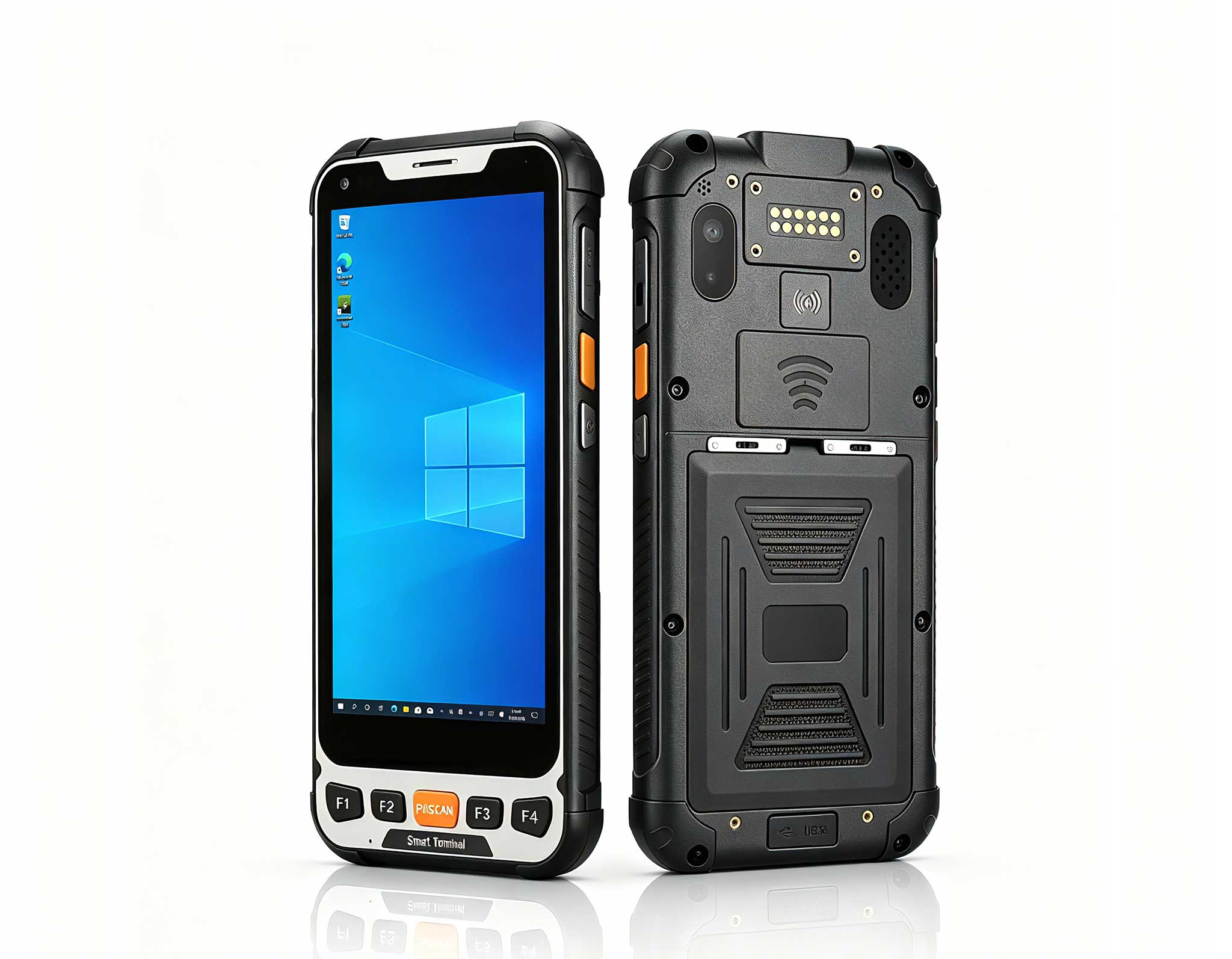
The R501 PDA combines a powerful MT6762 Octa-Core ...
RT81 4G Rugged Tablet | 10.1" FHD 400nit | Qu...
Explore our customized PDA designed for versatile ...
Full SpecificationsModel Hotus SH5‑WOperating ...
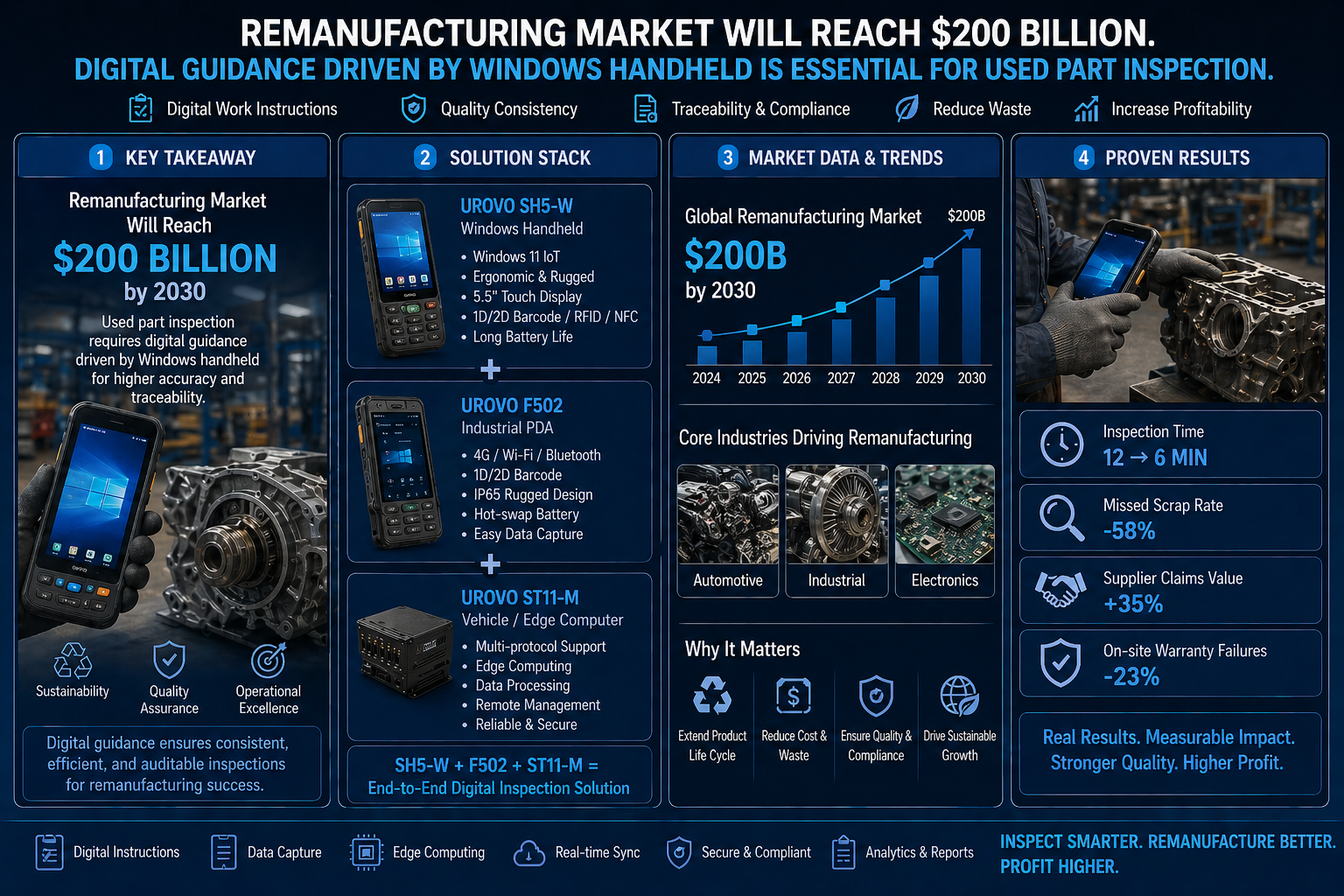
Fig 1 – Digital inspection workflow for remanufacturing core evaluation
Remanufacturing depends on one critical decision: whether an incoming core can be restored to reliable condition. Inconsistent inspection methods lead to hidden defects, unnecessary scrap, and costly field failures. A structured, digital inspection process changes that equation.
Remanufacturing Technology | Industrial Quality Control | April 2026
In remanufacturing operations, every incoming unit—commonly referred to as a “core”—must be evaluated before entering the production line. This evaluation directly impacts cost, yield, and final product reliability.
If defects are missed during inspection, they can surface later in machining, assembly, or even after delivery. On the other hand, overly conservative rejection increases scrap rates and reduces usable inventory. Achieving balance requires consistent, data-driven inspection practices.
However, many facilities still rely on manual checklists and individual experience, making results difficult to standardize or analyze.
A structured digital workflow ensures that every critical inspection step is completed and recorded. Instead of relying on memory, technicians follow predefined procedures tailored to each component type.
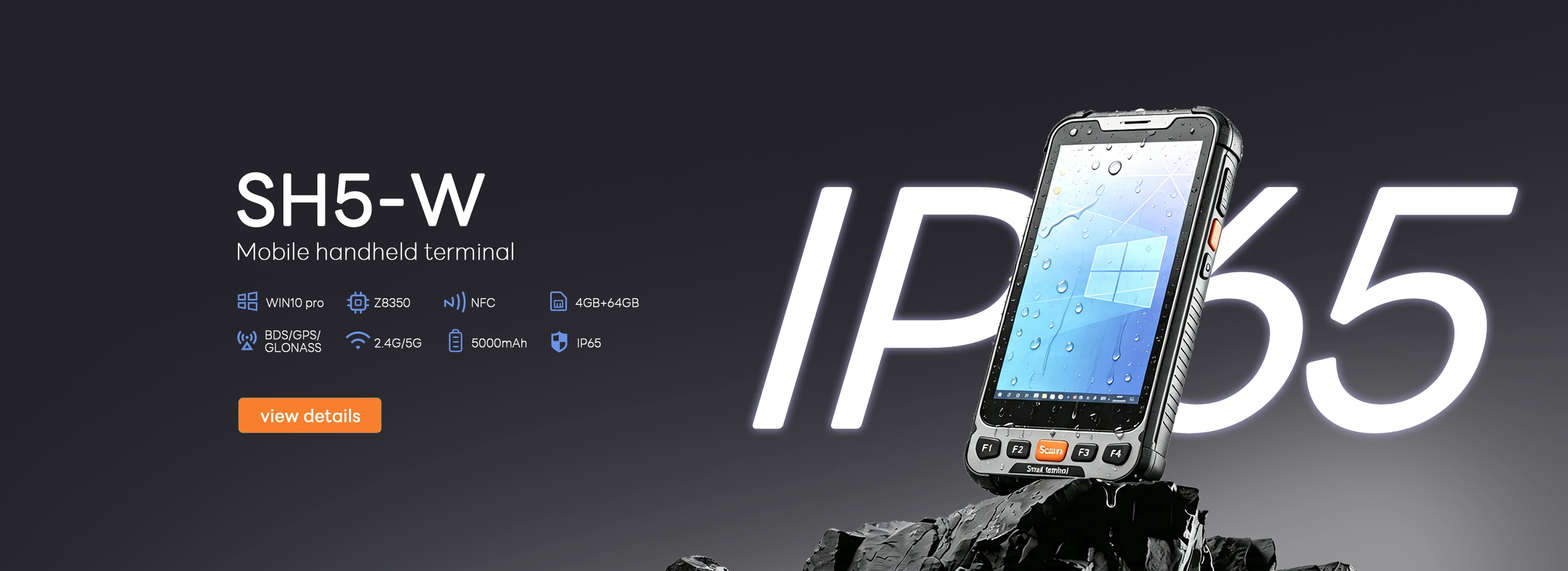
The Hotus SH5-W rugged Windows handheld enables inspectors to perform guided checks directly on the shop floor. Inspection steps are presented in sequence, preventing skipped tasks and improving consistency.
Typical inspection features include:
This approach transforms inspection from a subjective process into a repeatable and auditable workflow.
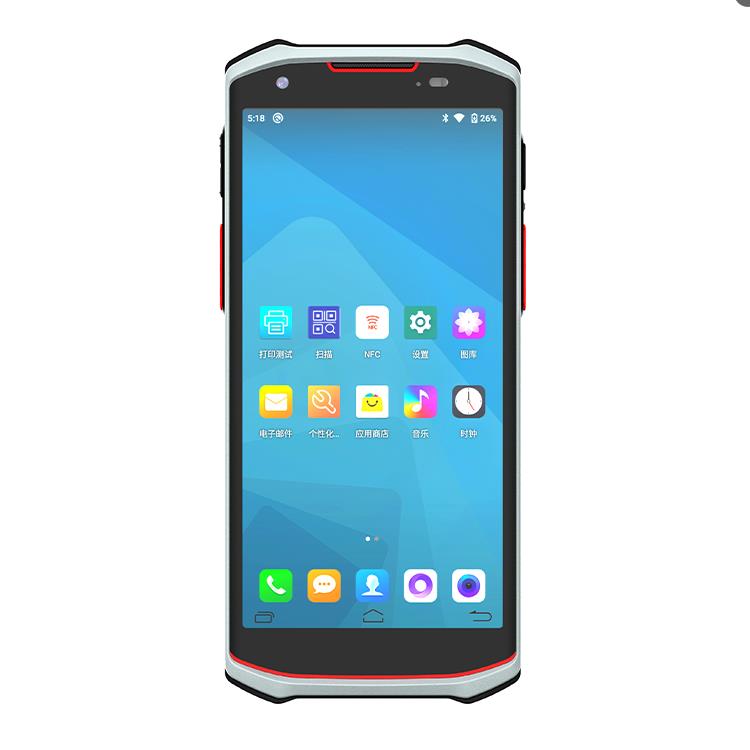
Fig 2 – Capturing core identity for full lifecycle traceability
Accurate inspection is only part of the solution. Each core must be traceable throughout the remanufacturing process, from intake to final delivery.
The Hotus F502 industrial PDA enables fast identification of cores through barcode or RFID scanning. Once scanned, the system links inspection results, repair steps, and testing outcomes to a unique digital record.
This traceability framework supports:
With complete lifecycle data, manufacturers gain deeper insight into product performance and process efficiency.
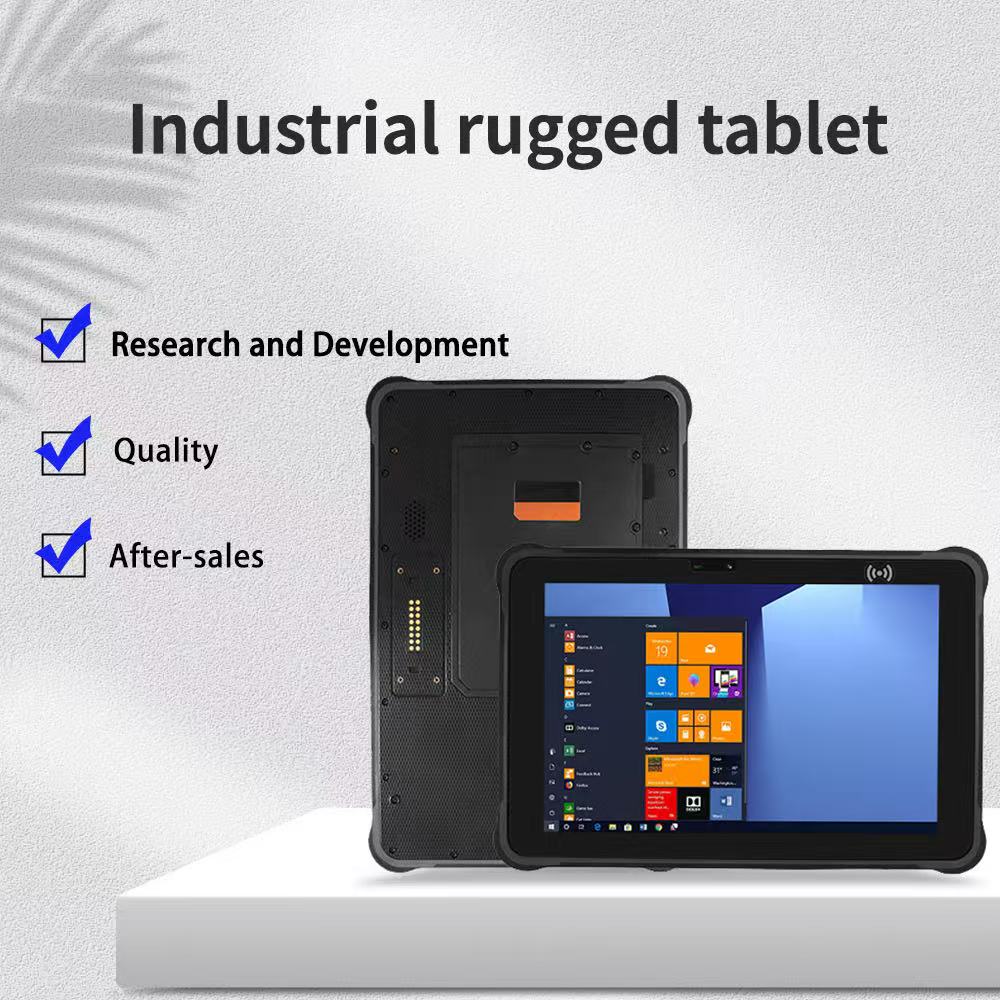
Fig 3 – Real-time dashboard for core acceptance and quality trends
Data collected during inspection and processing must be accessible for decision-making. Centralized dashboards provide visibility into operational performance.
The Hotus ST11-M rugged tablet enables supervisors to monitor key metrics across the remanufacturing line.
Common dashboard insights include:
With real-time data, teams can quickly identify trends and take corrective action before issues escalate.
Implementing digital inspection and traceability delivers measurable improvements across remanufacturing operations:
These improvements directly impact profitability and customer satisfaction.
Modern remanufacturing requires more than skilled technicians—it requires consistent data capture and analysis. A complete solution includes:
Together, these elements create a connected workflow that supports continuous improvement and long-term scalability.
As demand for remanufactured products continues to grow, companies that invest in digital inspection infrastructure will be better positioned to deliver reliable, high-quality output at scale.