- Select Language
The N60 PDA is a cutting-edge device for inventory...
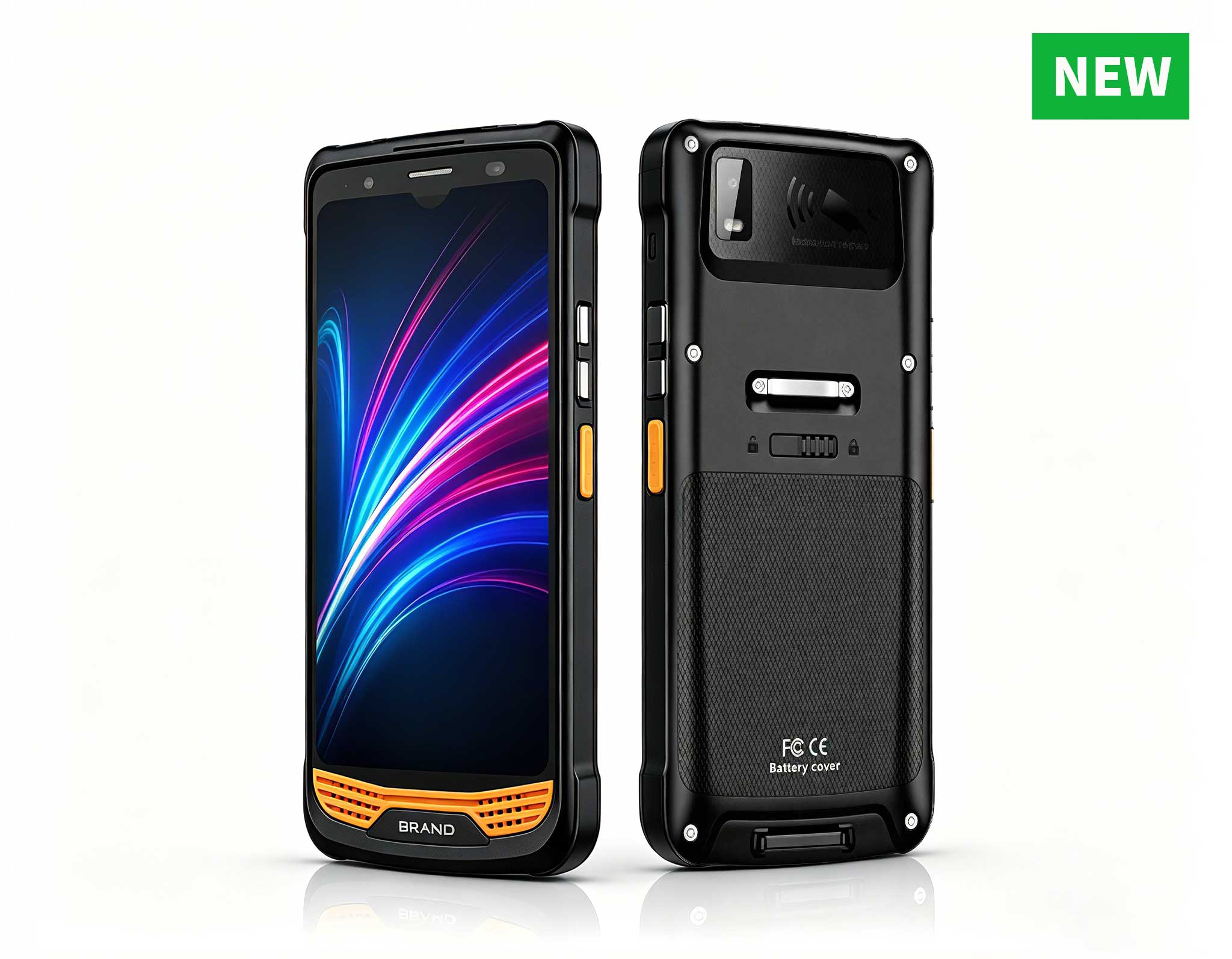
R366-S 5.5-inch Industrial PDA | Qualcomm Octa-cor...
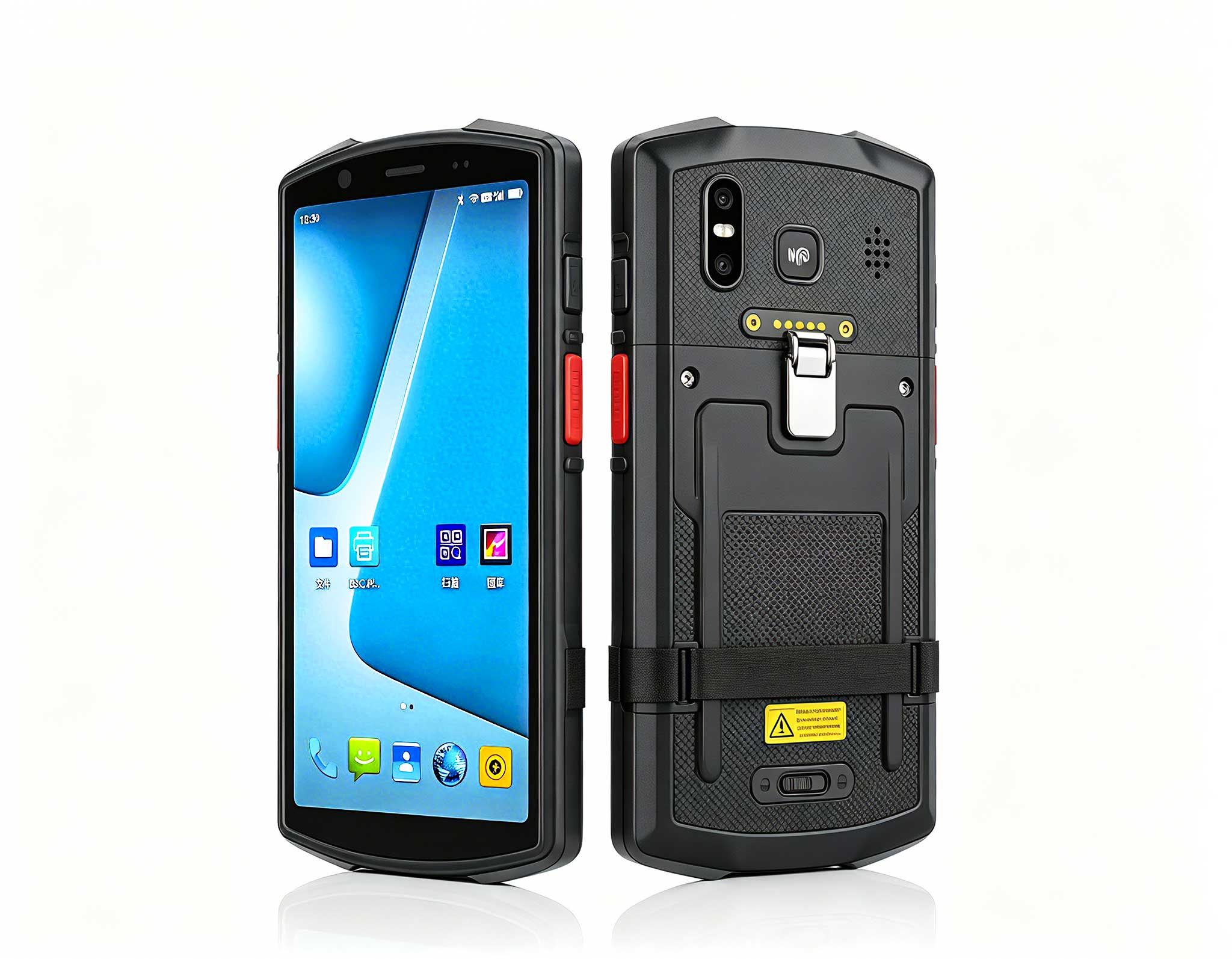
R366C-S 5.5-inch Industrial UHF RFID Reader | Qual...
Full SpecificationsModelHotus ST13‑UOSWindows 10 P...
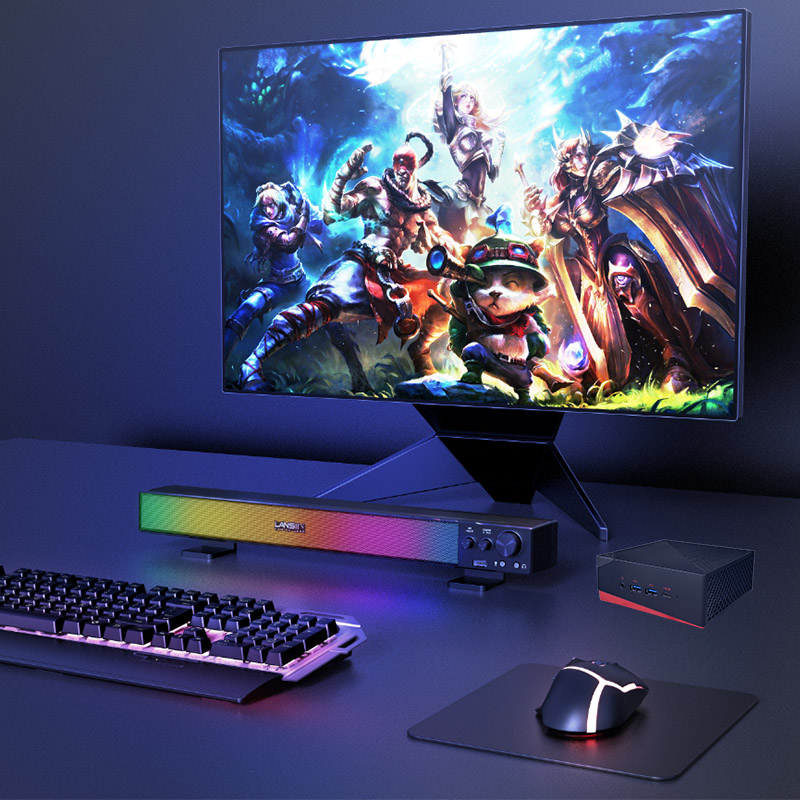
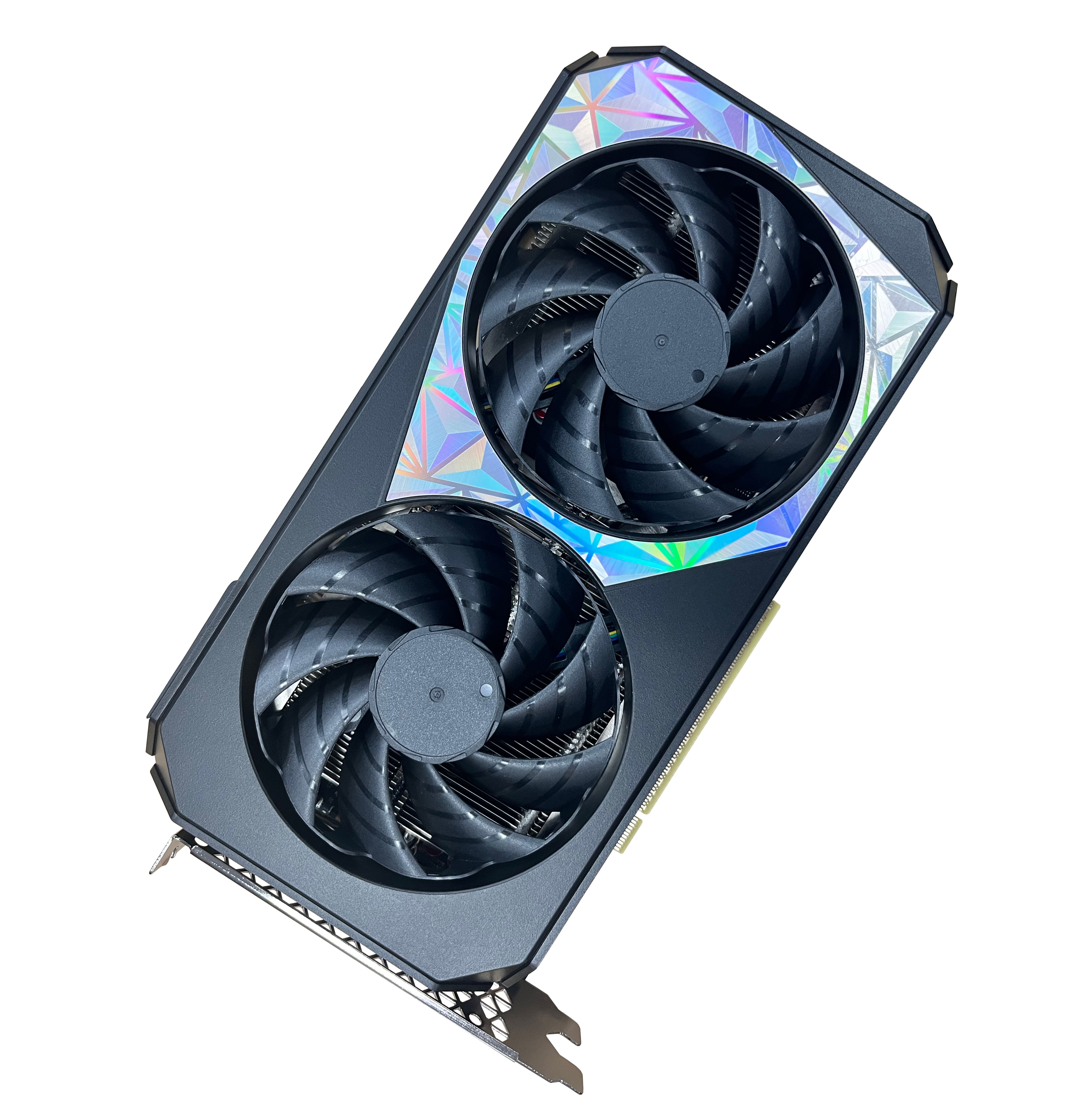
The EGPU Graphics Card Expansion Dock is a high-pe...
From the unknown so simpleUsed for mobile phones, ...
Explore our customized PDA designed for versatile ...
R366-S Thin 5.5-inch Industrial PDA | Qualcomm Oct...
R366C-S 5.5-inch Industrial UHF RFID Reader | Qual...
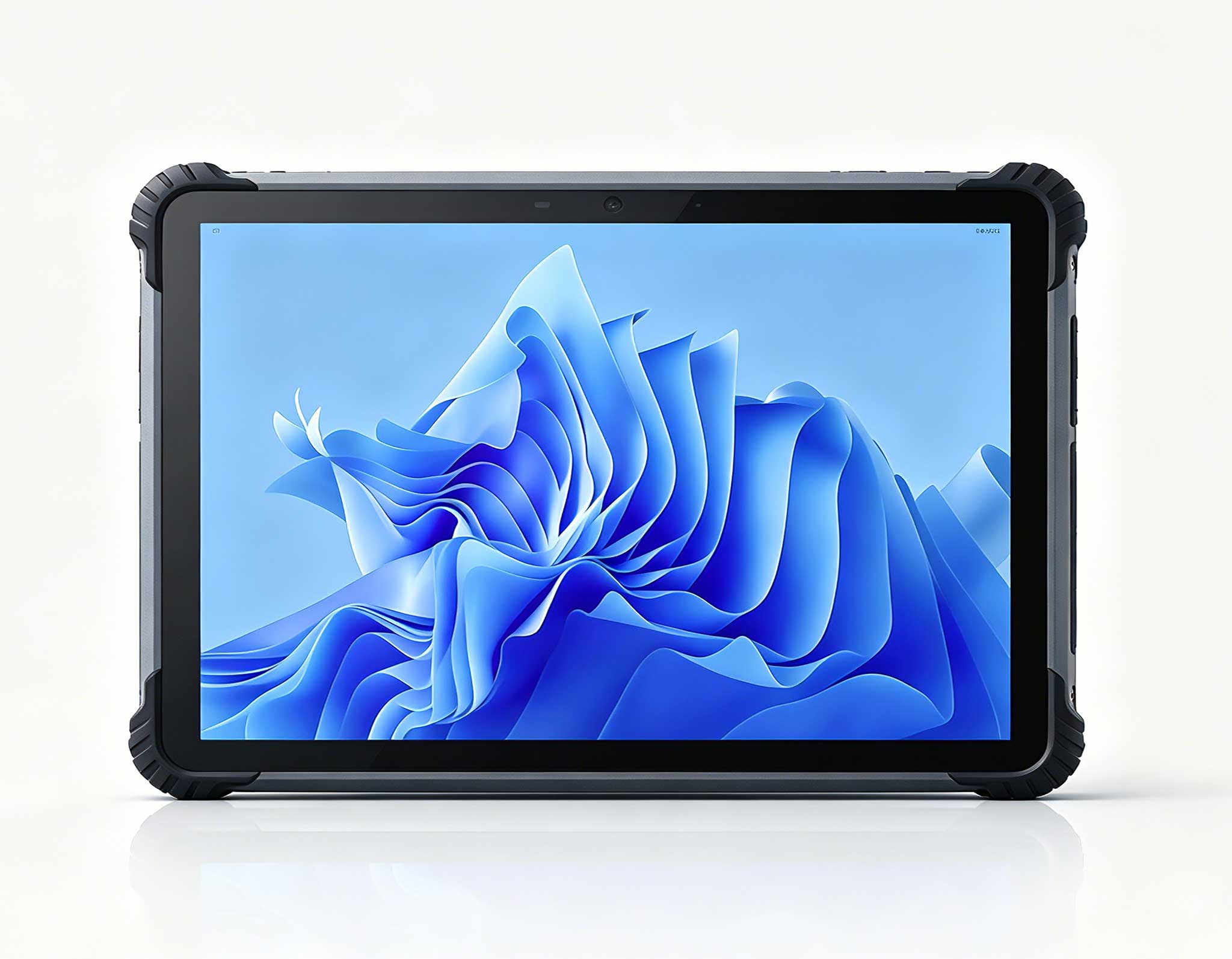
RT81 4G Rugged Tablet | 10.1" FHD 400nit | Qu...
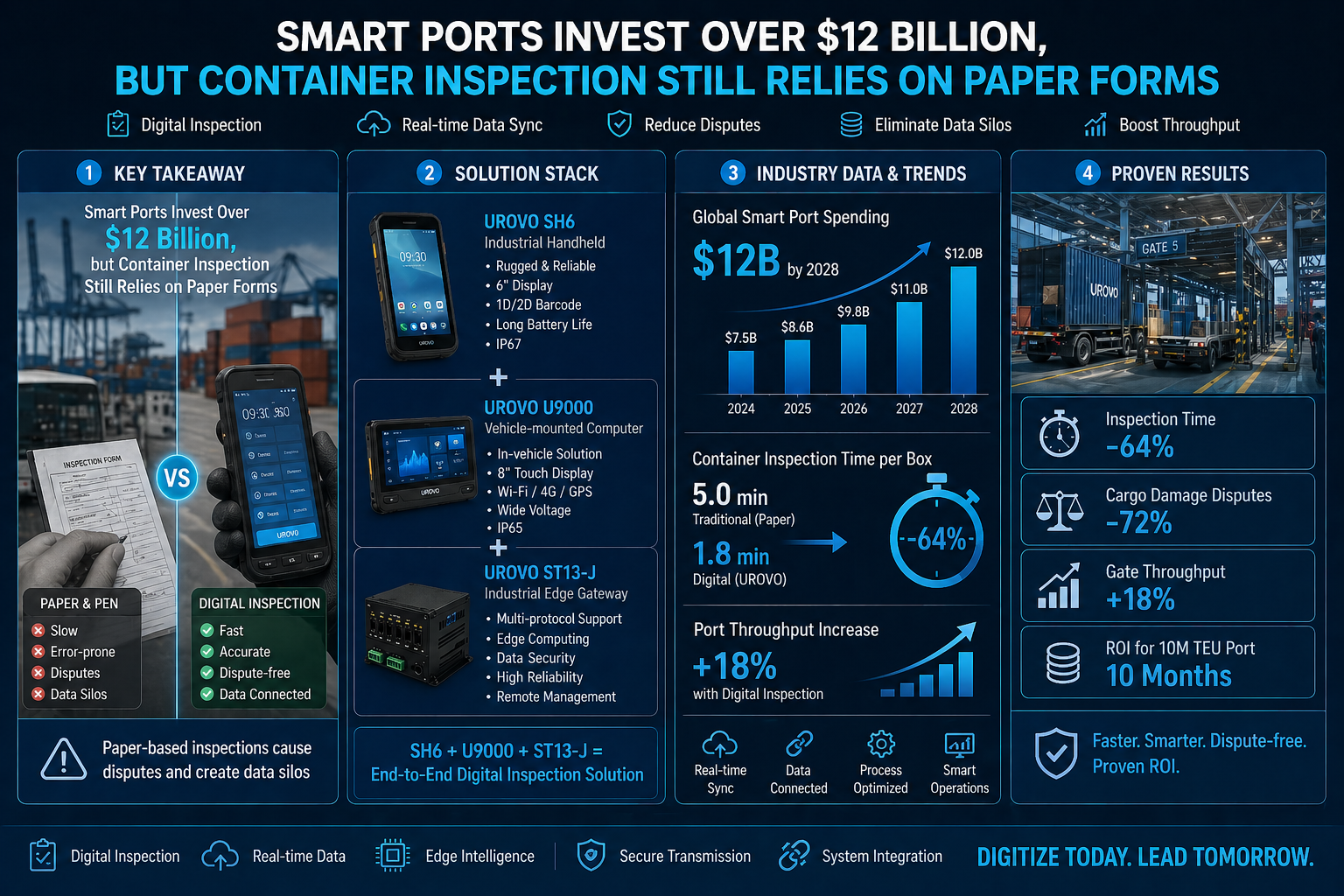
Fig 1 – Digital container inspection using rugged handheld device at port terminal
Ports are investing heavily in automation, yet one of the most critical workflows—container inspection—often remains manual. This gap creates delays, data inconsistencies, and costly disputes that undermine broader digital transformation efforts.
Port Automation | Container Inspection Technology | April 2026
Modern ports have adopted automation across cranes, yard equipment, and scheduling systems. However, inspection workflows often lag behind. Container condition checks, seal verification, and reefer monitoring are still frequently recorded on paper forms.
This manual approach introduces several operational risks:
In high-throughput terminals, even small inefficiencies multiply quickly, affecting vessel turnaround times and yard productivity.
Transitioning to digital inspection requires devices that can withstand harsh port environments while remaining easy to use in the field.
The Hotus SH6 rugged Windows handheld enables inspectors to replace paper forms with structured digital workflows. Inspection templates guide users through standardized checks, ensuring consistency across teams.
Key capabilities include:
By recording inspection data in real time, ports eliminate the need for manual transcription and significantly reduce reporting delays.
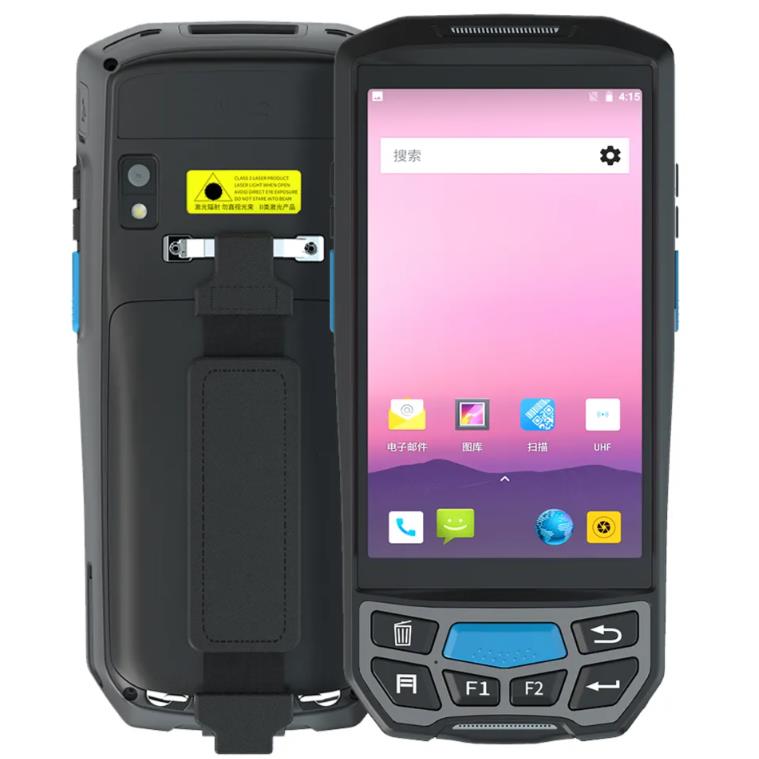
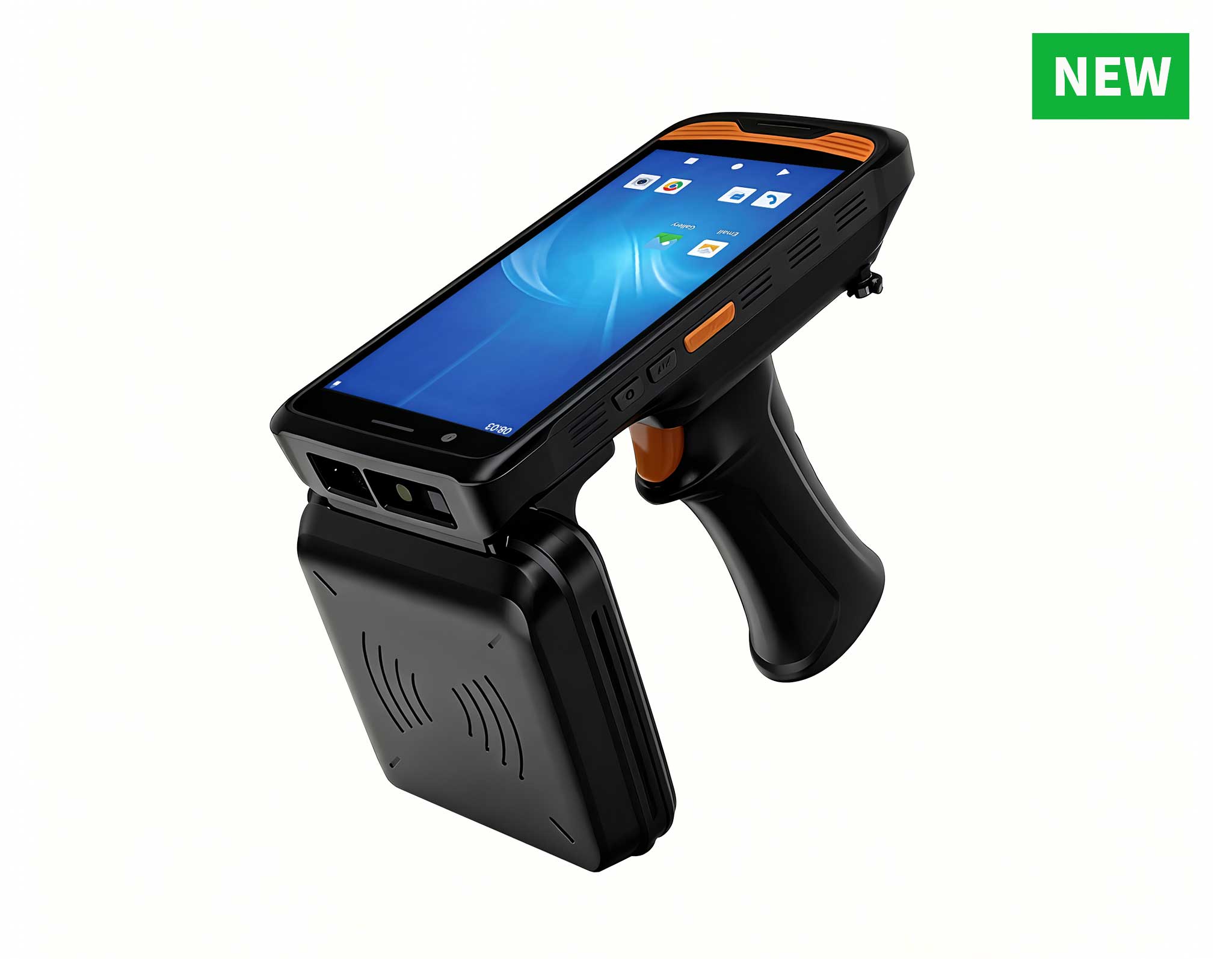
Fig 2 – RFID-enabled PDA for fast container identification and tracking
In large container yards, identifying and tracking units efficiently is essential. Traditional barcode scanning requires line-of-sight and can slow down operations when containers are stacked closely.
The Hotus U9000 RFID handheld PDA enables bulk reading of container tags without direct alignment. This allows operators to scan multiple containers in seconds.
Benefits of RFID integration include:
Combining RFID identification with inspection data creates a unified, traceable record for each container.
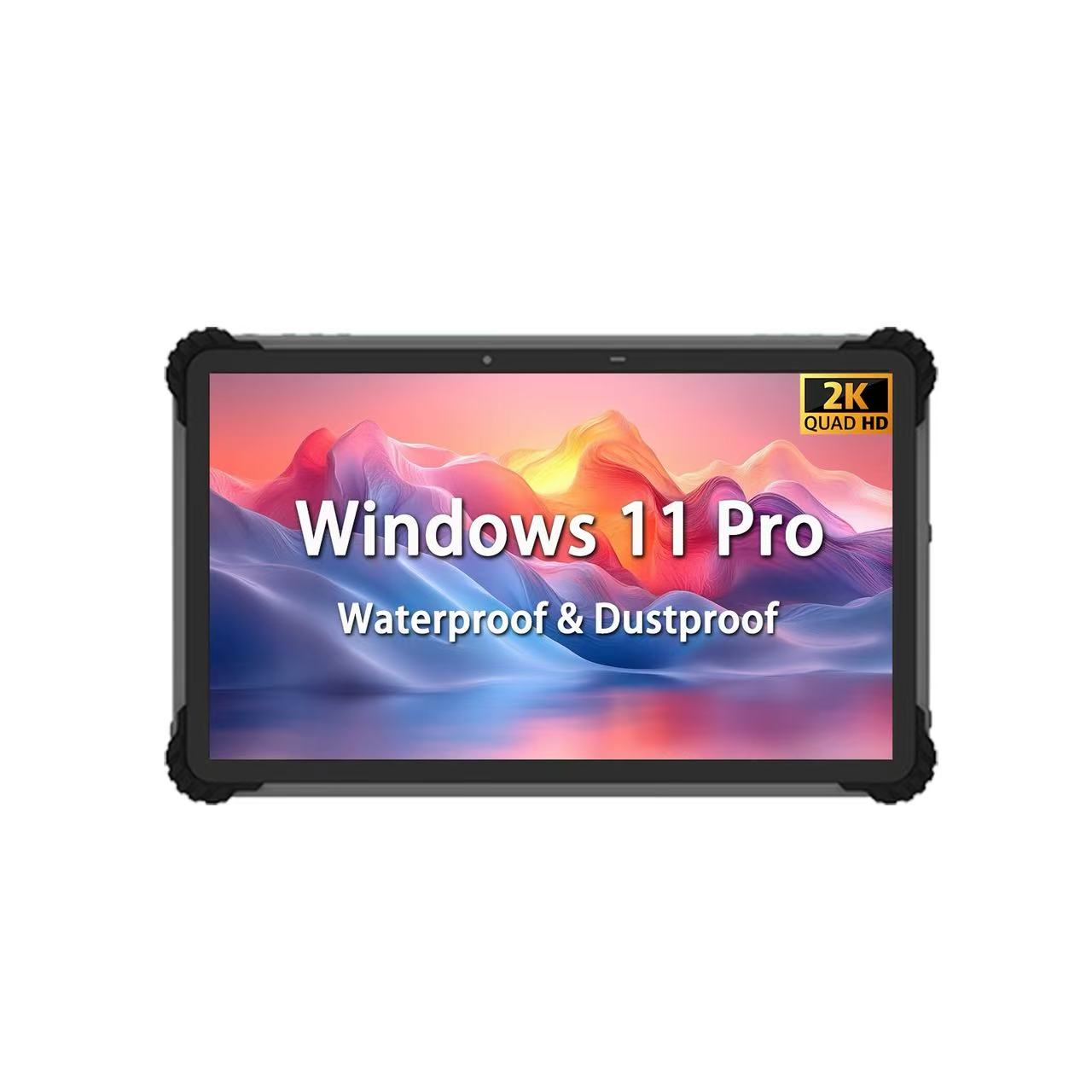
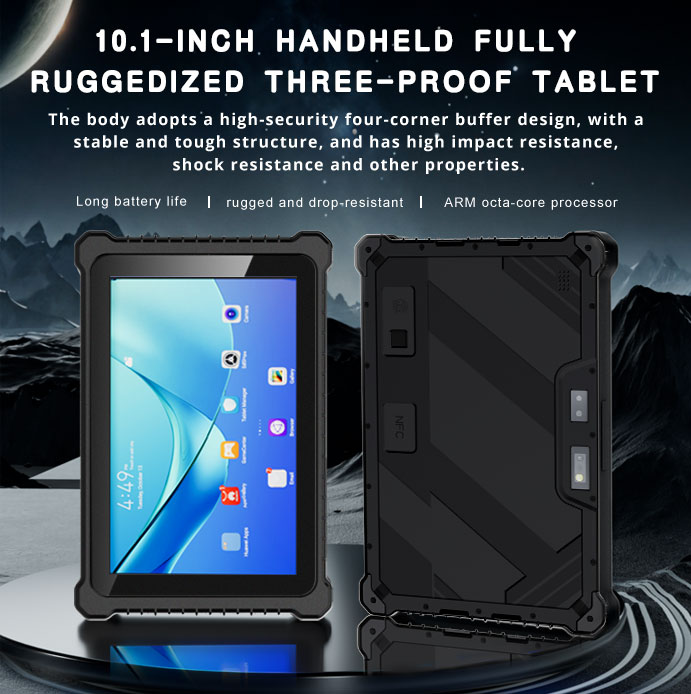
Fig 3 – Centralized inspection dashboard on rugged tablet
Field data becomes most valuable when it is aggregated and visualized. Supervisors require a clear overview of inspection progress and operational status.
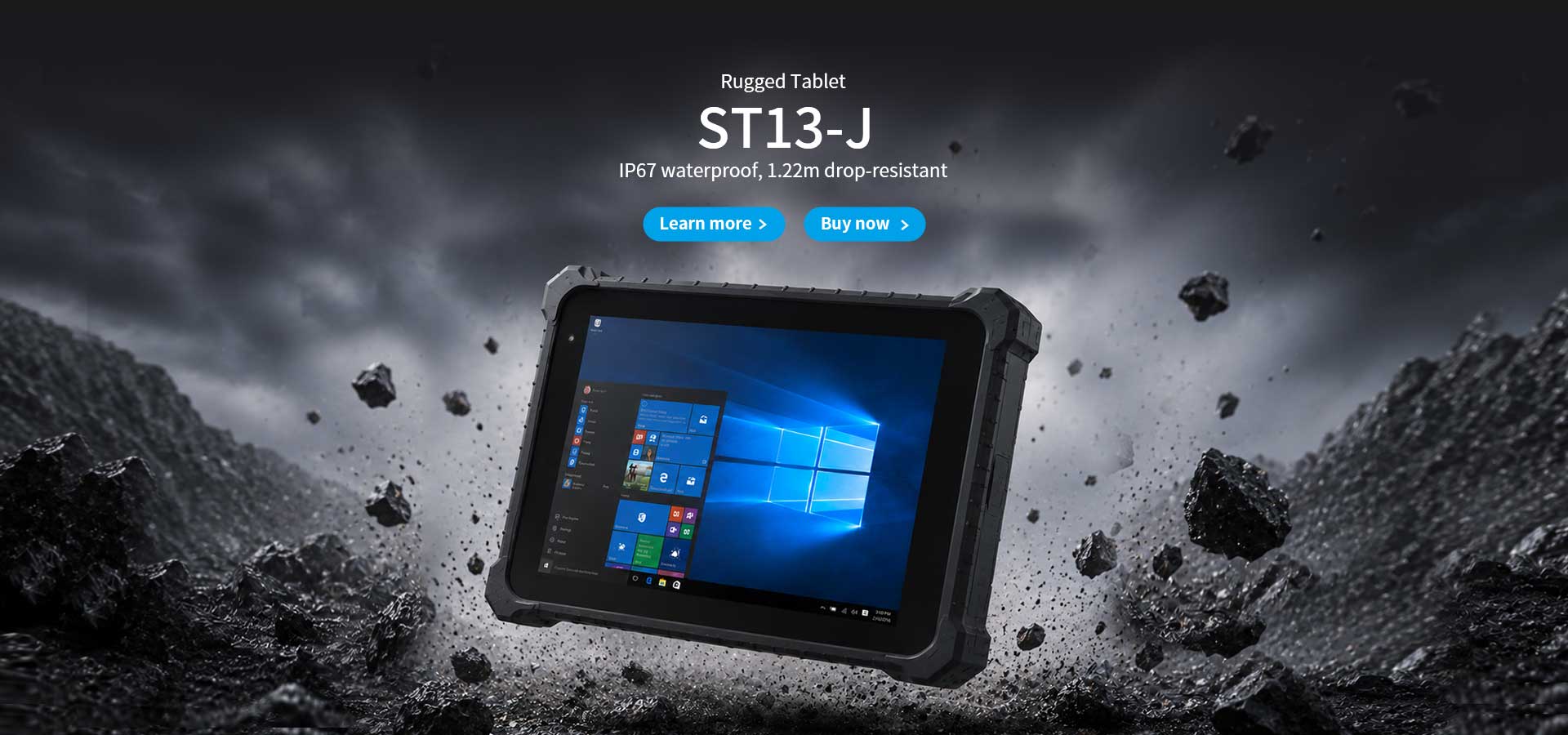
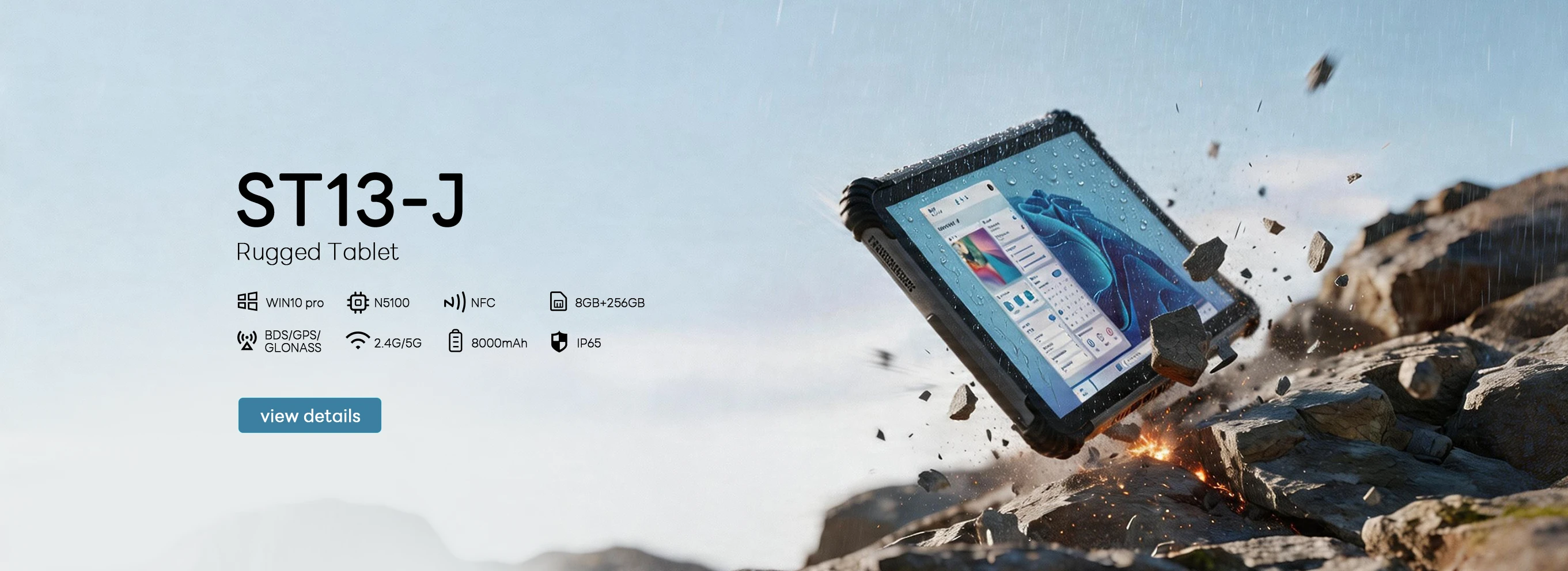
The Hotus ST13-J rugged tablet provides a large-screen interface for monitoring inspection activities across the terminal.
Typical dashboard features include:
With immediate access to accurate data, supervisors can respond faster and coordinate resources more effectively.
Ports that adopt digital inspection workflows typically achieve measurable improvements in both efficiency and accountability:
More importantly, digital records create a reliable audit trail that supports claims management and regulatory requirements.
A modern port inspection system combines multiple technologies into a cohesive workflow:
This integrated approach transforms inspection from a manual task into a structured, data-driven process aligned with broader smart port initiatives.
As ports continue to modernize, digitizing inspection workflows is a practical step that delivers immediate operational value while supporting long-term automation strategies.