- Select Language
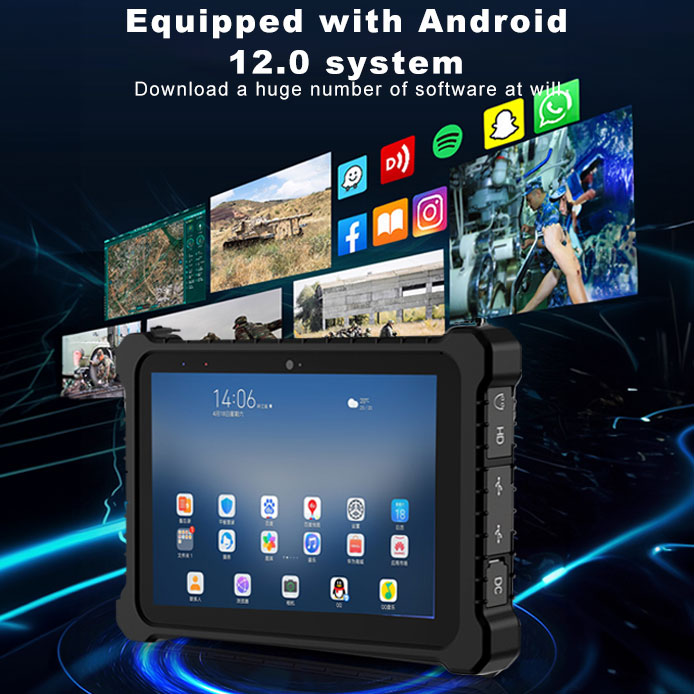
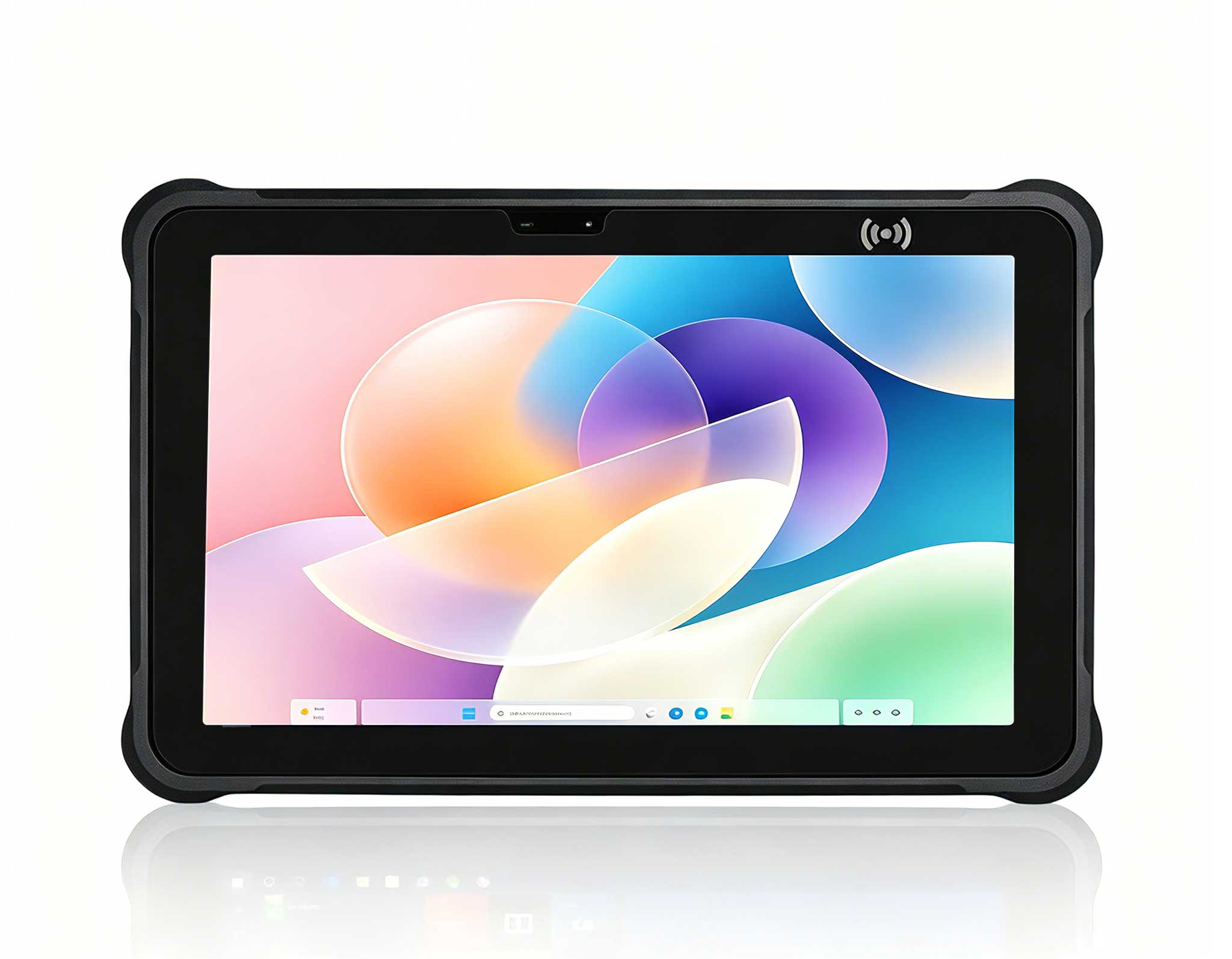
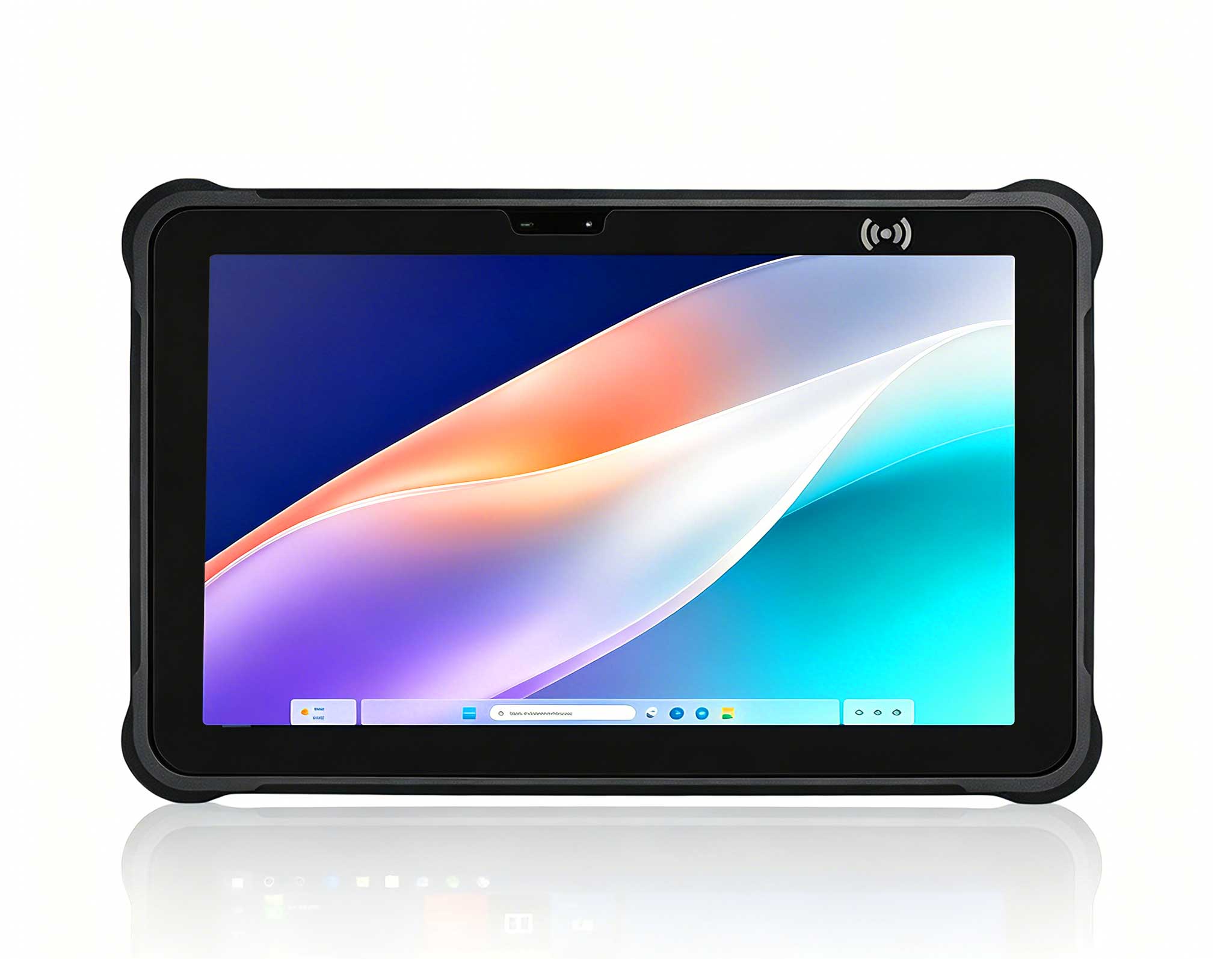
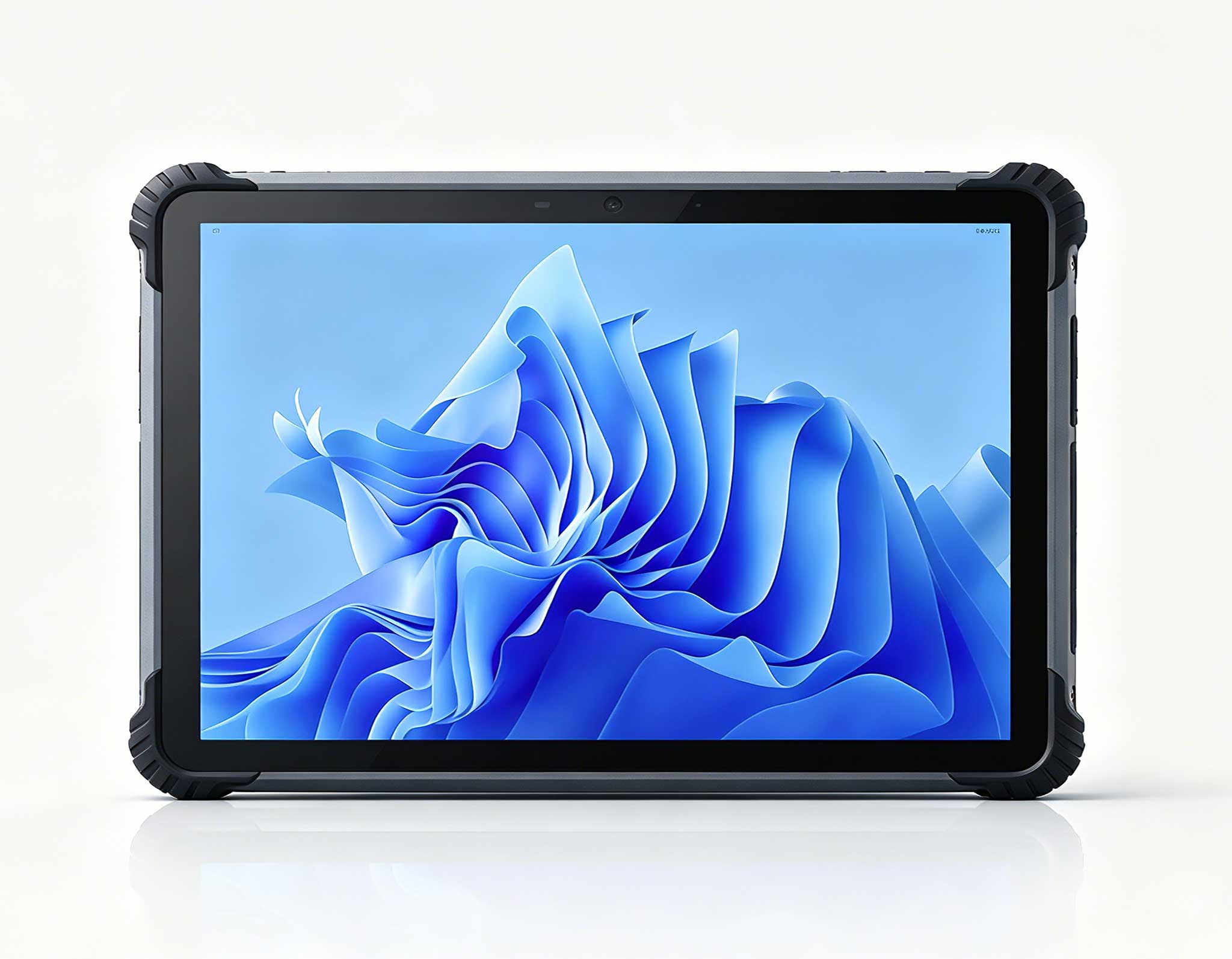
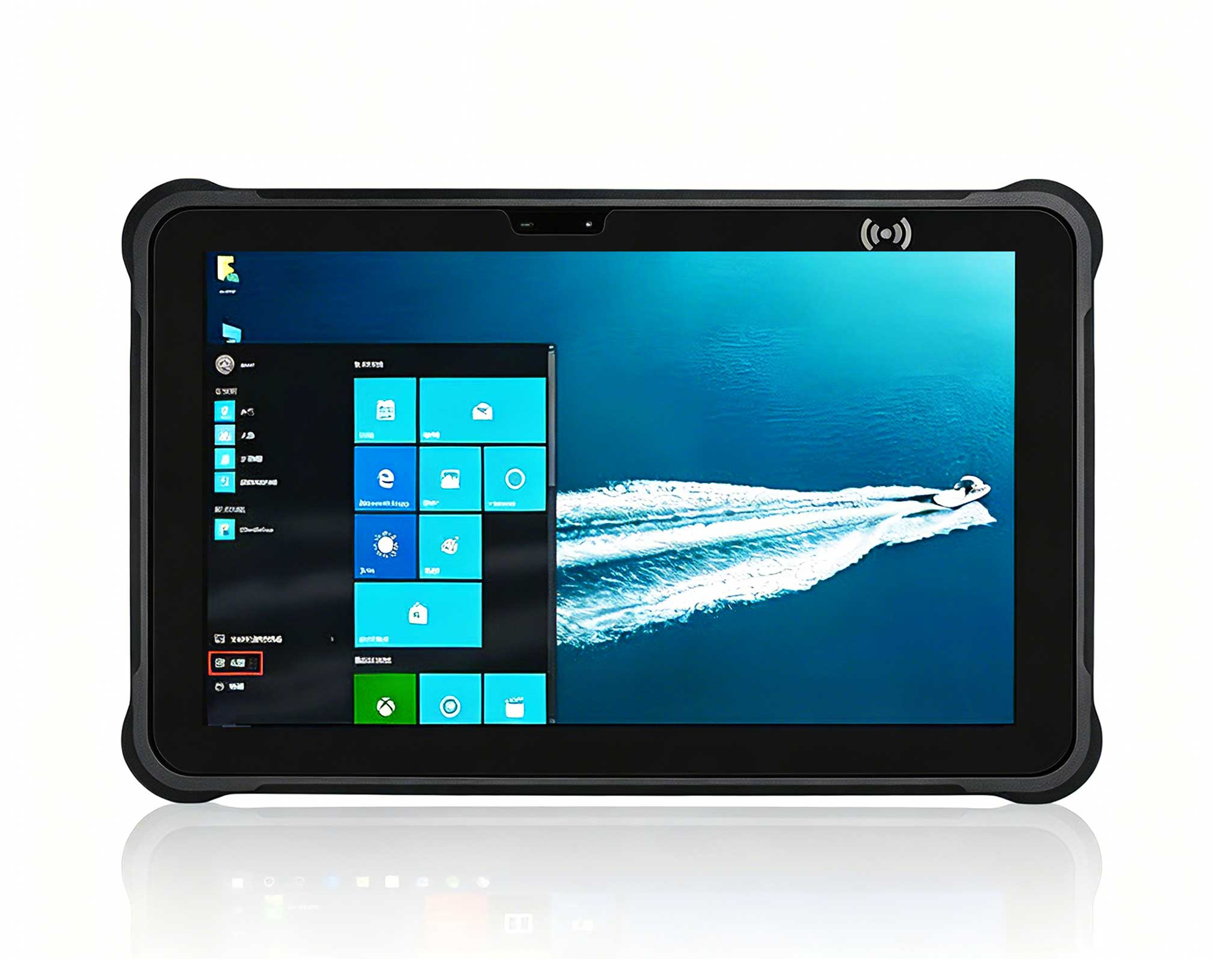
RT80 5G Rugged Tablet | 10.1" FHD 400nit | Un...
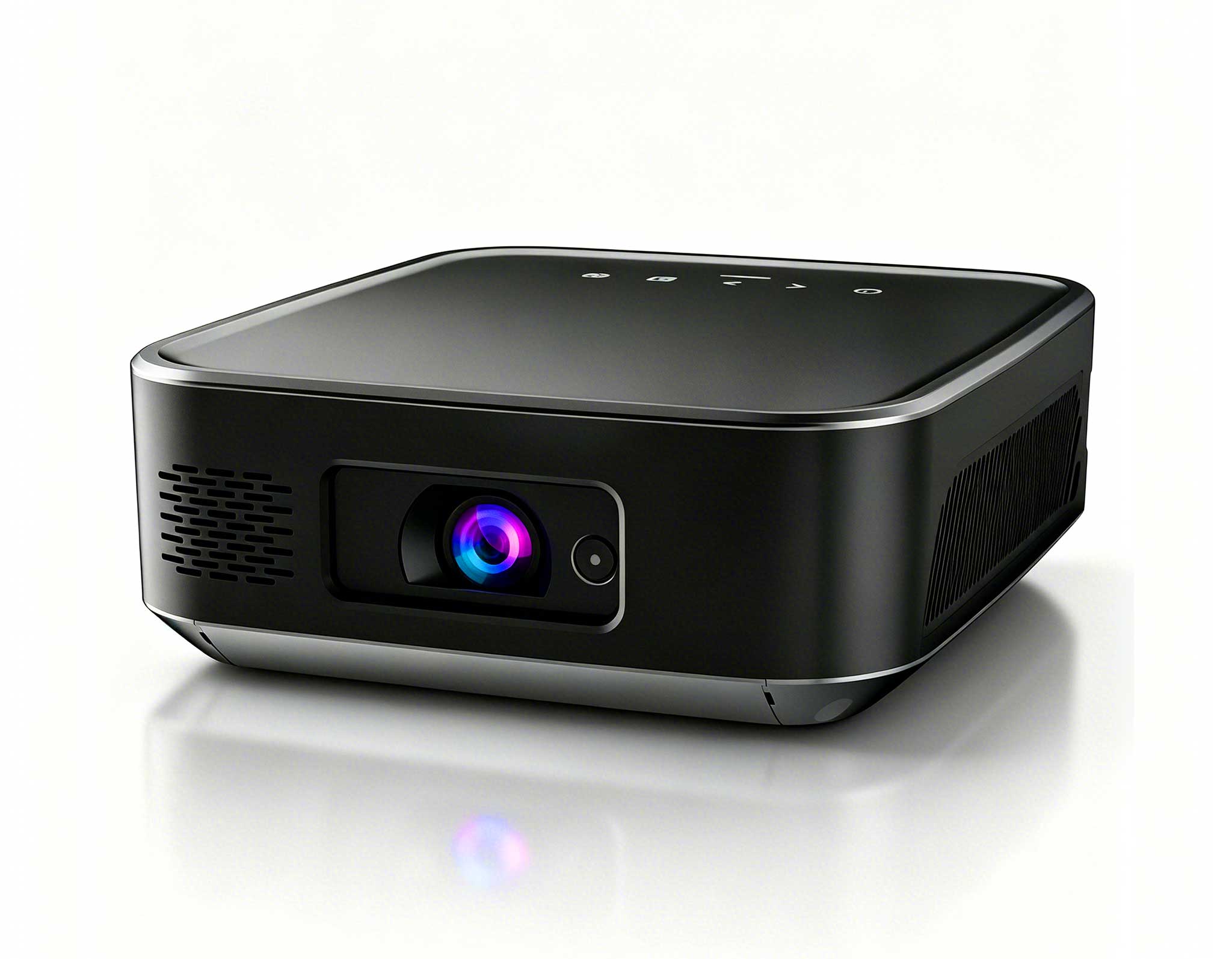
Technical SpecificationsModel: Palm-sized miniPCTy...
Full SpecificationsModelHotus ST11‑MOSWindows 10/1...
Full SpecificationsModelHotus ST13‑UOSWindows 10 P...
Maintenance instructions: Store at room temperatur...
Full SpecificationsModelHotus ST11‑JOSWindows 10 P...
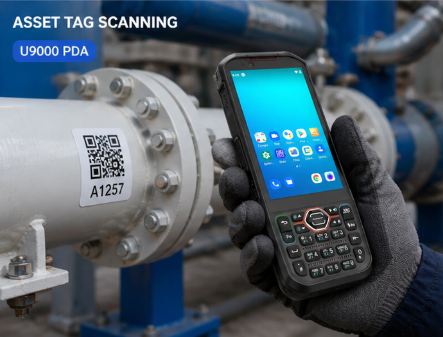
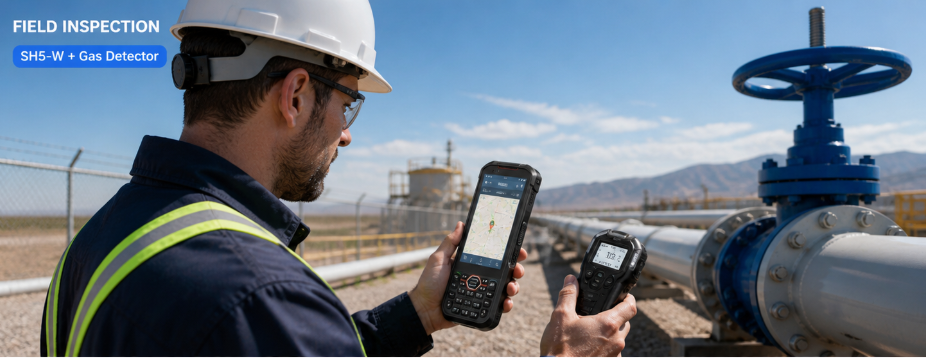
Fig 1 – Field inspection along a hydrogen pipeline route. Real-time pressure trends and gas readings are captured digitally, eliminating blind spots in traditional inspection workflows.
Field Insight: Hydrogen infrastructure is scaling faster than inspection teams can keep up. Without digital traceability, leak detection becomes unverifiable. A modern inspection system must capture every reading, every location, and every timestamp automatically—otherwise, compliance is just assumption.
By HOTUS Technology | Updated May 2026
Global investment in hydrogen infrastructure is accelerating rapidly. Thousands of kilometers of dedicated hydrogen pipelines are either under construction or entering planning phases across North America, Europe, and Asia. As governments push toward carbon neutrality targets, pipeline networks are expected to expand dramatically over the next decade.
However, inspection practices have not evolved at the same pace. Many operators still rely on manual logging methods combined with standalone gas detectors. This creates a critical gap: hydrogen, due to its molecular size, can escape through micro-defects that are difficult to detect and even harder to document consistently.
Paper-based inspection workflows introduce multiple risks:
In a hydrogen environment, these limitations are unacceptable. Safety depends on continuous, auditable monitoring—not isolated readings written in notebooks.
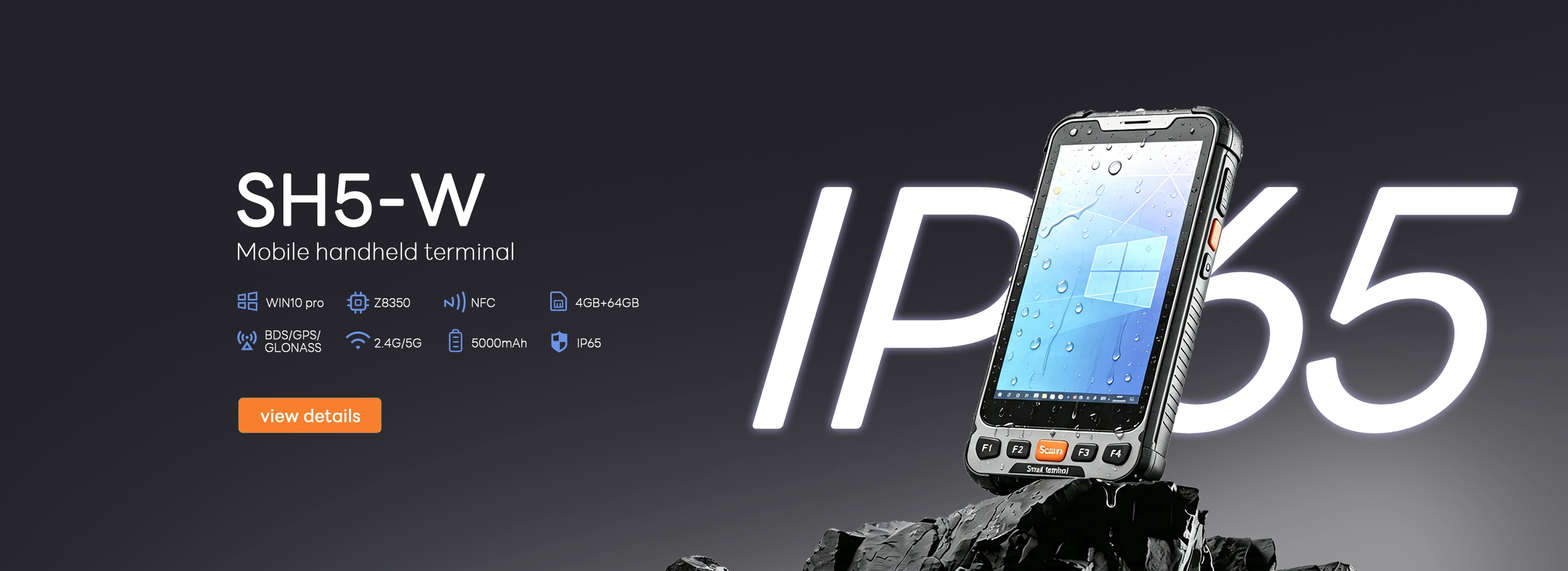
The Hotus SH5-W rugged handheld PDA is built specifically for field inspection scenarios. It integrates directly with gas detection sensors via Bluetooth, capturing hydrogen concentration levels alongside precise GPS coordinates and timestamps.
Each measurement is automatically logged and linked to location data. When abnormal readings occur, the system triggers instant alerts and allows inspectors to attach photos and notes directly on-site. This ensures that no anomaly goes undocumented.
Designed for harsh environments, the SH5-W operates reliably in rain, dust, and extreme temperatures. Its touchscreen remains responsive with gloves, making it suitable for pipeline corridors in remote or challenging terrain.
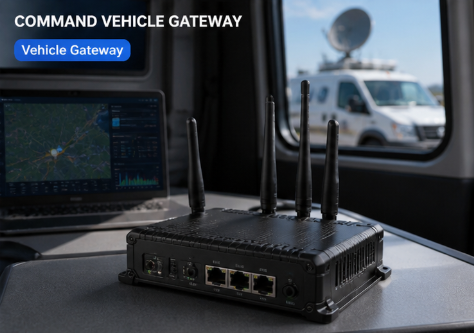
Fig 2 – Instant access to asset history through RFID scanning. Inspection data, maintenance records, and repair logs are retrieved in seconds.
For asset-level management, the Hotus U9000 industrial PDA provides UHF RFID capability. Each valve, flange, or joint can be tagged and tracked throughout its lifecycle.
Inspectors can instantly retrieve:
This eliminates manual record searches and ensures continuity across inspection cycles.
In remote environments where connectivity is limited, the Hotus Mini PC acts as a mobile edge gateway. Installed in field vehicles or temporary stations, it aggregates inspection data from multiple handheld devices.
The system can process data locally, identify risk patterns, and synchronize with central servers once a connection becomes available. This ensures uninterrupted data flow even in off-grid locations.

Fig 3 – Real-time pipeline monitoring inside a mobile command unit. Data from multiple inspection points is visualized and analyzed on-site.
Operators implementing a fully digital inspection workflow report measurable improvements:
With complete data visibility, maintenance teams can shift from reactive repairs to predictive strategies—addressing issues before they escalate.
As hydrogen adoption expands, safety standards will continue to tighten. Digital inspection systems are no longer optional—they are becoming a baseline requirement for compliance and operational reliability.
Transitioning from manual logs to integrated digital workflows ensures that every inspection is traceable, verifiable, and actionable.
Contact HOTUS Technology to explore rugged handheld solutions, request pilot devices, and build a scalable hydrogen pipeline inspection system tailored to your operations.