- Select Language
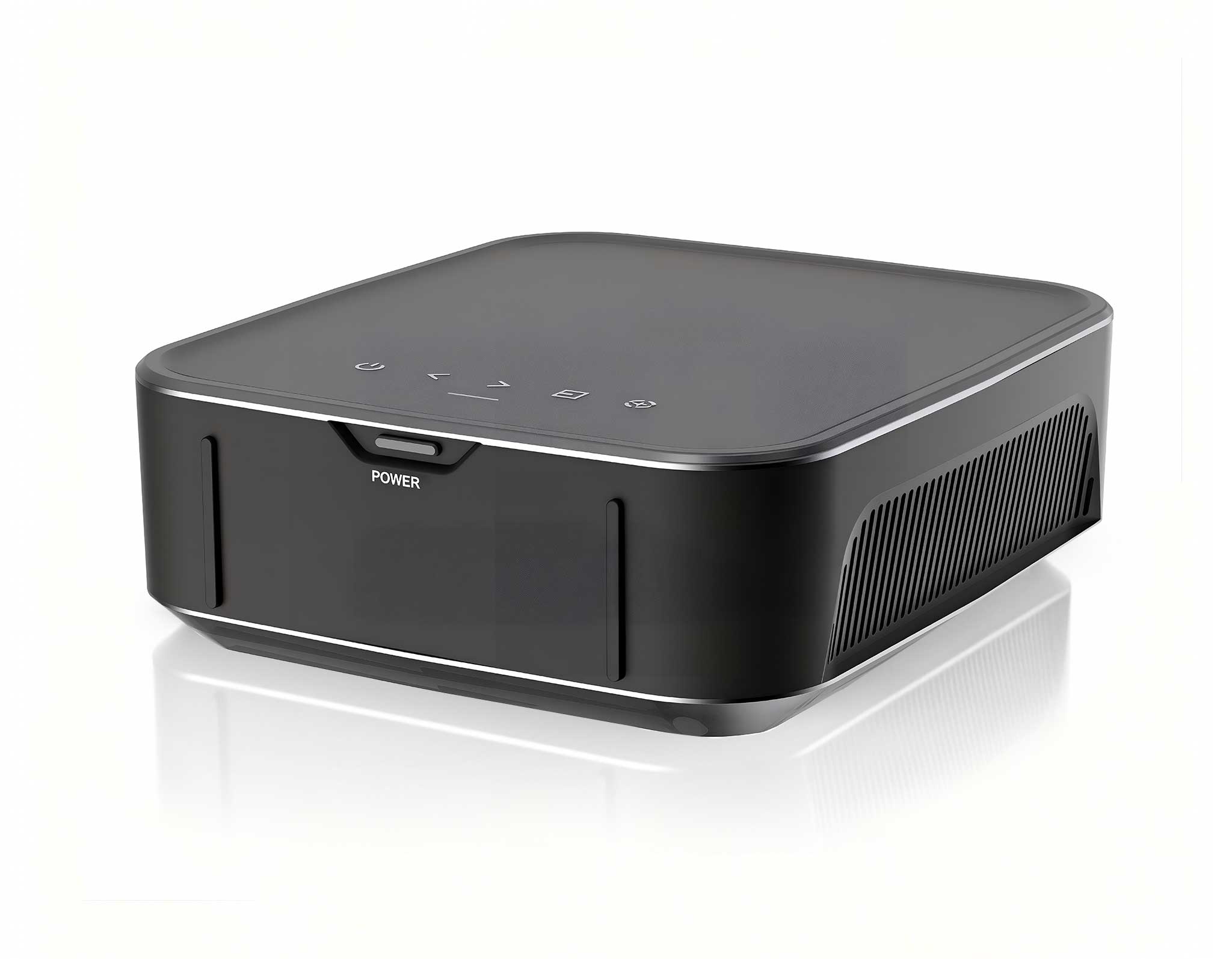
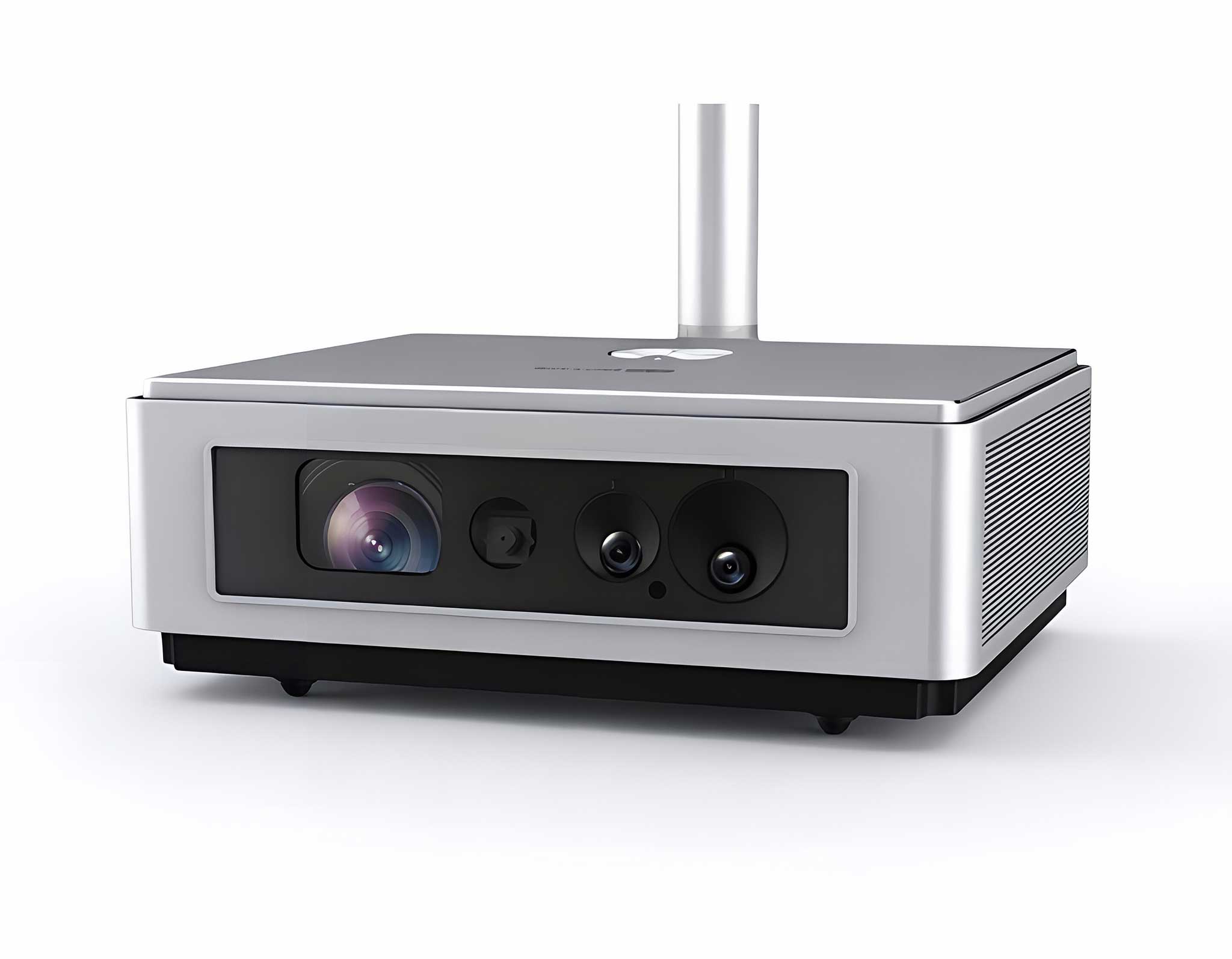
One Device, Dual Functions – A Projector and a Com...
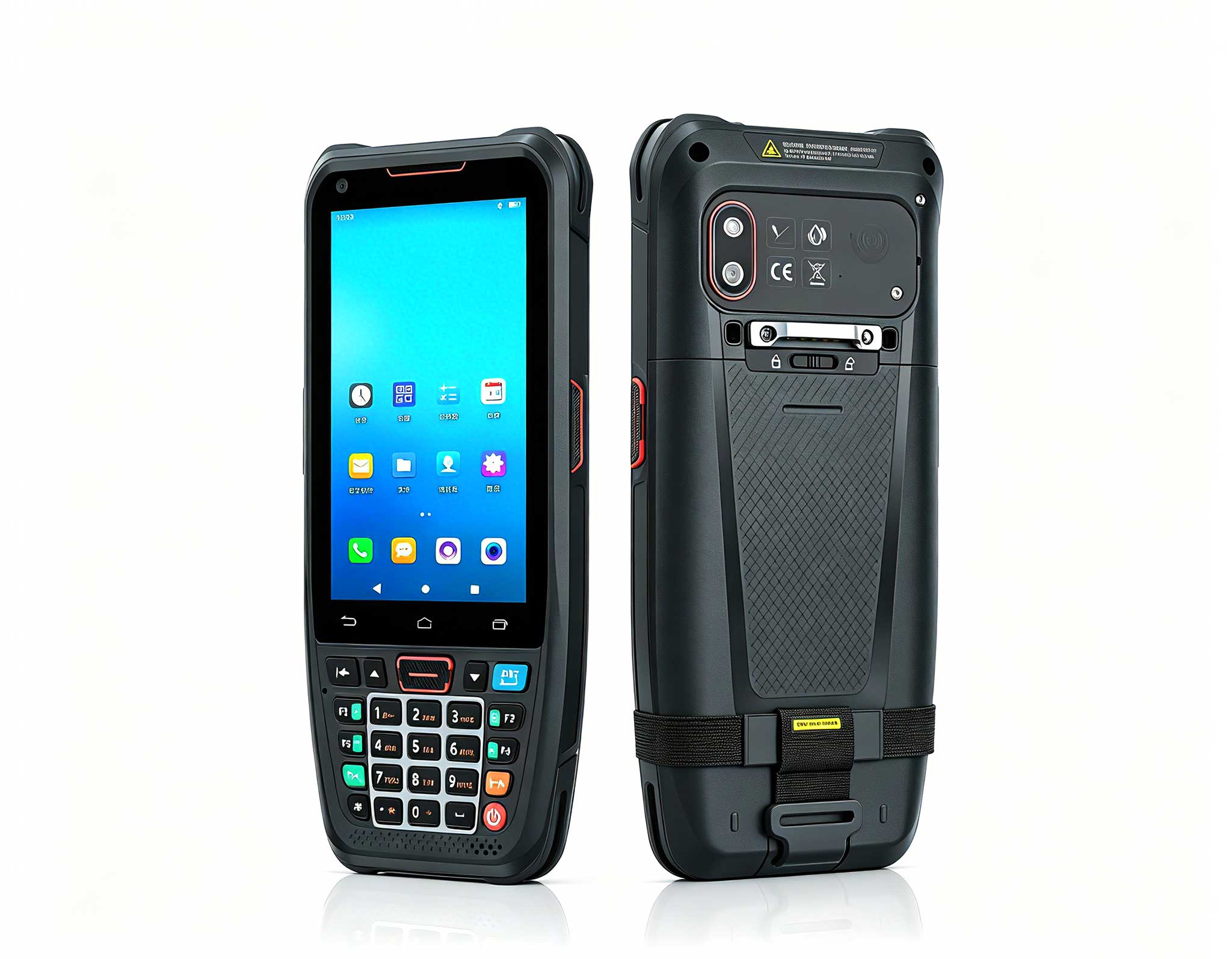
R350C 4-inch Industrial Handheld PDA | Qualcom...
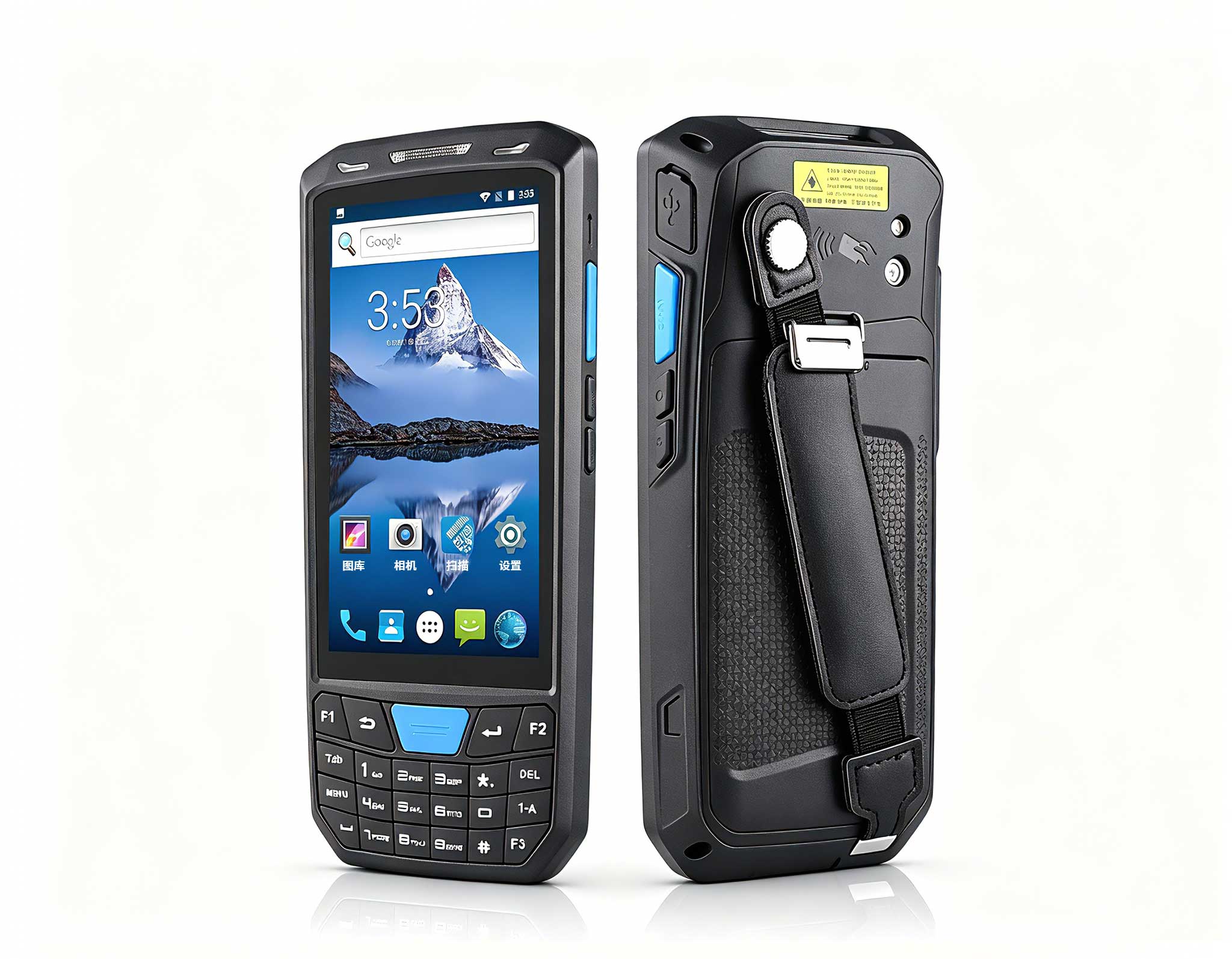
The T80 handheld PDA combines advanced barcode sca...
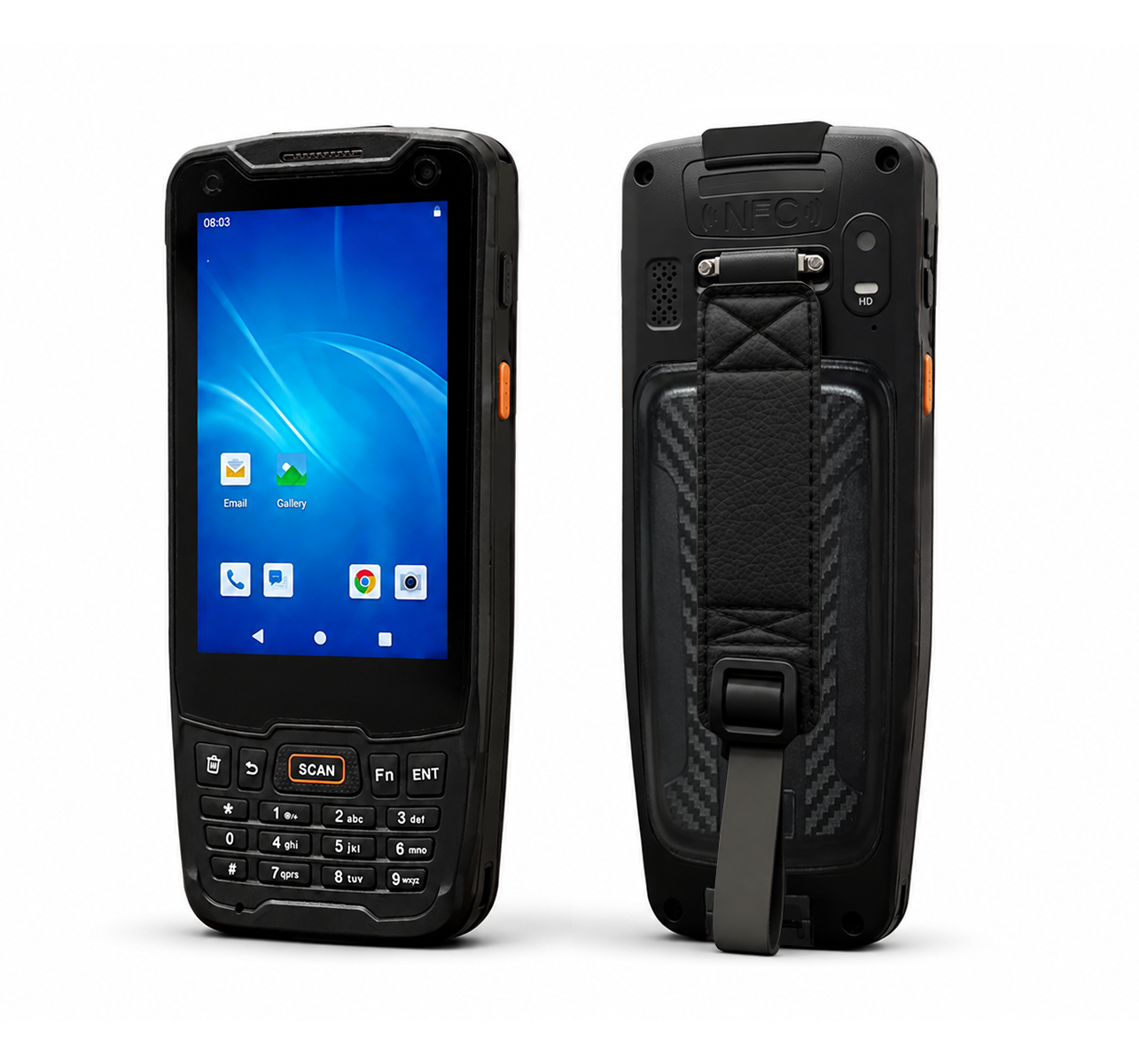
The N40 Android smart PDA features a Cortex-A53 qu...
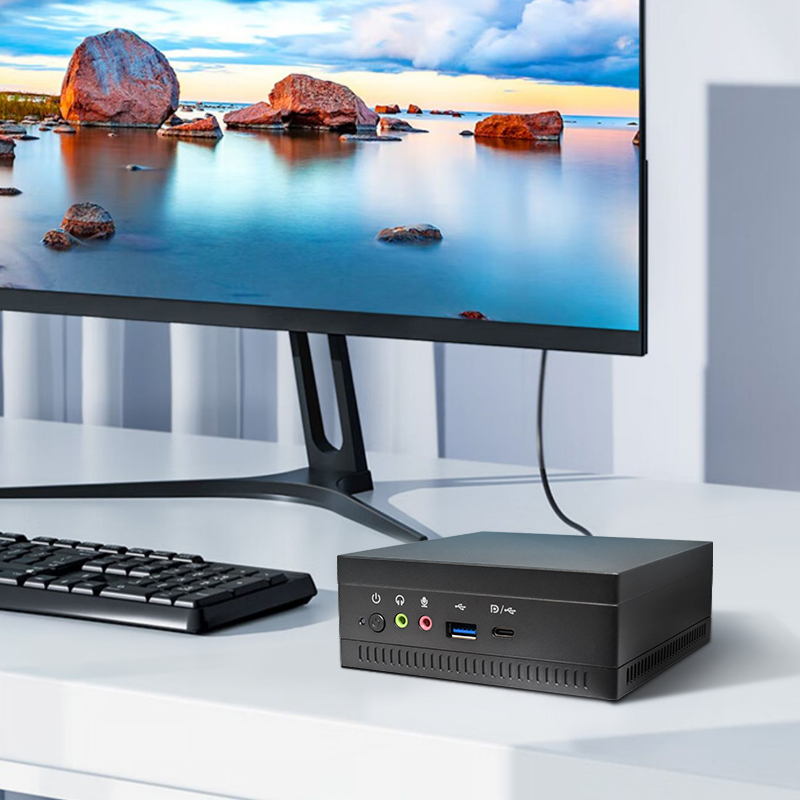
This ultra-compact mini PC offers powerful perform...
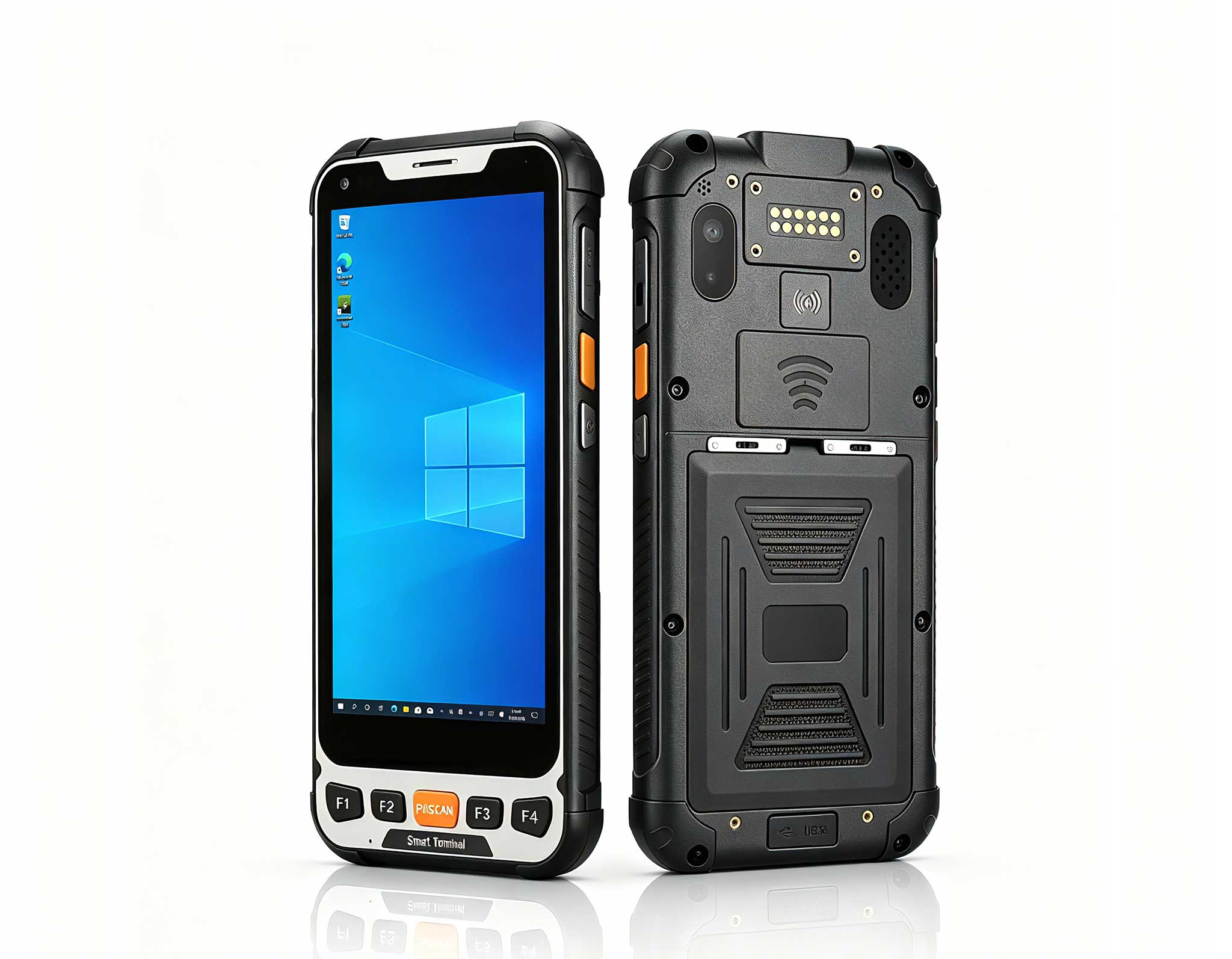
R366-S 5.5-inch Industrial PDA | Qualcomm Octa-cor...
From the unknown so simpleUsed for mobile phones, ...
Full SpecificationsModel Hotus SH5‑WOperating ...
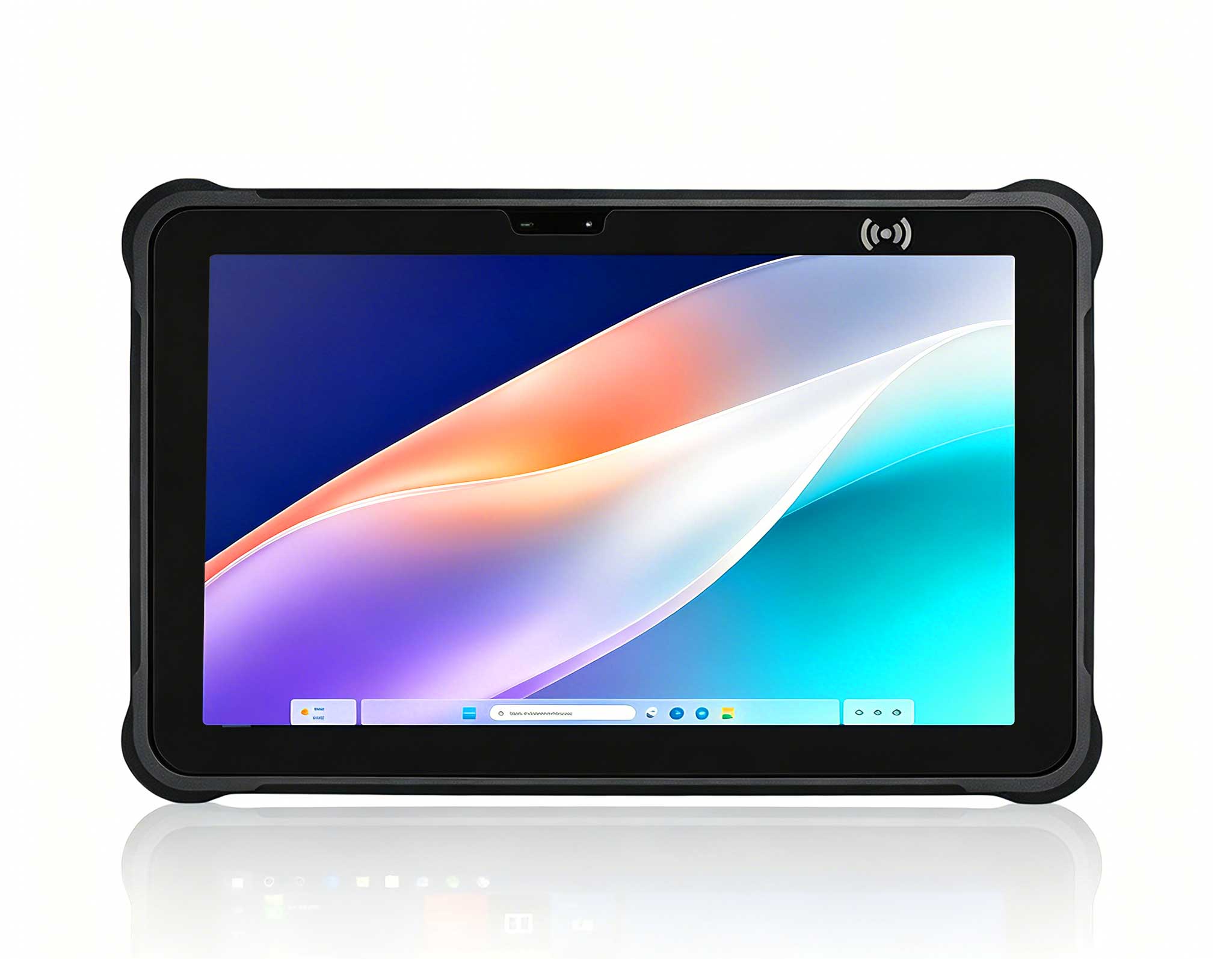
Full SpecificationsModelHotus ST11‑MOSWindows 10/1...
Enterprise Flagship SeriesEngineered for mission-c...
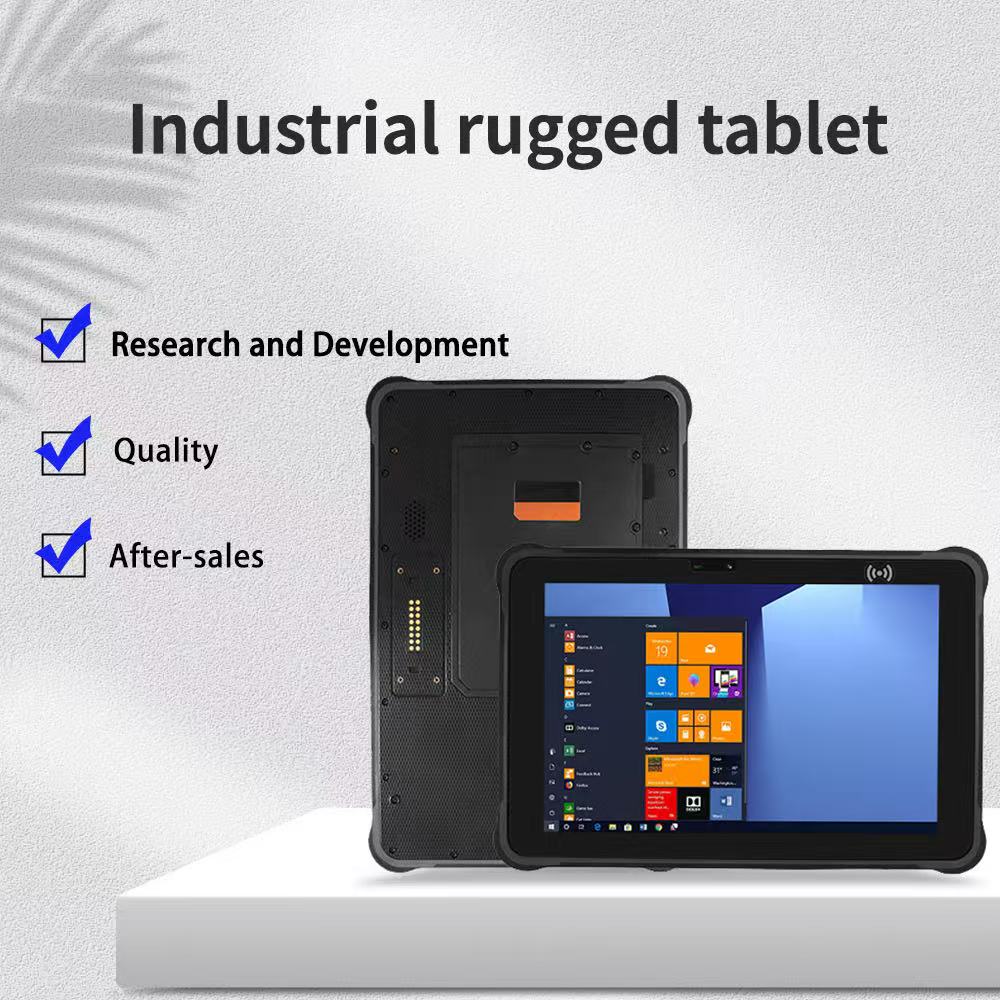
Fig 1 – On-site inspection of an amine solvent tank using a rugged Windows tablet. Digital checklists replace paper forms, ensuring accurate and traceable data collection in chemically aggressive environments.
Industry Reality: As CCUS capacity scales globally, operational reliability depends on data integrity at the equipment level. Solvent systems demand constant monitoring, and any gap in documentation can translate into compliance risk or process inefficiency.

By HOTUS Technology | Updated May 2026
Carbon capture, utilization, and storage (CCUS) is moving from pilot scale to industrial deployment. Large-scale projects are being commissioned across power generation, cement, steel, and chemical sectors. Policy incentives such as tax credits and decarbonization funding are accelerating this transition, pushing operators to scale faster while maintaining strict compliance standards.
Behind the headlines, day-to-day operations rely heavily on solvent-based CO₂ capture systems. Amine loops, absorber columns, and regeneration units require continuous inspection and precise monitoring to maintain performance and safety.
Solvent-based capture systems introduce several operational challenges:
Paper-based recording methods fail quickly in these conditions. Exposure to amine solutions, humidity, and handling leads to data loss and illegible records, making audits and performance analysis difficult.
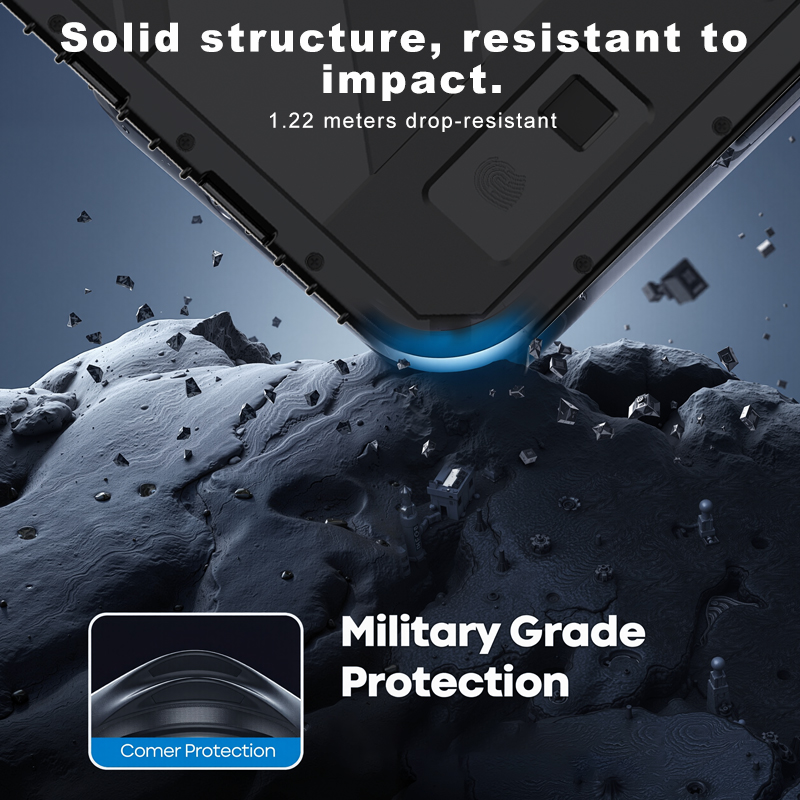
The Hotus ST11-M rugged tablet is engineered for chemical processing environments. Its sealed enclosure resists exposure to solvents and allows for routine cleaning without affecting performance.
Operators can complete inspection routines directly on the device, including:
Each entry is automatically timestamped and linked to the inspection location, ensuring traceability across all operations. Built-in validation rules prevent incomplete submissions, reducing human error during routine checks.
Running on a full Windows operating system, the ST11-M integrates directly with plant management software, eliminating the need for data transcription or secondary input processes.
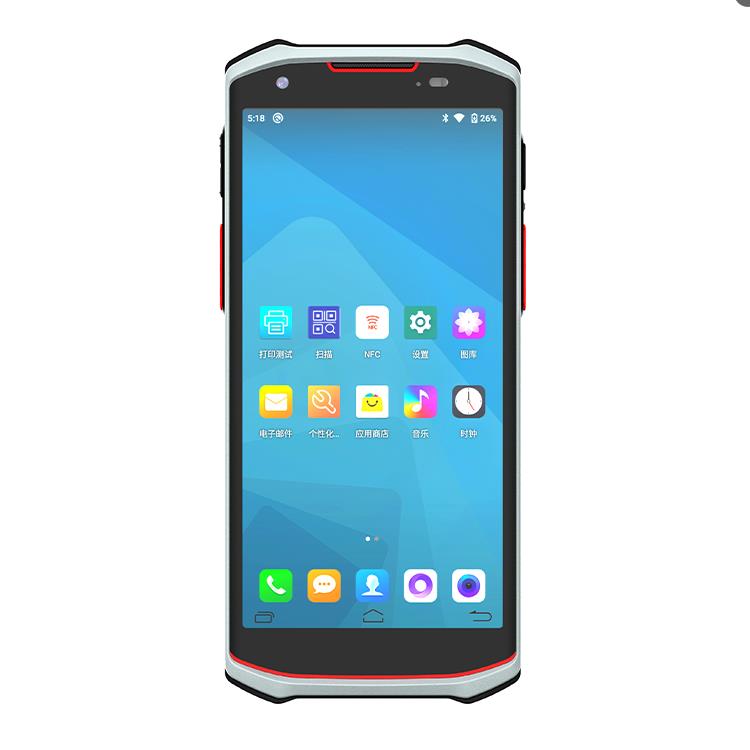
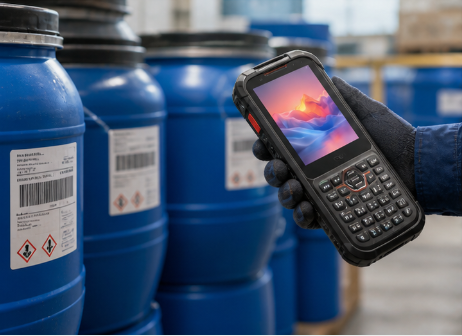
Fig 2 – RFID-based tracking of solvent inventory ensures accurate batch management and prevents the use of degraded or expired materials.
The Hotus F502 industrial PDA supports RFID and barcode scanning for full lifecycle tracking of consumables used in CCUS operations.
This includes:
By linking material usage to specific equipment and timeframes, operators gain complete visibility into process inputs. This is critical when diagnosing system performance issues or preparing compliance documentation.
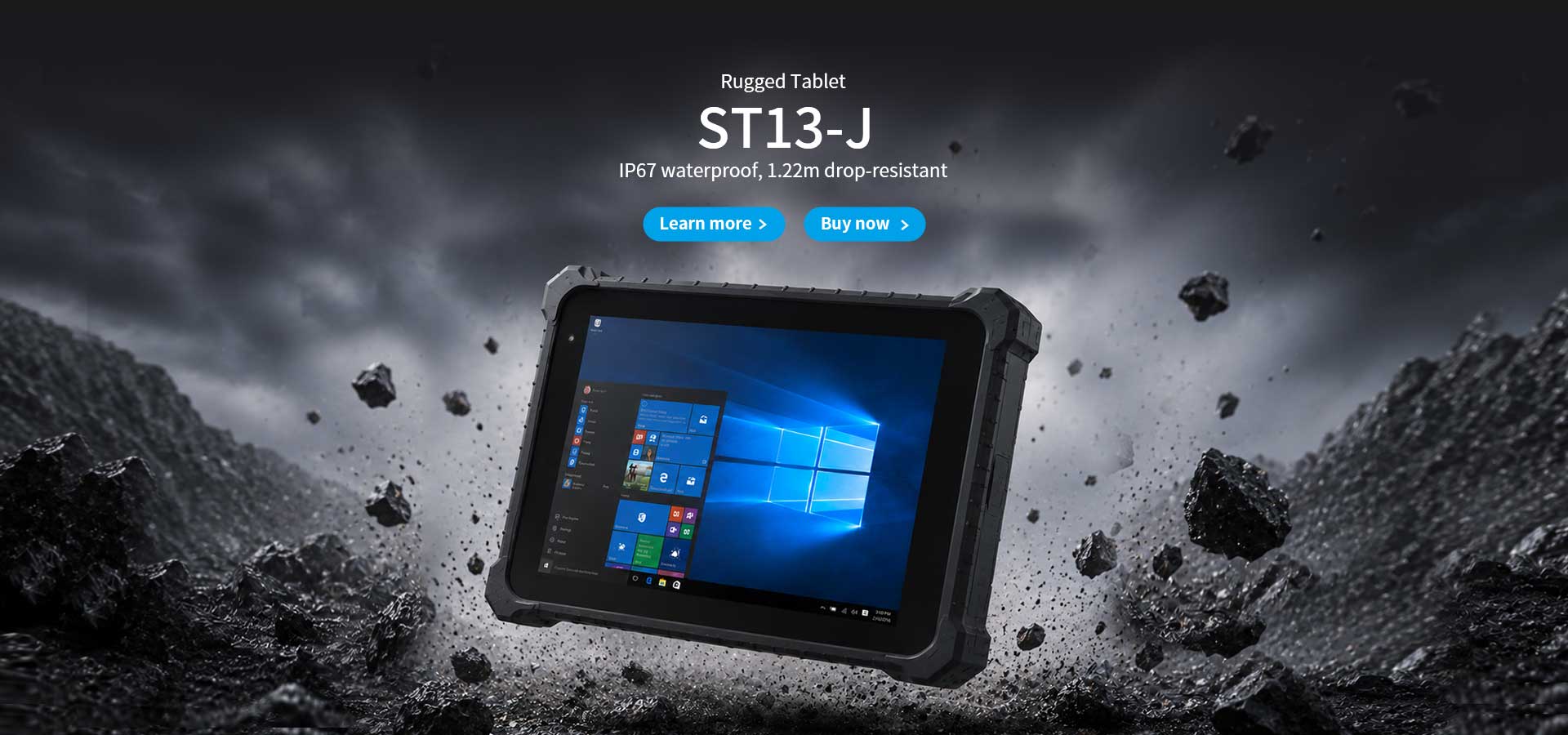
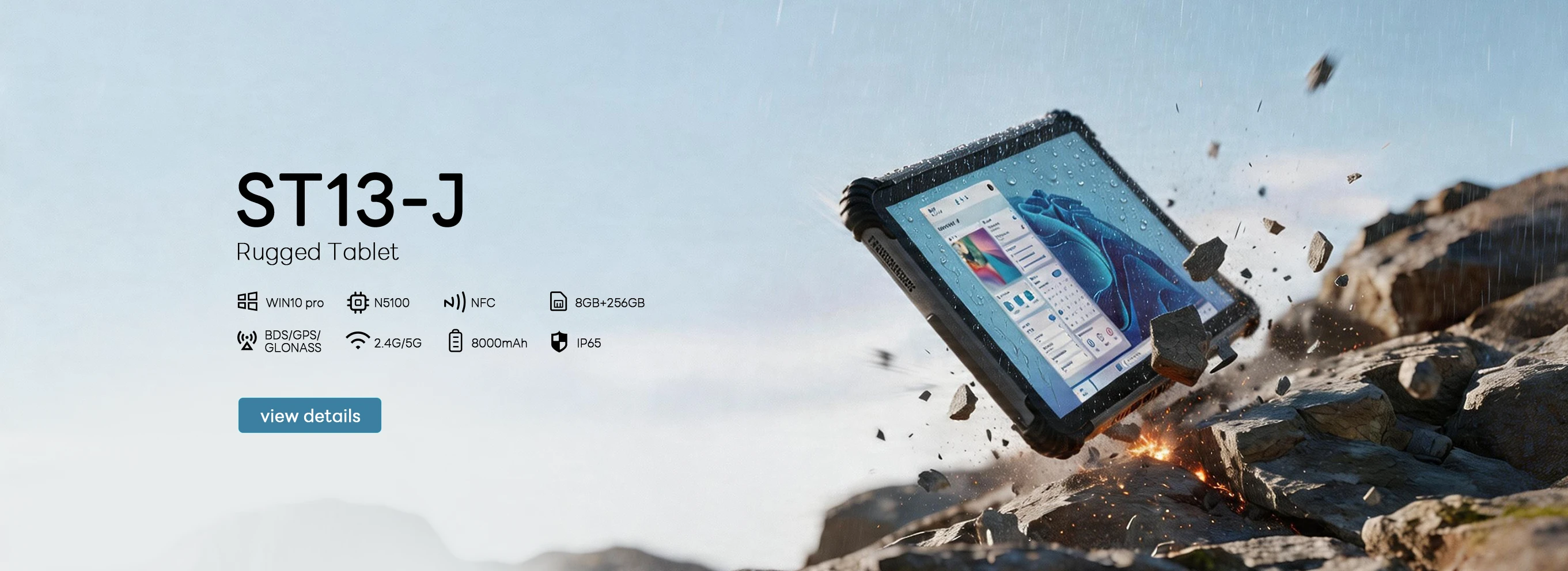
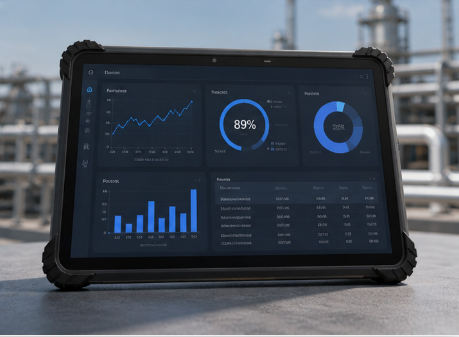
For supervisory and engineering teams, the Hotus ST13-J rugged tablet provides a centralized view of plant conditions. Data collected from field devices is aggregated into dashboards that highlight trends and anomalies.
Engineers can monitor:
Early detection of abnormal trends allows maintenance teams to act before issues escalate into equipment failures or production losses.
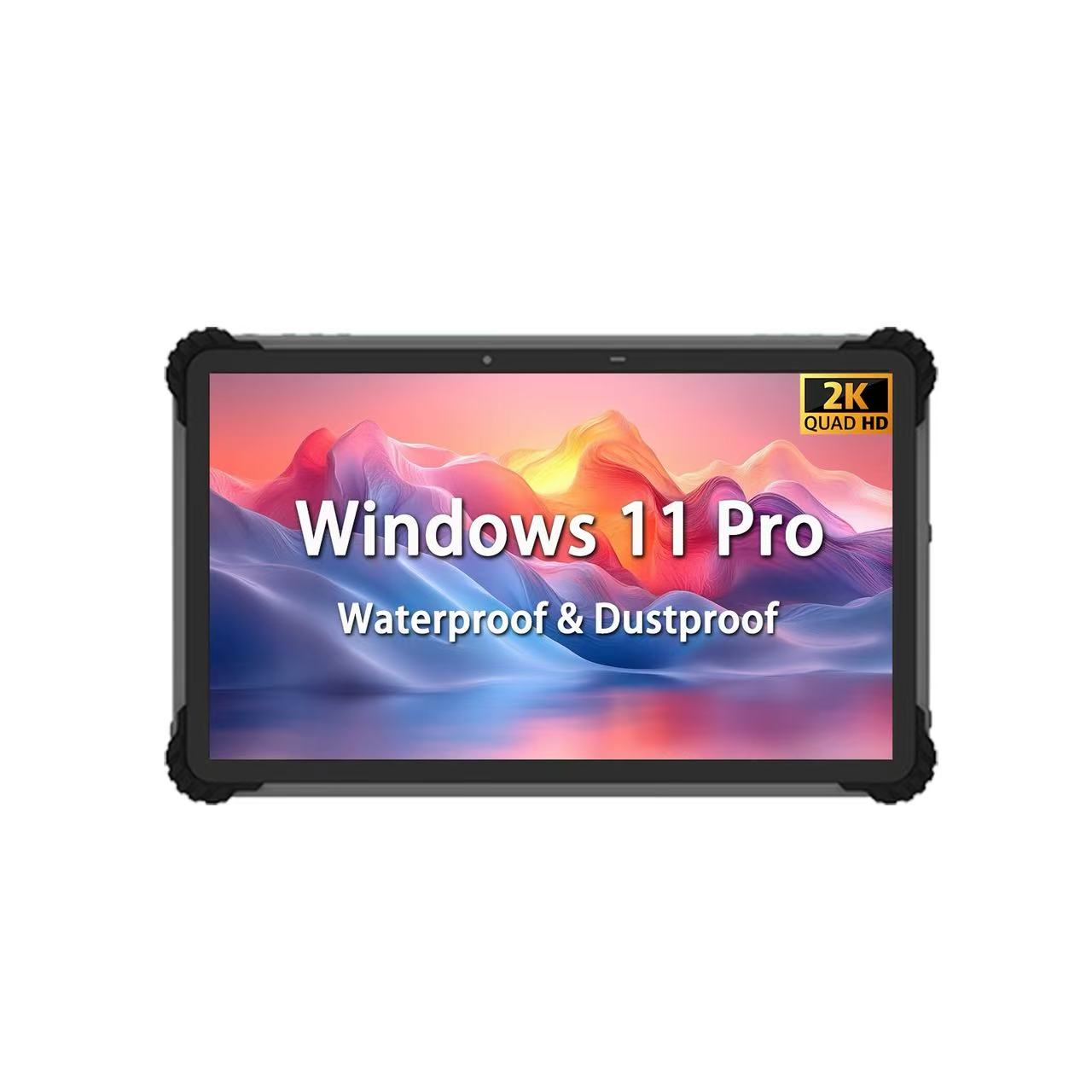
Fig 3 – Process visualization and corrosion monitoring dashboard displayed on a rugged tablet, enabling informed operational decisions.
Facilities adopting digital inspection systems report measurable improvements in both compliance and operational efficiency:
Digital workflows transform inspection data into actionable insights, supporting long-term optimization of carbon capture performance.
As CCUS facilities expand, the need for reliable, verifiable data becomes critical. Inspection processes must evolve to match the scale and complexity of modern carbon capture operations.
Replacing paper-based methods with rugged, connected devices ensures that every measurement is recorded, every asset is tracked, and every compliance requirement is met with confidence.
Contact HOTUS Technology to request a pilot deployment, evaluate rugged tablets for chemical environments, and implement a scalable digital inspection system for your carbon capture operations.