- Select Language
R366C-S 5.5-inch Industrial UHF RFID Reader | Qual...
The X501 Handheld PDA combines advanced barcode sc...
R860-S 5.5-inch Industrial PDA with Thermal Printe...
Full SpecificationsModelHotus ST9‑MOSWindows 10/11...
Full SpecificationsModel Hotus SH5‑WOperating ...
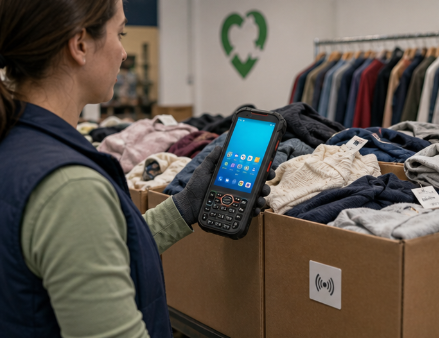
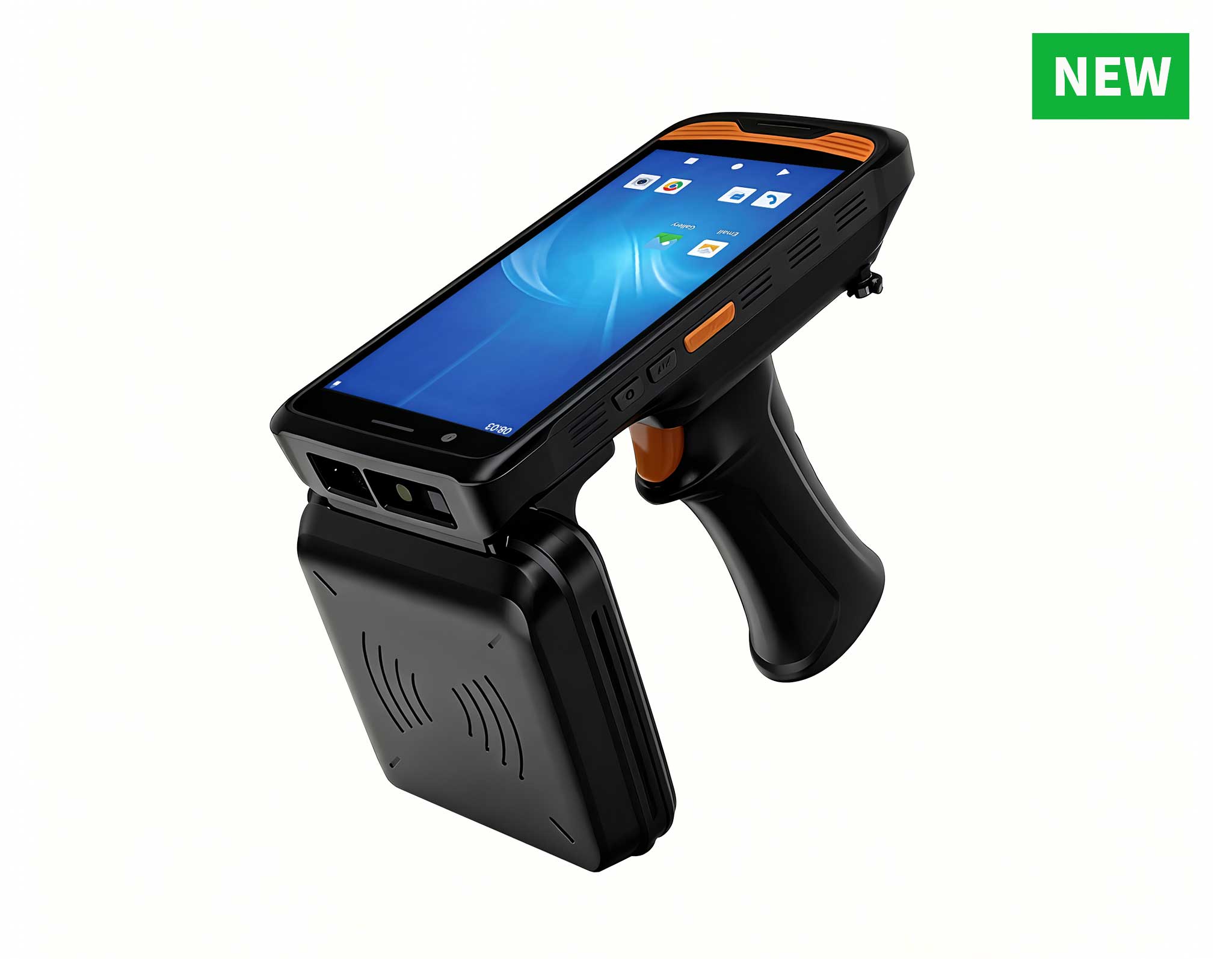
Fig 1 – A worker in a dusty warehouse aims the F505 at a compressed bale of used clothing; the screen reads “Digital Product Passport – 85% cotton, 15% polyester – acceptable for mechanical recycling.” The bale is stacked on a pallet, strings taut. The light is harsh, industrial. The mood is one of sorting – but sorting informed by data, not guesswork.
My View: The EU’s Digital Product Passport (DPP) regulation for textiles takes full effect in 2027, requiring that each product carry a machine‑readable record of its composition, origin, and recyclability. The recycling industry is not ready. Most sortation today relies on near‑infrared (NIR) scanners that can’t distinguish between different cotton‑polyester blends. You need RFID tags embedded at the garment level and rugged PDAs to read them at the bale stage. Without digital passports, recyclers will be sorting in the dark – and valuable material will go to landfill.

By HOTUS Technology | May 2026
The European union‘s Digital Product Passport (DPP) regulation for textiles is now in force, with full compliance required by 2027. All textile products sold in the EU must carry a machine‑readable passport containing information on material composition, repair instructions, and recyclability. Similar regulations are being drafted in the UK and California. The goal is to enable a circular economy – but the infrastructure to read those passports at scale does not yet exist.
The challenge is particularly acute at the recycling stage. A recycling facility receives mixed bales of used textiles. Today, sortation relies on manual inspection (a worker pulling out a polyester jacket by feel) or near‑infrared (NIR) spectroscopy. NIR is fast but cannot distinguish between different blends of cotton and polyester, or between nylon and polyester. It also cannot detect hazardous substances or recycled content.
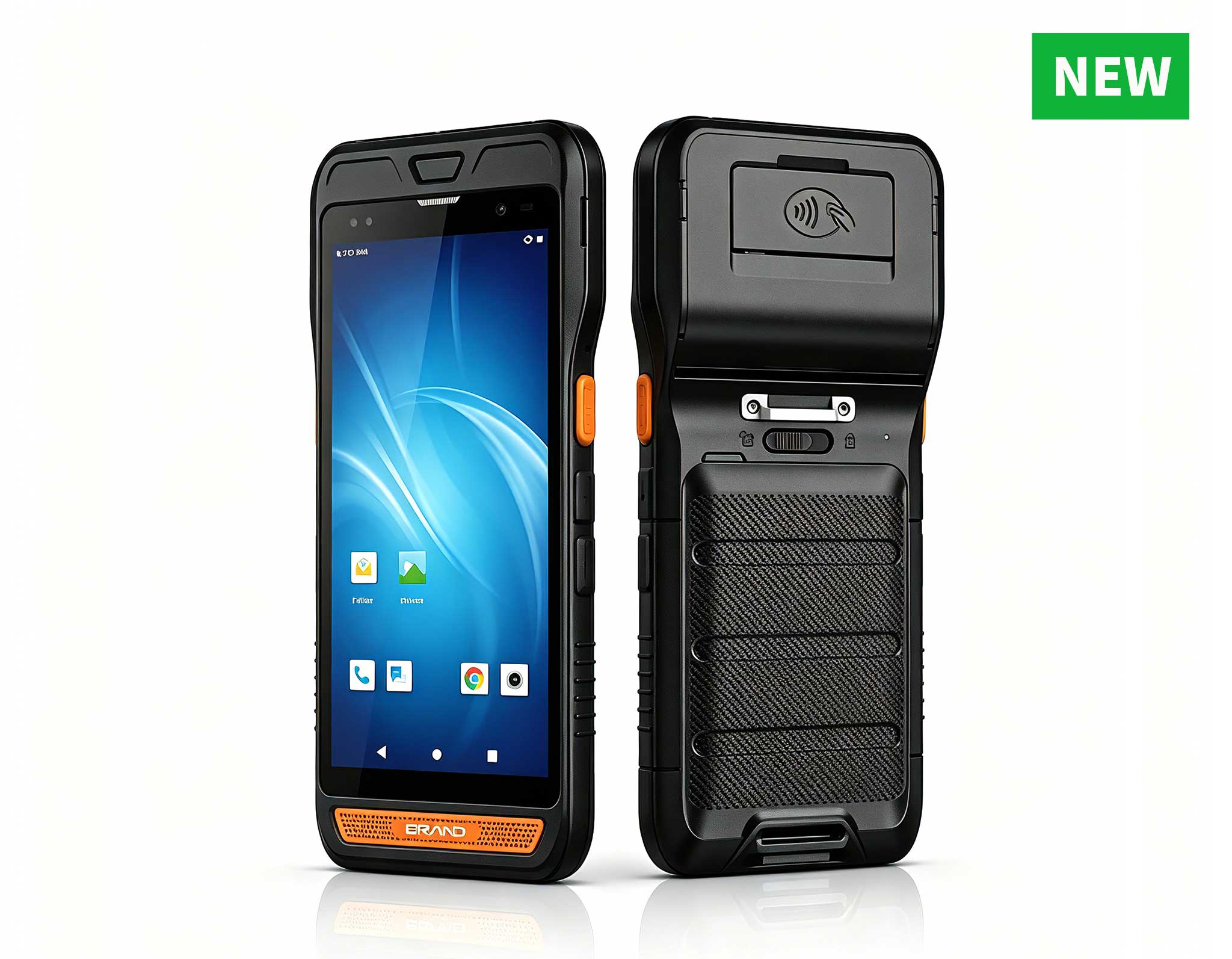
The solution is RFID‑tagged digital passports embedded in garments, and a rugged PDA that can read those tags at bale intake. The Hotus F505 Handheld PDA combines a high‑speed barcode imager with UHF RFID in an IP67‑rated package. A worker scanning a bale can read dozens of RFID tags in seconds, capturing the composition profile of the entire bale. The F505 then displays the aggregate data: “This bale is 70% cotton, 20% polyester, 10% other – suitable for mechanical recycling.”
Without RFID, the same bale would have to be opened, sorted manually, and re‑compressed – a labor‑intensive, error‑prone process that adds significant cost. With RFID, the recycling facility can route bales directly to the appropriate processing line, increasing throughput and reducing handling.
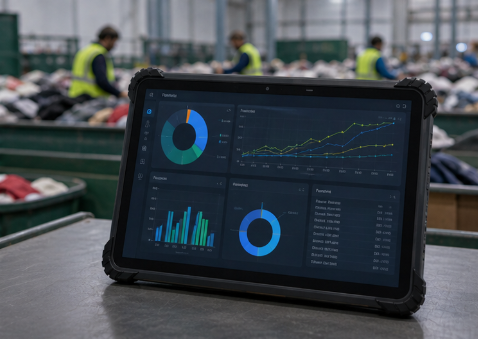
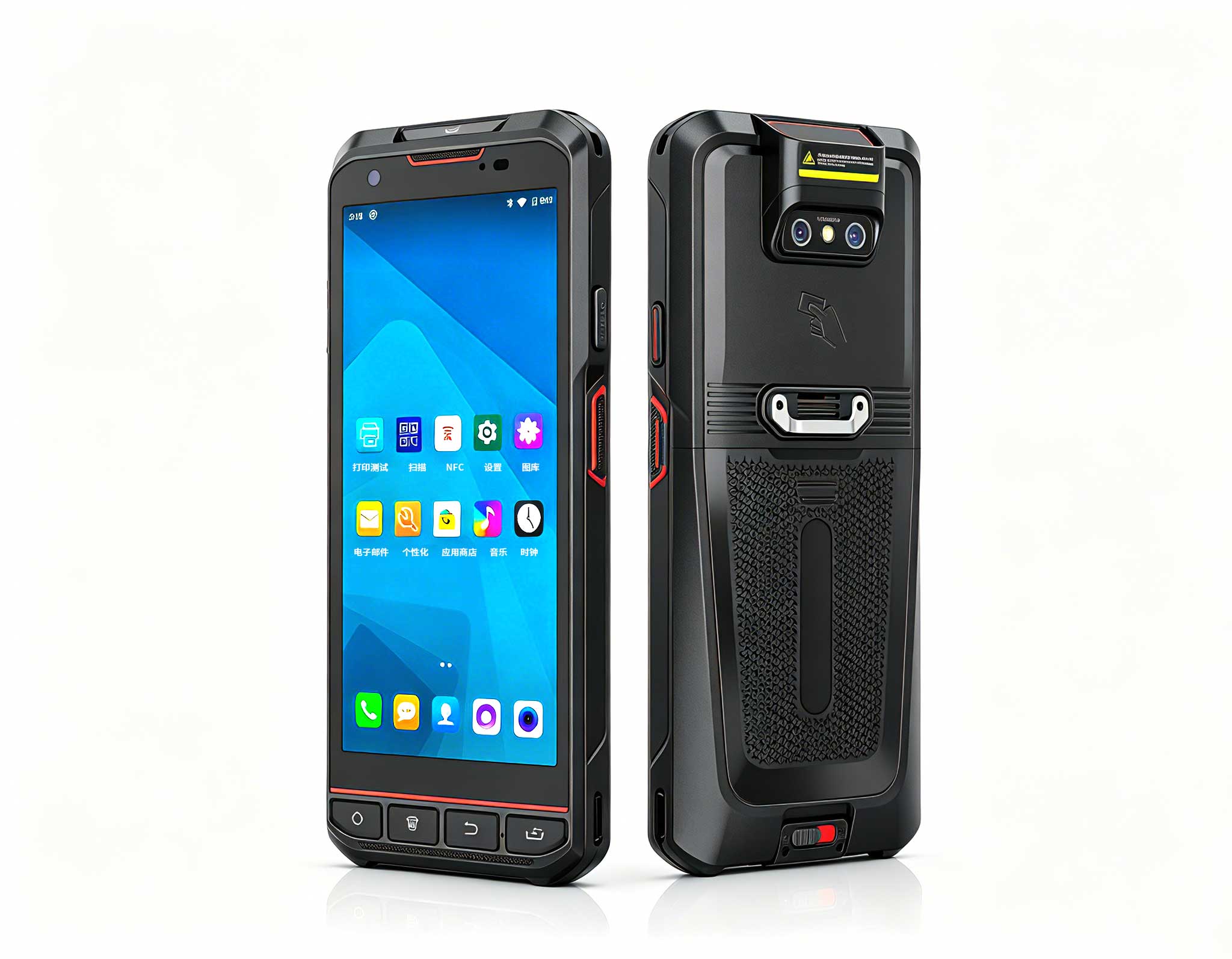
Fig 2 – A donation center attendant waves the U9000 over a bin of used jackets; on the screen, a list of product IDs and material compositions appears. The tablet shows the percentage of pure cotton vs. blends. The attendant smiles – she knows exactly which items will sell in the vintage shop and which will go to fiber recyclers.
For donation centers and collection points, the Hotus U9000 Handheld PDA reads the RFID tags at intake, creating a digital manifest of each shipment. When the shipment arrives at the recycling facility, the bale’s RFID tag is scanned again, and the manifest is verified. This creates an auditable chain of custody – important for brands claiming circularity credits.
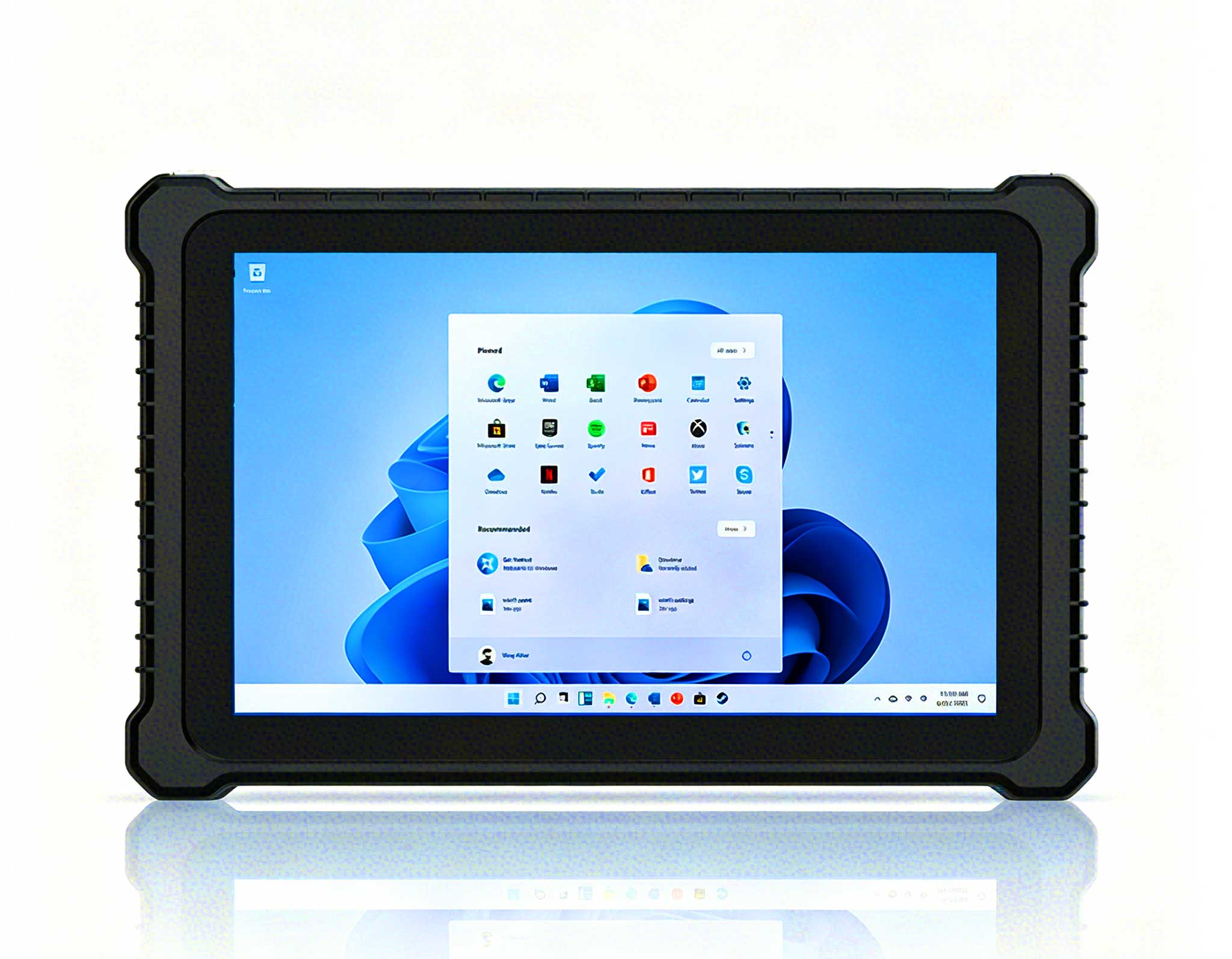
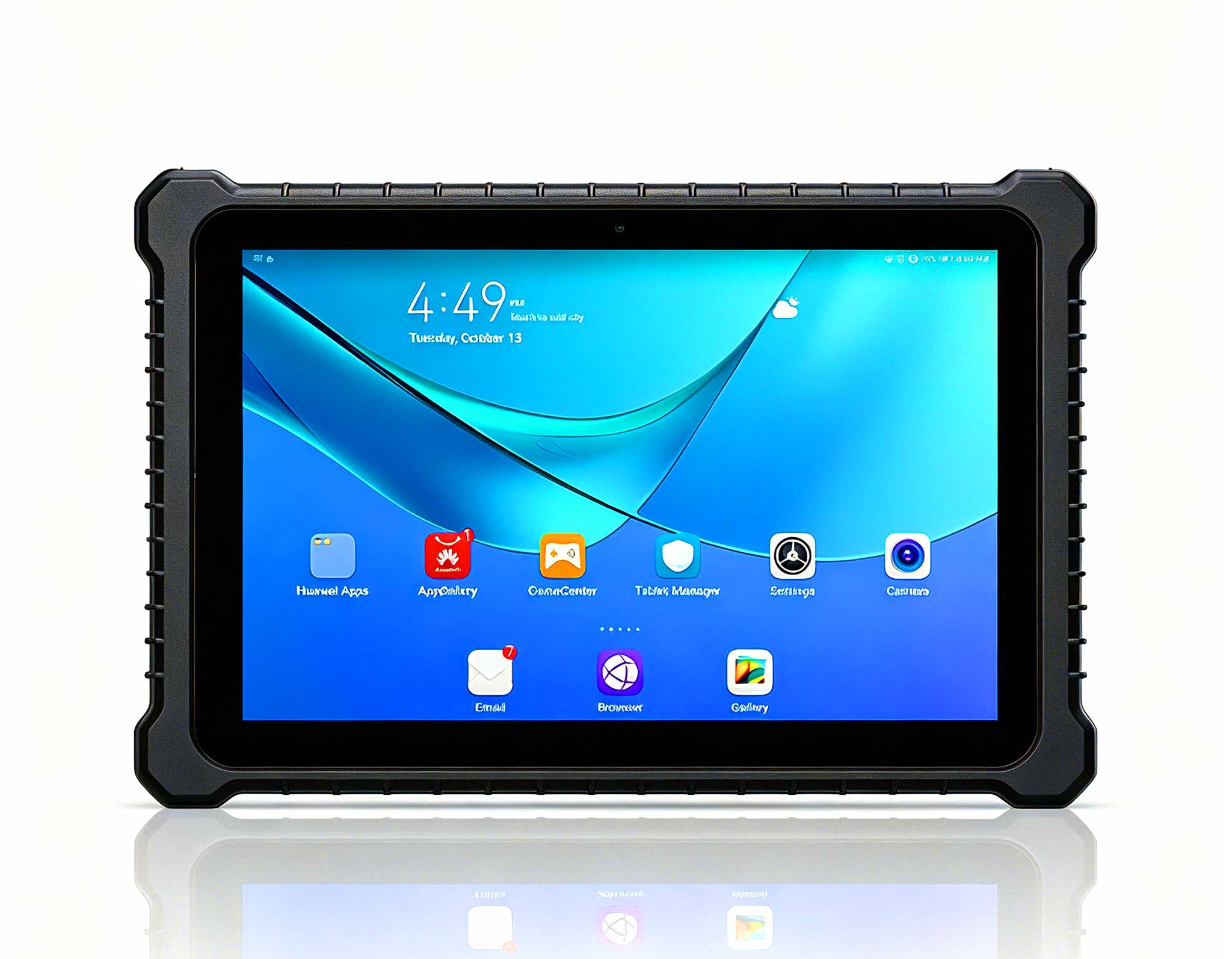
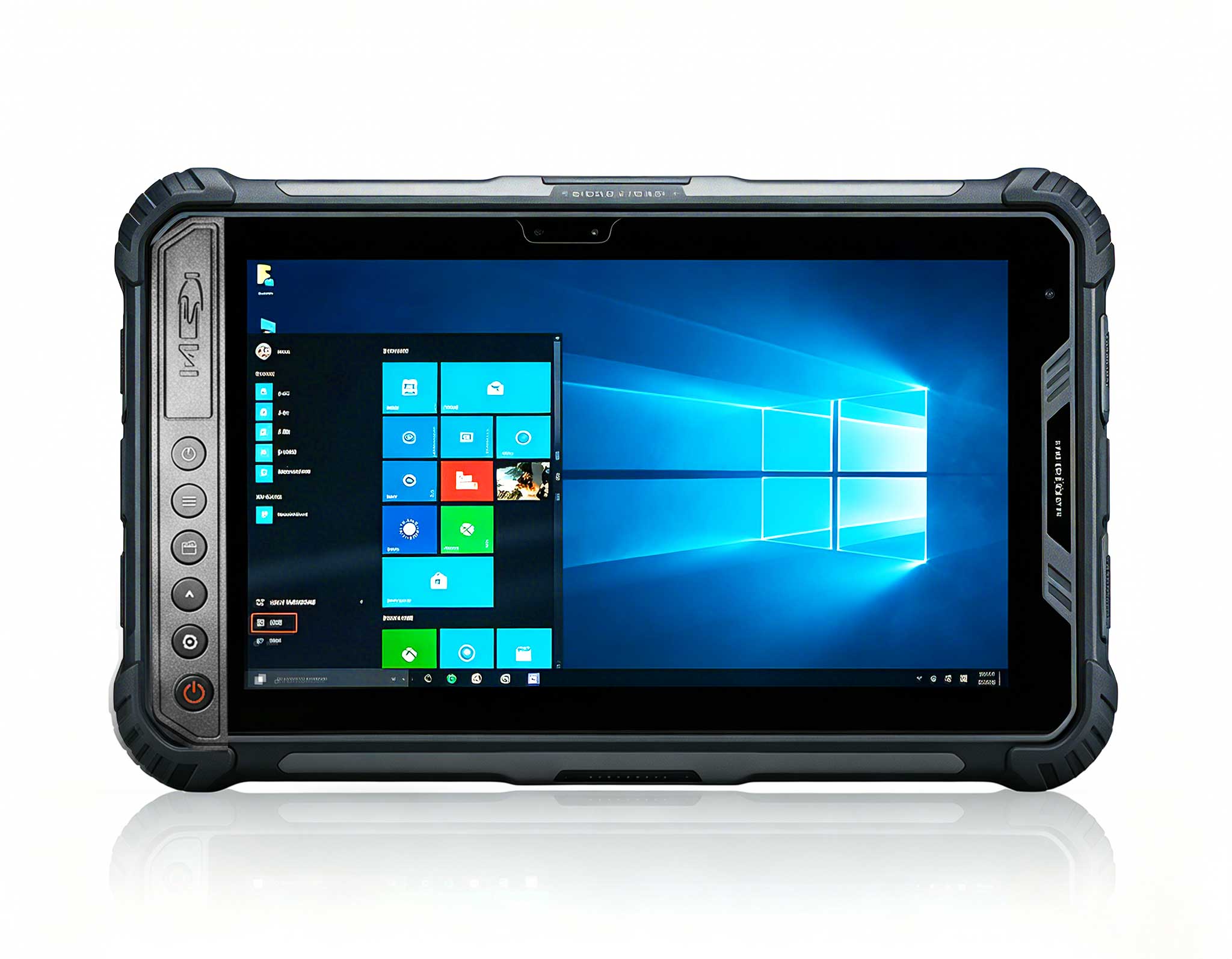
The Hotus ST11‑U 10.1″ Windows rugged tablet serves as the recycling facility's sortation dashboard, showing real‑time bale composition data and directing workers to the correct processing line. Over time, the data reveals trends – “supplier X consistently sends bales with high synthetic content” – enabling procurement adjustments.
A large textile recycler processing 50,000 tons per year deployed 100 F505 PDAs, 80 U9000 units, and 30 ST11‑U tablets across six facilities. After one year, sortation accuracy improved from 74% to 96%. The facility was able to accept bales from new suppliers because the RFID passports provided reliable composition data. Operating costs per ton fell by 18%, and the recycler achieved compliance with the DPP regulation a full year ahead of the deadline.
Digital product passports are coming, and with them, a new data‑driven recycling industry. If your sortation still relies on a worker’s eye, you will be left with the lowest‑value material. The F505, U9000, and ST11‑U give you the RFID‑based, real‑time platform to sort at scale, with precision, and with proof.

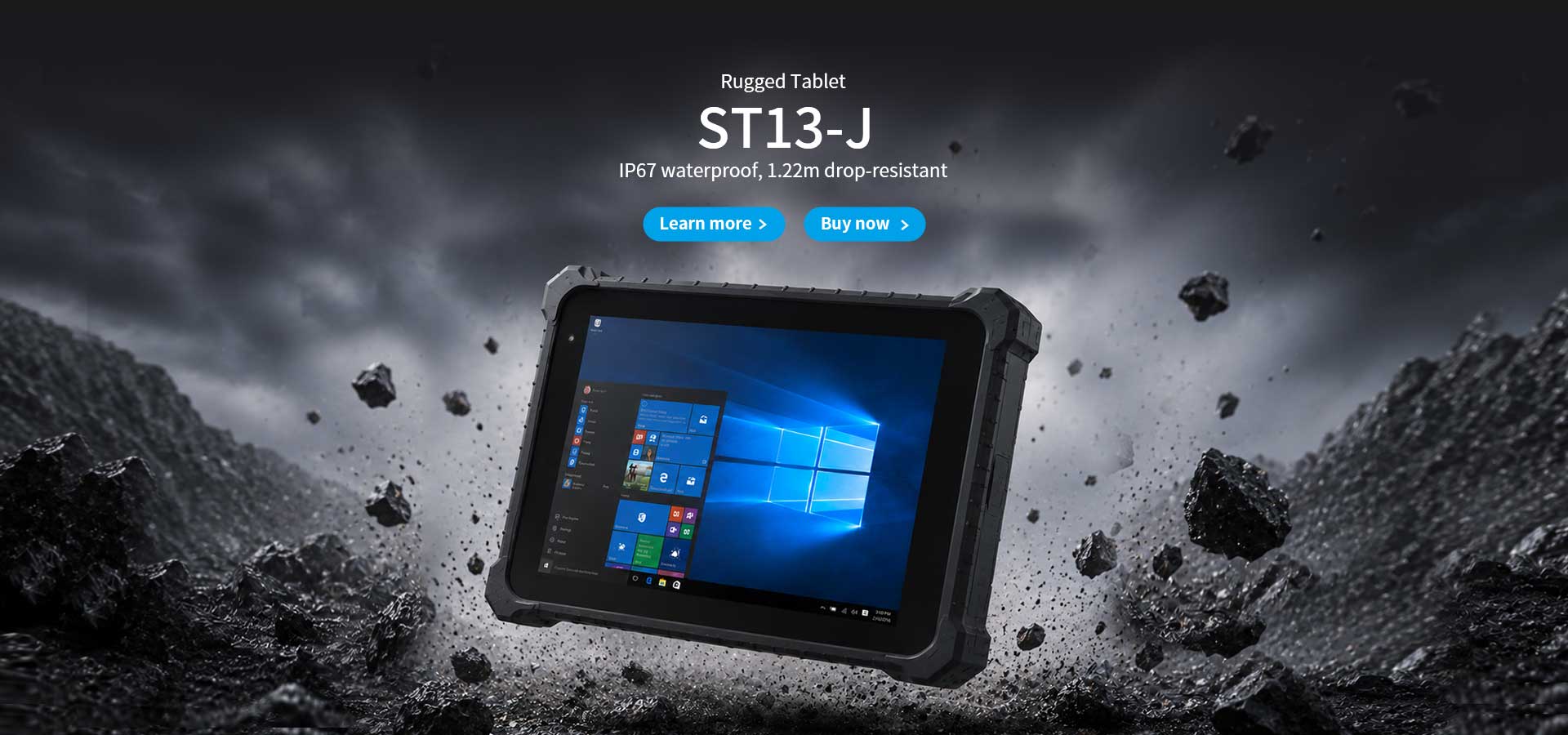
Fig 3 – The ST13‑J mounted on a pedestal near a conveyor belt, its screen filled with colored blocks representing bale composition. A line worker glances at it, then reaches for a bale labeled “cotton‑rich.” The machine hums; the screen refreshes. Data is driving the circular economy, one RFID read at a time.
Contact HOTUS Technology to discuss your textile recycling digitization, request F505 PDA pilots, or explore U9000 PDAs and ST11‑U tablets for digital product passport integration.