- Select Language
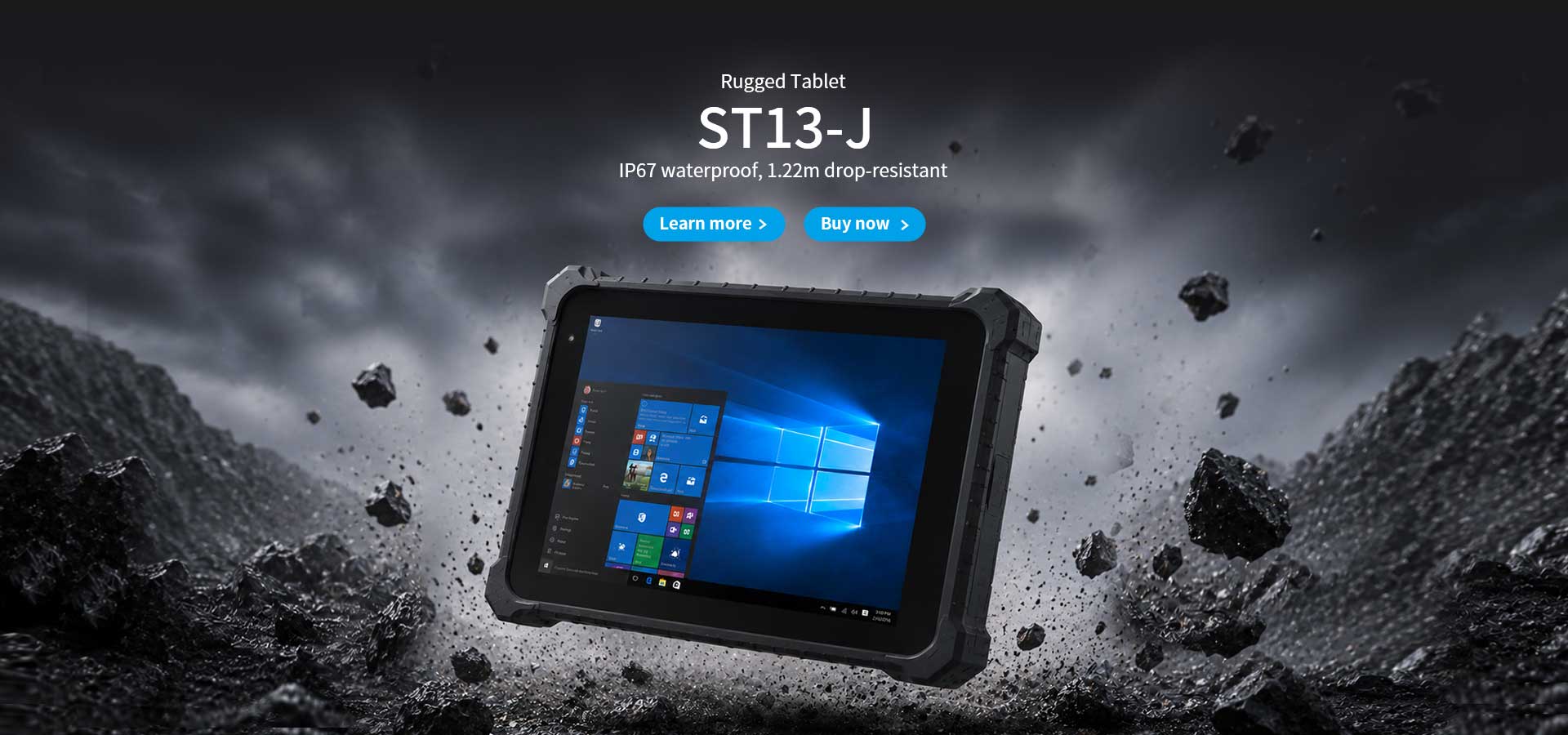
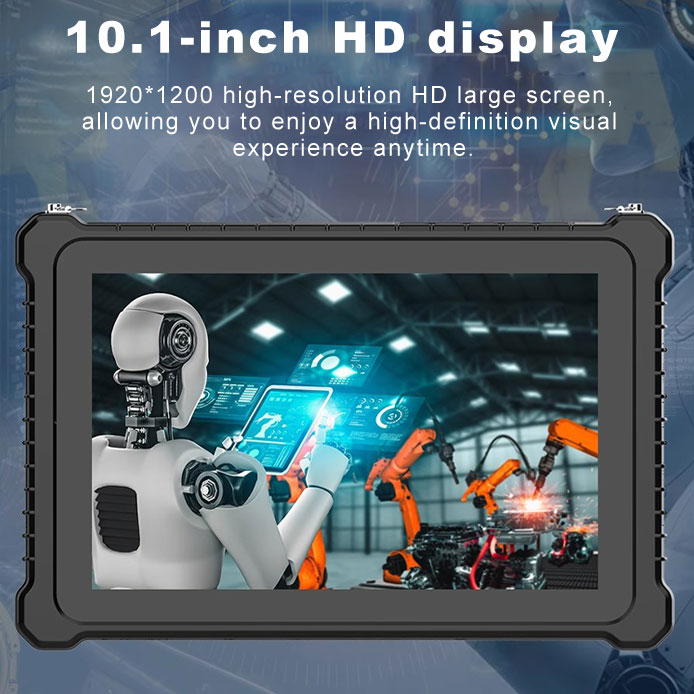
RT81 4G Rugged Tablet | 10.1" FHD 400nit | Qu...
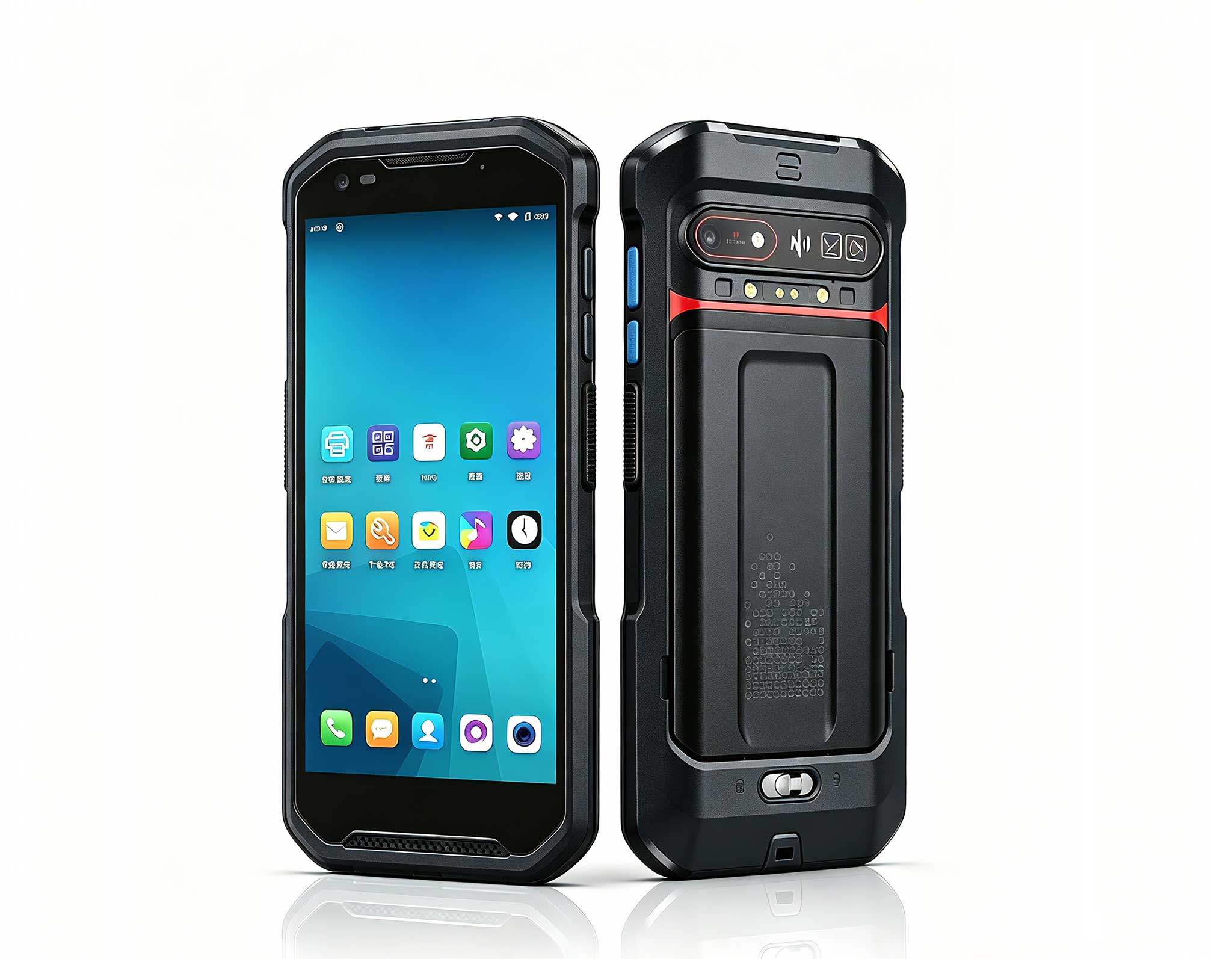
R366-S Thin 5.5-inch Industrial PDA | Qualcomm Oct...
The F505 Handheld PDA is a compact, high-performan...
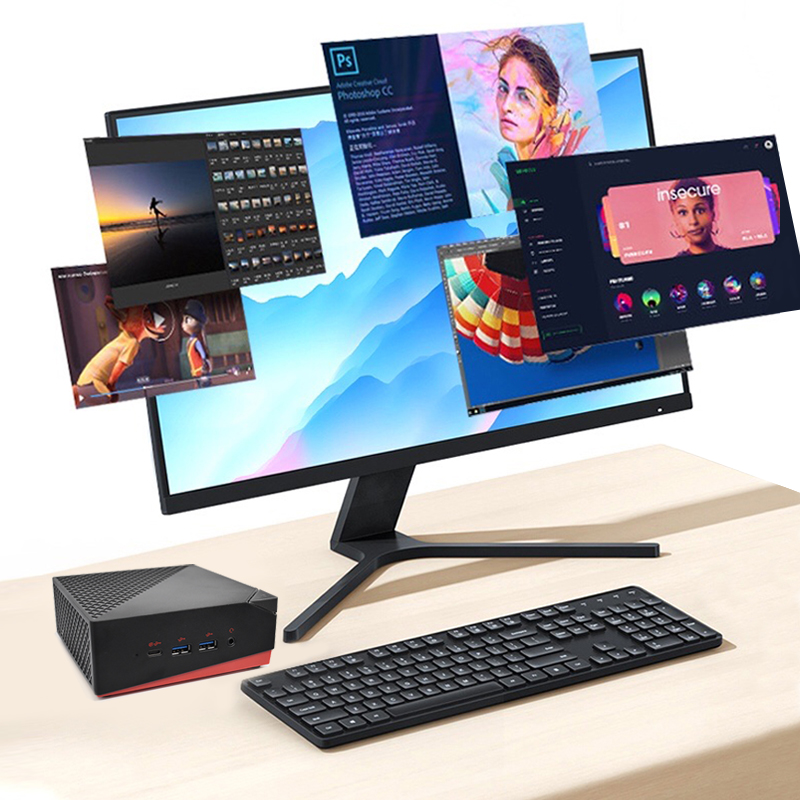
The AMD Mini PC Windows 10 Pro is a compact yet po...
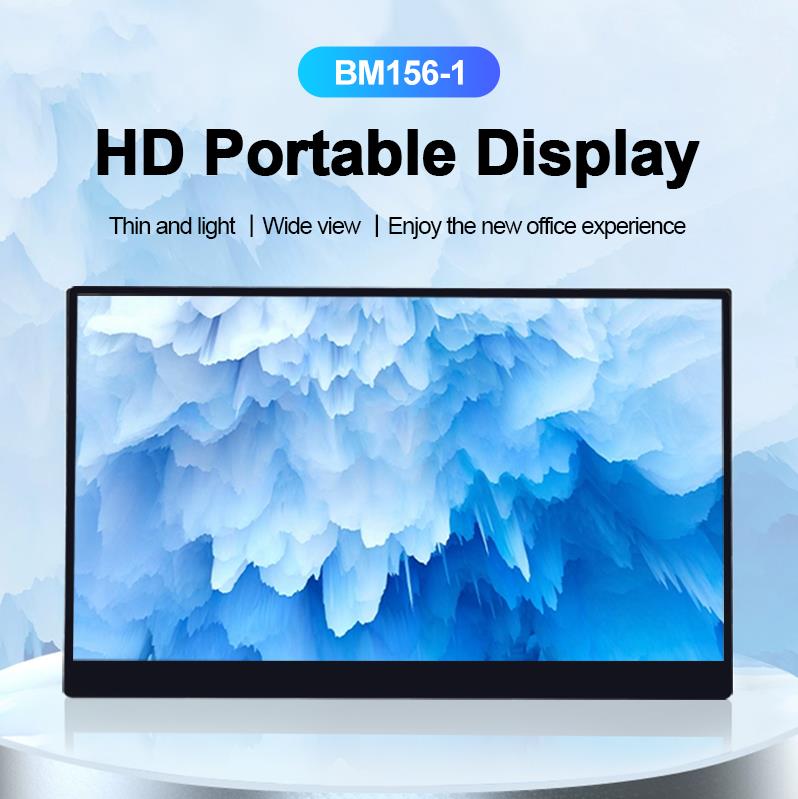
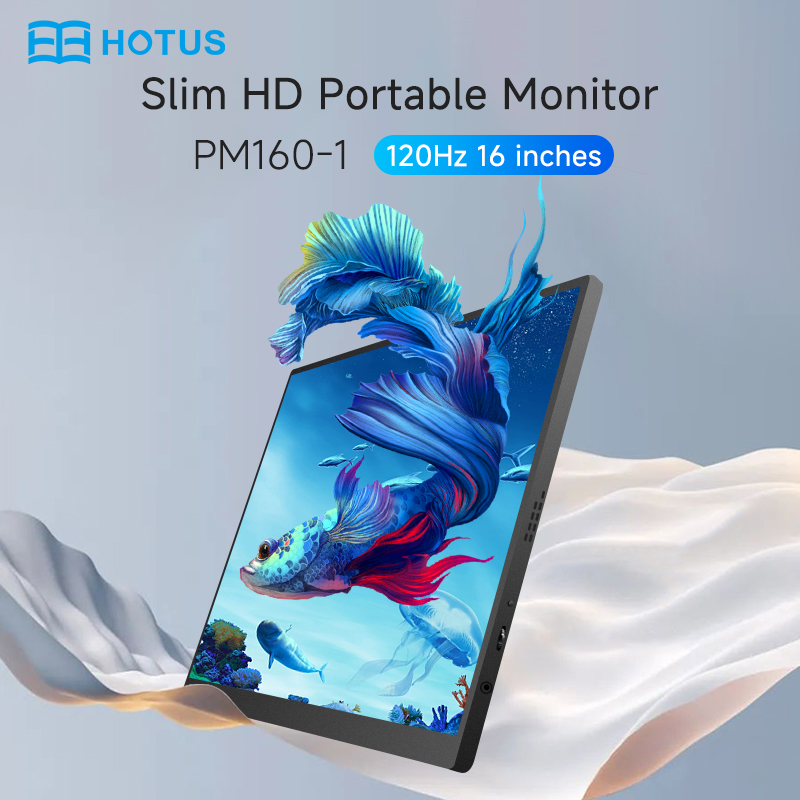
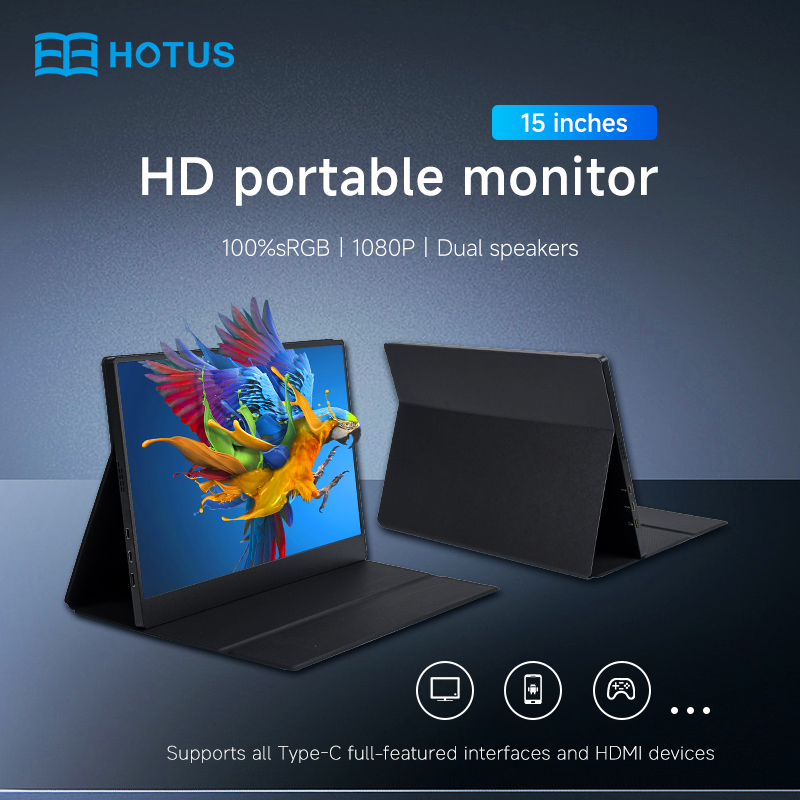
The PM156-1 is a 15.6-inch portable PC monitor fea...
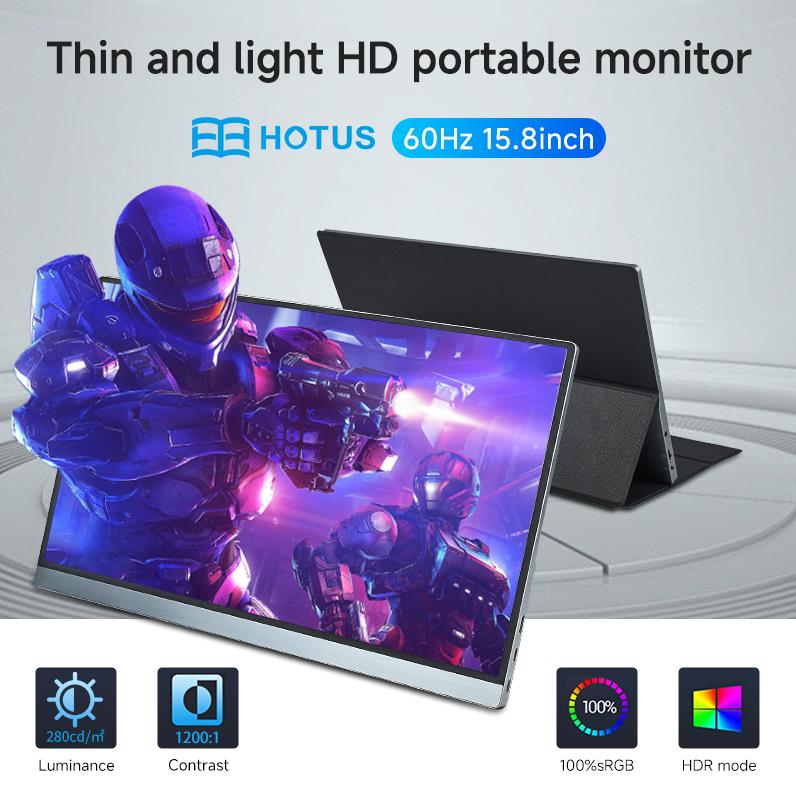
The PM158-1 is a 15.6-inch portable touchscreen mo...
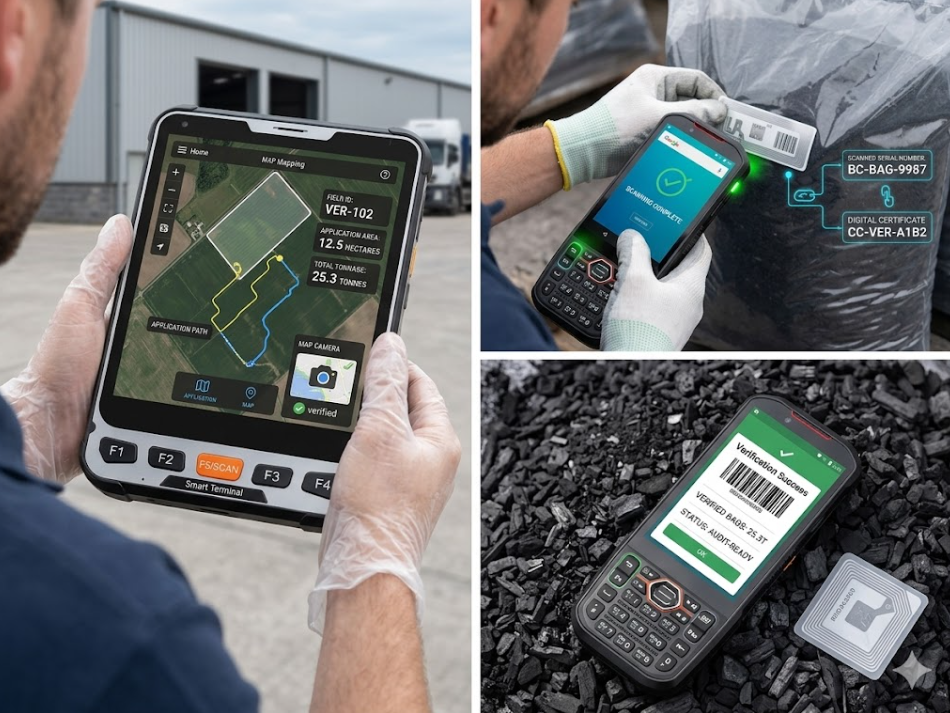
Fig 1 – An agronomist verifies a biochar spreading route using the ST11-U rugged tablet. The live map records field boundaries, application zones, and geo-tagged timestamps while a spreader truck distributes carbon-rich biochar across farmland.
Industry Insight: Carbon removal buyers no longer accept paper delivery notes as evidence of sequestration. Biochar projects now face stricter audit standards covering GPS verification, application timing, batch traceability, and long-term soil documentation. Producers that cannot prove where biochar was applied risk losing premium carbon credit contracts. Digital field verification has become essential infrastructure for modern carbon farming operations.
By HOTUS Technology | May 2026
The global carbon removal economy is entering a new phase of industrial growth. Biochar has rapidly evolved from a niche soil additive into one of the most commercially active forms of permanent carbon sequestration. Governments, airlines, food brands, and technology companies are purchasing verified removal credits to meet climate commitments, while agricultural producers are searching for scalable methods to monetize sustainable land management.
Analysts expect the biochar carbon removal sector to continue expanding throughout the decade as corporate buyers demand more durable carbon storage solutions. Unlike temporary offsets based on forestry assumptions, biochar offers measurable, trackable carbon retention that can remain locked in soil for hundreds of years. That permanence is precisely why verification standards are becoming much stricter.
Today, a carbon registry wants more than invoices and signatures. Auditors increasingly require proof of:
This shift is changing how agricultural carbon projects operate. Manual paperwork and spreadsheet tracking introduce too many gaps for modern verification frameworks. A missing timestamp or unverified delivery can reduce the market value of an entire batch of carbon credits.
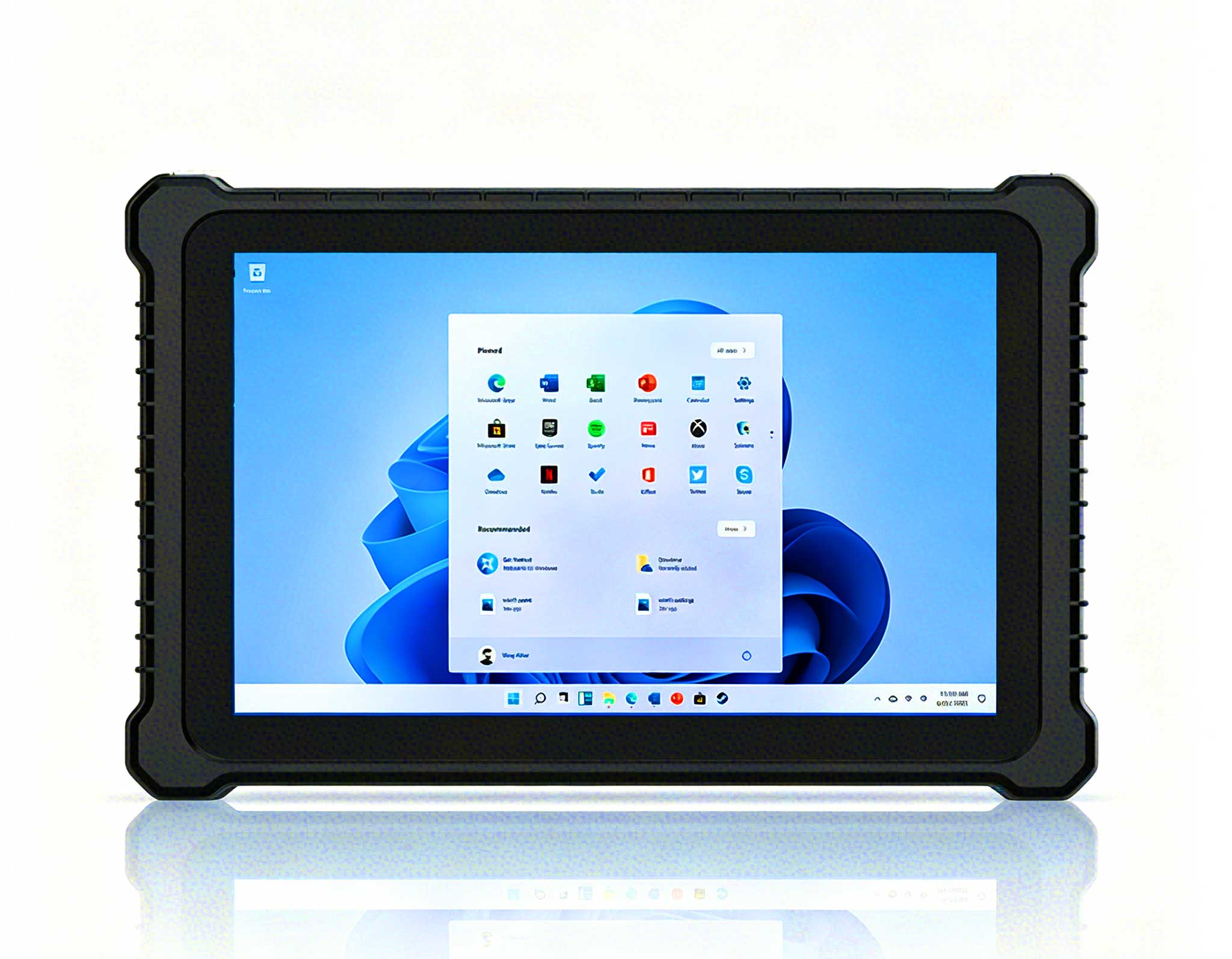
The Hotus ST11-U 10.1″ Windows Rugged Tablet was designed for field operations where environmental conditions are unpredictable and data integrity matters. Mounted inside a spreader vehicle or carried by a field technician, the ST11-U captures live GPS movement, geo-tagged photos, operator records, and application timing directly from the field.
During spreading operations, the tablet continuously records the route taken by the vehicle across the farmland. Operators can define application zones, monitor hectares completed, and verify that target areas received the correct amount of biochar. The rugged housing withstands dust, vibration, rain, and temperature swings common in agricultural environments.
Because the device operates on Windows, many producers integrate it directly with existing carbon accounting software, GIS mapping platforms, and registry reporting systems. Instead of transferring handwritten notes back to the office, application records synchronize digitally with cloud storage and audit systems.
For carbon project developers, this creates something increasingly valuable in the market: a defensible verification trail.
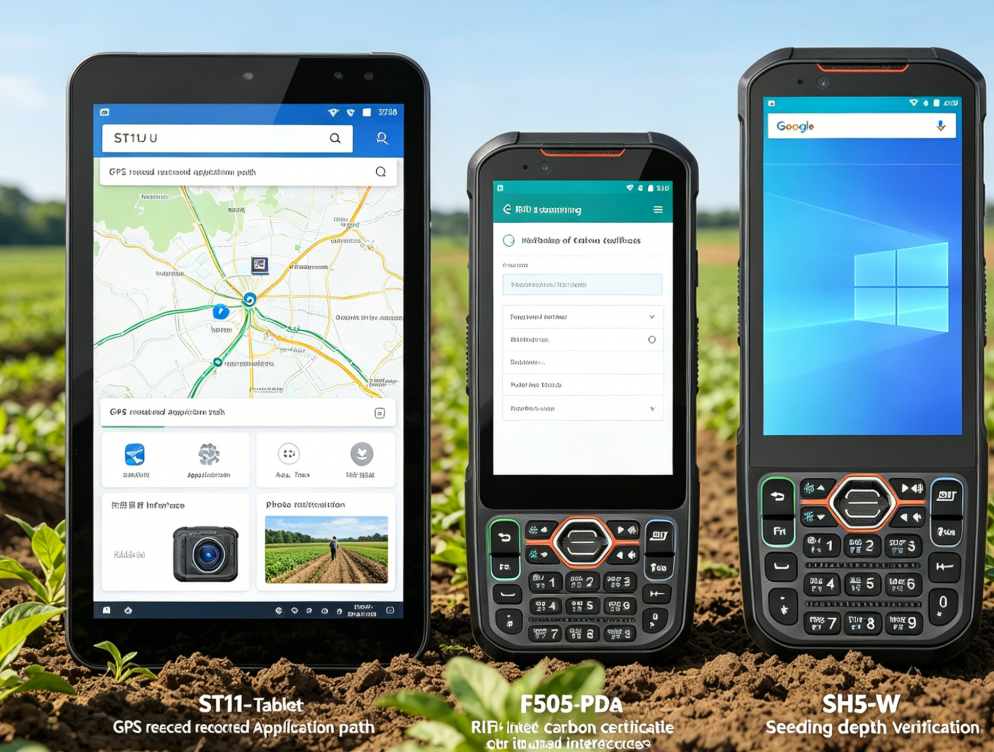
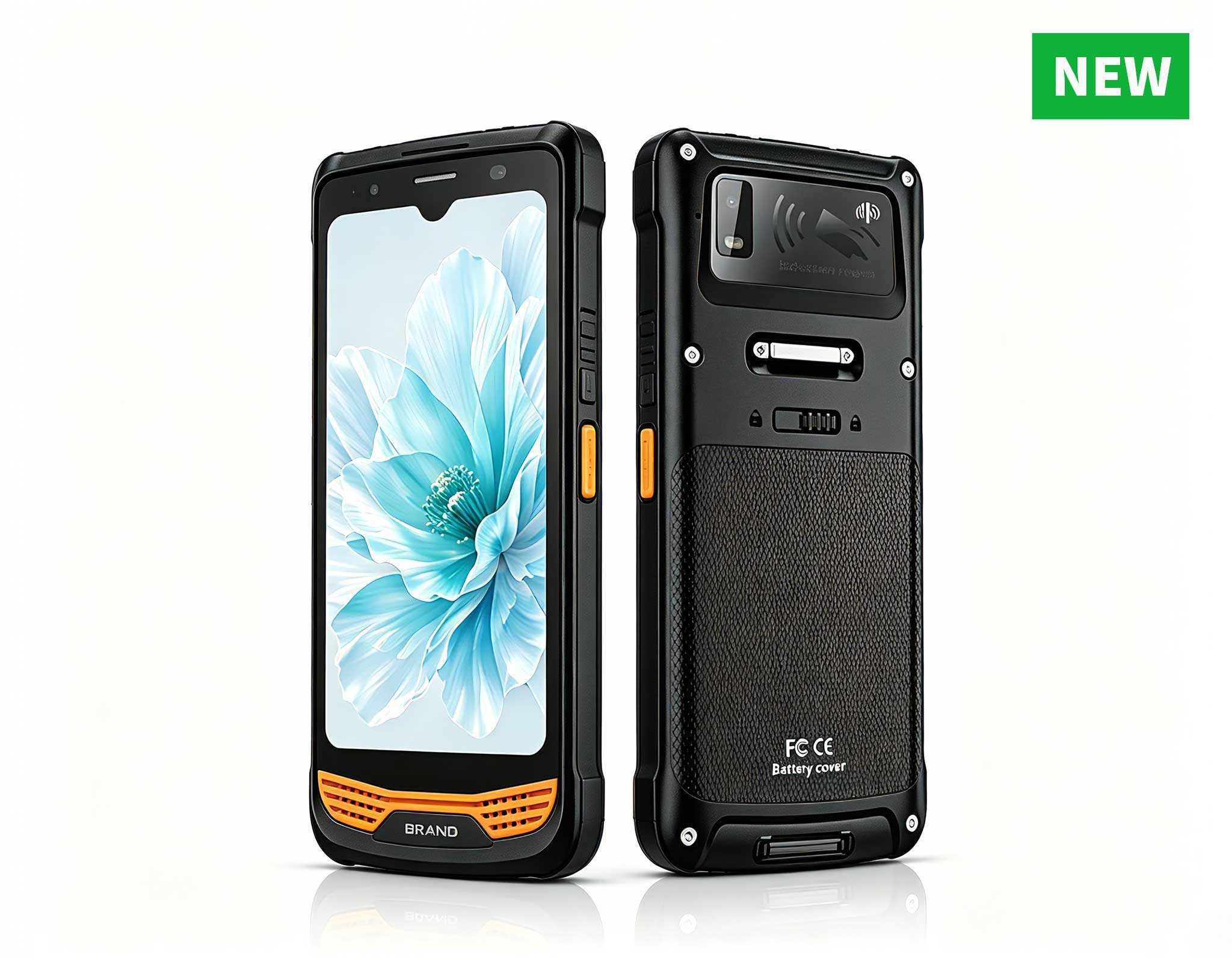
Fig 2 – The F505 handheld PDA scans RFID-tagged biochar bags before loading. Each batch is digitally linked to carbon analysis data, production records, and field application history.
As the biochar industry matures, buyers increasingly want visibility into individual production lots. Large agricultural projects often blend material from multiple facilities, making traceability difficult without digital identification tools.
The Hotus F505 RFID Industrial PDA enables operators to scan RFID tags attached to biochar bags, pallets, or bulk containers before spreading begins. Each scan links the material to:
If a future audit requires additional testing or chain-of-custody verification, operators can instantly retrieve the exact field and application event associated with that biochar batch. This level of traceability is increasingly important for premium carbon removal contracts.
Some agricultural carbon marketplaces are already rewarding digitally verified projects with faster approval timelines and higher buyer confidence. In competitive markets, strong operational data can directly influence credit pricing.
Large-scale spreading projects often involve multiple contractors operating simultaneously across wide agricultural regions. Calibration mistakes, uneven application depth, or route overlap can create inconsistencies that later complicate carbon accounting.
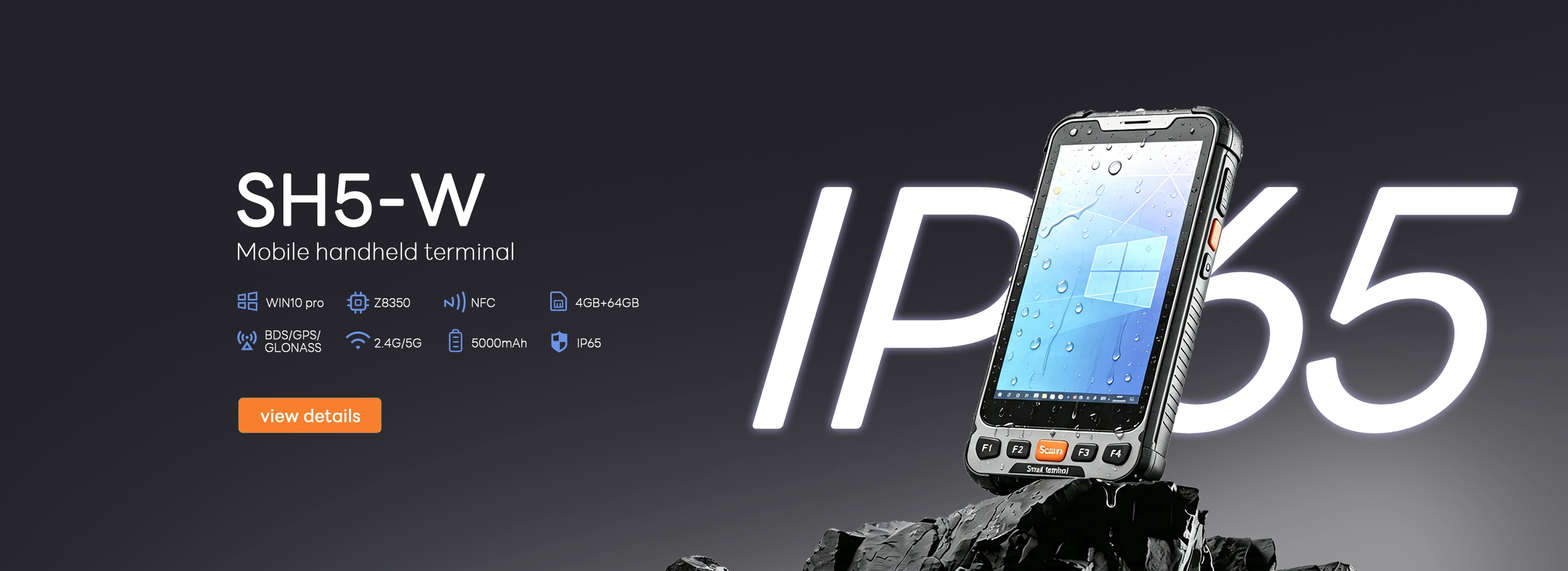
The Hotus SH5-W Windows Rugged Handheld helps field supervisors monitor operations in real time. Teams can inspect spread patterns, validate application rates, photograph field conditions, and immediately flag discrepancies before they affect reporting accuracy.
Because the handheld device is compact and ruggedized, supervisors can use it directly in muddy fields, remote farms, or dusty loading zones without relying on fragile consumer hardware.
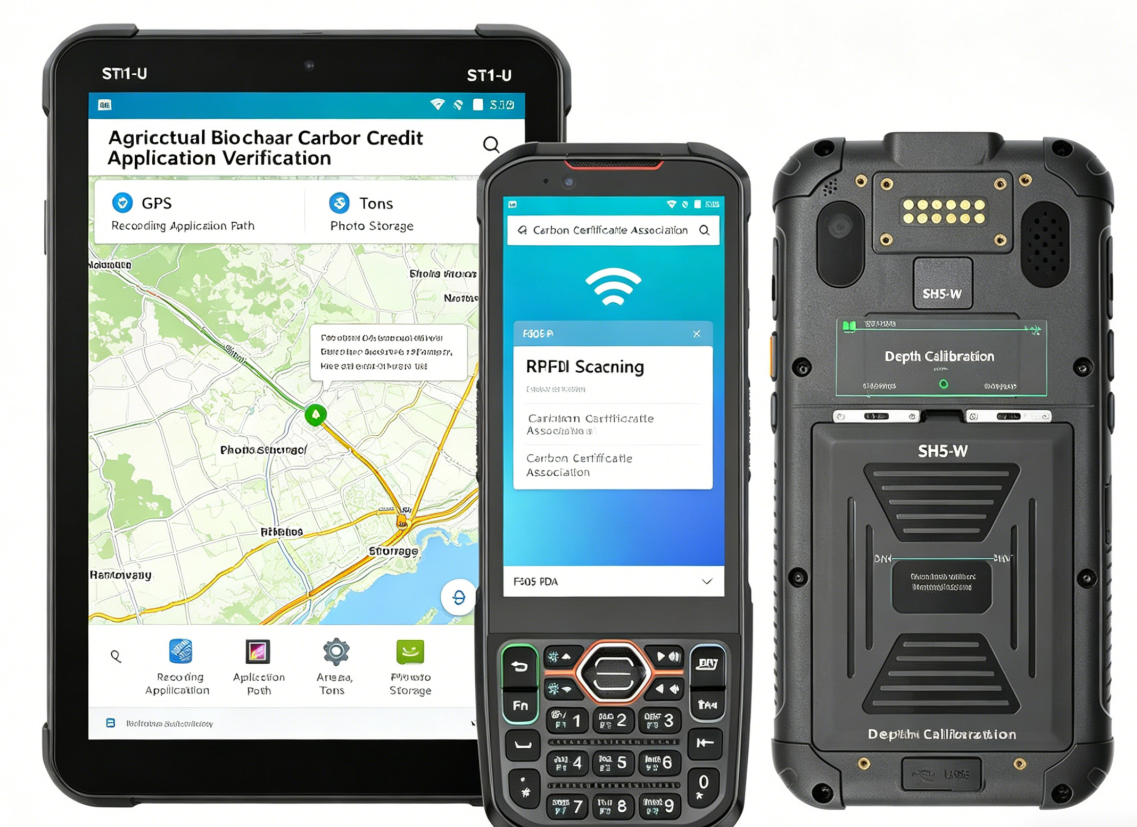
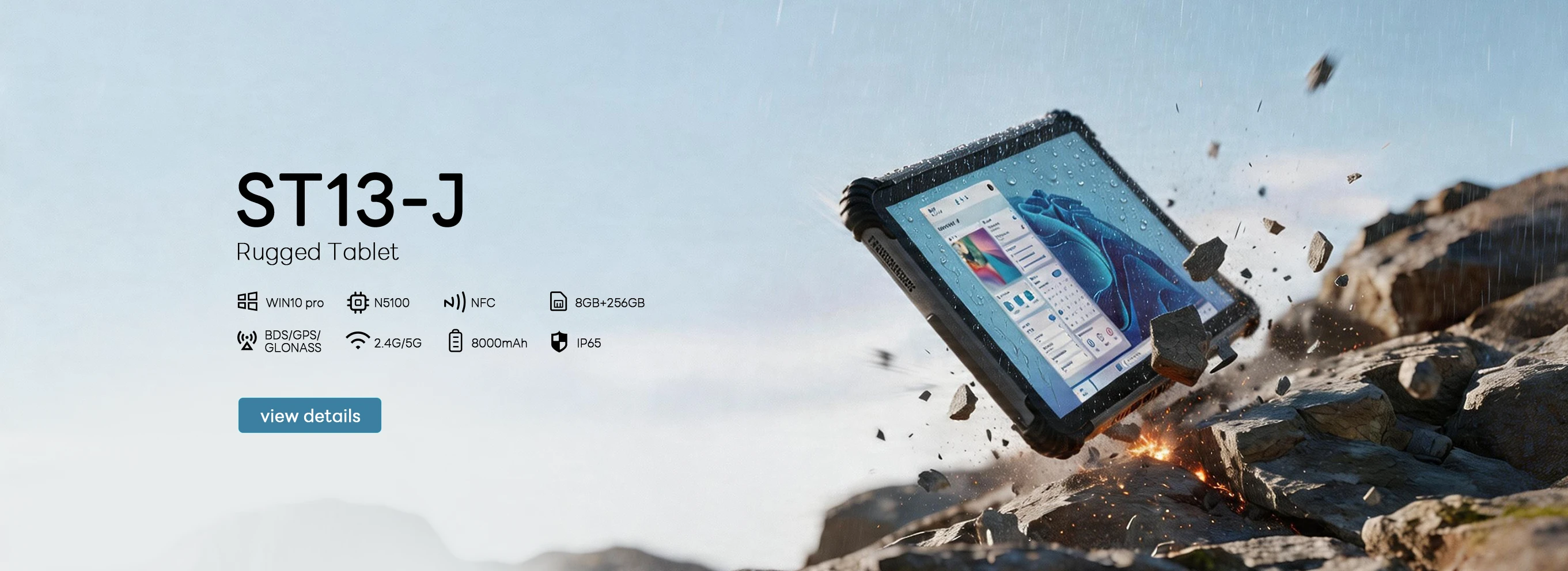
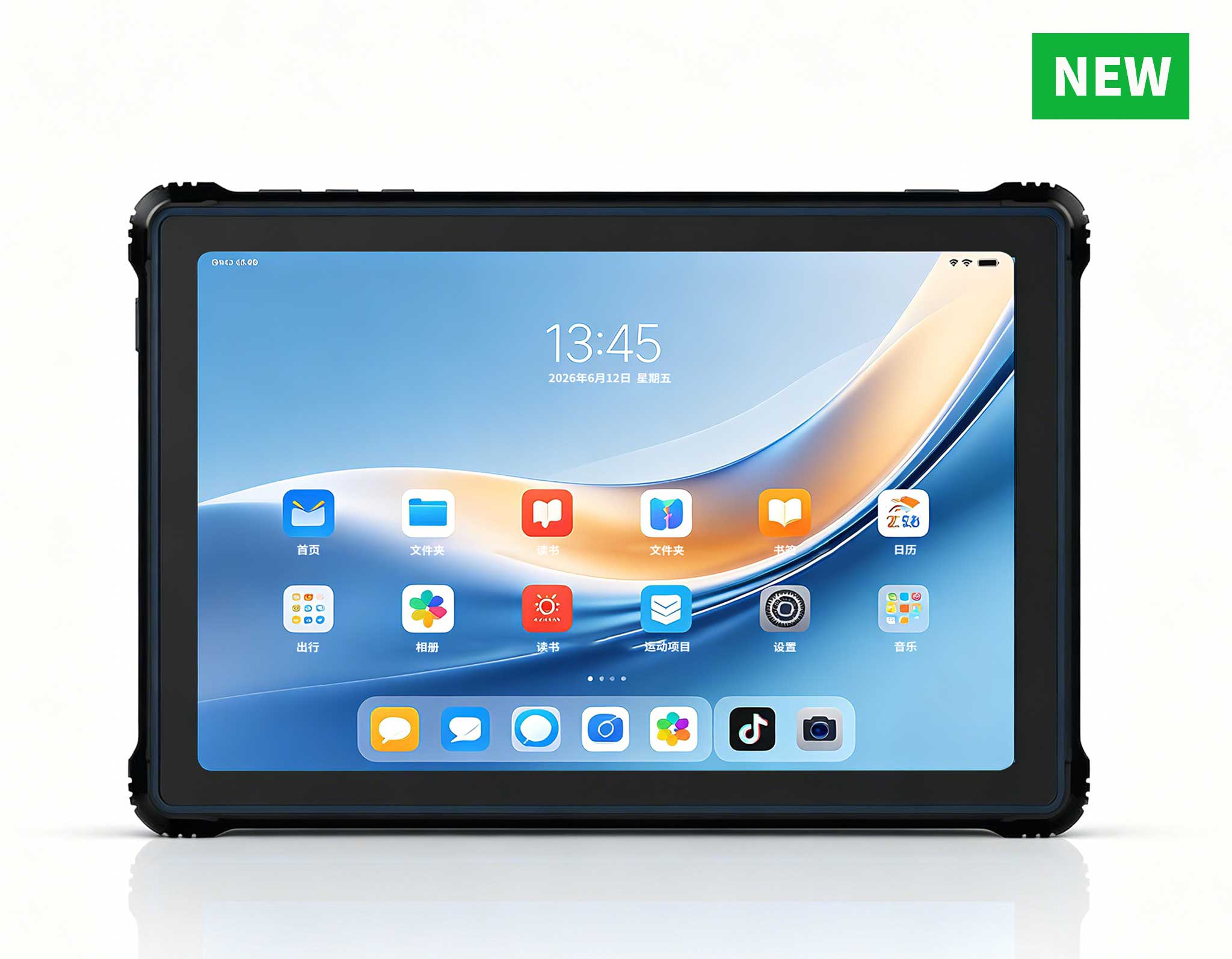
Fig 3 – The ST11-J displays verified biochar application zones across multiple farms. Every field is linked to serialized carbon removal records and audit-ready documentation.
Carbon markets are shifting toward higher accountability standards. Buyers want measurable evidence, not assumptions. A digitally verified application record provides confidence that biochar was produced responsibly, transported correctly, and applied to real agricultural land under documented conditions.
Producers that adopt geo-tagged rugged tablets, RFID traceability, and digital audit systems are positioning themselves for long-term competitiveness as verification requirements become more demanding worldwide.
In practical terms, stronger verification can help projects:
Biochar may store carbon for centuries, but the market value of that carbon depends entirely on trust. Digital verification tools are quickly becoming the foundation of that trust.
HOTUS rugged devices help agricultural carbon projects build reliable, audit-ready verification workflows for biochar production, transportation, and field application.