- Select Language
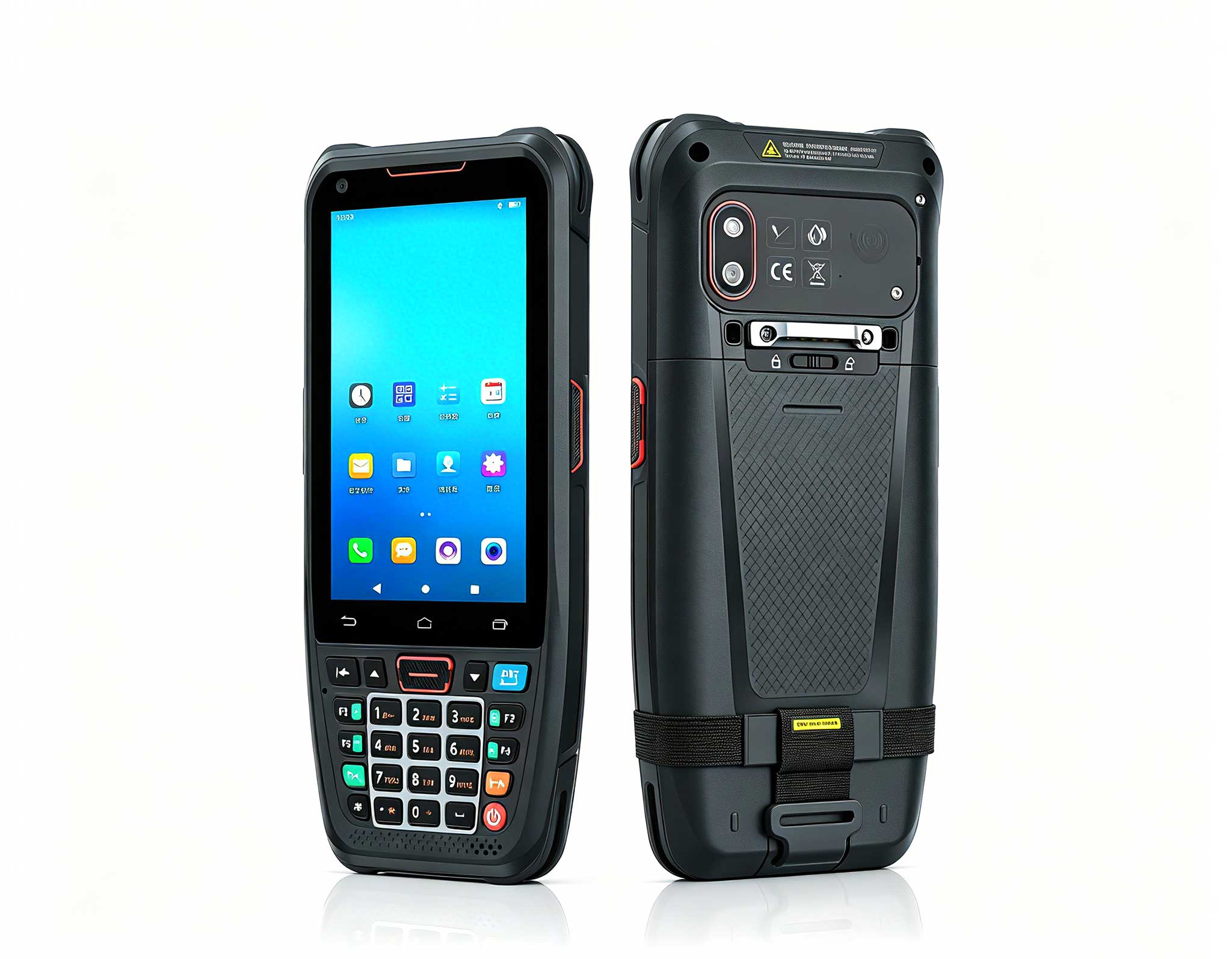
The N40 Android smart PDA features a Cortex-A53 qu...
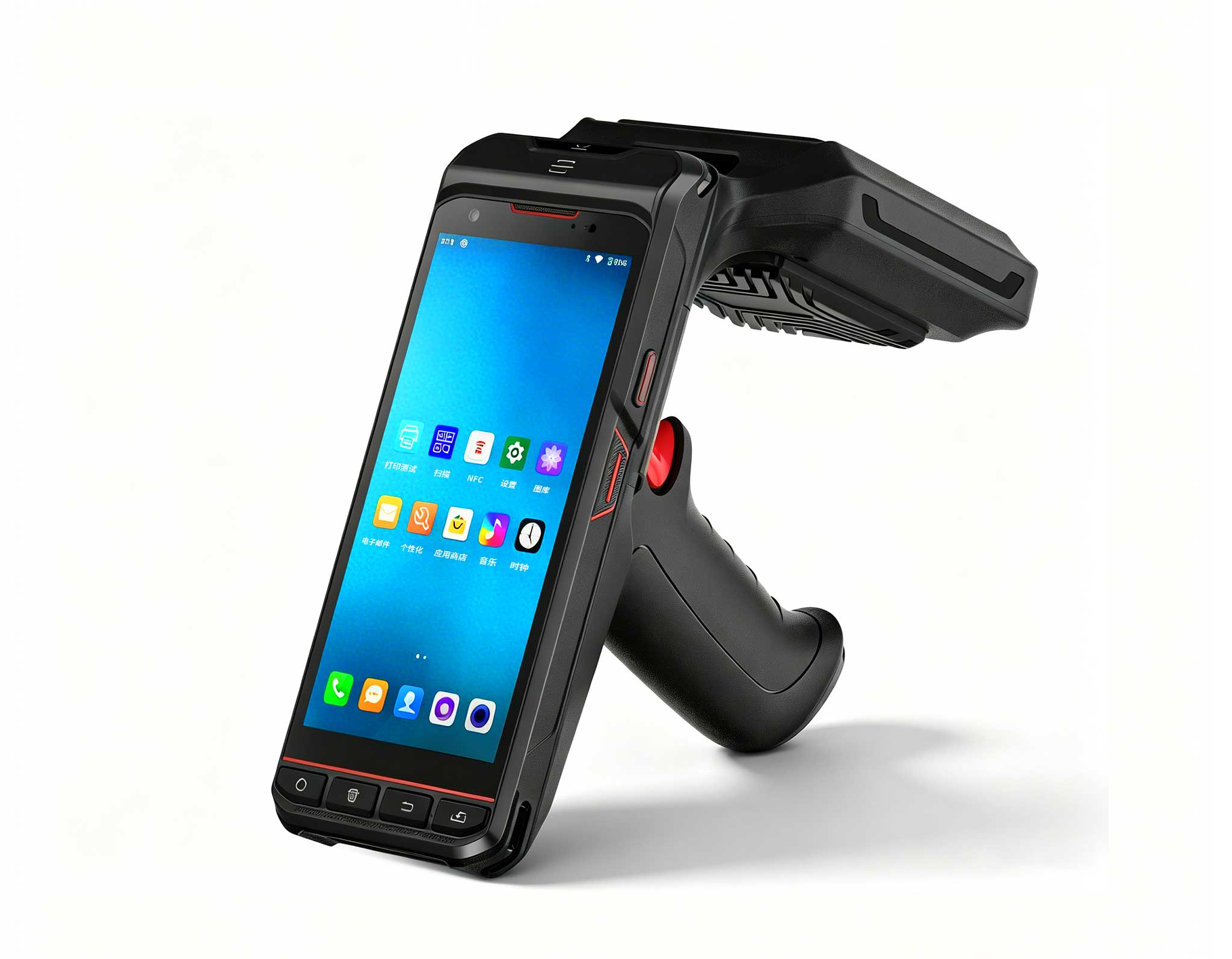
The R501 PDA combines a powerful MT6762 Octa-Core ...
RS51 4G Rugged Handheld Terminal | 6.3" FHD+ ...
Full SpecificationsModel Hotus SH5‑WOperating ...
RS51 4G Rugged Handheld Terminal | 6.3" FHD+ ...
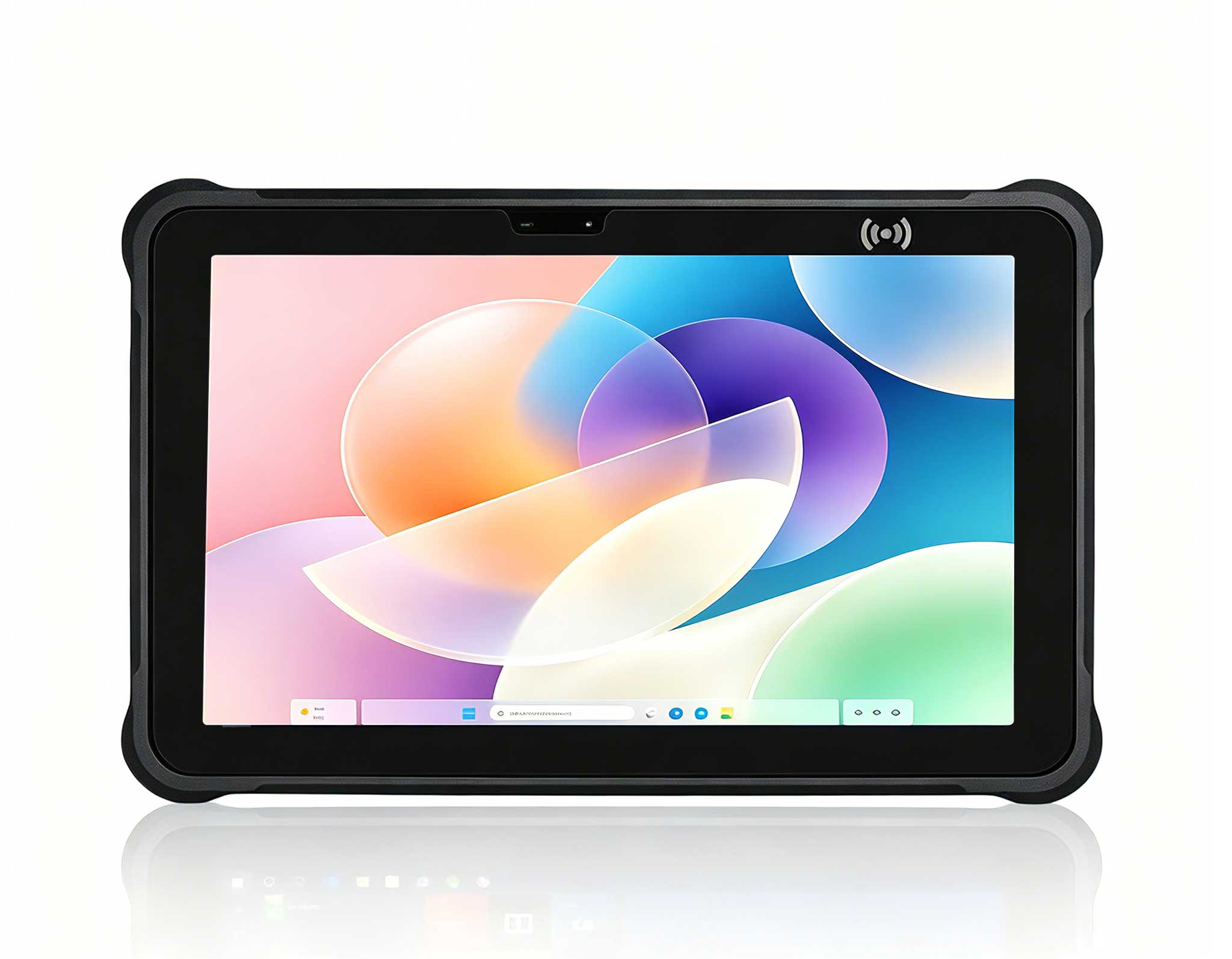
RT81 4G Rugged Tablet | 10.1" FHD 400nit | Qu...
Full SpecificationsModelHotus ST13‑UOSWindows 10 P...
One Device, Dual Functions – A Projector and a Com...
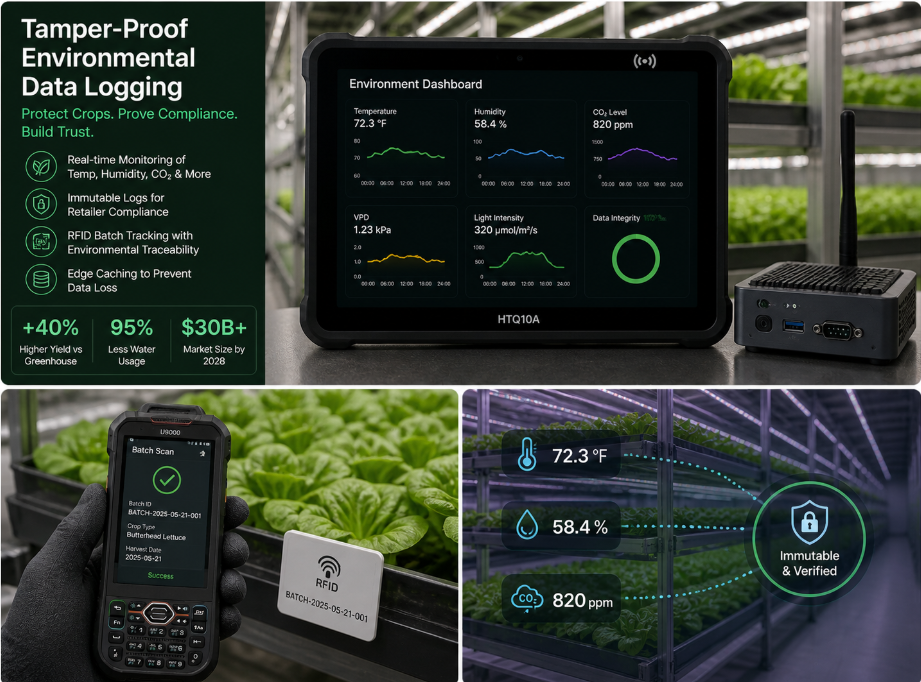
Fig 1 – A crop scientist in a cleanroom gown holds the HTQ10A inside a vertical farm. The screen shows a live graph: temperature, humidity, CO2, PPFD. Purple LED light falls on leafy greens. The tablet‘s case is clean, the environment sterile. The data is the difference between a profitable harvest and a moldy loss.
Industry Perspective: Indoor farming looks clean and automated from the outside, but operators know how fragile the environment really is. One humidity spike overnight can trigger mold growth across an entire basil rack. A failed CO2 valve can quietly slow crop growth for days before anyone notices. In modern vertical farming, the biggest risk is not pests or weather — it is missing data. Retailers, food distributors, and regulators increasingly expect complete environmental traceability. If you cannot prove what happened inside the grow room every hour of the day, your premium produce instantly becomes a liability.
By HOTUS Technology | May 2026
Vertical farming is rapidly transforming commercial agriculture. With climate instability, water shortages, and rising transportation costs affecting traditional farming, indoor agriculture has shifted from niche experimentation to large-scale food production. Modern vertical farms now deliver year-round harvest cycles, consistent product quality, and significantly reduced water consumption compared to field farming.
Analysts project the global vertical farming market to surpass $30 billion before 2028, fueled by urban food demand, supply chain localization, and retailer pressure for pesticide-free produce. Large supermarket chains increasingly favor controlled-environment agriculture because it provides stable supply regardless of droughts, storms, or seasonal disruption.
But scaling indoor farming creates a new operational challenge: environmental verification.
Lettuce, basil, kale, and strawberries grown indoors depend entirely on tightly controlled variables — temperature, humidity, airflow, nutrient dosing, CO2 concentration, and light intensity. Even small deviations can reduce shelf life, damage flavor consistency, or trigger fungal outbreaks that destroy entire production zones.
Many facilities still rely on spreadsheets, handwritten whiteboards, or manually exported CSV files to track environmental conditions. That creates dangerous blind spots. Manual records can be edited, lost, or forgotten. Worse, disconnected systems make root-cause analysis nearly impossible after a quality complaint.
This is why forward-thinking operators are investing in rugged mobile infrastructure built specifically for high-humidity agricultural environments.
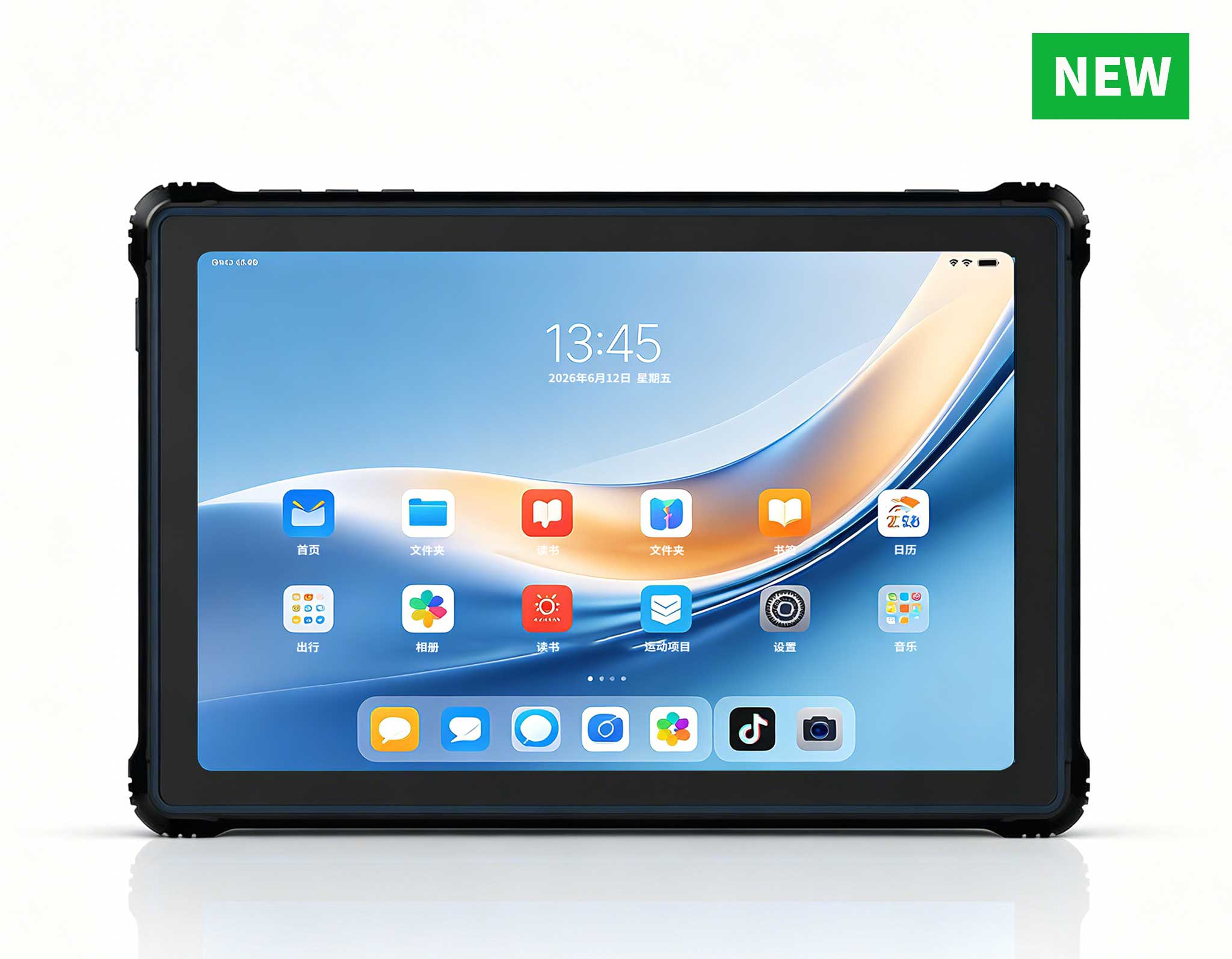
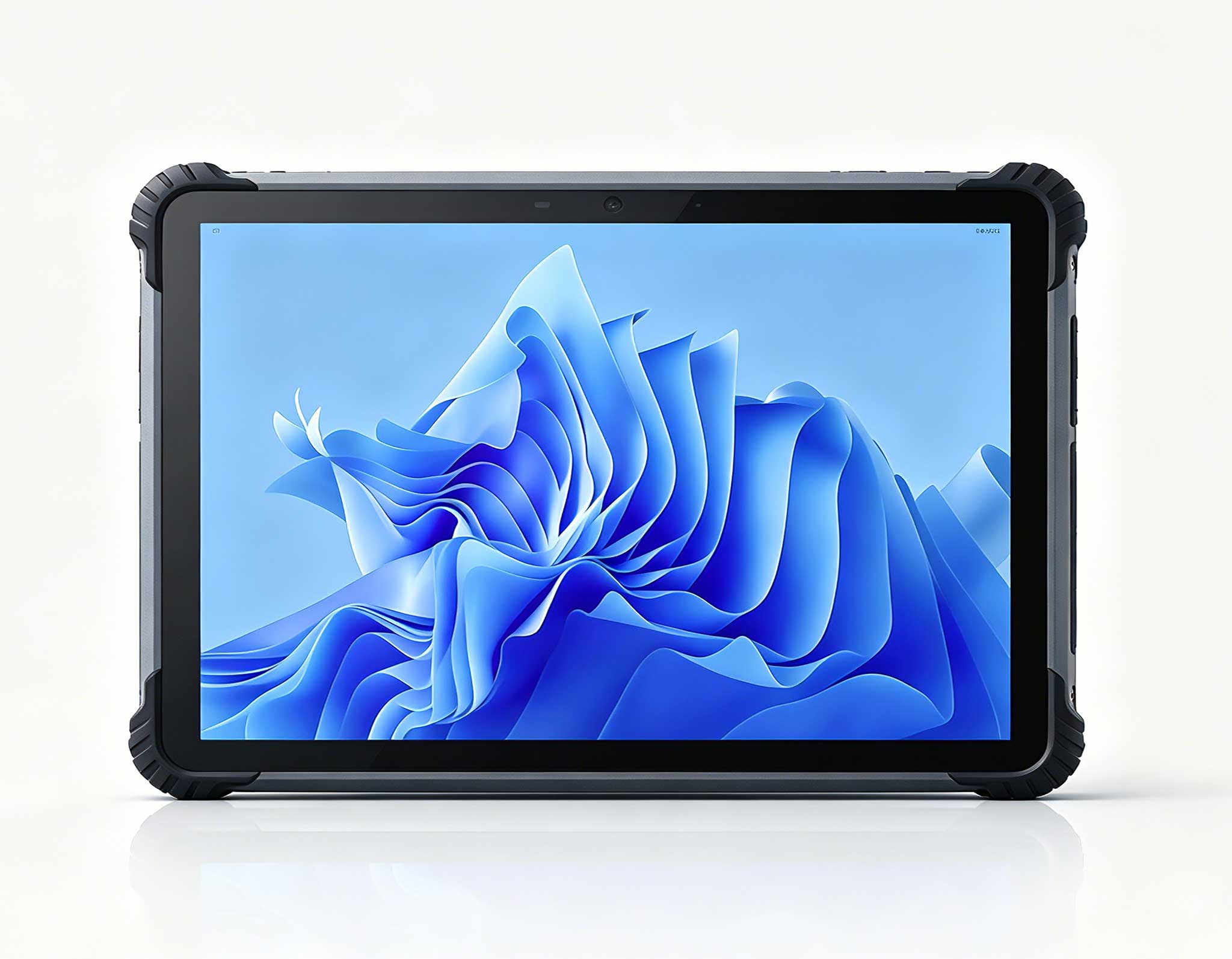
The Hotus HTQ10A Android Rugged Tablet gives vertical farm managers a centralized platform for live environmental monitoring, digital inspections, and audit-ready recordkeeping. Designed for industrial environments, the tablet’s IP67-rated enclosure resists condensation, nutrient splashes, and routine sanitation cleaning.
Inside a grow room illuminated by high-intensity LED lighting, visibility matters. The HTQ10A’s high-brightness display remains readable under strong purple grow lights where conventional consumer tablets often struggle. Operators can move between cultivation racks while monitoring real-time environmental dashboards without returning to a control office.
Through Bluetooth and wireless sensor integration, the HTQ10A continuously collects:
Every reading is automatically timestamped and stored in encrypted logs, creating a tamper-resistant operational history. When retailers or certification auditors request proof of environmental consistency, the records are immediately available.
This level of traceability is becoming a competitive advantage rather than just a compliance requirement.
Premium grocery buyers increasingly ask suppliers to demonstrate environmental stability throughout the entire grow cycle. Farms that provide transparent data often secure longer contracts and higher margins because buyers view them as lower-risk suppliers.
Why Digital Environmental Logs Matter:
A single undocumented six-hour HVAC interruption can invalidate an entire shipment during a retailer audit. Automated timestamped logs provide operational proof that manual spreadsheets simply cannot match.
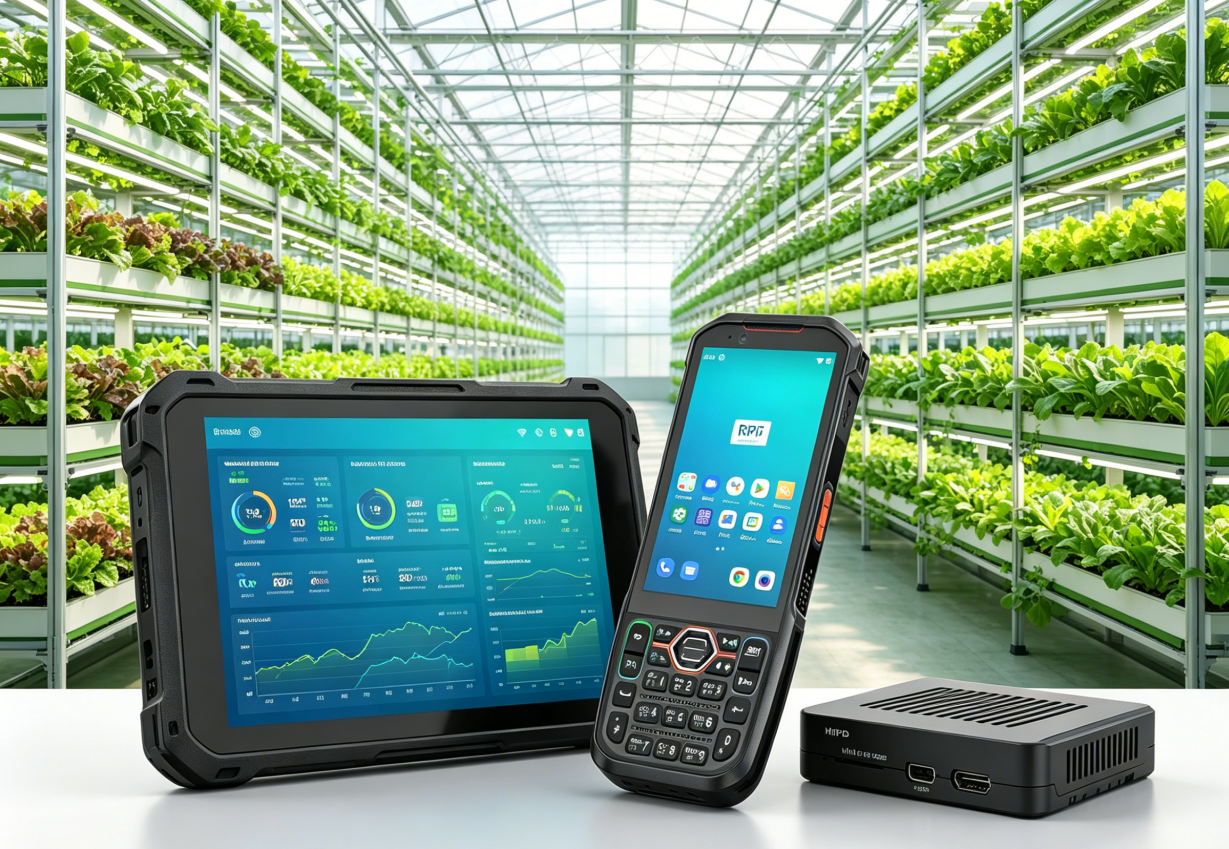
Fig 2 – A harvest worker scans an RFID tag on a bin of just-cut basil using the U9000. The screen shows the grow room ID, harvest timestamp, and a QR code linking to the full environmental log. The leaves are glossy, the worker’s gloves damp. Traceability from seed to salad.
Environmental monitoring is only one part of the equation. Once produce leaves the grow room, traceability becomes equally important.
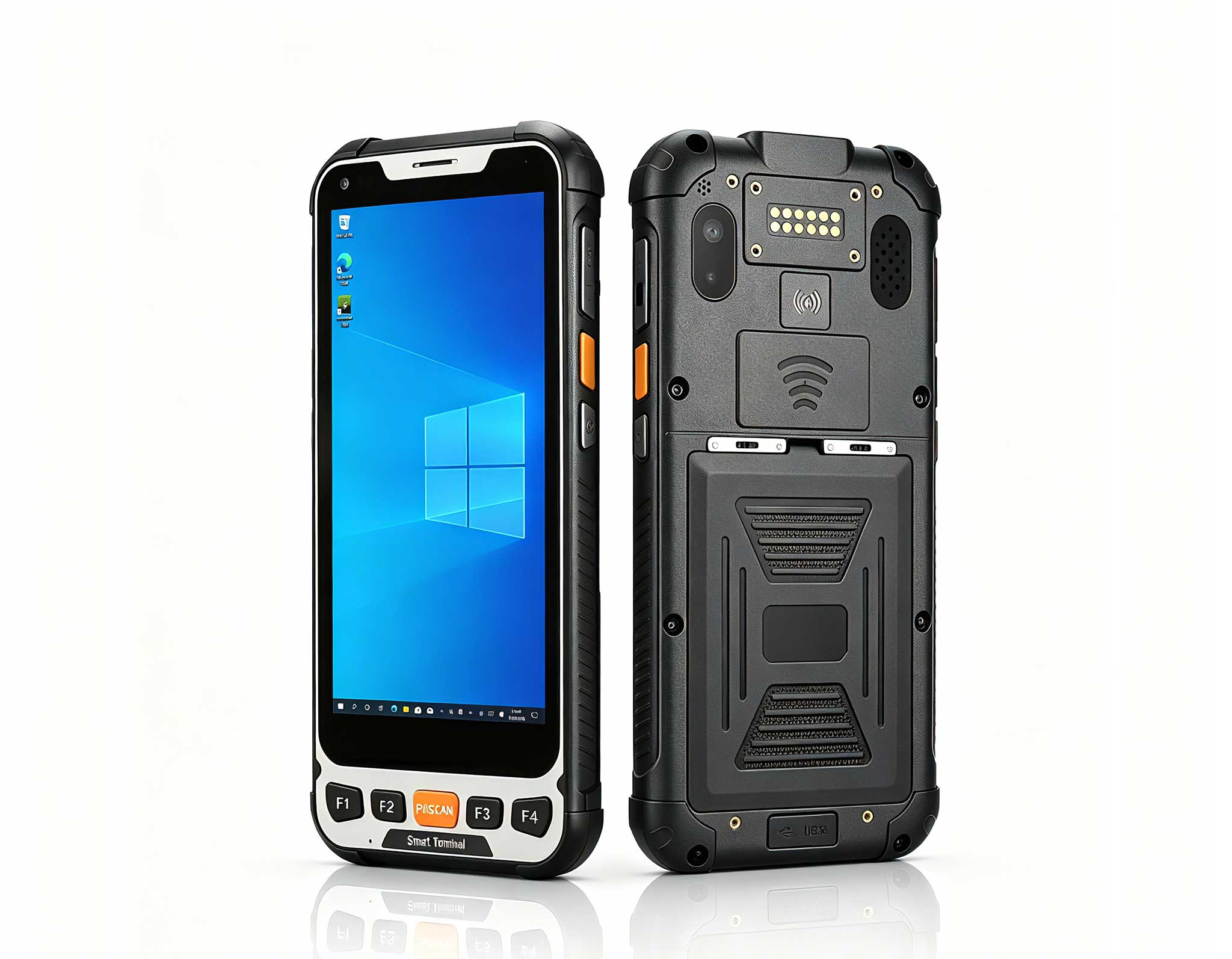
The Hotus U9000 Handheld PDA enables full harvest and batch tracking through RFID and barcode workflows. Workers scan harvest bins, packaging trays, and shipping pallets directly at the point of handling.
Each batch becomes digitally linked to:
If a downstream retailer reports spoilage or quality concerns, the farm can immediately identify whether the issue originated during cultivation, transportation, or retail storage.
That level of accountability protects both brand reputation and commercial relationships.
Connectivity reliability is another overlooked challenge inside indoor agriculture facilities. Metal infrastructure, refrigeration systems, and dense equipment layouts can interrupt cloud communication unexpectedly.
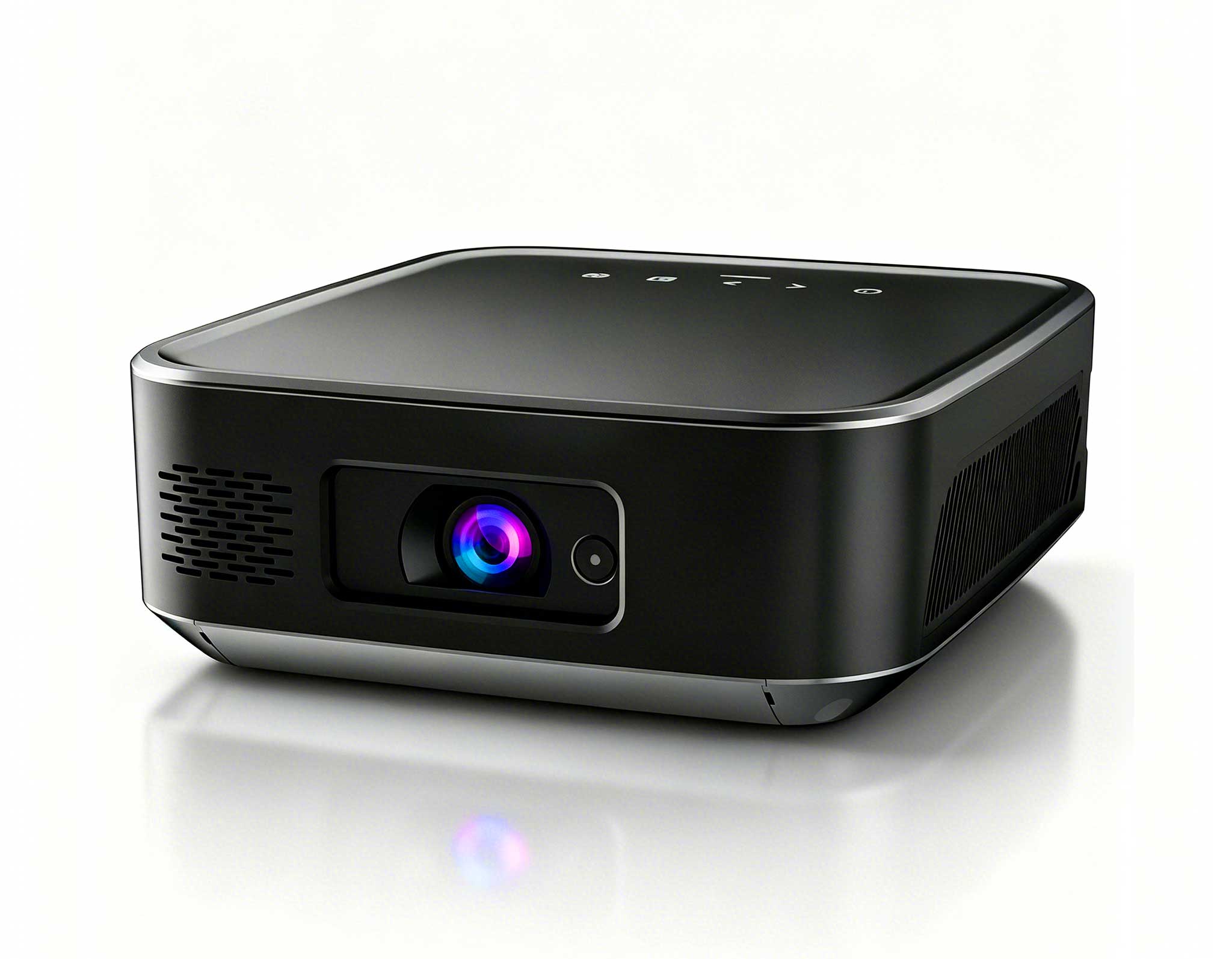
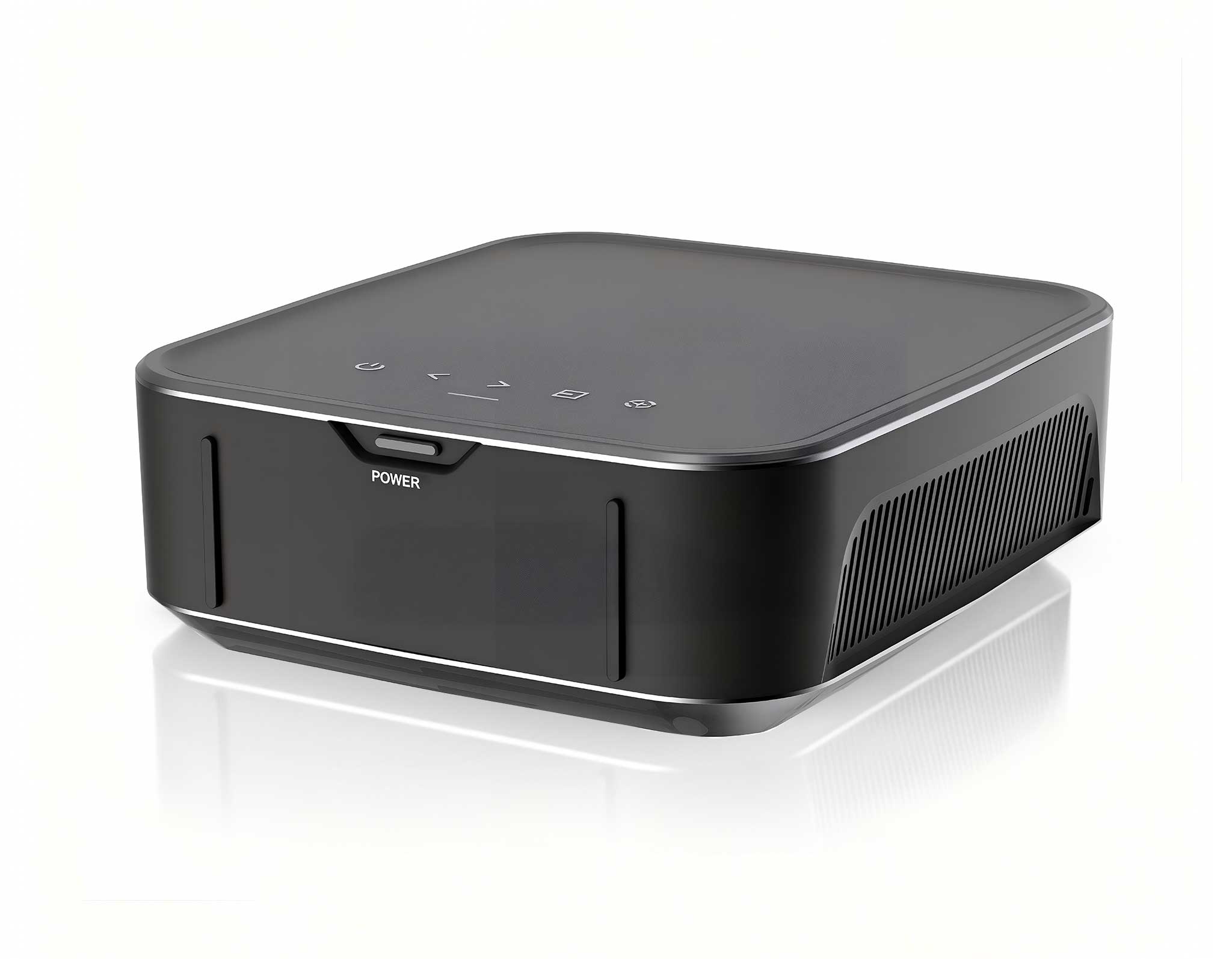
The Hotus Palm-sized Mini PC acts as an edge gateway inside each cultivation zone. Instead of depending entirely on internet connectivity, the Mini PC buffers environmental sensor data locally and synchronizes automatically once network stability returns.
This architecture prevents dangerous monitoring gaps during temporary outages. Even if cloud connectivity fails overnight, sensor records remain intact and fully recoverable.
One commercial indoor agriculture operator producing over 2 million pounds of leafy greens annually deployed:
Within 18 months, the facility achieved:
During one HVAC malfunction, historical environmental data identified exactly which grow racks experienced elevated temperatures for more than two hours. Instead of discarding an entire shipment, the farm isolated only the affected inventory and avoided a six-figure product loss.
Indoor agriculture is no longer just about growing plants. It is about managing data, proving consistency, and protecting trust across the food supply chain.
Paper logs cannot provide real operational transparency. Rugged mobile infrastructure now plays a central role in modern controlled-environment farming — from climate monitoring and RFID traceability to audit preparation and real-time response management.
The HTQ10A, U9000, and Mini PC platform help vertical farms move from reactive agriculture to measurable, verifiable production systems designed for commercial scale.
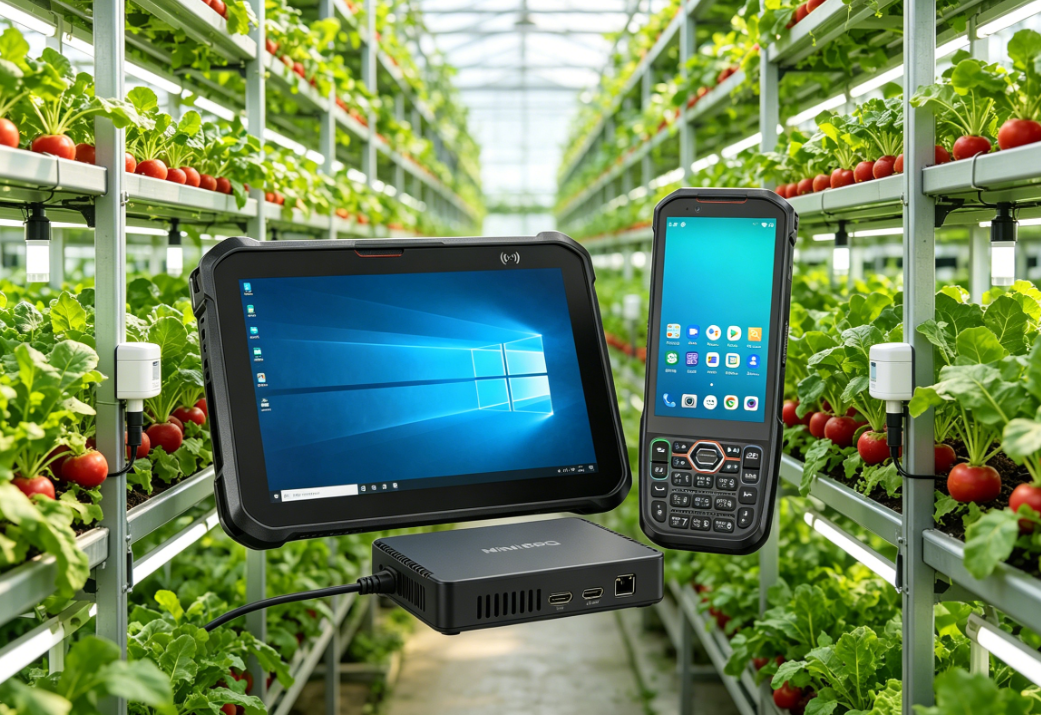
Fig 3 – The ST11-J on a desk in the farm’s control room, its screen divided into four quadrants: temperature, humidity, CO2, light. All green. The grow lead taps “export report” and attaches it to the day‘s shipment. The buyer will see it in minutes. The crop rests, quietly growing.
Contact HOTUS Technology to discuss rugged tablets for vertical farming, request HTQ10A pilot units, or explore U9000 RFID PDA and Mini PC edge gateway solutions for environmental monitoring, crop traceability, and indoor agriculture digitization.