The Vulnerability of Submerged Infrastructure
Floating solar photovoltaics (FPV) represent the frontier of renewable energy, yet the industry’s greatest risk lies beneath the surface. While panel efficiency is prioritized, the anchor chains—the literal lifeline of a multi-million dollar asset—often rely on archaic inspection methods. In the corrosive environments of reservoirs and coastal lagoons, digital transformation isn't just an upgrade; it's a survival strategy.
Floating Solar’s Achilles' Heel: Anchor Fatigue
With over 15 GW of floating solar currently operational worldwide, the move toward water-based arrays is solving land-use conflicts and improving panel cooling. However, these systems are essentially massive vessels moored in dynamic environments. Unlike stationary land-based solar, FPV systems are subject to constant mechanical stress from wind, waves, and varying water levels.
The anchor chains are the primary point of failure. In brackish or salt water, galvanic and pitting corrosion can reduce chain link thickness by 10-15% in just a few seasons. If a single link fails during a high-wind event, the resulting "zipper effect" can set the entire array adrift, leading to catastrophic cable tension breaks and structural collisions.
Beyond the Grease Pencil: The Digital Necessity
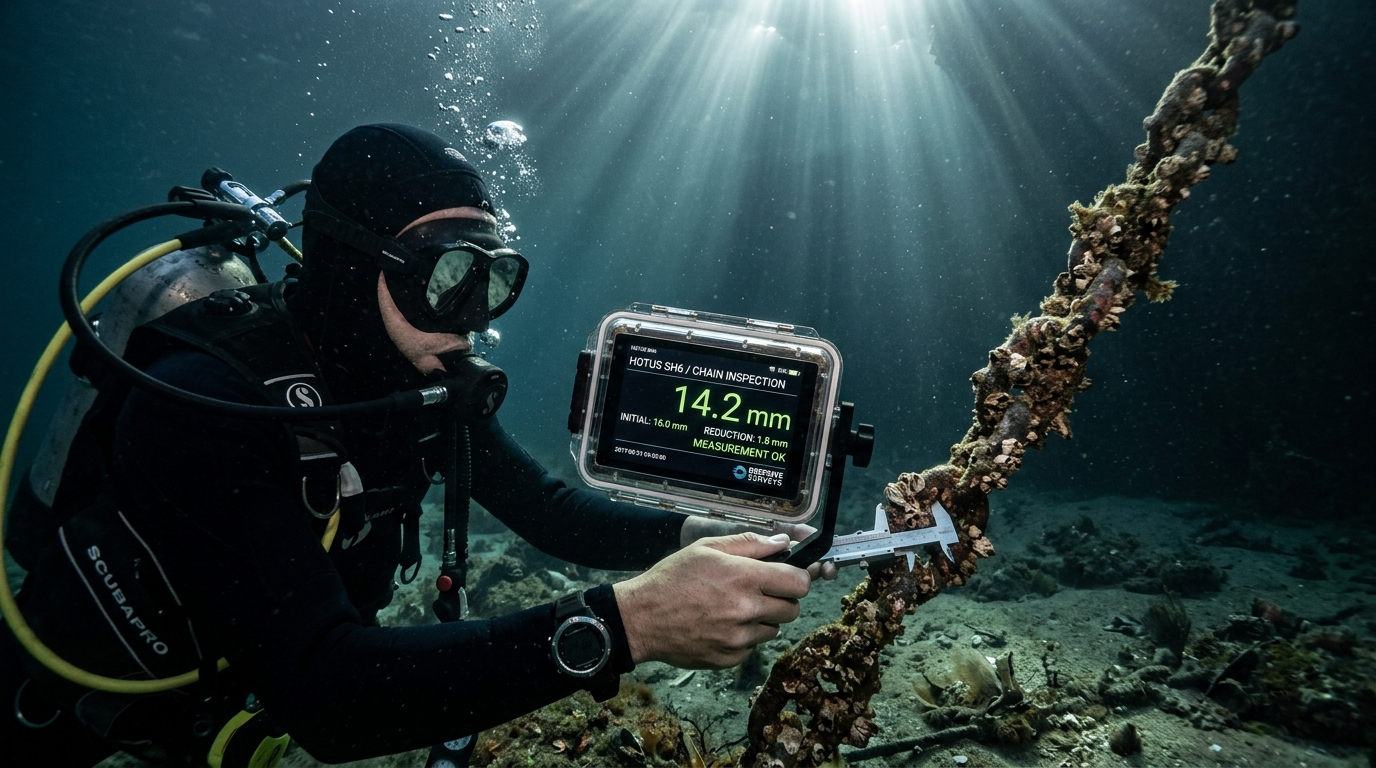
For years, underwater inspections relied on divers with waterproof slates and grease pencils. The data was transcribed later, leading to "analog decay"—lost measurements, misread coordinates, and a complete lack of predictive analytics. You cannot forecast a failure if your data is sitting in a smudged notebook.
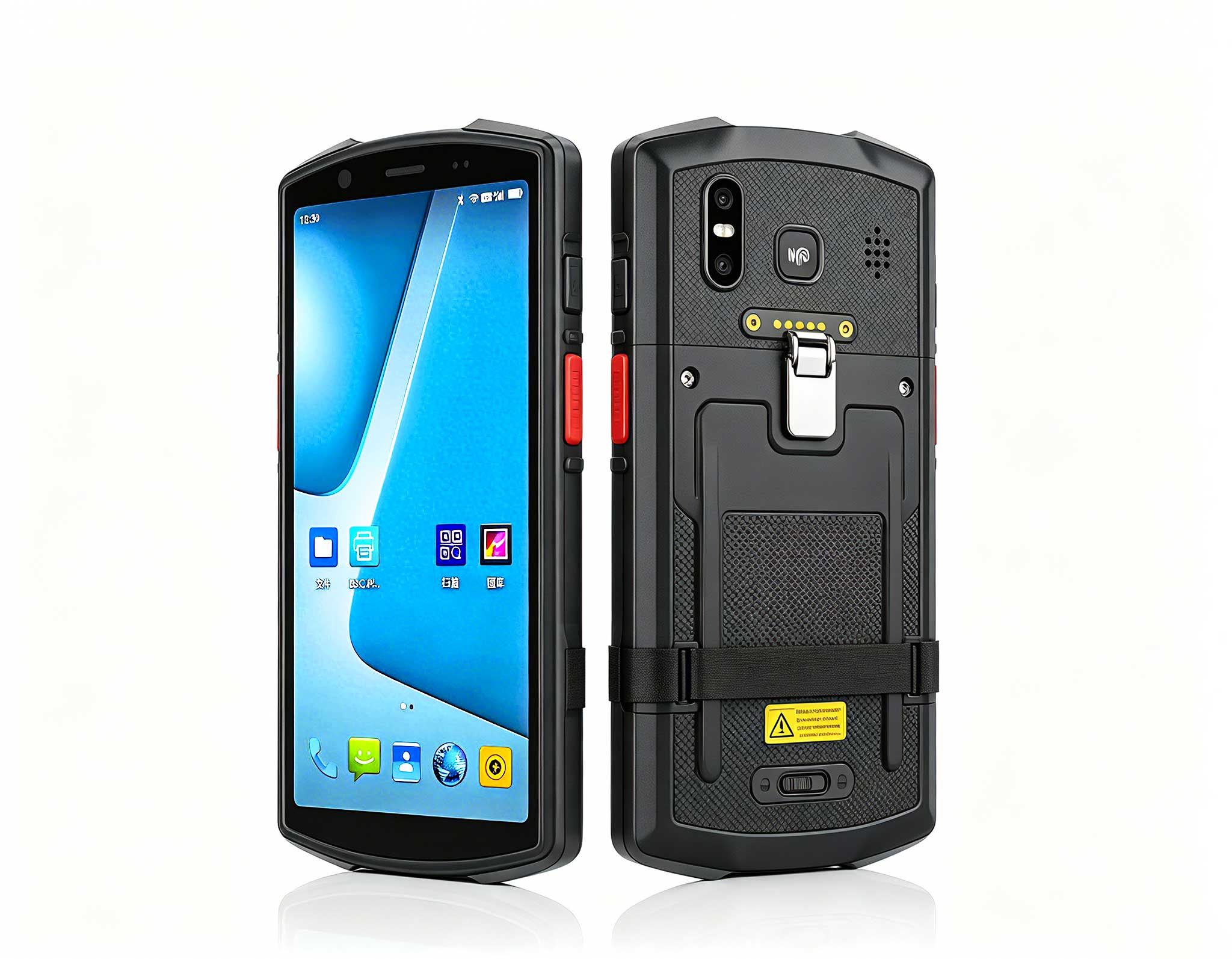
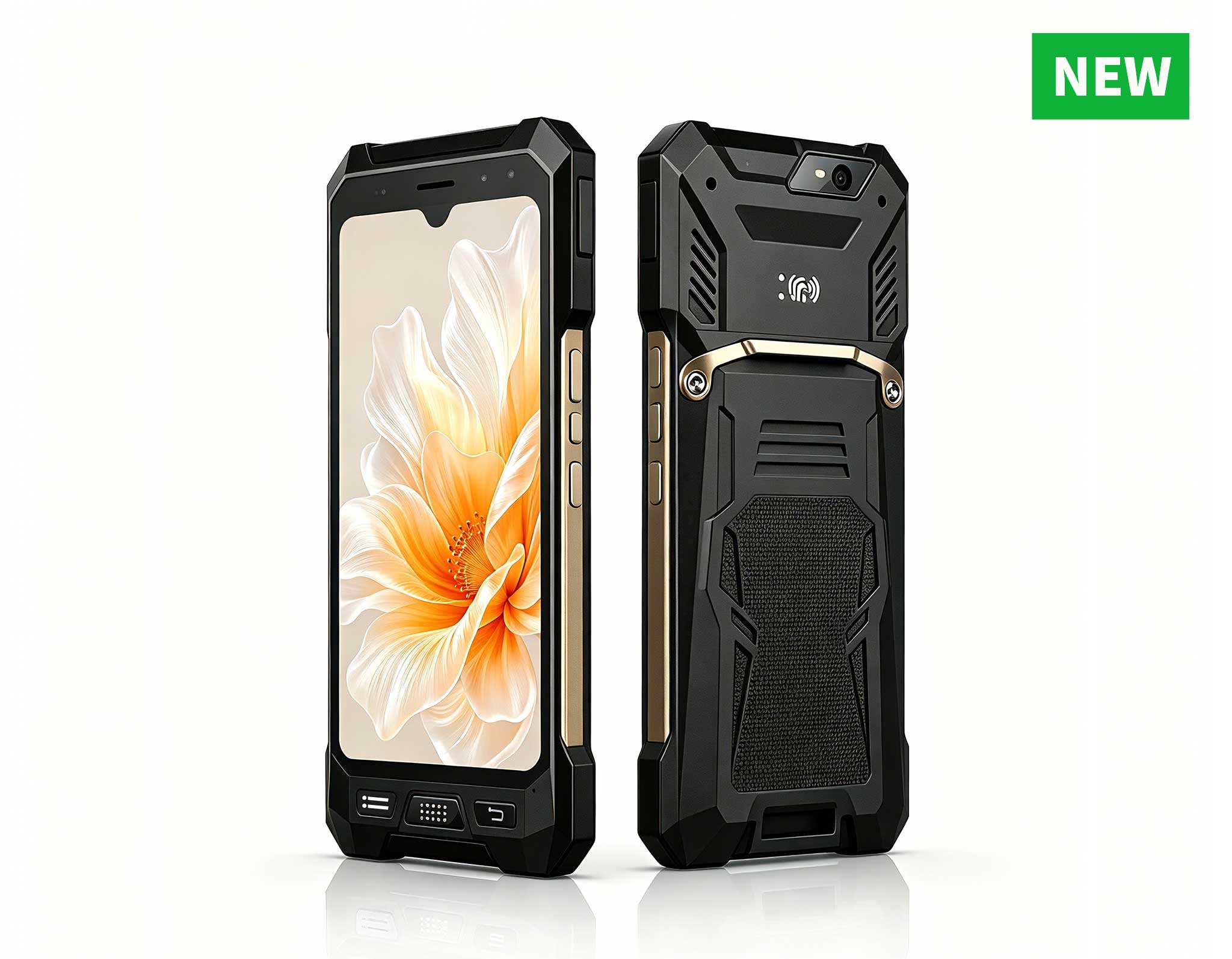
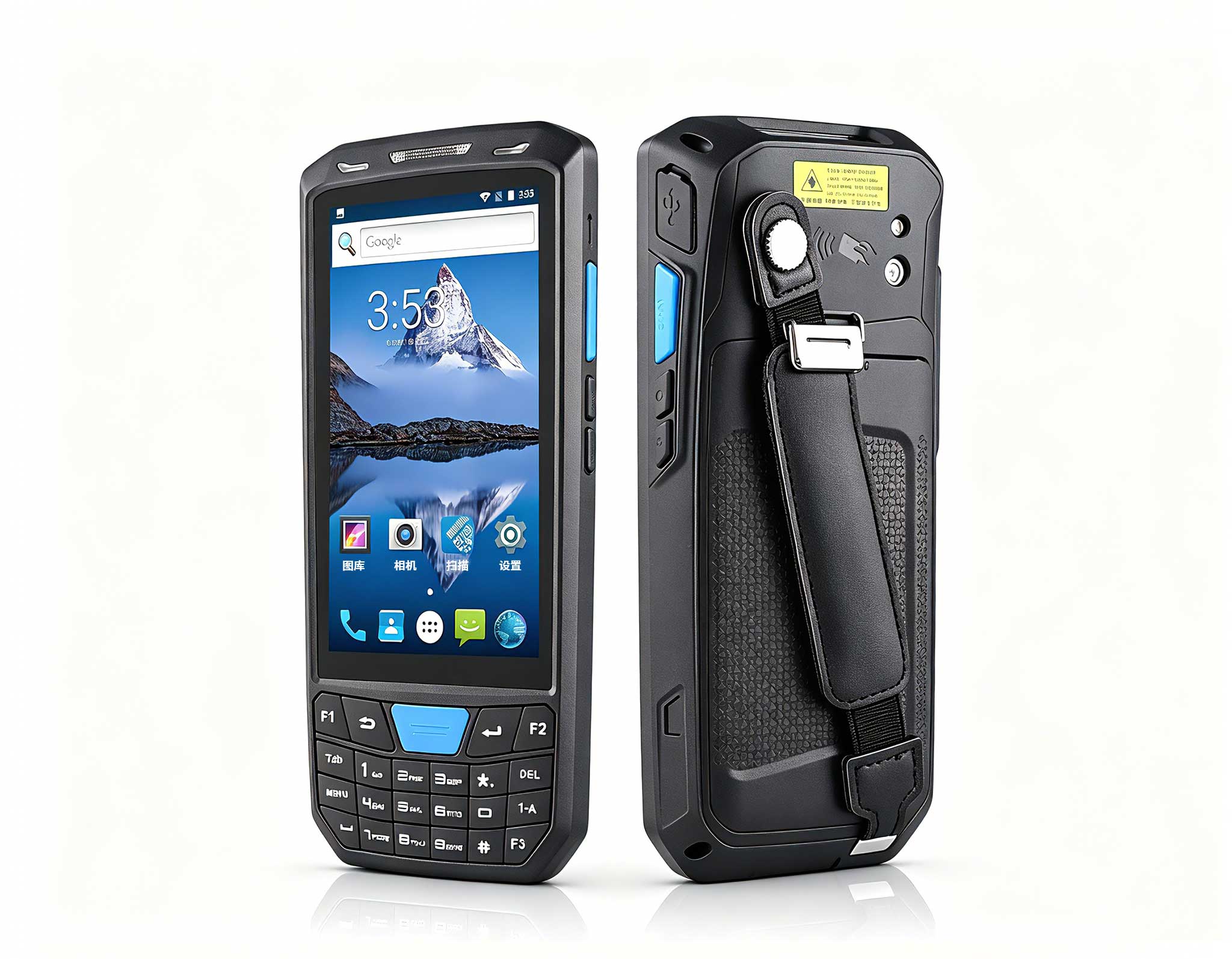
The Hotus SH6 6.5″ Windows rugged handheld is the definitive solution for marine asset management. Engineered to thrive where standard electronics fail, the SH6 offers:
- Bluetooth Caliper Integration: Divers can sync digital calipers directly to the tablet, logging exact link thickness (down to 0.1mm) without manual entry.
- Sub-Surface Visibility: A 1000-nit high-brightness display ensures the screen remains legible in the murky, low-light conditions typical of reservoir beds.
- GPS Geo-Tagging: Every inspection point is mapped with precision, ensuring that the same link is measured year-over-year for accurate trending.
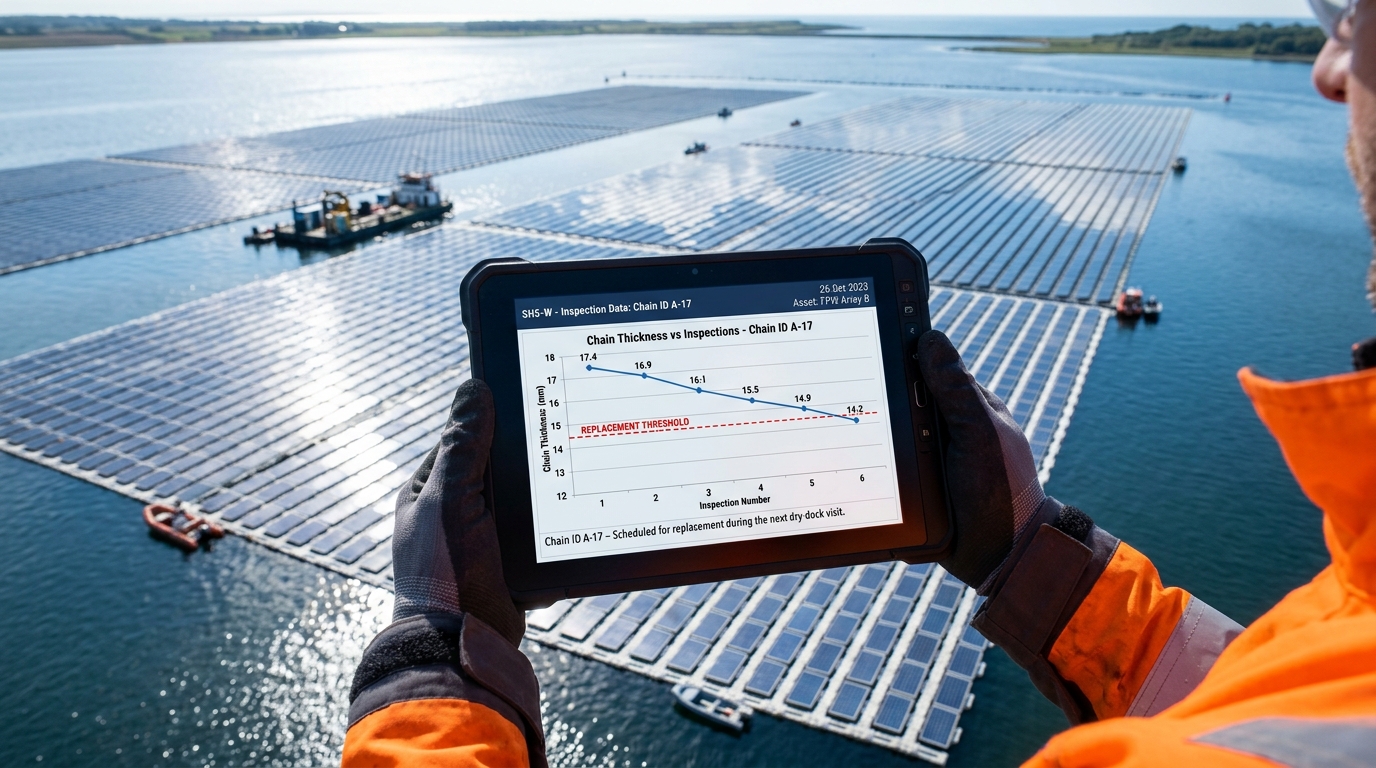
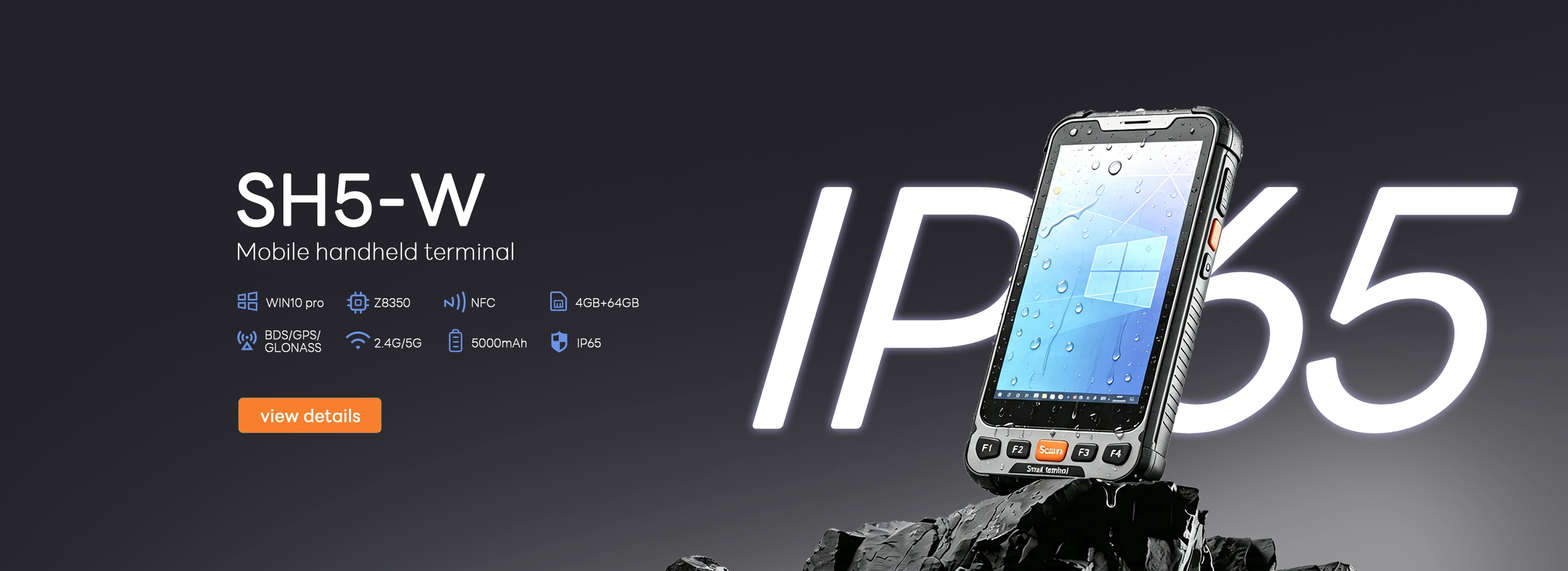
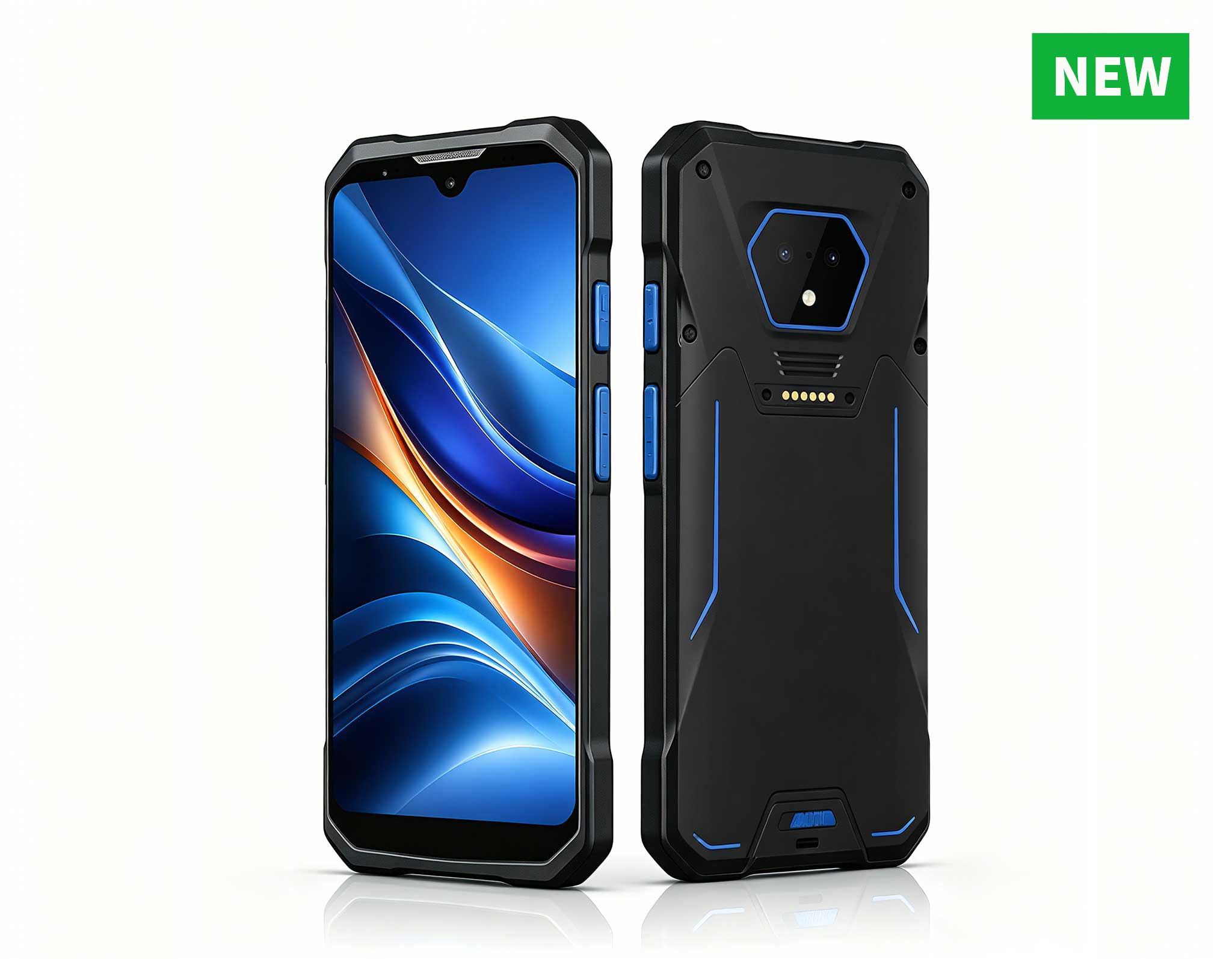
The SH5-W interface displays a historical trend graph, highlighting links that have crossed the safety threshold for material loss.
ST13-J: The Command Center for Marine Maintenance
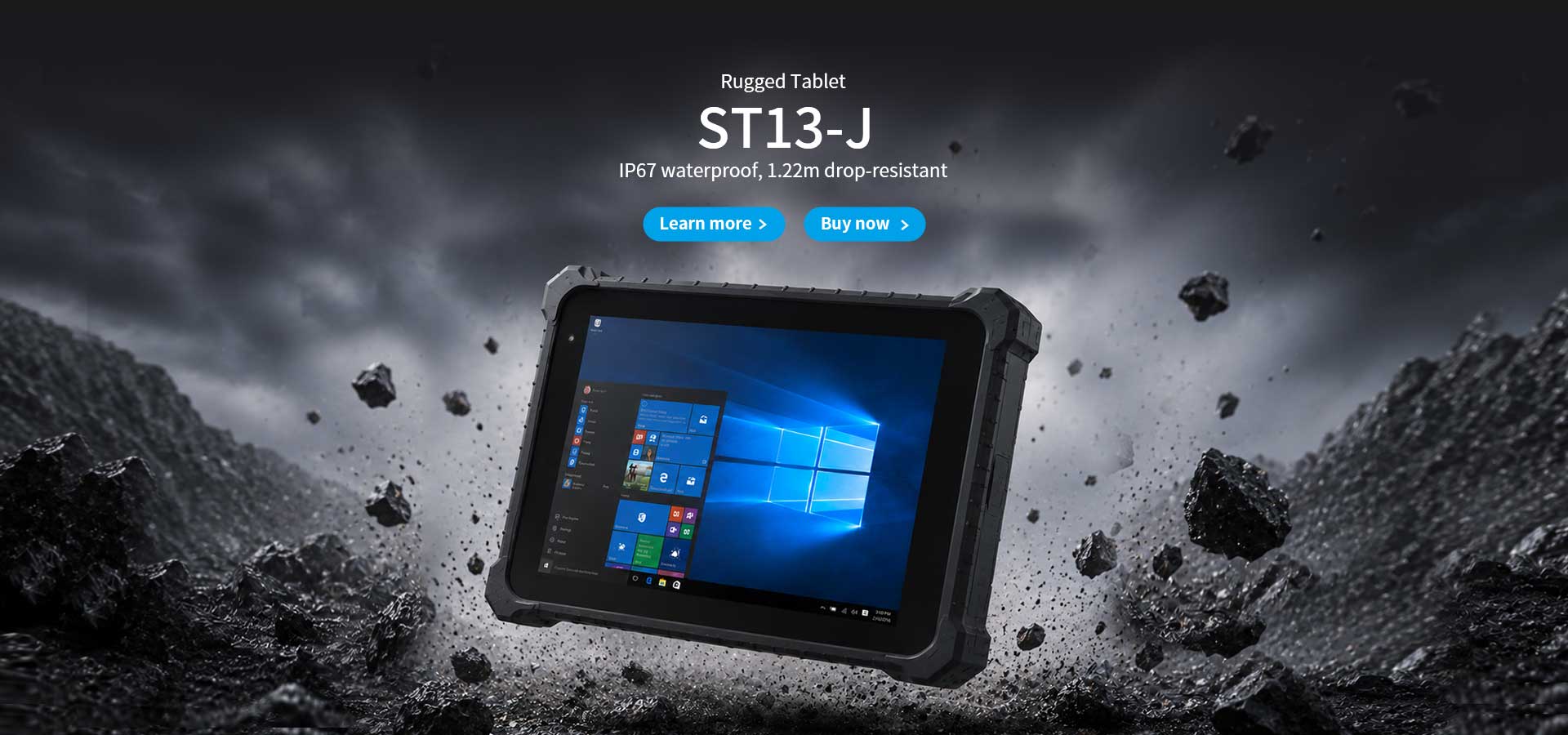
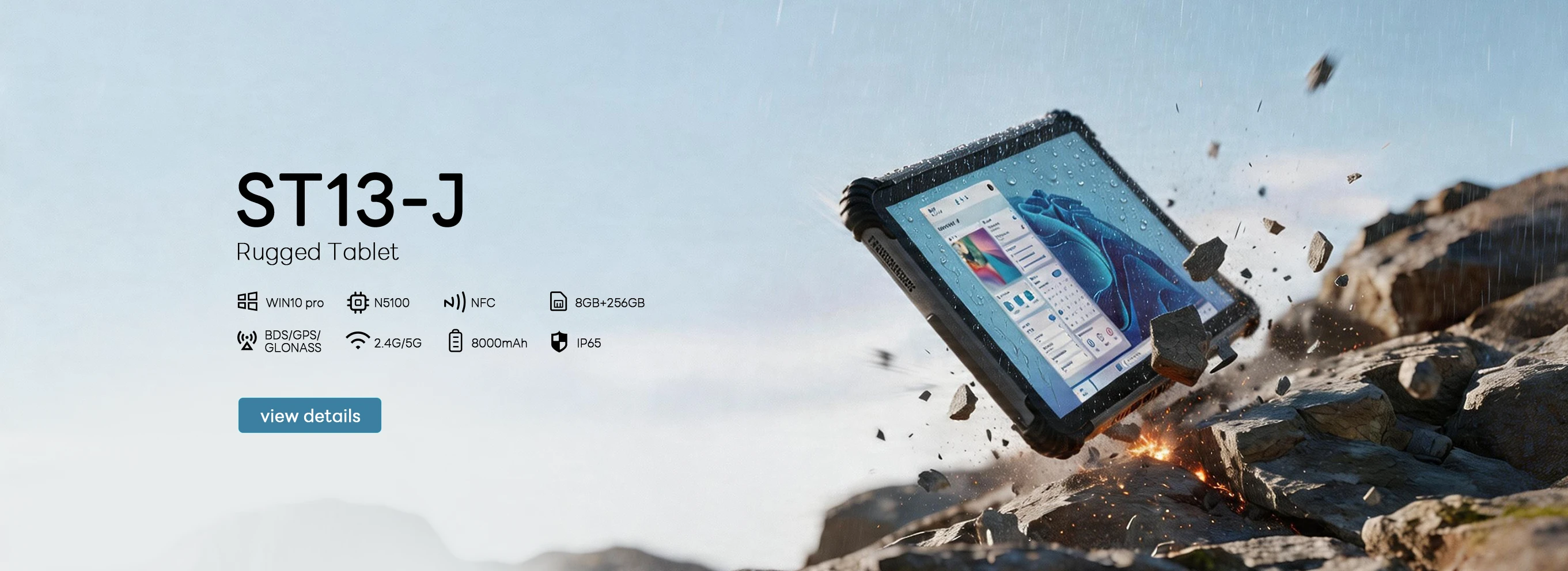
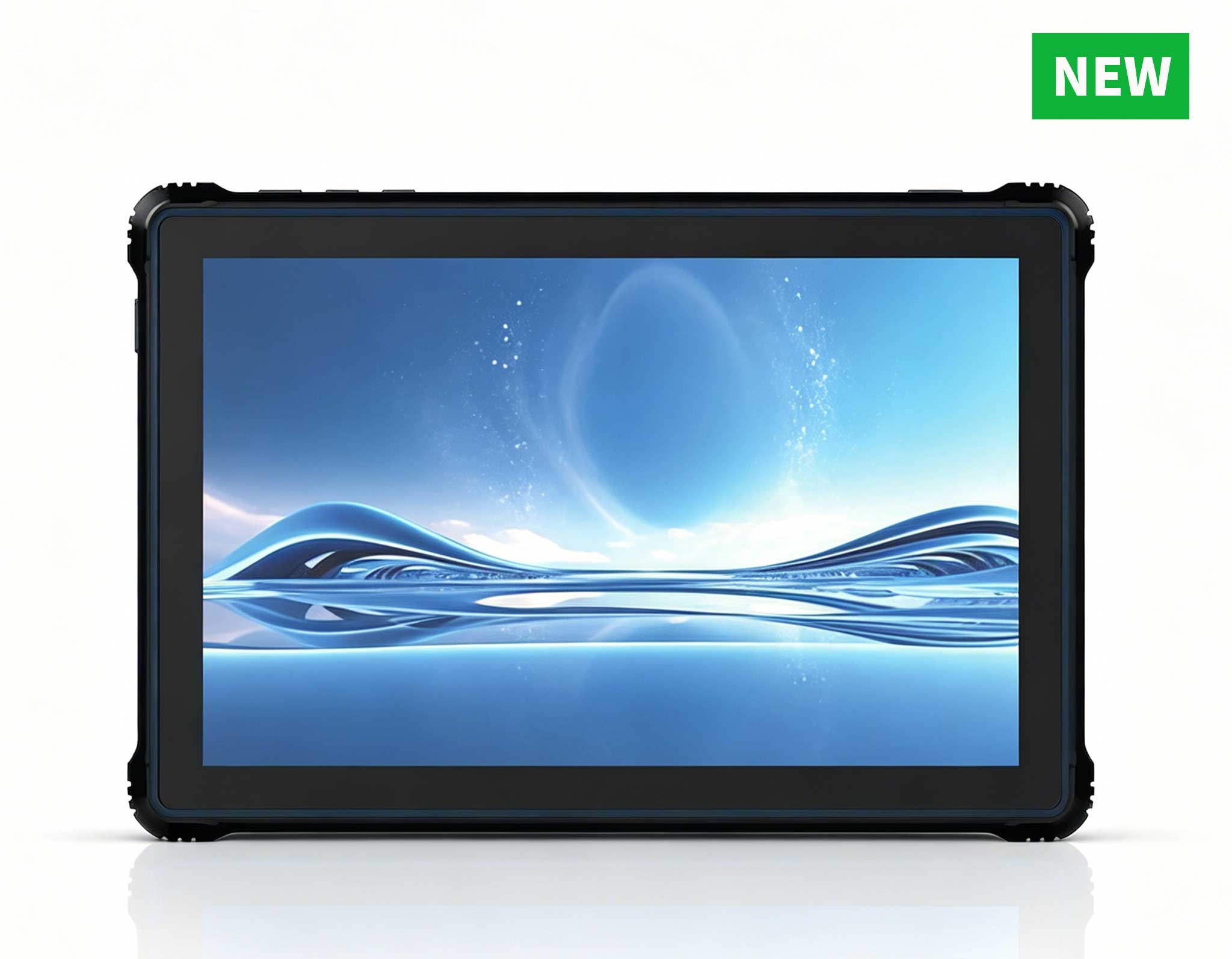
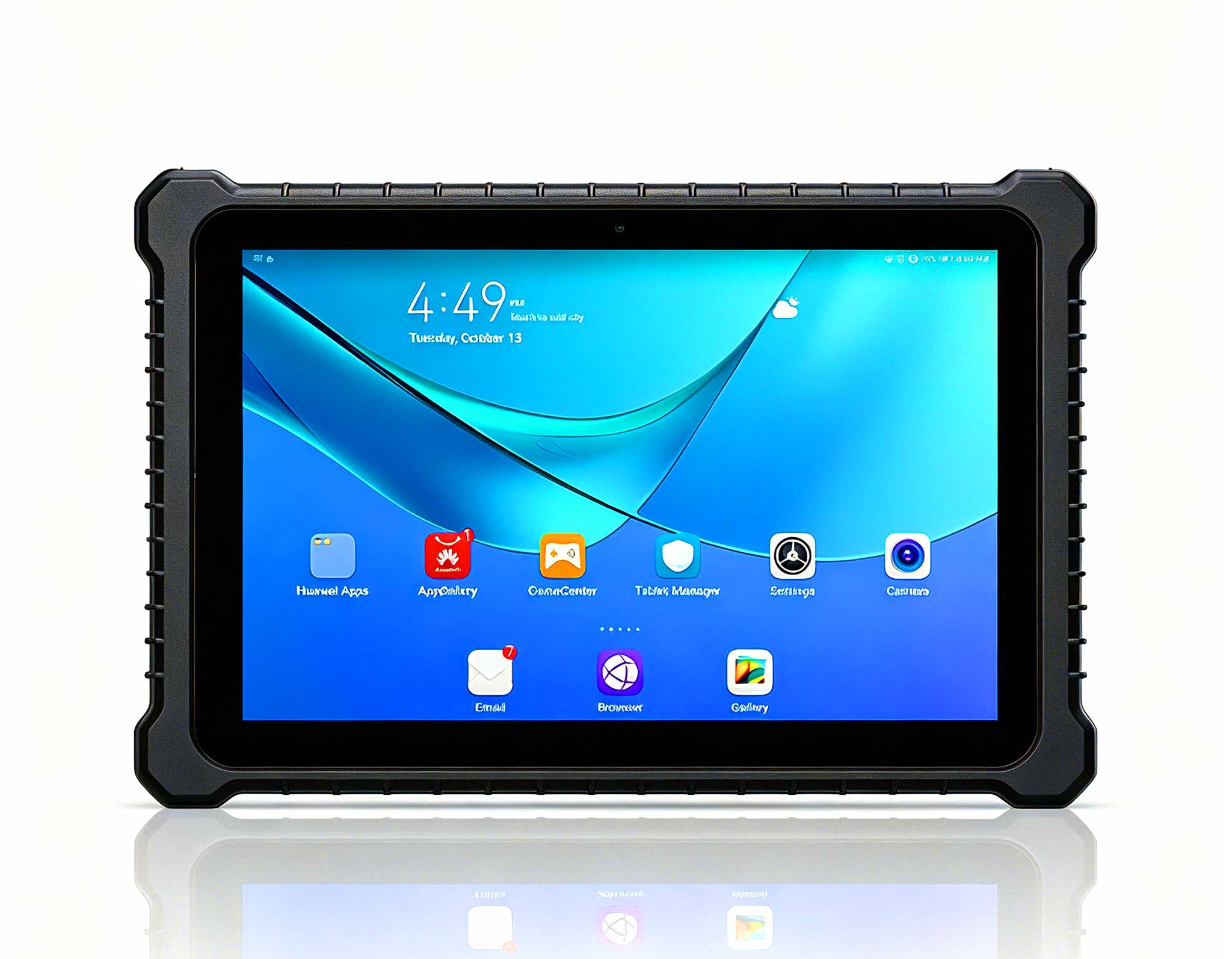
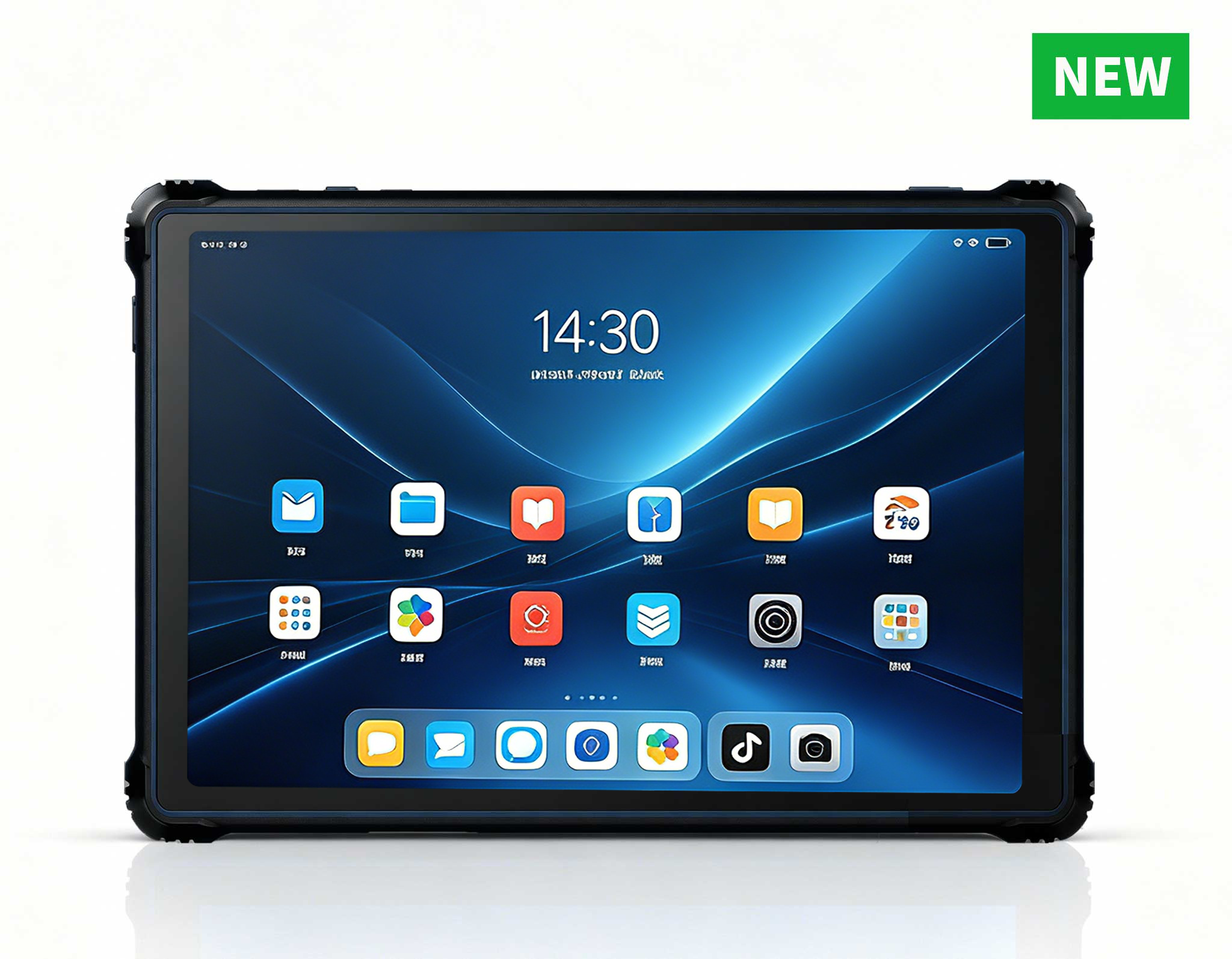
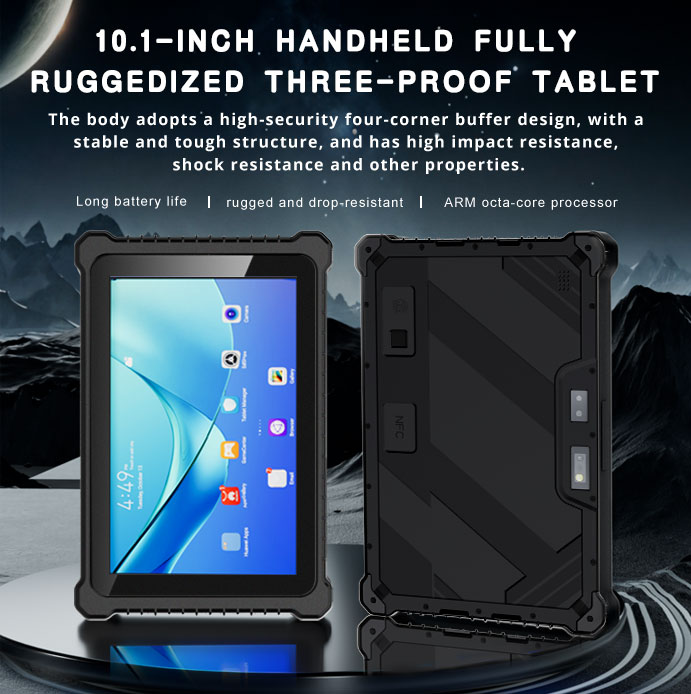
On the surface, maintenance coordinators need a holistic view of the entire solar farm. The Hotus ST13-J 13.3″ Windows rugged tablet serves as the plant’s health dashboard. It aggregates the high-fidelity data collected by divers into a visual risk map.
By utilizing the ST13-J, operators can transition from reactive repairs to predictive replacement. Instead of replacing chains based on age, they replace them based on data. This strategy was recently utilized by a 50 MW operator who identified a cluster of accelerated corrosion caused by unforeseen stray currents in a coastal lagoon. The digital system caught the trend before a single chain snapped.
| Inspection Criteria | Manual Slate & Pencil | HOTUS Digital Marine Ecosystem |
|---|
| Data Accuracy | Approximate / Subjective | Precision (Digital Sensor Sync) |
| Historical Trending | Manual Log Comparison | Automated Predictive Graphing |
| Risk Visualization | None (Text only) | GPS Color-Coded Heatmaps |
| Compliance Readiness | Weak (Difficult to audit) | Robust (Full Digital Audit Trail) |
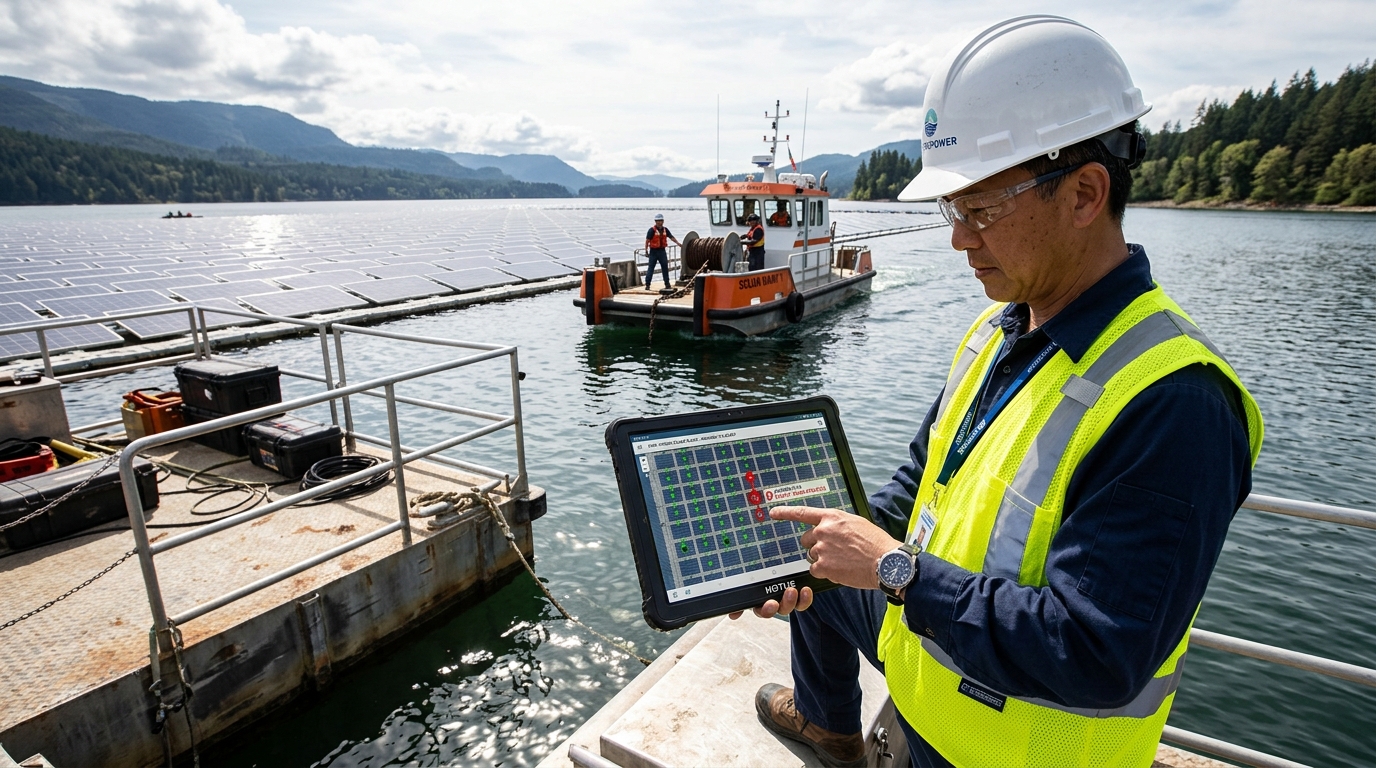
The ST13-J dashboard allows for instant deployment of repair crews to high-risk 'red' anchor zones.
Protecting Your Renewable ROI
The explosive growth of floating solar requires a commensurate evolution in maintenance technology. A single storm event on an unmonitored array can result in millions in damages and lost generation. The HOTUS marine-grade ecosystem—comprising the SH6, SH5-W, and ST13-J—provides the transparency and data depth required to keep your assets anchored and your energy flowing.
Upgrade to Marine-Grade Digital Inspection
Transition from guesswork to precision. Contact HOTUS Technology today to pilot the SH6 underwater handheld or the ST13-J maritime tablet for your floating solar fleet.
Data-Driven Integrity for the Blue Economy.
Target Keywords: Floating Solar Inspection, Marine Rugged Tablet, Underwater Anchor Chain Monitoring, IP67 Windows Handheld, FPV Mooring Maintenance, Digital Diver Log, Mooring System Corrosion Analytics.Windows rugged tablet