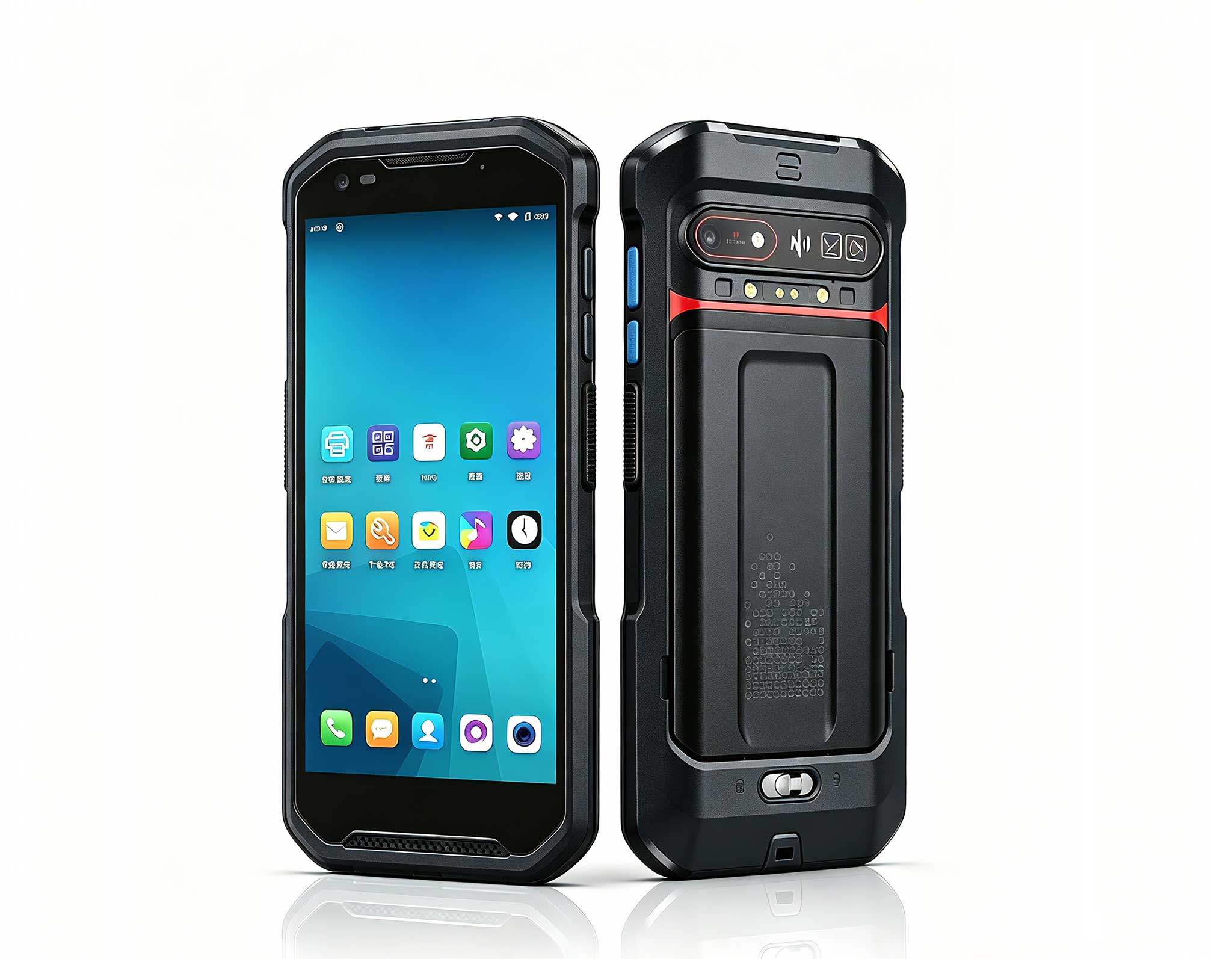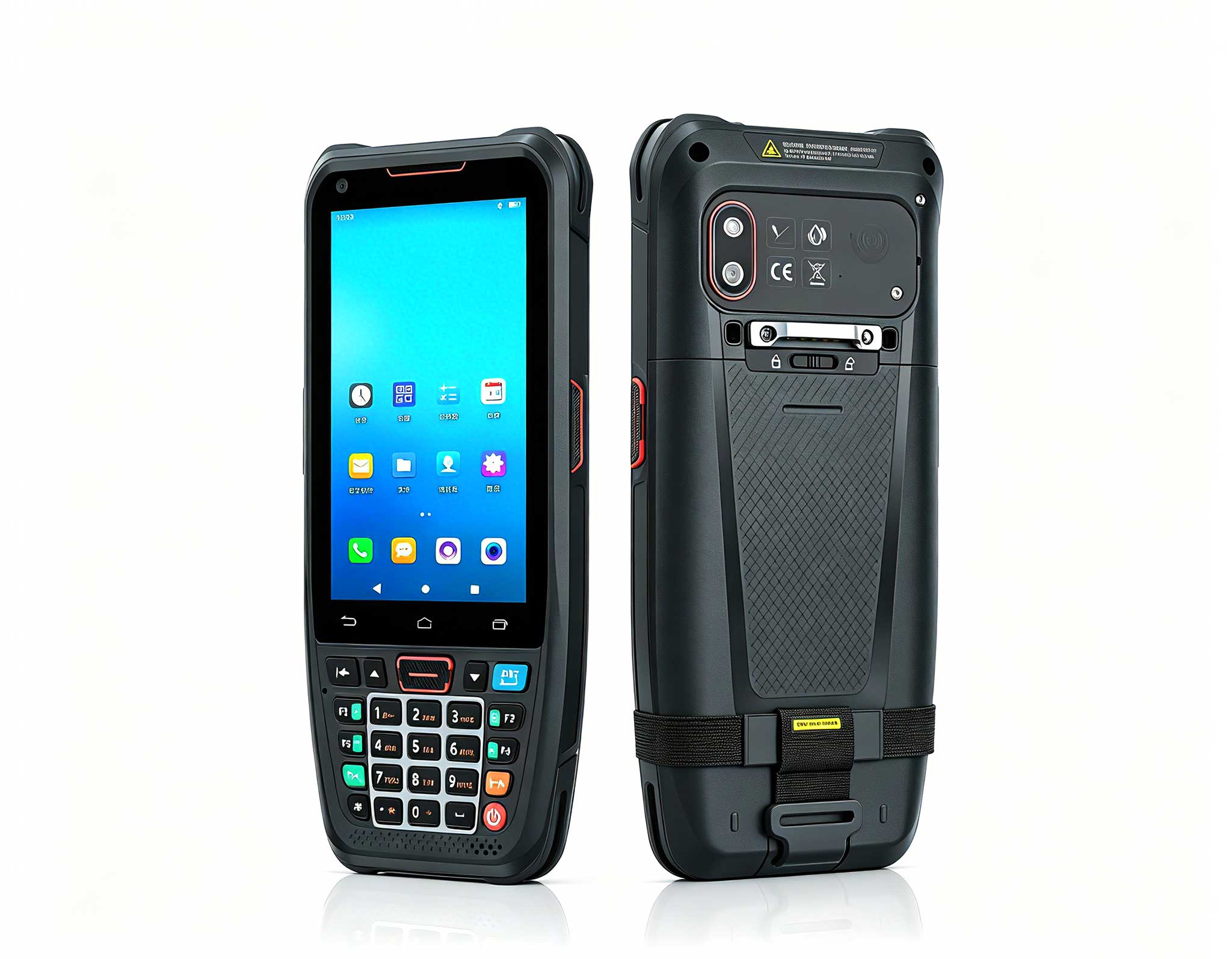
Figure 1: Active monitoring inside a nuclear fusion lab. A technician logs tritium glovebox pressure and ionization detector metrics on a HOTUS ST11‑U rugged Windows tablet.
"I recently stood inside a state-of-the-art tritium handling facility, watching an operator manually transcribe negative-pressure readings onto a clipboard. This is a paper-based protocol unchanged since the mid-1980s. Yet, in commercial nuclear fusion, a single leak of just one gram of tritium is a catastrophic regulatory event. Relying on handwritten logs to guarantee secondary containment integrity is no longer viable. As the global fusion sector scales toward grid deployment, facilities require data-driven assurance. You need hazardous-environment industrial computing that interfaces directly with glovebox SCADA sensors, records pressure fluctuations every minute, and flags minor deviations instantly. In the fusion energy landscape, a containment failure isn't just a maintenance task—it is an immediate nuclear licensing risk."
Fusion Reactor Tritium Fuel Cycle Safety: Mitigating Regulatory and Licensing Risks via Industrial Rugged Tablets
Insights by HOTUS Technology Editorial Team | Technical Safety Series | June 2026
The international nuclear fusion sector is undergoing an unprecedented transition from fundamental plasma physics experiments to industrial power engineering. With the ITER project executing its latest high-yield campaigns and private commercial ventures securing billions in capital over the past 24 months, commercializing Deuterium-Tritium (D-T) magnetic confinement reactors is closer than ever. However, managing the tritium fuel cycle remains one of the most stringent regulatory, environmental, and operational hurdles to achieving a commercial license.
Tritium ($^3\text{H}$) is a radioactive isotope of hydrogen that undergoes beta decay. Because it shares chemical properties with standard hydrogen, it exhibits extreme mobility, high permeation rates through structural metals, and an affinity for replacing hydrogen in water vapor to form tritiated water ($\text{HTO}$). Due to these radiological properties, environmental release thresholds are exceptionally tight. A minor breach in containment can trigger an immediate automated shutdown, regulatory enforcement actions, and millions of dollars in operational downtime.
The Vulnerability of Secondary Containment and Analog Tracking
Primary radiation defense in fuel purification, isotope separation, and pellet injection systems relies heavily on secondary containment enclosures—specifically specialized gloveboxes maintained under continuous negative pressure. Operators interact with highly concentrated tritiated environments via heavy-duty elastomer glove ports. Maintaining a strict pressure differential relative to the ambient laboratory atmosphere prevents radioactive particulates and gases from escaping into worker breathing zones if a physical tear or structural seal failure occurs.
Currently, many research sites monitor these gloveboxes using legacy practices: analog magnehelic gauges and manual logbooks. While an operator might log an acceptable status of -2.2 mbar during a morning walk-through, human tracking completely misses dynamic, systemic trends. A slow micro-leak that causes pressure to degrade from -2.5 mbar to -1.7 mbar over a 72-hour period will go completely unnoticed until a threshold is crossed and secondary alarms sound. By then, the tritium concentration within the room may have already spiked, triggering costly decontamination protocols.
Furthermore, modern nuclear safety regulators like the US Nuclear Regulatory Commission (NRC) and the European Destination-Directed Fusion Framework demand tamper-proof, time-stamped data logging to verify defense-in-depth protocols. Analog sheets fail to provide the chain of custody required for modern nuclear quality assurance.
Deploying the HOTUS ST11-U 10.1″ Rugged Windows Tablet for Real-Time Containment Edge Analytics
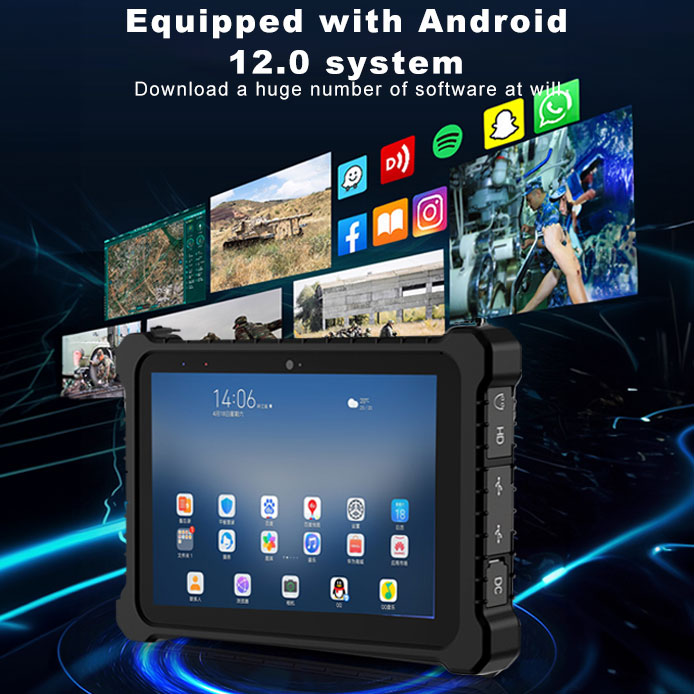
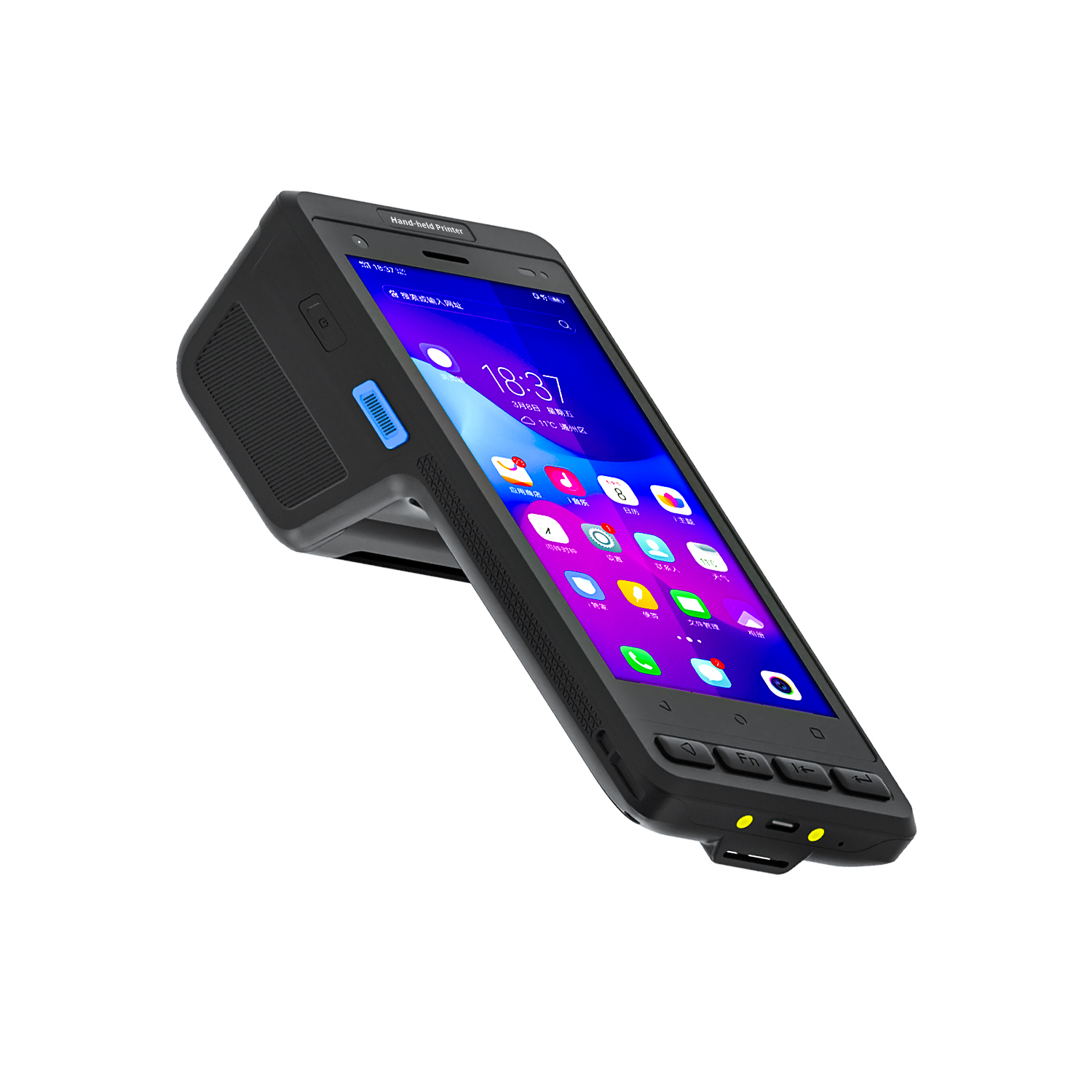
To bridge the gap between heavy nuclear instrumentation and mobile facility management, the Hotus ST11-U 10.1″ Windows rugged tablet delivers a resilient, localized data computing platform tailored for radiation control areas. Featuring an IP65/IP67-rated ingress-protected chassis, the device withstands routine washdowns with harsh decontamination solutions, isopropyl alcohol, and anti-viral agents without degrading structural seals or touchscreen responsiveness.
Rather than acting as a simple display terminal, the ST11-U serves as an intelligent edge-computing node. It interfaces directly with localized glovebox instrument clusters via hardwired 4-20 mA current loops, RS-485 Modbus networks, or isolated industrial Ethernet protocols. This allows the tablet to continuously process, log, and trend four foundational safety streams:
- Differential Pressure Transmitters: Constantly tracking the minute pressure variations between the internal glovebox chamber and the cleanroom laboratory.
- Precision Humidity Elements: High moisture levels inside a glovebox accelerate isotopic exchange rates, converting elemental tritium gas into highly biohazardous tritiated water vapor ($\text{HTO}$).
- In-line Ionization Chambers: Real-time tracking of airborne beta-particle activity within the enclosure to identify micro-leaks before they penetrate external barriers.
- Paramagnetic Oxygen Sensors: Ensuring an inert atmosphere (typically nitrogen or argon) is maintained to avoid any combustible mix of hydrogen isotopes and oxygen.
The internal storage architecture utilizes hardware-level AES-256 encryption to record sensor inputs at one-minute intervals. If the pressure differential crosses a critical safety boundary—moving above -1.5 mbar for more than 30 consecutive seconds—the ST11-U triggers both a local high-decibel audible alarm and a flashing visual alert on its high-nit outdoor-readable display. This localized warning gives technicians immediate feedback to inspect glove ports, check the integrity of transfer airlocks, or manually adjust exhaust valve trim before a formal building-wide radiation alarm is tripped.
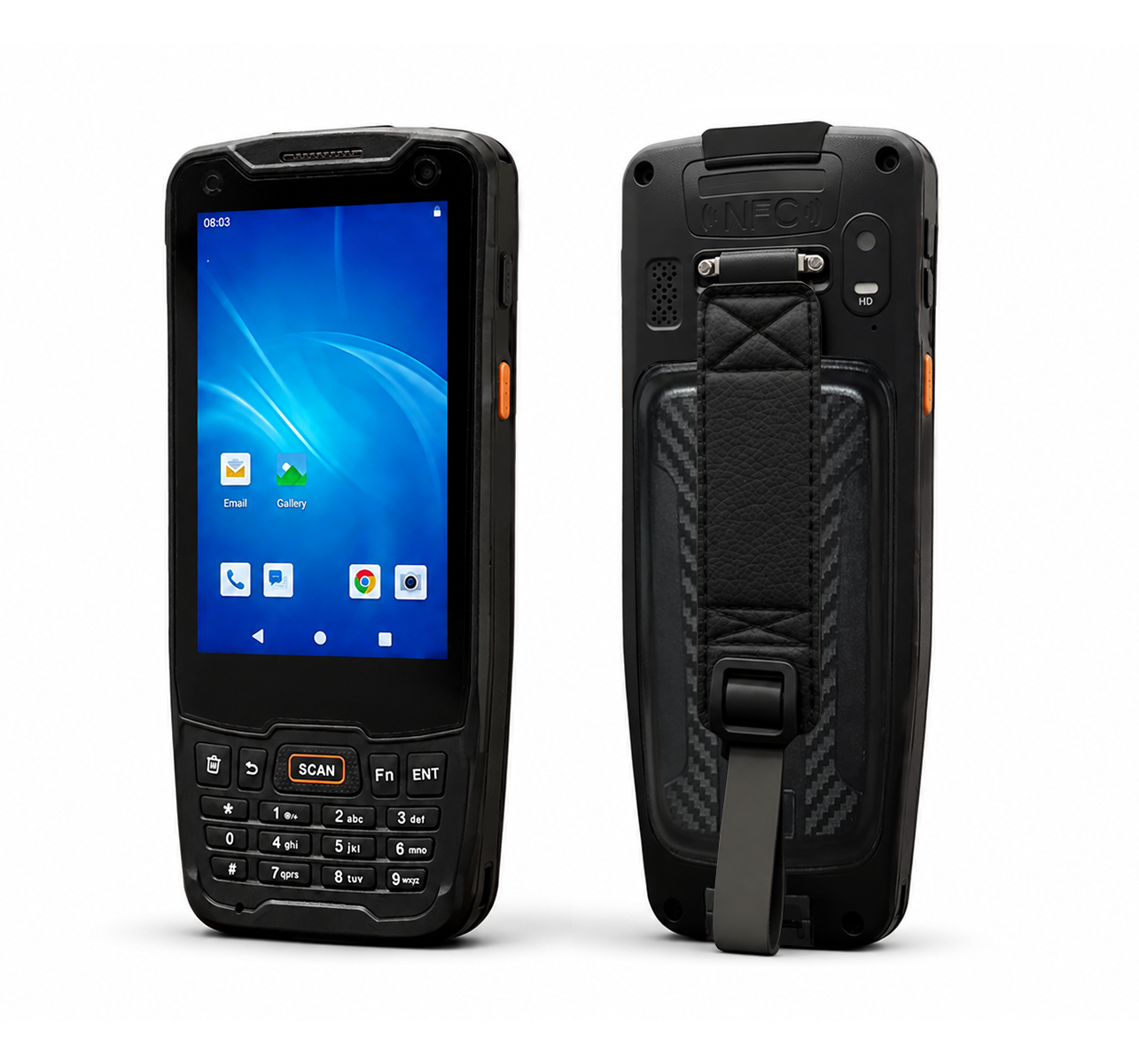
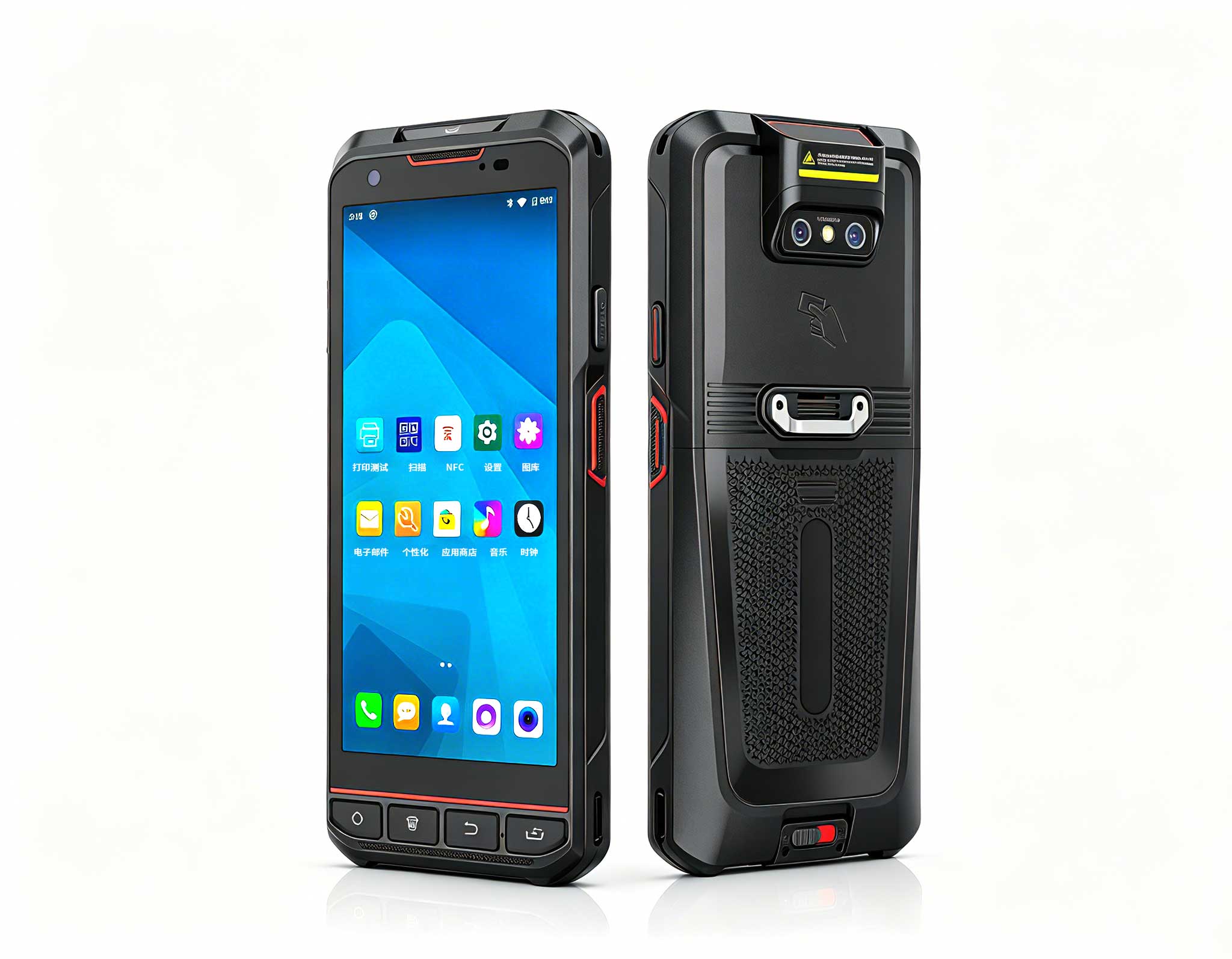
Figure 2: Mobile diagnostics for radiation safety officers. The HOTUS SH5-W handheld displays a 24-hour differential pressure trend, alerting the officer to a gradual pressure loss.
Figure 4 illustrates a typical installation layout where the HOTUS ST11-U tablet is mounted directly onto a heavy-duty articulate stand adjacent to the glovebox rubber ports. Technicians handling experimental fuel test assemblies can monitor live pressure and humidity trends at eye level without breaking posture or removing their arms from the internal chamber.
Mobile Plant Auditing via the HOTUS SH5-W Windows Handheld
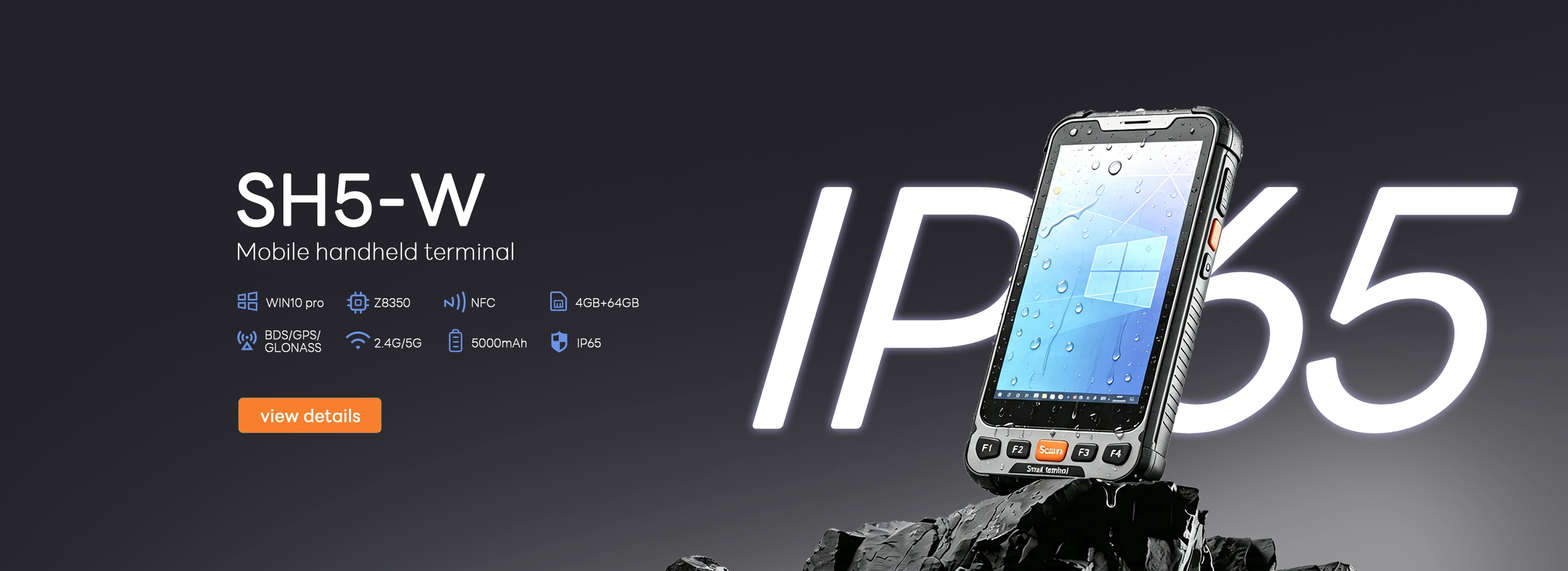
For safety managers and radiation protection personnel overseeing expansive processing wings, stationary monitoring terminals are restrictive. The compact Hotus SH5-W Windows rugged handheld complements fixed terminals by serving as an authenticated mobile dashboard. Utilizing secure, localized industrial Wi-Fi or private 5G networks, the SH5-W allows a safety manager to run real-time diagnostic queries on any active glovebox while performing physical facility walk-throughs.
As visualized in Figure 5, the SH5-W screen renders high-resolution line graphs spanning 24-hour to 7-day monitoring intervals. A distinct red-line alarm threshold is overlaid directly onto the live pressure data, accompanied by a yellow warning icon at the exact moment a negative-pressure value drifts outside normal operational tolerances. This mobile access eliminates communication lag between the central control room and personnel working on the facility floor.
Regulatory Compliance and Tamper-Proof Audit Logs
Regulatory frameworks like the European DEMO reactor project dictate that all safety-critical instrumentation data must be preserved in unalterable, structured electronic records. Traditional paper entries fail basic validation tests because they are highly susceptible to late entry, transcription mistakes, and lack validation tracking.
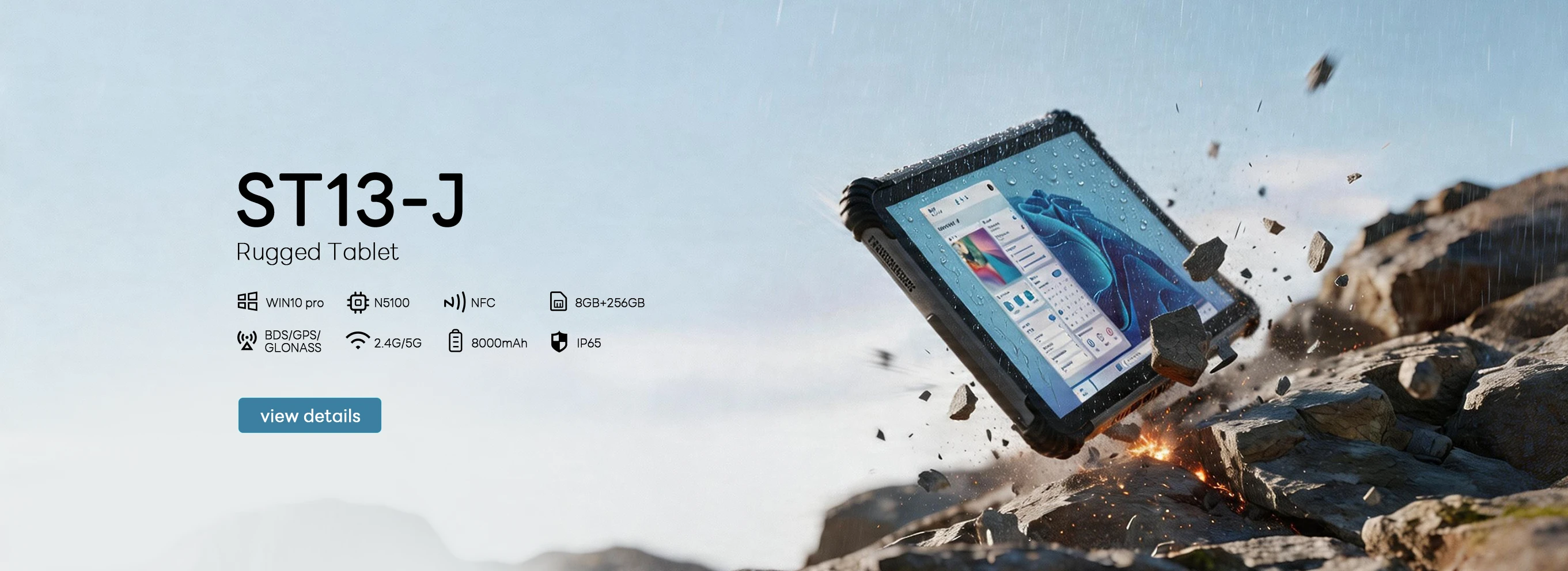
The HOTUS ecosystem addresses these compliance requirements through hardware-software integration. By pairing the ST11-U or the centralized ST13-J dashboard terminal with integrated biometric fingerprint sensors or encrypted smart-card readers, shift reports are signed digitally. Every change to alarm setpoints, every acknowledgment of an alert, and every routine calibration cycle is logged alongside a verified user identity and a tamper-proof timestamp. This architectural approach meets the requirements for regular regulatory audits conducted by nuclear licensing boards.
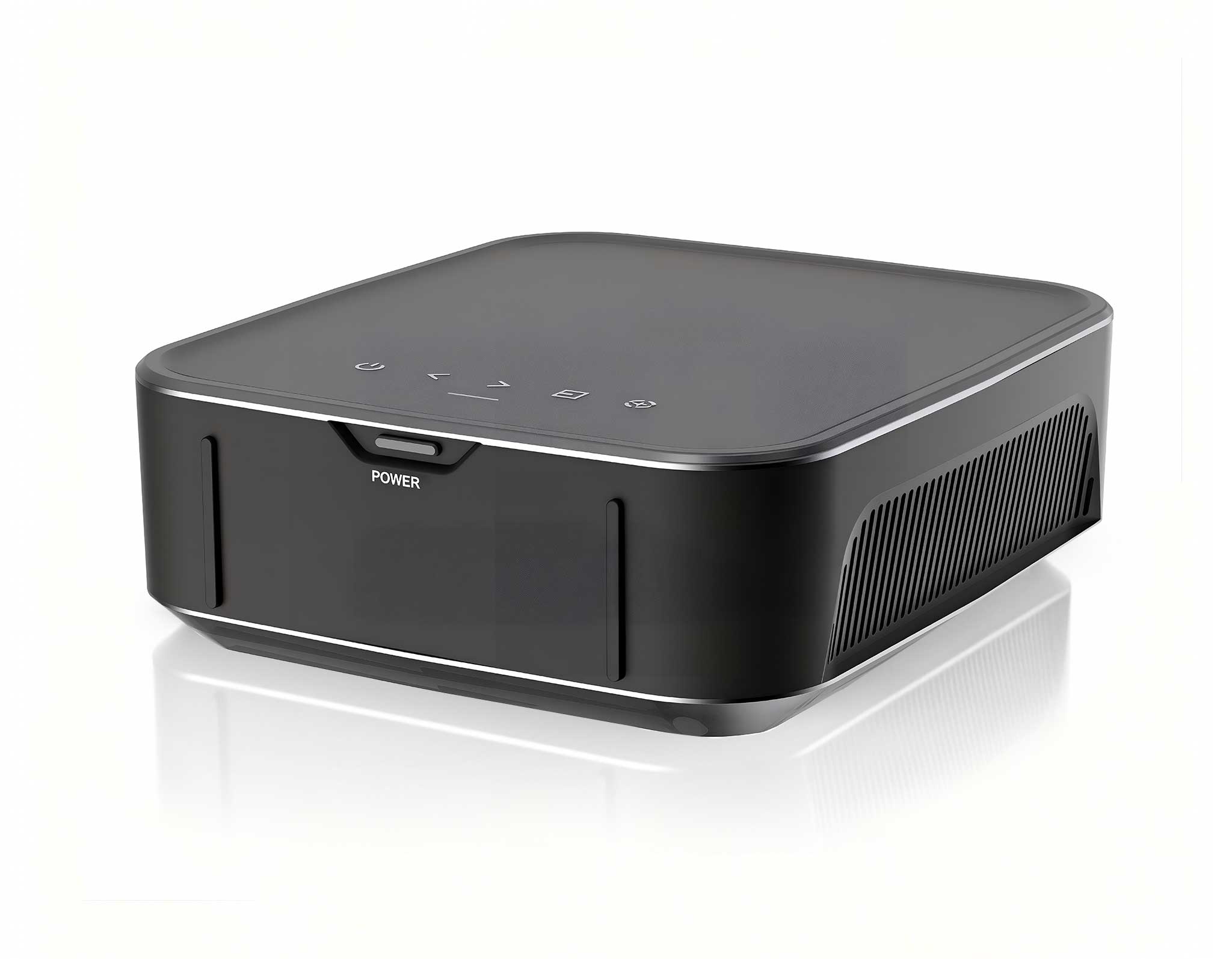
Figure 3: Centralized oversight. The ST13-J dashboard maps out real-time status tracking for multiple tritium glovebox containment arrays across a facility floor.
Field Proven: Preventing Containment Failures in Active Fusion Labs
The practical value of this approach is demonstrated by a recent deployment at a prominent tritium handling facility supporting a commercial fusion development program. The infrastructure integrated 15 ST11-U rugged tablets at localized workstations, 20 SH5-W handheld units for field monitoring, and 10 ST13-J dashboard displays for centralized laboratory supervision.
Within the initial twelve months of deployment, the automated data-logging ecosystem flagged an anomalies pattern on a secondary transfer port glovebox. Over a two-week window, the internal pressure had risen very gradually from its stable setpoint of -2.2 mbar up to -1.7 mbar. Because the mechanical analog gauge needle had only shifted by a tiny fraction, personnel checking the box manually had signed it off as safe.
However, the automated regression modeling software on the ST11-U tablet detected the upward trajectory and flagged a yellow preventative maintenance warning. Technicians scheduled a brief inspection window, identified a degrading fluoropolymer gasket on an airtight transfer hatch, and swapped the component out. The system prevented what could have grown into a serious containment leak. During the facility's subsequent annual nuclear safety inspection, auditors officially cited this digital integration as an operational best practice.
As depicted in Figure 6, safety managers utilizing the larger ST13-J dashboard interface can oversee an interactive, color-coded schematic of the entire laboratory floor. When a preventative maintenance window approaches—such as a scheduled pressure transmitter calibration due in 48 hours—the system highlights the specific glovebox icon with a pulsing reminder link. A safety officer can tap the node, review sensor calibration logs, and issue a digital work order directly to a technician's mobile handheld.
Upgrading to Advanced Digital Containment
Secondary containment enclosures represent the primary physical barrier against tritium migration in modern fusion fuel processing systems. Relying on paper charts cannot deliver real-time trending, lacks immediate alarm capabilities, and leaves facilities exposed during regulatory audits. Transitioning to specialized Windows-based rugged hardware equipped with direct telemetry logging ensures that your operation remains safe, compliant, and continuously protected.
Ready to secure your tritium processing environment against containment leaks and regulatory citations?
Contact HOTUS Technology Today
to consult with our industrial field engineers, arrange evaluation units for the ST11-U rugged tablet, or explore custom dashboard integration utilizing the SH5-W and ST13-J platforms.