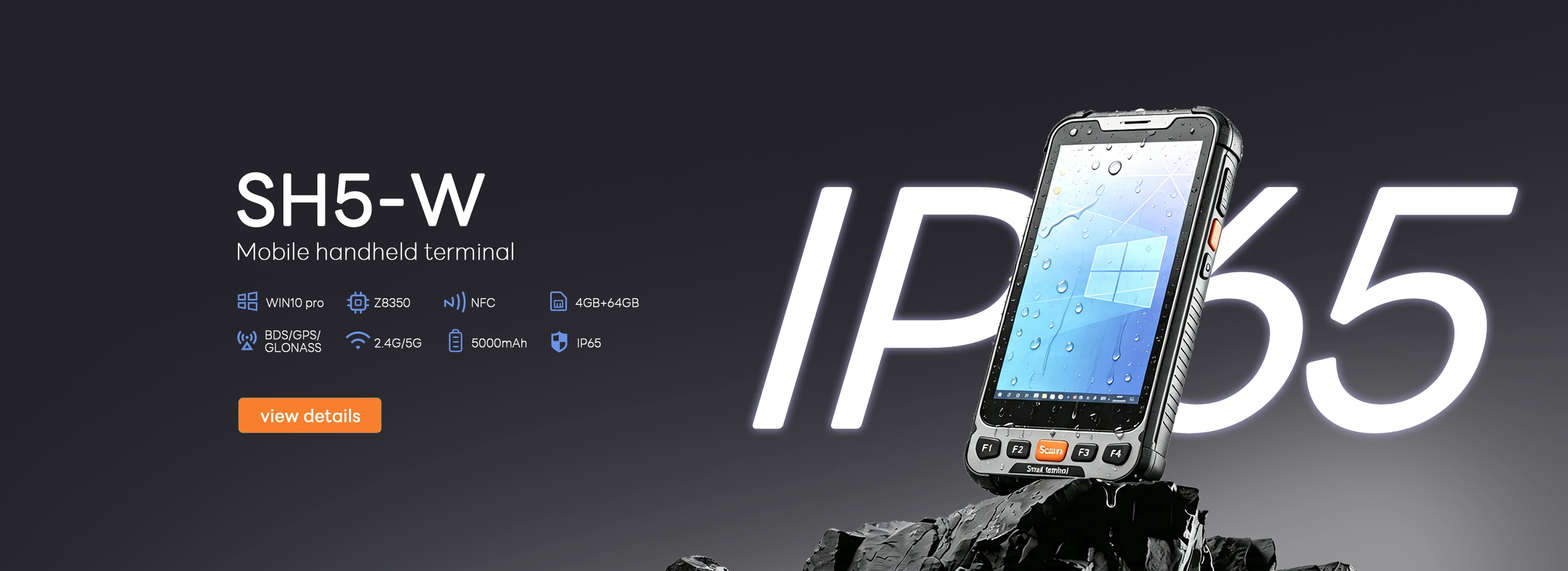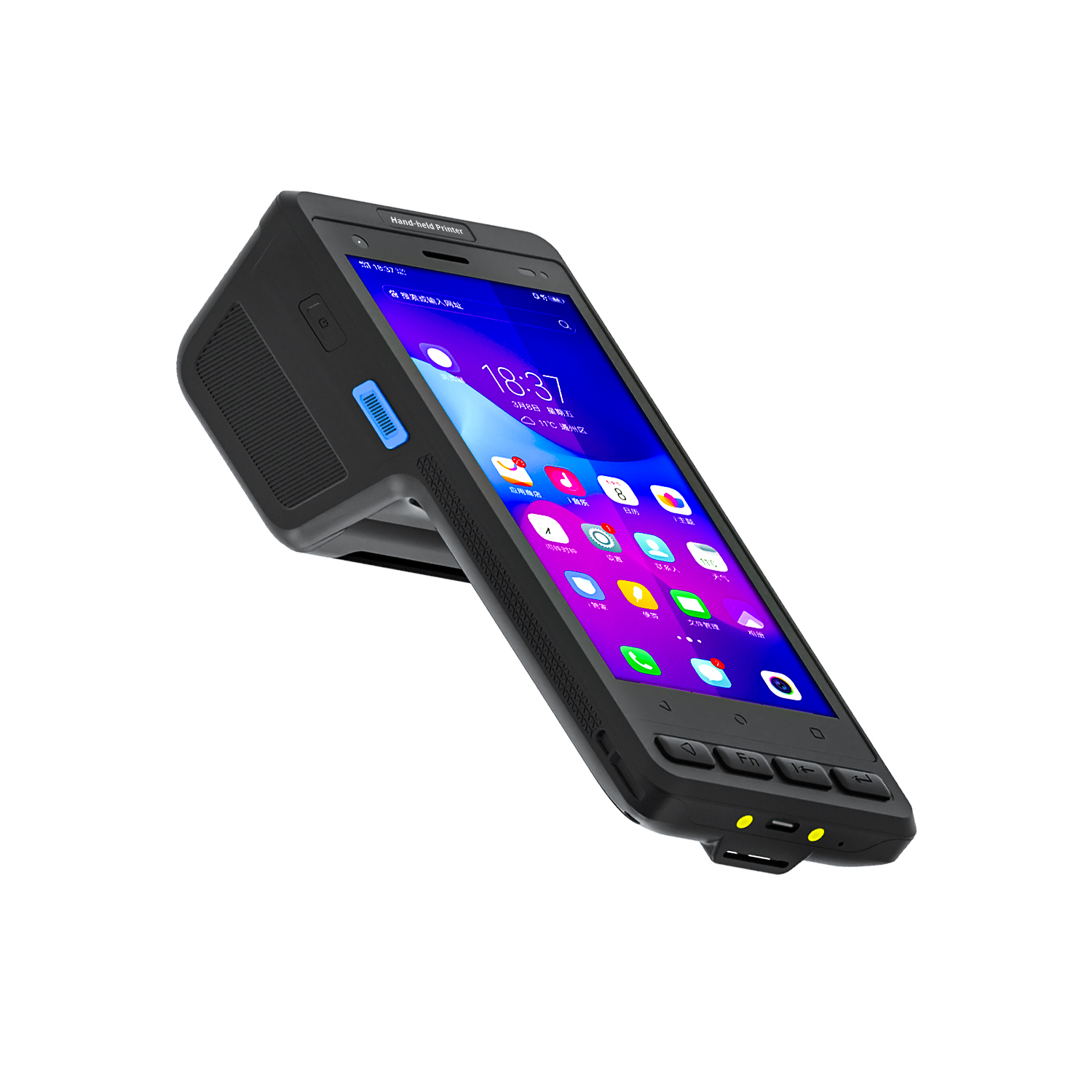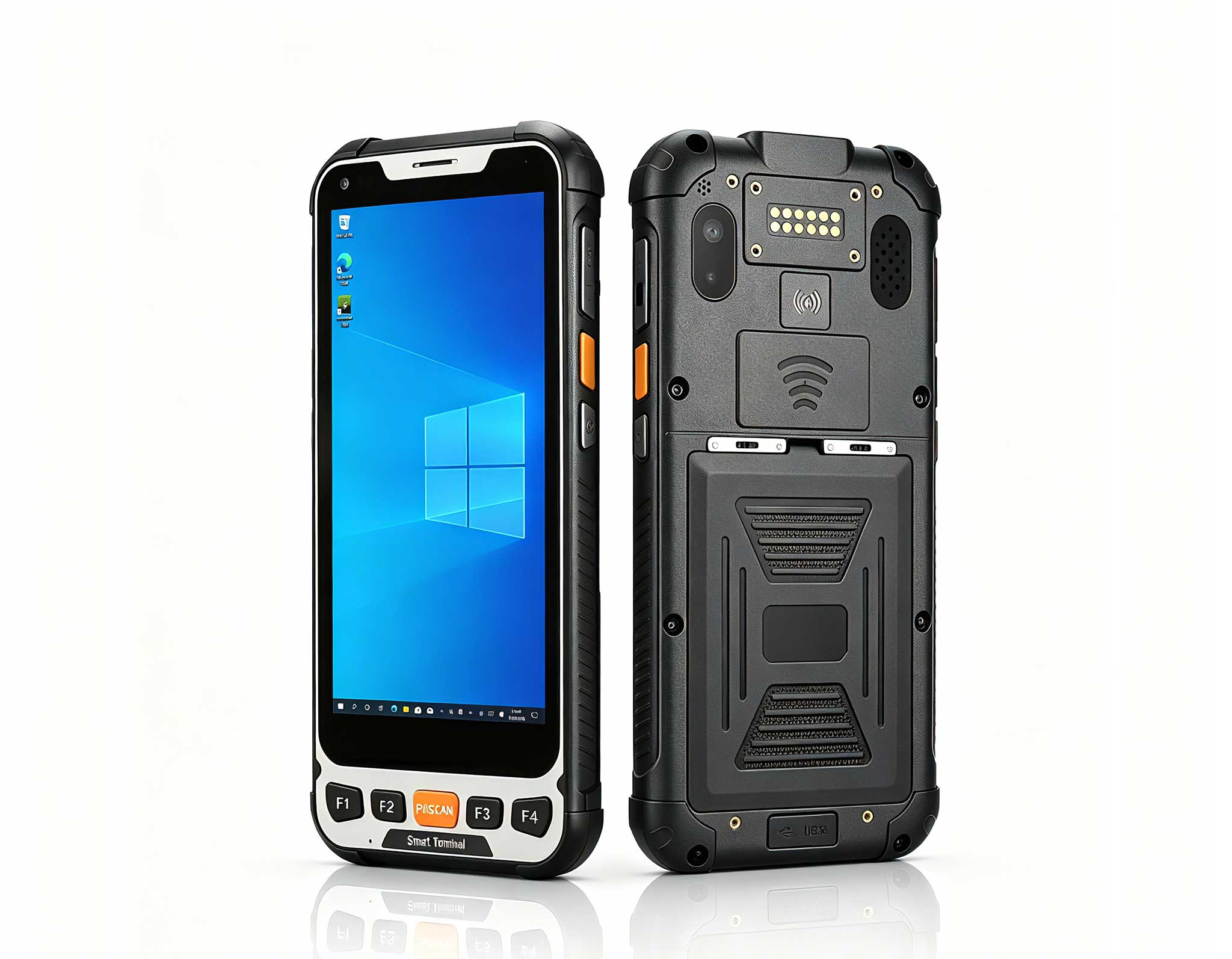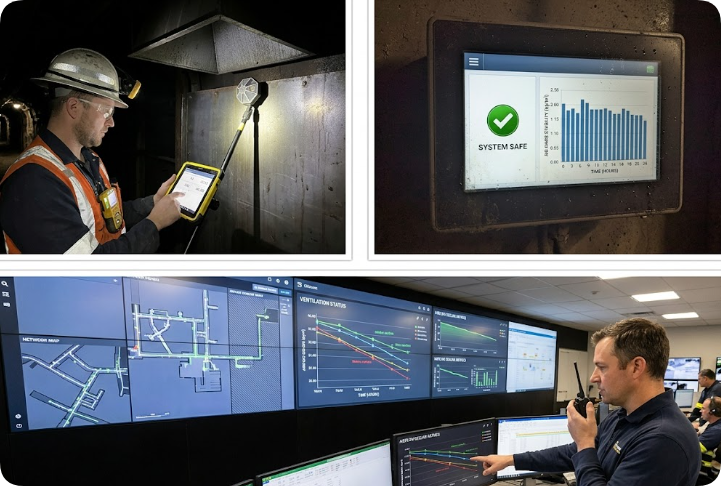
An underground safety specialist configuring atmospheric diagnostics via the HOTUS SH5‑W ATEX‑rated PDA within a primary subterranean deep-level extraction shaft.
"A subterranean gold mining complex in Nevada recently executed an emergency full-shift evacuation because localized air circulation volumes dropped catastrophically below the design threshold—yet the degradation remained unflagged because historical records were kept on paper shift logs. A progressive 10% reduction in volumetric flow spanning six months is functionally invisible when buried in manual spreadsheets. Subsurface operations demand an intrinsically safe, ATEX-certified industrial data collector that interfaces with digital anemometers and differential pressure sensors, logs continuous cross-sectional matrices at varied depths, and triggers localized warnings the moment compliance baselines shift. In deep-level mining environments, controlled ventilation isn't an engineering preference; it is the boundary between life and asphyxiation. Your mobile computing platform is the data sentinel protecting your workforce."
Underground Gold Mine Ventilation Shaft Airflow Calibration: Why Intrinsic Safety Demands Rugged Mobile Hardware
Industrial Application Report by HOTUS Technology | May 2026
Subterranean precious metal extraction operations rely entirely on heavy-duty, high-volume mechanical air handling networks to ensure environmental survival. These primary intake and exhaust shafts provide the continuous volumetric force necessary to deliver breathable oxygen into deep stopes while simultaneously purging airborne particulate matter, diesel exhaust emissions, explosive gases, and naturally occurring radon hazards. In an active, deep-level configuration, a primary air infrastructure routinely shifts up to 500 cubic meters per second ($500 \text{ m}^3/\text{s}$) of ambient air. Because atmospheric control is so critical, international safety regulators enforce strict multi-point velocity audits on a monthly cycle. Should total volumetric movement collapse by 15% or more below the certified engineering benchmark, statutory compliance mandates an immediate, total operational shutdown and workforce extraction.
The historical method for conducting these vital environmental surveys involves a technician descending into localized shafts carrying a standalone mechanical vane anemometer and a standard paper logbook. The technician captures an isolated reading, notes down a raw velocity value, and transitions to the next station. This fragmented approach systematically neglects critical thermodynamic variables—including barometric pressure differentials, ambient dry-bulb temperatures, and relative humidity percentages—all of which drastically alter localized air density calculations. Consequently, slow-onset physical restrictions within the shaft, such as localized structural wall deformation, shifting rock strata, or subterranean ice accumulation, remain completely undetected until a catastrophic low-flow alarm is breached.
The Critical Risks of Manual Airflow Log Entries
Relying on traditional written records for deep-level life support systems introduces severe organizational and structural liabilities that modern digital integration easily eliminates:
- Omission of Air Density Normalization: Mechanical anemometer counts without synchronized temperature and barometric pressure calibration deliver skewed volumetric mass calculations, masked by changing seasonal surface conditions.
- Single-Point Discrepancy Errors: Air velocity profiles vary drastically across a large shaft cross-section; single-point manual checks ignore boundary layer turbulence and wall friction, producing inconsistent, unreliable flow tracking.
- Absence of Multi-Month Vector Analysis: A specific bypass drift might show a passing volume today, but without real-time graphical trending against previous months, inspectors cannot identify a steady, slow decline indicating a structural restriction further up the line.
Optimizing Subterranean Audits with the HOTUS SH5-W ATEX-Certified Rugged Handheld
Engineered explicitly to thrive within hazardous, dust-heavy, and volatile explosive atmospheres, the HOTUS SH5‑W Windows rugged handheld features rigorous, certified intrinsic safety protection. This compact, high-performance data collector links seamlessly via Bluetooth to digital vane anemometers and smart differential pressure modules, fundamentally redefining underground environmental testing:
- Cross-Sectional Multi-Point Traversing: The inspector executes a standardized multi-point grid scan across the shaft pathway, while the integrated application automatically compiles local velocity readings to calculate the true mathematical average flow.
- Dynamic Air Density Correction: By streaming sensor data across environmental variables, the internal software computes air density adjustments on the fly, delivering highly accurate, standardized volumetric flow results ($Q = A \times V$).
- Instantaneous Trend Discrepancy Alerts: The mobile unit evaluates incoming field data against stored master baseline metrics. If total air exchange values show a deviation exceeding 10%, the handheld issues an immediate visual alarm for field personnel and mine operations management.
- Explosion-Proof Compliance Logging: Designed with an advanced anti-static, impact-resistant composite housing, the SH5-W complies fully with strict hazardous area requirements, allowing unhindered testing directly at the extraction face.
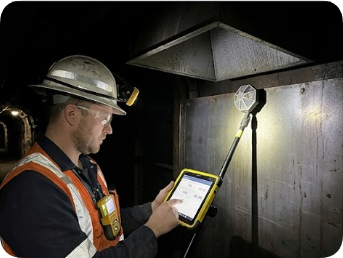
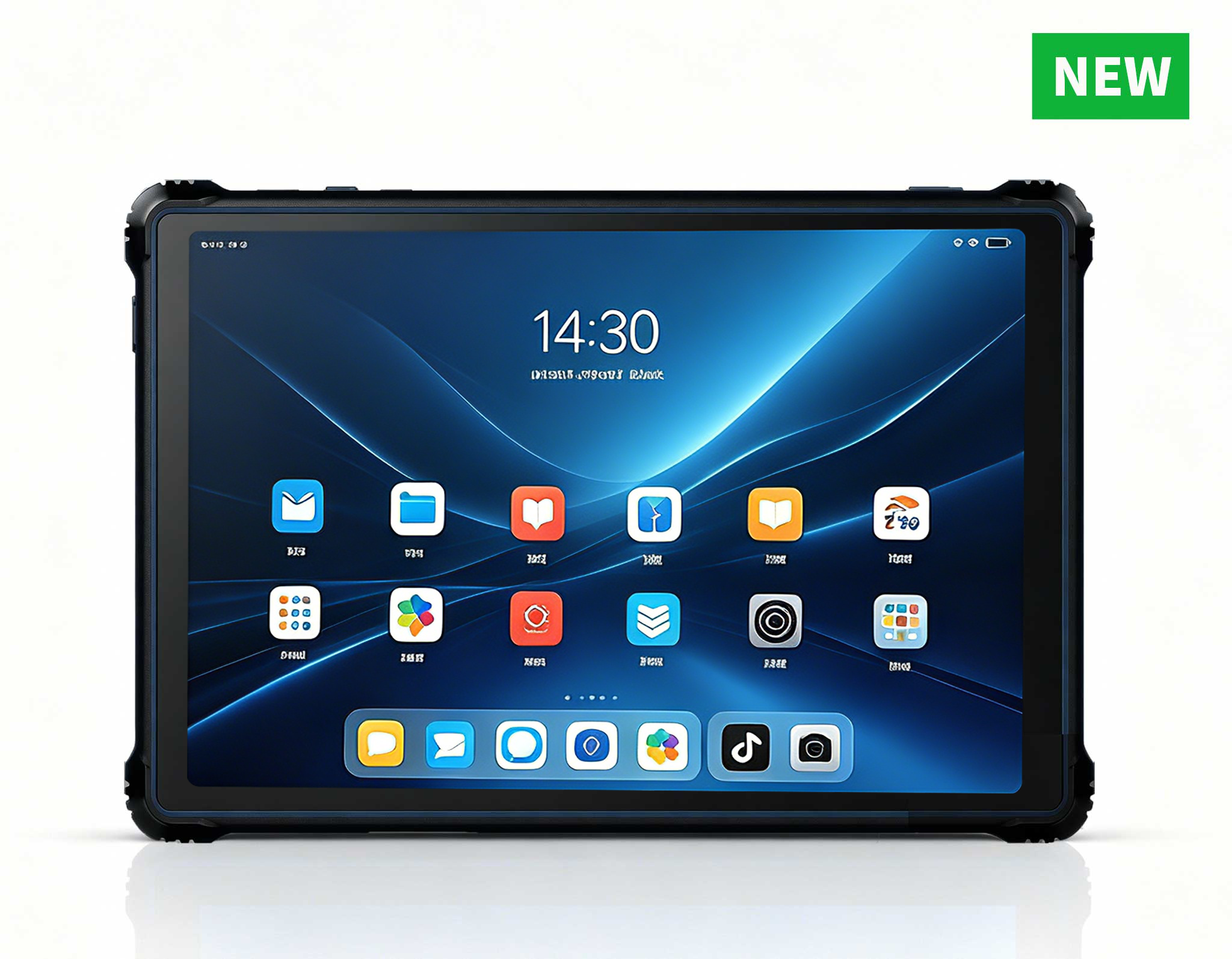
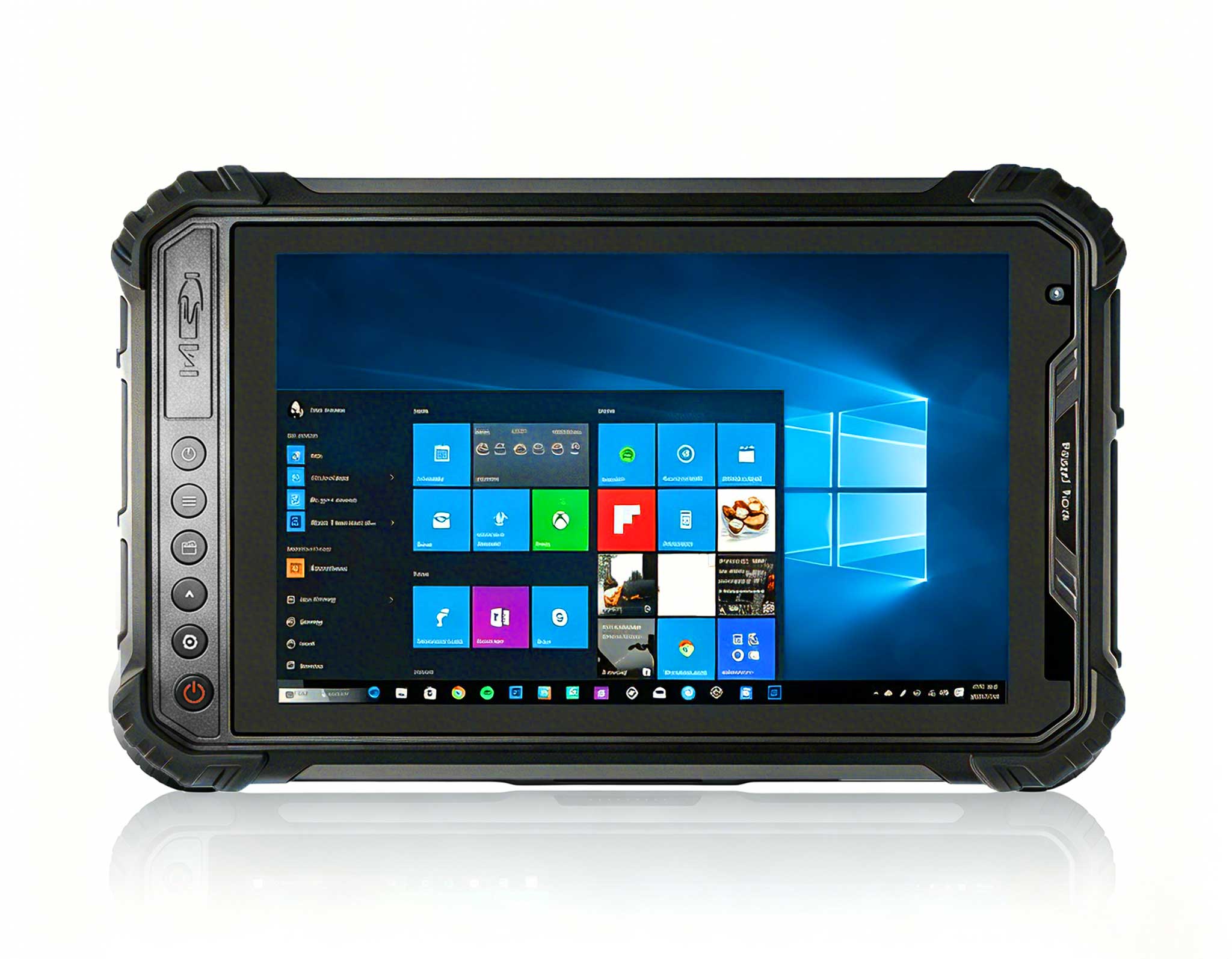
The permanently installed SH6 marine-grade tablet, securely mounted to rock faces at critical drift junctions to provide real-time status updates.
The Connected Ecosystem: Hardened Terminals and Centralized Fleet Analytics
Where permanent, point-of-use tracking is required at high-dust shaft junctions or near primary auxiliary booster fans, the ultra-durable SH6 marine-grade tablet provides continuous operation. Sealed against corrosive humidity and high-pressure water washdowns, the SH6 operates as a dedicated local interface terminal, outputting continuous sensory statuses and telemetry profiles to regional teams navigating the transit ways.
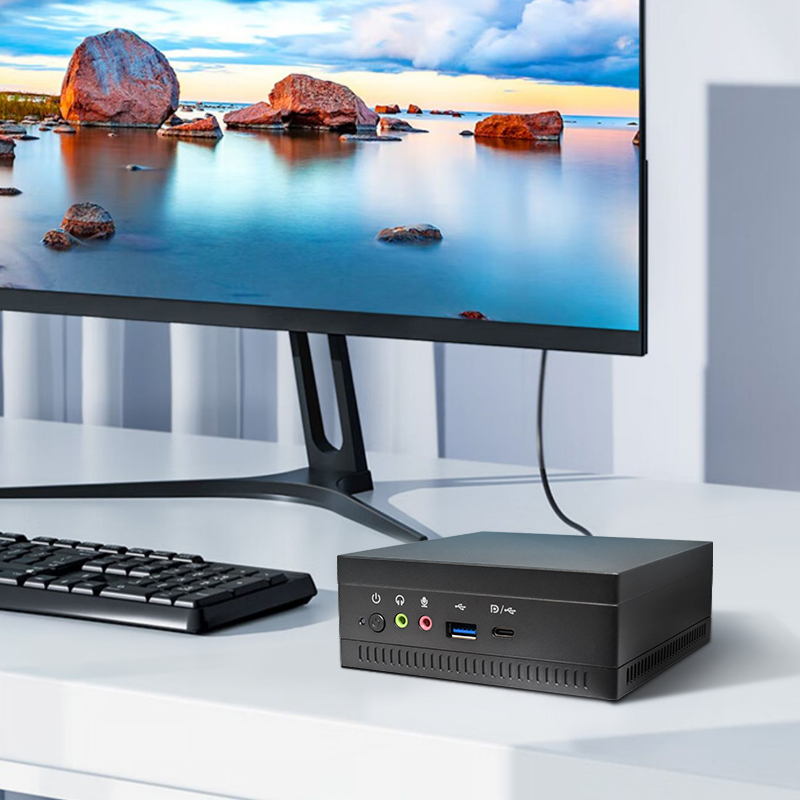
Up at the surface engineering headquarters, the comprehensive HOTUS ST11‑U 10.1″ Windows rugged tablet functions as the primary data aggregation system. Processing telemetry sent from portable units across several shafts, the ST11-U displays an overview of the entire mine's ventilation network health, tracking fan speeds, energy load efficiencies, and total regulatory compliance margins from a single screen.
Proven Production Protection: Preventing Structural Blockage Evacuations
The financial and physical value of proactive, digital asset tracking is highlighted by a deep-level underground gold mining enterprise managing several high-production mine sites. Their safety division upgraded legacy manual operations by deploying 15 SH5-W specialized measurement kits, 10 SH6 stationary telemetry terminals, and 8 ST11-U central analytics dashboards.
During the eighth month of active use, the trend analysis application on the master ST11-U dashboard flagged a subtle, steady 12% drop in volumetric flow over a three-quarter cycle in a major exhaust system. Crucially, the daily values remained just above the statutory minimum shutdown limits, meaning a manual log would have categorized the shaft as completely safe.
Prompted by the automated trend warning, engineers dispatched a diagnostic team equipped with an SH5-W handheld to perform a localized survey. They discovered a progressive structural failure of the shaft lining, where shifting rock had created a major restriction in the cross-sectional area. Maintenance teams stabilized the timbering during a scheduled shift change, restoring full design airflow. This early, proactive fix avoided an unpredicted emergency evacuation, saving the operator an estimated $2 million in lost production and idle labor costs.
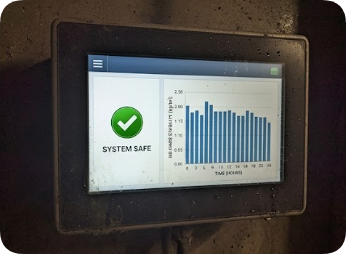
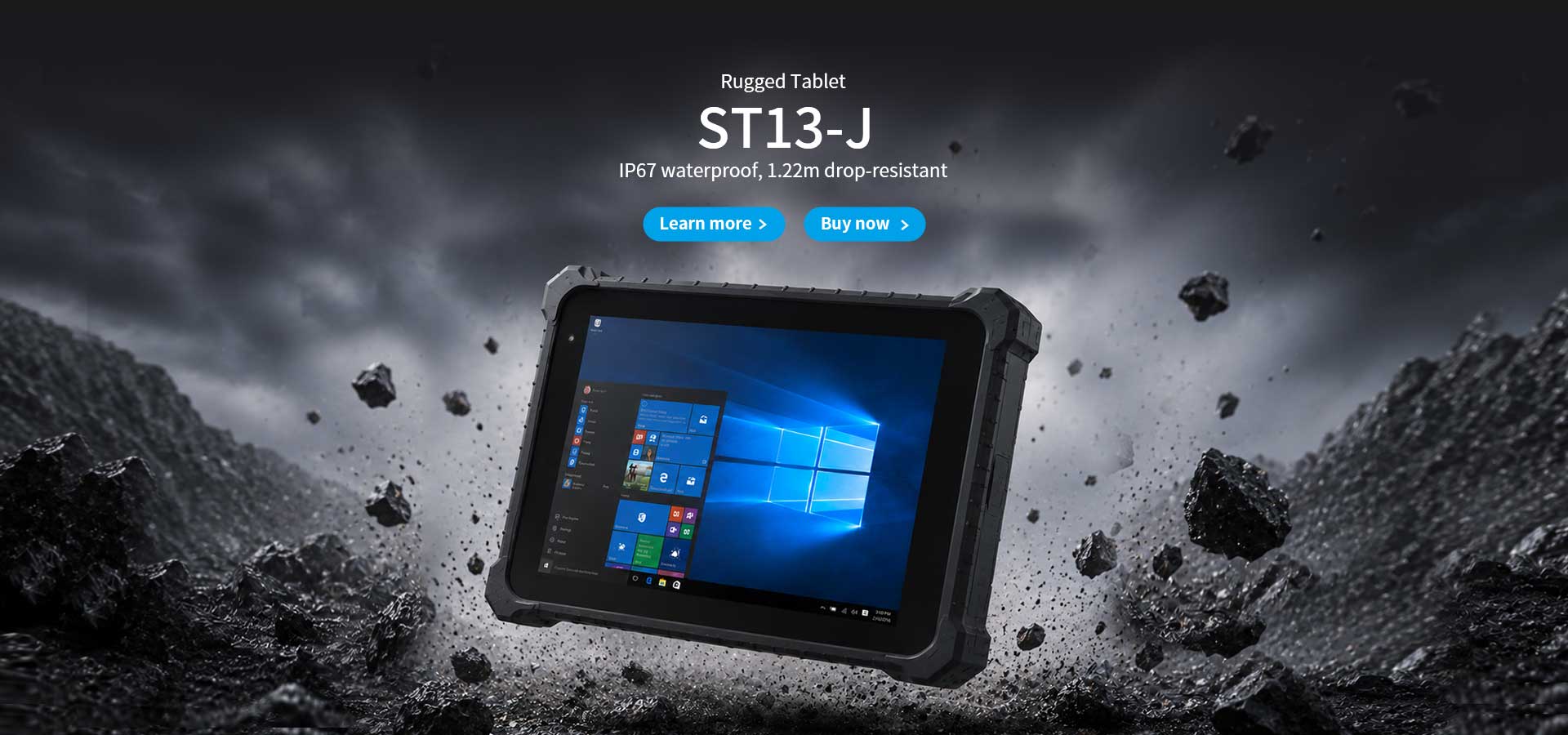
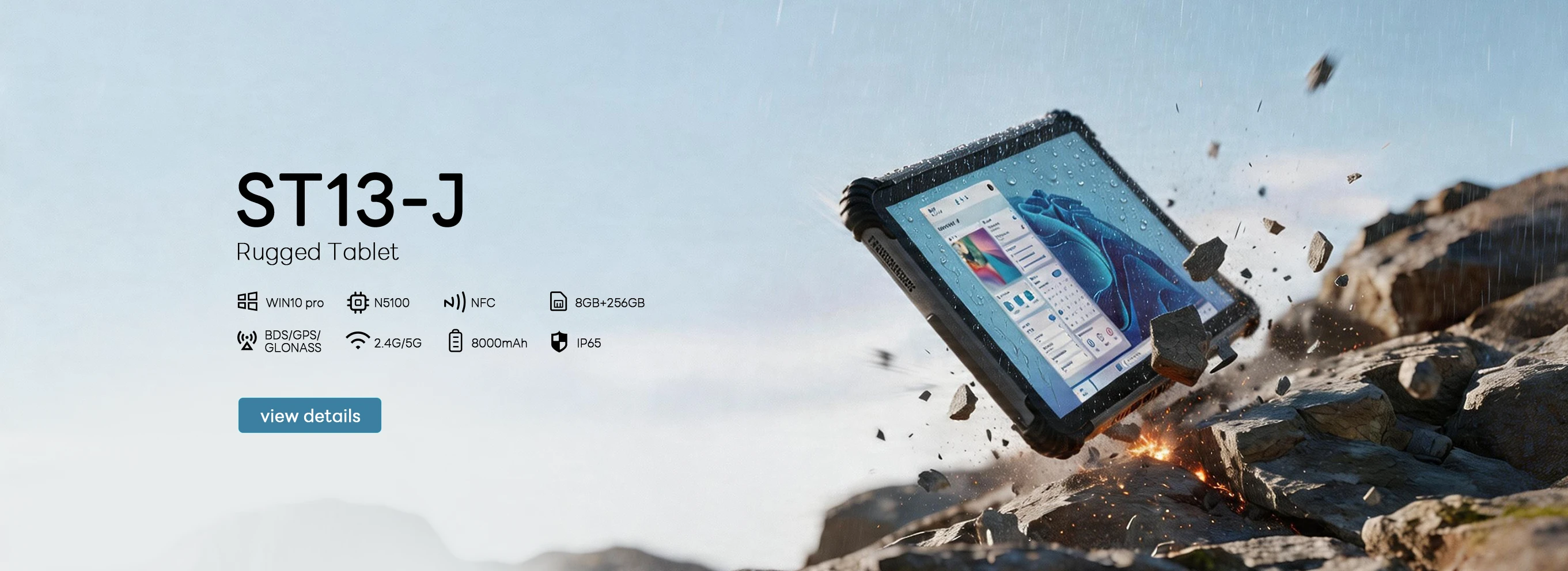
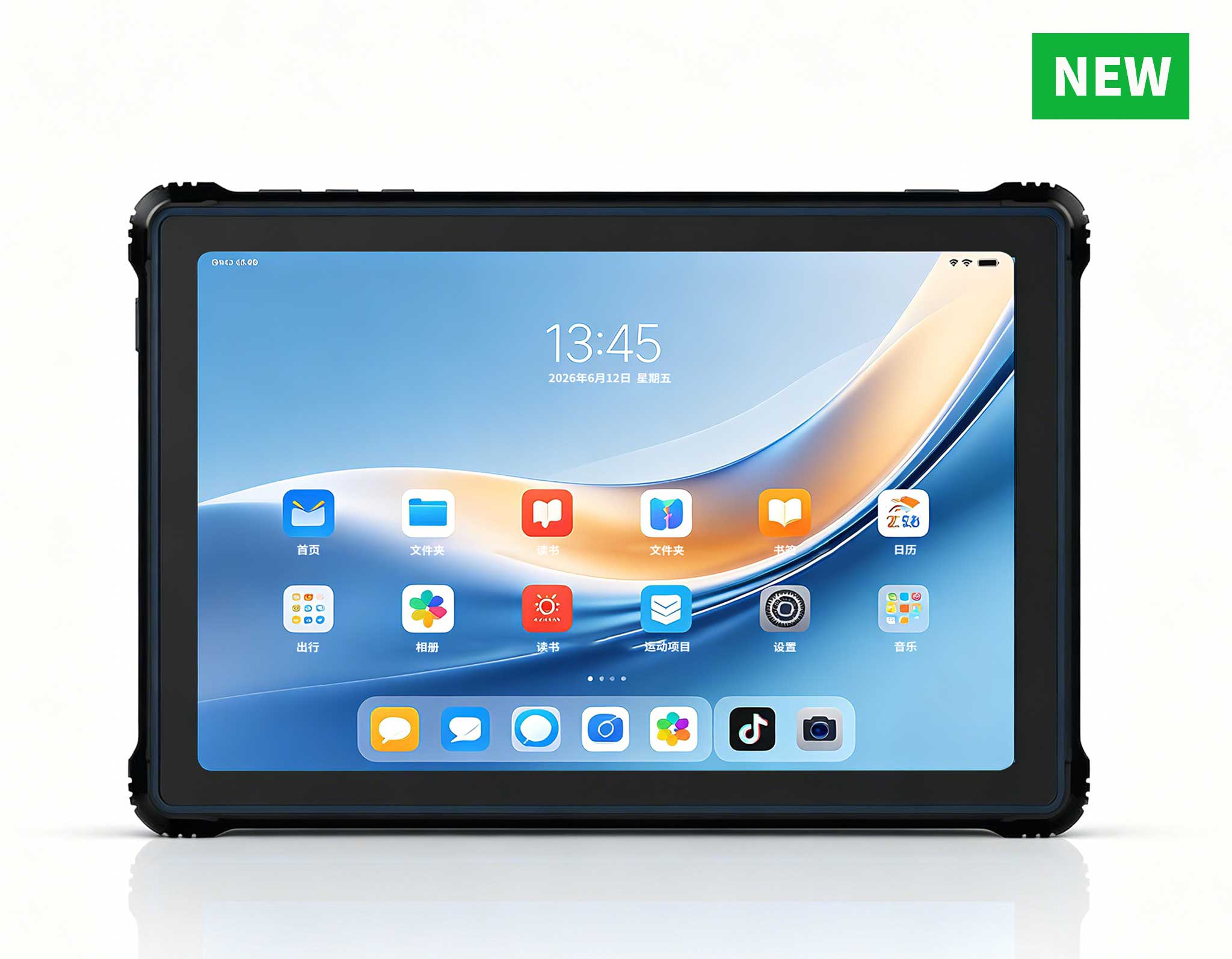
A master 12-month analytics timeline visualized on the high-resolution ST13‑J dashboard, pinpointing long-term decline patterns before they reach hazardous levels.
Protect Your Subterranean Operations with Specialized Rugged Tablets
Underground atmospheric failure is a major risk that can be engineered out of mining operations through smart hardware integration. Legacy manual documentation leaves operations blind to slow-moving air delivery declines and shifting environmental hazards. Moving to an integrated, intrinsically safe monitoring network ensures complete visibility and data verification across every level of your operation.
By pairing the portable SH5-W data collector with the stationary SH6 terminal and the ST11-U engineering dashboard, mining operators can establish an objective, auditable safety ecosystem. Find out how deploying advanced Rugged Tablets can secure your ventilation infrastructure, protect your workforce down in the stopes, and maximize your operational uptime.
Contact HOTUS Technology today to consult with our industrial application specialists, request evaluation units of the ATEX-certified SH5‑W, or review scalable fleet options for the SH6 and ST13‑J hardware platforms.