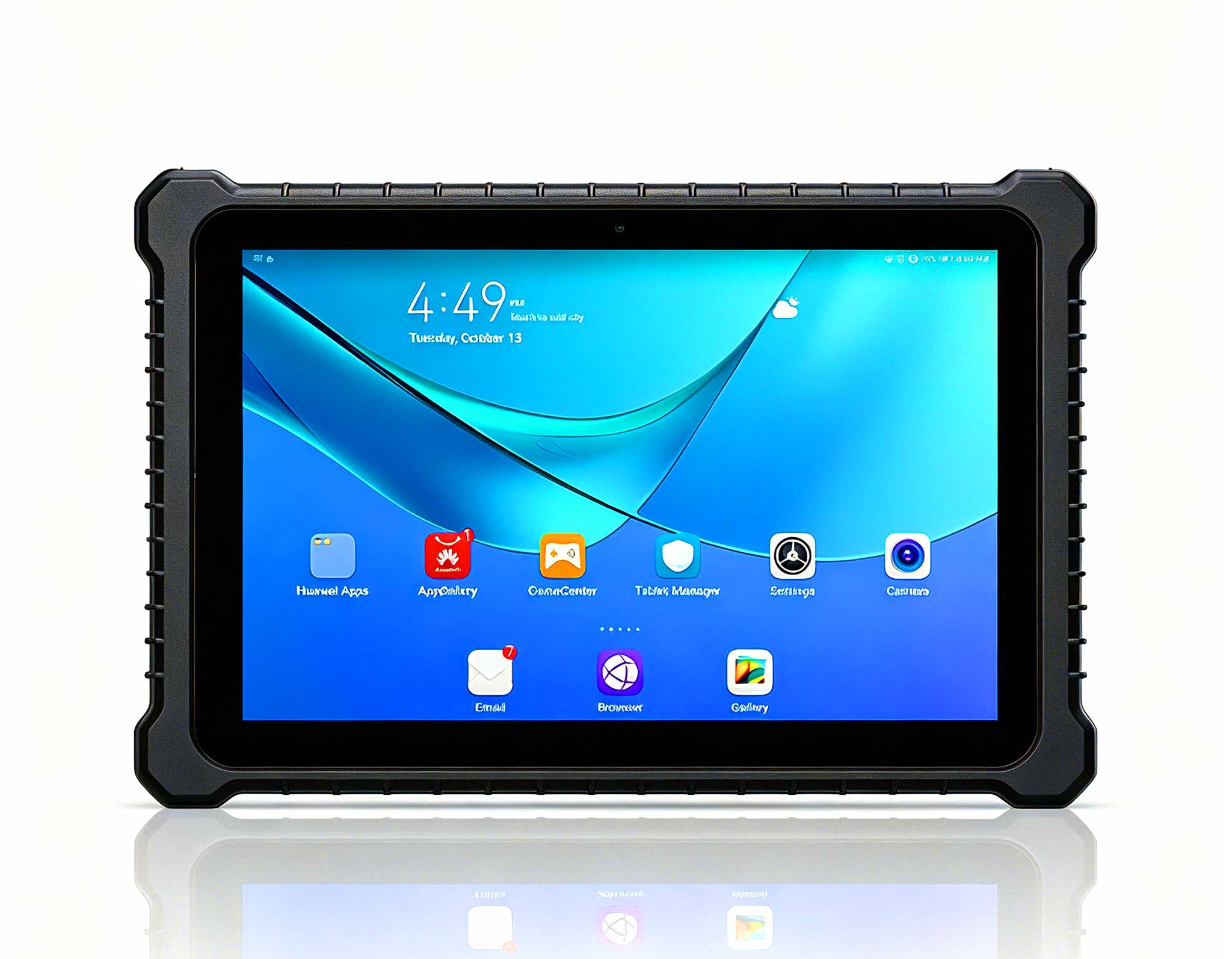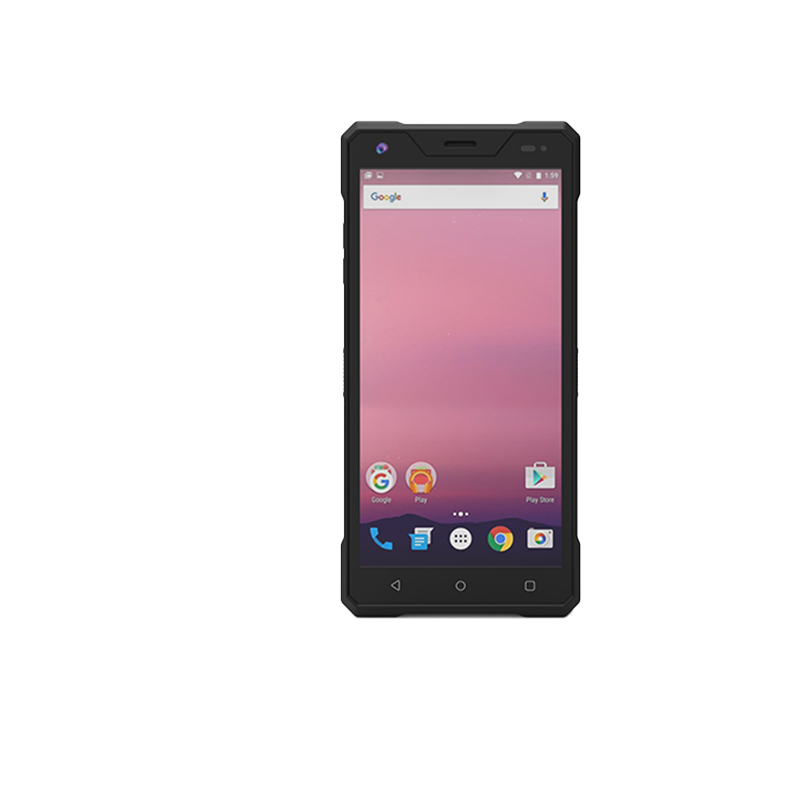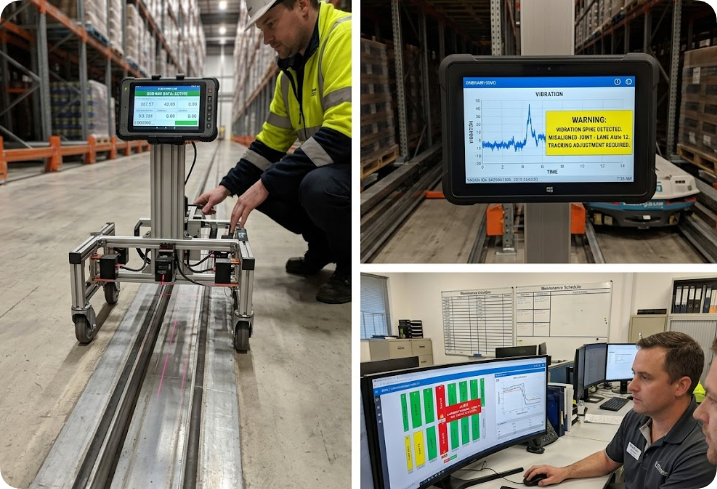
A marine compliance surveyor deploying the HOTUS ST11‑U rugged Windows tablet to instantly capture pull‑off adhesion metrics on a North Sea offshore platform helideck.
"During a recent maritime safety audit, an offshore asset operator faced immediate non-compliance because their helideck coating adhesion logs were manually transcribed on paper, completely detached from verifiable spatial data. An isolated pull-off value of 2.5 MPa is effectively useless without certified, traceable coordinates. Maritime integrity requires a marine-grade Windows tablet that interfaces directly with digital pull-off gauges, registers precise failure modes, and embeds immutable GPS tokens. In offshore flight operations, a delaminated deck coating under heavy rotor downwash transforms from a maintenance annoyance into a lethal foreign object debris (FOD) hazard. Your hardware isn't just a data entry tool—it is the digital witness to your platform's structural safety."
Offshore Helideck Coating Adhesion Testing: Why Paper Logs Fail Maritime Safety Audits
Technical Analysis by HOTUS Technology | May 2026
Offshore helicopter landing decks operate under some of the most punishing environmental conditions on earth. Constant exposure to corrosive salt spray, extreme UV radiation, thermal cycling, and the violent downwash of heavy aircraft demands absolute structural integrity. The specialized non-skid coating systems applied to these steel decks do more than prevent personnel slips; they secure the operational surface. If a coating matrix suffers adhesion failure, localized delamination occurs rapidly. The resulting loose epoxy or aggregate shards become dangerous flying debris when caught in helicopter rotor vortices, threatening aircraft engines, structural airframes, and flight deck crews.
To mitigate this catastrophic risk, international maritime regulatory bodies mandate rigorous, periodic non-destructive and destructive testing. Field compliance relies heavily on pull-off adhesion testing executed in strict accordance with international standards like ASTM D4541 and ISO 4624. This empirical process involves securing a precision metal dolly to the prepared coating surface using a high-tensile adhesive, coupling a calibrated hydraulic pull-off tester to the fixture, and exerting perpendicular force until failure occurs. The critical objective is determining the maximum tensile force the system can withstand before separating.
The Fatal Vulnerability of Traditional Paper-Based Inspection Profiles
For decades, the default mechanism for capturing these critical safety data points has been the handwritten logbook. An inspector records a raw pressure reading, appraises the failure mode with an unverified visual estimate, and notes a vague localized description such as "aft port quadrant." This legacy methodology introduces critical liabilities into modern asset management workflows:
- Zero Geospatial Traceability: Paper logs cannot definitively verify the exact square meter where a test was performed, preventing auditors from cross-referencing past test locations.
- No Objective Visual Documentation: A simple alphanumeric entry fails to capture the true physical characteristics of the dolly face post-test, leaving failure classification open to interpretation.
- Inability to Perform Predictive Trend Analysis: A specific test area might return a passing value of 2.7 MPa, which satisfies the absolute minimum threshold. However, if that same coordinate registered 3.8 MPa during the previous inspection cycle, a paper log completely obscures this rapid 29% degradation curve.
Deploying the HOTUS ST11-U Rugged Windows Tablet for Real-Time Marine Quality Assurance
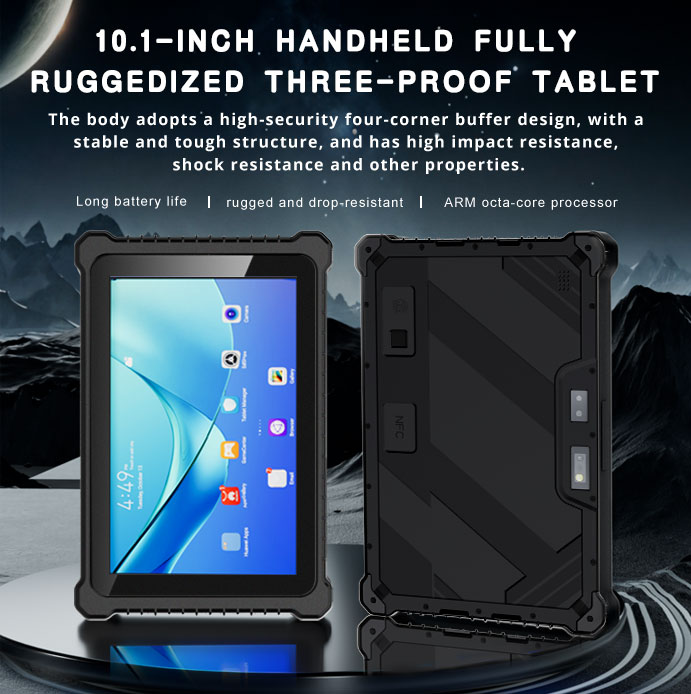
Engineered to eliminate documentation blind spots, the HOTUS ST11‑U 10.1″ Windows rugged tablet features an ultra-rugged, IP69K-rated enclosure purpose-built to withstand salt fog, deck impacts, and total water immersion. Utilizing an integrated Bluetooth wireless module, the tablet establishes a secure, direct data link with digital pull-off adhesion gauges, modernizing the field inspection protocol:
- Automated Data Acquisition: The moment the hydraulic gauge achieves separation, the peak tensile values (measured in MPa or PSI) along with real-time pressure curves are transmitted directly to the tablet, removing manual entry errors.
- Empirical Failure Mode Appraisals: Inspectors use the high-definition, autofocus camera to capture macro imagery of both the test site and the dolly face. Integrated machine-vision applications assist in calculating the exact percentage of cohesive, adhesive, or substrate failure.
- Immutable Geographic Stamping: An internal multi-constellation GPS module appends exact latitude and longitude coordinates to the dataset, linking every single test to a verifiable point on the asset.
- Cryptographic Compliance Protocols: Completed test profiles are bound to the inspector's verified digital signature and saved to a secure database, creating a tamper-evident audit trail ready for regulatory review.
By compiling these comprehensive data points, the ST11-U dynamically generates a historical, spatial model of the helideck surface. The software color-codes the layout based on structural performance over time, instantly highlighting localized degradation long before visible micro-cracking or macro-peeling manifests.
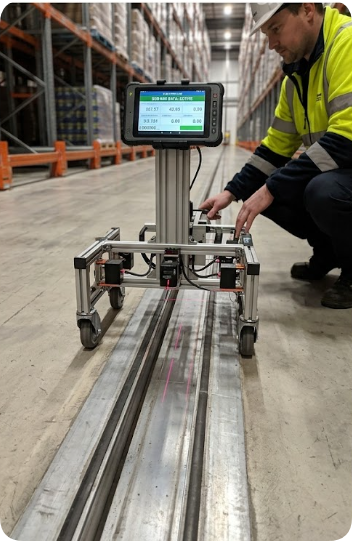
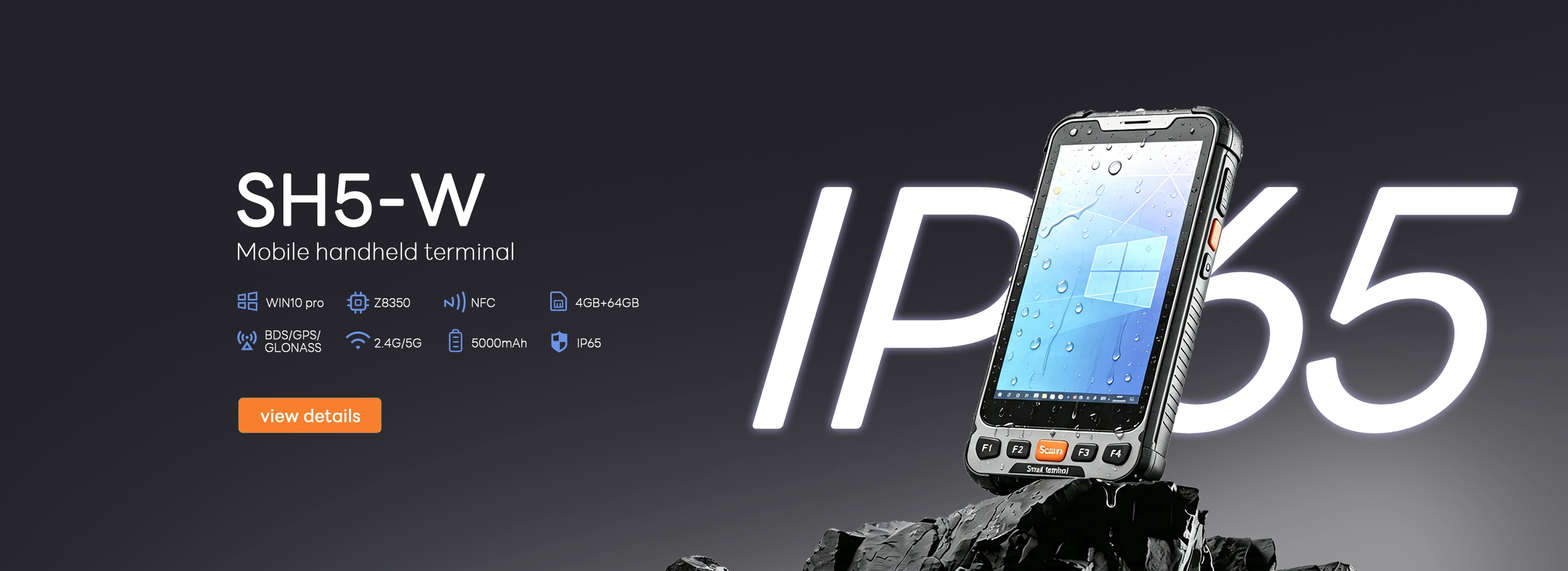
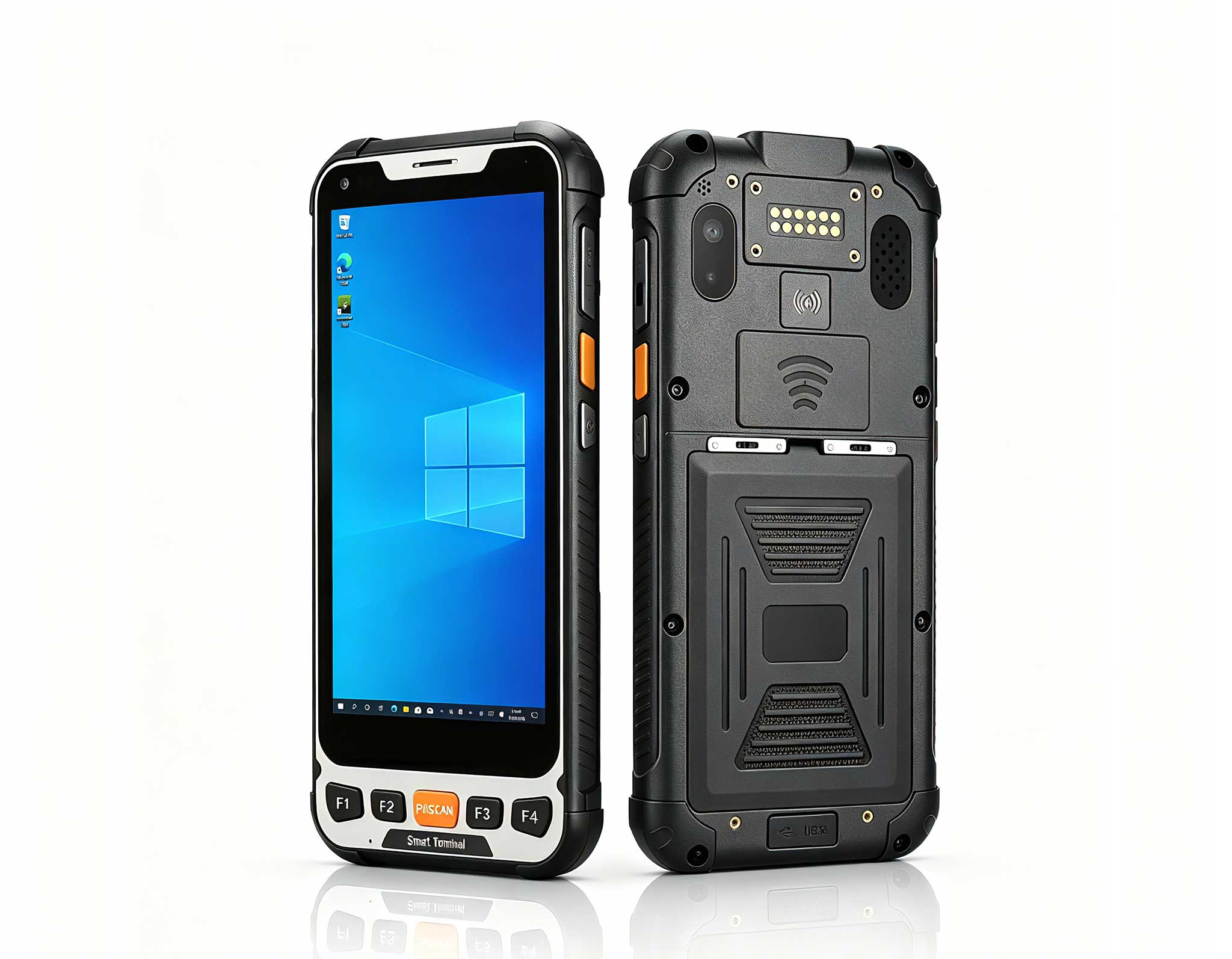
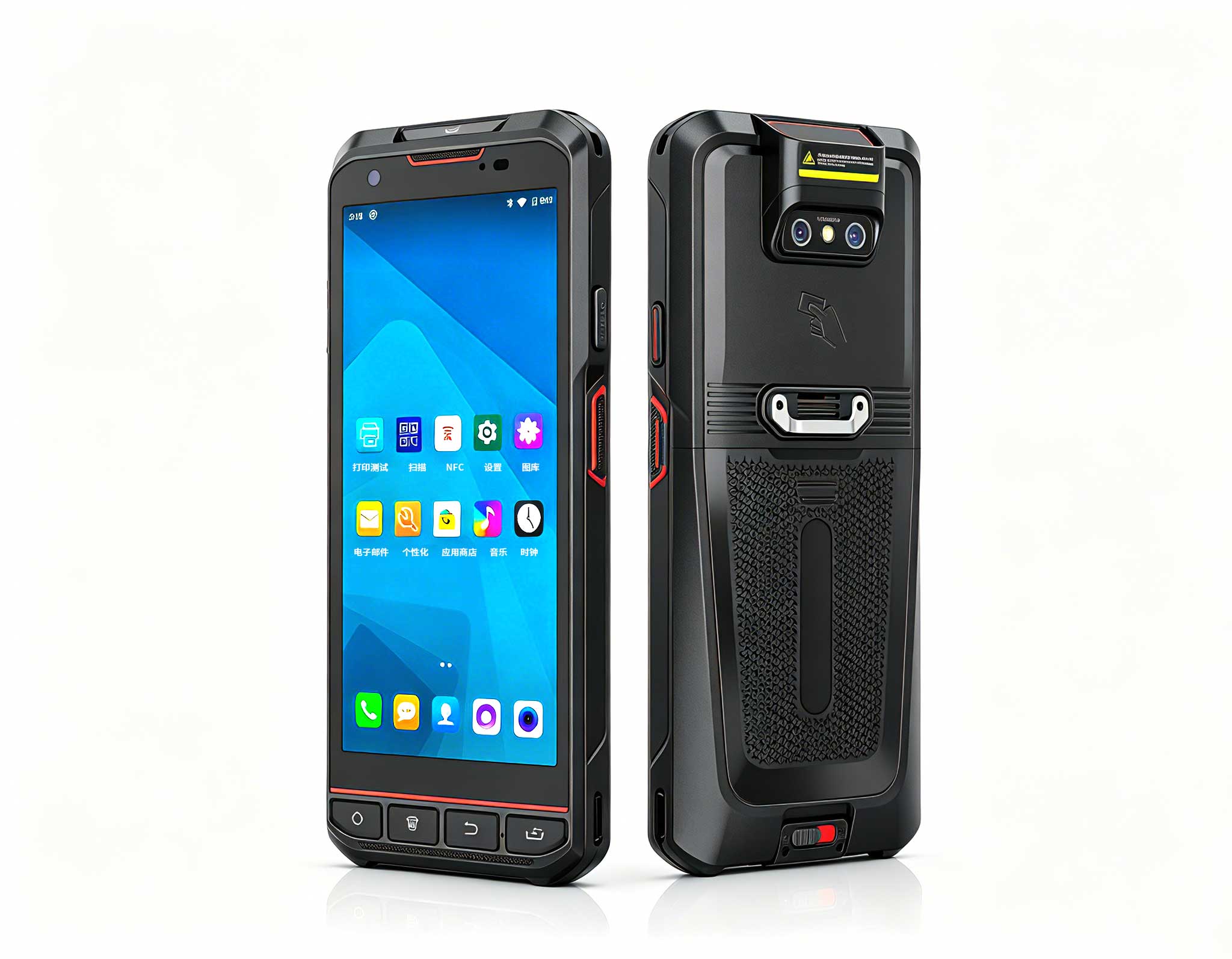
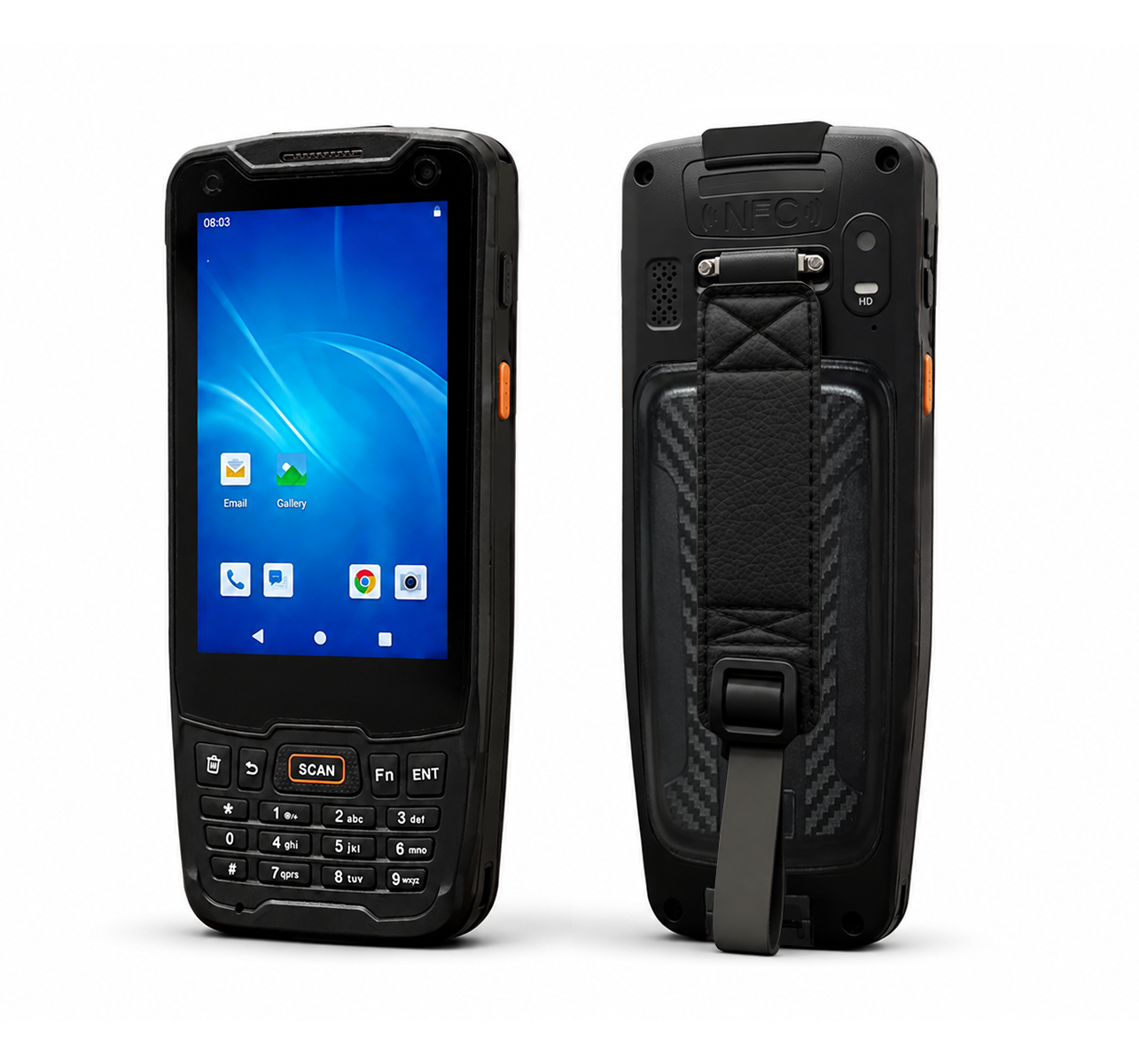
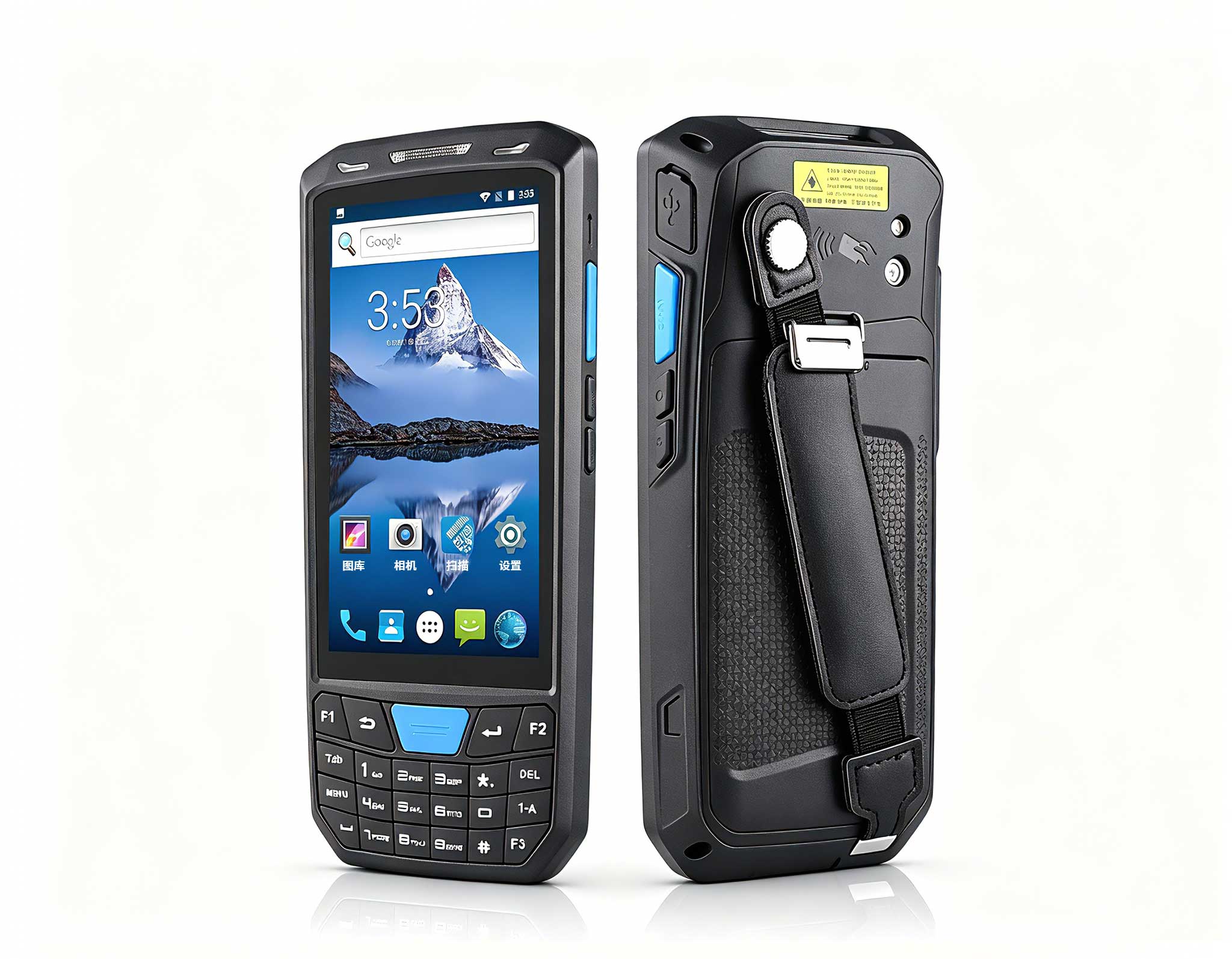
The pocket-sized HOTUS SH5-W handheld running Windows, illustrating a localized GPS map pin along with synchronized bond strength metrics during a safety walk-through.
The Connected Ecosystem: Scaling from Handheld Diagnostics to Centralized Asset Dashboards
For operations managers and safety directors who require mobile data access without carrying full-sized equipment, the highly portable HOTUS SH5‑W Windows rugged handheld delivers full desktop-class operating capabilities in an ergonomic, pocketable form factor. Fitting securely into standard life vest pockets, it allows superintendents to cross-examine real-time testing fields or historical adhesion maps while performing physical walk-downs on active drilling platforms.
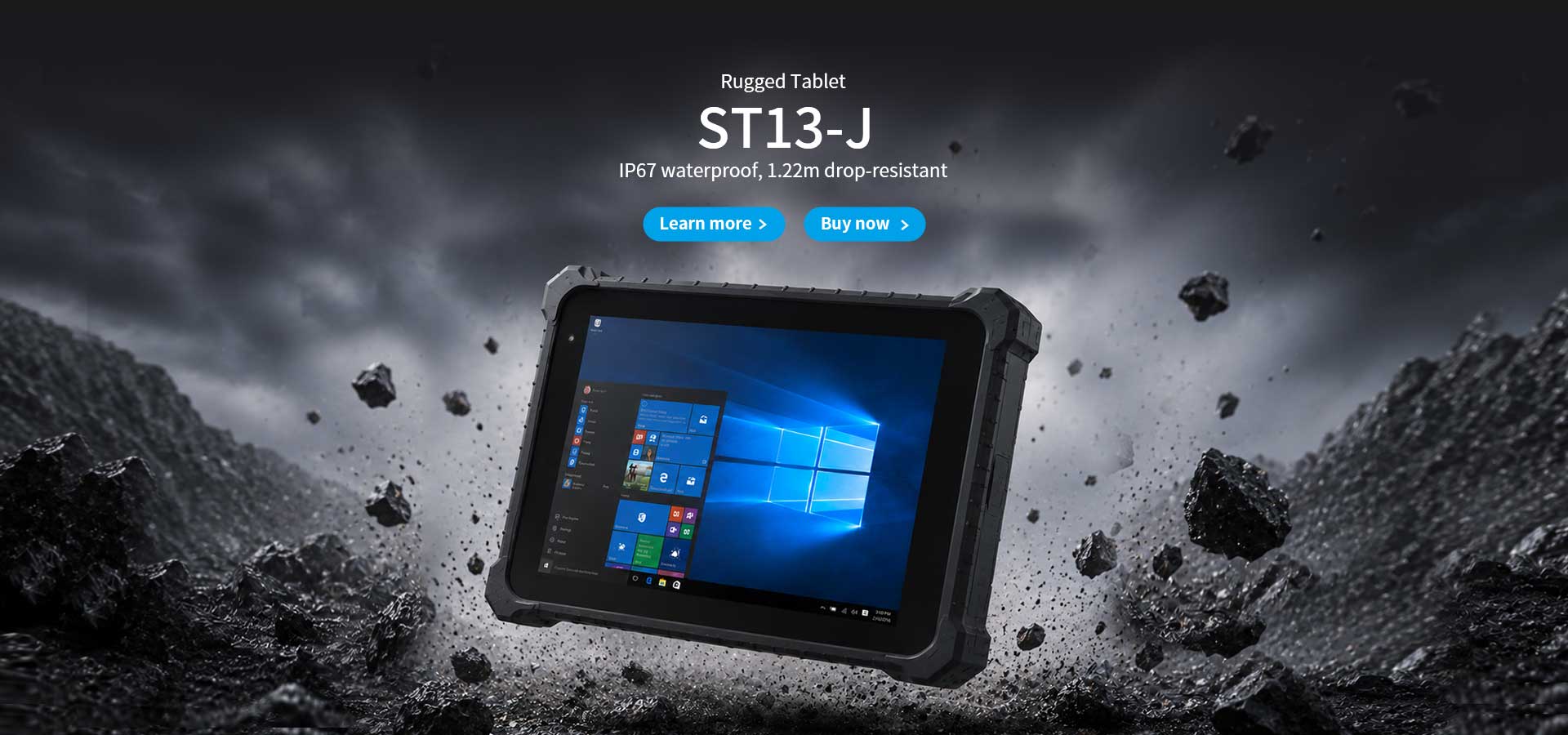
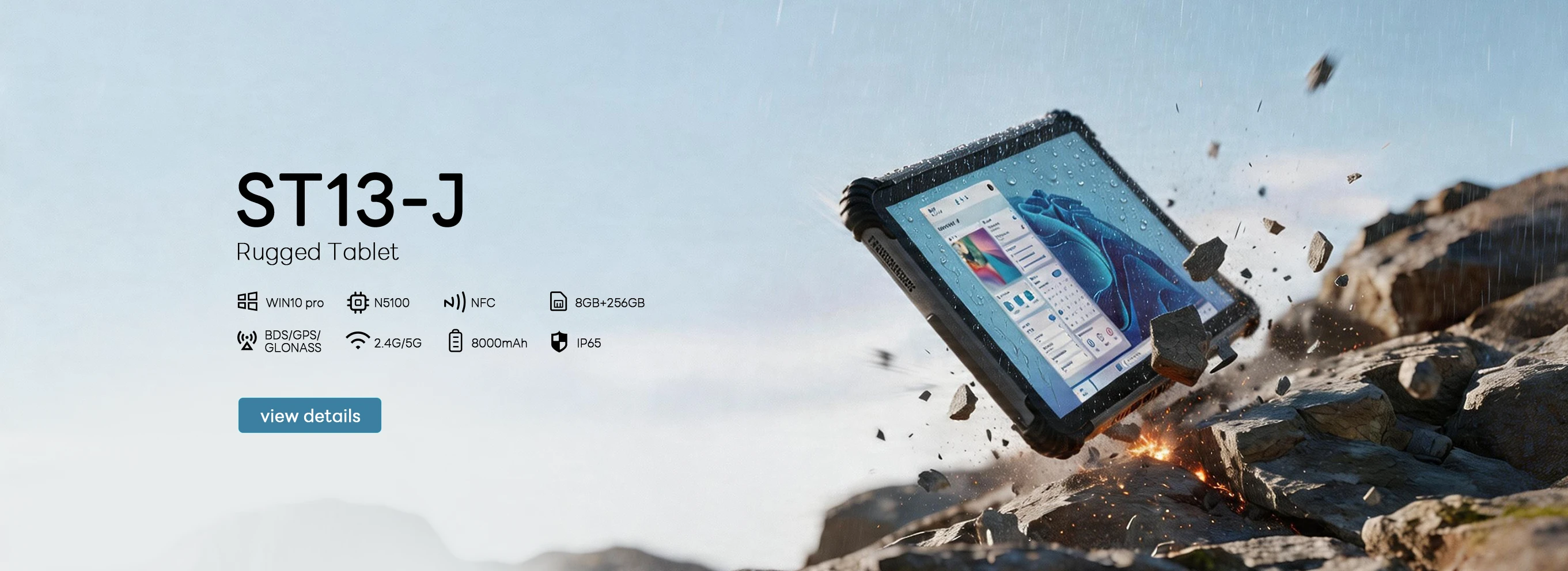
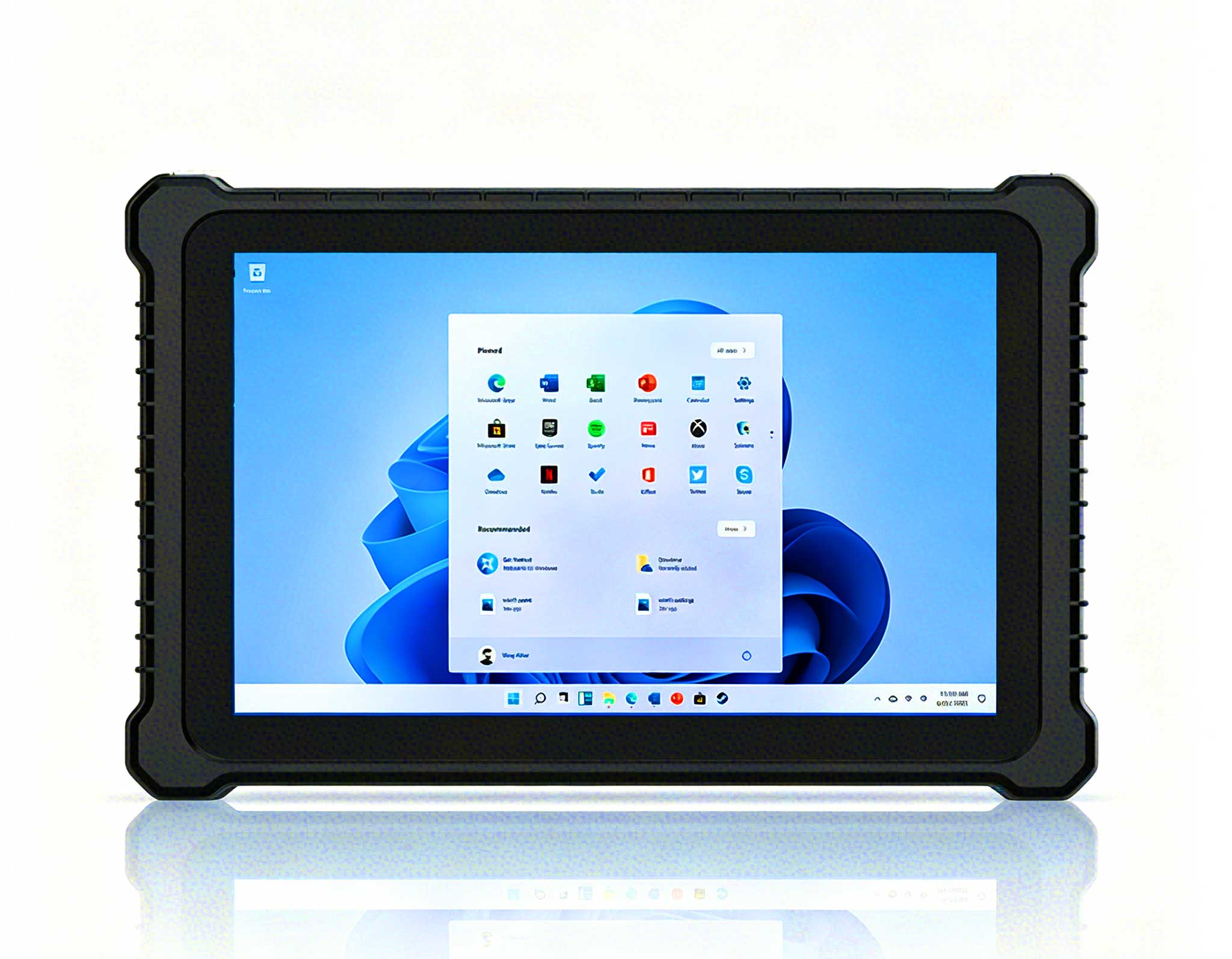
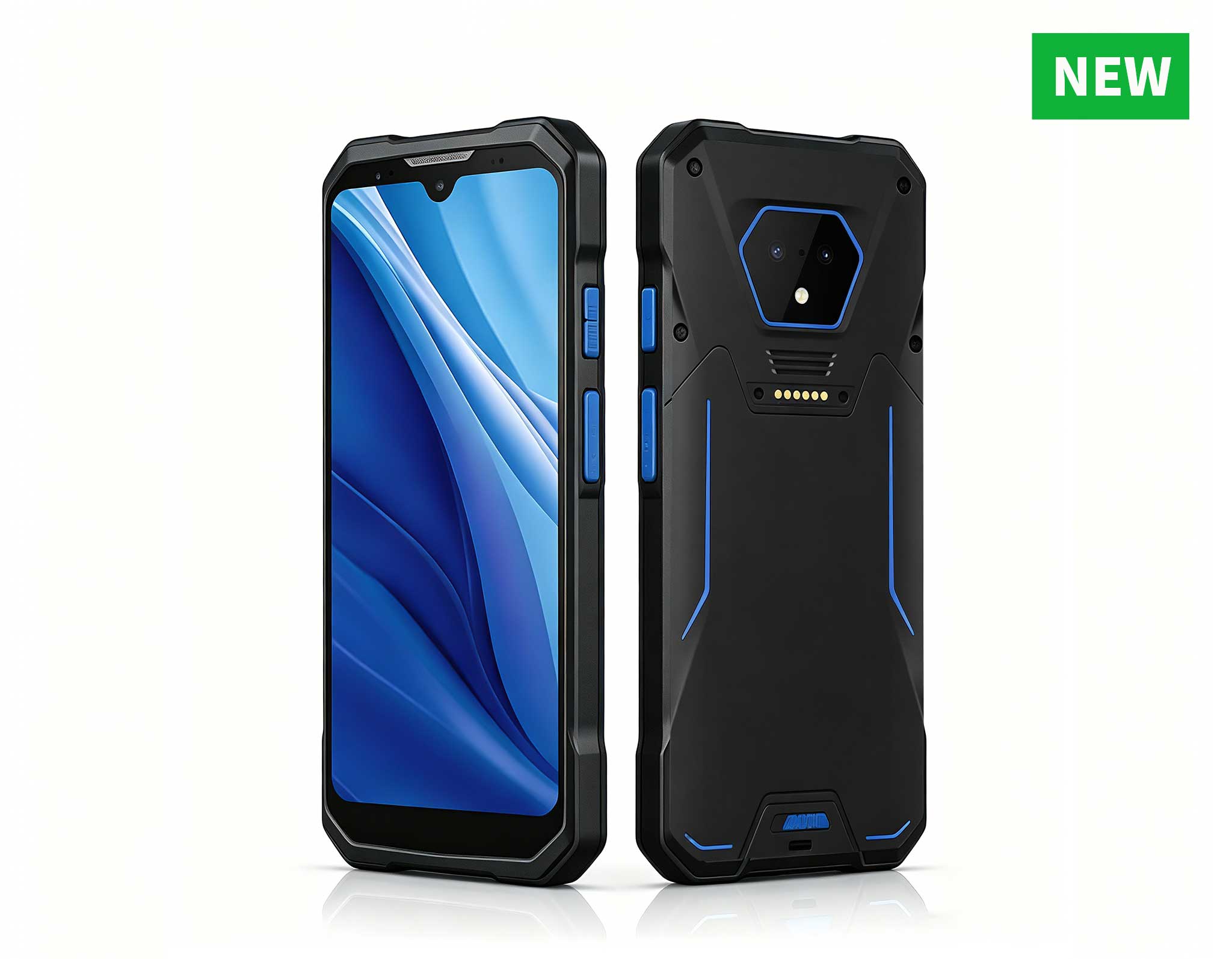
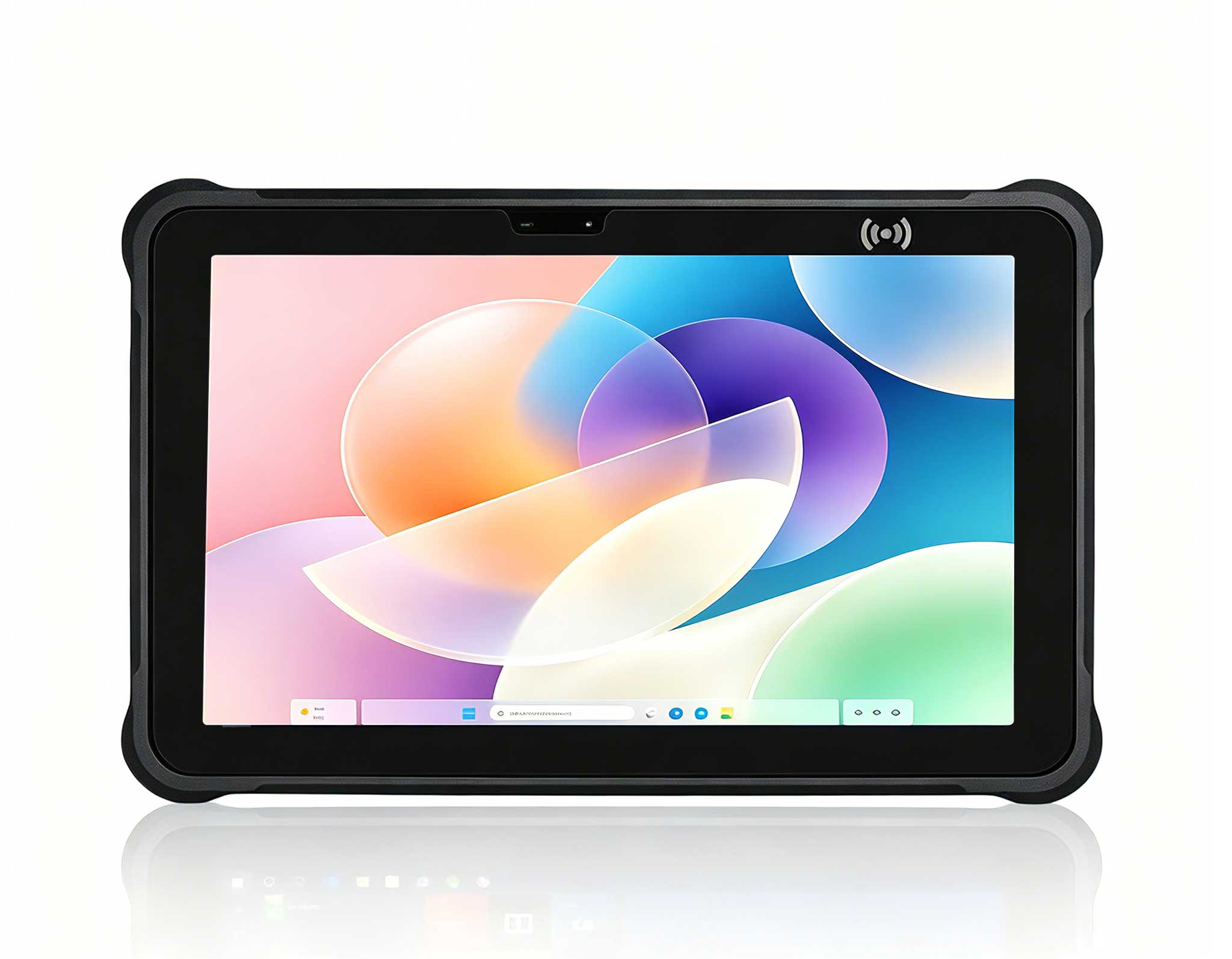
Back in the asset integrity control room, the large-format HOTUS ST13‑J 13.3″ Windows rugged tablet operates as the centralized hardware terminal. Processing data streams from field tablets across multiple remote marine assets, the ST13-J renders comprehensive 3D helideck models mapped with historical testing layers. Maintenance engineers can easily track coating health across the entire fleet, automatically issuing proactive blast-and-recoat work orders before sub-spec surfaces risk failure.
Field Verification: Preventing Delamination on a Multi-Platform Asset Fleet
The practical value of digital testing workflows is demonstrated by a major offshore oil production company operating a fleet of deepwater installations. To modernize their maintenance programs, they deployed an ecosystem consisting of 20 ST11-U data acquisition tablets, 15 SH5-W mobile review units, and 10 ST13-J master dashboards.
During the fourteenth month of implementation, analytical trending software running on the ST13-J flagged a critical anomaly on a primary production platform. While individual adhesion tests within a specific 4-meter perimeter were technically passing at 2.6 MPa (just above the 2.5 MPa regulatory limit), the historical trend line revealed that this area had dropped steadily from 3.6 MPa over an 18-month span. An immediate engineering investigation discovered micro-fissures in the topcoat that were allowing salt water to migrate beneath the primer level.
Because the operator caught this hidden degradation early, they scheduled a targeted spot repair during a planned maintenance window. A legacy paper-based reporting method would have simply listed the area as "Pass" based on the raw 2.6 MPa figure, leaving the issue unnoticed until the coating peeled away under the downwash of an arriving helicopter.
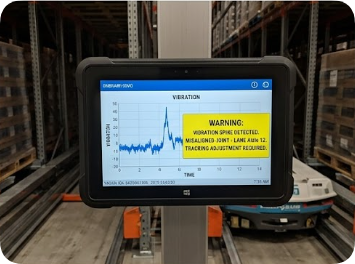
The macro-view on a high-resolution ST13‑J dashboard, visualizing asset coating integrity across multiple helideck coordinates with automated alert flags.
Secure Long-Term Asset Integrity with Advanced Rugged Tablets
Helideck coating failure is an unacceptable operational risk that can be completely avoided. Traditional handwritten logs cannot provide the deep trend insights, geographic validation, or photographic evidence required by modern maritime safety standards. Transitioning to a digital verification system built around marine-grade Windows architectures allows asset operators to replace guesswork with undeniable, auditable data.
Using the combined capabilities of the ST11-U data collector, the SH5-W handheld, and the ST13-J dashboard, platform managers can build a reliable compliance system designed for the realities of offshore aviation. Discover how integrating specialized Rugged Tablets into your inspection protocols will optimize maintenance schedules, protect your aviation personnel, and keep your facilities fully compliant with international safety regulations.
Contact HOTUS Technology today to consult with our marine hardware specialists, arrange field evaluation units for the ST11‑U, or review custom deployment options for the SH5‑W and ST13‑J industrial computing platforms.