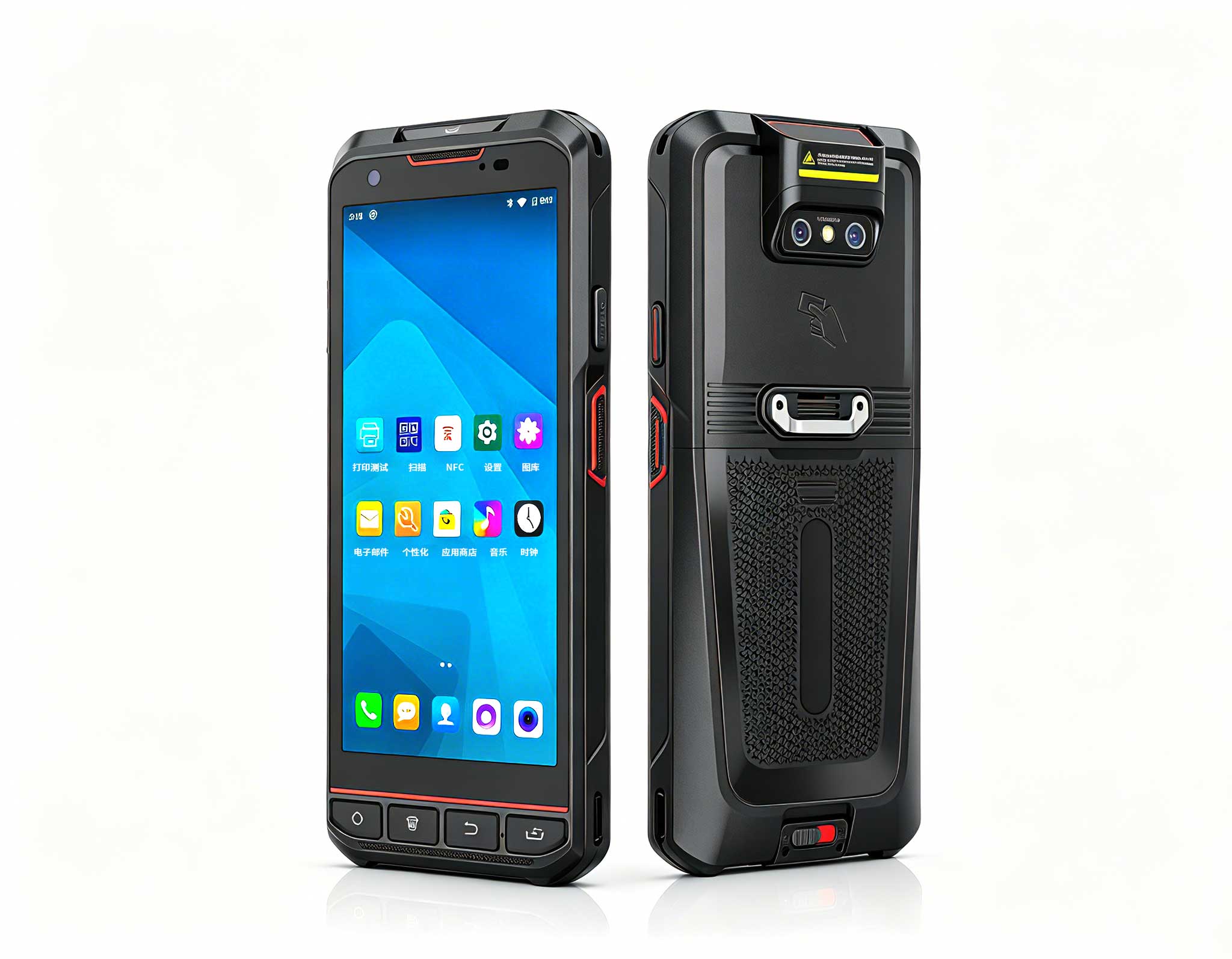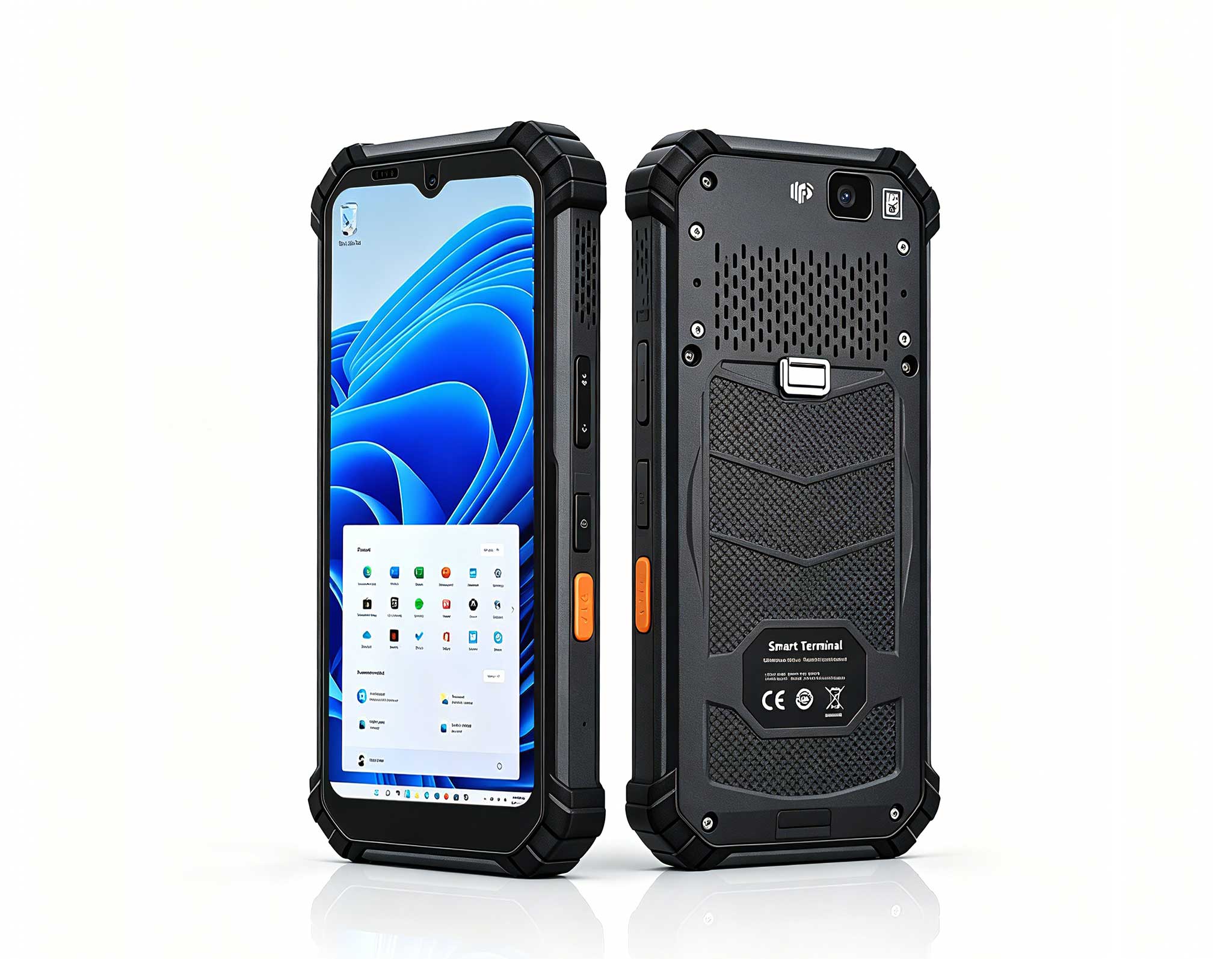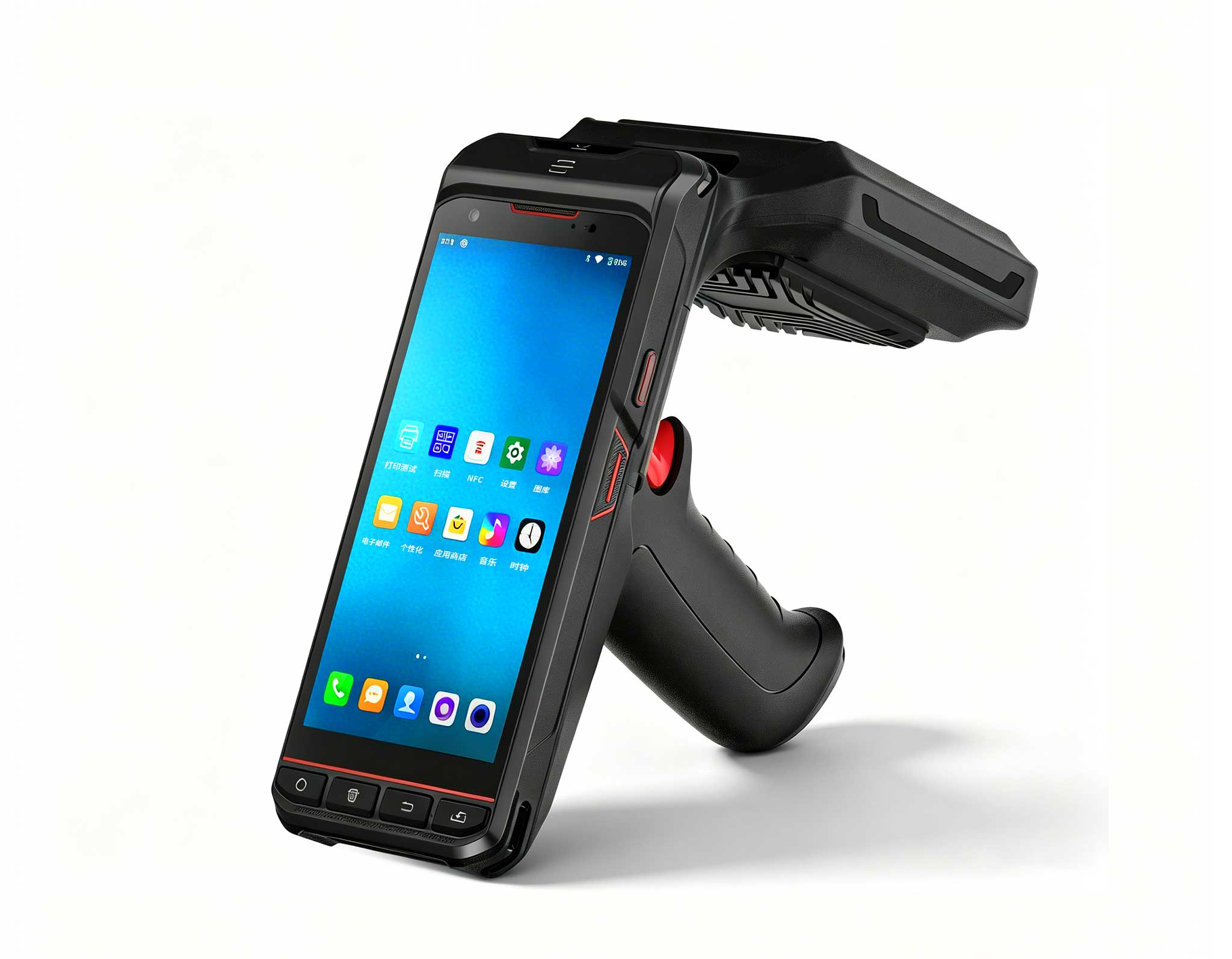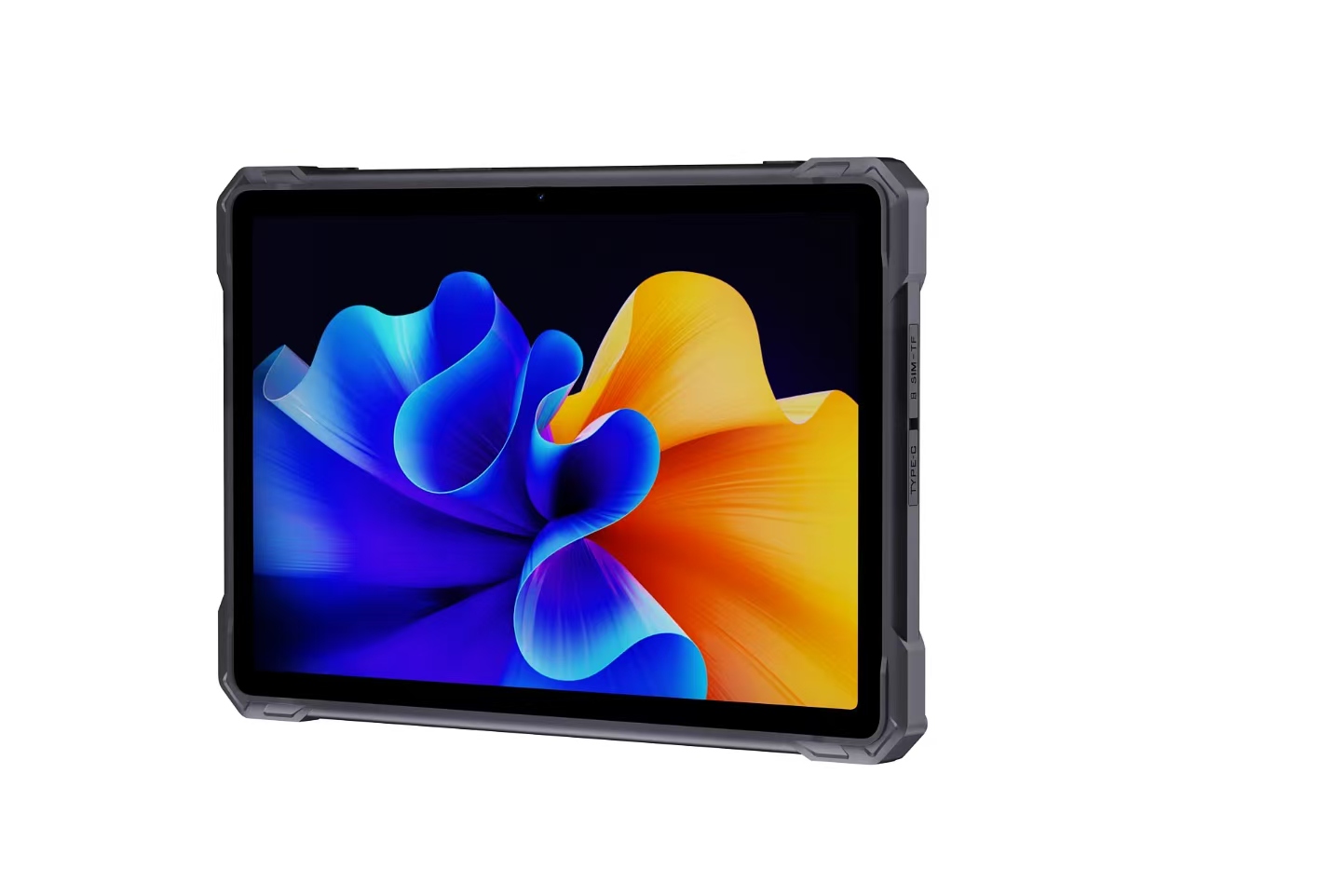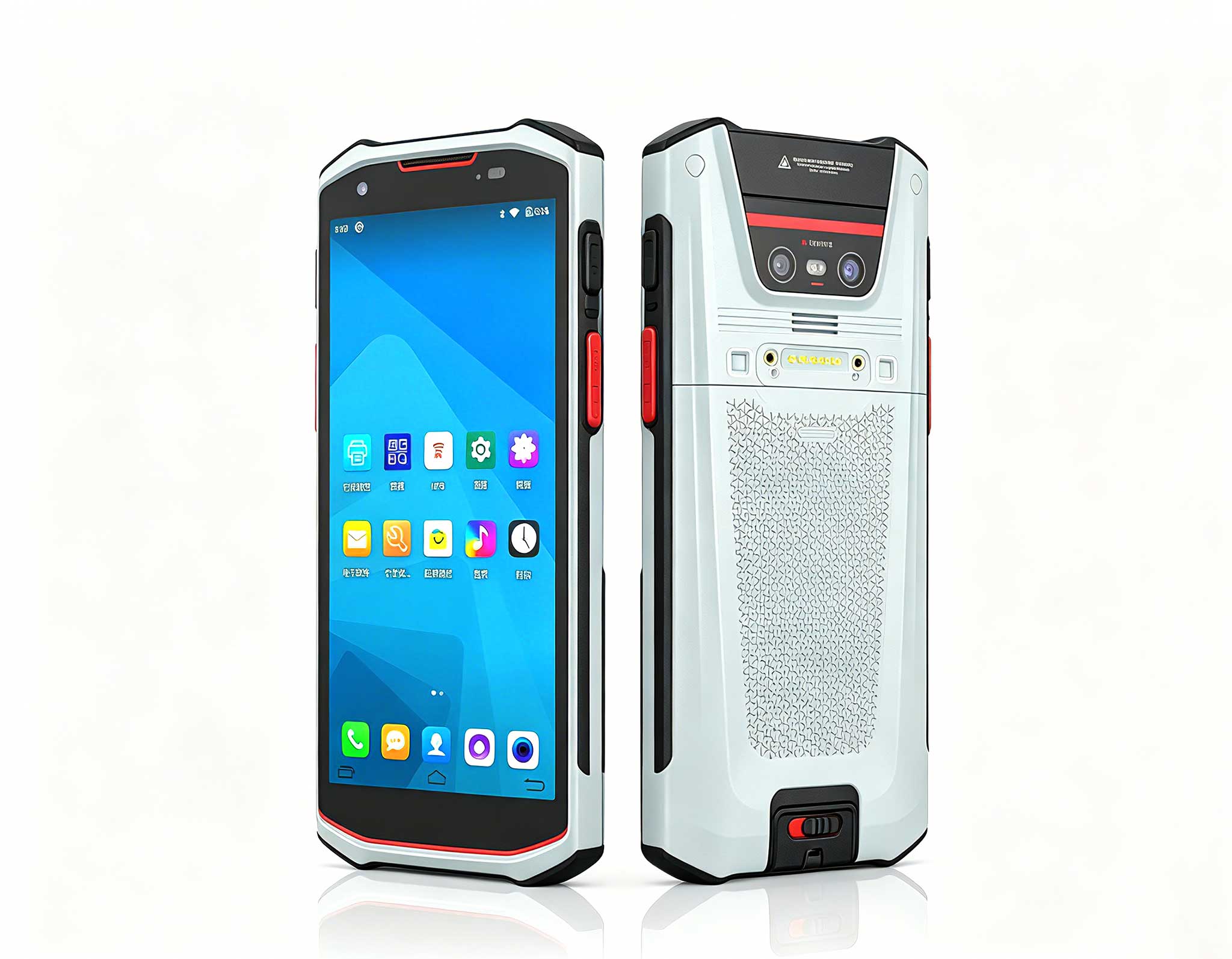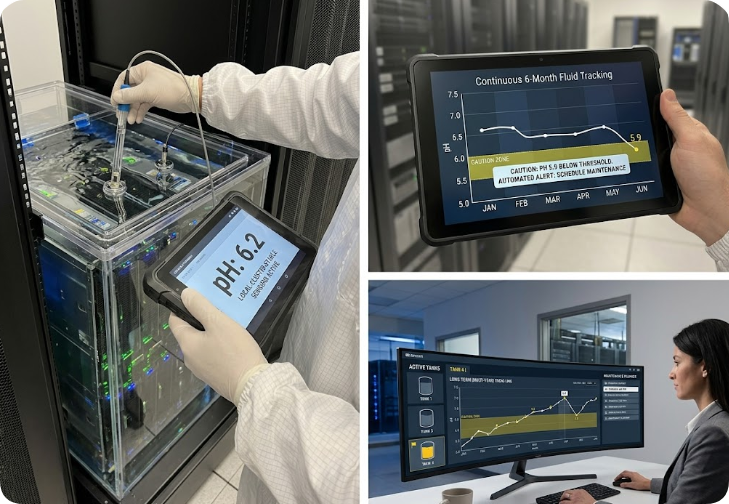
A high-density infrastructure specialist deploying a HOTUS SH5‑W rugged PDA with a Bluetooth-enabled electrochemical probe to log real-time chemical properties of a single-phase dielectric fluid bath.
"A high-performance computing (HPC) facility recently suffered a catastrophic $2 million hardware loss because their dielectric immersion cooling chemistry quietly turned acidic over multiple months. The facility relied on manual monthly spot-checks, and their handwritten maintenance book completely masked a steady, destructive shift from 6.8 down to 5.2. In liquid cooling deployments, fluid acidification isn't a minor chemistry variance—it is an aggressive server corrosion disaster waiting to happen. You need an enterprise-grade Windows PDA that communicates directly with calibrated digital sensors, automatically tracks running degradation vectors, and generates critical engineering alerts before chemical parameters hit structural thresholds. Your hardware terminal is the proactive insurance policy for your computing cluster."
Data Center Immersion Cooling Fluid Acidity Monitoring: Preventing Submerged Server Corrosion with Rugged Data Systems
Technical Analysis by HOTUS Technology | May 2026
To maximize thermal efficiency and handle unprecedented power densities, modern high-density data centers are shifting away from traditional air-chilled mechanics toward advanced single-phase immersion cooling architectures. In this configuration, high-performance server blades are completely submerged in specialized non-conductive dielectric fluid, such as synthetic hydrocarbon chains or engineered esters. While this method delivers exceptional heat rejection properties, fluid chemistry is highly vulnerable over extended runtimes. Continuous high-temperature operation, localized hotspot exposure, moisture ingress, and ambient oxygen interaction trigger progressive fluid degradation and oxidation. A primary byproduct of this chemical breakdown is the generation of localized carboxylic acids, which steadily lower the fluid’s native pH level.
Once dielectric fluid transitions from a neutral balance to an acidic state, the fluid turns highly corrosive toward the submerged IT infrastructure. Acidic compounds attack delicate copper traces, multi-layered circuit board interfaces, high-density pins, and structural solder alloys. This chemical degradation manifests as intermittent signaling faults, unexpected power drops, and total hardware short-circuits. Standard operational parameters mandate that the fluid's pH profile remain securely between 6.0 and 7.5. Once values breach the 5.5 threshold, metal dissolution rates accelerate exponentially, causing permanent damage to high-value silicon assets within weeks.
The Operational Risks of Fragmented Fluid Auditing Methods
Despite managing millions of dollars in infrastructure, many operations teams still rely on outdated maintenance methods that fail to capture real-time chemical changes:
- Delayed Laboratory Deadlines: Drawing physical fluid samples every 30 days and shipping them to off-site labs creates a multi-week data blind spot, leaving hardware vulnerable to rapid chemical spikes.
- Handwritten Entry Flaws: Isolated data points logged on physical paper files cannot build dynamic visual graphs, completely hiding subtle weekly shifts that signal a failing filtration matrix.
- Unverified Calibration Integrity: Field testers often overlook regular pH probe calibration, leading to skewed readings that mask severe fluid degradation.
Optimizing Liquid Infrastructure Metrics with the HOTUS SH5-W Rugged Windows Handheld
To eliminate these critical visibility gaps, data center operators are deploying high-performance Rugged Tablets and hand-held terminals to automate chemistry tracking. The compact HOTUS SH5‑W Windows rugged handheld pairs directly with professional digital testing probes over secure wireless networks to optimize routine maintenance checks:
- Direct Sensor Integration: The field technician samples the fluid directly at specialized tank test points, instantly transmitting temperature-compensated pH metrics to the handheld terminal to prevent manual logging errors.
- Asset Tracking and Security: The device uses internal tracking applications to scan barcode or RFID profiles on individual containment units, linking every chemical data point to a specific server tank, location, and technician ID.
- Automated Hardware Lockouts: The application monitors probe calibration schedules. If a sensor misses its calibration window, the system locks field testing until the probe is verified against standard reference fluids.
- Predictive Warning Alerts: If a fluid sample drops below a 6.0 threshold, the handheld triggers an immediate warning to step up testing frequency. A drop past 5.5 triggers a critical alert, sending immediate notifications to data center management to schedule fluid remediation.
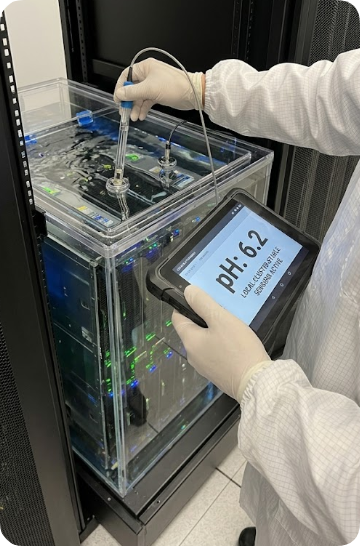
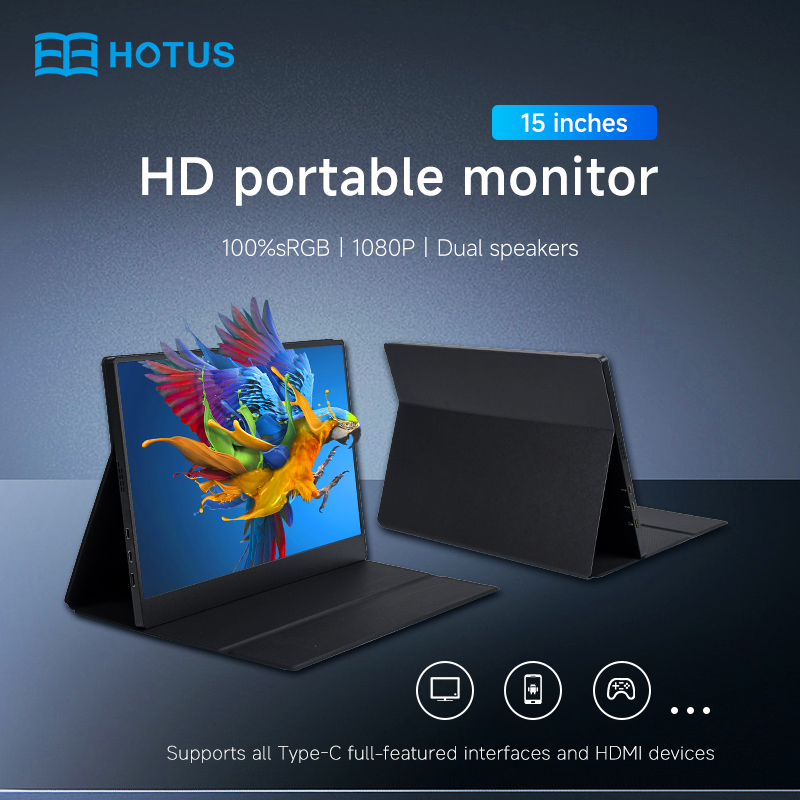
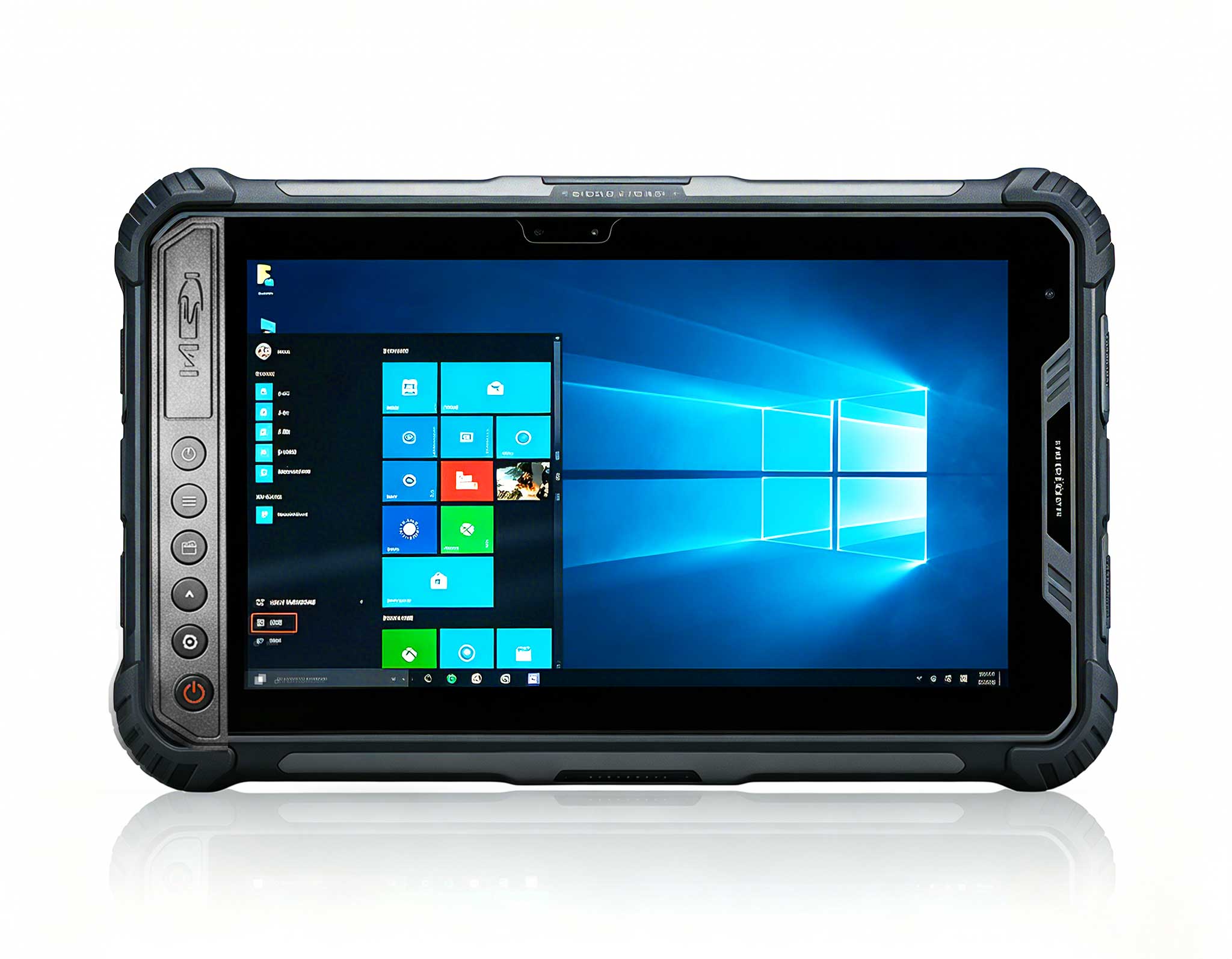
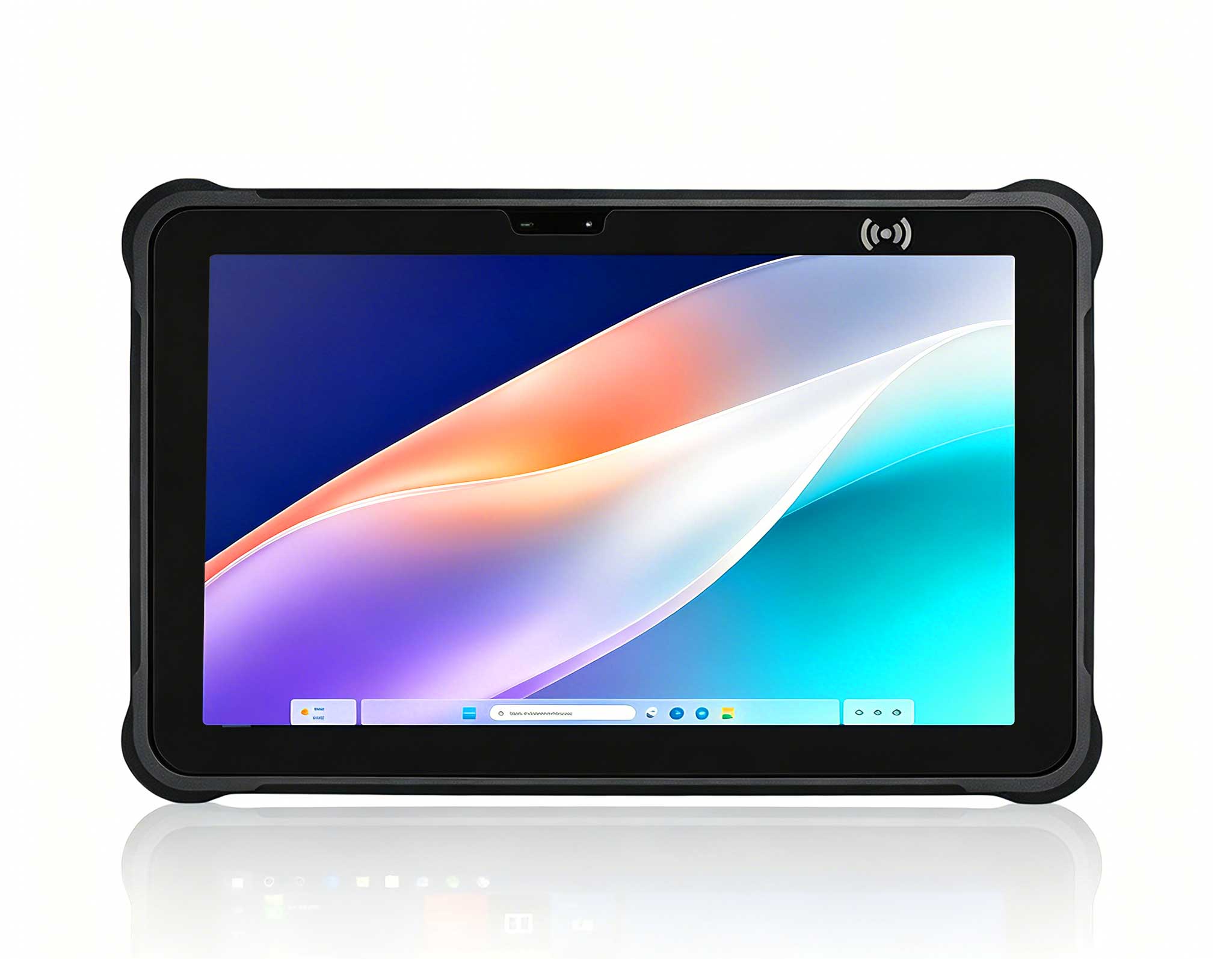
The high-resolution display of the HOTUS ST11-U rugged tablet running historical chemistry graphs to reveal long-term fluid degradation vectors.
Building a Complete Monitoring Network: From Mobile Terminals to Enterprise Dashboards
For facility operations supervisors, the larger HOTUS ST11‑U 10.1″ Windows rugged tablet functions as a high-visibility data dashboard. It aggregates chemistry streams across multiple server rooms, allowing facilities to track long-term fluid performance and isolate outliers before they cause hardware damage.
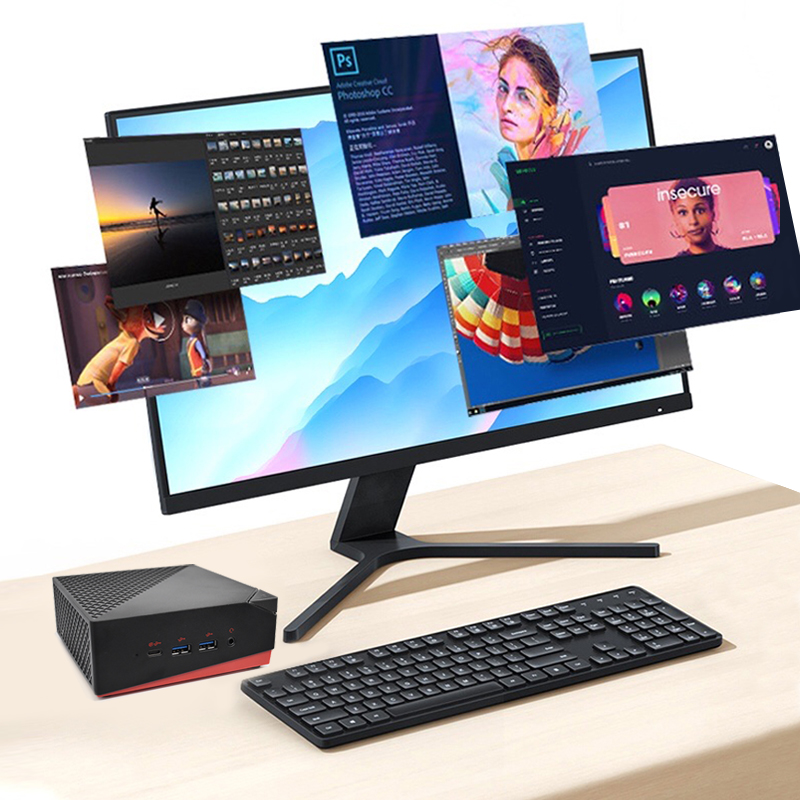
At the enterprise level, the large-format HOTUS ST13‑J 13.3″ Windows rugged tablet displays the entire facility's cooling status. The device uses predictive analytics to track subtle chemical changes across dozens of tanks, helping facility engineers plan filter replacements and fluid chemical treatments during scheduled maintenance windows.
Field Proof: Preventing Massive Corrosion Events in High-Density Computing Hubs
The value of data-driven liquid maintenance is proven by a modern multi-tenant cloud provider operating an extensive liquid-cooled server cluster. To protect their high-density client hardware, they moved away from paper logs and deployed 20 SH5-W hand-held testing terminals, 15 ST11-U floor dashboards, and 10 ST13-J master diagnostic displays.
During its first year of deployment, the predictive tracking software on a master ST13-J terminal flagged an asset anomaly: a high-capacity immersion tank showed a steady pH decline from 6.8 down to 5.9 over a five-month span. While a 5.9 reading is technically within acceptable limits on a single paper entry, the long-term trend line revealed an abnormal, accelerating acidification path.
The automated alert prompted engineers to inspect the tank's internal systems, where they discovered a saturated chemical filtration cartridge that was allowing contaminants back into the fluid stream. Maintenance teams replaced the filter and stabilized the fluid chemistry well before the fluid crossed into the dangerous sub-5.5 corrosion zone. This early intervention saved the operator an estimated $300,000 in server replacement costs, avoiding the severe hardware damage and unplanned downtime that a traditional paper log would have missed.
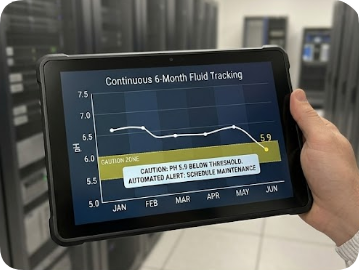
The multi-tank data visualization matrix displayed on a central HOTUS ST13-J enterprise dashboard, highlighting localized changes across the facility floor.
Secure Your Critical Digital Infrastructure with Advanced Data Systems
Dielectric fluid breakdown is a serious threat that data center operators can manage with the right hardware tools. Relying on slow, manual documentation leaves facilities vulnerable to hidden fluid changes that can eat away at high-value computing components. Moving to a connected, digital tracking network provides the clear visibility and audit trails required to keep modern immersion cooling systems safe and efficient.
Deploying an integrated ecosystem of SH5-W hand-held data collectors, ST11-U diagnostic tablets, and ST13-J enterprise dashboards allows data center managers to identify fluid anomalies early. Contact us today to see how deploying advanced data logging systems can protect your computing infrastructure, maximize system uptime, and ensure your facility operates safely and efficiently.
Contact HOTUS Technology to speak with an infrastructure hardware specialist, request evaluation units of the SH5‑W hand-held system, or explore our complete lineup of ST11‑U and ST13‑J data management platforms.