- Select Language
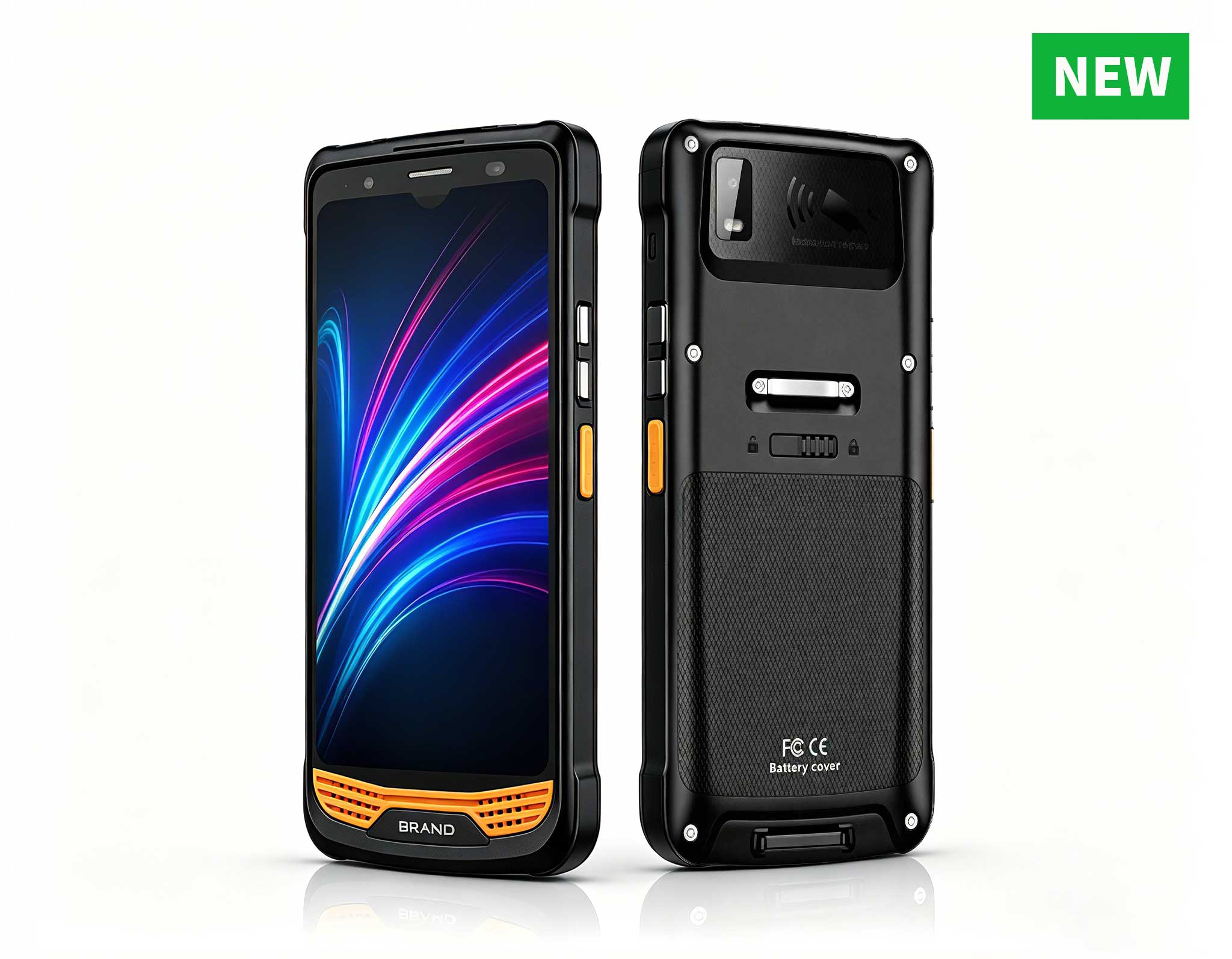
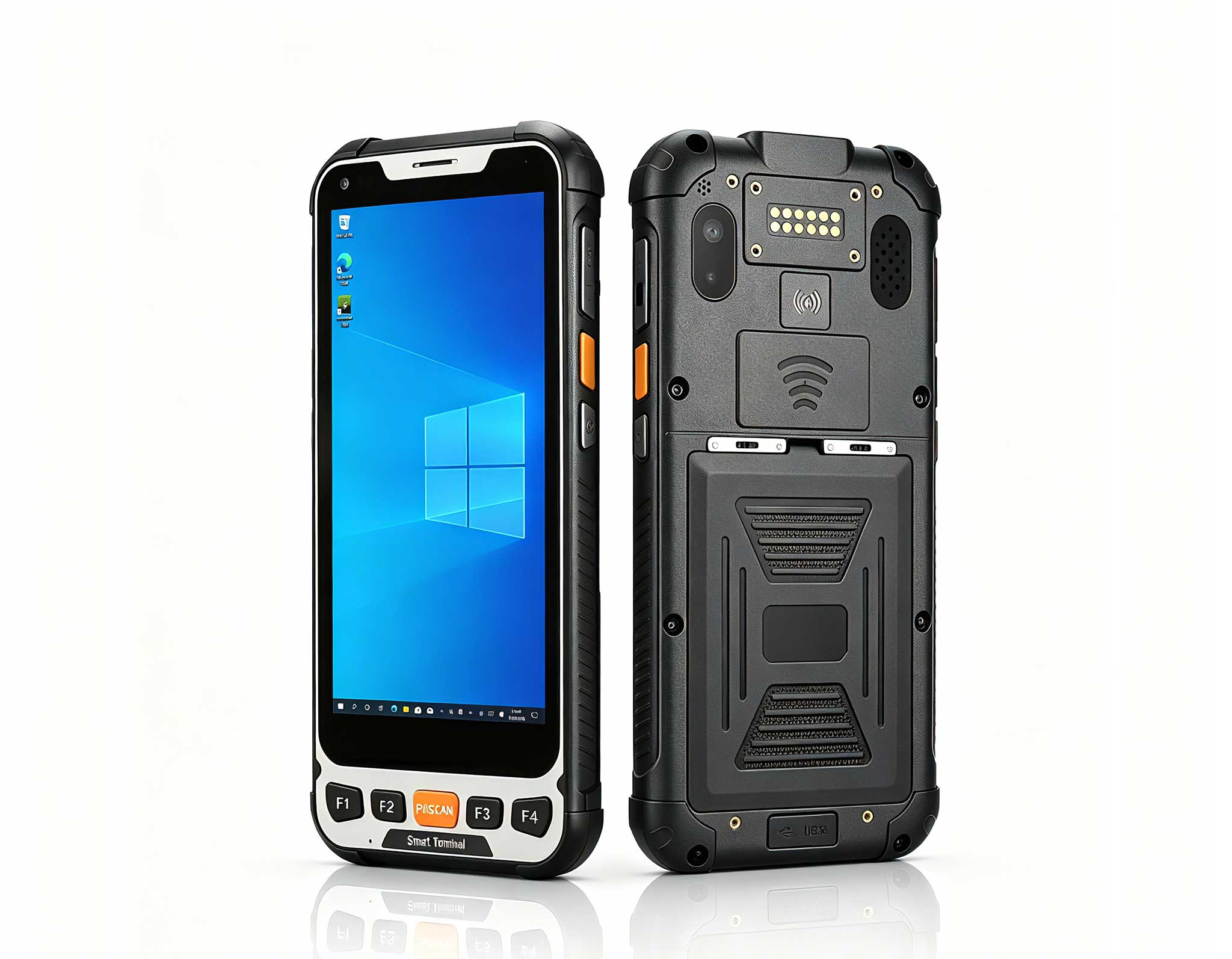
R366-S 5.5-inch Industrial PDA | Qualcomm Octa-cor...
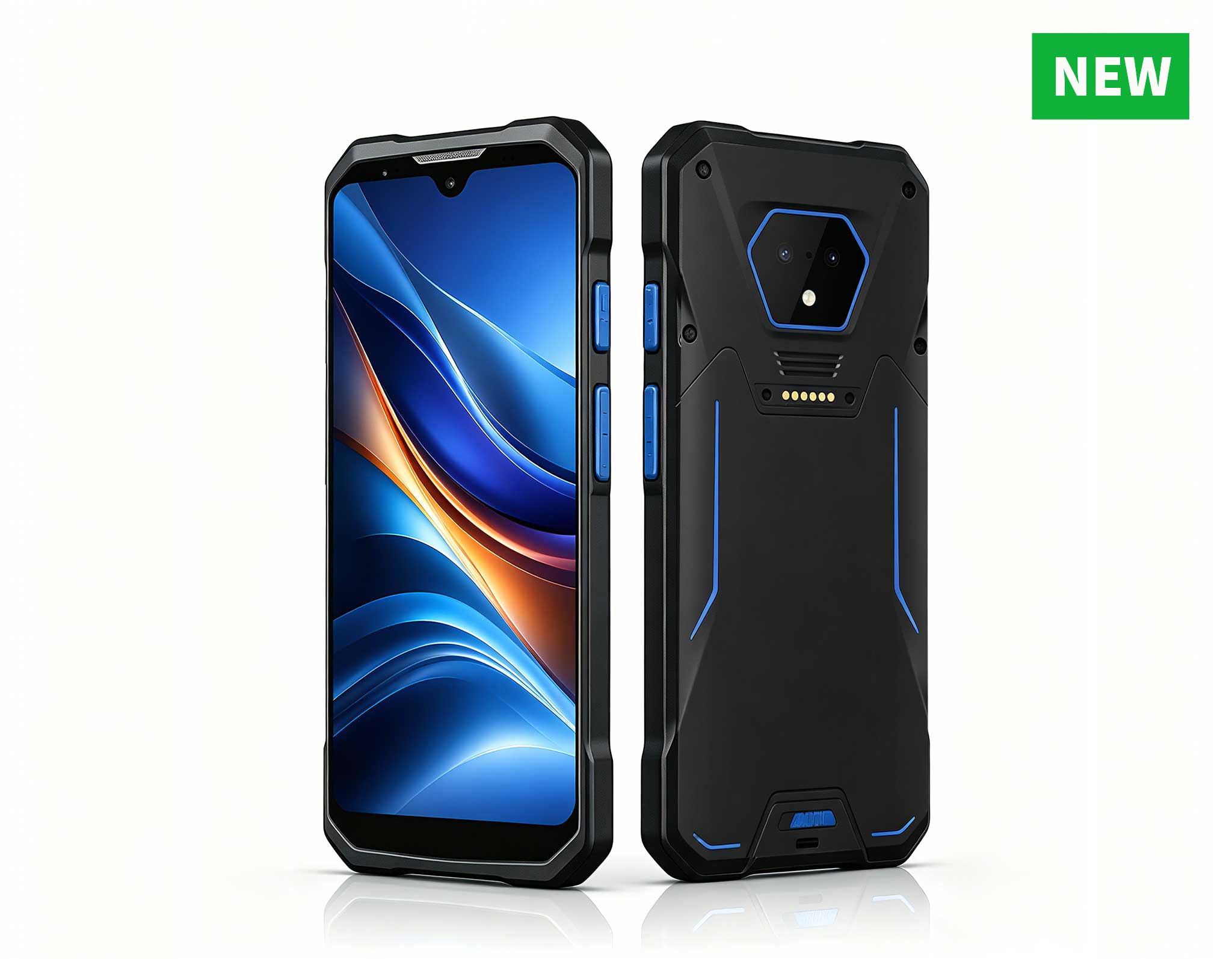
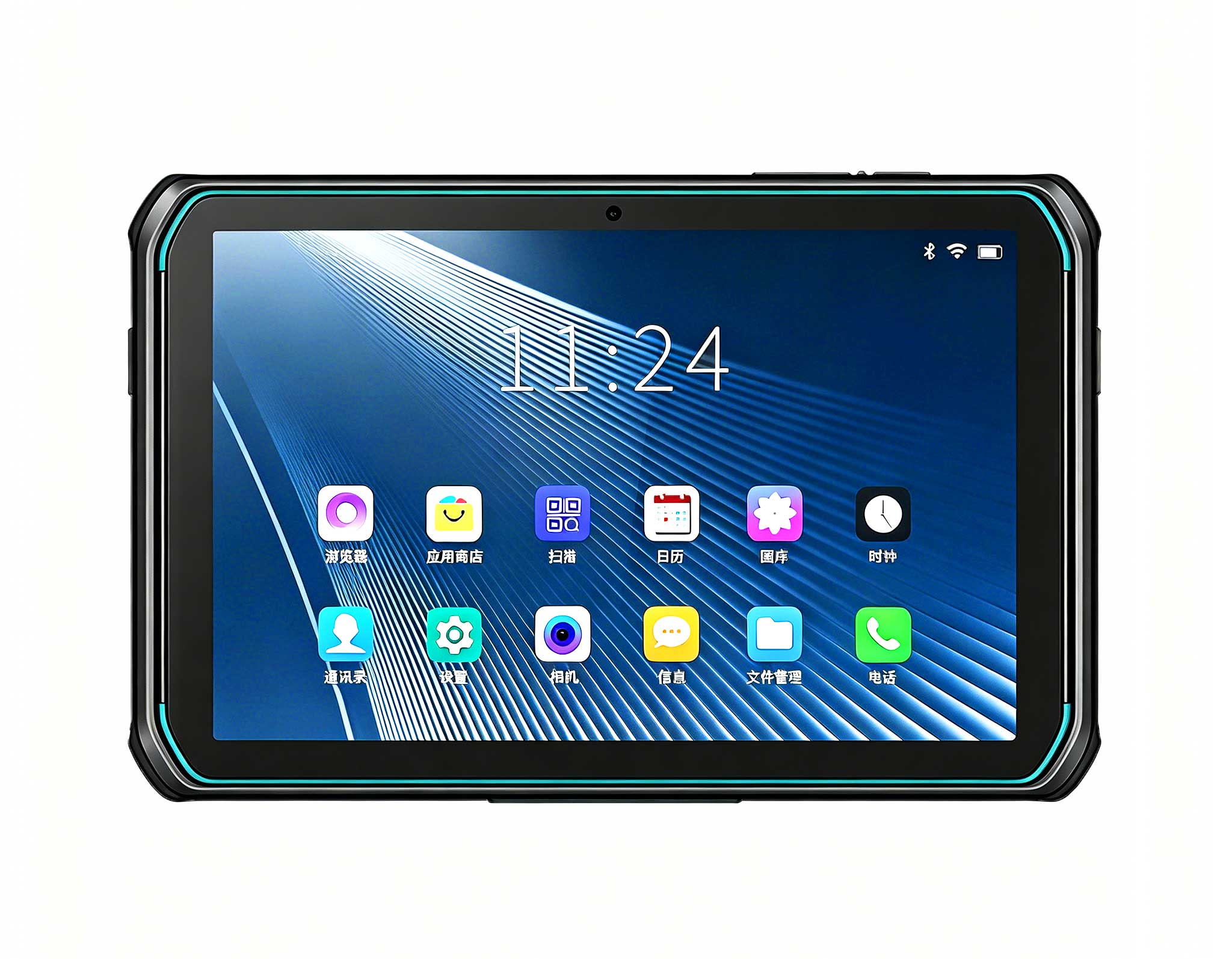
RS51 4G Rugged Handheld Terminal | 6.3" FHD+ ...
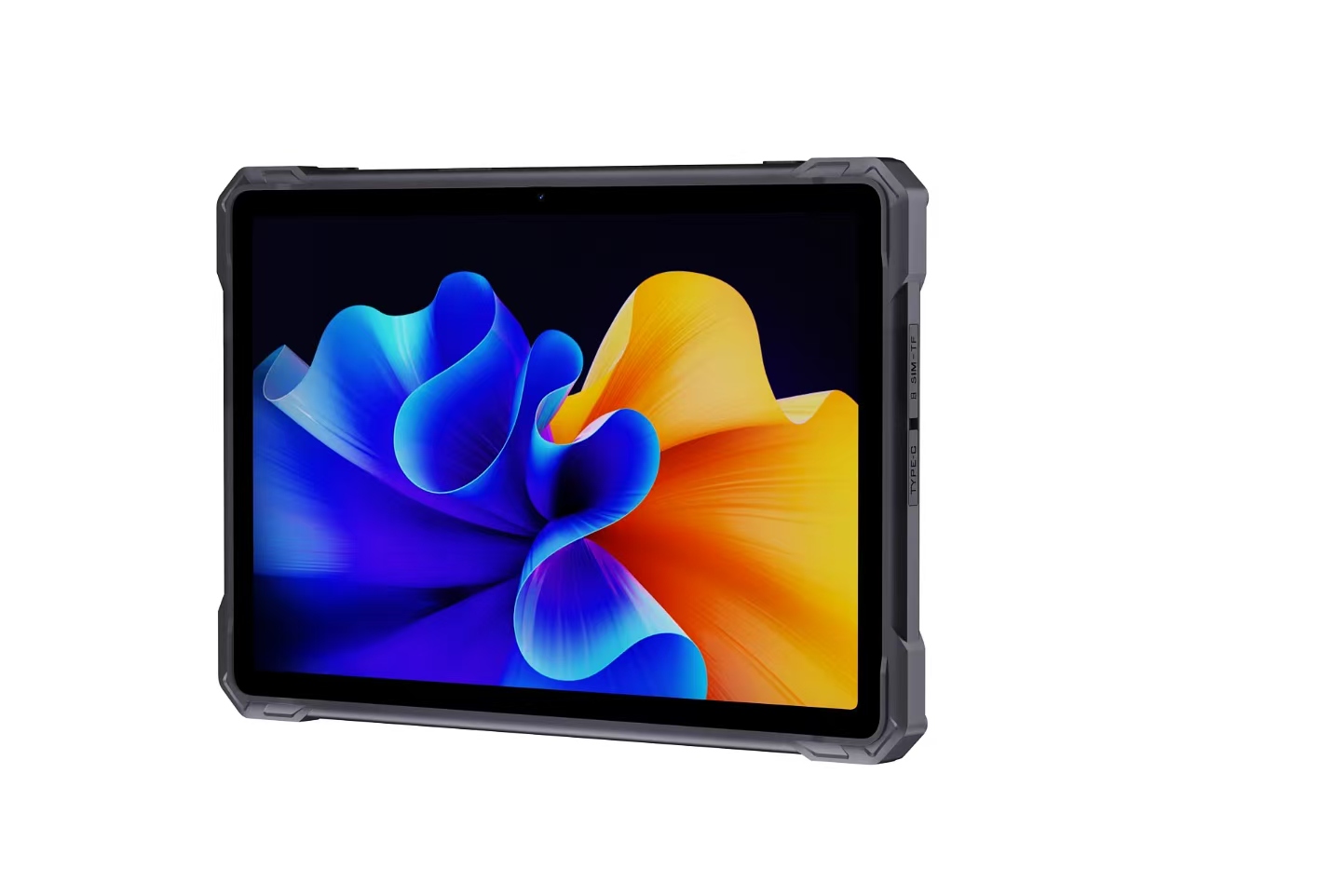
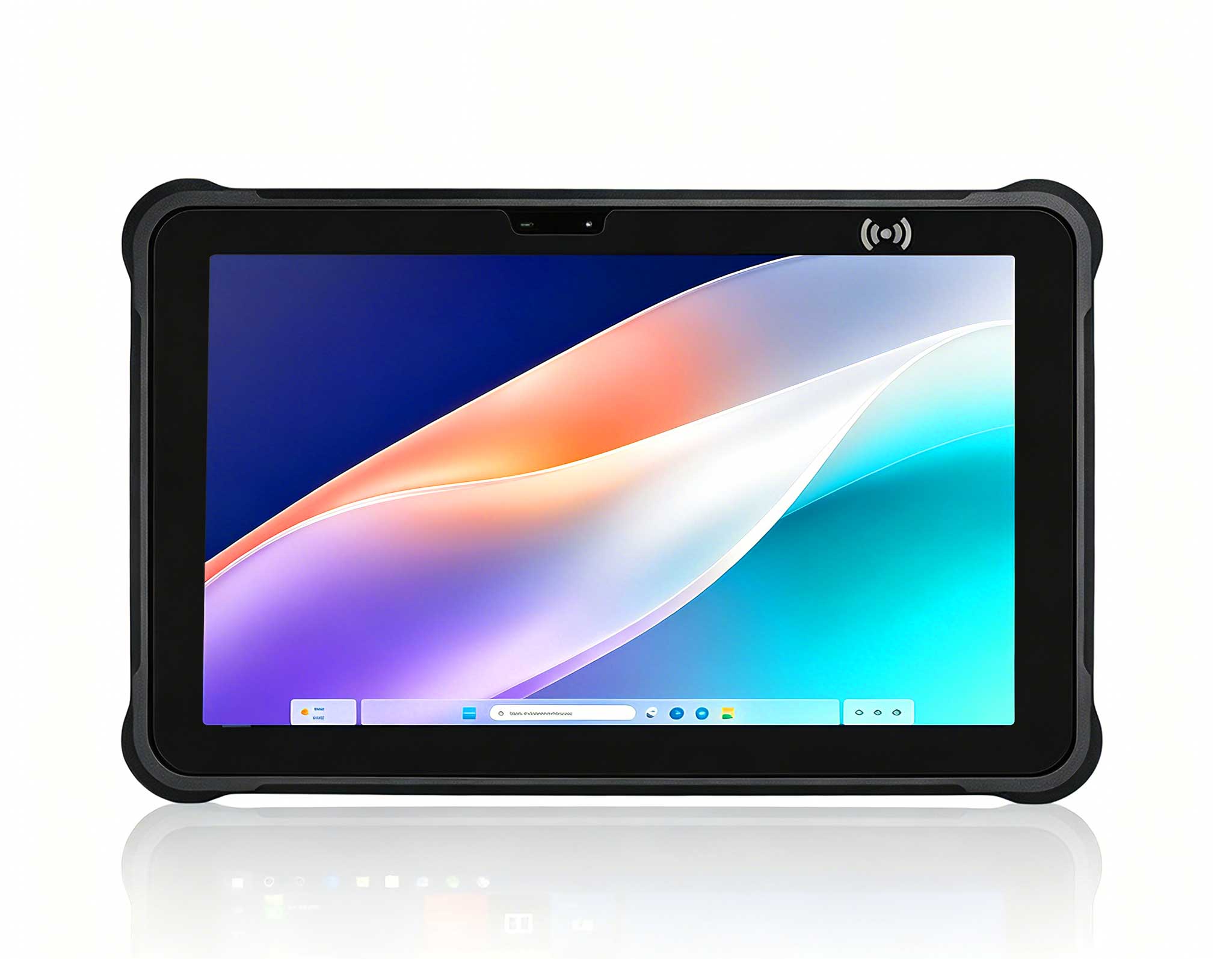
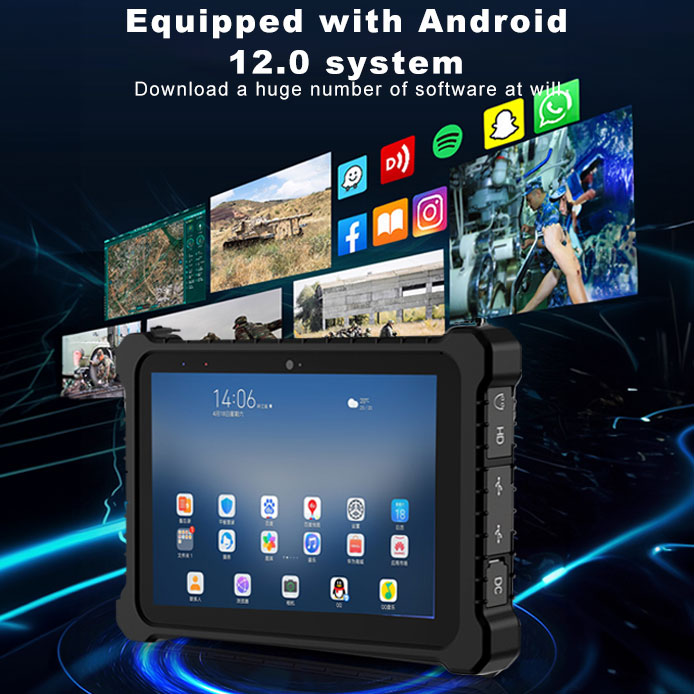
P11 Series Next-Gen Enterprise Rugged Industrial ...
Full SpecificationsModel Hotus SH5‑WOperating ...
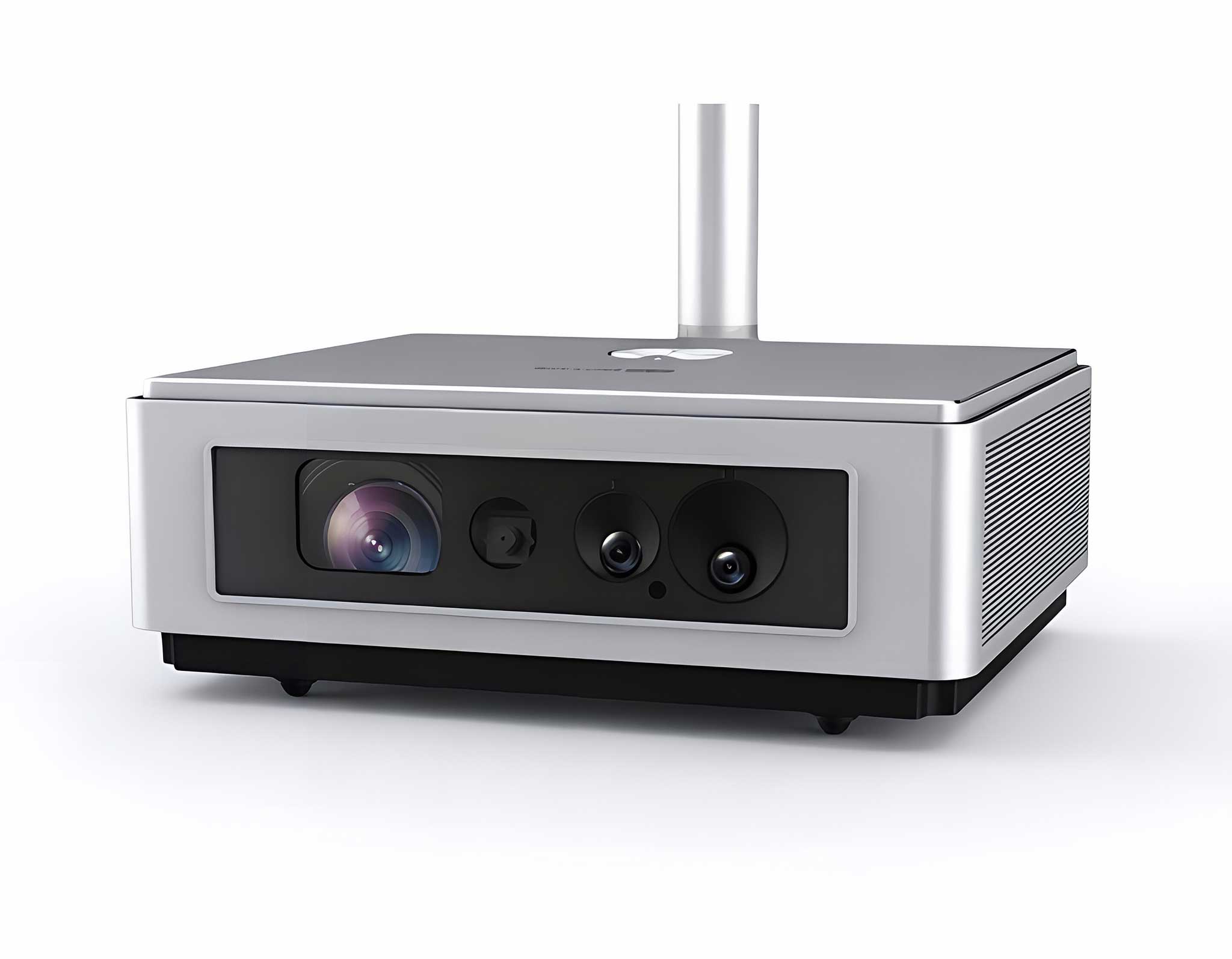
One Device, Dual Functions – A Projector and a Com...
Full SpecificationsModelHotus ST13‑UOSWindows 10 P...
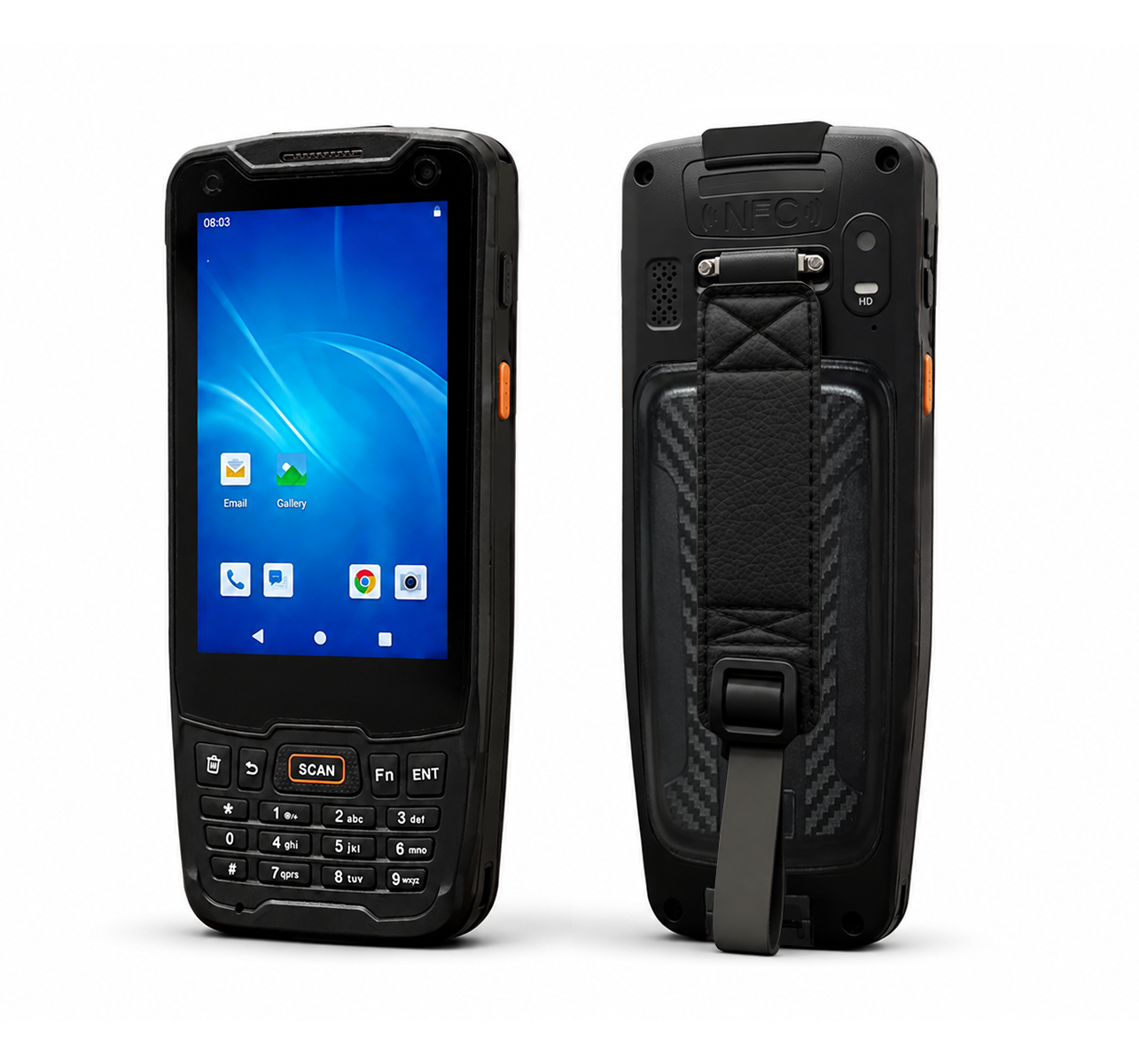
R350C 4-inch Industrial Handheld PDA | Qualcom...
Over a decade spent designing and troubleshooting medical IT systems, I’ve watched the same problem surface again and again: the tension between raw computing muscle and the brutal reality of a clinical floor plan. A standard desktop tower devours precious counter space, acts like a dust magnet, and turns routine cleaning into a logistical headache. That’s precisely why I’ve become a vocal advocate for purpose-built, compact hardware. Whether you’re running a high-volume urgent care center or a specialized diagnostic suite, the gear needs to handle PACS imaging, electronic health records, and real-time data streaming—all while fitting into a mountable, low-profile chassis. This is where a dedicated Mini PC from Hotus Technology stops being just another piece of IT equipment and becomes a strategic investment in uptime, sterility, and long-term ease of maintenance.
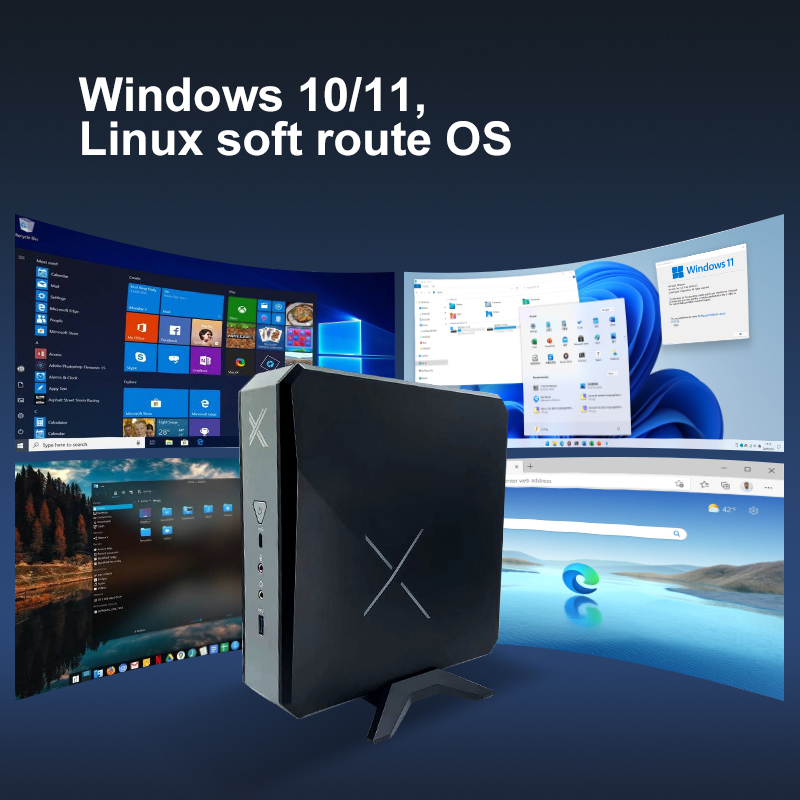
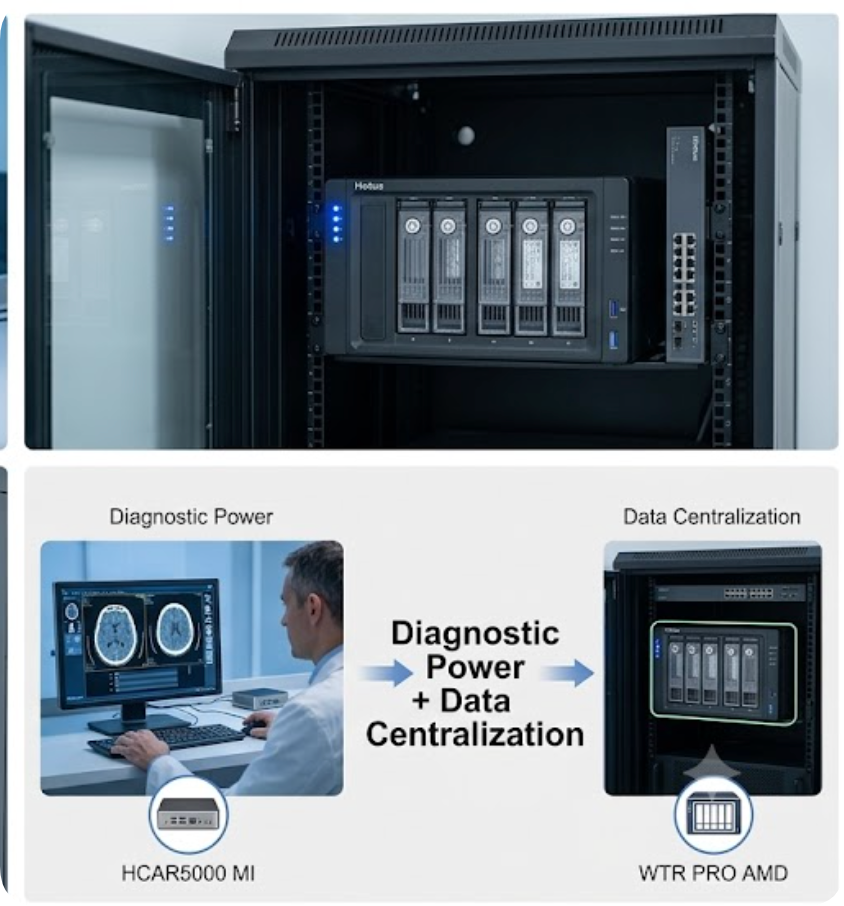
When I first bench-tested the HCAR5000 MI, it immediately struck me as a machine built for environments where every second of lag costs clarity. This isn’t a shrunken desktop—it’s a certified workstation compressed into a footprint that fits in the palm of your hand. Its natural habitat is the radiology reading room, the ophthalmology suite, or any space where clinicians need to scroll through massive DICOM datasets without buffering. The HCAR5000 MI runs on the AMD Ryzen 5000H Series processor, delivering the multi-threaded grunt required for 3D reconstruction and real-time image manipulation. The fan-cooled chassis is engineered for 24/7 operation, and the tool-less access panel makes internal cleaning and component swaps—routine tasks that often get skipped in busy clinics—remarkably straightforward. For a practice that can’t afford a single hour of downtime, this machine is a genuine game changer.
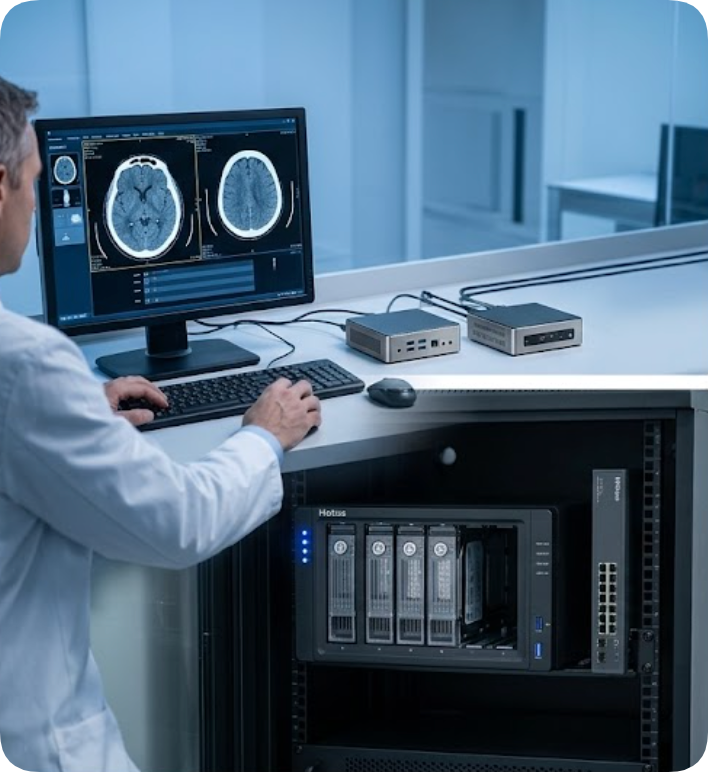
On the administrative and data management side of the house, the WTR PRO AMD fills a role that most small to mid-sized clinics don’t even realize they’re missing. I see it as the ideal central hub—a device that pulls double duty as a local server and a full-featured workstation. The killer feature is the integrated 4-bay NAS, which lets you host local backups of patient records, run a PACS server, and serve as a central file repository without needing a separate box. From a maintenance standpoint, that consolidation is pure gold. Instead of babysitting a PC and a separate NAS with different firmware, power supplies, and failure points, you get one device with hot-swappable drive bays. That means less cable spaghetti, simpler backup routines, and a single point of contact for hardware maintenance. It ships with Windows 11 Pro, so it plays nice with every major medical practice management platform, and the build quality is robust enough to survive the constant read/write cycles of a busy clinic.
| Feature | HCAR5000 MI | WTR PRO AMD |
|---|---|---|
| Processor | AMD Ryzen 5000H Series (High-Performance Mobile) | AMD Ryzen (Embedded/Mobile Series) |
| Primary Memory Support | DDR4, up to 64GB (Dual Channel) | DDR4, up to 64GB (Dual Channel) |
| Storage Configuration | M.2 NVMe SSD + SATA HDD/SSD | 4x 2.5" SATA Bays (Hot-Swappable) + M.2 NVMe |
| Network Connectivity | 2.5GbE LAN, WiFi 6 | 2.5GbE LAN, WiFi 6 |
| Video Output | HDMI, DisplayPort (Multi-4K Support) | HDMI, DisplayPort (Multi-4K Support) |
| Chassis Design | Ultra-Compact, Tool-less Access | NAS-Optimized, Hot-Swap Bays |
| Primary Use Case | High-end Diagnostic Workstation (PACS, 3D Imaging) | Clinic Server & Data Management Hub (Backup, EMR) |
| Cooling | Active Fan (High-TDP) | Active Fan (Low-Noise, Efficient) |
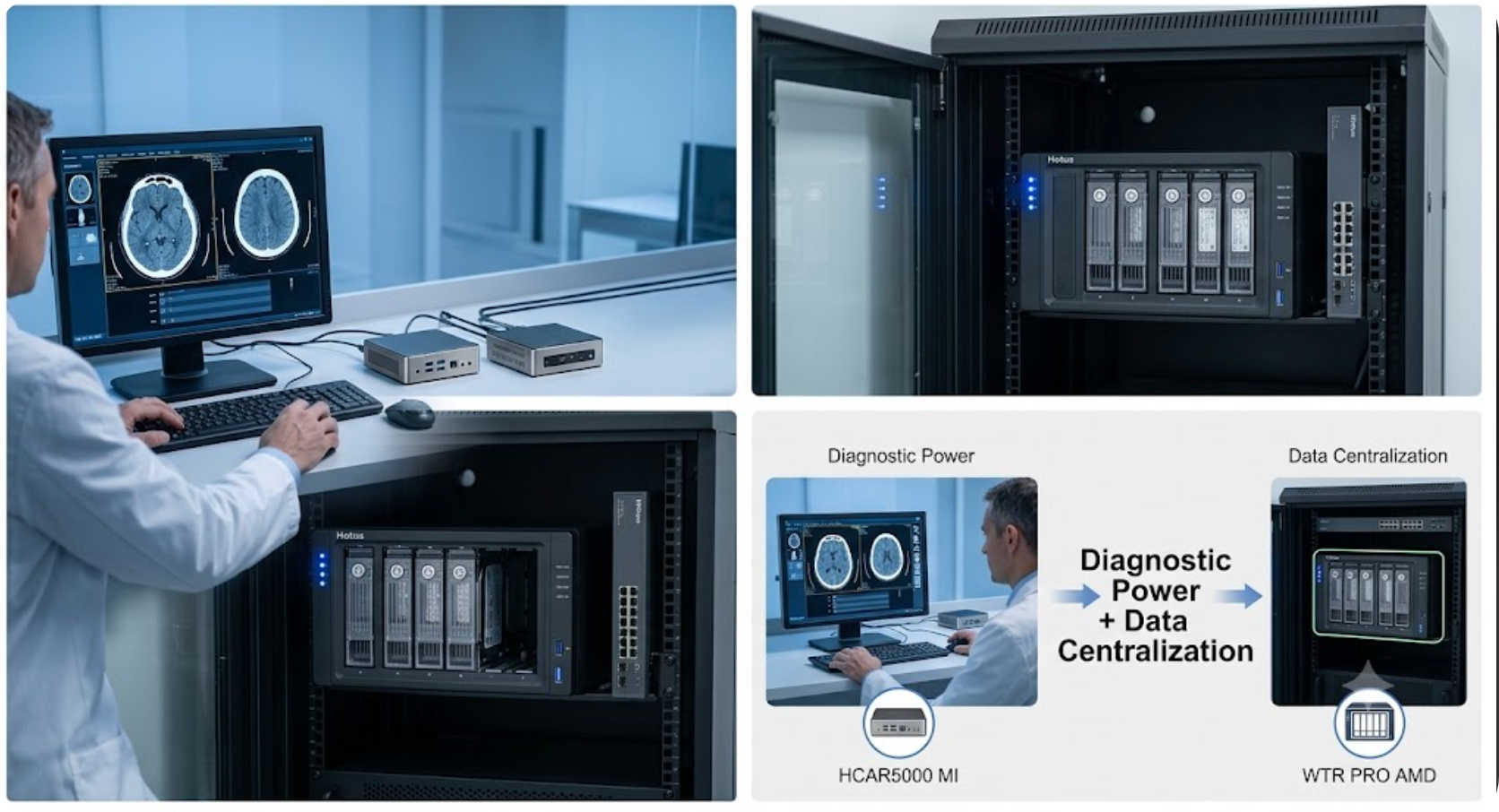
Deciding between these two systems really comes down to workload. If your day-to-day involves a physician actively scrolling through high-resolution DICOM images—say, in radiology or ophthalmology—the HCAR5000 MI is the obvious pick. The raw CPU and GPU throughput directly translate to faster image loads and smoother 3D rendering. Maintenance here is straightforward: keep the fan and vents clear of dust, and you’ll maintain peak thermal performance for years.
On the flip side, if your primary pain point is reliable, centralized data storage that also doubles as an administrative workstation, the WTR PRO AMD is the smarter bet. It shines in multi-physician practices where data integrity and automated backups are non-negotiable. Maintenance for this unit revolves around monitoring drive health in the NAS bays and verifying the RAID array is doing its job. It collapses two critical pieces of IT infrastructure into one tidy, easy-to-service box.
Don’t let clunky, unreliable hardware hold your practice back. Whether you need the diagnostic horsepower of the HCAR5000 MI or the consolidated data management of the WTR PRO AMD, Hotus Technology has a solution that fits. Reach out to our team today to talk through your specific clinic layout and workflow requirements. We’ll help you pick the right Mini PC and put together a maintenance plan that keeps your technology running as smoothly as your patients expect.