- Select Language
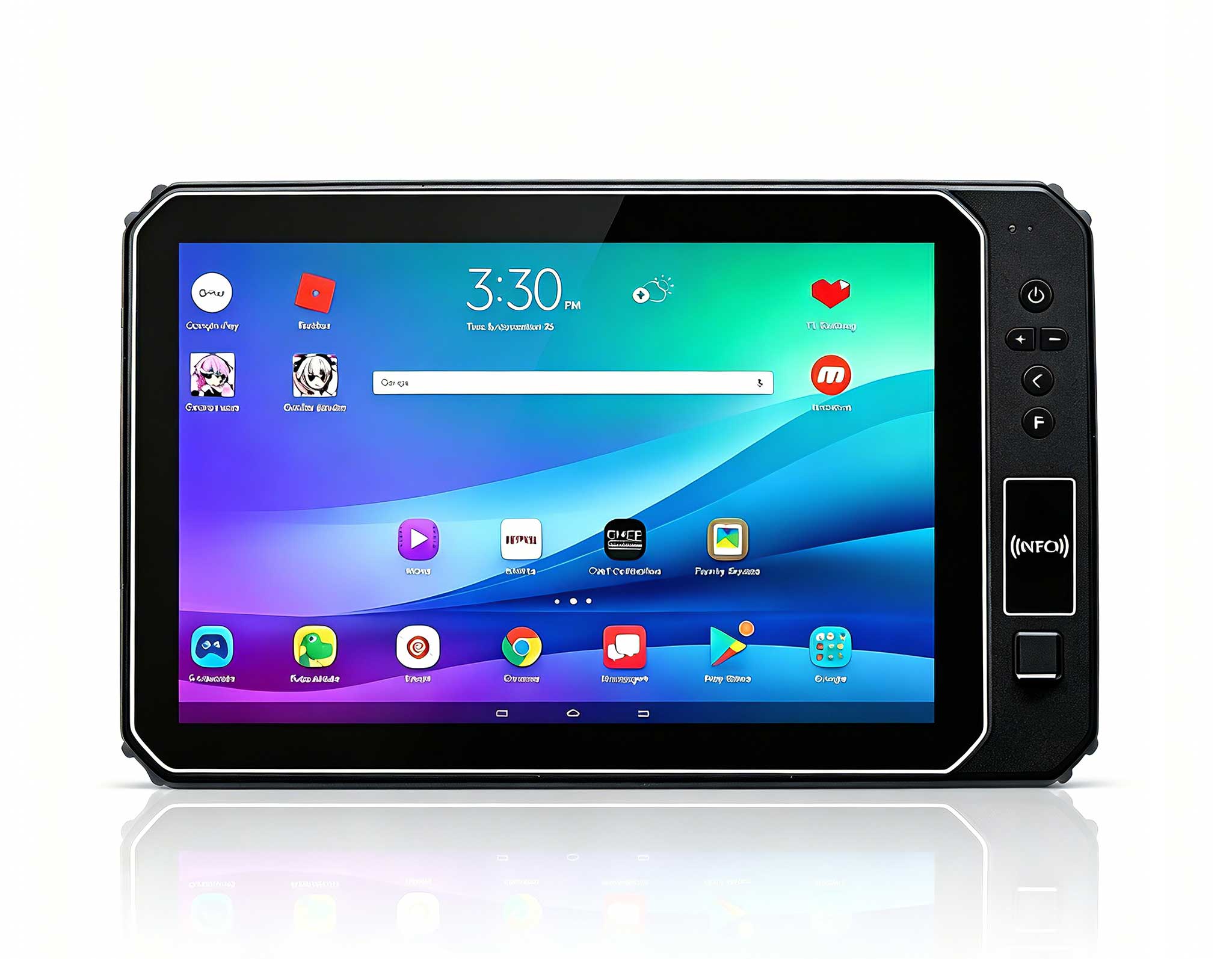
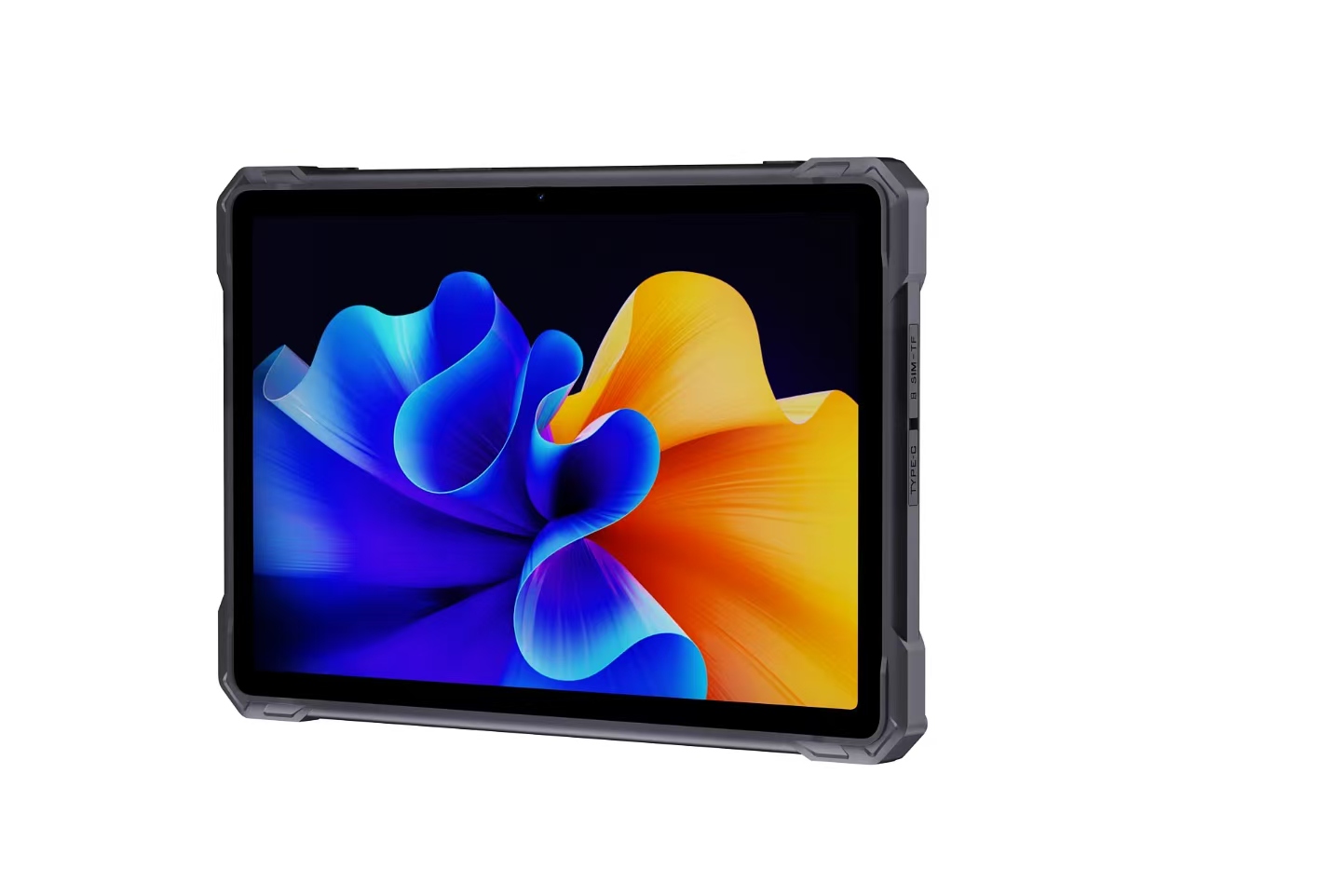
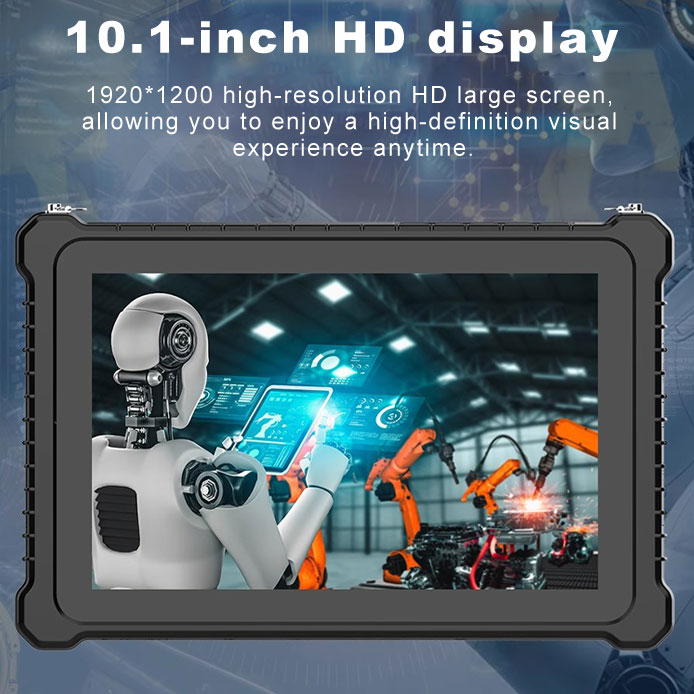
This 10-inch Android rugged tablet is designed for...
P11 Series Next-Gen Enterprise Rugged Industrial ...
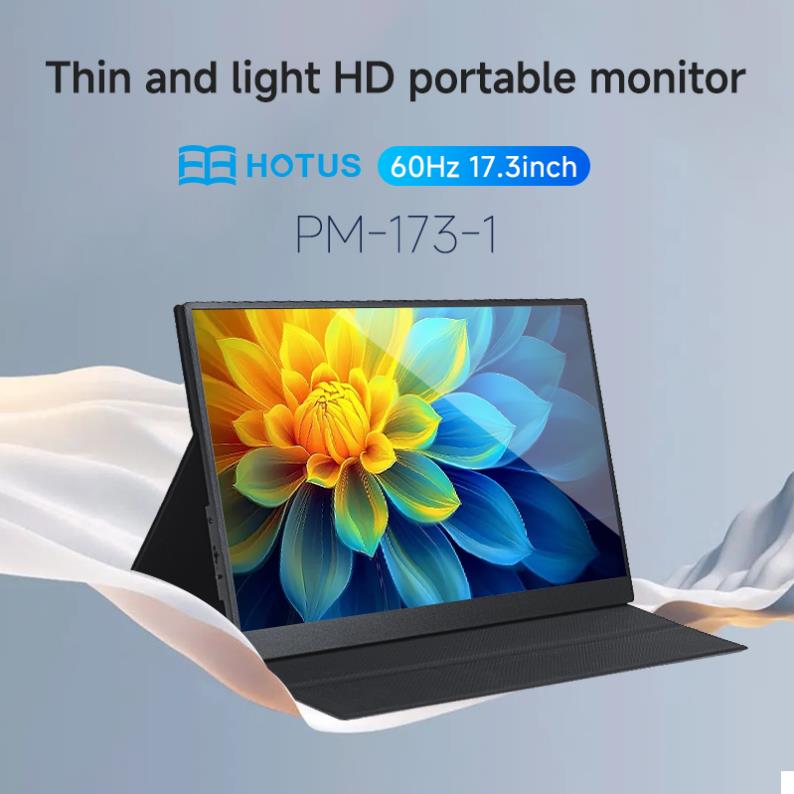
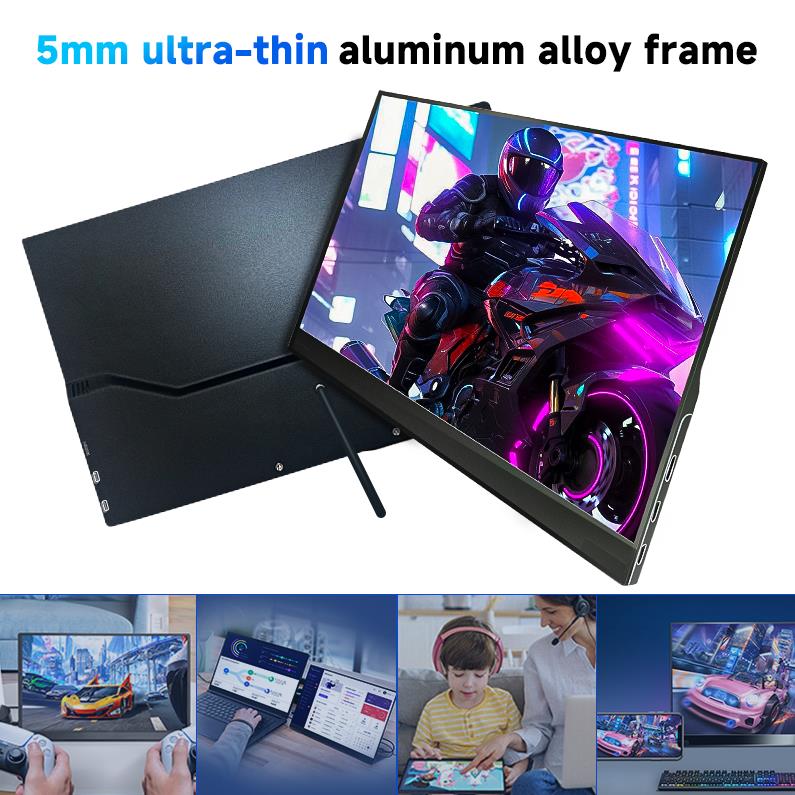
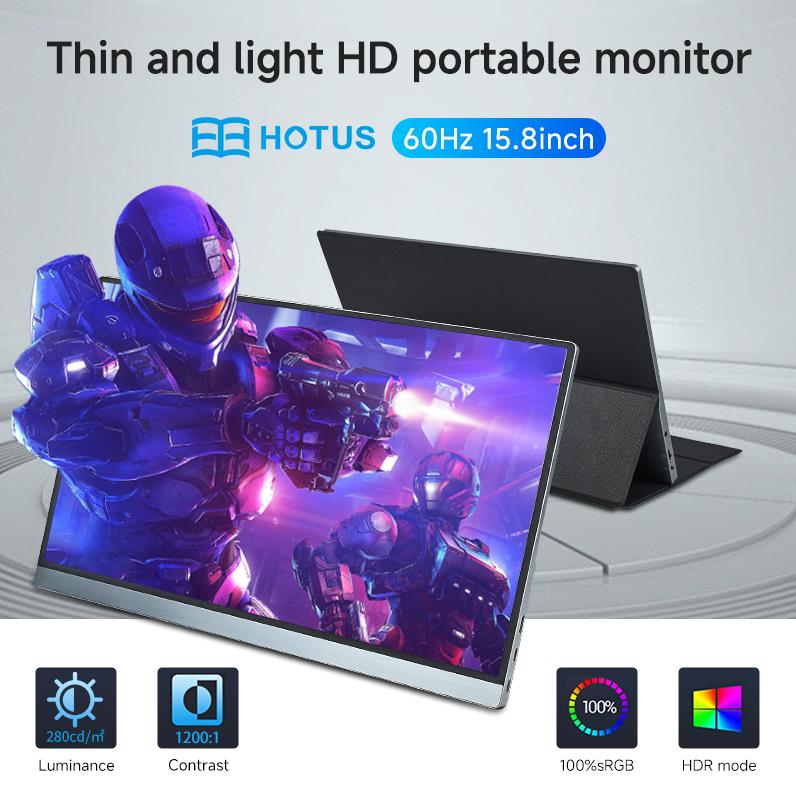
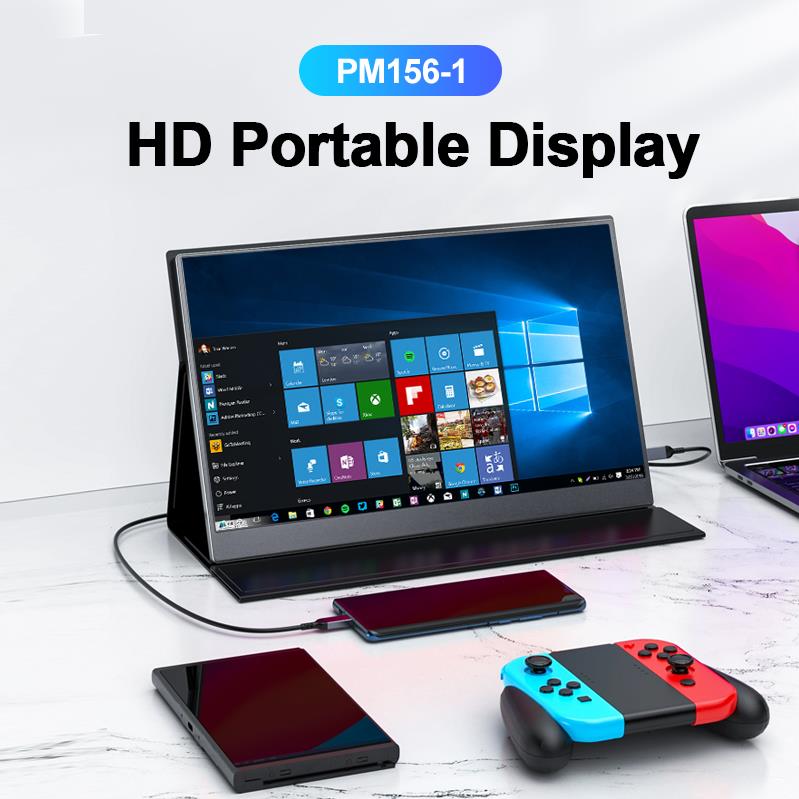
The PM156-1 is a 15.6-inch portable PC monitor fea...
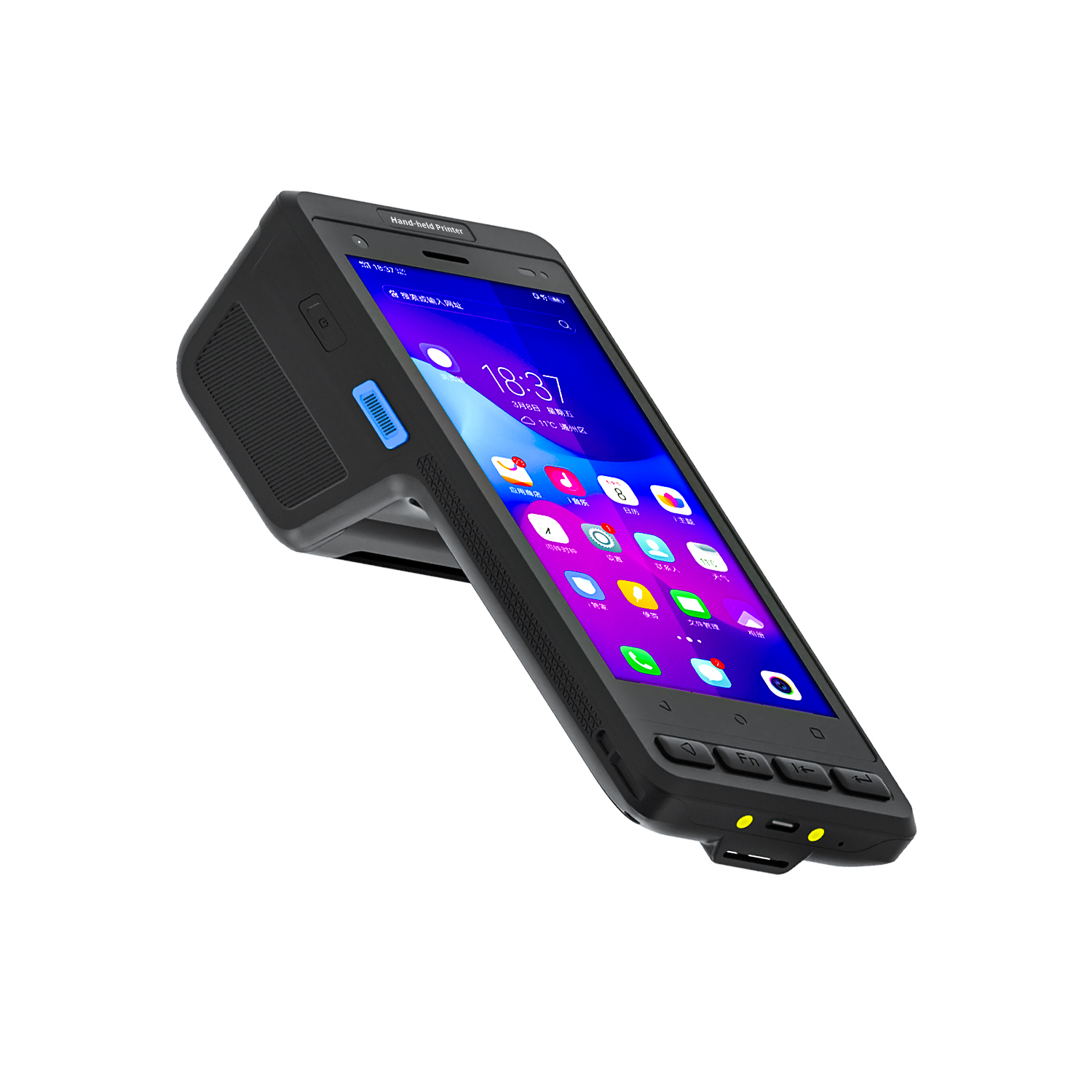
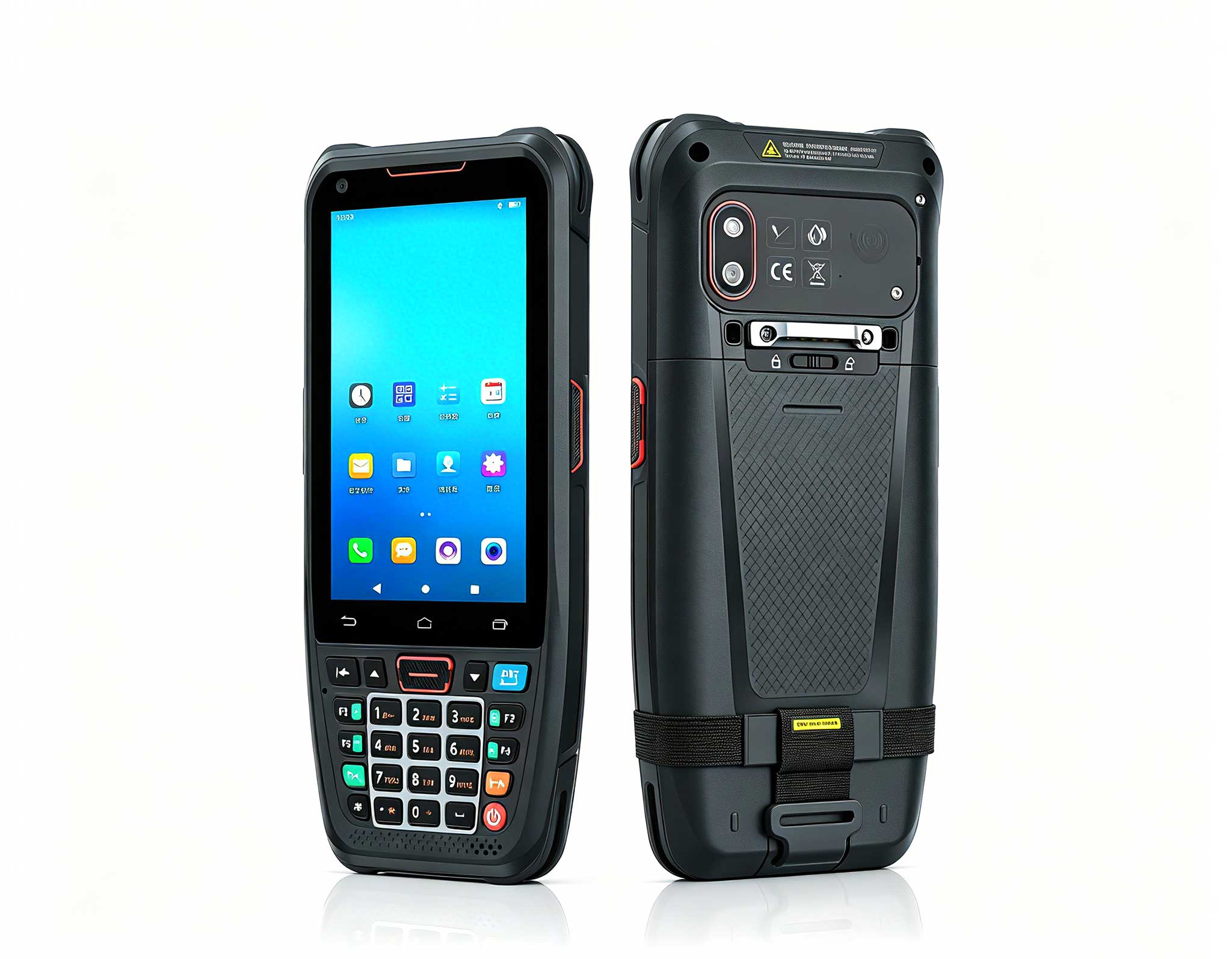
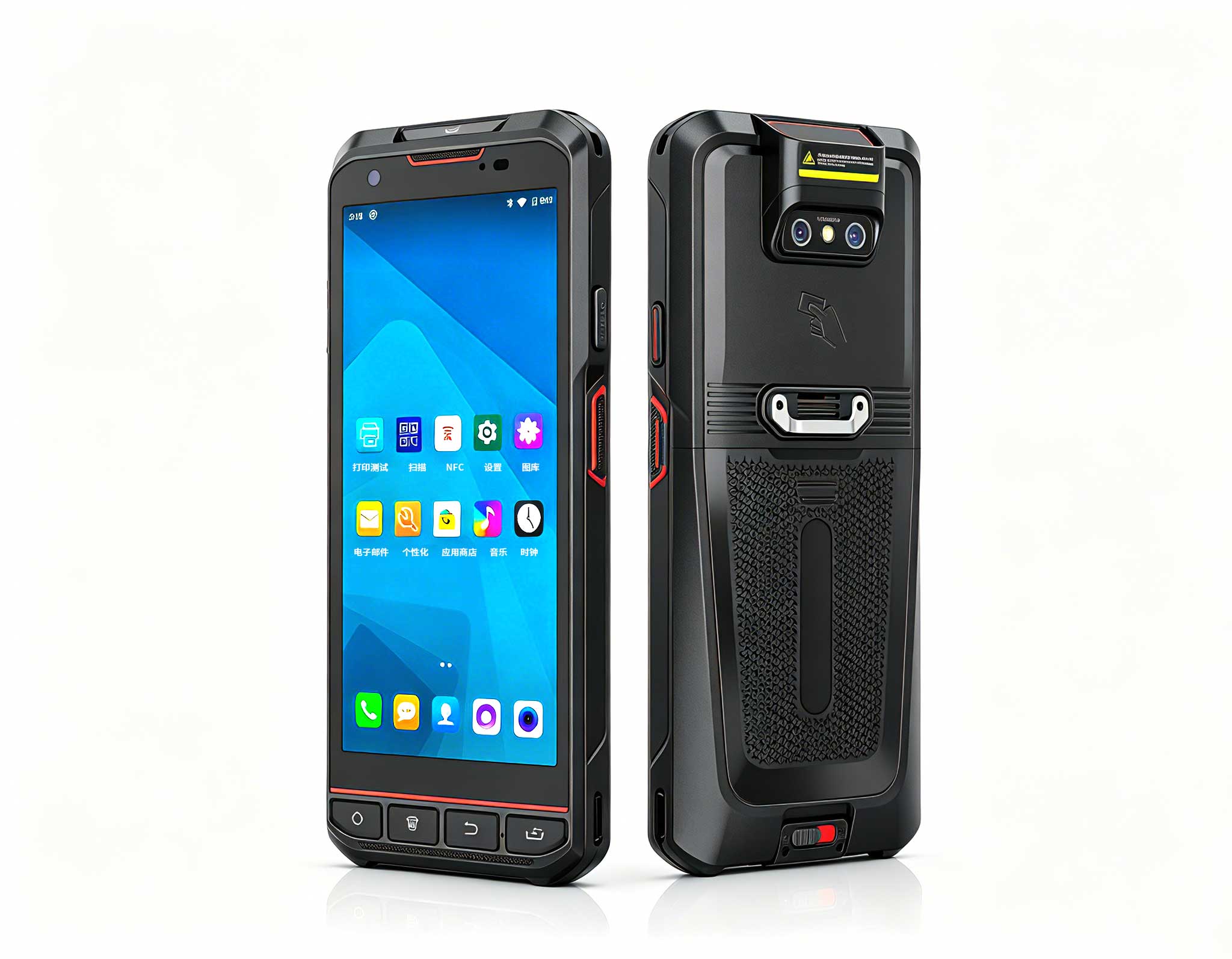
The N40 Android smart PDA features a Cortex-A53 qu...
The X501 Handheld PDA combines advanced barcode sc...
P11 Series Next-Gen Enterprise Rugged Industrial ...
This 10-inch Android rugged tablet is designed for...
After spending a decade deploying point-of-sale hardware across grocery chains, boutique stores, and high-traffic food courts, I’ve learned one hard truth: the operating environment of a retail POS system is uniquely brutal. It’s not just about processing transactions quickly. It’s about surviving a dropped shopping cart, a spilled latte, three years of 24/7 uptime, and a dusty back-office shelf. When a POS fails, you lose revenue, customer trust, and employee morale. That’s why I always tell retailers to stop thinking like a consumer and start thinking like an industrial engineer. The right Mini PC isn’t a luxury; it’s the backbone of your store’s operational stability. In this post, I’ll walk you through two specific models from Hotus Technology that I’ve personally stress-tested for POS environments, and I’ll show you exactly how to choose the right one to avoid the most common failure points.
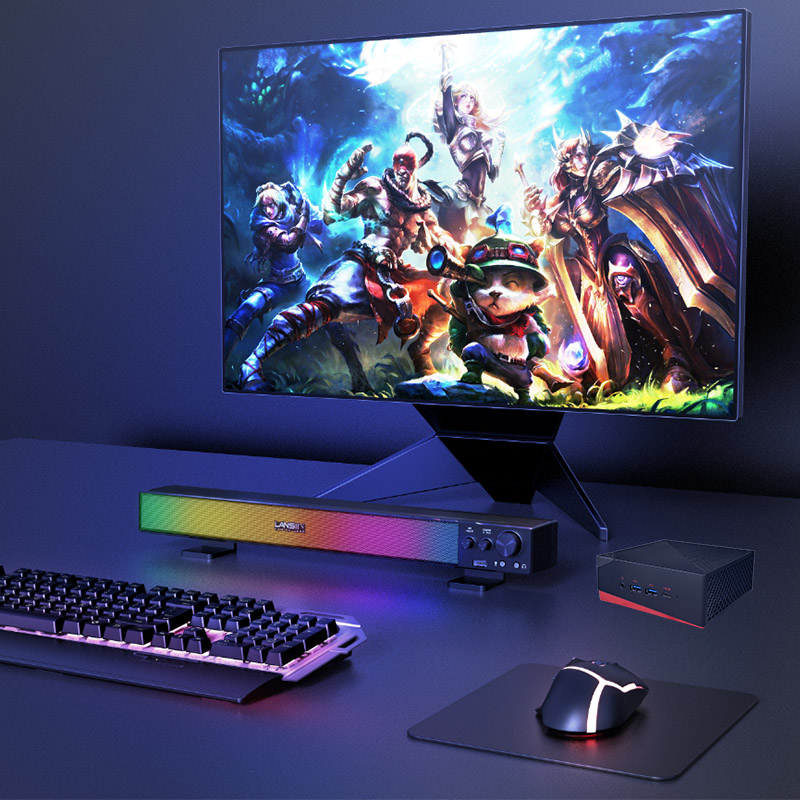
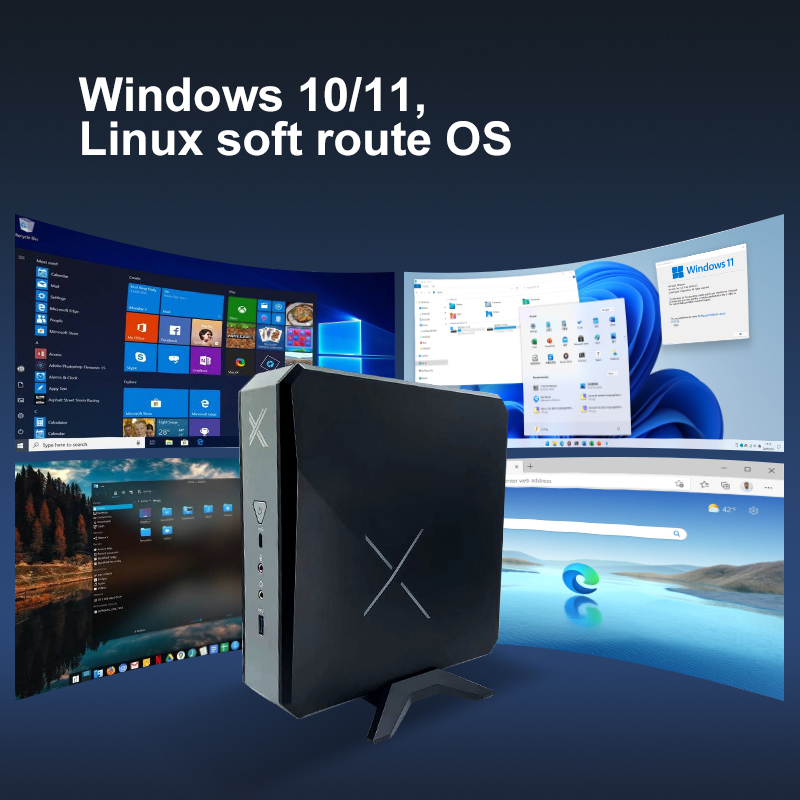
For any retail manager who has ever struggled with a bulky tower under a cramped counter, the Palm-sized miniPC is a revelation. I’ve seen these deployed in high-density environments like pharmacy checkout lanes and coffee kiosks where every square inch of counter space is prime real estate for merchandise. The core engineering here is about thermal efficiency and vibration resistance. Unlike standard consumer desktops that overheat when tucked into a closed cabinet, this unit uses a fanless thermal design and a solid-state storage architecture. I’ve had one running for 18 months in a bakery where flour dust is a constant threat, and it never skipped a beat. Its compact form factor also makes it incredibly easy to mount behind a monitor or under a shelf, dramatically reducing cable clutter—a major source of connectivity faults in older POS setups.
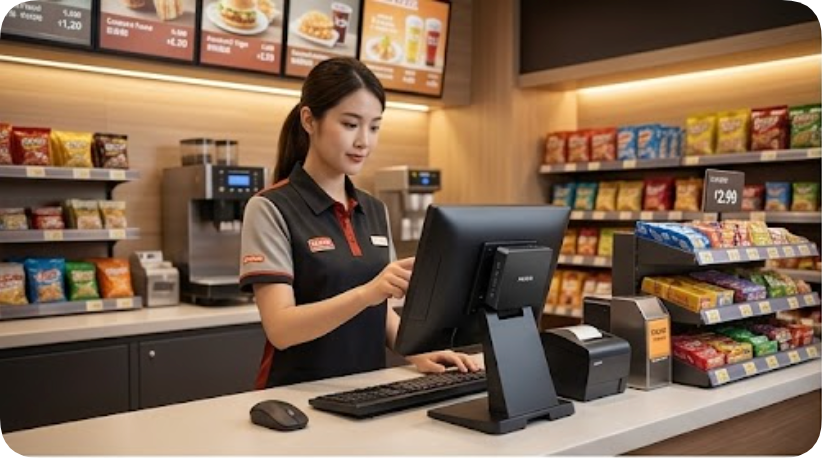
When a retail environment demands more than just transaction processing—think heavy inventory management, real-time analytics dashboards, or running a loyalty program with a complex database—the HCAR5000 MI is the correct tool for the job. I recommend this model specifically for department stores, large electronics retailers, and any POS system that also acts as a back-office server. The AMD Ryzen 5000H series processor gives it the headroom to handle multiple 4K displays simultaneously, which is critical for modern POS interfaces that include high-resolution product images and customer-facing screens. From a troubleshooting perspective, the HCAR5000 MI excels in environments with fluctuating power quality. Its robust power circuitry and industrial-grade capacitors provide a wider tolerance for voltage spikes, a common cause of sudden POS reboots in older buildings. I’ve also found its memory configuration to be particularly forgiving when running memory-intensive retail management software, reducing the dreaded application freeze during a busy checkout rush.
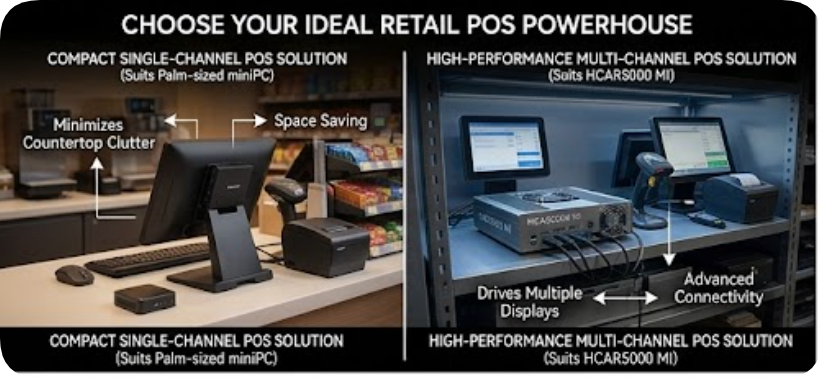
| Feature | Palm-sized miniPC | HCAR5000 MI |
|---|---|---|
| Processor | Intel Celeron / Pentium (Low Power) | AMD Ryzen 5000H Series (High Performance) |
| Memory (RAM) | Up to 8GB DDR4 | Up to 64GB DDR4 |
| Storage | 64GB eMMC / 128GB SSD | M.2 NVMe SSD up to 1TB |
| Cooling System | Passive (Fanless) | Active (Dual Heat Pipes + Fan) |
| Ingress Protection (IP Rating) | IP40 (Dust resistant) | IP42 (Dust & light splash resistant) |
| Video Outputs | 1x HDMI, 1x VGA | 2x HDMI, 1x DisplayPort |
| Power Input | 12V DC (Low consumption) | 19V DC (High stability) |
| Best POS Scenario | Single lane kiosk, fast food, bakery | Multi-lane retail, department store, server |
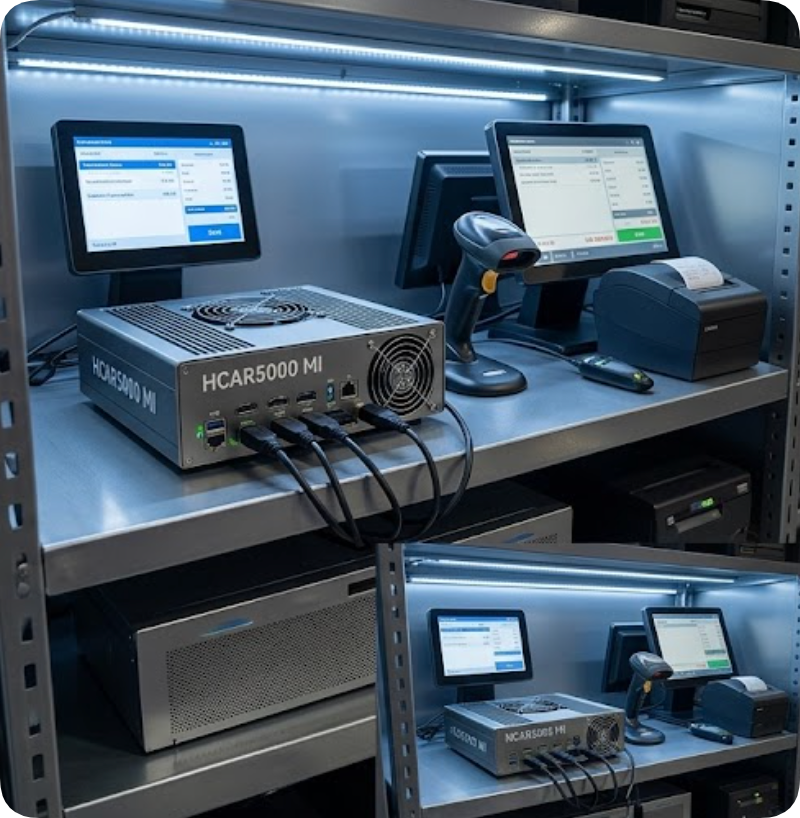
When you are troubleshooting a POS failure, the root cause often points back to a mismatch between the hardware’s design and the store’s physical environment. Here are the key considerations I use with my clients. If your main fault is overheating and system crashes, especially in a dusty or enclosed space like a restaurant counter, you need the passive cooling of the Palm-sized miniPC. If your fault is slow transaction processing or software lag during peak hours, the HCAR5000 MI’s superior processor and memory bandwidth will eliminate that bottleneck. For environments where space is the primary constraint and you need a system that can be hidden away, the Palm-sized miniPC is unbeatable. Conversely, if you need to run multiple peripherals (scanners, scales, receipt printers) and drive two or three customer-facing monitors without video signal degradation, the HCAR5000 MI’s multiple video outputs and higher power budget are non-negotiable. Always consider the physical location of the unit: a fanless design is safer for a kitchen environment, while a more powerful active-cooled unit is necessary for a high-traffic retail floor where speed is everything.
My take: In my years of field work, I’ve seen too many retailers buy a cheap consumer desktop only to replace it within a year. The upfront cost of a purpose-built Mini PC pays for itself in avoided downtime and maintenance calls. Don’t cut corners on the hardware that runs your revenue.
You don’t have to wait for the next crash to rethink your retail infrastructure. Whether you need the ultra-compact reliability of the Palm-sized miniPC for a single checkout lane or the raw computing power of the HCAR5000 MI for a complex retail operation, Hotus Technology builds the hardware that keeps your business running. Don’t let a faulty POS system define your customer’s experience. Contact our sales team to discuss your specific retail setup and get a quote for the model that fits your environment. Your bottom line will thank you.