- Select Language
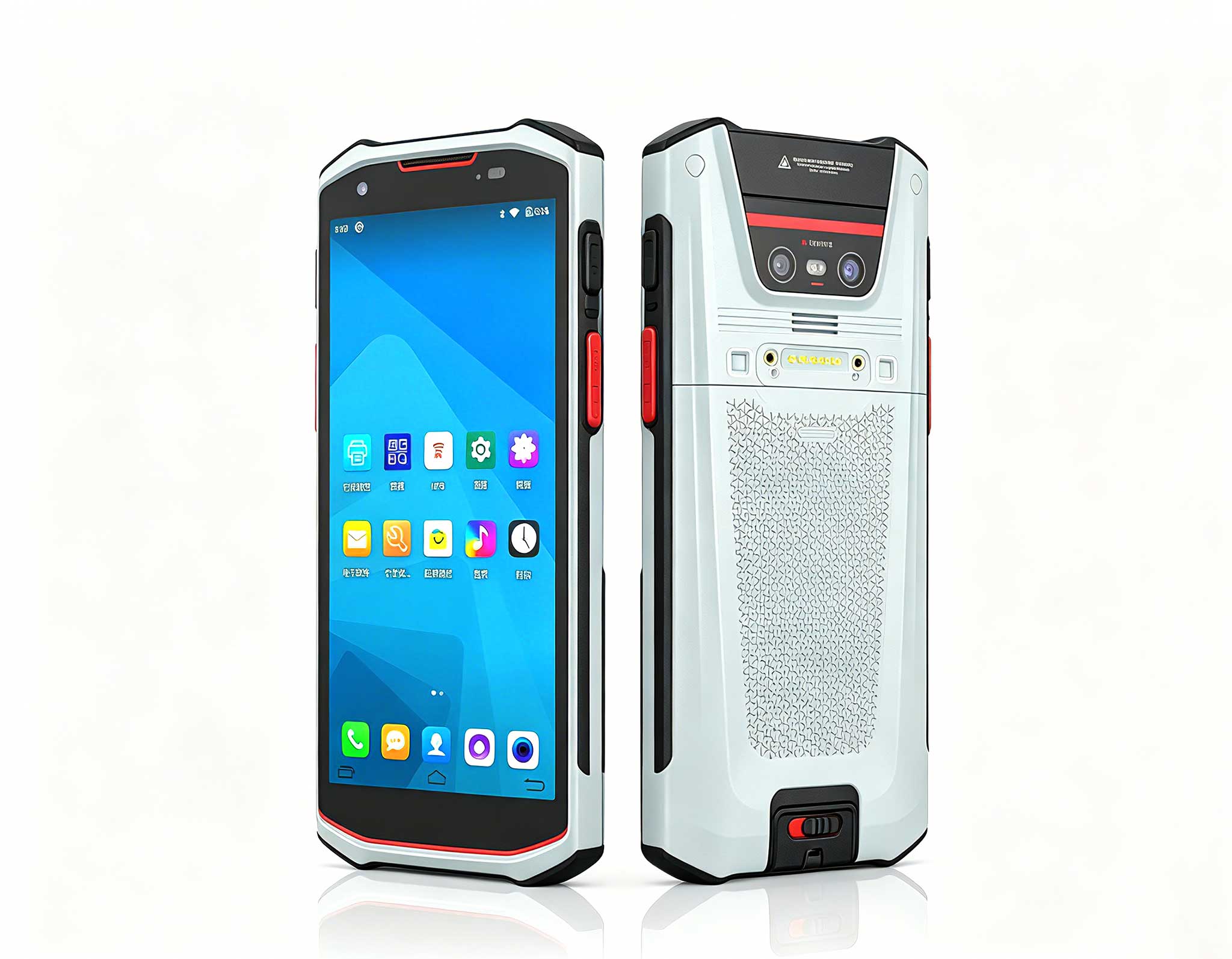
The N60 PDA is a cutting-edge device for inventory...
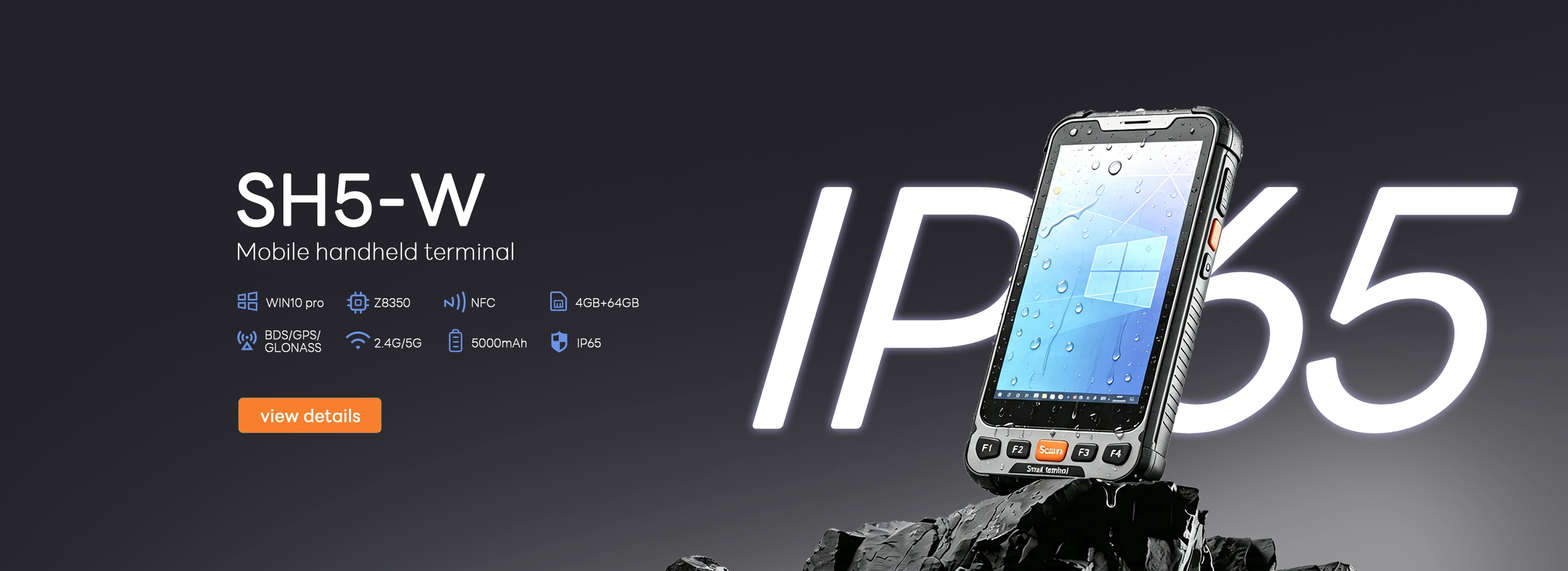
Full SpecificationsModel Hotus SH5‑WOperating ...
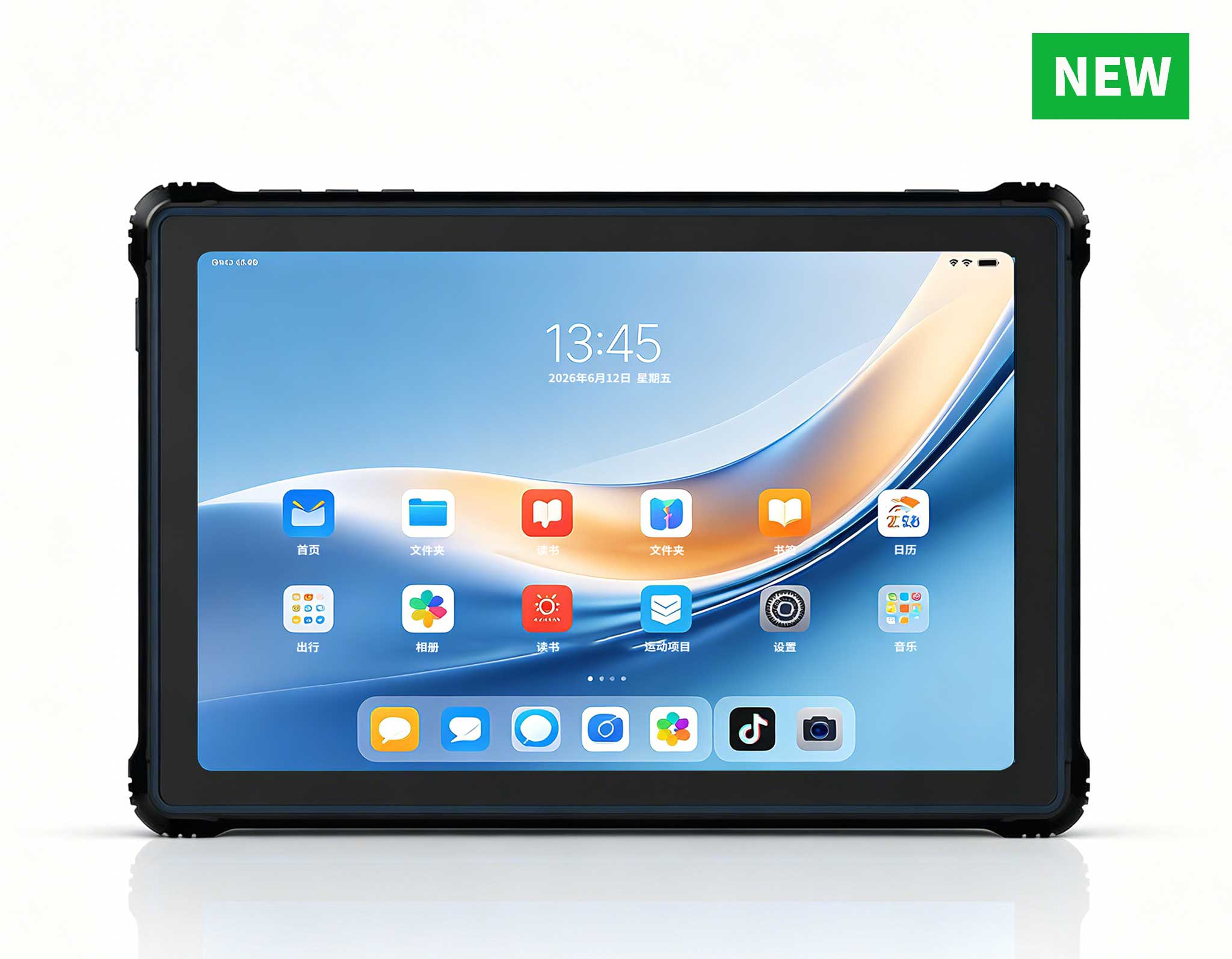
RT81 4G Rugged Tablet | 10.1" FHD 400nit | Qu...
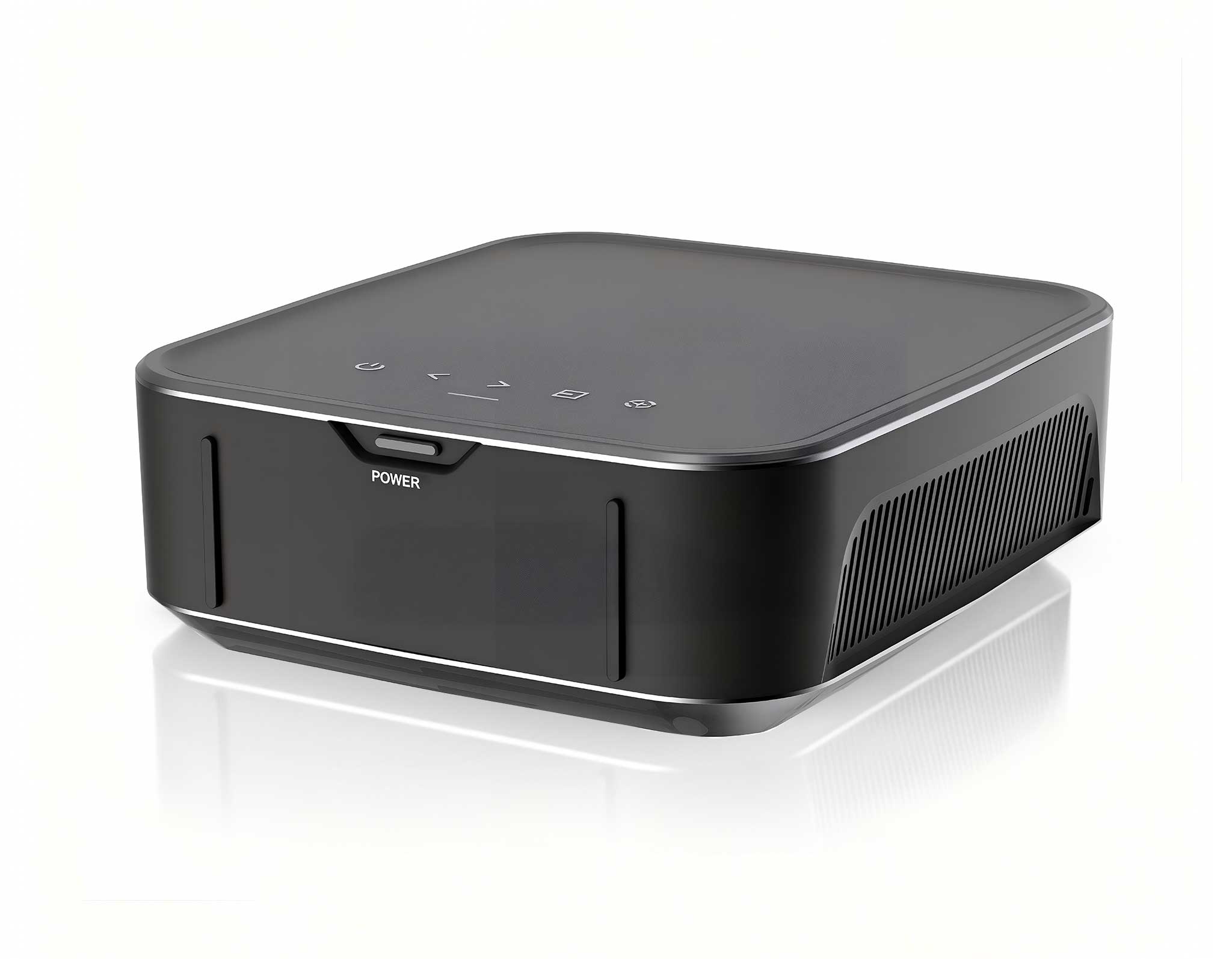
One Device, Dual Functions – A Projector and a Com...
Maintenance instructions: Store at room temperatur...
Explore our customized PDA designed for versatile ...
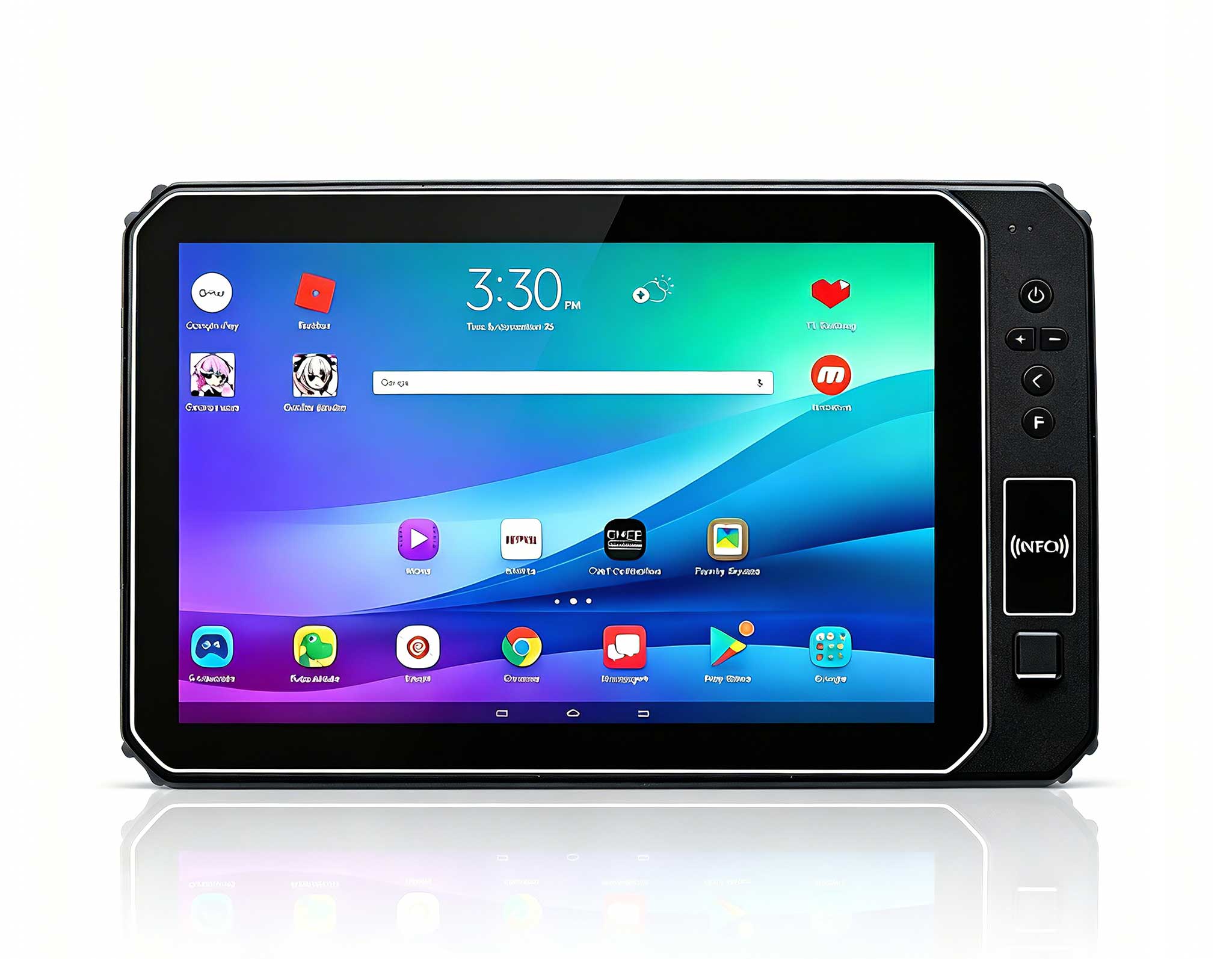
This 10-inch Android rugged tablet is designed for...
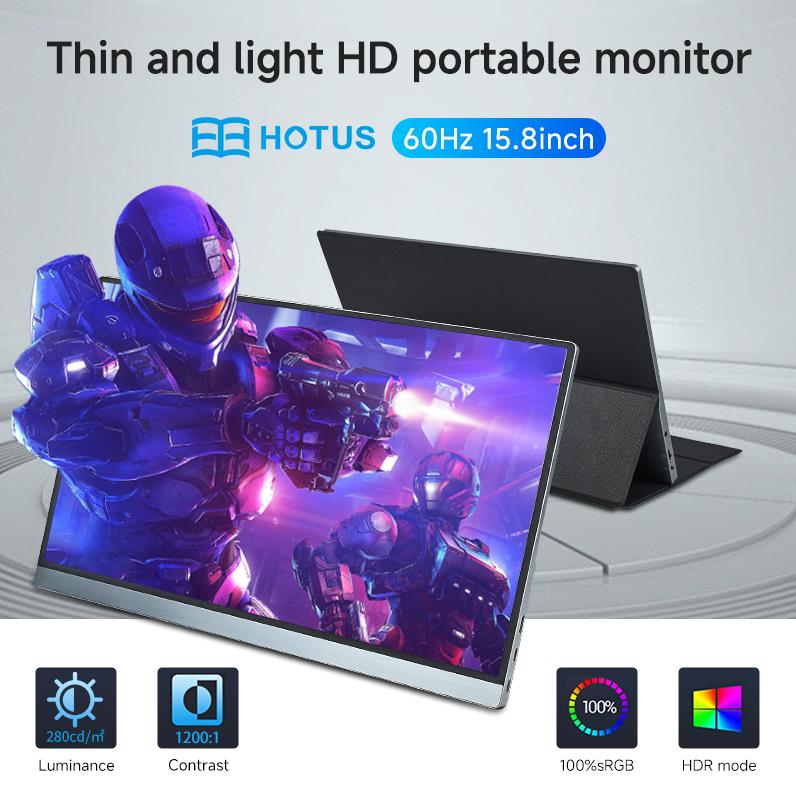
The PM158-1 is a 15.6-inch portable touchscreen mo...
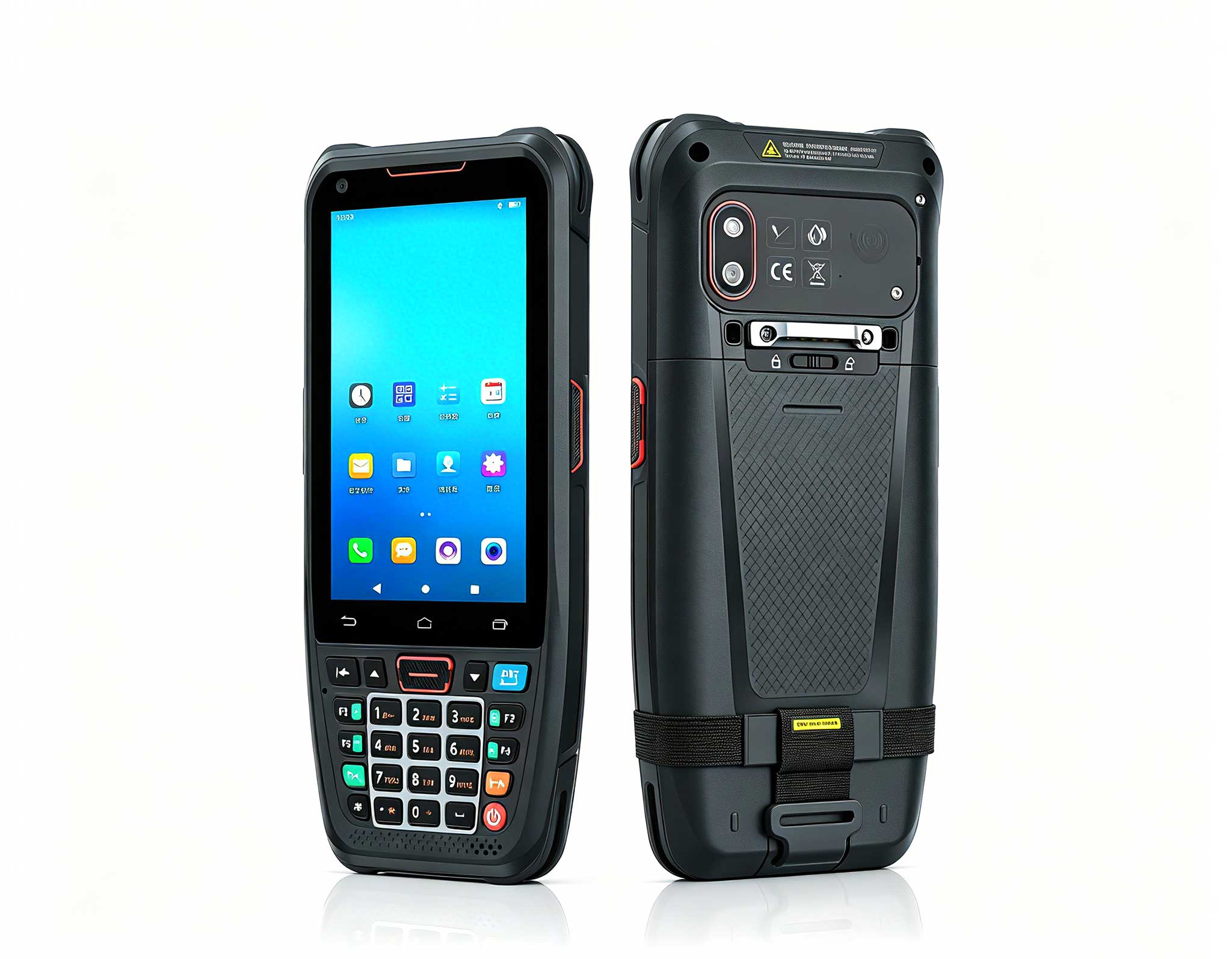
The N40 Android smart PDA features a Cortex-A53 qu...
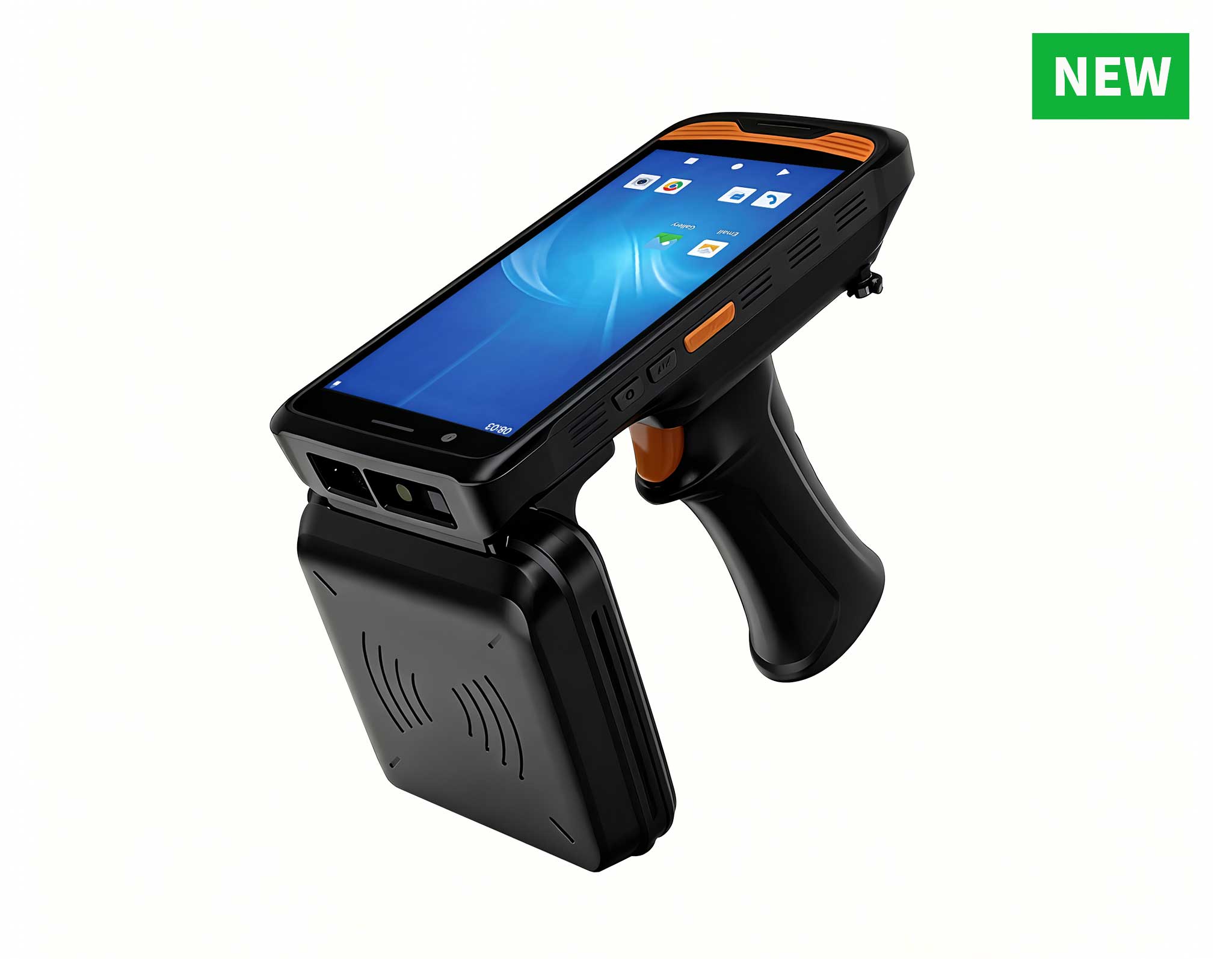
R366C-S 5.5-inch Industrial UHF RFID Reader | Qual...
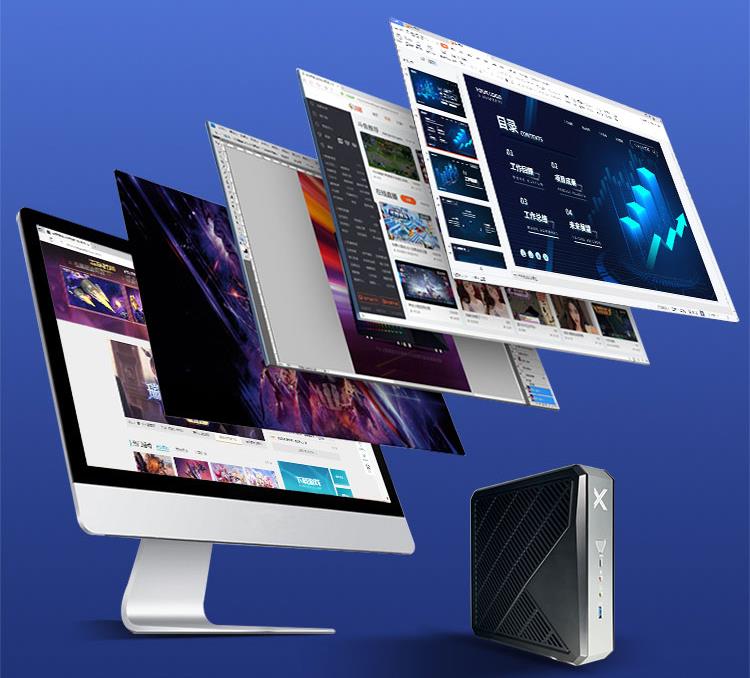
From my perspective analyzing enterprise IT infrastructure over the last decade, the shift toward virtual desktop cloud terminals is no longer a futuristic concept—it is a present-day necessity. Organizations are grappling with the need to provide secure, remote access to centralized computing resources while minimizing hardware costs and physical footprint. In this environment, the traditional bulky desktop tower is becoming obsolete. The industry trend is clear: we are moving toward ultra-compact, energy-efficient endpoints that serve as pure gateways to the cloud. This is precisely why a Palm-sized Mini PC is the ideal candidate for modern VDI deployments. It delivers the processing power needed to handle high-definition video streams and peripheral connections, all within a chassis that fits in your hand, making it a transformative tool for space-constrained and security-conscious environments.
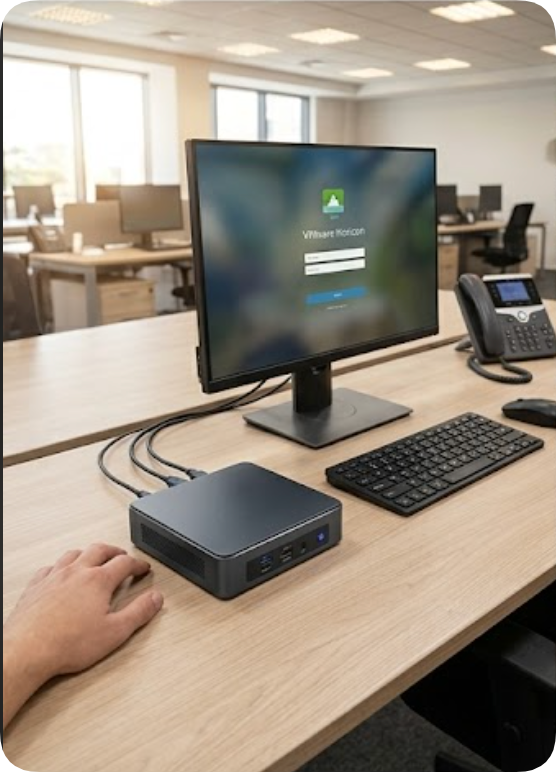
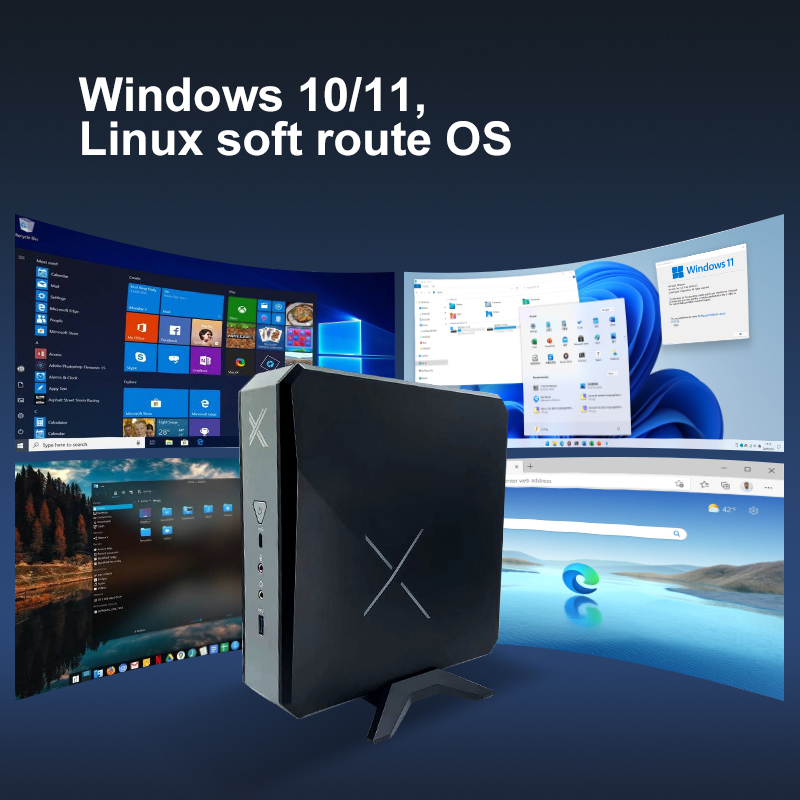
When we talk about a dedicated thin client for virtual desktop infrastructure, the Palm-sized miniPC from Hotus Technology stands out as a purpose-built solution. Its positioning is clear: it is a high-performance cloud terminal designed to replace legacy PCs in call centers, hospitals, and educational labs. The core parameters include a low-power but capable processor, support for up to 16GB of RAM, and multiple display outputs for multi-monitor productivity. The best scenario for this device is in any environment where desk space is at a premium and IT administrators need a zero-client experience that is easy to deploy and manage remotely. Its fanless design also ensures silent operation, which is critical in open-plan offices and libraries.
The industry is rapidly adopting centralized computing models to enhance data security and reduce maintenance overhead. By deploying a Palm-sized miniPC as a cloud terminal, businesses can extend the lifecycle of their hardware investments. Unlike traditional PCs that require frequent upgrades, these mini PCs act as stateless endpoints. All processing happens on the server side, meaning the terminal only needs to be powerful enough to decode video streams and handle USB redirection. This shift aligns perfectly with the growing demand for sustainable IT practices, as smaller devices consume less power and generate less e-waste. For organizations looking to implement a dedicated thin client VDI solution, this form factor is the logical next step.
| Feature | Palm-sized miniPC | HCAR5000 MI | WTR PRO AMD |
|---|---|---|---|
| Processor | Intel N100 / AMD Ryzen Embedded (Fanless) | Intel Core i5 / i7 (12th Gen) | AMD Ryzen 7 5800U |
| Memory | 8GB – 16GB DDR4 | 16GB – 32GB DDR4 | 16GB – 64GB DDR4 |
| Storage | 64GB – 256GB eMMC / SSD | 256GB – 1TB NVMe SSD | 256GB – 2TB NVMe SSD |
| Video Output | HDMI 2.0 + DisplayPort (Dual 4K @60Hz) | 2x HDMI 2.0 + USB-C DP (Triple 4K) | HDMI 2.1 + 2x DP (Quad 4K) |
| Network | Gigabit Ethernet + Wi-Fi 6 | 2.5GbE + Wi-Fi 6E | 2.5GbE + Wi-Fi 6E |
| Power Consumption | 6W – 15W (Typical) | 15W – 35W (Typical) | 15W – 45W (Typical) |
| Dimensions | 115 x 75 x 30 mm | 180 x 130 x 35 mm | 180 x 130 x 35 mm |
| Best Use Case | VDI terminals, digital signage, kiosks | Advanced VDI, light local processing | GPU-accelerated VDI, multimedia workloads |
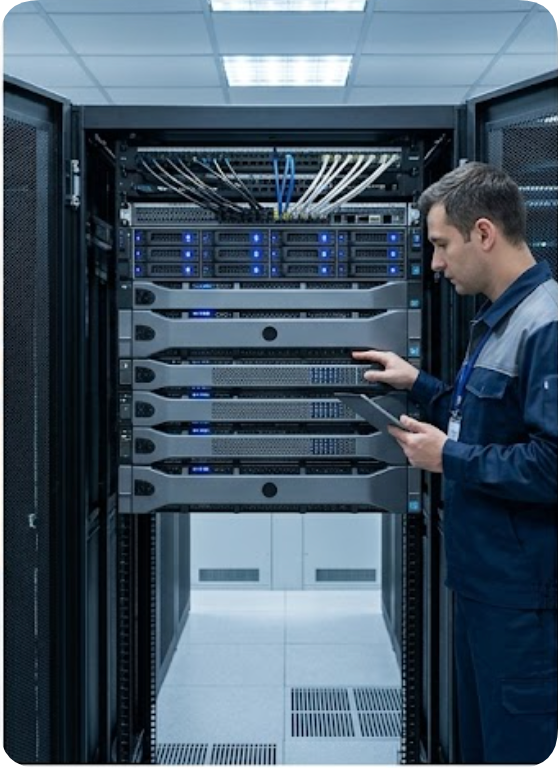
Selecting the correct cloud terminal depends on three key factors: user density, peripheral requirements, and security protocols. For high-density environments like a 200-seat call center, the Palm-sized miniPC excels because of its low power draw and small footprint. If your users require multiple monitors for data analysis or design review, ensure the terminal supports dual 4K output, which this model does. For healthcare or finance sectors where data never leaves the server, a fanless, tamper-resistant design is critical. Additionally, consider management software compatibility; the Palm-sized miniPC supports standard VDI protocols like PCoIP and HDX, ensuring seamless integration with VMware Horizon or Citrix environments. Always prioritize devices that offer passive cooling to eliminate moving parts and increase reliability. For deployments needing extra processing headroom for local task offloading, the HCAR5000 MI offers a higher-core-count alternative, while the WTR PRO AMD provides an AMD-based option with integrated Radeon graphics for video-rich workloads.
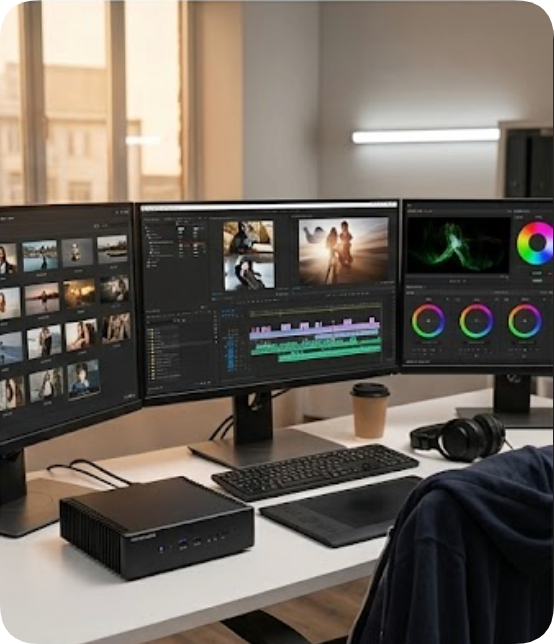
As the industry continues to evolve, having a reliable hardware partner is essential. Hotus Technology has engineered the Palm-sized miniPC to meet the rigorous demands of 24/7 operation. Whether you are upgrading an existing virtual desktop infrastructure or building a new cloud lab from scratch, this device delivers enterprise-grade performance in a consumer-friendly form factor. To see how this device compares with other models and read more about deployment strategies, explore our mini PC solutions for detailed case studies and technical whitepapers.
Don't let bulky hardware hold back your digital transformation. Contact our sales team today for a free consultation and demo unit of the Palm-sized miniPC. We offer volume pricing for enterprise deployments and custom BIOS configurations to match your security policies. Step into the future of virtual desktop cloud terminals with Hotus Technology.