- Select Language
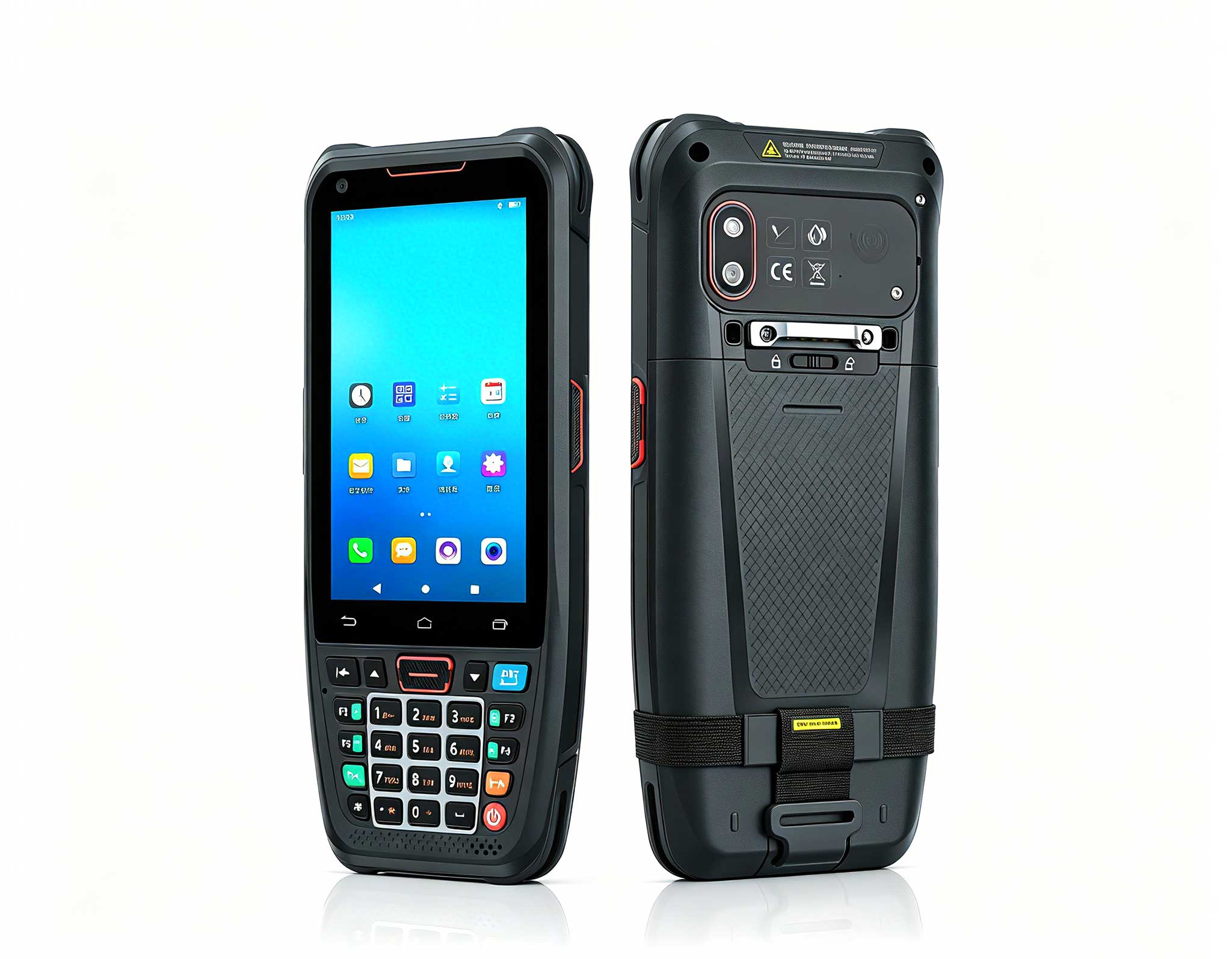
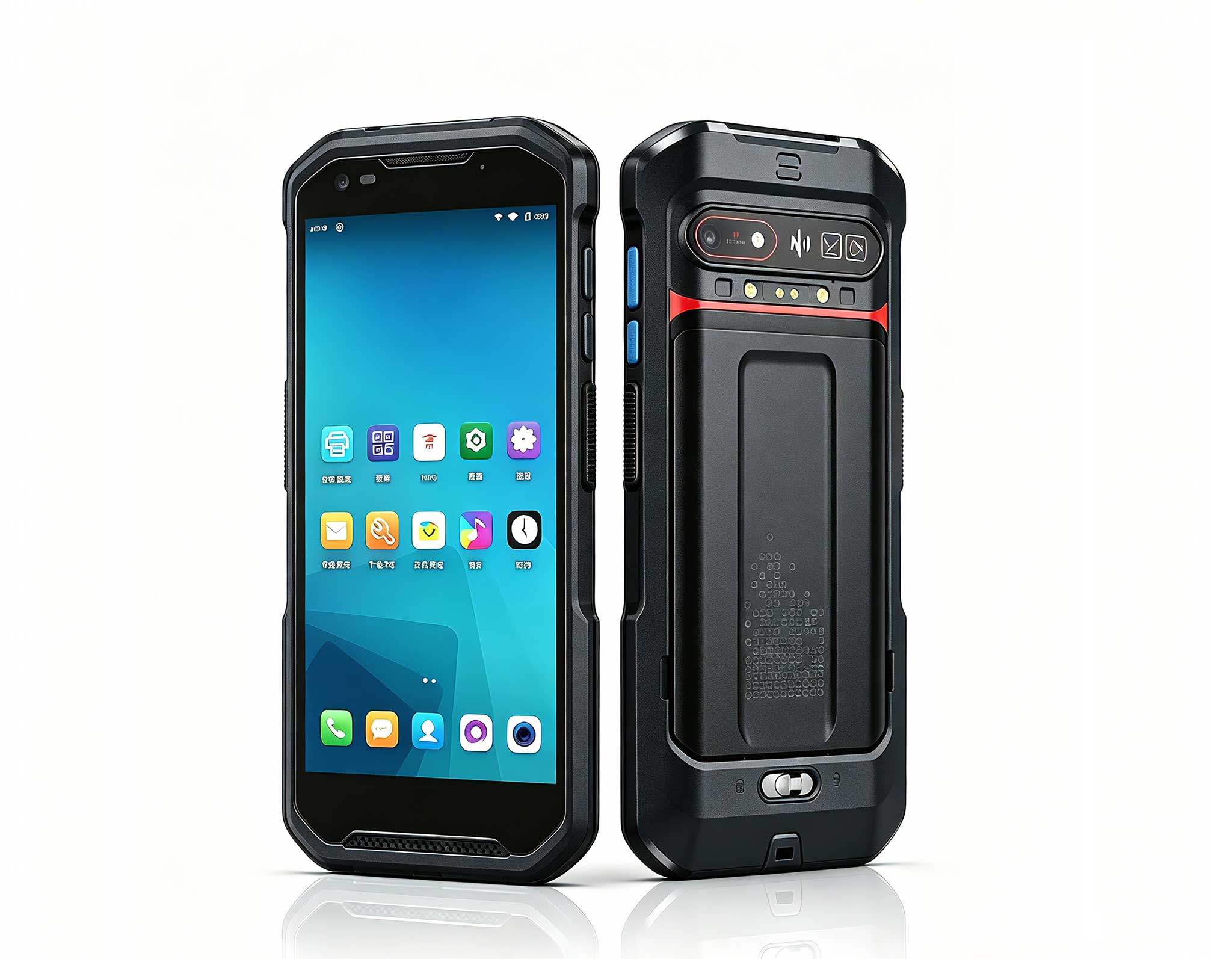
The N40 Android smart PDA features a Cortex-A53 qu...
Full SpecificationsModelHotus ST13‑UOSWindows 10 P...
The F505 Handheld PDA is a compact, high-performan...
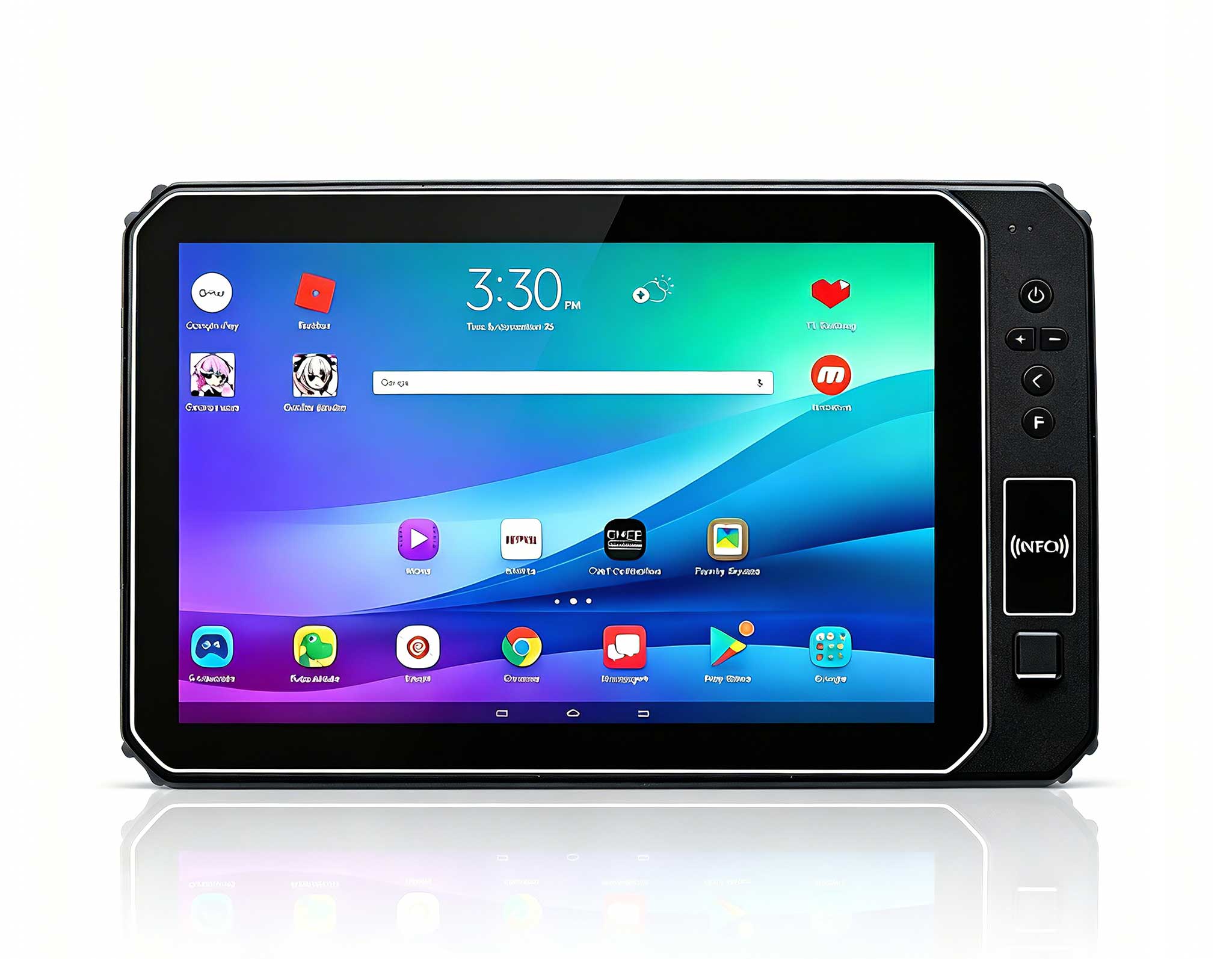
This 10-inch Android rugged tablet is designed for...
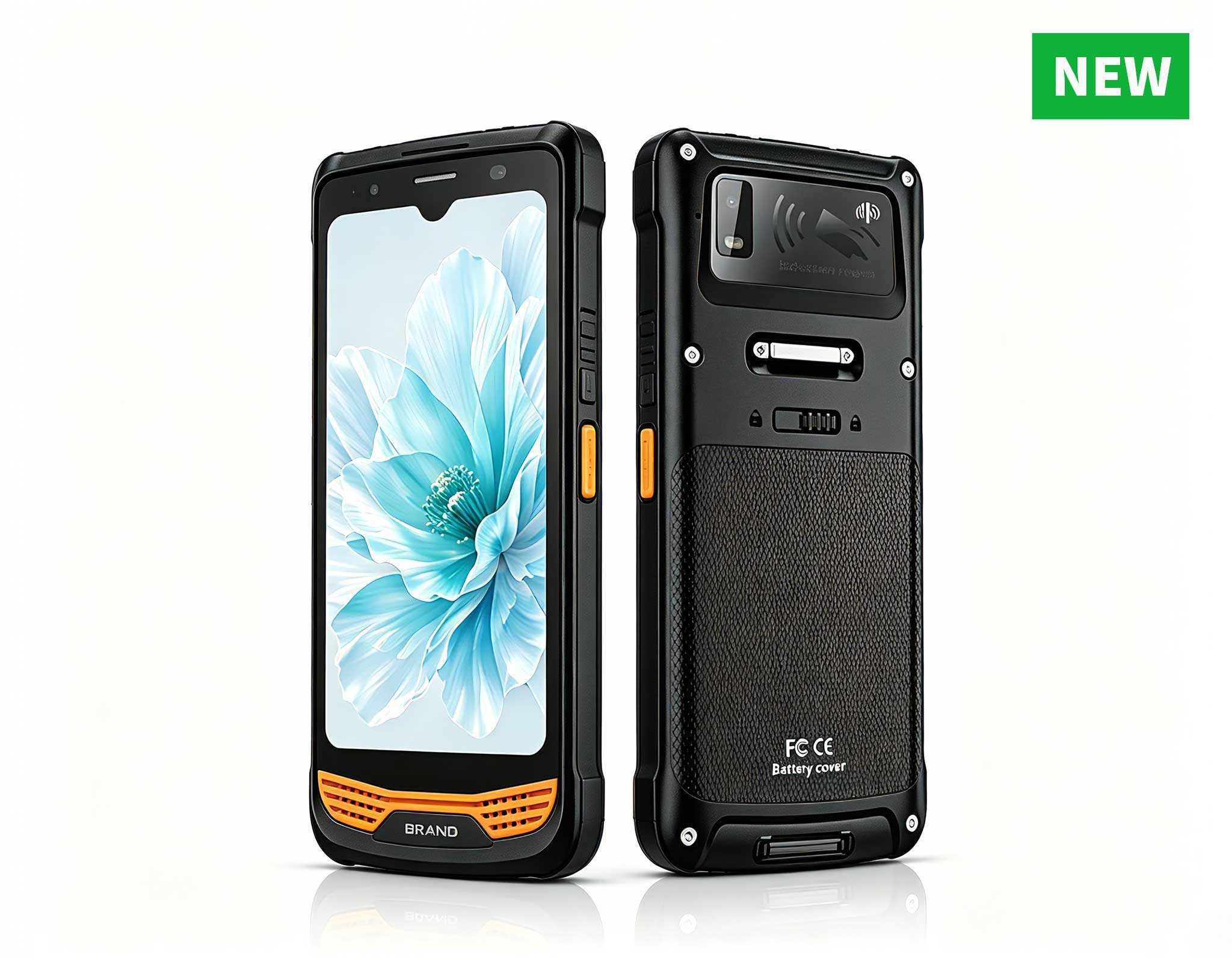
R366-S Thin 5.5-inch Industrial PDA | Qualcomm Oct...
Technical SpecificationsModel: Palm-sized miniPCTy...
R366C-S 5.5-inch Industrial UHF RFID Reader | Qual...
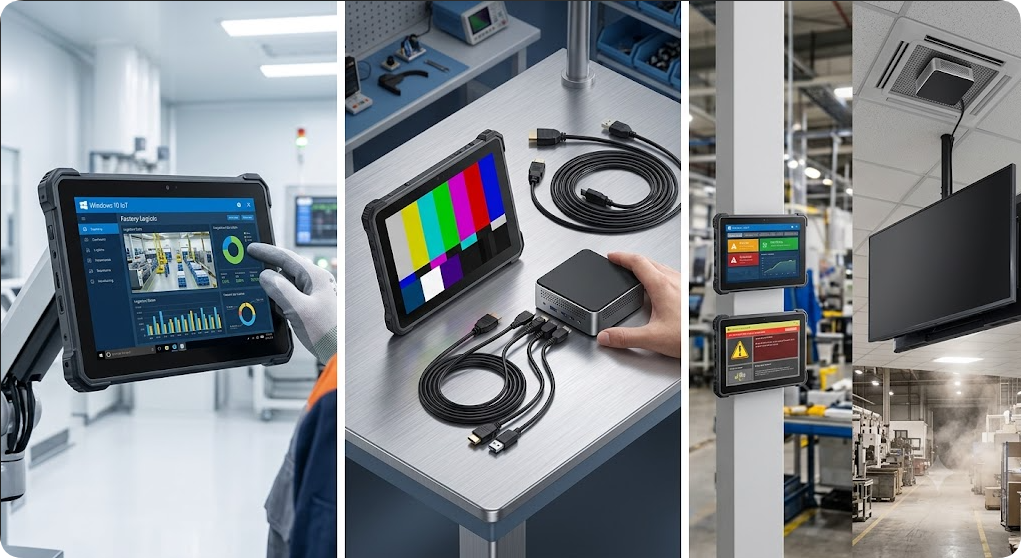
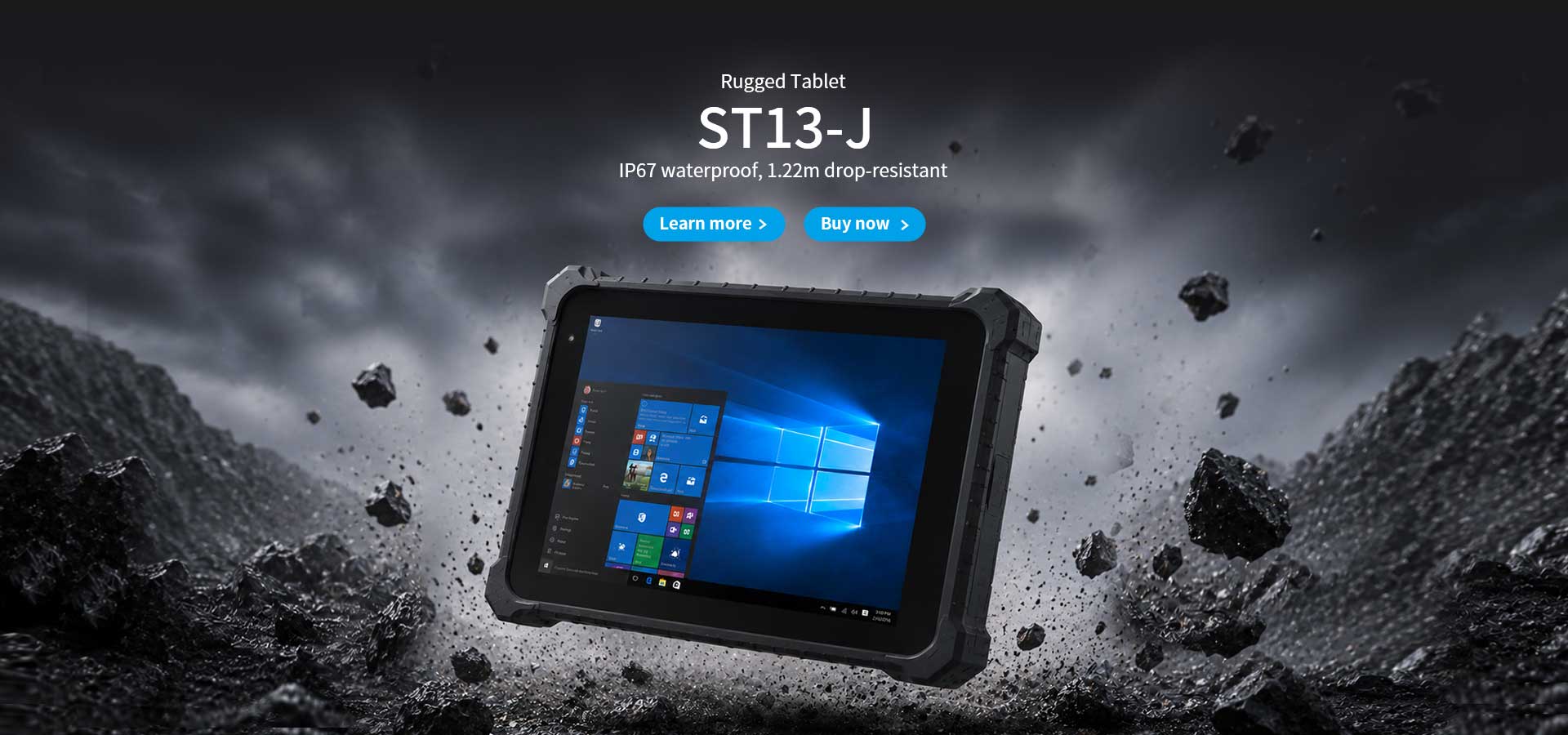
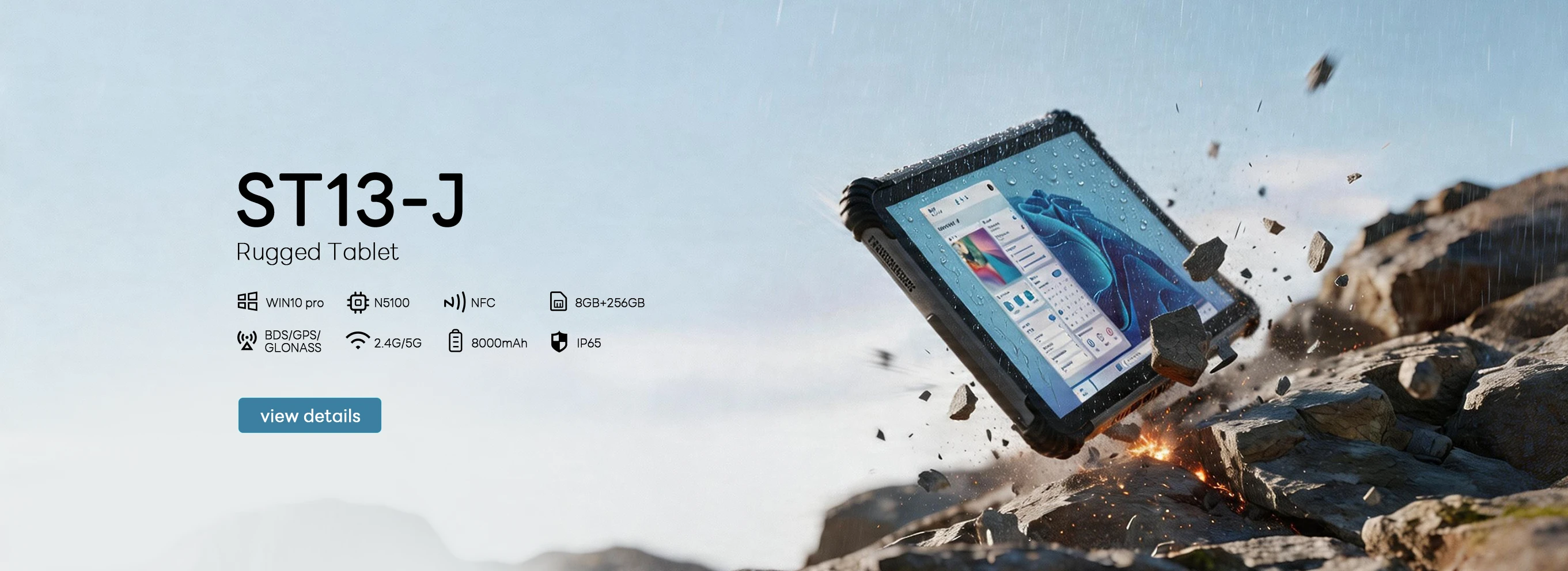
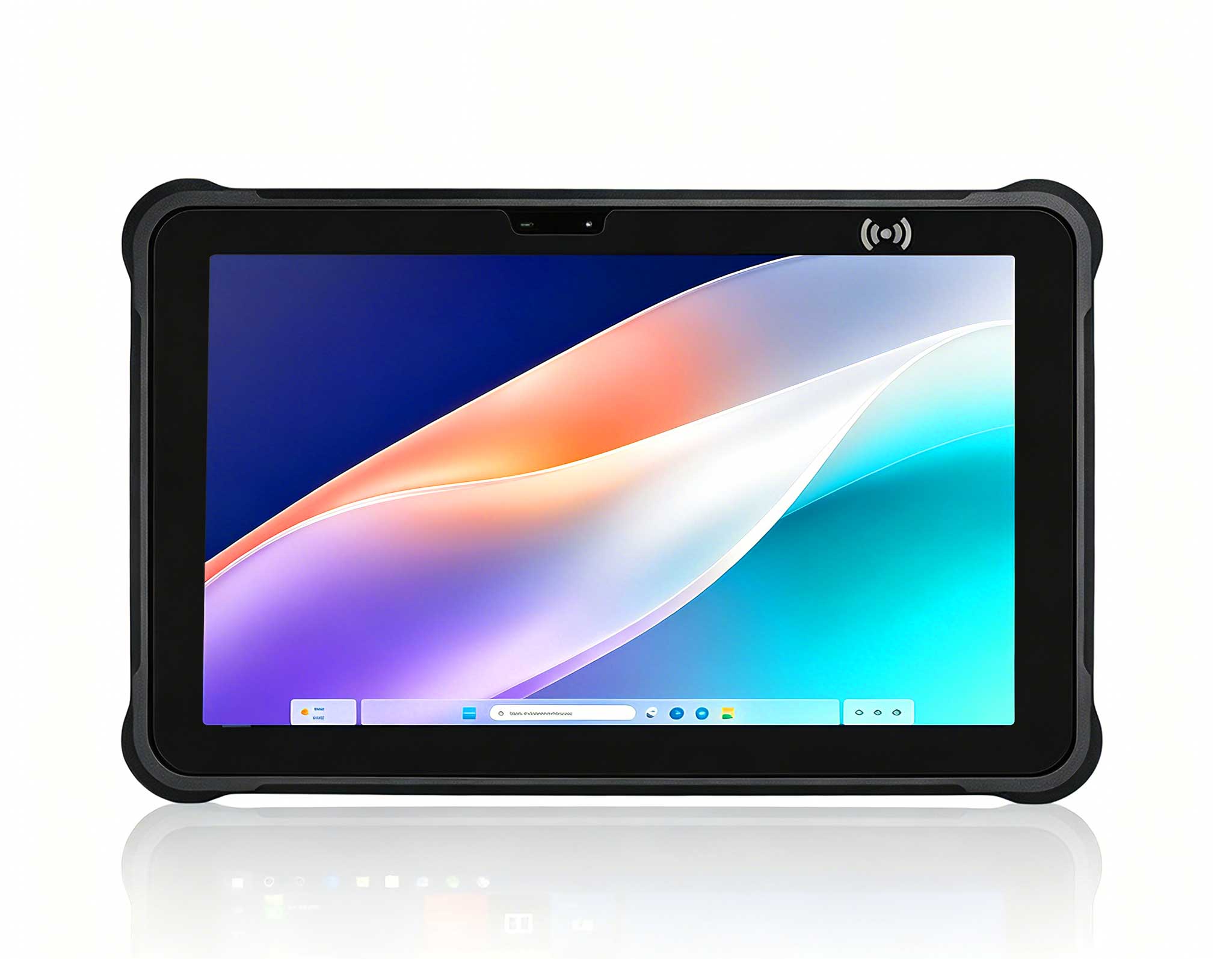
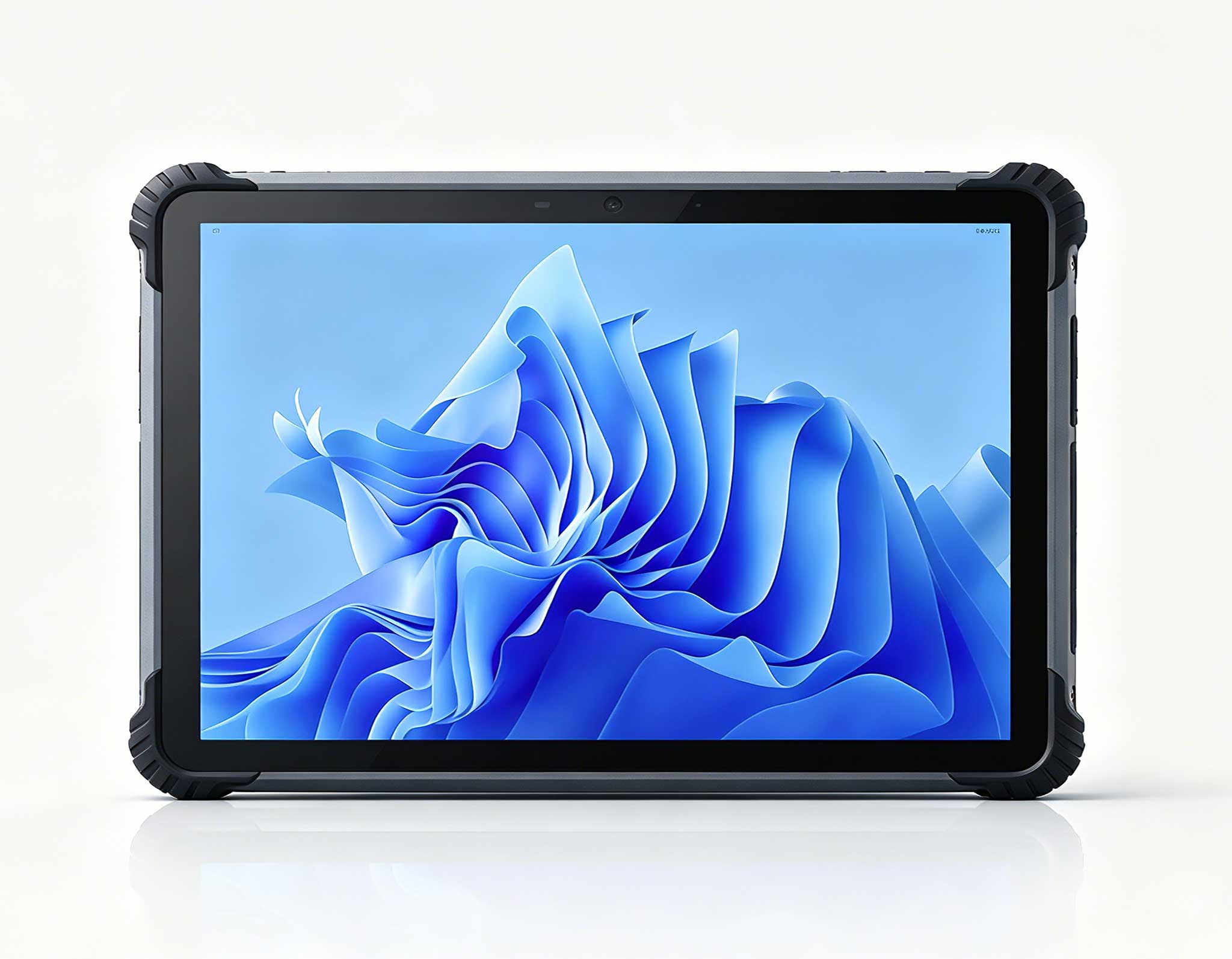
When launching a digital signage project, the hardware you select is more than a technical decision—it's a strategic move within our Rugged Tablet lineup that impacts your bottom line, user experience, and operational efficiency. At Hotus, we've observed that system integrators and facility managers frequently compare the all-in-one ST11-J 10.1" Windows Rugged Industrial Tablet with the compact Palm-sized miniPC. Although both are capable of delivering content, they are designed for different environments and priorities. This comparison focuses on real-world outcomes across four critical areas: user interaction, scalability, energy efficiency, and lifecycle costs. By the end, you'll have a clear framework for aligning hardware with your deployment goals.
ST11-J: Built for Touch and Direct Engagement
The ST11-J is a self-contained unit featuring a 10.1-inch touchscreen that supports capacitive multi-touch gestures. This makes it an excellent choice for interactive applications like wayfinding kiosks, menu boards with customer feedback, or industrial control panels where operators need to tap and swipe. Running on Windows 10/11 IoT Enterprise, it integrates seamlessly with touch-optimized signage software such as Scala or ScreenCloud. Powered by Intel Celeron or Pentium processors and 4–8 GB RAM, the device can handle 1080p video loops and real-time data updates without lag. The bright, sunlight-readable display ensures visibility in high-traffic areas like retail floors or factory entry points.
Palm-sized miniPC: Dependent on External Display Capabilities
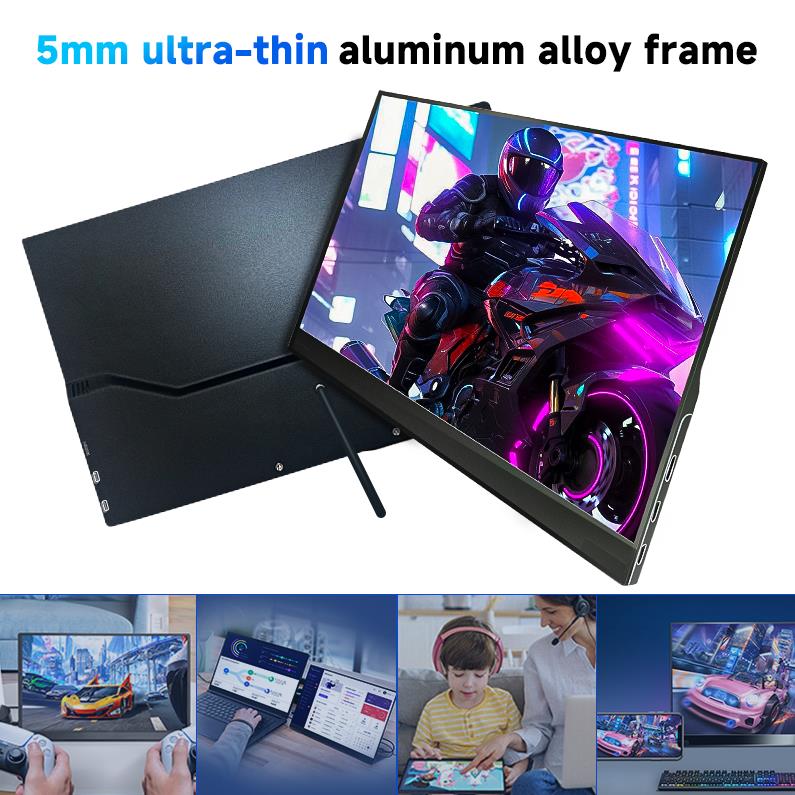
The Palm-sized miniPC is a headless compute module that relies on a standard monitor for output. It lacks a built-in touch interface, so any user interaction must be facilitated through the monitor's capabilities or peripheral devices like a mouse or keyboard. It runs Windows 10/11 Pro and offers similar processor and memory options (Celeron N-series or Pentium Silver with 4–8 GB RAM and up to 256 GB storage). This setup is ideal for passive content playback—such as digital signage in waiting rooms or corporate lobbies—where touch functionality is not required. However, for interactive scenarios, you would need to invest in a touch-enabled monitor and additional drivers, increasing complexity and cost.
ST11-J: Independent Units for Distributed Networks
For deployments requiring multiple standalone displays across different locations, the ST11-J offers simplicity. Each unit is a fully integrated system that can be mounted, connected, and managed individually. This is particularly beneficial for retail chains or educational campuses where you need consistent performance without centralized hardware. The device supports standard networking protocols like Wi-Fi and Ethernet, allowing for remote management via cloud-based signage platforms. There is no need for additional signal distribution equipment, reducing the upfront hardware count and potential points of failure — see our Hotus digital signage deployment case study for a real-world example.
Palm-sized miniPC: Centralized Host for Single or Fewer Displays
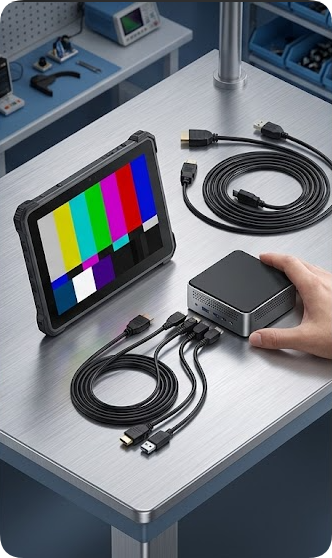
The Palm-sized miniPC excels in scenarios where you want to drive multiple screens from a single host, such as a video wall in a control room or a large lobby display. However, this requires careful planning around HDMI splitters, signal repeaters, and cable management. For a single-screen setup, the miniPC adds complexity compared to the ST11-J, as it involves separate power and data cables for both the miniPC and the monitor. In multi-screen arrays, while you can reduce the number of computing hosts, you increase the risk of signal degradation and cable-related issues over time. Field data from large-scale installations suggests that using multiple ST11-J units for distributed screens can reduce troubleshooting time by up to 25% compared to centralized miniPC setups.
ST11-J: Optimized for Low Power and Passive Cooling
The ST11-J is designed with a rugged aluminum chassis that doubles as a heatsink, enabling passive cooling without noisy fans. This makes it suitable for environments where quiet operation is critical, such as libraries or healthcare facilities. The device consumes less than 15W under typical load, thanks to its integrated design and low-power Intel processors. This energy efficiency translates to lower utility costs over the device's lifespan—a key factor for 24/7 signage applications. Additionally, the IP65-rated front bezel protects against dust and moisture, ensuring reliable operation in demanding settings like warehouses or outdoor kiosks with limited airflow.
Palm-sized miniPC: Requires Active Cooling and More Power
The Palm-sized miniPC, while compact, often relies on active cooling (small fans) to manage heat from the processor and chipset. This introduces noise and a mechanical component that can fail over time, especially in dusty or hot environments. Power consumption for the miniPC alone is comparable to the ST11-J (around 10–15W), but you must add the monitor's power draw (typically 20–50W for a standard 21-inch display). The combined system can exceed 60W, doubling or tripling energy costs per deployment. In a multi-screen setup, this difference becomes significant. Furthermore, the miniPC's operating temperature range is often narrower (0°C to 40°C) compared to the ST11-J's -20°C to 60°C range, limiting its use in extreme conditions.
ST11-J: Lower Total Cost of Ownership Over 3–5 Years
The ST11-J's integrated design reduces the number of components that can fail. With no separate monitor, power supply, or cable connections to manage, maintenance is straightforward. The IP65-rated front bezel and sealed chassis minimize the risk of ingress, extending the device's lifespan in harsh environments. Hotus offers a 3-year warranty on the ST11-J, reflecting confidence in its durability. Based on feedback from system integrators, the average maintenance cost for the ST11-J is 30–40% lower than for a host-plus-display setup over a five-year period, primarily due to fewer hardware replacements and less labor for troubleshooting.
Palm-sized miniPC: Higher Initial Flexibility but Greater Long-Term Expenses
The Palm-sized miniPC offers initial flexibility in terms of display selection and upgradeability. However, this comes with hidden costs: you need to purchase a monitor, mounting hardware, and potentially extended cables. The separate components mean more points of failure—monitor backlight degradation, fan failures in the miniPC, or loose HDMI connections. Over a three-year period, the total cost of ownership for a miniPC-based system can be 15–20% higher than for an equivalent ST11-J deployment, according to industry benchmarks. For large-scale rollouts, this difference can translate to thousands of dollars in additional hardware and labor.
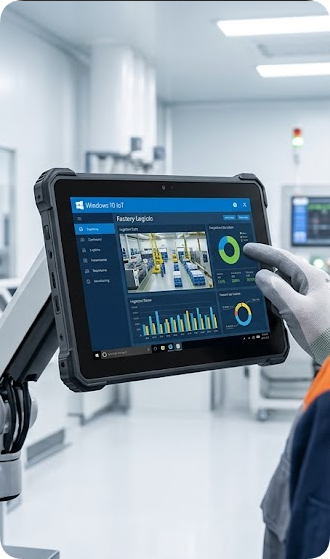
Choosing between the ST11-J 10.1" Windows Rugged Industrial Tablet and the Palm-sized miniPC ultimately depends on your specific use case. If you prioritize interactive user engagement, low installation complexity, and long-term reliability in harsh environments, the ST11-J is the clear choice. Its all-in-one design reduces labor, energy costs, and maintenance overhead, making it ideal for interactive kiosks, factory floor dashboards, and distributed signage networks. On the other hand, if you need to drive multiple screens from a centralized host and already have compatible monitors, the Palm-sized miniPC offers flexibility at a lower initial hardware cost — explore our compact industrial computing lineup for more options. However, be prepared for higher energy consumption, potential noise, and increased maintenance over time. At Hotus, our team can help you evaluate your deployment requirements and recommend the optimal solution for your digital signage project.