


For years, the industrial mobile computing landscape was dominated by a single operating system. If you needed a rugged device for the factory floor, the warehouse aisle, or the field service truck, the default answer was almost always Windows. It was familiar, it was established, and it ran the legacy software that many enterprises had invested millions in. However, the operational world has changed. The rise of cloud-based applications, IoT sensor integration, and a younger, mobile-native workforce is forcing a critical question in every industrial device OS selection (industrial device OS selection): Is it time to switch?
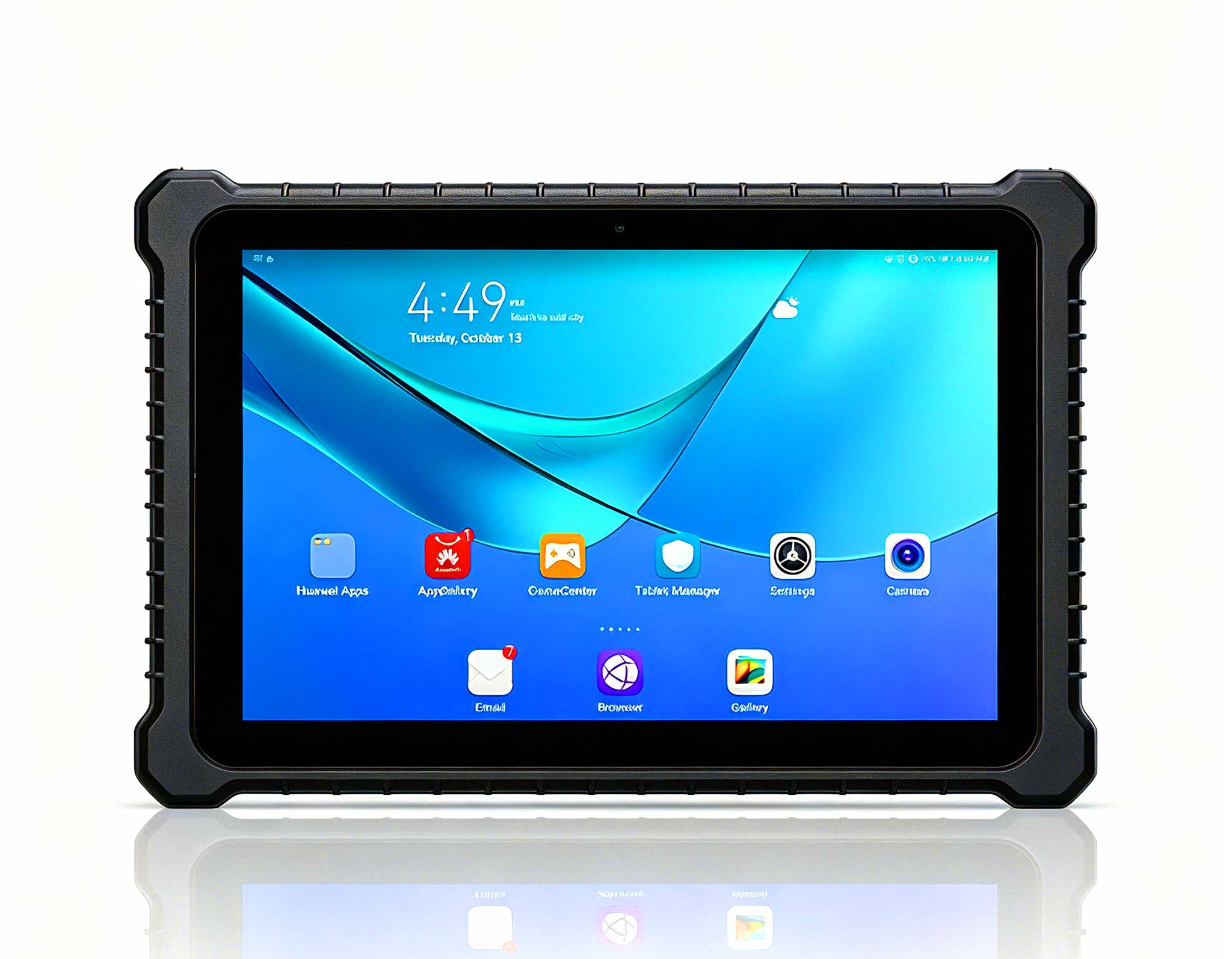
This is the story of how one logistics company made that switch. We will walk through a real-world case study, focusing on the specific hardware choice—the HTYJ10A Rugged Tablet—that bridged the gap between legacy requirements and future-forward agility. This is not a theoretical debate; it is a detailed customer case breakdown (customer case breakdown) of a successful migration. For those considering a similar move, exploring a reliable rugged tablet lineup solution like the HTYJ10A is a practical first step.
The Client: A Mid-Sized Logistics Firm at a Crossroads
Our client, a regional logistics provider managing three major distribution centers and a fleet of 50 delivery vehicles, was facing a classic technology stack crisis. They had been using a fleet of Windows-based rugged laptops and handhelds for over six years. The devices were physically durable but operationally brittle. Boot times were slow, battery life was inconsistent, and the user interface was not intuitive for the temporary warehouse staff they hired during peak seasons.
Their primary pain points were clear:
High Total Cost of Ownership (TCO): The Windows licenses, antivirus software, and constant IT support for OS updates were bleeding the budget.
Slow Workflow Adoption: New warehouse management software was being rolled out as a cloud-based SaaS solution. The Android-native app was feature-rich, but the Windows version felt like an afterthought, running slowly on the aging hardware.
User Resistance: Younger workers found the Windows interface cumbersome. They wanted the swipe-and-tap simplicity of a smartphone.
The IT director, Sarah, was tasked with finding a solution. She needed a device that could survive a 4-foot drop onto concrete, operate in dusty environments, and run the new Android-native WMS app without lag. The budget was tight, and the timeline was aggressive. This was the perfect scenario for a deep industrial device OS selection.
The Contenders: Android vs. Windows in the Industrial Arena
Before selecting the HTYJ10A Rugged Tablet, Sarah’s team evaluated two paths: refresh the existing Windows fleet with newer models, or migrate to an Android ecosystem. Here is how the comparison played out in their specific use case.
The Windows Argument (and its Flaws)
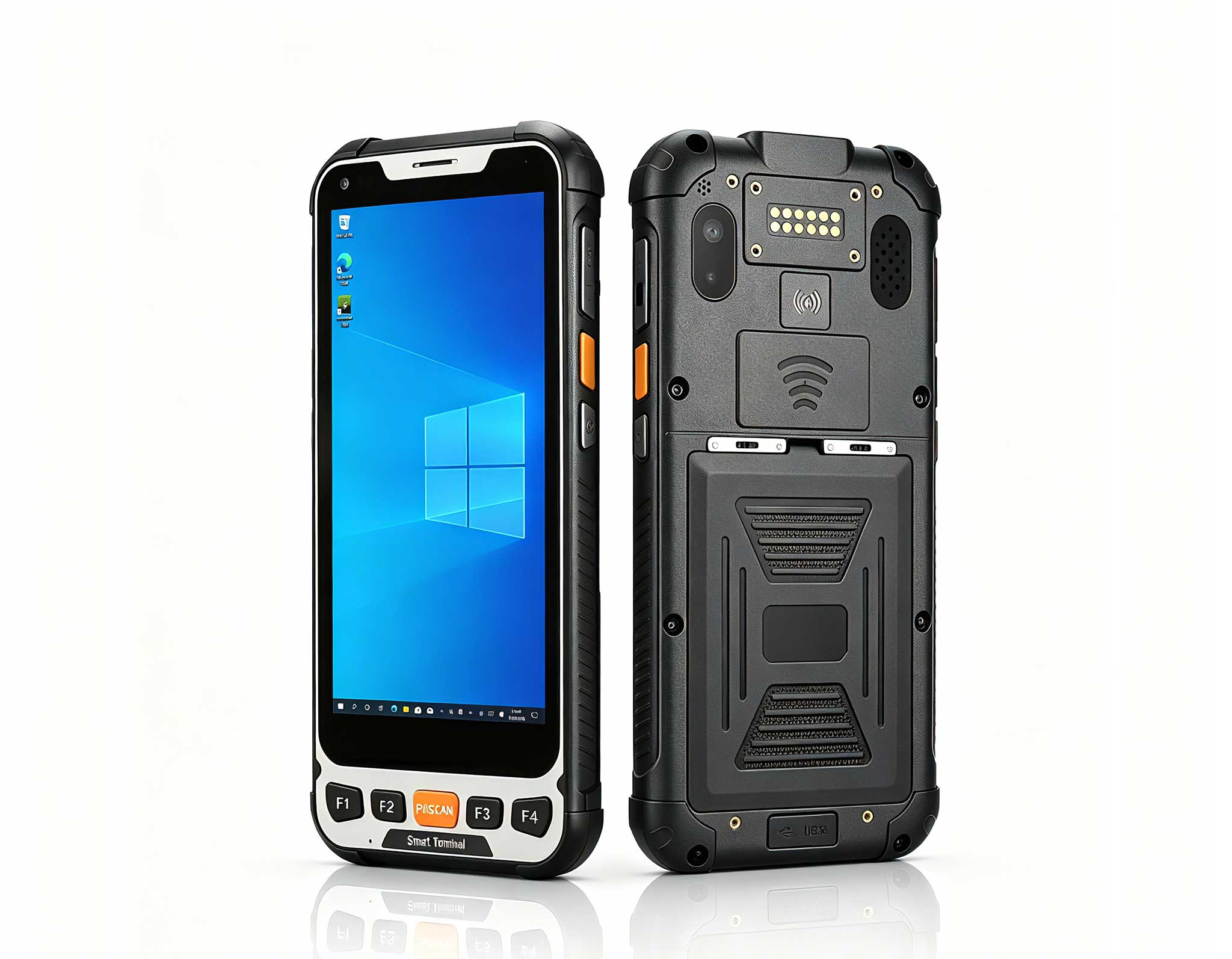
The initial instinct was to stick with Windows. The team had legacy scripts and a few desktop-only applications for heavy data analysis. However, when they looked at the actual daily workflow—scanning barcodes, checking inventory levels on a dashboard, and communicating via a messaging app—over 90% of the tasks were better suited for a mobile OS. The Windows devices required a stylus for precision input, which workers constantly lost. The Android devices, on the other hand, were designed for touch from the ground up.
Furthermore, the cost of a rugged Windows tablet with an Intel Core i5 processor was nearly double that of a comparable Android device. For a deployment of 50 units, the savings were substantial.
The Android Advantage with the HTYJ10A
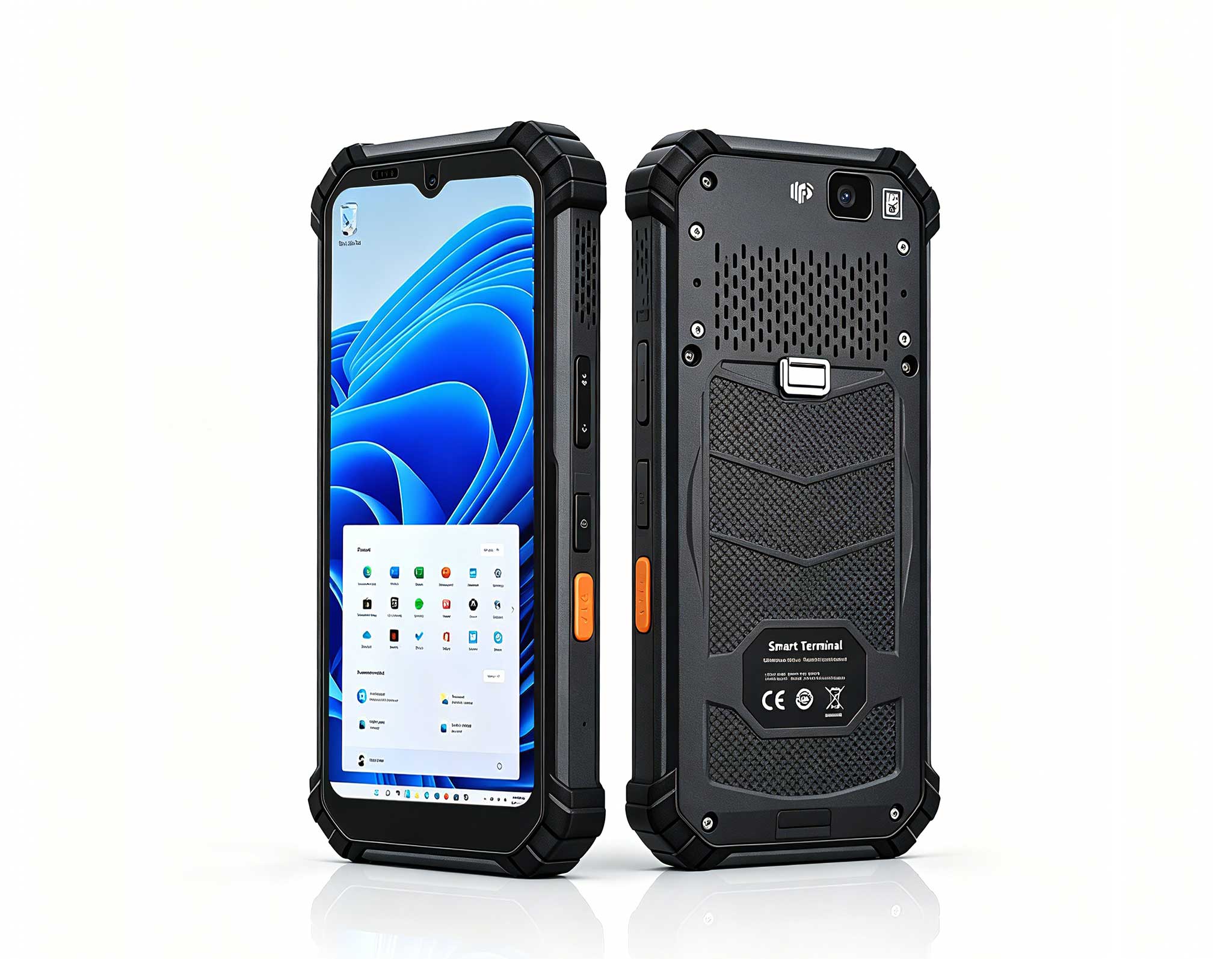
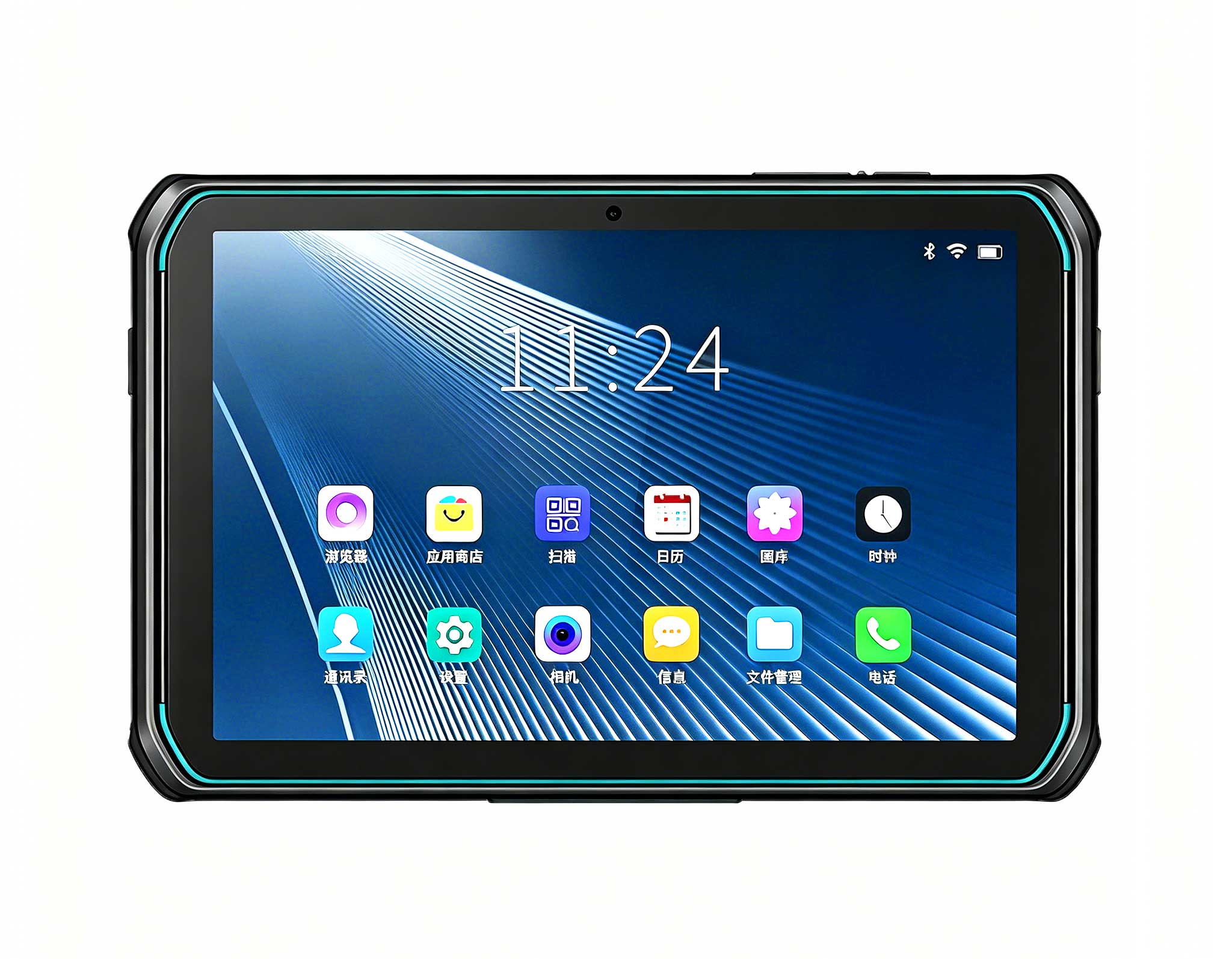
The HTYJ10A entered the evaluation as a strong candidate. Its 10-inch (10-inch) screen was the "Goldilocks" size—large enough to display a full warehouse map or a detailed work order, yet compact enough to hold in one hand while climbing a ladder or walking an aisle.
Key technical parameters that sealed the deal included:
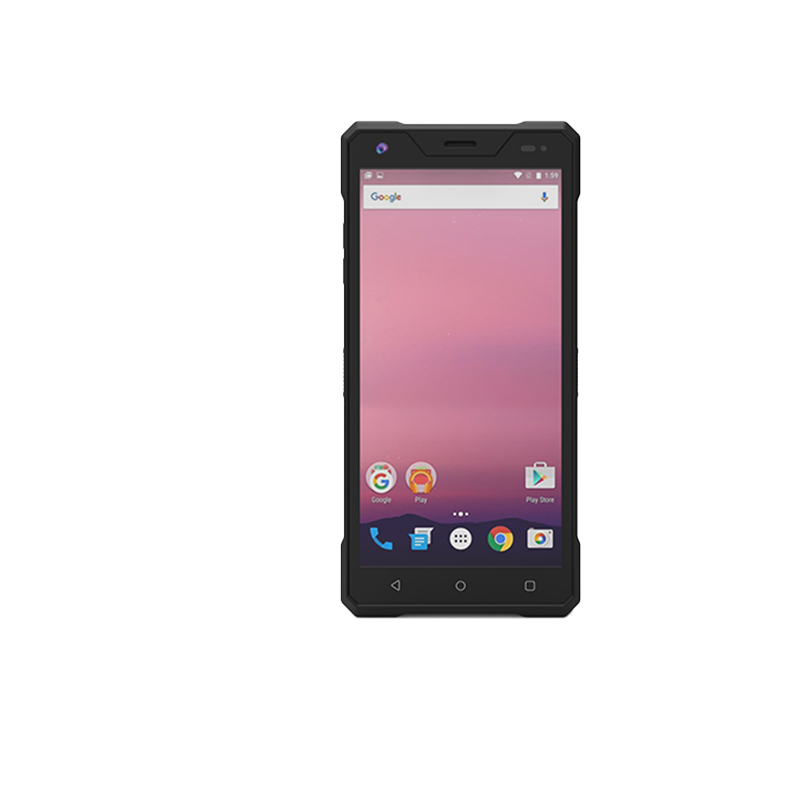
Android OS: The native Android environment meant the WMS app ran flawlessly. No emulation, no compatibility layers. It just worked.
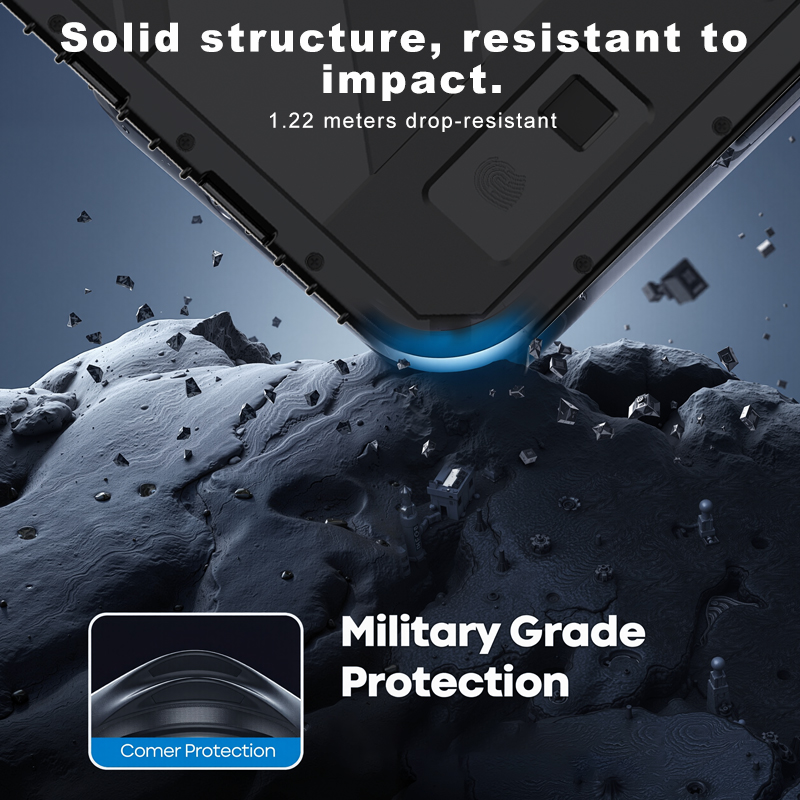
Rugged Build: The device was IP65 rated for dust and water resistance, and could survive drops of up to 1.5 meters. This was critical for the concrete floors of the warehouse.
10-inch Form Factor: The display was bright enough (500 nits) to be readable under the harsh fluorescent lights of the warehouse, but the device was thin enough to slip into a tool bag.
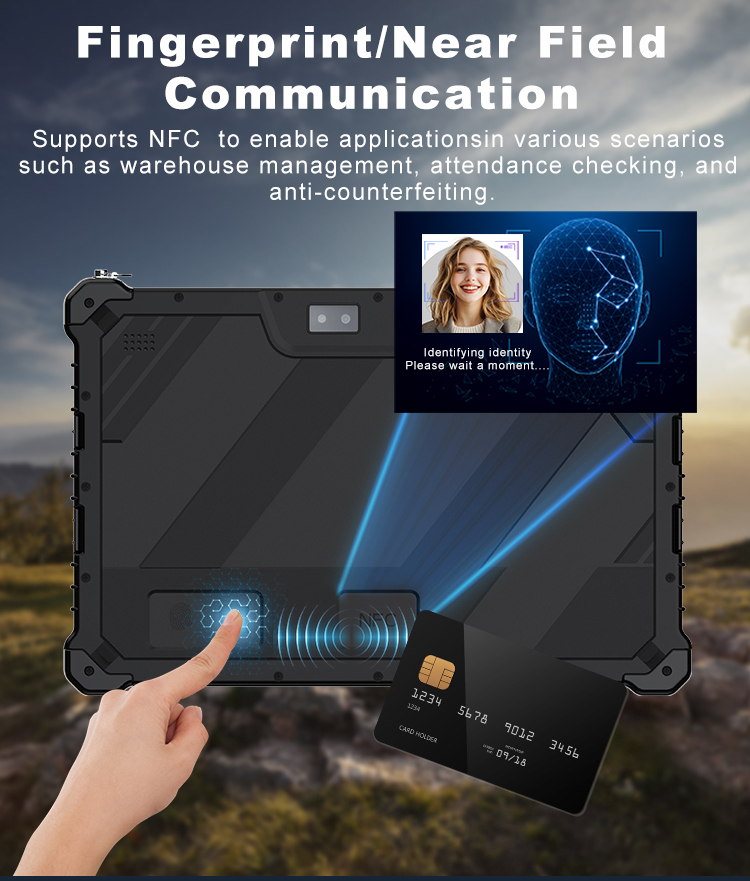
Sarah noted that the HTYJ10A was not just a consumer tablet in a rubber case. It was a purpose-built ruggedized (ruggedized) device with a dedicated GPS module for fleet tracking and a hot-swappable battery option that kept the devices running 24/7.
For comparison, the team briefly looked at a competing rugged tablet running Windows, but the model was heavier, had a shorter battery life, and required a specific "docking" mode for charging that created a tripping hazard in the warehouse. The Android device was simply more practical.
Case Study: The 30-Day Pilot Program
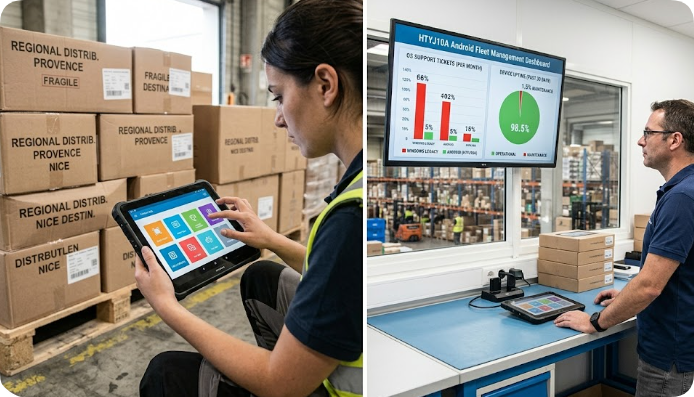
To validate the industrial device OS selection, Sarah’s team ran a 30-day pilot. They deployed 10 units of the HTYJ10A Rugged Tablet to the receiving dock team—the busiest and most demanding area of the warehouse.
Week 1: The Learning Curve
The first week was about breaking old habits. Workers who were used to a mouse and keyboard had to adapt to the touch interface. However, the transition was faster than expected. The Android interface was intuitive. Workers began customizing their home screens with shortcuts to the WMS app, the camera (for damage documentation), and the company chat. By day three, productivity had returned to baseline. By day five, it had improved by 12%.
One worker commented, "I use this thing like I use my phone. It’s just faster. I don't have to wait for Windows to 'wake up'."
Week 2: Real-World Demands
The true test came during a high-volume inventory turnover day. The team processed 500 pallets in a single shift. The HTYJ10A handled the load without a single crash. The battery life exceeded the 8-hour shift, and the hot-swappable battery feature meant that devices could be "refueled" without downtime.
During this week, a worker accidentally knocked a tablet off a forklift. The device fell onto the concrete from a height of about 1.2 meters. The worker picked it up, wiped the screen, and continued working. There was no damage. The ruggedized (rugged) design had paid for itself in that single incident.
Week 3: IT Management & Security
The IT team was initially concerned about managing a fleet of Android devices. However, the HTYJ10A supported Android Enterprise (formerly Android for Work). The team could remotely configure devices, push apps, and enforce security policies using their existing Mobile Device Management (MDM) software. This was significantly easier than managing Windows domain-joined devices that required complex Group Policy configurations.
The security model was also superior for their use case. The Android sandboxing meant that enterprise data was isolated from personal apps, even if a worker used the device for non-work purposes during a break.
The Result: A Successful Migration with Measurable ROI
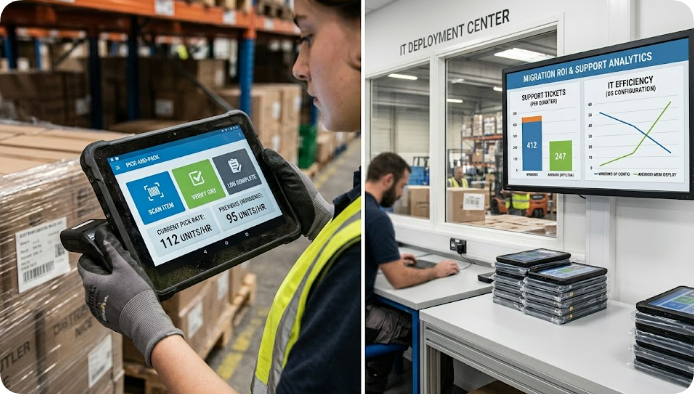
Based on the success of the pilot, the company ordered 50 units of the HTYJ10A Rugged Tablet. The full deployment took three weeks, and the results were tracked over the next quarter.
Quantitative Results
Productivity Increase: 18% improvement in pick-and-pack speed.
IT Support Tickets: Reduced by 40%. The Android devices required fewer "OS is slow" or "update failed" calls.
Hardware Cost Savings: 35% lower per-unit cost compared to the quoted Windows rugged laptop refresh.
Software Cost Savings: Eliminated $15,000/year in Windows licensing and antivirus fees.
Qualitative Results
Employee Satisfaction: The user-friendly interface led to higher adoption rates and less frustration.
Operational Agility: The IT team could deploy a new app to all 50 devices in minutes, not hours.
Future-Proofing: The Android ecosystem allowed for easy integration with future IoT sensors and AI-driven analytics tools.
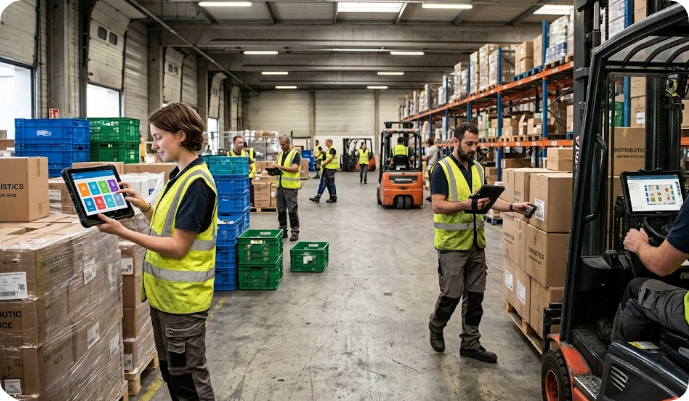
The warehouse manager, who had been skeptical of the migration, became the biggest advocate. He noted that the HTYJ10A was lighter than the old Windows laptops, which reduced worker fatigue during long shifts. The 10-inch screen was also the perfect size for the mounting cradles they had installed on the forklifts.
Key Takeaways for Your Own OS Migration
If you are currently evaluating an industrial device OS selection, consider these lessons from the case study:
Audit Your Actual Workflow: If your workers are using web-based apps, native mobile apps, or cloud dashboards, Android is likely the better fit. Windows is only necessary if you have legacy desktop software that cannot be replaced.
Don't Underestimate the User Experience: A device that workers hate to use will always underperform. The intuitive nature of Android can significantly reduce training time and improve data accuracy.
Focus on Total Cost of Ownership (TCO): The purchase price is just the beginning. Factor in licensing, IT management time, and user productivity. The HTYJ10A often wins on TCO.
Test the Ruggedness: Not all "industrial" tablets are created equal. The HTYJ10A is built to survive the real world, not just the spec sheet.
Conclusion: Is the HTYJ10A Right for You?
This case study is a testament to the fact that a well-planned OS migration can unlock significant operational value. As explored in our recent analysis of rugged tablet adoption in manufacturing, the shift toward Android-powered devices is accelerating across multiple industrial sectors. The HTYJ10A Rugged Tablet is not just a piece of hardware; it is a strategic tool that enables agility, reduces costs, and empowers your workforce.
Whether you are in logistics, field service, manufacturing, or warehousing, the decision to move from Windows to Android is a decision to move toward simplicity and speed. The HTYJ10A provides the 10-inch screen, the ruggedized durability, and the Android flexibility you need to make that transition successfully.
Ready to see how the HTYJ10A can solve your specific operational challenges? Visit the official product page for detailed specifications and to request a quote for a pilot program.
Explore the HTYJ10A Rugged Tablet:
https://www.hotusprojector.com/products/rugget-tablet/656.html
Transform your operations with the power of Android ruggedness.