- Select Language
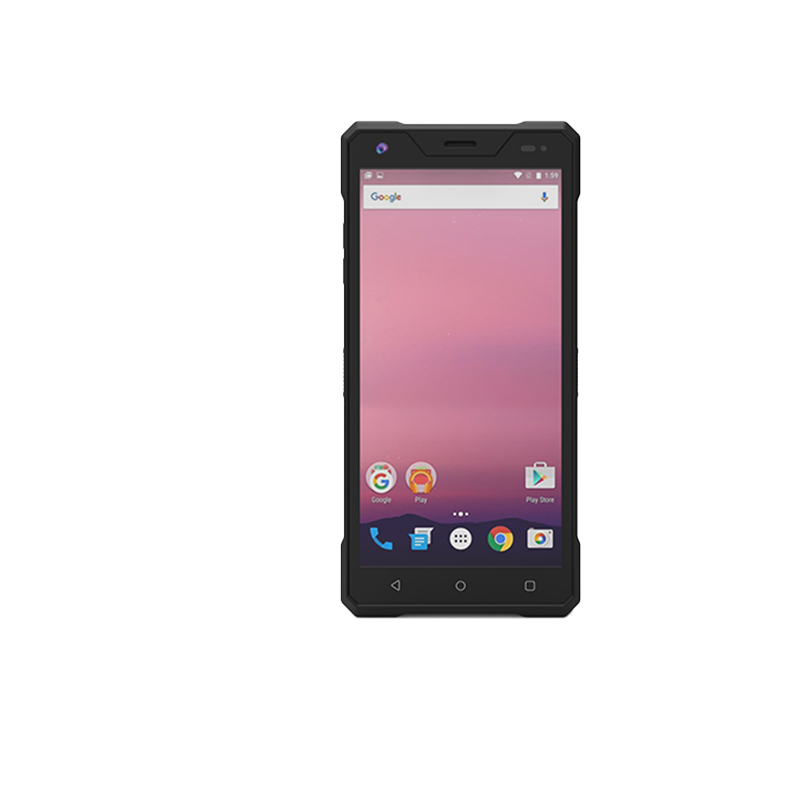
R366-S Thin 5.5-inch Industrial PDA | Qualcomm Oct...
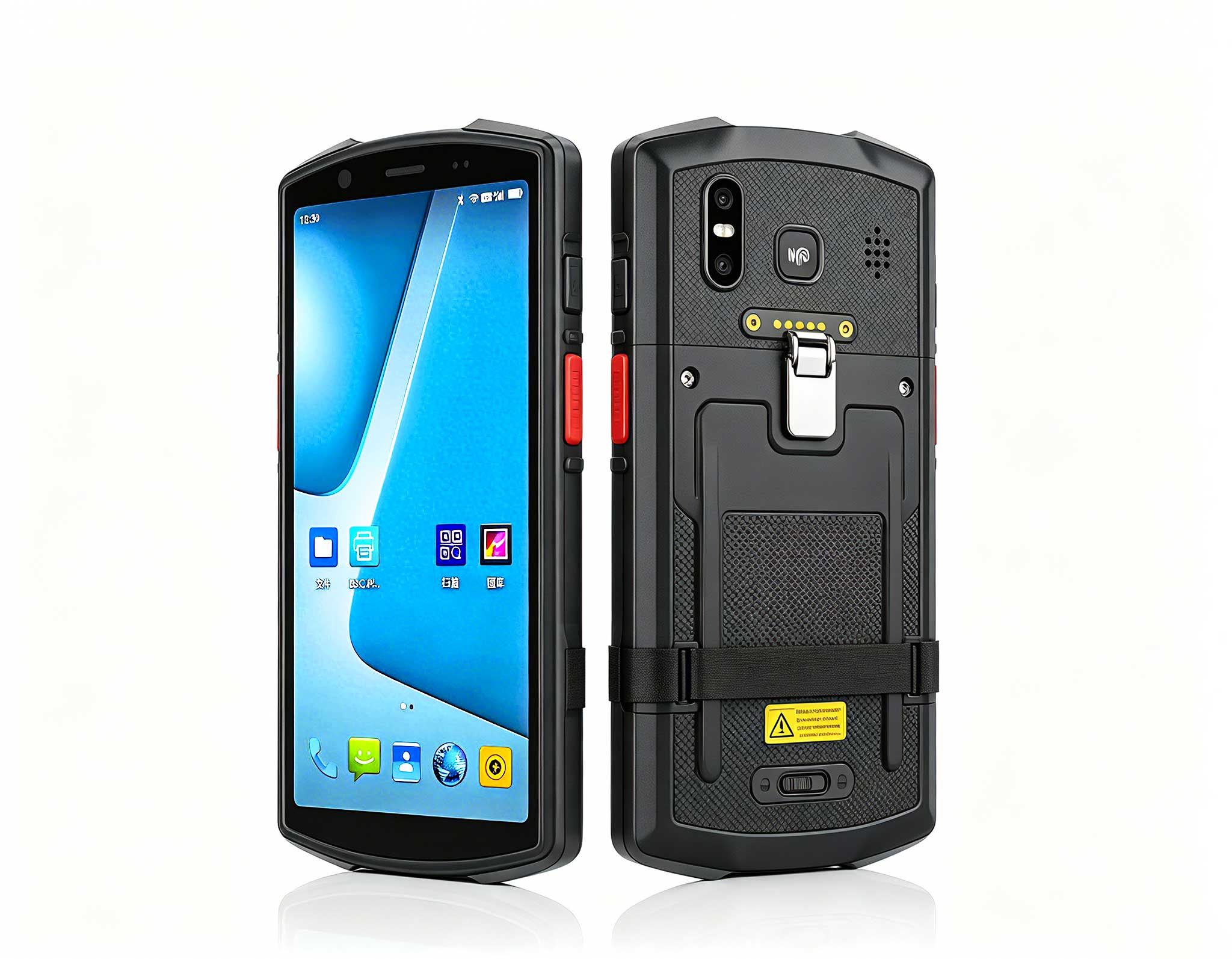
The X501 Handheld PDA combines advanced barcode sc...
The N60 PDA is a cutting-edge device for inventory...
Enterprise Flagship SeriesEngineered for mission-c...
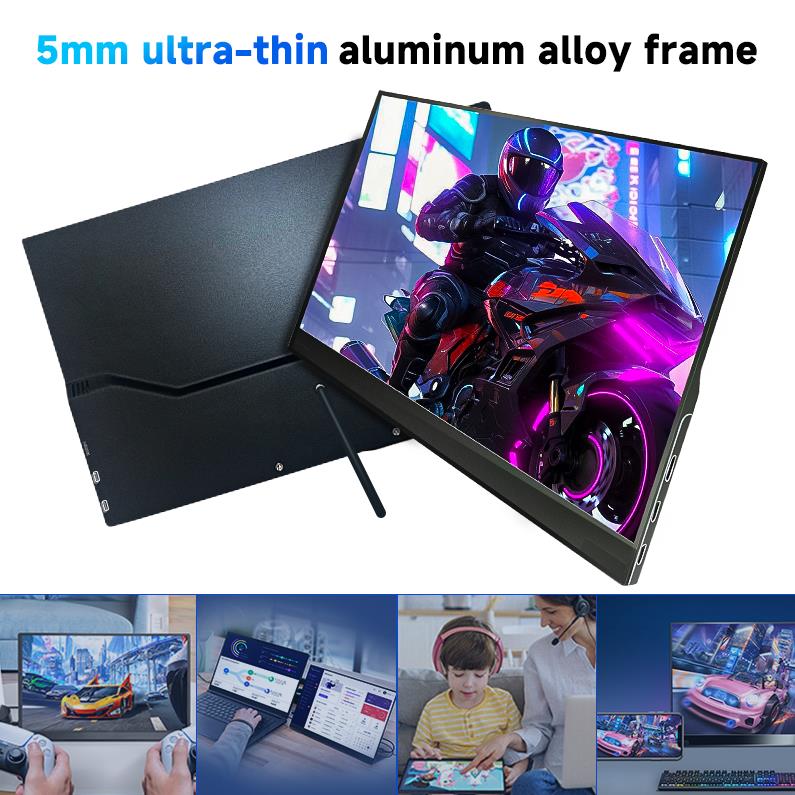
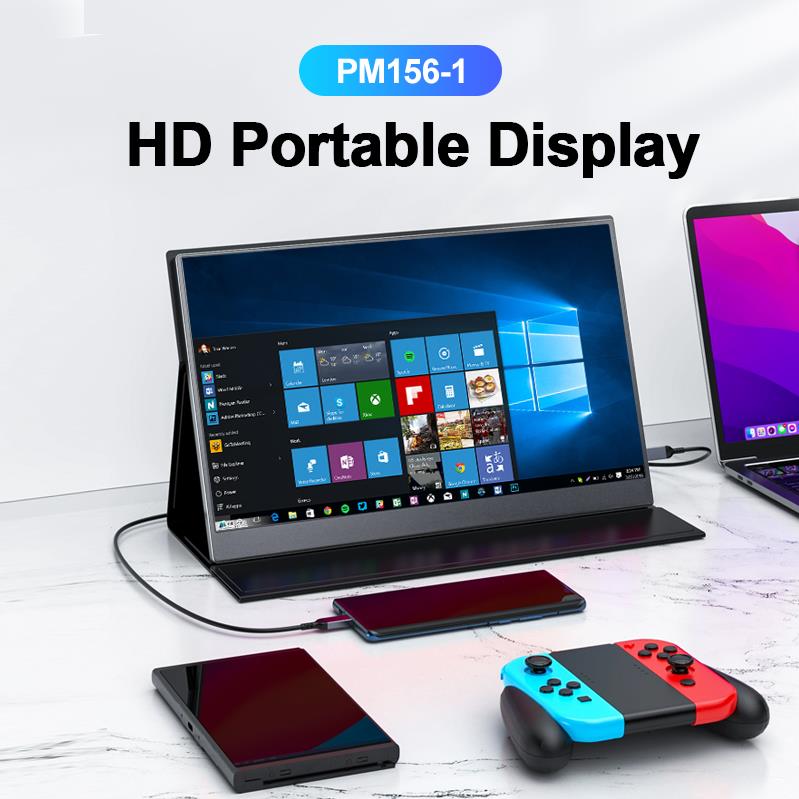
The PM156-1 is a 15.6-inch portable PC monitor fea...
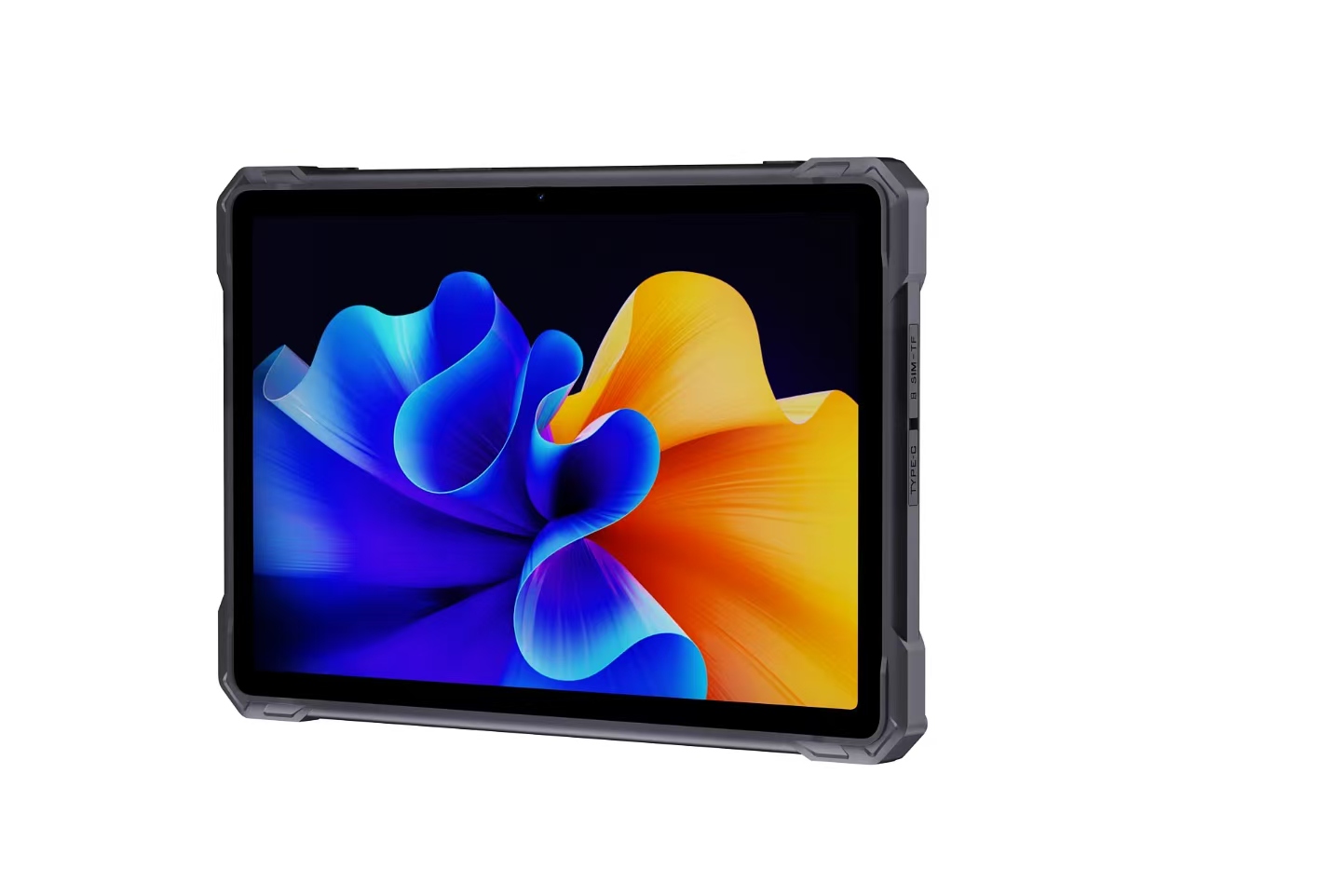
P11 Series Next-Gen Enterprise Rugged Industrial ...
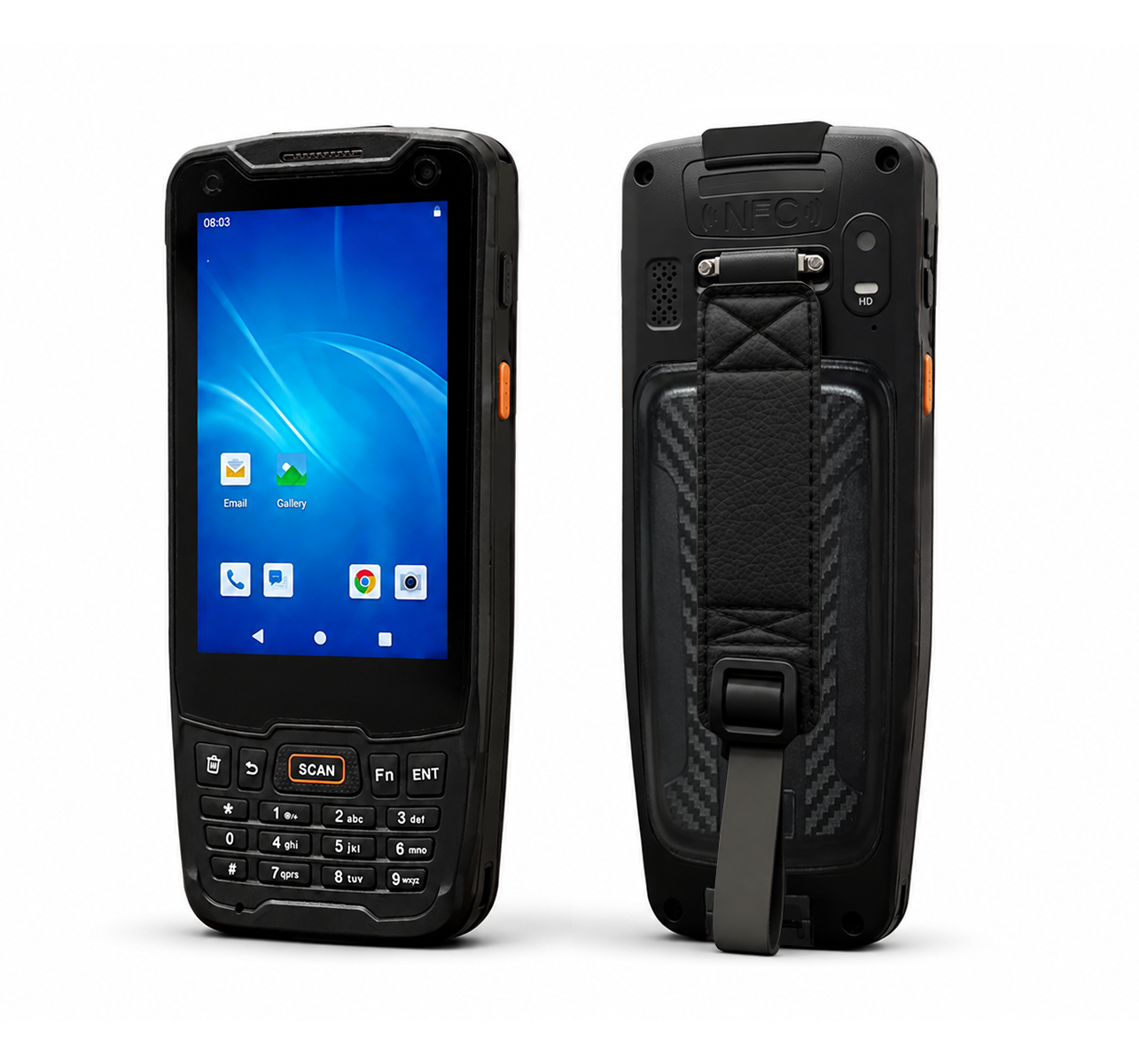
R350C 4-inch Industrial Handheld PDA | Qualcom...
Full SpecificationsModelHotus ST11‑JOSWindows 10 P...
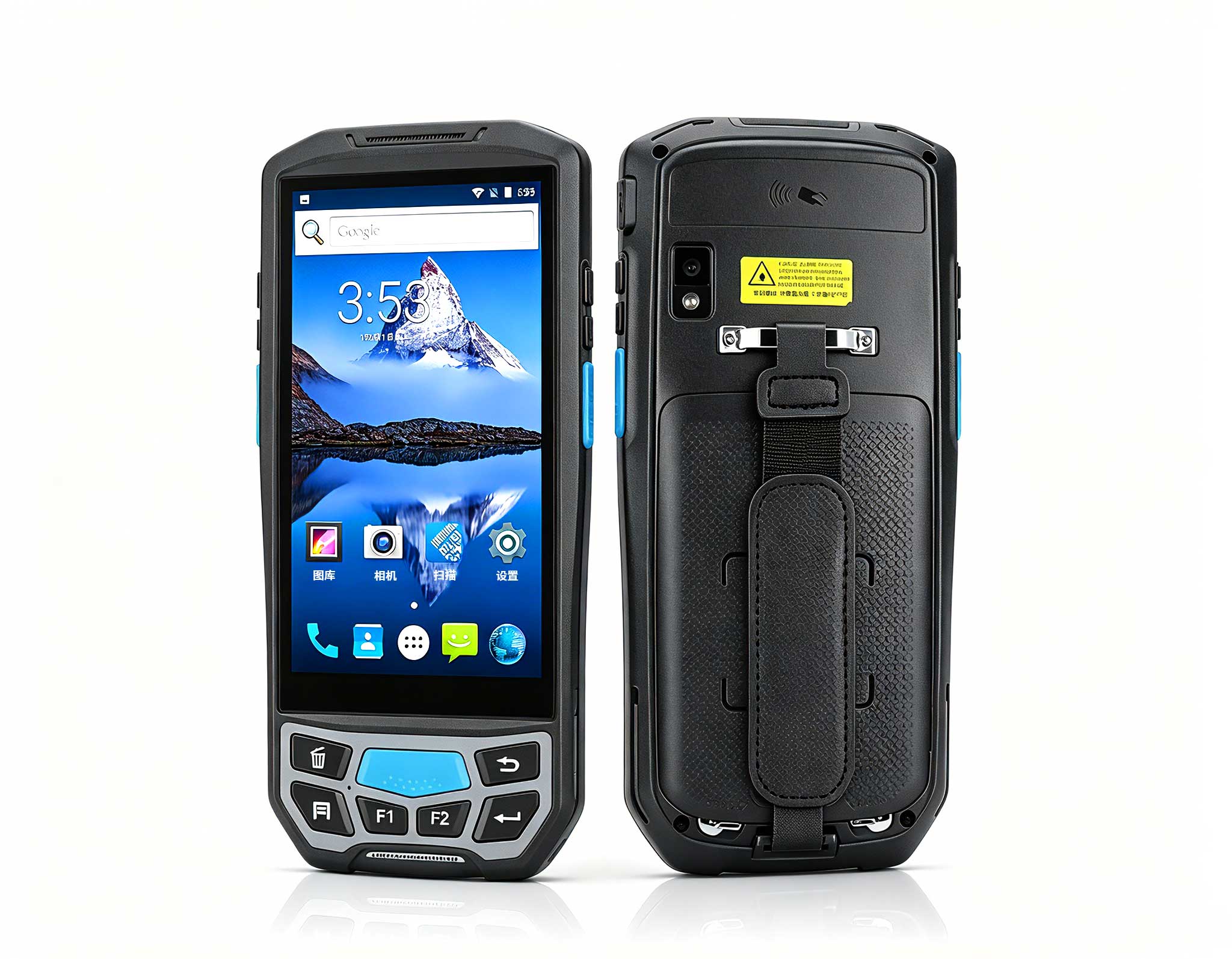
The U9000 handheld PDA combines advanced barcode s...
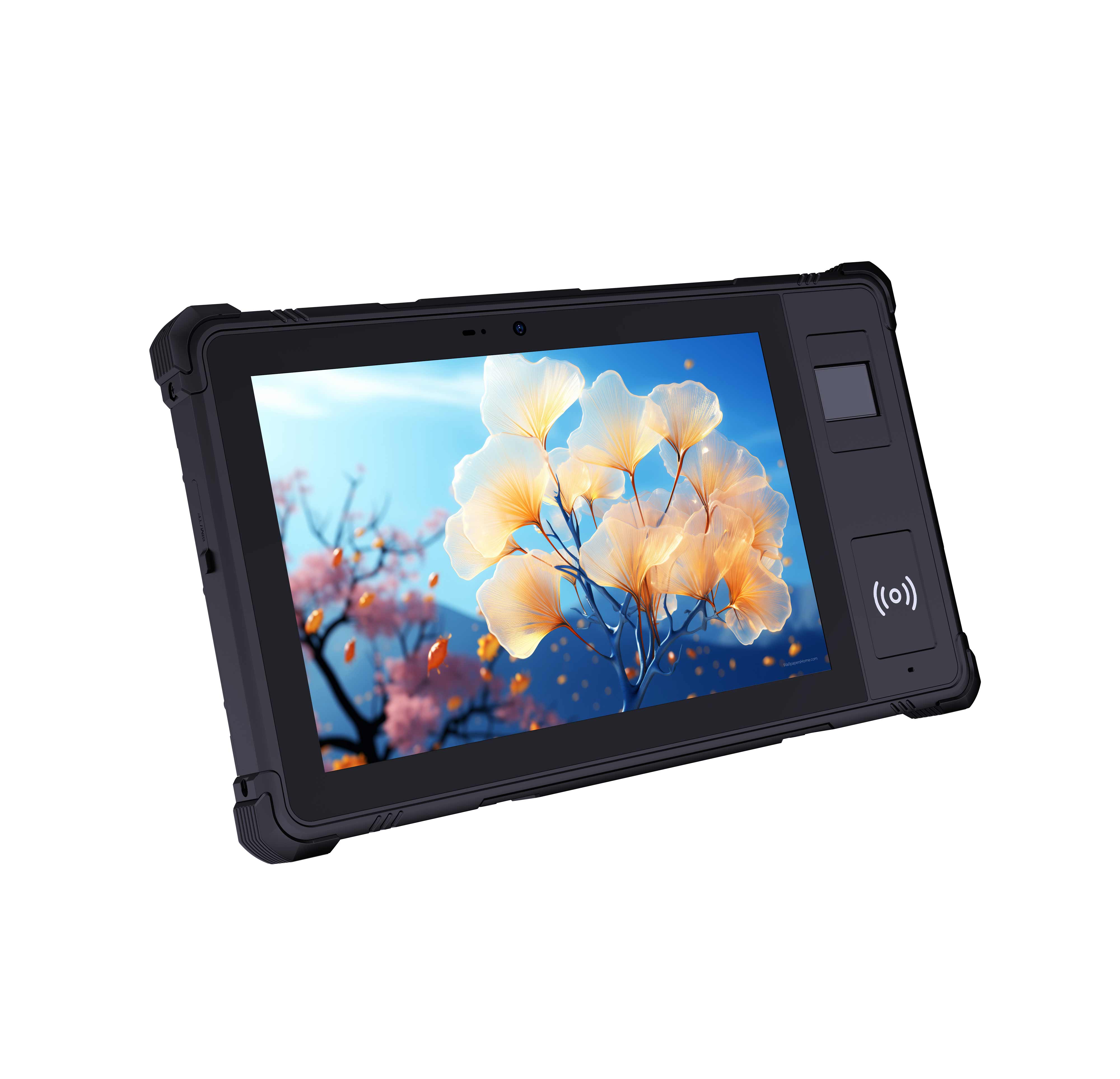
P8 Series 8-Inch Rugged Industrial Tablet PC Mobi...
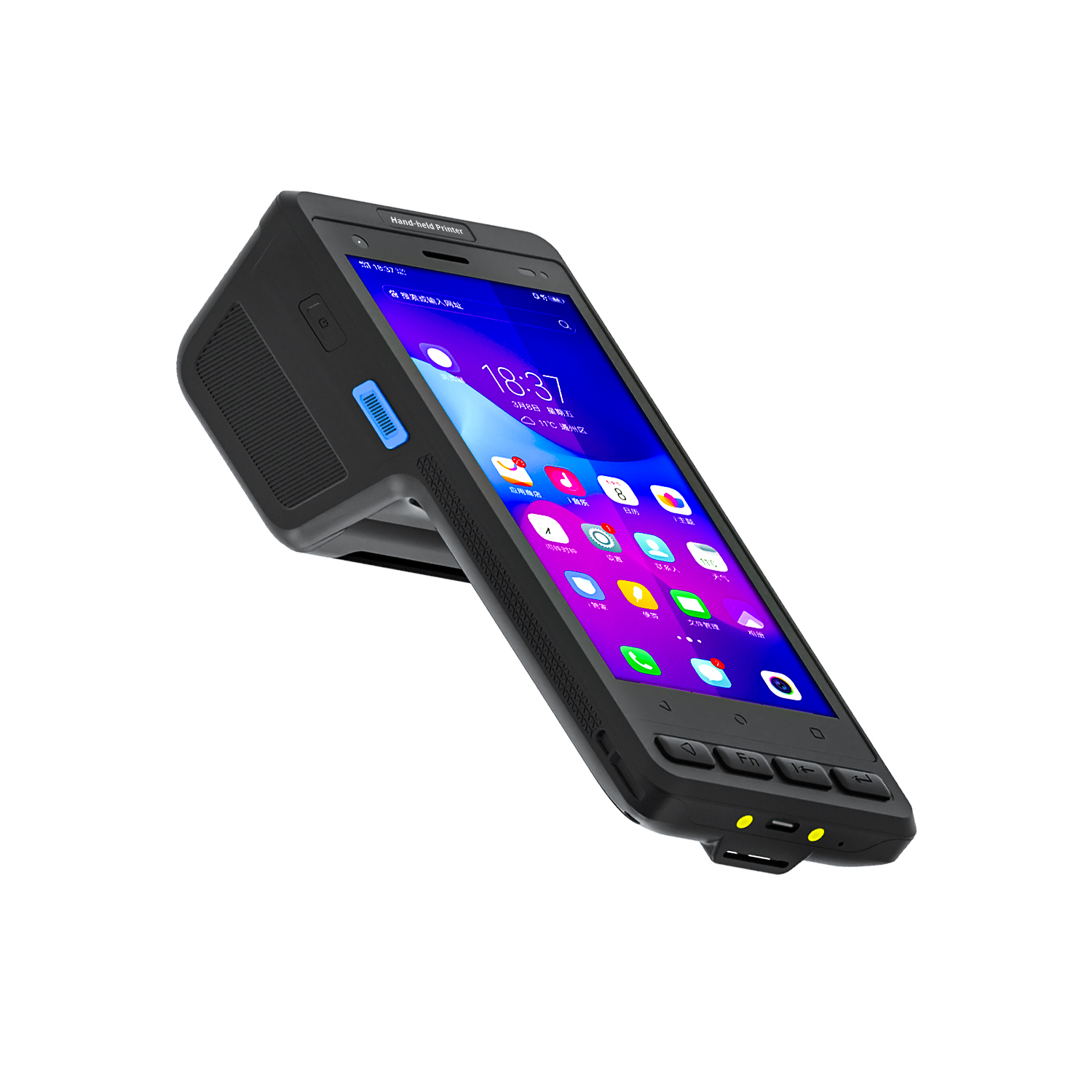
️ X8 Series Handheld Label & Thermal Printing ...
After a decade spent designing and troubleshooting industrial IoT networks, I’ve watched one bottleneck kill more projects than any software bug: the hardware itself. Rack-mount servers built for climate-controlled data centers are impractical on a dusty factory floor, while off-the-shelf consumer mini PCs choke on heat, vibration, and particulate ingress. The industry is pivoting hard toward purpose-built edge computing solutions that push real-time processing right next to the sensors and actuators. This shift isn’t just about speed—it’s about slashing latency, conserving bandwidth, and enabling predictive maintenance in environments where failure is not an option. Hotus Technology has stepped up with three distinct devices that cover the full industrial edge spectrum, from lightweight IIoT gateways to high-performance AI inference nodes. Choosing the right hardware starts with a clear-eyed assessment of your operational constraints. Let me break down how dedicated industrial edge computing solutions from Hotus are redefining what’s achievable on the factory floor today.
The HCAR5000 MI is built for the heaviest lifting at the edge. Powered by an AMD Ryzen 5000H series processor, this mini PC delivers desktop-class compute in a compact, fanless chassis. It supports up to 64GB of DDR4 RAM and offers multiple M.2 slots for NVMe SSDs, making it a natural fit for real-time video analytics, defect detection, and machine vision workloads. The all-metal enclosure and passive cooling design allow reliable operation in ambient temperatures up to 50°C. I’ve personally seen this unit deployed on an automotive assembly line, processing 4K camera feeds for quality control without a single dropped frame. If your edge workload involves heavy computation—AI model inference, sensor fusion, or complex data preprocessing—the HCAR5000 MI is the platform you want in the rack.
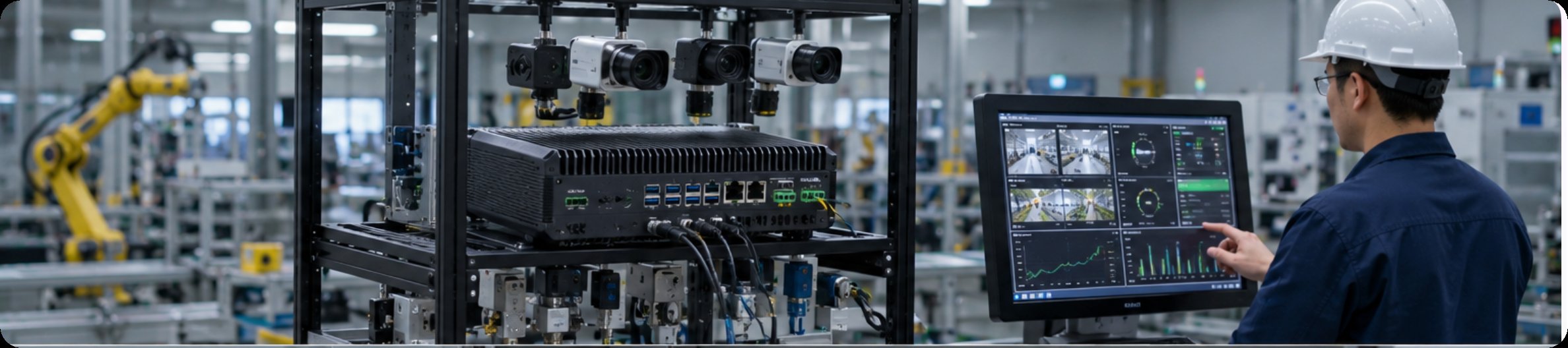
When data storage and network resilience are the top priorities, the WTR PRO AMD changes the game. This 4-bay NAS mini PC combines an AMD processor with hardware RAID support, letting you create redundant storage pools for critical IoT logs and sensor data. Its IP30-rated chassis keeps dust out, and the dual 2.5GbE ports enable high-speed offload to the cloud or a central server. In a recent smart factory deployment, the WTR PRO AMD acted as the local data hub, aggregating telemetry from over 200 temperature and vibration sensors before sending summarized reports upstream. That approach cut bandwidth costs by 70% while maintaining a full local audit trail. If your edge architecture demands robust local storage, flexible networking, and the ability to run lightweight containers alongside NAS functions, this is the hardware to evaluate.
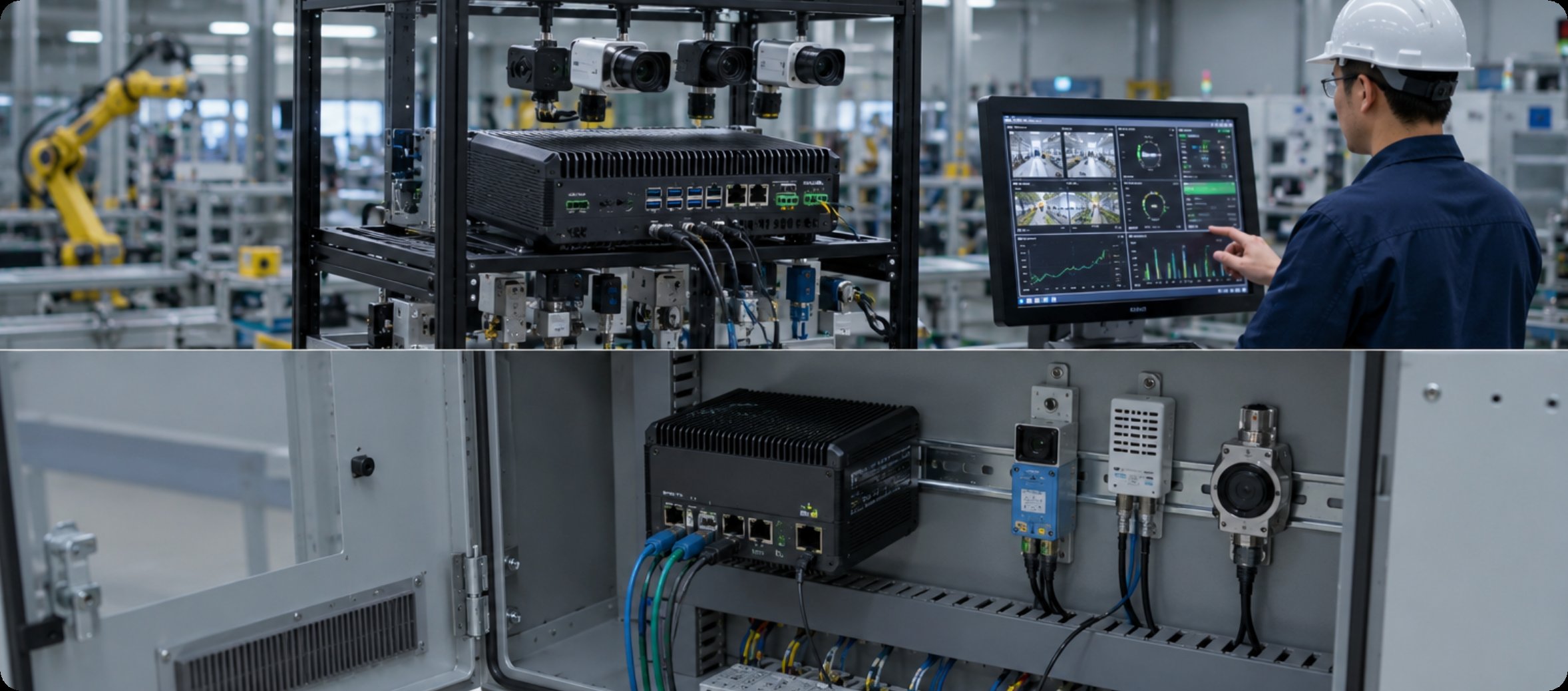
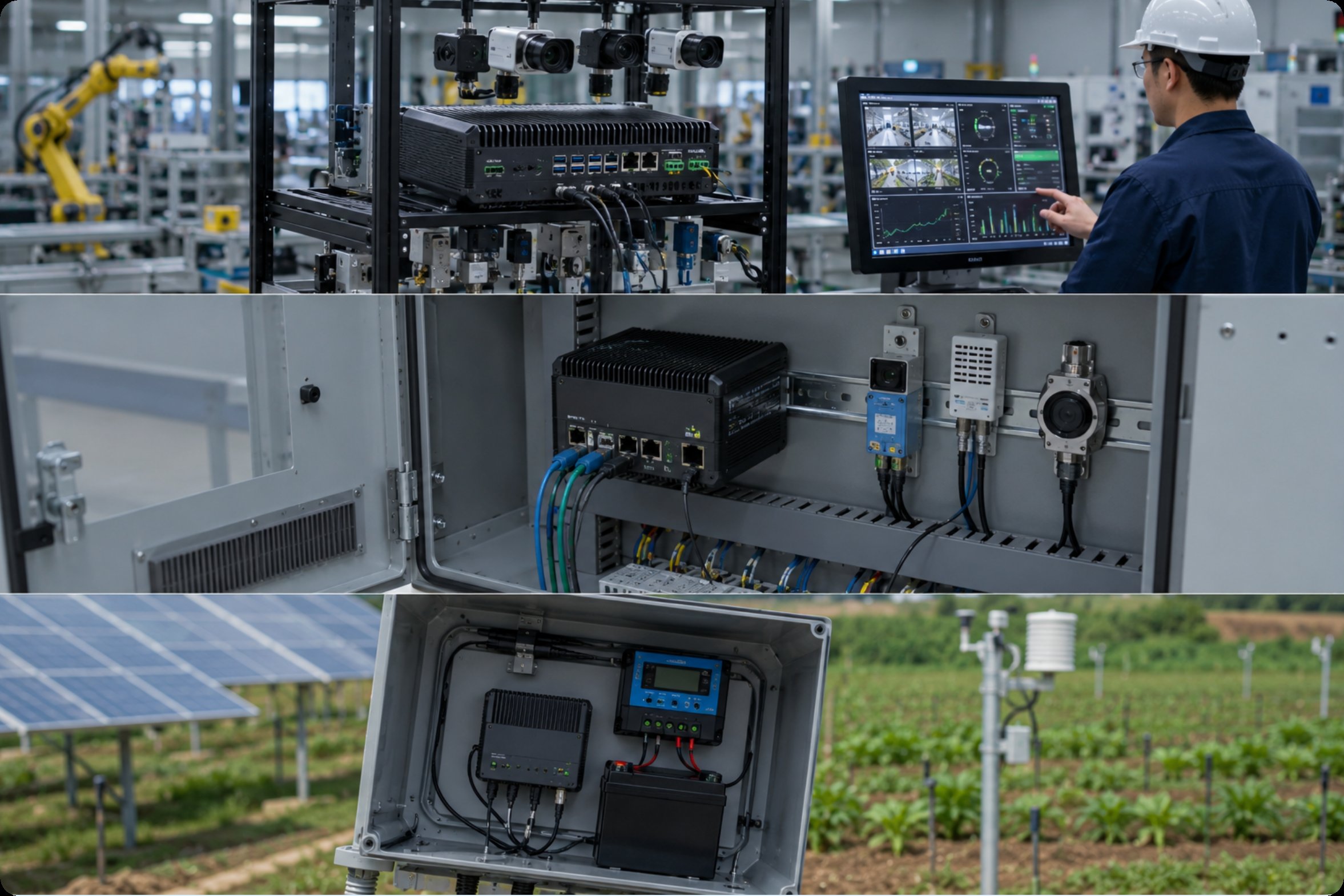
Sometimes the biggest constraint isn’t performance—it’s physical space. The Palm-sized miniPC lives up to its name, fitting in the palm of your hand while still packing an Intel Celeron or N-series processor. It excels as an edge gateway: collecting data from Modbus RTU devices, handling protocol conversion, and forwarding clean data packets to the cloud. With a fanless design and wide voltage input (12V to 24V), it can be mounted directly inside electrical cabinets or on DIN rails. I’ve used this unit in agricultural IoT projects monitoring soil moisture and weather stations in remote fields. Its power draw—under 15W—means it can run on a small solar panel and battery setup. For simple data acquisition, protocol bridging, or as a lightweight controller, the Palm-sized miniPC offers an unbeatable size-to-functionality ratio.
| Specification | HCAR5000 MI | WTR PRO AMD | Palm-sized miniPC |
|---|---|---|---|
| Processor | AMD Ryzen 5000H Series | AMD (Ryzen Embedded) | Intel Celeron/N-series |
| Max RAM | 64GB DDR4 | 32GB DDR4 | 16GB DDR4 |
| Storage | 2x M.2 NVMe + 1x SATA | 4x 2.5" SATA (RAID 0/1/5/10) | 1x M.2 SATA + 1x microSD |
| Networking | 2x 2.5GbE + WiFi 6 | 2x 2.5GbE + optional 4G/5G | 1x Gigabit Ethernet |
| IP Rating | IP40 (all-metal, fanless) | IP30 (dust-resistant) | IP20 (fanless, vented) |
| Operating Temp | -20°C to 50°C | 0°C to 45°C | 0°C to 40°C |
| Power Consumption | 45W (typical) | 35W (typical) | 15W (typical) |
| Best Use Case | AI inference, machine vision | Data aggregation, local NAS | IIoT gateway, protocol bridging |
Selecting between these three models comes down to three factors: compute intensity, storage requirements, and environmental constraints. If your application involves heavy data processing—running deep learning models on video streams, for example—the HCAR5000 MI is the clear winner. Its AMD Ryzen 5000H processor and generous RAM capacity handle complex algorithms without bottlenecking. For scenarios where you need to store terabytes of sensor data locally and ensure redundancy, the WTR PRO AMD’s 4-bay RAID configuration is unmatched. It’s also the best choice if you require multiple network interfaces for segmentation or failover. Finally, if your deployment is in a tight enclosure, a remote location with limited power, or a simple data collection point, the Palm-sized miniPC offers the smallest footprint and lowest power draw. Don’t overlook IP rating and operating temperature range—a unit that overheats or ingests dust will fail prematurely in industrial settings. For a deeper dive into matching hardware to specific IIoT architectures, explore our mini PC solutions for detailed application guides.
The shift toward industrial edge computing is not a passing trend—it’s a fundamental change in how we process data. By moving computation closer to the source, you reduce latency, enhance security, and lower operational costs. Hotus Technology’s trio of edge devices—from the high-performance HCAR5000 MI to the compact Palm-sized miniPC—gives you the flexibility to build a custom edge stack that fits your exact needs. I recommend starting with a pilot deployment using the model that best matches your primary workload. Once you see the performance gains and reliability improvements, scaling up becomes straightforward. To learn more about how these systems integrate with existing PLCs, sensors, and cloud platforms, check our technical whitepapers. The future of industrial automation is at the edge—make sure your hardware is ready for it.