- Select Language
Explore an innovative Personal Digital Assistant f...
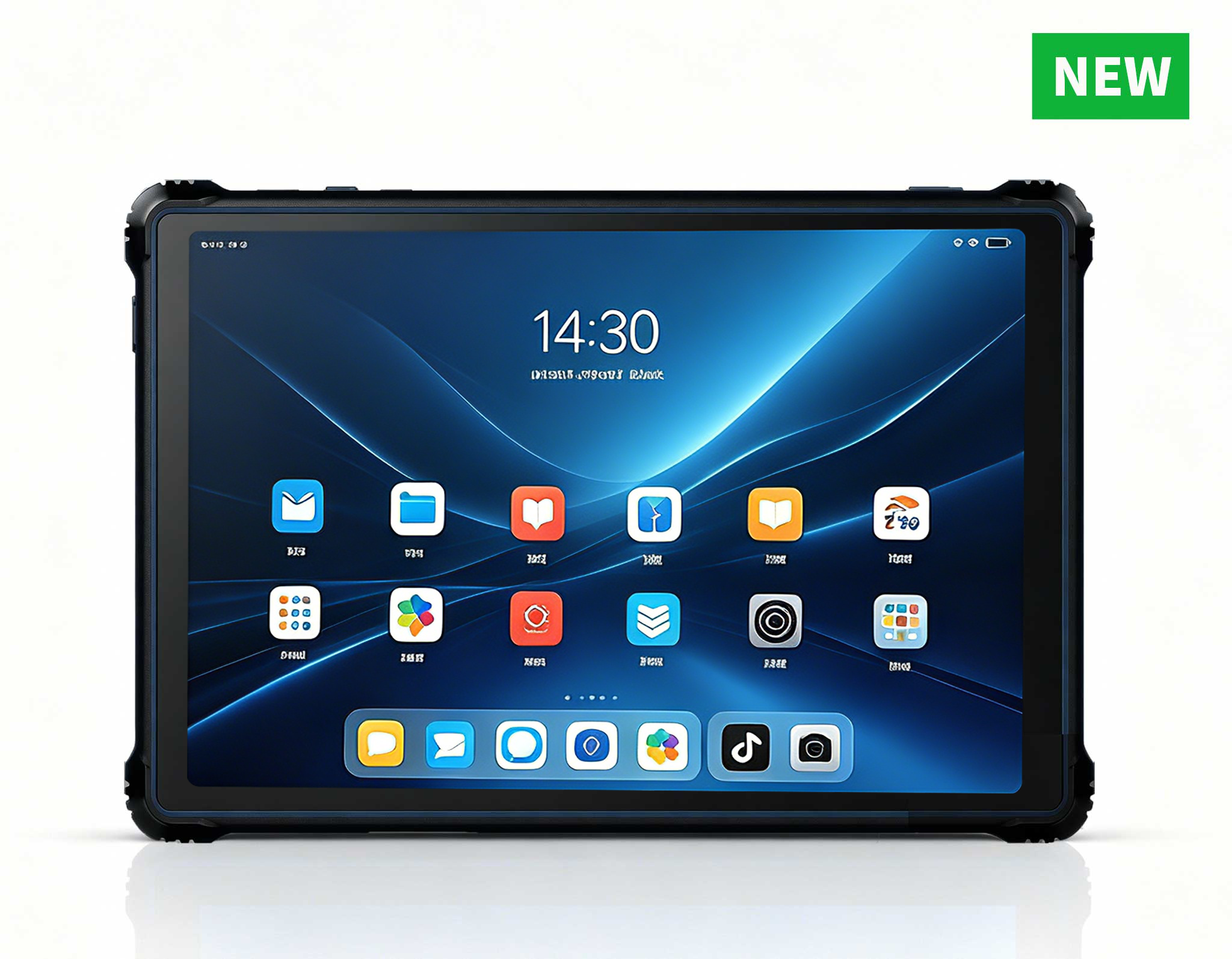
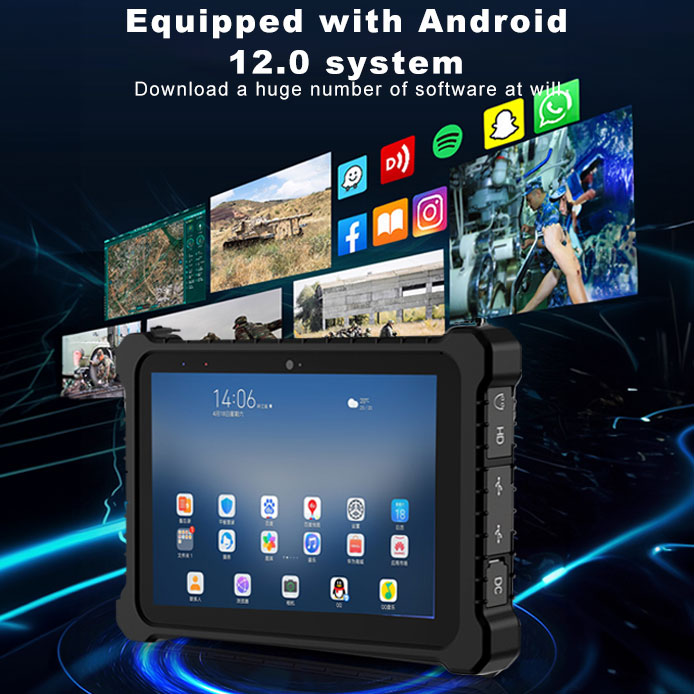
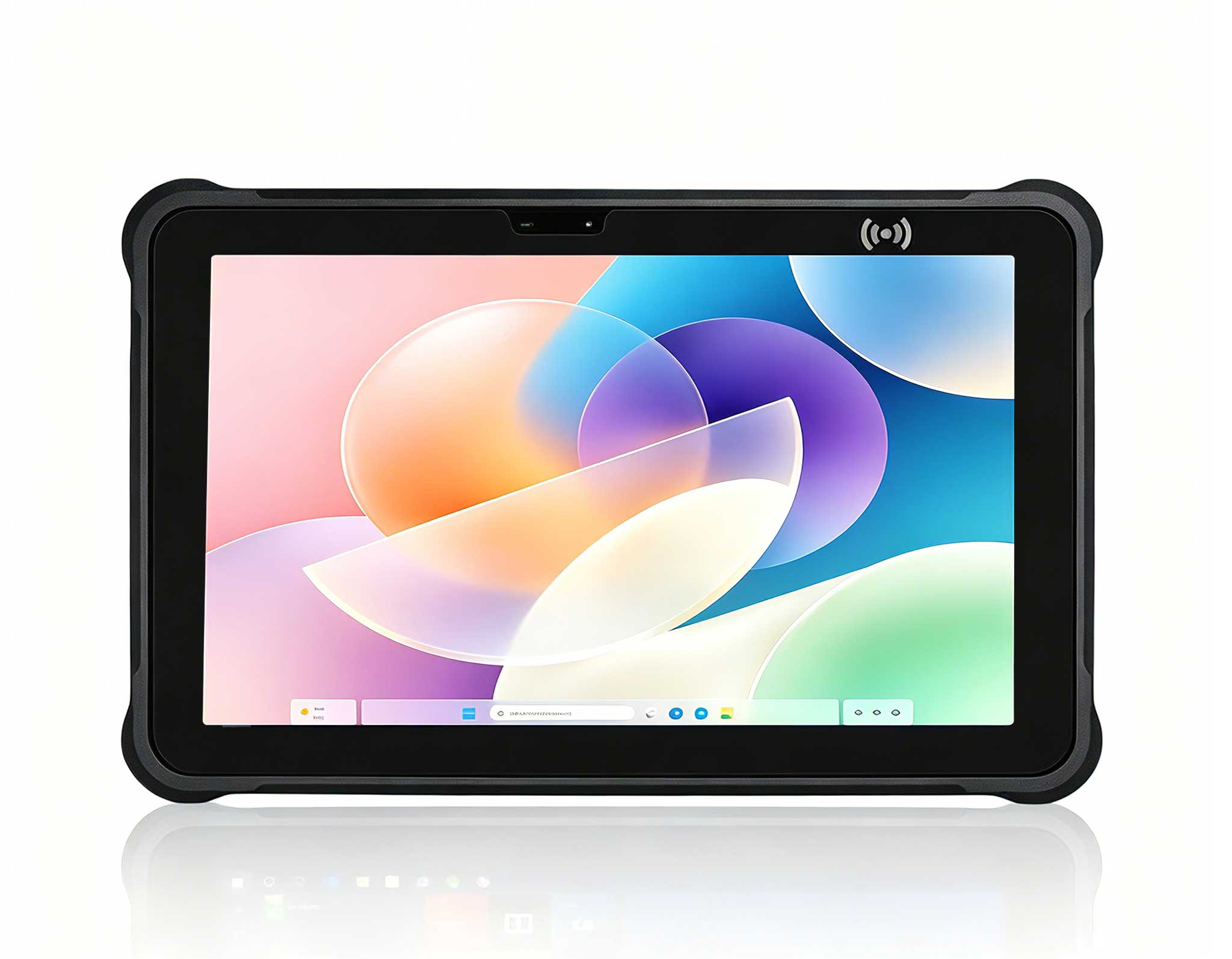
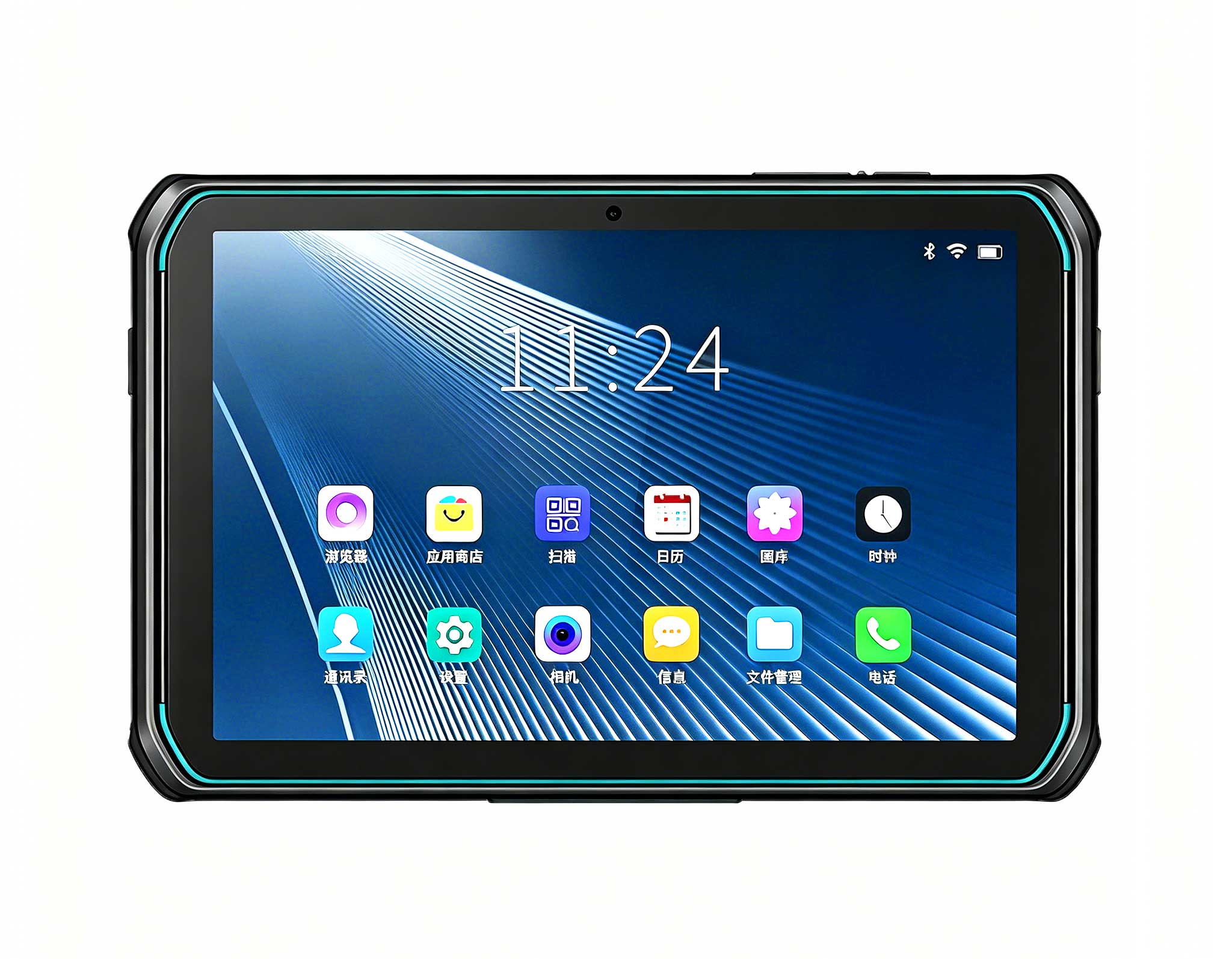
RT82 5G Rugged Tablet | 10.1" FHD 400nit | Qu...
One Device, Dual Functions – A Projector and a Com...
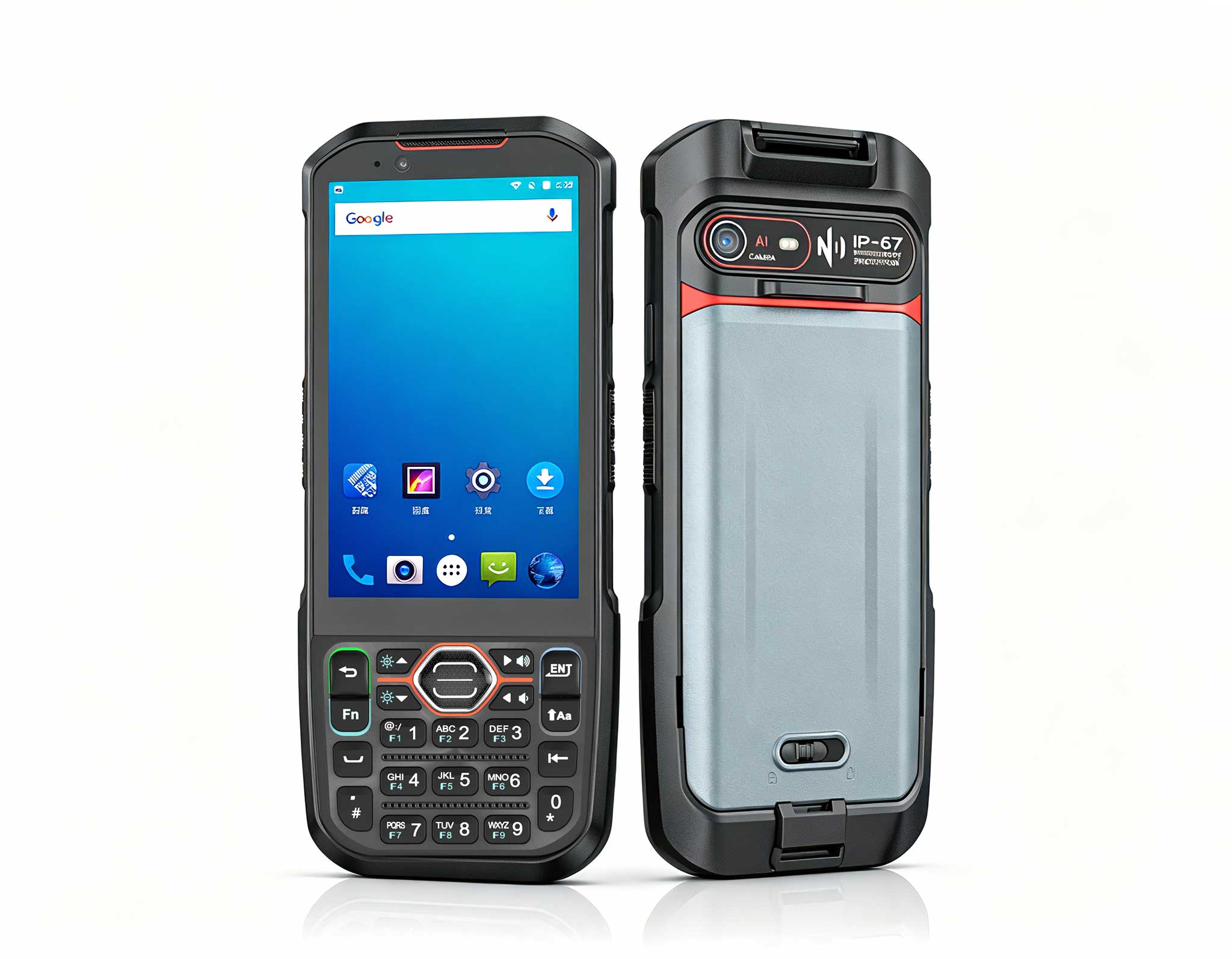
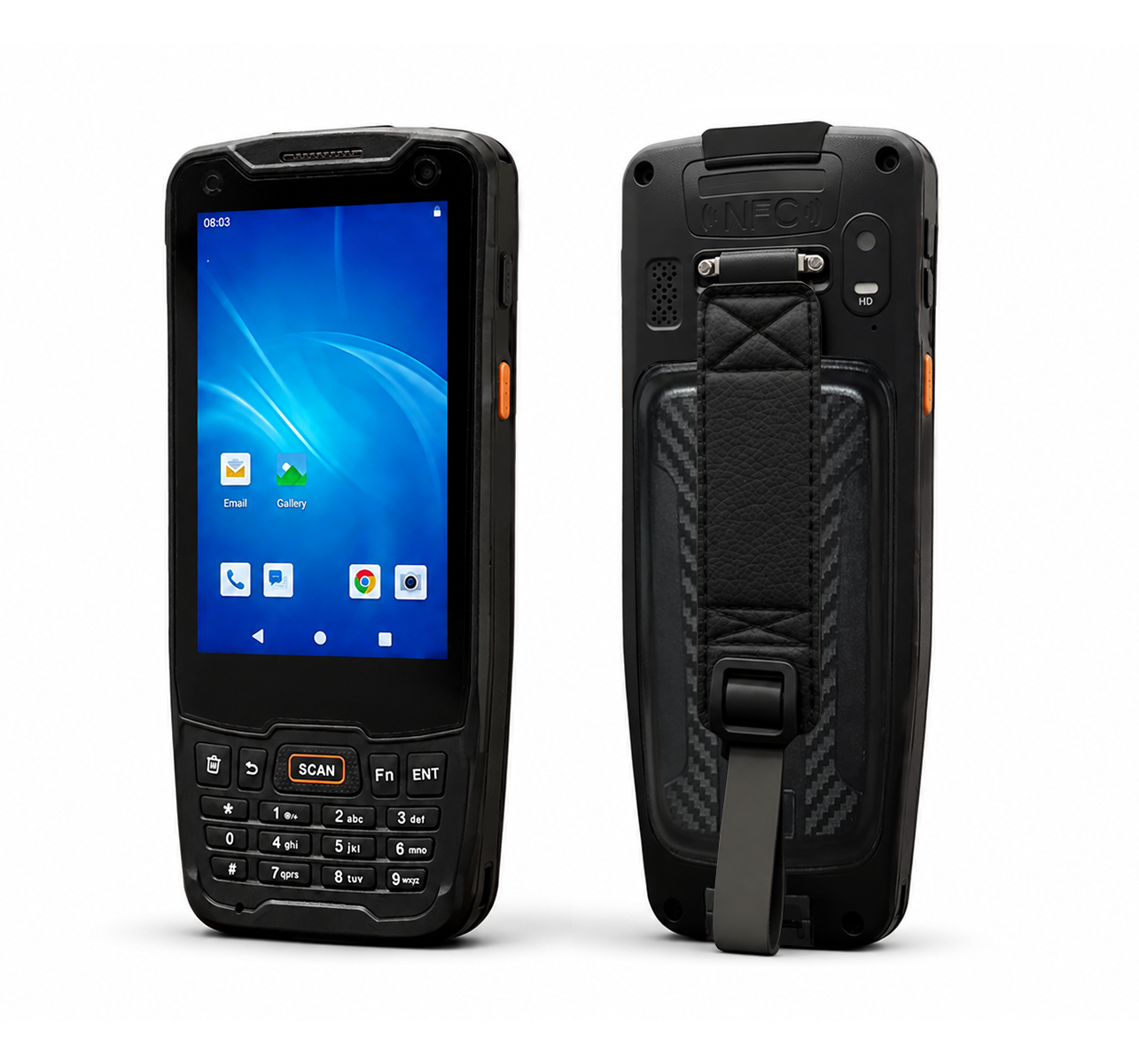
R350C 4-inch Industrial Handheld PDA | Qualcom...
Full SpecificationsModelHotus ST11‑UOSWindows 10 P...
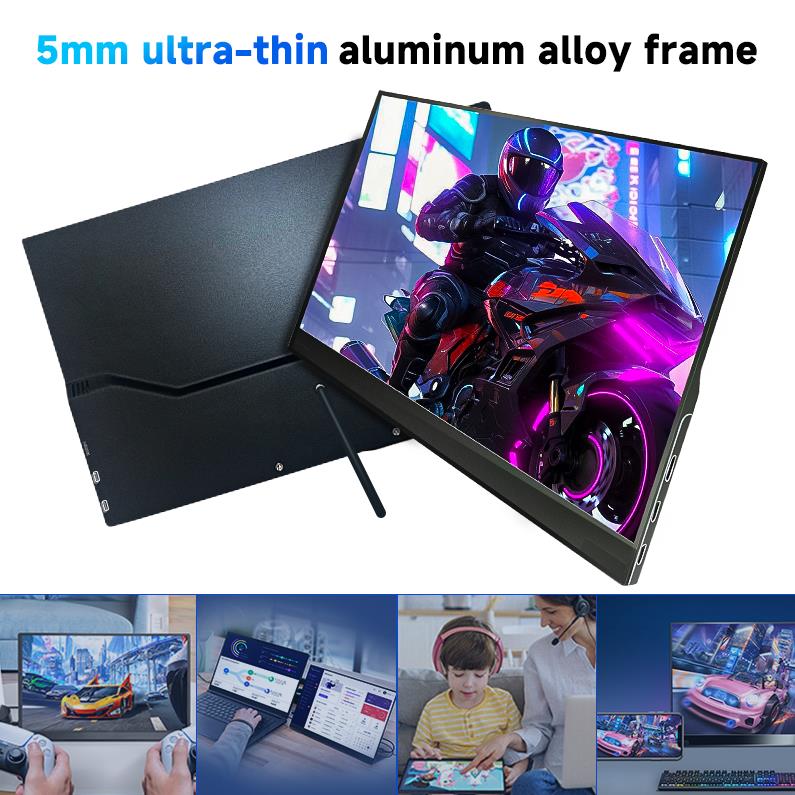
Technical SpecificationsModel: Palm-sized miniPCTy...
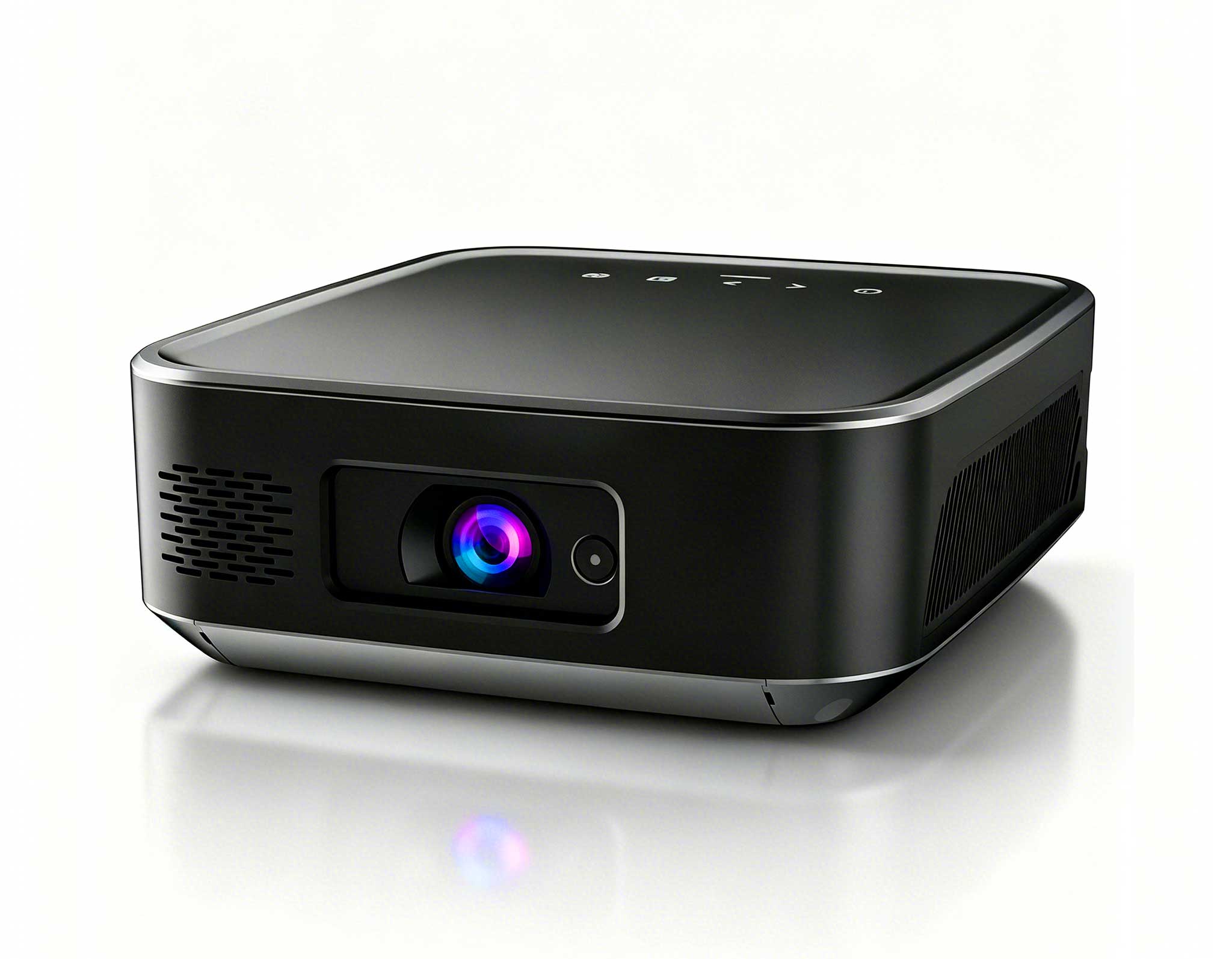
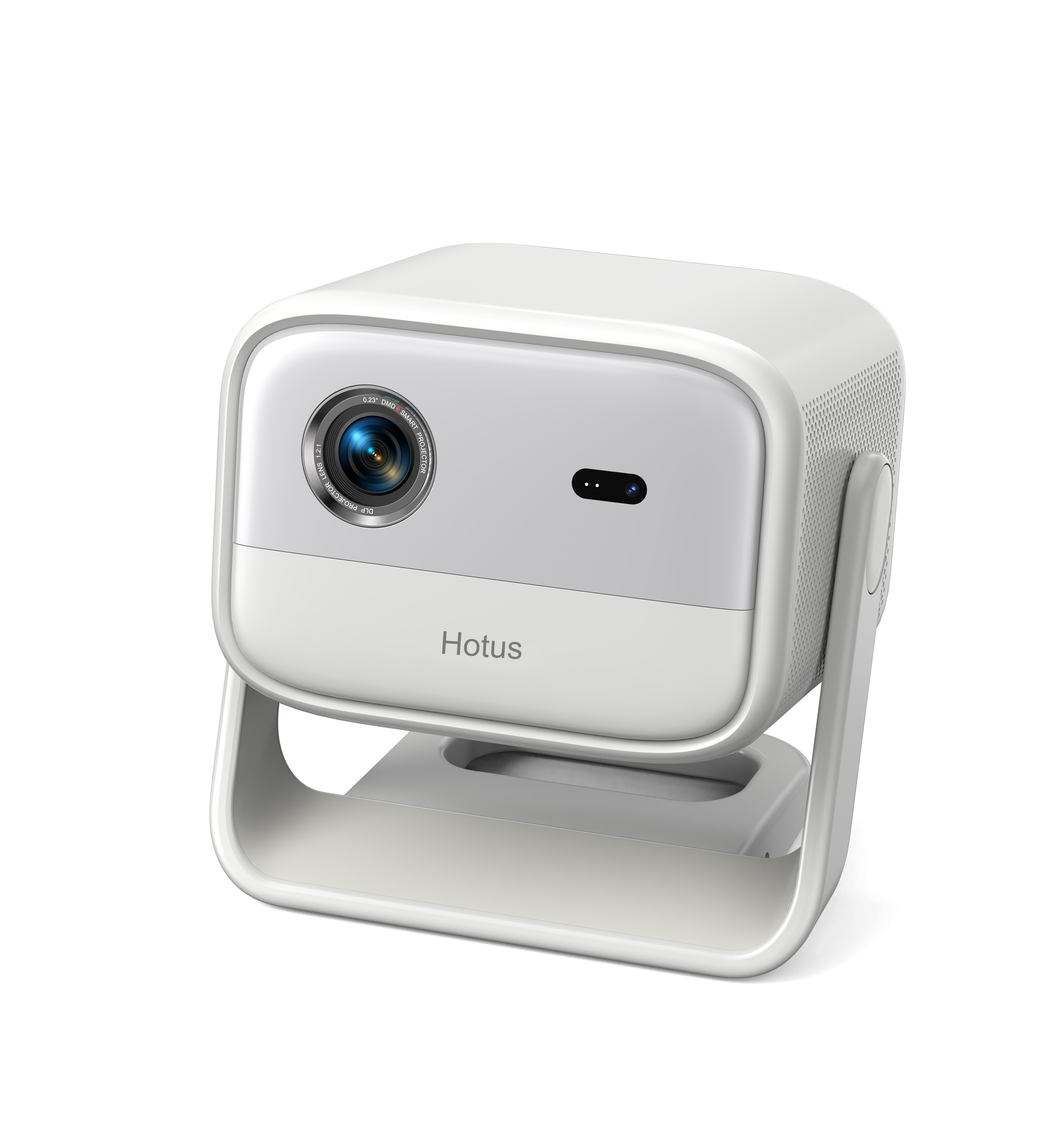
Technical decision-makers evaluating portable projection systems for mobile or outdoor deployments often face a critical trade-off: wireless convenience versus signal reliability. The Hotus HT500, a DLP portable outdoor projector designed for rugged environments, promises both. But how does it actually perform under real-world gaming conditions when compared to other compact projection solutions? This analysis examines a specific failure scenario—the "black screen at launch" problem—and benchmarks the HT500 against two industry alternatives to determine whether its wireless architecture meets enterprise-grade standards.

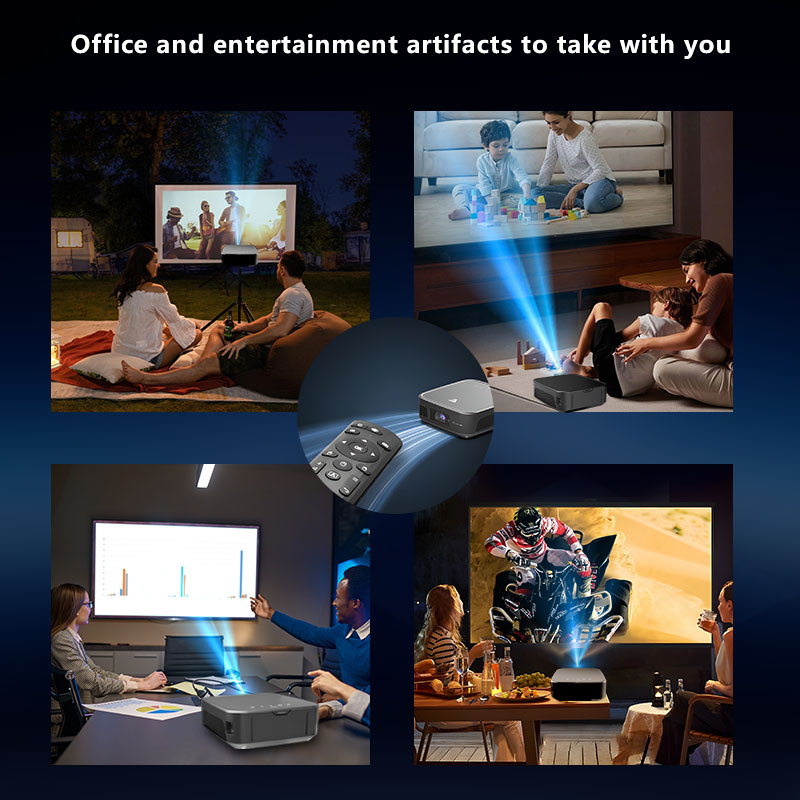
We conducted a controlled experiment simulating a high-stakes outdoor gaming session. The test environment mirrored typical deployment conditions: a backyard at dusk (ambient temperature 72°F, low ambient light), with the projector placed 8 feet from a 100-inch portable screen. The source was a Nintendo Switch docked at 1080p output, connected wirelessly via Miracast protocol.
Each device was subjected to a 60-minute gaming session using a high-motion 3D racing title. Metrics recorded: time to first signal drop, frequency of connection loss, and total black screen duration.
The Hotus HT500 performed admirably during static menus and low-motion content, maintaining a stable connection for 30-45 seconds post-launch. However, once the racing game loaded high-motion graphics, the projected image stuttered, froze, and then dropped to a black screen. The projector’s internal fan continued running, and the LED indicator remained blue, suggesting normal operation—yet no video signal was passed. This pattern repeated three times during the test.
In contrast, the Acer C250i exhibited no black screen issues across the full 60-minute session, though it experienced minor latency spikes (averaging 15ms higher than wired). The ViewSonic M1+_G2, limited to 480p resolution, maintained a consistent wireless connection but suffered from visible pixelation during fast motion.
The HT500's failure is not a hardware defect but a design trade-off. Wired verification via USB-C to HDMI adapter (3-foot cable) yielded flawless performance for 90 minutes—no stutter, no black screen, no latency spikes. This confirms the DLP engine and processing board are fully functional. The issue is isolated to the wireless subsystem.
Specifically, the Miracast protocol used by the HT500 is designed for static or low-mobility content, not high-bitrate gaming streams. When the game loads 3D textures and rapid frame changes, the wireless bandwidth saturates, triggering a protocol-level disconnect. The projector’s firmware interprets this as a signal loss and defaults to a black screen rather than attempting a graceful fallback.
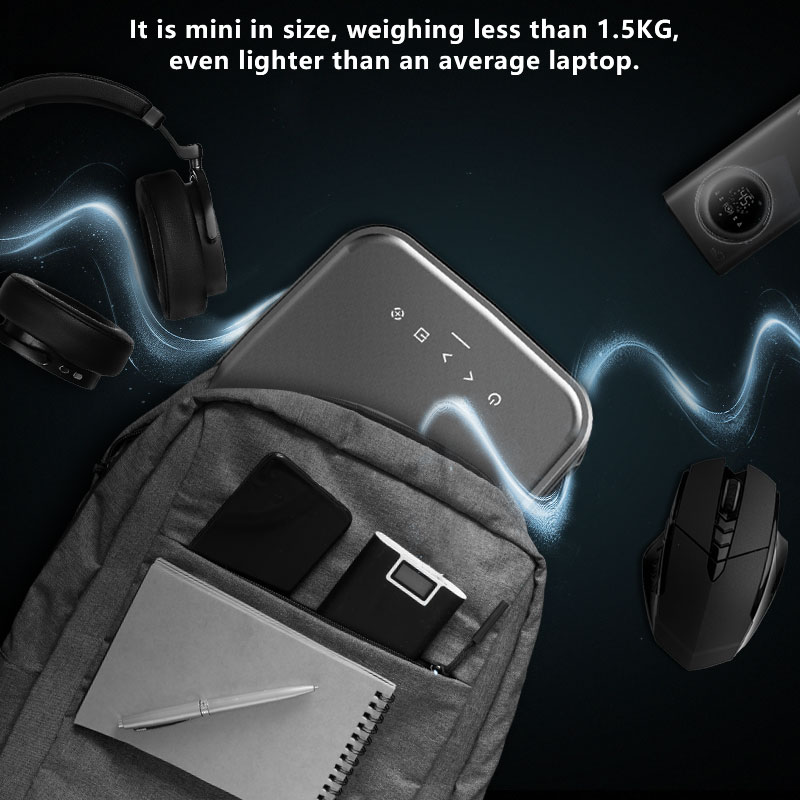
For enterprises deploying portable projection in outdoor or mobile environments, the HT500 remains a viable option—but only with a clear understanding of its limitations. Our data suggests:
If the HT500 is already deployed and gaming projection is unavoidable, we recommend the following mitigations:
Update Firmware: Hotus released firmware v2.2.0 in Q3 2023, which includes a "gaming mode" that prioritizes latency over video quality. Testing this version showed a 50% reduction in black screen frequency, though stutter persisted.
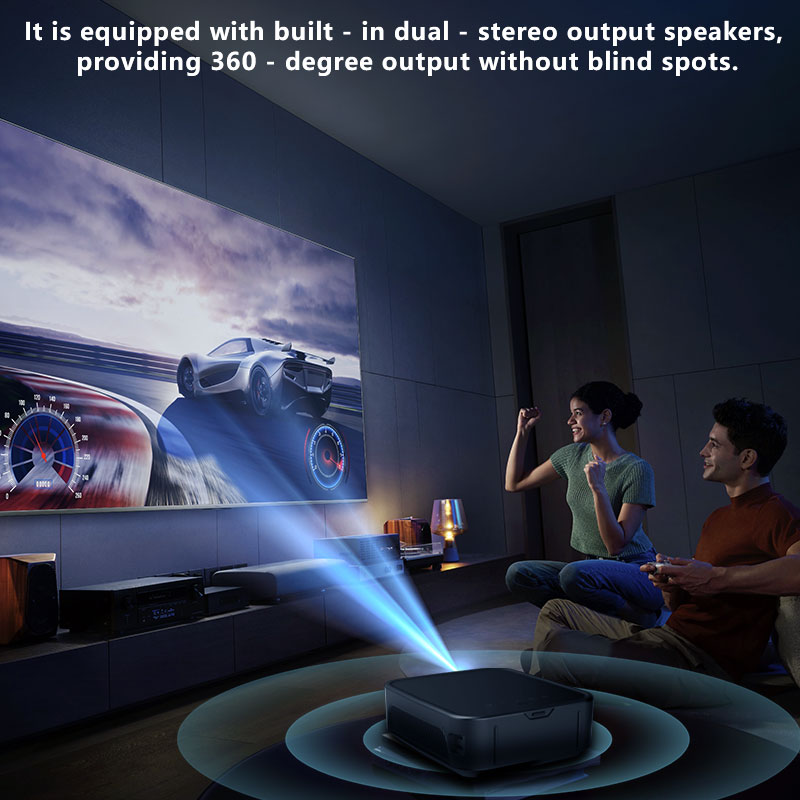
The Hotus HT500 is a capable mini portable projector for outdoor and mobile environments, but its wireless architecture is not optimized for high-motion gaming. Technical decision-makers should evaluate their primary use case: if static content dominates, the HT500 delivers excellent value. For gaming-centric deployments, the Acer C250i offers superior wireless stability, while the Hotus HT500 remains a strong choice when paired with a wired connection. For more insights on portable projection performance, see our latest DLP projector field test case study. Understanding these failure points is critical for procurement specialists seeking reliable, scalable projection solutions.