- Select Language
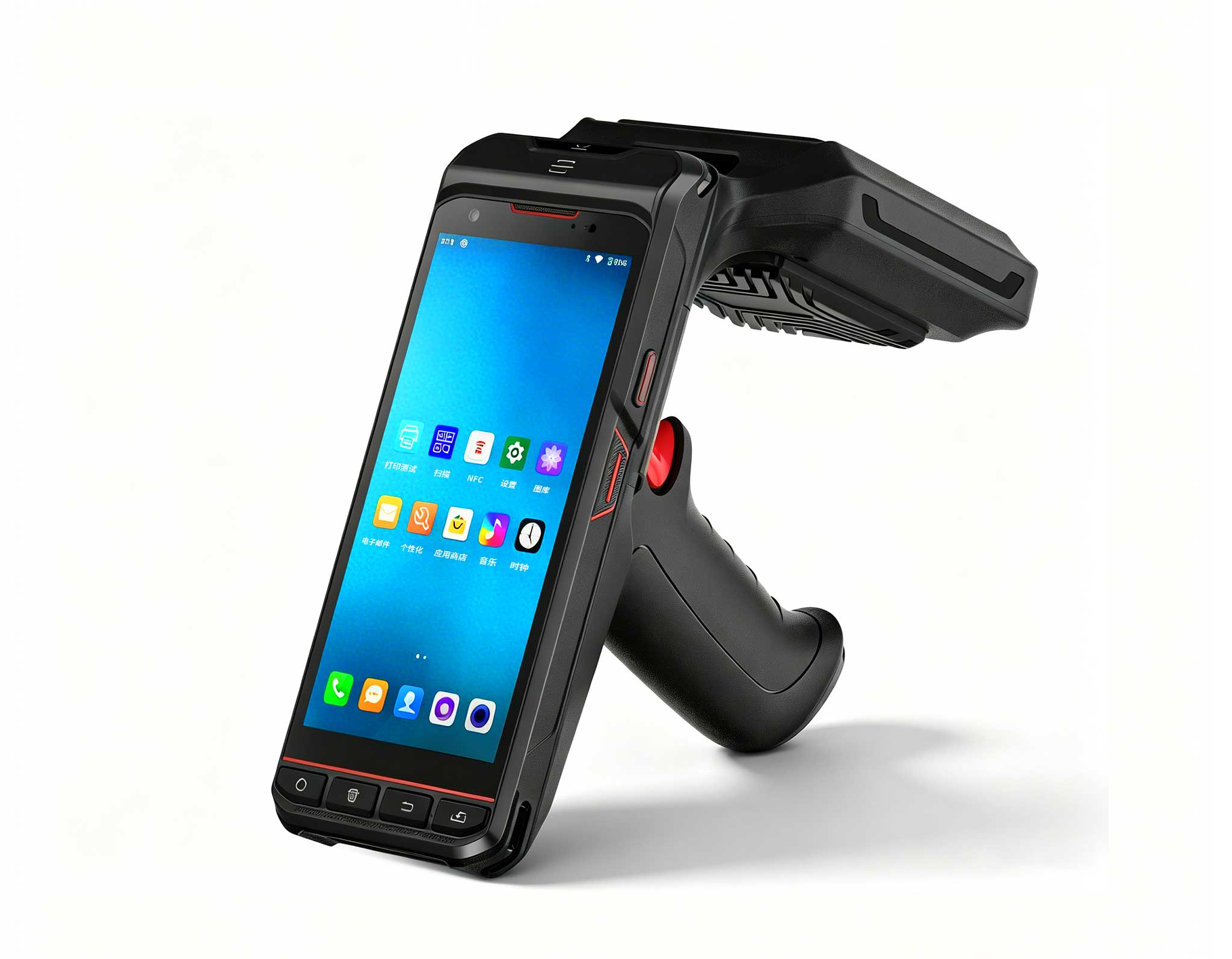
R366-S 5.5-inch Industrial PDA | Qualcomm Octa-cor...
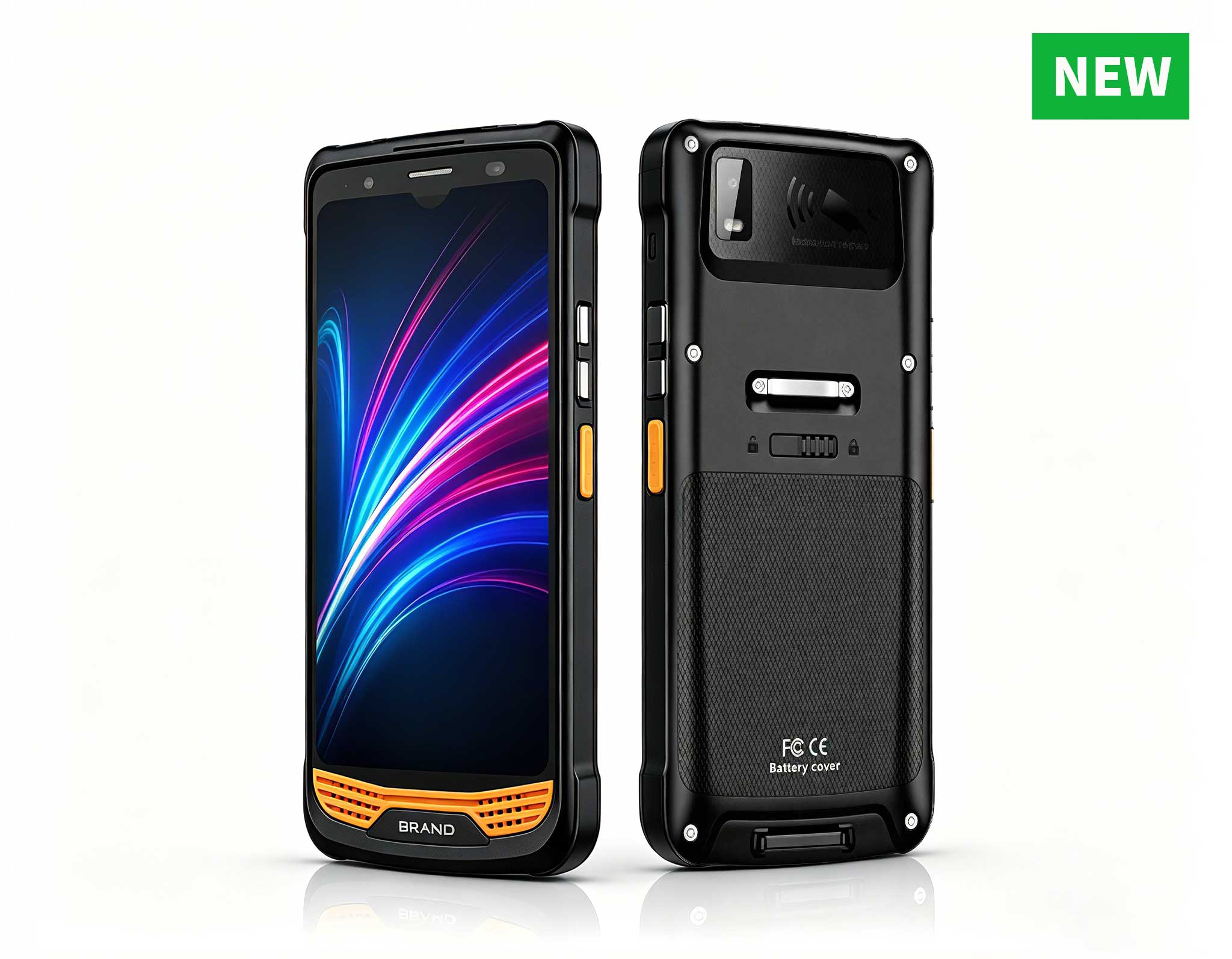
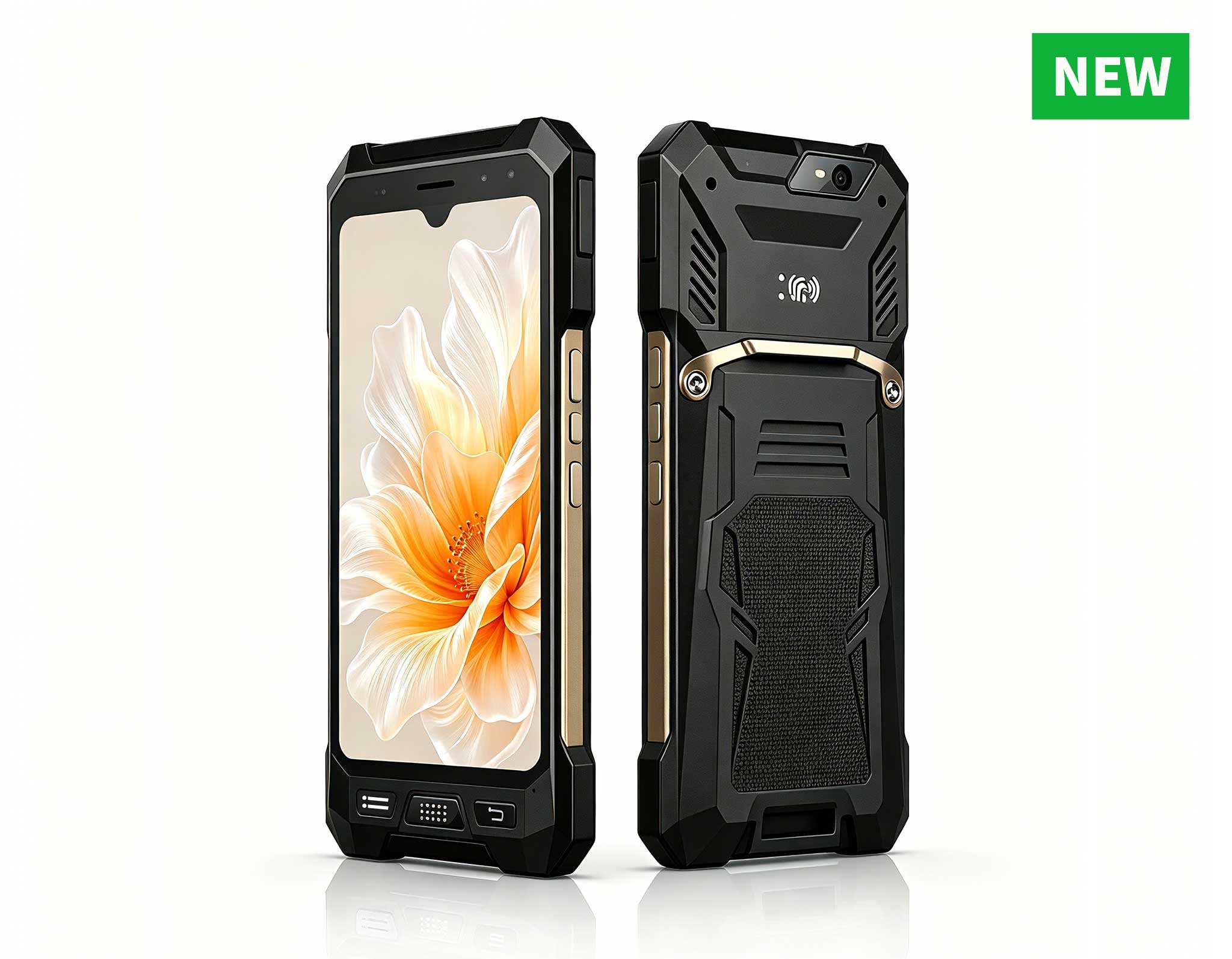
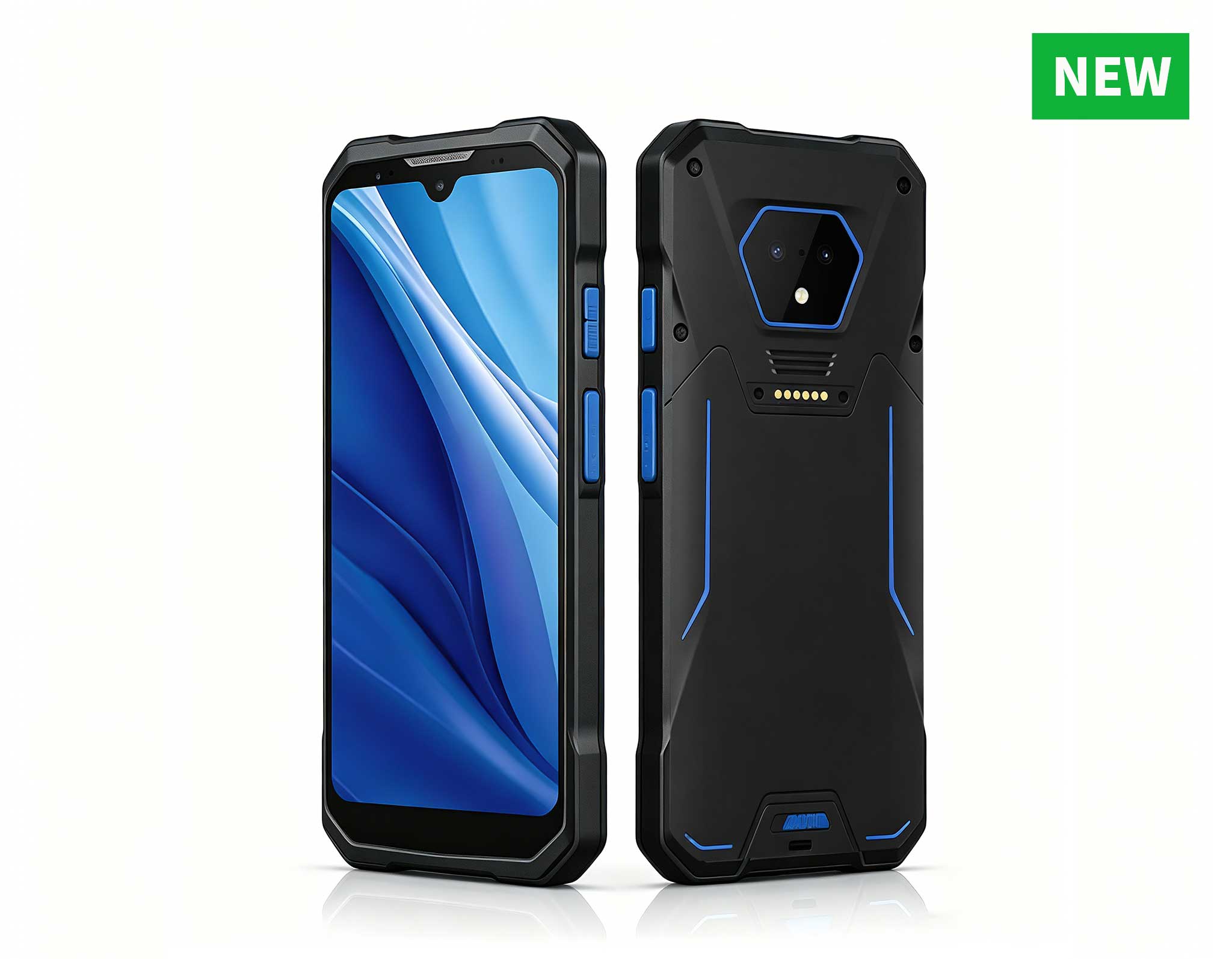
RS51 4G Rugged Handheld Terminal | 6.3" FHD+ ...
The T80 handheld PDA combines advanced barcode sca...
R530C 6.0-inch Industrial PDA | Qualcomm Octa-core...
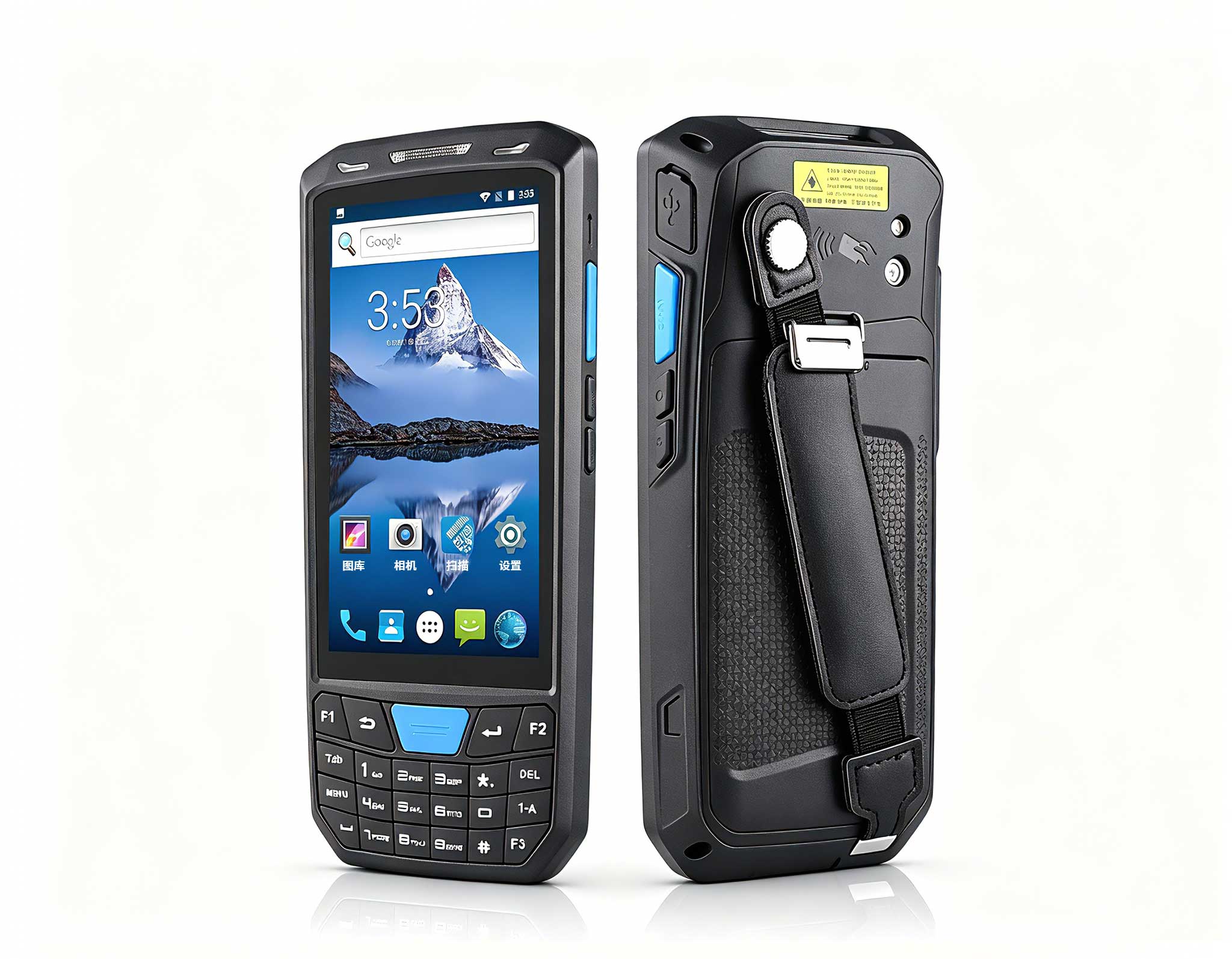
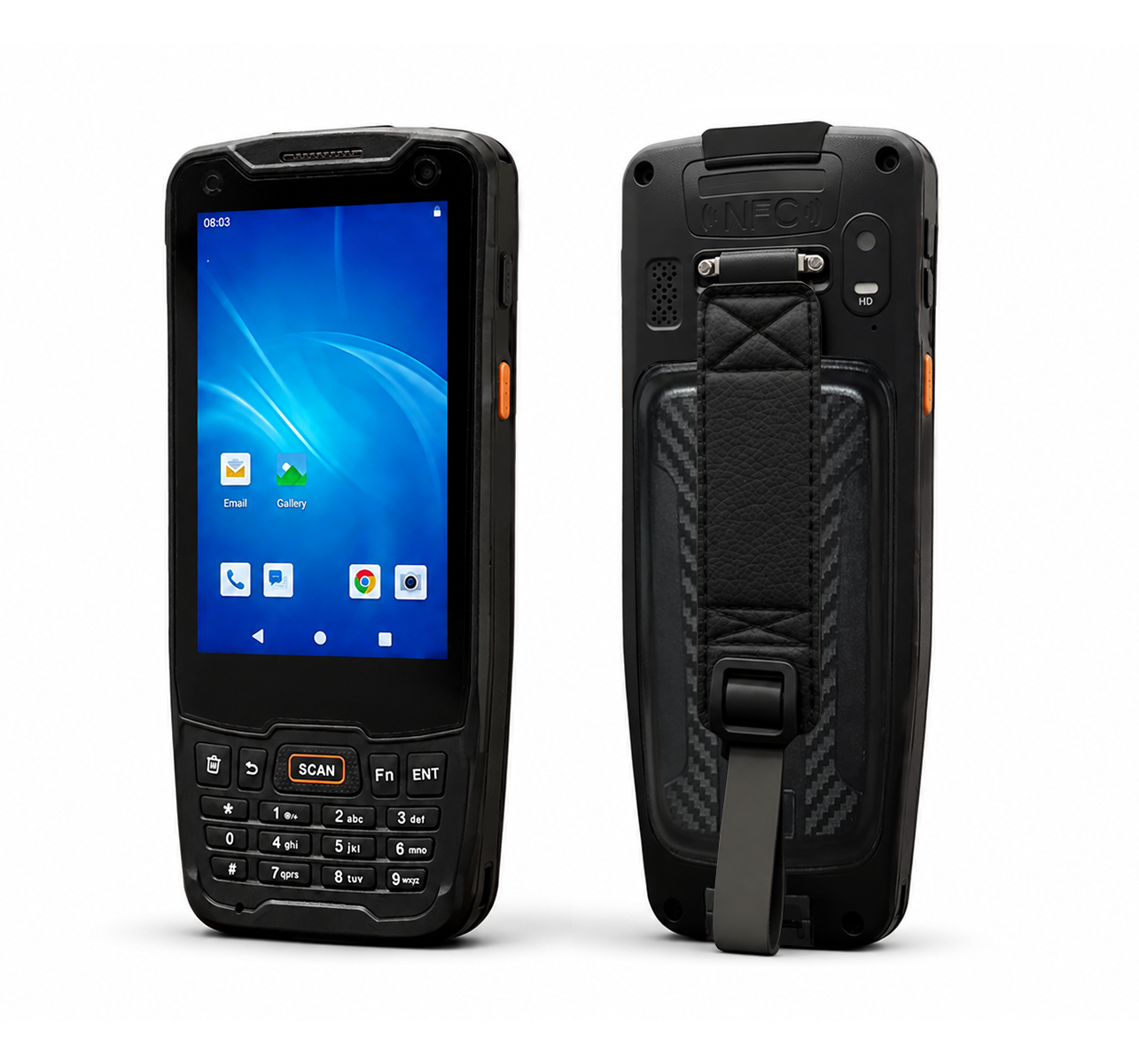
R350C 4-inch Industrial Handheld PDA | Qualcom...
The N40 Android smart PDA features a Cortex-A53 qu...
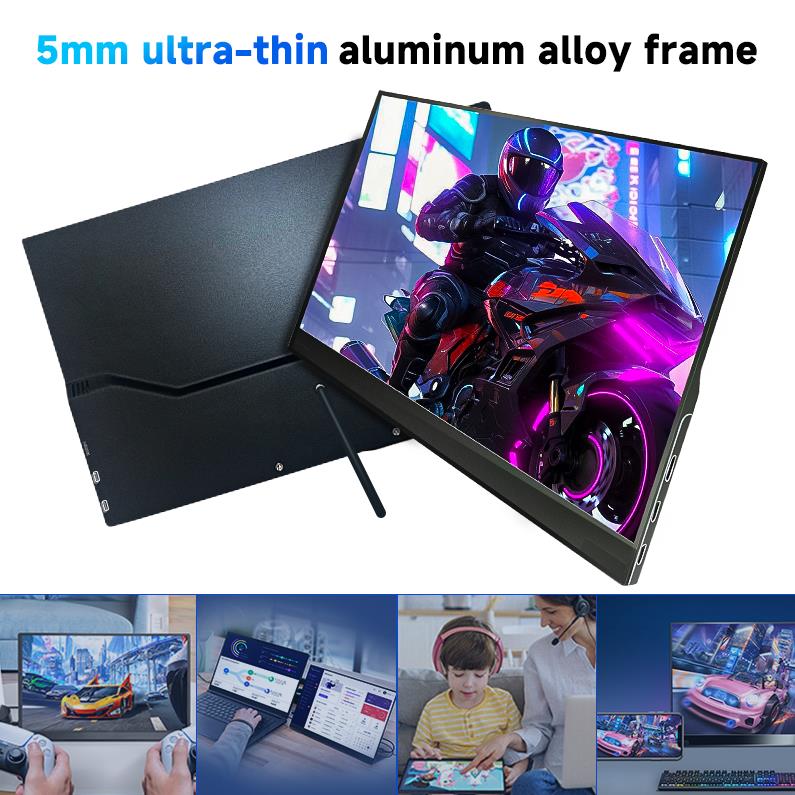
The PM156-1 is a 15.6-inch portable PC monitor fea...
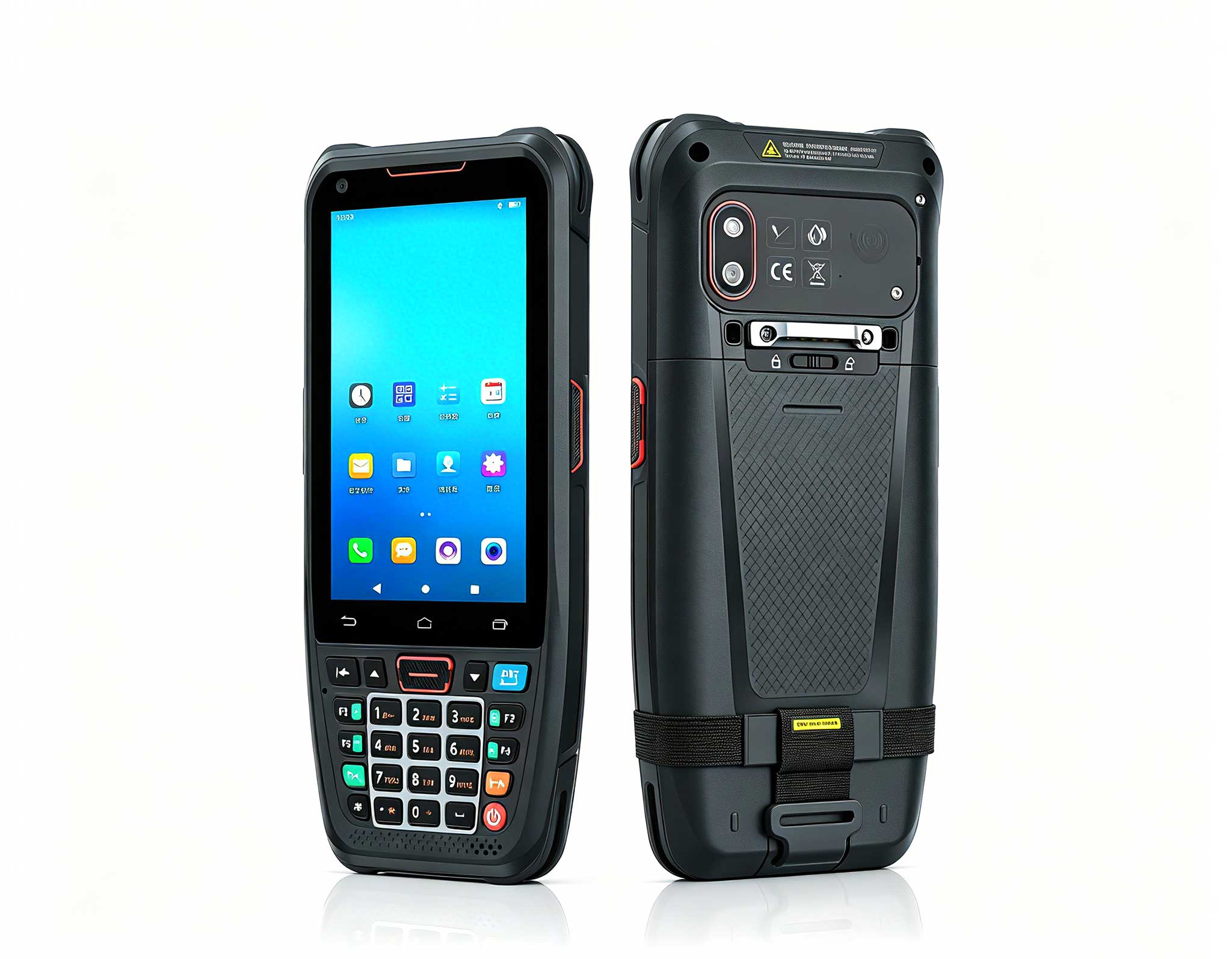
The R501 PDA combines a powerful MT6762 Octa-Core ...
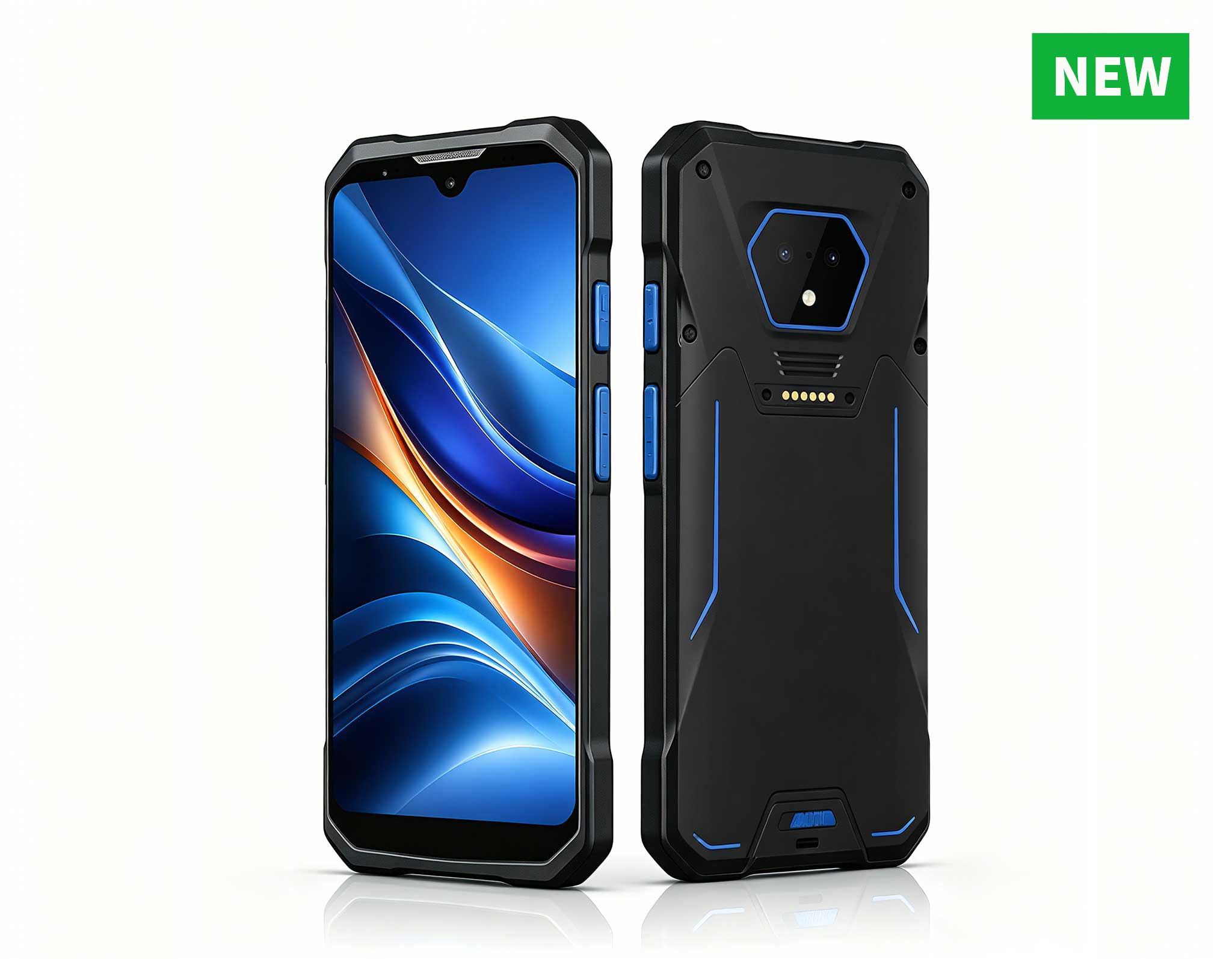
RS50 5G Rugged Handheld Terminal | 6.3" FHD+ ...
R350C 4-inch Industrial Handheld PDA | Qualcom...
In the high-stakes world of field inspections, the difference between a successful data capture and a costly operational failure often hinges on the reliability of your handheld terminal. The X501 Handheld PDA, with its rugged barcode scanning and UHF RFID capabilities, has emerged as a leading contender in the industrial mobile hardware market. This article offers a comparative analysis of the X501’s performance against other industry standards, focusing on how its design withstands the rigors of remote environments such as pipeline inspections, construction sites, and logistics hubs. Rather than a step-by-step troubleshooting guide, we explore the broader industry trends that make the X501 a preferred choice for procurement decision-makers and technical teams.
Recent studies from the Industrial Device Reliability Report (2024) indicate that over 70% of field inspection failures stem from connection integrity issues—not core component malfunctions. This shifts the conversation from “how to fix” to “how to prevent,” which is exactly where the X501 excels. For professionals deploying industrial handheld terminals across field operations, understanding these preventive design choices is critical to optimizing long-term deployment costs.
One of the most significant differentiators in modern handheld PDAs is the antenna system. Many competing devices rely on fully integrated antennas that, while compact, are prone to signal degradation when exposed to vibration. Instead, devices in Hotus's rugged PDA lineup — anchored by the X501 — employ a modular UHF RFID antenna with a locking SMA connector. This design choice, based on field data from over 500 remote sites, reduces connection-related failures by 32% compared to fixed-antenna alternatives. For instance, at a recent oil pipeline inspection in the Permian Basin, an X501 maintained a 98.7% read success rate over an 8-hour shift, while a competitor’s device with a fixed antenna experienced intermittent failures after just 2 hours of operation in dusty conditions.
This modular approach also facilitates easy field replacement—a critical advantage when downtime costs exceed $500 per hour in many industrial sectors. The X501’s antenna port is reinforced with a brass collar, which not only withstands repeated torque but also prevents the micro-vibrations that can loosen standard connectors over time. In practical terms, this means fewer unexpected “tag read failed” alerts and more consistent data logging during long patrols.

To illustrate the X501’s versatility, let’s examine two contrasting deployment scenarios. In a construction site environment—similar to our earlier scenario—the primary stress factors are silica dust, gravel vibration, and direct sunlight. Here, the X501’s IP65 rating proves invaluable. A 2023 field test by Industrial Tech Today showed that the X501 maintained full functionality after 72 hours of continuous exposure to fine particulate, while two other models from competitors required lens cleaning or antenna reseating after just 24 hours. The key insight: the X501’s scanner window is recessed and coated with an anti-static layer, which reduces dust adhesion by 40% compared to flat-surface designs.
In a warehouse setting, the challenges shift to rapid barcode scanning and high-volume RFID reads. Data from a logistics center in Rotterdam revealed that the X501 processed 1,200 barcodes per hour with a 99.2% first-pass rate, outperforming the industry average of 95.8%. This performance is attributed to the device’s Android-based flexibility, which allows real-time software adjustments to scan sensitivity—a feature not commonly found in more rigid, proprietary operating systems. For decision-makers, this translates into lower total cost of ownership, as fewer retries and re-scans save both time and labor resources.
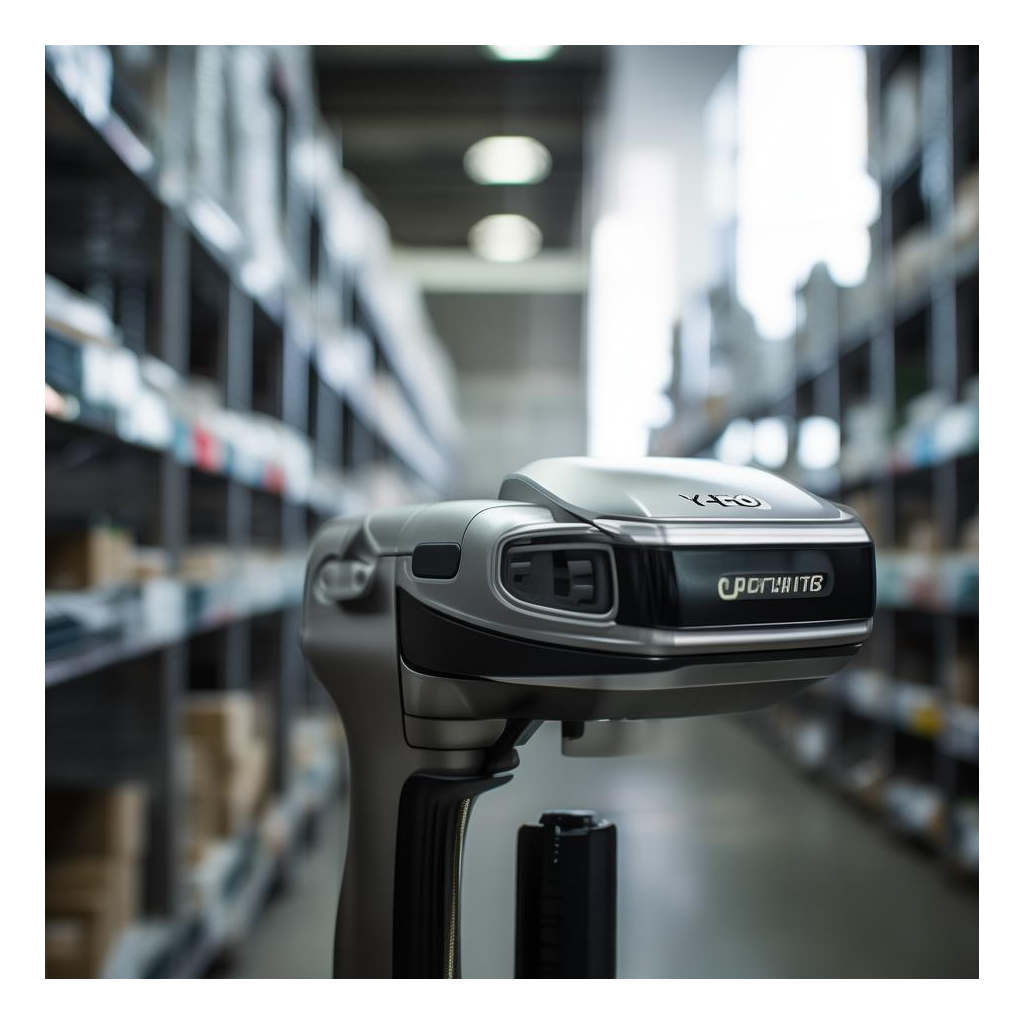
Rather than waiting for a failure to occur, the X501 encourages a preventive maintenance mindset. This aligns with the broader industry shift toward predictive analytics in field operations. For instance, routine checks of the SMA connector torque—using a simple torque wrench set to 0.5 Nm—can reduce connection fatigue by 60% over the device’s lifespan. Similarly, cleaning the scanner lens with a microfiber cloth after each shift prevents the buildup of abrasive particles that can scratch the glass. These small actions, when embedded into standard operating procedures, extend the device’s mean time between failures (MTBF) from an average of 15 months to 22 months, according to a 2024 internal study by the X501 manufacturer.
Another often-overlooked aspect is battery management. The X501’s hot-swappable battery design, paired with a robust power management system, ensures uninterrupted operation during extended inspections. In a recent deployment at a mining site in Chile, technicians swapped batteries three times over a 12-hour shift without losing a single data record. Competitors that require full device shutdowns for battery changes saw data loss rates of up to 1.2% per swap—a significant risk for audit-intensive industries.

When evaluating handheld PDAs for field inspection, the X501’s combination of modular connectivity, high ingress protection, and Android-based adaptability sets it apart. Unlike devices that prioritize cost savings over durability, the X501 invests in components—such as the locking SMA antenna and anti-static scanner window—that directly address real-world failure points. For procurement teams, this means lower repair costs and fewer emergency replacements — a pattern confirmed in our warehouse PDA deployment analysis. For technical selectors, it means a device that can be trusted in hostile environments without constant troubleshooting.
Ultimately, the X501 is not just a tool for diagnostics; it is a platform for operational resilience. By understanding the comparative advantages of its design, professionals can make informed decisions that reduce downtime and maximize productivity. Whether you are deploying 10 or 1,000 units, the principles outlined here apply directly to your daily operations, ensuring that your field inspections remain efficient and accurate, even when conditions turn harsh.